Best Walleye Rod for Trolling
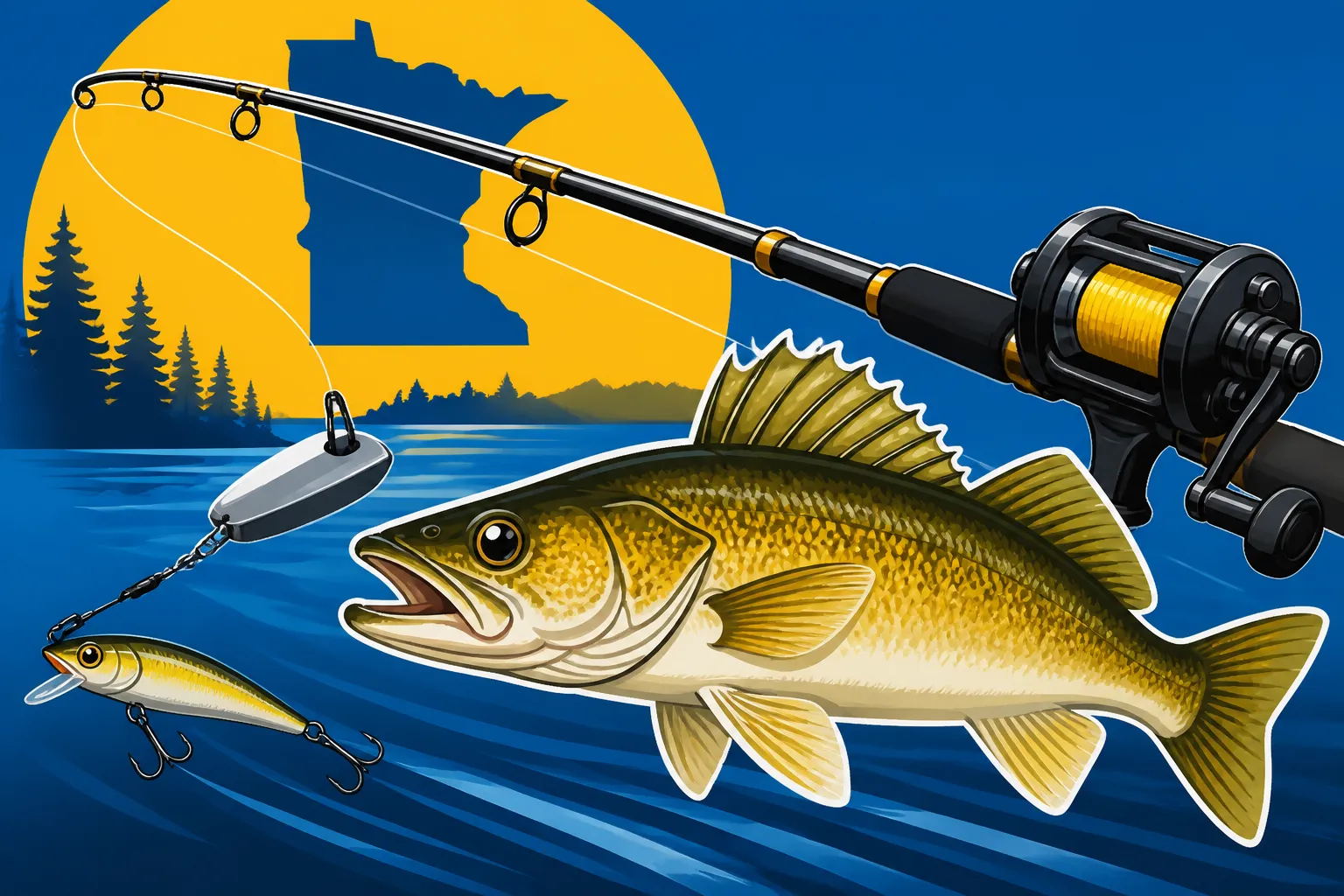
Trying to pick out the perfect walleye trolling rod can feel like staring at a massive wall of options, each promising to be "the best" but leaving you more confused than when you started. It's frustrating to invest in gear only to find it's too stiff, too flimsy, or just plain wrong for how you actually fish. This guide is here to cut through the noise, helping you understand exactly what to look for in a walleye trolling rod so you can spend less time second-guessing your setup and more time reeling in those beautiful Minnesota walleyes.
Why a Dedicated Trolling Rod Makes All the Difference
You might be thinking, "Can't I just use my regular jigging rod for trolling?" While technically you could, using a rod designed specifically for trolling walleyes is a game-changer. Trolling puts unique demands on your gear, from the constant drag of lures or planer boards to the need for specific actions that signal a bite and properly set the hook. A general-purpose rod just won't cut it if you're serious about consistent success, especially when chasing those elusive marble eyes across vast lakes like Mille Lacs or Lake of the Woods.
The Specialized Needs of Trolling for Walleye
When you're pulling crankbaits, bottom bouncers, or even lead core lines, your rod isn't just a conduit; it's an active participant in your presentation. A good walleye trolling rod acts as a shock absorber, cushioning the constant pull and surge of your boat and the fight of the fish. It also needs to be sensitive enough to detect subtle changes in lure action or the light tap of a walleye, yet have enough backbone to handle larger fish and the stress of repeated hooksets. Think about a long day on the water, the sun beating down, and the constant vibration from your line. A rod that's specifically engineered for this task will reduce fatigue and increase your overall effectiveness.
Core Components Designed for the Long Haul
Every part of a trolling rod is optimized for durability and performance under sustained pressure. The blank material, the guides, the reel seat, and even the handle are chosen with trolling in mind. Unlike casting rods that need to be light and responsive for quick, repeated casts, trolling rods are built to withstand constant load. This often means slightly heavier, more robust components that can take a beating and keep delivering. The goal is a reliable, consistent performance that won't leave you questioning your gear when that trophy walleye finally hits.
Key Characteristics of the Ideal Walleye Trolling Rod
Choosing the right walleye trolling rod involves understanding a few critical characteristics. It's a balance of length, action, power, and materials, all working together to create an efficient and enjoyable fishing experience. Let's break down what each of these means for your next walleye adventure.
Rod Length and Its Strategic Advantages
When it comes to trolling, longer rods generally offer several advantages. A longer rod creates more separation between your lines, which is crucial when running multiple rods or using planer boards. This minimizes tangles and allows you to cover a wider swath of water. Common lengths for walleye trolling rods range from 7 feet to 10 feet, with some specialized applications even going longer.
- 7 to 8-foot rods: These are excellent all-around choices, especially if you're just starting out or primarily trolling with a single line directly off the boat. They offer a good balance of control and spread, making them versatile for many situations.
- 8.5 to 10-foot rods: These longer rods really shine when you're using planer boards or lead core setups, or when fishing larger lakes where maximizing your spread is key. The extra length helps keep your lines separated, reducing frustrating tangles and allowing your lures to work more effectively. When fishing on expansive waters like Leech Lake, where covering ground is paramount, these longer rods can make a significant difference.
Action and Power: Finding the Right Flex and Strength
Rod action refers to where the rod bends, while rod power describes its lifting strength. These two characteristics are absolutely vital for effective walleye trolling.
- Action: For most walleye trolling applications, a moderate or moderate-fast action is preferred. A moderate action rod bends more parabolically (further down the blank), offering a smoother, more forgiving bend. This is ideal for absorbing the shock of crankbait dives, preventing hooks from tearing out of a walleye's mouth, and acting as a spring when a larger fish surges. A moderate-fast action offers a bit more tip sensitivity for detecting subtle bites, while still bending well into the blank under load. Fast or extra-fast action rods, which bend mostly at the tip, are generally too stiff for most trolling and can lead to pulled hooks.
- Power: You'll want a rod with medium to medium-heavy power for walleye trolling.
- Medium power is fantastic for lighter presentations, smaller crankbaits, or when targeting smaller to average-sized walleyes. It provides enough backbone to fight fish without being overly stiff.
- Medium-heavy power offers more lifting strength, making it suitable for larger crankbaits, deeper diving lures, heavy bottom bouncers, or when you expect to encounter larger walleyes or incidental catches like northern pike. This power rating is also excellent when you need to quickly bring a fish to the boat, particularly when using lead core line where the fight can be more direct.
Line Weight Rating and Lure Weight Matching
Every rod has a recommended line weight rating and lure weight range. Paying attention to these ensures your rod performs optimally and prevents premature rod failure. For walleye trolling, you're typically looking at rods rated for 10-20 lb monofilament or fluorocarbon, or 20-50 lb braided line. Matching your line to the rod's rating ensures that the rod can handle the stress, especially when fighting a strong fish or snagging a lure. The lure weight rating is also important – trying to troll a massive magnum crankbait on a light lure-rated rod will quickly overstress it and lead to poor performance or breakage. Ensure your rod can comfortably handle the weight of the lures and any additional weights (like snap weights or bottom bouncers) you plan to use.
Handle and Reel Seat Comfort for Long Days
Trolling often means hours with your hand on the rod or frequently checking it. Therefore, the handle and reel seat design are more important than you might initially think.
- Handle Material: Most trolling rods feature durable EVA foam or cork handles. EVA foam is popular for its comfort, grip, and resistance to wear, making it a great choice for all-weather conditions. Cork offers a classic feel and good grip but can be less durable than EVA over time. A longer handle butt is also beneficial, allowing you to brace the rod against your body for added leverage during a fight or when a planer board is putting significant tension on the line.
- Reel Seat: A robust reel seat that securely holds your reel is paramount. Look for one with strong locking nuts that won't loosen under constant vibration. Many trolling rods feature trigger grips or palm swells for added comfort and control. This seemingly small detail can make a huge difference in reducing hand fatigue over a full day of fishing. Brands like Ugly Stik and Fenwick offer some excellent options with comfortable grips that hold up well over time, available at retailers like Bass Pro Shops or online at Amazon.
Matching Your Rod to Your Trolling Style
Not all walleye trolling is the same. The type of lure, the depth you're fishing, and whether you're using planer boards or lead core all dictate the best rod choice. Tailoring your rod to your specific technique will dramatically improve your success. This is where understanding your approach to walleye fishing techniques really comes into play.
Trolling with Crankbaits
Crankbait trolling is a staple for many Minnesota walleye anglers. Whether you're pulling shallow-running Rapalas over weed beds or deep-diving Berkley Flicker Shads along breaklines, the right rod makes a difference.
- Ideal Rod: You'll want a rod with a moderate to moderate-fast action and medium to medium-heavy power. Lengths from 7 to 9 feet are common. The moderate action is crucial here to absorb the head shakes of a walleye and prevent the trebles from pulling out. A rod that loads up nicely also helps keep constant tension on the line, especially if you're using braided line with little stretch.
- Why it works: The forgiving action prevents fish from throwing the hook when they thrash, and the power ensures you can handle the drag of the crankbait and the fight of a good fish. This setup is perfect for covering large areas, especially in places like Lake of the Woods, where fish are often spread out. For more in-depth knowledge, check out our guide on How to Fish Crankbaits for Walleye.
Fishing with Bottom Bouncers and Live Bait
Bottom bouncers paired with crawler harnesses or live minnows are incredibly effective for walleye, especially when fish are relating to bottom structure. This technique demands a rod with a bit more sensitivity to feel the bouncer "walk" along the bottom and detect subtle bites.
- Ideal Rod: A rod with a moderate-fast action and medium-heavy power is usually the sweet spot. Lengths between 6.5 to 8 feet are popular, as you often hold these rods, and a slightly shorter length can offer better control. The sensitive tip allows you to feel changes in bottom composition and the lightest pick-ups, while the medium-heavy backbone ensures solid hooksets and easy handling of the bouncer's weight.
- Why it works: The blend of sensitivity and power is key. You need to feel every tick and bump on the bottom to know your presentation is correct, and then have the power to drive the hook home when a walleye strikes. This setup is often preferred for targeting specific depths and structures, a technique described in detail in our article on Bottom Bouncer & Crawler Harness for Walleye.
Running Planer Boards and Lead Core
For anglers looking to maximize their spread and cover vast expanses of water, planer boards and lead core line are essential tools. These techniques require specialized rods to handle the unique stresses involved.
- Planer Board Rods: These rods are typically longer, ranging from 8.5 to 10 feet or even more, with a moderate or moderate-fast action and medium to medium-heavy power. The extra length keeps your lines separated and allows the planer boards to run effectively away from the boat. A softer tip helps absorb the shock of the board and provides a visual indicator when a fish strikes.
- Lead Core Rods: Similar to planer board rods, lead core setups often benefit from longer rods (8 to 10 feet) with a moderate action and medium to medium-heavy power. The moderate action is vital because lead core line has no stretch, so the rod needs to provide all the give. This prevents hooks from pulling and cushions the fight of the fish. These rods need a strong backbone to handle the weight of the lead core and the diving lure. For more information on this technique, read our article on Using Leadcore Line for Walleye Trolling.
Here's a quick reference table to help you choose:
| Trolling Technique | Rod Length Range | Rod Action | Rod Power | Key Feature/Benefit |
|---|---|---|---|---|
| Crankbaits (Direct) | 7' – 9' | Moderate-Fast | Medium to MH | Absorbs shock, prevents hook pulls, good all-around feel. |
| Bottom Bouncers/Live | 6.5' – 8' | Moderate-Fast | Medium-Heavy | Sensitive tip for bottom feel, strong backbone for hooksets. |
| Planer Boards | 8.5' – 10'+ | Moderate-Fast | Medium to MH | Maximizes spread, keeps lines separated, visual strike detection. |
| Lead Core Trolling | 8' – 10' | Moderate | Medium-Heavy | Cushions fight with no-stretch line, handles heavy setup, consistent deep diving. |
Care and Maintenance for Your Trolling Rod
A quality walleye trolling rod is an investment, and like any good piece of fishing gear, it deserves proper care. A little attention after each outing will ensure your rod lasts for many seasons, continuing to help you land those elusive Minnesota walleyes.
Post-Fishing Rinse and Inspection
It might seem tedious, but giving your rod a quick rinse after each trip, especially if you've been fishing in saltwater or brackish water (though less common for inland Minnesota walleyes, it's good practice), is crucial. Even freshwater can carry dirt and minerals that can degrade components over time.
- Rinse: Use fresh water to gently rinse the entire rod, paying close attention to the guides and reel seat. This washes away any dirt, fish slime, or residual bait.
- Inspect Guides: While rinsing, run your fingers along the inside of each guide to check for cracks, nicks, or loose inserts. Damaged guides can fray or snap your line, costing you fish. If you find any issues, address them promptly.
- Check Reel Seat: Ensure the reel seat still holds the reel snugly and that the locking nuts aren't cross-threaded or damaged. A wobbly reel is not only annoying but can also lead to poor performance and even lost fish.
Storage Tips for Longevity
How you store your rods can significantly impact their lifespan. Haphazard storage can lead to bent blanks, cracked guides, and overall damage.
- Rod Sleeves: Invest in individual rod sleeves. These simple fabric or mesh covers protect your rod from scratches and prevent guides from getting tangled with other rods in storage or during transport.
- Horizontal or Vertical Storage: Store your rods either horizontally, supported along their length to prevent bending, or vertically in a rod rack, ensuring they are not leaning at odd angles or resting on their tips. Avoid hanging them by the tip, as this can cause permanent bends over time.
- Keep Dry and Out of Direct Sunlight: Always store your rods in a dry environment to prevent mold and mildew on handles and corrosion on metal components. Direct sunlight can degrade the rod blank material (especially graphite) and fade handle materials over time, so a cool, dark place is ideal.
- Avoid Extreme Temperatures: Drastic temperature changes can also stress rod materials. Try to keep them in a place with relatively stable temperatures, away from uninsulated garage walls in winter or direct heat sources.
By following these simple care and maintenance steps, your chosen walleye trolling rod will be ready for action whenever you hit the water, whether you're targeting the big ones on Upper Red Lake or exploring smaller, lesser-known walleye fisheries across Minnesota.
Disclaimer
The information provided in this guide is for general informational purposes only and does not constitute professional advice. Fishing regulations, techniques, and gear can vary, and it is the angler's responsibility to ensure compliance with all local, state, and federal laws and to fish safely and ethically. Always consult the official Minnesota Department of Natural Resources (DNR) regulations before fishing.