Aquatic Invasive Species (AIS) Rules for Boaters
It’s a frustrating reality that the very places we love to fish, boat, and relax in Minnesota are under constant threat from invaders we can barely see: aquatic invasive species, or AIS. Nobody wants to be the person responsible for spreading zebra mussels or Eurasian watermilfoil, but the rules can feel overwhelming and hard to keep straight. This guide is here to walk you through everything you, as a boater, need to know to protect our precious waters and ensure you’re always in compliance with Minnesota’s vital AIS regulations.
The Looming Threat: Why Aquatic Invasive Species Matter in Minnesota
Let's be real, when you're itching to get your boat on the water or hit that perfect fishing spot, the last thing you want to think about is some tiny plant or clam. But these tiny invaders, aquatic invasive species, pose a monumental threat to Minnesota's beloved lakes and rivers. It's not just an abstract ecological problem; it hits us where it hurts – our fishing, our property values, and the sheer enjoyment of our natural resources.
Ecological and Economic Devastation
The impact of AIS isn't just a nuisance; it's a full-blown ecological and economic disaster in the making, or already underway, in many of our waters. Imagine fishing on your favorite lake, only to find the entire bottom covered in sharp, shell-encrusted zebra mussels that cut your feet and foul your gear. Or trying to navigate your boat through dense mats of Eurasian watermilfoil that clog propellers and make swimming impossible. These aren't exaggerated scenarios; they're the harsh reality in many Minnesota lakes right now.
Ecologically, AIS outcompete native species for food and habitat, disrupting delicate food webs. Zebra mussels filter vast amounts of water, removing plankton that native fish rely on, and they attach to and smother native mussels. Eurasian watermilfoil can form dense mats that block sunlight, killing off native aquatic plants and reducing oxygen levels, which can lead to fish kills. Economically, these invasions cost millions in control efforts, damage to infrastructure like power plants, and decreased recreational opportunities. Property values on affected lakes can even take a hit. It’s a cascading effect that touches every part of our lake-centric lifestyle here in Minnesota.
Protecting Future Generations of Anglers
For many of us, fishing is more than a hobby; it's a tradition passed down through generations. Think about teaching a grandchild how to cast a line on a pristine lake, just as your own parents or grandparents taught you. The spread of AIS threatens this very legacy. If we don't take these rules seriously, the rich fishing experiences and healthy aquatic ecosystems we cherish today might not be there for future generations.
It's about being good stewards of our natural heritage. Every time we launch or retrieve a boat, we have a direct impact on the health of our waters. A single fragment of invasive plant or a tiny larva clinging to our equipment can start a new infestation in a previously untouched lake. By understanding and diligently following the AIS rules, we’re not just avoiding a fine; we’re actively participating in the long-term conservation of Minnesota’s 10,000 lakes, ensuring that the joy of fishing and boating can continue for many years to come. This is especially critical when you consider popular fishing destinations like Lake of the Woods Fishing Guide or Leech Lake Fishing Guide, which are constantly monitored for new incursions.
The Foundational Principle: Clean, Drain, Dry, Dispose
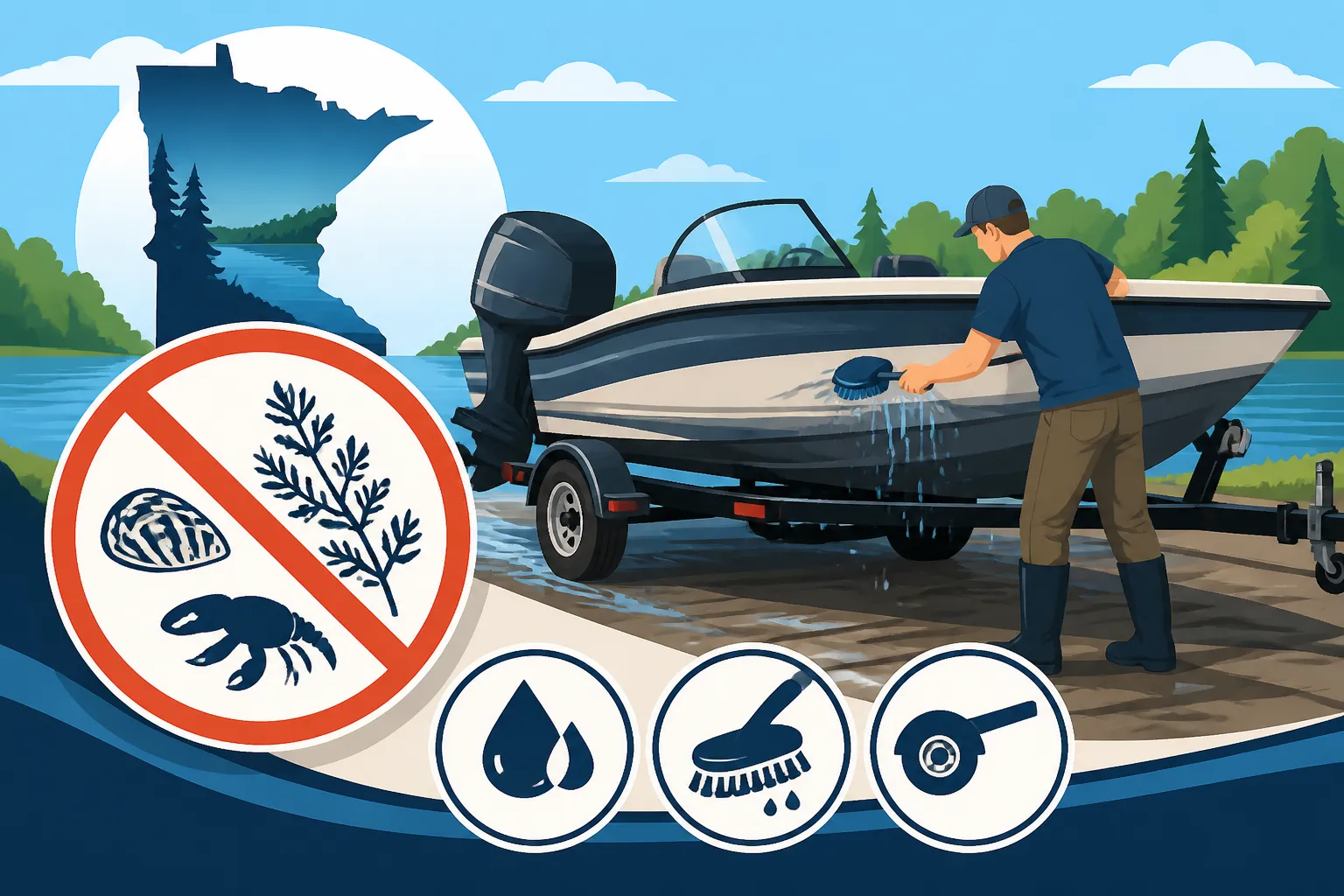
If there's one mantra that every boater in Minnesota needs to engrain into their very soul, it's "Clean, Drain, Dry, Dispose." This isn't just a catchy slogan; it's the bedrock of our defense against aquatic invasive species. Every single step is crucial, and skipping even one can have serious consequences for our precious waters. It’s the simple, common-sense approach that prevents you from becoming an unwitting accomplice in spreading these unwelcome guests.
Clean All Visible Aquatic Plants and Animals
The "Clean" part of the mantra means precisely what it says: thoroughly remove all visible aquatic plants, animals, and mud from your watercraft, trailer, and all associated equipment. And when we say "all," we mean all. This isn't just about the obvious big clumps of weeds; it's about checking every nook and cranny.
Think about it: those little strands of Eurasian watermilfoil that get caught on your prop, or the tiny zebra mussel veligers (larvae) that might be clinging to your anchor rope. They're masters of hitchhiking. Before you leave any access point, whether it’s a public boat ramp or a private dock, you need to meticulously inspect your boat's hull, transom, motor, prop, anchor, trailer frame, bunks, rollers, and even your fishing gear. Check your fishing rods, tackle boxes, and waders. Any mud should also be scraped off, as it can harbor microscopic organisms or seeds. It’s painstaking, sure, especially after a long day on the water, but it's an absolutely non-negotiable step to prevent the spread of AIS.
Drain All Water from Your Boat and Equipment
Once you've cleaned off the visible hitchhikers, the next critical step is to "Drain" all water from your boat and equipment. This might seem obvious, but it's where many boaters accidentally fall short, often because they don't fully understand the legal requirements or the sheer sneaky ability of AIS to hide in residual water.
Minnesota law requires that you remove the drain plug from your boat during transport. This isn't just a suggestion; it's a hard and fast rule. The idea is to ensure that any water that might contain microscopic larvae, such as those of zebra mussels or spiny waterflea, is completely emptied out. This includes livewells, baitwells, bilge areas, and even your motor. If your boat has a closed cooling system, ensure that's drained too if possible, or at least flushed. For those with built-in ballast tanks, those need to be drained entirely as well.
This is where the "Minnesota AIS Drain Plug Law Explained" comes into full effect. Leaving your plug in, even if your boat seems dry, can lead to serious penalties because it implies you're transporting water that could be contaminated. Always make sure that drain plug is out before you leave the ramp parking lot, and don't put it back in until you're ready to launch into your next body of water.
Dry Your Watercraft and Equipment Thoroughly
"Dry" is often the most overlooked and yet one of the most effective steps in preventing AIS spread. Many invasive species, especially the microscopic ones, cannot survive extended periods out of water. Drying your watercraft and equipment completely can be a death sentence for these unwanted guests.
The general recommendation is to dry your boat, trailer, and all equipment for at least five days, especially if you're moving between different water bodies. In hot, sunny weather, it might take less time, but in cooler, humid conditions, it can take longer. If a full five-day dry period isn't feasible, perhaps due to back-to-back fishing trips, then seeking out a decontamination station becomes even more crucial. Think about everything that gets wet: ropes, fenders, life vests, coolers, fishing nets. These all need to be completely dry. A good practice is to open all compartments, raise outboards, and ensure air can circulate throughout the boat. The sun and wind are your best allies here. Even if you're just moving your boat across town to another lake, a thorough drying is paramount.
Dispose of Unwanted Bait, Worms, and Other Debris
The "Dispose" element focuses primarily on live bait and any other organic debris you might have collected. It’s easy to think that a little minnow leftover from your fishing trip won’t hurt, but introducing non-native bait or bait that’s been exposed to AIS into a new lake can wreak havoc.
Never dump leftover bait, especially live minnows, worms, or leeches, into a different body of water than where you got them or used them. If you purchased bait from a bait shop, check with them if they have specific disposal instructions or if the bait can be used in other specific waters. The safest bet is to dispose of all unused bait in the trash. This also applies to any weeds or debris you might find after cleaning your boat. Don't just toss them on the ground near the lake; bag them up and put them in a designated trash receptacle or take them home for proper disposal. This simple act of responsible disposal prevents species like rusty crayfish or invasive fish from getting a foothold in new areas. Your "Catch and Release Best Practices in Minnesota" also extend to properly handling bait.
Navigating the Rules: Specific AIS Requirements for Boaters
The "Clean, Drain, Dry, Dispose" principle is your guiding star, but Minnesota has some very specific legal requirements that boaters must follow. These aren't just suggestions; they are enforceable laws designed to protect our waterways. Falling short on these could lead to fines and a lot of unnecessary hassle.
Mandatory Watercraft and Equipment Transport Rules
Minnesota law is explicit: it is illegal to transport watercraft, trailers, or equipment on public roads with aquatic plants, zebra mussels, or other prohibited invasive species attached. This means your visual inspection and cleaning efforts are not just good practice, they're legally mandated before you even pull out of the water access area.
Consider a scenario: You’ve just finished a fantastic day of fishing on Lake Mille Lacs. As you pull your boat out, you might be tired and eager to get home. But imagine a Department of Natural Resources (DNR) conservation officer waiting at the access point, or even further down the road. If they find so much as a single visible fragment of Eurasian watermilfoil clinging to your propeller or trailer bunk, you could face a citation. It’s not about intent; it’s about compliance. This rule applies to kayaks, canoes, paddleboards, and anything else that touches the water. The emphasis is on prevention at the point of exit, making sure no invasive species get a free ride to the next lake. This is a crucial aspect of How to Transport a Boat Legally in Minnesota (AIS).
The All-Important Drain Plug Law
We touched on this earlier, but it's worth reiterating because it's one of the most common violations: the drain plug. Minnesota law states that a person must remove the drain plug from a watercraft and keep it out when transporting the watercraft on public roads.
This isn't just about emptying the boat at the ramp; it's about the act of transport. If your boat is on a trailer being pulled by a vehicle on a road, that drain plug must be out. The only exception is if your boat has a functioning closed system (like some closed cooling systems) or if it's a non-motorized watercraft like a canoe or kayak that doesn't have a plug. This rule is specifically designed to prevent the transportation of water that could harbor microscopic AIS. Even if the water appears clear, it could contain invisible larvae or spores. A conservation officer stopping you on the highway and finding your drain plug in could issue a citation on the spot. It’s a simple rule, but the consequences of forgetting it are real. For more details on this, see Minnesota AIS Drain Plug Law Explained.
Live Bait and Water Rules
Bait can be a tricky subject, especially when it comes to AIS. The rules regarding the transportation and use of live bait are designed to prevent the spread of invasive species that can hitchhike in bait buckets or be introduced directly into new waters.
Generally, you cannot transport water from a Minnesota lake or river. This means any water in your livewell, bait bucket, or transom well that originated from a lake must be drained before you leave the water access. You can, however, replace that lake water with tap water or well water for transporting your fish or bait, provided it doesn't contain any invasive species. This is particularly important if you're using minnows or leeches. Any unused bait must be disposed of in the trash, not released into a different water body. Never bring bait from one lake to another unless it's in a sealed container with tap or well water. This helps prevent the spread of things like viral hemorrhagic septicemia (VHS) or other pathogens that could be transmitted by baitfish. Always check local bait regulations, as some lakes or regions may have specific restrictions.
Aquatic Plants and Debris Removal
Before launching or leaving a water access, you are legally required to remove all aquatic plants and prohibited invasive species from your watercraft, trailer, and any equipment that was in the water. This includes boat lifts, docks, and rafts if you're transporting them.
Think of it as a mandatory pre-flight and post-flight check for your boat. Before you launch, make sure your boat is clean of any remnants from a previous trip. After you retrieve, it's your last line of defense against transporting invasives. Scrape off any attached organisms, pull off all plant fragments. Even small plant fragments can grow into new invasive populations. A fishing net left to dry in the sun might still have plant material tangled in its mesh that can easily be transferred to another lake. This is why a thorough, hands-on inspection of all equipment is so vital every single time you move between different water bodies.
Water Access Regulations and Inspections
Minnesota has a robust system of water access points, and along with that come regulations and inspections aimed at preventing AIS spread. You might encounter watercraft inspectors, often visible in their distinctive DNR uniforms or vests, at popular boat launches, especially on lakes with known AIS infestations or those at high risk.
These inspectors are there to help educate boaters and to enforce the rules. They have the authority to inspect your watercraft, trailer, and equipment for AIS, and they can provide hands-on assistance or guidance on cleaning and draining. While voluntary inspections are common, a conservation officer can also conduct a mandatory inspection. If a prohibited invasive species is found, you could be ordered to decontaminate your boat on the spot or face penalties. Some lakes have mandatory "decontamination stations" that you must pass through. It's best to be cooperative; they're trying to protect our lakes just like you are.
When Prevention Isn't Enough: Decontamination Stations and Their Role
Sometimes, despite our best efforts with cleaning, draining, and drying, we encounter situations where we need an extra layer of protection, or perhaps we've come from a known infested water body and want to be absolutely certain we're not spreading anything. That's where decontamination stations come into play, offering a professional, high-powered solution to the AIS problem.
Mandatory vs. Voluntary Inspections and Decontamination
You might pull into a busy boat launch on a beautiful summer day and see DNR staff or volunteers directing traffic and offering to inspect your boat. These are often voluntary inspections, a chance for you to get a quick check and learn more. They’re a fantastic resource, and taking advantage of them is highly recommended. The staff are trained to spot AIS and can give you tips for more effective cleaning.
However, there are also times when inspections and decontamination can become mandatory. If you're coming off a lake known to have a severe AIS problem, or if an inspector finds a prohibited invasive species on your watercraft, you might be directed to a mandatory decontamination. This isn't just a suggestion; it’s an order. Failing to comply can lead to fines. This is a critical distinction to understand: while we all strive for voluntary compliance, the state has the authority to mandate actions when the risk of spread is high.
How Professional Decontamination Works
So, what exactly happens at a decontamination station? It's far more rigorous than a quick rinse with a garden hose. These stations utilize high-pressure, hot water, typically 120 degrees Fahrenheit or hotter, to kill and remove invasive species. This hot water is particularly effective against zebra mussel veligers, spiny waterflea, and various plant fragments that might be invisible or inaccessible to manual cleaning.
The process usually involves trained personnel carefully spraying down your boat's hull, motor, trailer, livewells, bilge, and any other water-holding compartments. They'll ensure every crack and crevice is treated. The high pressure dislodges physical attachments, and the heat ensures that any biological material is neutralized. It's a comprehensive wash that provides the highest level of assurance that your boat is free of AIS. This can be especially important if you're fishing waters like Lake Winnibigoshish Fishing Guide or Upper Red Lake Fishing Guide, which are closely monitored. For a detailed breakdown of the process, you can look into How to Decontaminate Your Boat (AIS).
When to Seek Professional Decontamination
Knowing when to seek out a professional decontamination station is key for responsible boating. While the "Clean, Drain, Dry, Dispose" method is highly effective for most situations, there are specific circumstances where professional decontamination is your best, or only, option.
- Moving from an Infested Lake to a Non-Infested Lake: If you've been on a lake known to have a widespread AIS infestation (like zebra mussels or starry stonewort) and your next destination is a pristine lake, a professional decon is a wise choice, especially if you can't guarantee a thorough drying time.
- Insufficient Drying Time: If you don't have enough time for your boat and equipment to thoroughly dry for the recommended 5 days between trips, a decontamination station provides the necessary expedited treatment.
- Finding AIS on Your Boat: If you discover a prohibited invasive species on your boat after leaving an access point, but before launching into another lake, it's your responsibility to contain it and get a professional decontamination.
- Complex Equipment: Boats with complex systems like ballast tanks, internal plumbing, or intricate livewell systems can be difficult to drain and clean manually. Decontamination stations can reach these areas more effectively.
- Peace of Mind: Sometimes, you just want to be absolutely sure. A professional decon gives you that ultimate peace of mind that you're doing everything possible to protect Minnesota's waters.
Unwanted Guests: Common Aquatic Invasive Species in Minnesota
To truly grasp the importance of AIS rules, it helps to know who we're fighting against. Minnesota is battling a number of notorious aquatic invasive species, each with its own nasty tricks for disrupting our ecosystems. Recognizing these invaders is the first step in preventing their spread.
Zebra Mussels: The Filter Feeders That Clog Everything
Ah, zebra mussels. These small, D-shaped shellfish with striped shells have become one of Minnesota's most infamous invaders. Originally from Eastern Europe, they were likely introduced to the Great Lakes via ballast water from transoceanic ships. Now, they've spread to many of our inland lakes, attaching to almost any hard surface.
Their impact is devastating. They are incredibly efficient filter feeders, consuming vast amounts of plankton from the water. While this might make the water clearer (which sounds nice, right?), it removes the base of the food web that native fish and other aquatic organisms rely on, essentially starving them out. Zebra mussels also attach in dense colonies to docks, boat hulls, rocks, and even native mussels, smothering them. They can clog water intake pipes for municipal water systems and power plants, and their sharp shells make swimming barefoot a hazard. Once established in a lake, they are nearly impossible to eradicate. Preventing their spread by diligently cleaning, draining, and drying your boat is our only real defense.
Eurasian Watermilfoil: The Aquatic Choke Artist
Another highly problematic invader is Eurasian watermilfoil, a feathery, submerged aquatic plant. This plant, native to Europe, Asia, and northern Africa, was introduced to North America in the late 19th or early 20th century. Its ability to spread rapidly and form dense mats makes it a serious threat to recreation and aquatic life.
Eurasian watermilfoil reproduces primarily through fragmentation. A tiny piece of stem, broken off by a boat propeller, a fishing line, or even waves, can drift to a new location, root itself, and start a whole new infestation. These dense mats can grow so thick that they impede boating, swimming, and fishing. They outcompete native aquatic plants, reduce dissolved oxygen levels at night (leading to fish stress or kills), and alter fish habitat. Trying to fish through a thick patch of milfoil is a frustrating experience, to say the least. Identifying it is key: look for whorls of four leaves around the stem, with each leaf having 12-21 pairs of leaflets, giving it a very fine, feathery appearance underwater. This is why removing all plant fragments, no matter how small, is absolutely critical.
Starry Stonewort: The New Green Menace
Starry stonewort is a relatively newer, but rapidly spreading, invasive algae that has quickly become a major concern in Minnesota. First detected in Lake Winnibigoshish in 2015, it has since spread to numerous other significant water bodies.
What makes starry stonewort so insidious is its ability to form dense, tall mats that cover the lake bottom, often reaching the surface. These mats can be incredibly thick, severely interfering with boating, angling, and swimming. Like milfoil, it can outcompete native plants, alter habitat, and negatively impact fish populations. It gets its name from small, star-shaped structures called "bulbils" that grow at the nodes along its stem, which are a key identification feature. These bulbils are easily dislodged and can be transported on boats and trailers, allowing the algae to spread rapidly. This is why the "Clean, Drain, Dry, Dispose" protocol is so vital, especially when leaving lakes known to have starry stonewort.
Other Notable Invasive Species
While zebra mussels, Eurasian watermilfoil, and starry stonewort get a lot of attention, Minnesota also battles a host of other problematic AIS:
- Spiny Waterflea: These tiny crustaceans have long, spiny tails that protect them from predators. They compete with native fish for zooplankton, disrupting the food chain. They also cling to fishing lines and downrigger cables, forming "clumps" that can be easily transported.
- Rusty Crayfish: Larger and more aggressive than native crayfish, rusty crayfish outcompete native species for food and habitat. They voraciously consume aquatic vegetation, impacting fish spawning grounds and water clarity.
- Bighead Carp and Silver Carp: These invasive Asian carp species are filter feeders that can grow to enormous sizes and consume vast quantities of plankton, posing a severe threat to the Mississippi River and its tributaries. Their presence can severely impact native fish populations, including economically important species.
- Faucet Snails: These small snails can carry trematode parasites that can kill waterfowl. They are easily transported on boats, trailers, and fishing gear.
Being aware of these species and actively preventing their spread is a collective responsibility for all Minnesota boaters.
The Consequences: Penalties for Non-Compliance
It's easy to dismiss AIS rules as bureaucratic red tape, but the reality is they are vital laws with real teeth. Ignoring Minnesota's aquatic invasive species regulations isn't just irresponsible; it can lead to significant legal and financial consequences. The state is serious about protecting its waters, and so are the conservation officers who enforce these rules.
Fines and Enforcement Actions
The Minnesota Department of Natural Resources (DNR) takes AIS violations very seriously. If you are caught violating AIS laws, you could face substantial fines. For example, failing to remove a drain plug during transport or transporting visible aquatic plants or prohibited invasive species can result in a fine of up to $1000 and court costs. Repeat offenses can lead to even higher penalties, and potentially even misdemeanor charges.
It's not uncommon for conservation officers to be stationed at popular boat launches, especially during peak fishing seasons or on lakes known for AIS issues. They conduct routine checks, and if they find you in violation, they won't hesitate to issue a citation. This isn't about being punitive; it's about discouraging behavior that could inflict irreversible damage on our lakes. Think of it as a significant deterrent to protect our shared natural resources. When considering a Minnesota Fishing License: Cost, Types & How to Buy (2026), remember that complying with AIS rules is part of being a responsible license holder.
Conservation Officer Authority
Minnesota DNR conservation officers have broad authority when it comes to enforcing AIS laws. They can stop and inspect your watercraft, trailer, and any related equipment at water accesses, on public roads, or even on the water. They are trained to identify AIS and can order you to take immediate action if a violation is found.
This could mean being directed to a decontamination station, ordered to remove an infestation on the spot, or being issued a citation. Refusing to comply with an officer's lawful order related to AIS enforcement can lead to additional charges and penalties. Their job is to protect our waters, and they have the legal backing to ensure compliance. It's always best to cooperate fully, ask questions if you're unsure, and learn from any interactions to ensure future compliance. Knowing the Minnesota Fishing Regulations Changes for 2026 will also help you stay current.
Impact on Fishing Privileges
While direct suspension of fishing privileges for a first-time, minor AIS violation is less common, repeated or severe violations could potentially lead to more significant repercussions. Just like other conservation laws, a history of non-compliance can build up. In extreme cases, a pattern of disregarding environmental laws could impact your ability to obtain future licenses or permits.
More immediately, having your boat impounded for a decontamination or being delayed by an inspection could certainly cut into your valuable fishing time, which, for many of us, is a penalty in itself! The best way to ensure your fishing privileges remain intact and your days on the water are hassle-free is to consistently and meticulously follow all AIS rules. It's a small effort to protect a priceless resource and ensure you can continue to enjoy Minnesota's incredible fishing opportunities for years to come.
Beyond the Basics: How Anglers Can Proactively Help
Following the "Clean, Drain, Dry, Dispose" mantra is your fundamental duty, but if you're like many Minnesota anglers, you feel a deeper connection to our lakes and want to do more. The good news is there are several ways you can go above and beyond to protect our waters from aquatic invasive species. Every little bit helps in this ongoing battle.
Reporting Suspected AIS Infestations
You are often the first line of defense. As someone who spends a lot of time on the water, you're uniquely positioned to notice changes in aquatic environments. If you spot something unusual – a plant that doesn't look quite right, a clam you don't recognize, or a strange growth on your dock – don't hesitate to report it.
The Minnesota DNR encourages public reporting of suspected AIS. Take photos, note the exact location (GPS coordinates are best if you have them), and report it to the DNR's invasive species program. Don't try to remove the suspected species yourself, as you might accidentally spread it further. Your report could be crucial in early detection, which is often the best chance we have at controlling or even eradicating a new infestation before it takes hold. Think of it as being a vigilant neighborhood watch for our lakes.
Volunteering and Education Initiatives
Want to get more involved? There are numerous opportunities to volunteer your time and energy to AIS prevention efforts across Minnesota. Many lake associations, conservation groups, and the DNR itself rely on volunteers to help monitor lakes, assist with boat inspections, and spread awareness.
Volunteering is a fantastic way to deepen your understanding of AIS, meet like-minded individuals, and make a tangible difference. You could help staff a boat launch as a watercraft inspector, assist with community outreach, or participate in shoreline cleanups. Beyond volunteering, simply educating your fellow anglers and boaters is a huge help. Share what you've learned from this guide, gently remind friends and family about the "Clean, Drain, Dry, Dispose" steps, and lead by example. The more informed and proactive our angling community becomes, the stronger our defense against AIS will be.
Responsible Angling and Boating Practices
Beyond the direct AIS rules, adopting a mindset of overall responsible angling and boating practices contributes significantly to protecting our aquatic ecosystems. This includes things like being mindful of your gear, your impact on the shoreline, and even your choice of fishing spots.
For instance, consider where you buy your bait. Reputable bait shops adhere to strict guidelines to ensure their bait is free of disease and invasive species. Using local bait is always a good idea. When you’re out on the water, avoid intentionally disturbing dense weed beds, especially if you suspect they might harbor invasive species, as this can break off fragments and spread them. Practice Catch and Release Best Practices in Minnesota to minimize stress on fish and keep them healthy. Even something as simple as choosing eco-friendly cleaning products for your boat can reduce chemical runoff into lakes. Our waters are a complex web of life, and every action we take, big or small, has an impact. Let's make sure that impact is a positive one.
| AIS Prevention Step | Description | Key Legal Requirement | Best Practice Example |
|---|---|---|---|
| Clean | Remove all visible aquatic plants, animals, and mud. | Must remove all visible plants/species before transport. | Use a brush or power washer for hull, propeller, trailer, anchor, and fishing gear. |
| Drain | Empty all water from boat compartments and equipment. | Drain plug out during transport on public roads. | Pull drain plug immediately upon exiting water; drain livewells, bilge, motor. |
| Dry | Allow boat and equipment to dry completely. | No specific transport law, but critical for prevention. | Air dry for 5 days if moving between waters; open compartments for ventilation. |
| Dispose | Properly discard unused bait, worms, and debris. | Unused bait must not be released into different water bodies. | Trash leftover minnows, leeches, or worms; bag and trash plant fragments. |
| Inspect | Thoroughly check all surfaces and crevices. | Officers may conduct mandatory inspections. | Regularly check all parts of boat/trailer, especially after leaving infested waters. |
| Decontaminate | Use high-pressure, hot water wash if needed. | Mandatory if AIS found or directed by officer. | Visit a designated decon station if short on drying time or coming from infested lake. |
Disclaimer
The information provided in this guide is for general informational purposes only and does not constitute legal advice. While every effort has been made to ensure accuracy, fishing regulations and aquatic invasive species rules can change. It is always the responsibility of the angler and boater to consult the official Minnesota Department of Natural Resources (DNR) regulations and local ordinances before engaging in any fishing or boating activities.