Bluegill Season & Limits in Minnesota
Oh, the humble bluegill! So often the first fish to grace a new angler's line, and a consistent joy for seasoned pros. But let's be honest, trying to navigate the ever-changing rules for these panfish in Minnesota can feel like trying to untangle a hundred-yard spool of monofilament after a bird's nest. You just want to know when you can fish for them, how many you can keep, and if there are any weird surprises lurking on your favorite lake. Well, fear not! This guide is here to clear up all that confusion, breaking down the bluegill season and limits in Minnesota so you can spend less time scratching your head and more time catching these feisty little fighters.
Understanding Minnesota Bluegill Seasons
One of the most appealing aspects of fishing for bluegill in Minnesota is their generally liberal season structure. Unlike walleye or northern pike, which often have specific opener and closer dates, bluegill are typically available for anglers to pursue year-round. This is fantastic news for anyone who enjoys both hardwater adventures and open-water casting.
General Statewide Bluegill Season
When you're thinking about bluegill, the phrase "year-round" should almost immediately come to mind. In most areas across the state of Minnesota, bluegill, along with other sunfish species, are open for fishing 365 days a year. This means whether it's the dead of winter and you're bundled up on the ice, or a beautiful summer day out on the boat, you're usually good to go as far as the season is concerned. This consistency is a major reason why bluegill are such a popular target, providing endless opportunities for family outings and solo escapades alike.
Imagine a crisp January morning, fresh snow on the ground, and you're drilling holes on Lake Minnetonka. You don't have to worry if the bluegill are "in season" – they always are! Or picture a warm July evening, kids excitedly dropping worms off a dock at a small, local pond; again, the season is open. This accessibility makes bluegill a staple for many anglers, especially those looking to introduce newcomers to the joys of fishing. While the season itself is often continuous, it's absolutely critical to remember that bag limits and possession limits are always in effect, and these are where things can get a little more nuanced. Before heading out, it's always a good idea to ensure you have your current Minnesota Fishing License: Cost, Types & How to Buy (2026) to avoid any unnecessary hiccups.
Exceptions and Special Regulations
Now, here’s where the "generally" and "typically" come into play. While the statewide rule for bluegill is indeed a continuous open season, Minnesota is known for its diverse and specific lake management strategies. This means that some individual lakes or even specific bodies of water within a larger system might have special regulations that diverge from the statewide norm. These exceptions are put in place for very good reasons, often to help manage fish populations, protect spawning fish, or enhance trophy opportunities for certain species.
For instance, a smaller, heavily fished lake might have a temporary closure or a modified season to allow bluegill populations to rebound from overfishing. Or, a lake renowned for its panfish could have a protective regulation in place to ensure that anglers don't decimate the larger, spawning fish. These aren't common for bluegill season closures specifically, but they do happen. It's a bit like expecting a stop sign at every intersection but then finding a roundabout instead – it's still a traffic control, just different. These specialized rules are crucial for maintaining healthy fisheries for years to come. Always, always, always check the current Minnesota Department of Natural Resources (DNR) fishing regulations booklet or their website for any lake-specific changes before you wet a line, especially if you're venturing to a new body of water or haven't fished a particular lake in a while. Understanding these nuances is key to being a responsible and informed angler.
Minnesota Bluegill Bag and Possession Limits
While the open season for bluegill is pretty straightforward, the daily bag and possession limits are where anglers really need to pay close attention. Minnesota has implemented a range of limits, including a statewide standard and numerous lake-specific regulations, all designed to ensure sustainable populations for future generations of anglers.
Statewide Daily Bag and Possession Limits
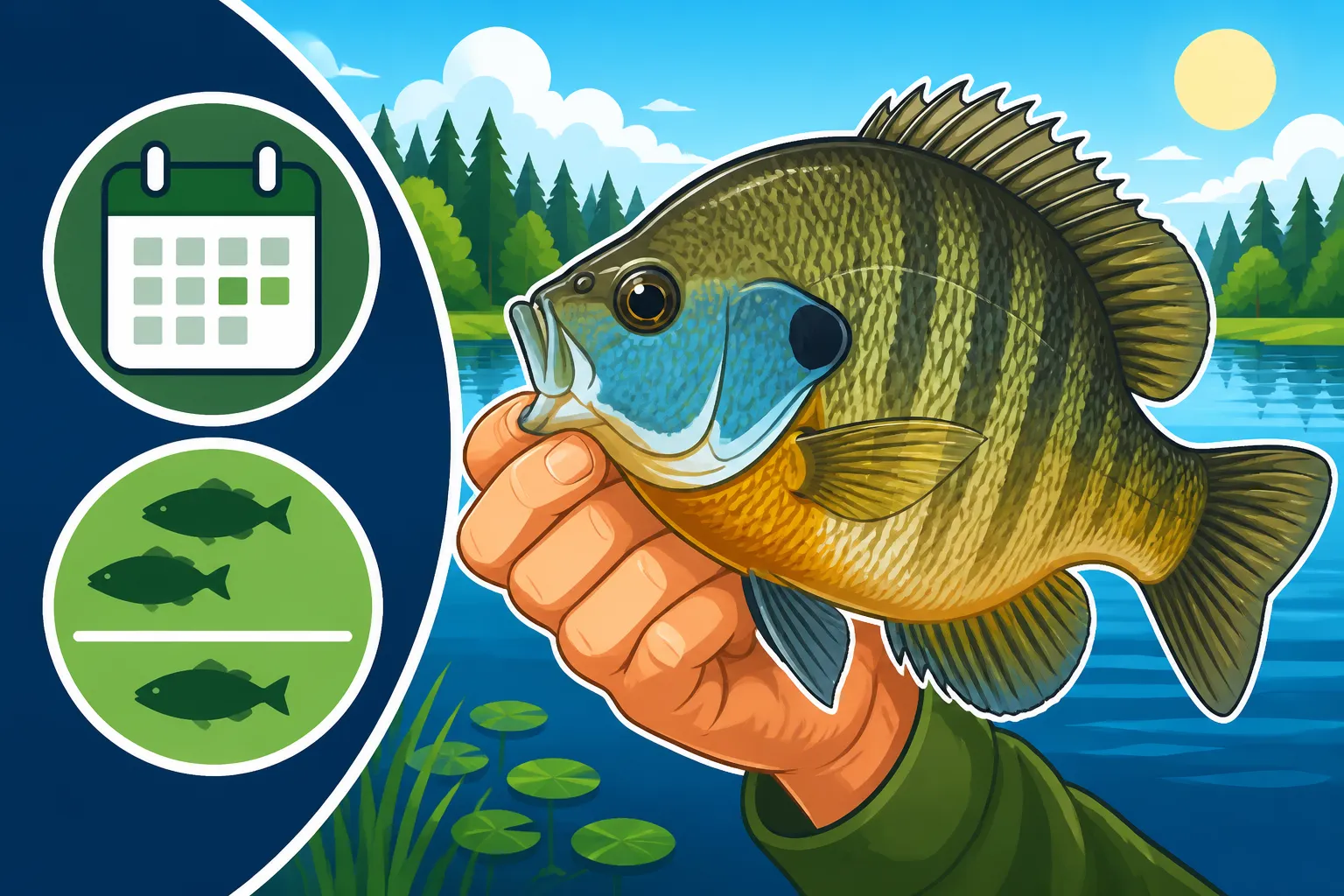
First, let's talk about the standard. For the vast majority of Minnesota's lakes and rivers, the statewide daily bag limit for sunfish – which includes bluegill – is 20. The possession limit is also 20. It's really important to understand the difference between these two terms, as they're often confused.
- Daily Bag Limit: This refers to the maximum number of fish you can keep in a single day, from midnight to midnight. So, if you go out fishing on Tuesday, you can keep up to 20 bluegill.
- Possession Limit: This refers to the total number of fish of a particular species you can have in your actual possession at any given time, regardless of when they were caught. This includes fish in your livewell, in your cooler, at your cabin, or even frozen at home from previous trips. For bluegill statewide, if you're heading out to fish, you can't have more than 20 bluegill from previous days in your possession.
So, if you catch your 20 bluegill on a Saturday, enjoy a delicious fish fry, and then decide to go out again on Sunday, you can catch and keep another 20, assuming you don't have any from Saturday still in your possession. The idea here is to prevent anglers from stockpiling large quantities of fish over multiple days, helping to distribute the catch more evenly among the angling community and reducing pressure on any single lake. These limits are a balancing act, aiming to allow anglers to take a reasonable harvest while protecting the overall health of the fishery. Many anglers find the 20-fish limit to be quite generous for a species as prolific as bluegill, providing plenty of fillets for a couple of meals. You can find more details about general regulations in Minnesota Fishing Limits: Bag & Possession (2026).
Reduced Panfish Bag Limits on Specific Lakes
This is perhaps the most critical area where bluegill anglers can get tripped up, and it's something every Minnesota angler must be aware of. Many lakes in Minnesota, particularly those known for high fishing pressure or those with populations of larger bluegill, operate under what are known as "reduced panfish bag limits." These are specific regulations implemented by the DNR to protect and enhance quality panfish fisheries. The goal is often to produce more "jumbo" sunfish and crappie by reducing harvest pressure on the larger, older fish that are crucial for spawning.
These reduced limits can vary widely, but common examples include a daily and possession limit of 5 or 10 sunfish. These aren't just arbitrary numbers; they are scientifically determined based on the specific biology and fishing pressure of that particular lake. For example, on a smaller lake near a population center, with heavy angling pressure, the DNR might implement a limit of 5 sunfish to prevent overharvest and allow more fish to reach a desirable size. This management strategy, sometimes referred to as the "Quality Sunfish Initiative," has been quite successful in many areas.
Imagine planning a big family trip to a popular panfish lake like Lake Osakis or a spot in the Brainerd Lakes Area. If you arrive expecting a 20-fish limit and it's actually a 10-fish limit, you could inadvertently break the law. This is why checking lake-specific regulations is absolutely non-negotiable. You can usually find these listed alphabetically by lake name in the DNR regulations booklet or on their website. It literally takes a couple of minutes and can save you a lot of headache, and potentially a hefty fine. When you're packing your tackle box, maybe you grab some small jigs and bobbers from Amazon, remember to also check your regulations! For a deeper dive into the specifics of panfish limits, you might want to read How Many Sunfish Can You Keep in Minnesota? and What Is the Sunfish Limit on My Lake?.
Here's a quick comparison of typical bluegill limits:
| Regulation Type | Daily Bag Limit (Sunfish) | Possession Limit (Sunfish) | Notes |
|---|---|---|---|
| Statewide General | 20 | 20 | Applies to most waters not listed with special regulations. |
| Common Reduced | 10 | 10 | Often seen on lakes with moderate fishing pressure, aiming for quality. |
| More Restrictive | 5 | 5 | Typically on smaller, heavily fished lakes or those with exceptional panfish populations. |
This table illustrates why always checking the specific lake you're fishing is paramount. Don't assume the statewide rule applies everywhere!
Understanding the "Sunfish" Category
When the Minnesota DNR talks about "sunfish," it's important to understand that this isn't just a fancy name for bluegill. The "sunfish" category encompasses several species, and bluegill are one of the most common and sought-after members. Other sunfish species you might encounter and that count towards the "sunfish" limit include:
- Pumpkinseed Sunfish: Known for their vibrant colors and red spot on their gill flap.
- Green Sunfish: Often found in shallower, weedy areas, with a larger mouth than bluegill.
- Hybrid Sunfish: These are often a cross between bluegill and other sunfish, and they also fall under the general "sunfish" limit.
What about crappie, you ask? This is a common point of confusion. While black crappie and white crappie are also panfish and sometimes lumped together in conversation, the Minnesota DNR typically lists crappie with their own distinct daily and possession limits. For example, the statewide crappie limit is generally 10, not 20 like sunfish, though some lakes might have reduced crappie limits as well. So, when you're targeting bluegill, remember you're operating under the "sunfish" regulations, and you'll want to be able to accurately identify your catch if you're also pulling in other panfish. While we're talking about panfish in general, you might find our guide on Crappie & Panfish Fishing Techniques helpful for broadening your panfish angling skills.
Essential Tips for Responsible Bluegill Angling
Being a responsible angler goes beyond just knowing the limits; it's about actively contributing to the health and sustainability of our precious fisheries. Bluegill fishing is a fantastic way to enjoy Minnesota's outdoors, and a few simple practices can ensure these opportunities remain abundant for generations to come.
Checking the Minnesota DNR Regulations
I cannot stress this enough: always check the latest Minnesota DNR fishing regulations before you go fishing. This isn't just a suggestion; it's the golden rule for any angler. Regulations can, and do, change. What was true last year might be different this year. New lake-specific regulations are often implemented based on recent surveys, population trends, and environmental factors.
There are several easy ways to access these regulations:
- Online: The Minnesota DNR website (dnr.state.mn.us) has a comprehensive and up-to-date section dedicated to fishing regulations, often with a searchable lake database for special rules.
- Physical Booklet: You can pick up a free copy of the annual Minnesota Fishing Regulations booklet at most bait shops, sporting goods stores like Cabela's or Fleet Farm, and DNR offices. Keep one in your tackle box or boat.
- Mobile Apps: Several fishing apps, including the official DNR app or others like Fishbrain, often incorporate regulation information, making it easy to check on the go.
Make it a habit. Just before you pack your cooler with drinks and snacks, take two minutes to confirm the rules for the specific lake you're heading to. Even if you've fished that lake a hundred times, a quick check ensures you're compliant. Ignorance of the law is not an excuse, and game wardens are out there to protect our resources.
Best Practices for Catch and Release
While bluegill are often seen as an easy fish to catch and a delicious addition to the frying pan, practicing selective harvest and proper catch and release is vital, especially if you're encountering larger "jumbo" bluegill. The biggest bluegill are often the most prolific spawners, and releasing them can help ensure strong future populations.
Here are some tips for responsible catch and release:
- Handle Gently: Minimize handling of the fish. If possible, keep the fish in the water while unhooking it.
- Wet Hands: Always wet your hands before touching a fish. Dry hands can remove the protective slime coat, making the fish susceptible to disease.
- De-hook Quickly: Use needle-nose pliers or a hemostat (which you can easily find on Amazon) to quickly remove the hook. If the fish is deeply hooked and removal would cause significant damage, it's sometimes better to cut the line as close to the hook as possible.
- Support the Fish: If you must take the fish out of the water for a quick photo, support its body horizontally, especially larger fish, to avoid damaging its internal organs or spine.
- Revive If Needed: If a fish seems stressed or sluggish, gently hold it upright in the water, facing into the current, until it swims away under its own power.
By following these practices, you're not only being kind to the fish, but you're also helping to sustain the quality of fishing for everyone. You might want to brush up on general catch and release strategies by looking at Catch and Release Best Practices in Minnesota.
Gear and Techniques for Bluegill
One of the great things about bluegill fishing is that you don't need a lot of fancy, expensive gear to have a successful day. They are often quite willing biters, making them ideal for beginners and a fun challenge on ultralight tackle for experienced anglers.
For bluegill, think small and subtle:
- Rods and Reels: A light action spinning rod (4-6 feet long) paired with a small spinning reel (500-1000 size) spooled with 4-6 pound test monofilament or fluorocarbon line is perfect. Many affordable combos are available that will serve you well for years.
- Terminal Tackle: Small hooks (size 8-12 is common), small bobbers (slip bobbers are great for precise depth control), and split shot weights are the basics. A selection of tiny jigs, like 1/64 to 1/16 ounce, in various colors can also be very effective. These smaller items are almost always available at your local bait shop or through online retailers like Amazon, ensuring you're well-stocked.
- Bait: Live bait such as waxworms, mealworms, redworms, or a small piece of nightcrawler are bluegill magnets. Small soft plastic baits resembling grubs or minnows can also work wonders, especially when tipped on a tiny jig.
When it comes to techniques, bluegill are often found near submerged vegetation, docks, brush piles, or weed lines. A simple slip bobber rig with a live worm fished at the right depth is a classic and highly effective method. During ice fishing, small tungsten jigs tipped with a grub or a few waxworms are irresistible. Regardless of the season, if you're looking for more specific tactics, check out How to Catch Bluegill: Easy Beginner Tactics for some proven strategies. Remember, bluegill are often considered among the Best Eating Fish in Minnesota Lakes, making the effort worthwhile! For more detail on what gear to use, consider reading Best Tackle for Bluegill in Minnesota.
Remember, whether you're bringing home a meal or releasing your catch, the fun of fishing for bluegill is undeniable. Just make sure you're doing it by the book and setting a good example for other anglers, especially if you're taking kids out – and remember to check if Do Kids Need a Fishing License in Minnesota?.
Disclaimer
Please be aware that fishing regulations in Minnesota can change. Always consult the most current Minnesota Department of Natural Resources (DNR) fishing regulations booklet or their official website before heading out to fish. This guide provides general information and should not be considered a substitute for the official DNR regulations.