Best Fish for a Minnesota Fish Fry
One of the great joys of living in or visiting Minnesota is gathering around for a good old-fashioned fish fry. But when you’re standing by the deep fryer, looking at your cooler full of fresh catches, the big question always looms: which fish are actually the best for frying? It’s a common dilemma, as not all fish are created equal when it comes to hitting that perfect golden-brown crispness and delightful flavor. This guide is here to walk you through the top contenders from Minnesota’s bountiful waters, ensuring your next fish fry is an absolute triumph.
The Classic Choices: Walleye and Perch
When you think about a Minnesota fish fry, two species almost immediately come to mind: walleye and yellow perch. They're staples for a reason, gracing dinner plates across the state with their delicate flavors and perfect textures.
Walleye: Minnesota's Crown Jewel
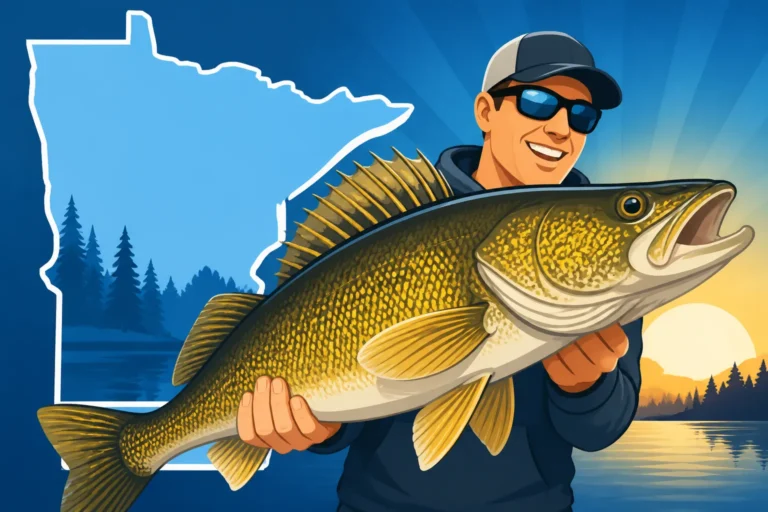
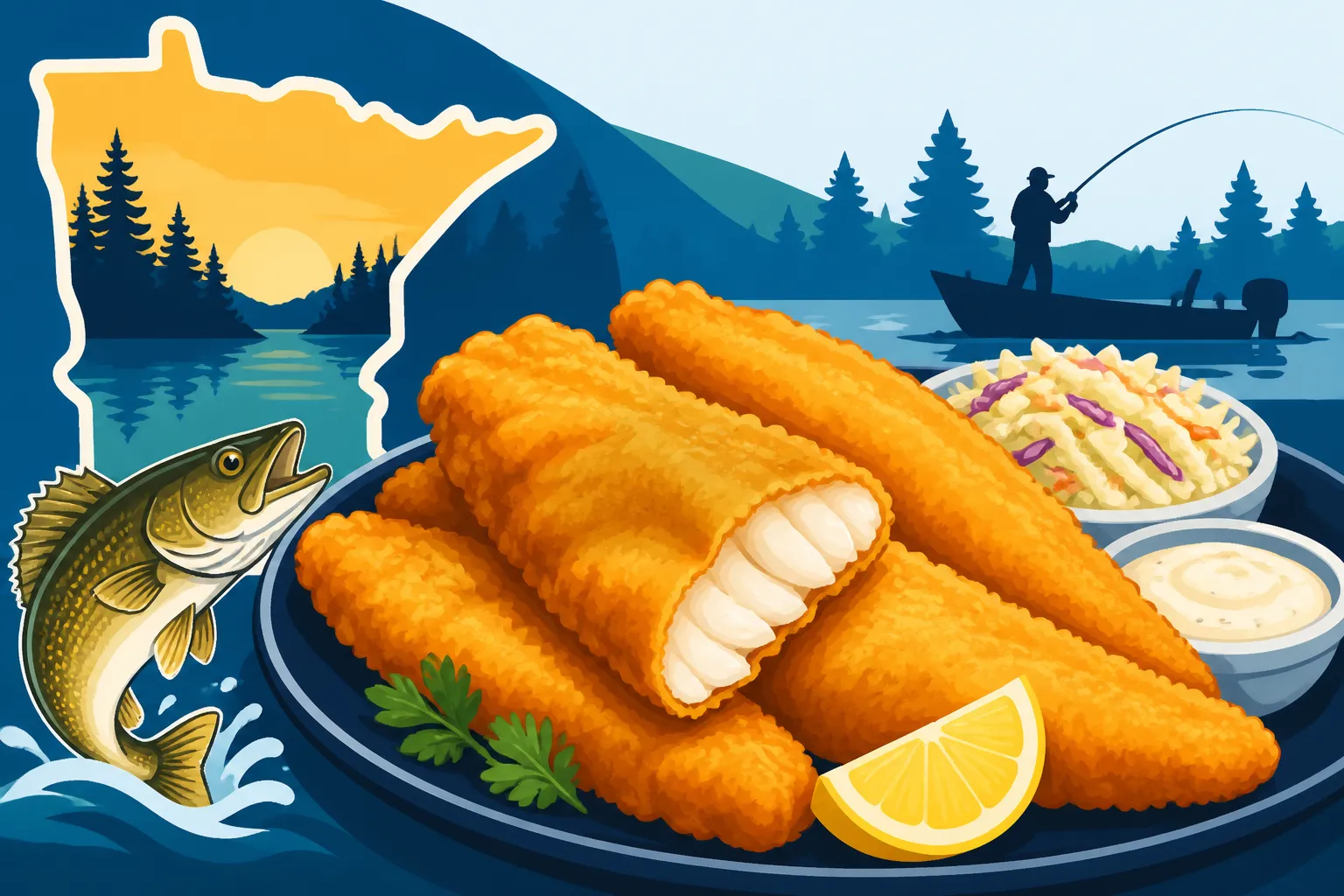
Ah, the walleye. There's a reason this fish is practically synonymous with Minnesota fishing. It’s our state fish, after all! Its popularity isn't just because it's fun to catch; it's truly outstanding on the dinner table, especially when fried. The meat is incredibly flaky, bright white, and boasts a wonderfully mild, sweet flavor that appeals to almost everyone, even those who might claim not to be "fish people."
Preparing walleye for the fry is straightforward. Most anglers prefer to skin their walleye fillets, although leaving the skin on can add a bit of crispiness, especially if you get it thin enough. The bone structure makes filleting relatively easy, giving you clean, boneless pieces ready for a good batter. You don’t need much to make walleye shine; a simple seasoning of salt and pepper, followed by a light breading or beer batter, is often all it takes. The natural sweetness of the fish comes through beautifully, making it the star of any spread. If you're looking to consistently fill your livewell with these beauties, understanding various Walleye Fishing Techniques: Complete Minnesota Guide can make all the difference.
Yellow Perch: Sweet and Abundant
While walleye might be the king, yellow perch are the unsung heroes of many a Minnesota fish fry. These smaller, striped beauties offer a flavor profile that is perhaps even sweeter and more delicate than walleye, with a beautiful white, flaky flesh. Their smaller size means you'll often need to catch quite a few to feed a crowd, but what they lack in individual fillet size, they more than make up for in sheer abundance and deliciousness.
Perch fillets are generally thin and cook very quickly, making them ideal for a speedy fry. They develop a fantastic crisp crust and melt-in-your-mouth interior. Because they are smaller, filleting takes a bit more finesse, but a good, sharp fillet knife (you can find some excellent options on Amazon) makes the job much easier. Many seasoned anglers will tell you that a plate of perfectly fried perch, fresh from the lake, is an unbeatable culinary experience. To specifically target these delectable panfish, checking out Best Lakes for Jumbo Perch in Minnesota can point you in the right direction.
Underappreciated Gems for Your Fry
Beyond the obvious choices, Minnesota's waters hold several other species that are absolutely fantastic for frying but sometimes get overlooked. Don’t be afraid to experiment; you might just discover a new favorite.
Crappie: Panfish Perfection
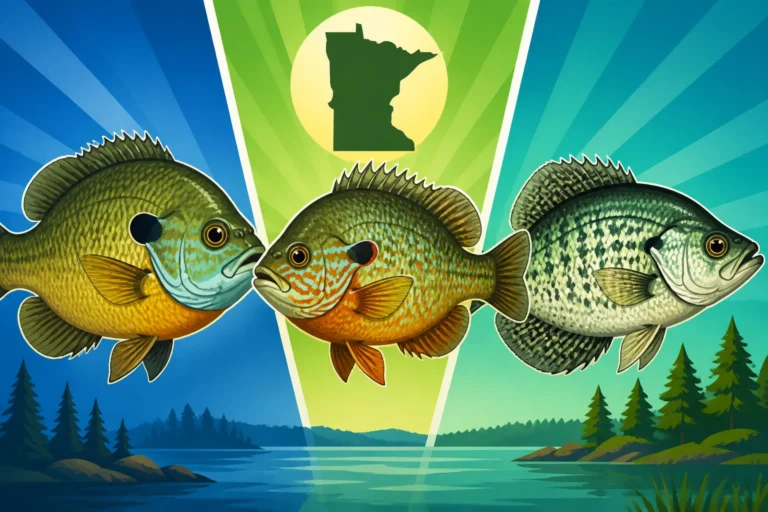
If you're looking for a consistently delicious and cooperative fish for your fry, look no further than crappie. Both black crappie and white crappie found across Minnesota are phenomenal eating fish. Their flesh is wonderfully white, mild, and incredibly flaky, very similar to walleye but often even more tender. They are true panfish perfection, hence the name "panfish" for a reason!
Crappie are generally easy to clean and fillet, especially if you're dealing with the larger "slab" crappies. A good-sized crappie fillet holds up beautifully to frying, and their delicate flavor means they take well to a variety of batters, from simple seasoned flour to a richer cornmeal breading. Plus, they’re often abundant, especially during spring and fall, making it relatively easy to catch a good mess for a large gathering. If you’re eager to fill your bucket, learning some effective Crappie & Panfish Fishing Techniques will serve you well. Knowing the difference between Black Crappie vs White Crappie can also help you target specific habits.
Bluegill and Sunfish: Family Favorites
Bluegill, and other sunfish species like pumpkinseed and green sunfish, are the ultimate gateway fish for young anglers and offer a delightful culinary experience. While they are smaller than crappies on average, they are incredibly widespread and aggressive biters, making them super fun to catch, especially for kids. Their meat is firm, sweet, and pure white, holding its texture well when fried.
Cleaning smaller bluegill can be a bit more time-consuming than larger fish, but it’s a skill worth mastering. Many folks find that using an electric fillet knife or even just a very sharp, thin blade can make quick work of a pile of sunfish. The slightly firmer texture of bluegill compared to walleye or crappie gives it a satisfying bite, and their abundance means you can usually catch enough for a hearty meal. These fish are fantastic for teaching patience and the rewards of a good catch.
Surprising Contenders for a Flavorful Fry
Sometimes, the best surprises come from unexpected places. These fish might require a little more effort or a shift in perception, but they absolutely deserve a spot on your Minnesota fish fry menu.
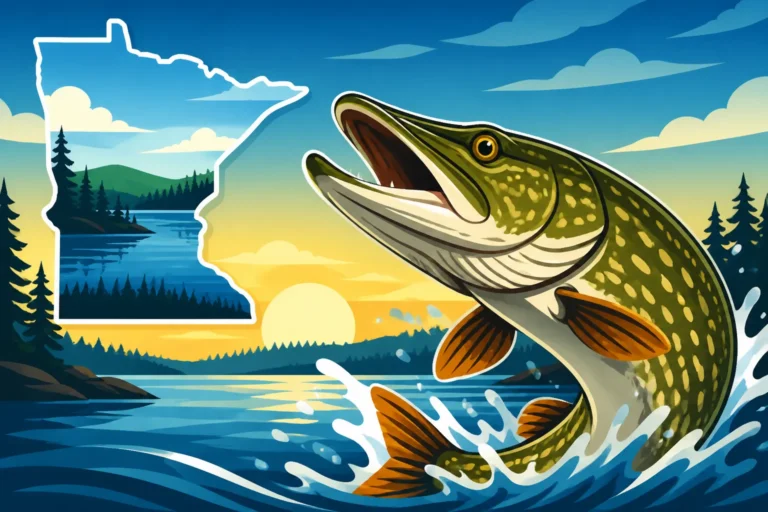
Northern Pike: The Y-Bone Challenge
Northern pike often get a bad rap due to their infamous "Y-bones," but let me tell you, once you learn the trick to filleting them, you're in for a treat. Pike have firm, white, mild-tasting meat that is absolutely delicious when fried. It's often compared to walleye in terms of flavor but with a slightly firmer texture. The challenge lies solely in the preparation, not the taste.
The secret is the "five-fillet method" or "Y-bone removal technique," which involves making strategic cuts to separate the Y-bones from the main fillets. It takes a little practice, but once you get it down, you’ll unlock a fantastic, underutilized frying fish. Many anglers consider it a rite of passage to master the pike fillet. Seriously, don't let the bones scare you away; this fish is worth the effort, and you'll be surprised at how much usable, boneless meat you can get. For a detailed walkthrough, check out our guide on How to Fillet a Northern Pike Remove Y-Bones.
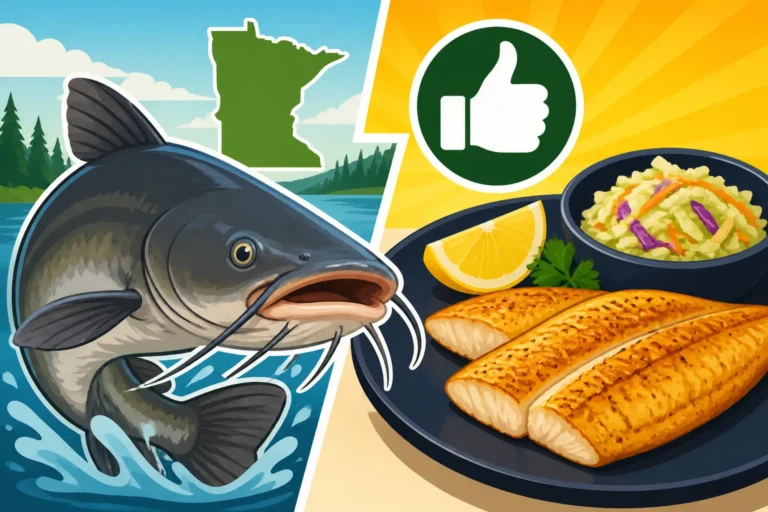
Catfish: Southern Comfort in the North
While more commonly associated with southern cuisine, Minnesota boasts some excellent catfish populations, particularly channel catfish and flathead catfish in its larger rivers. These fish offer a distinct, robust flavor and a firm, moist texture that holds up incredibly well to frying. If you're looking for a fish with a bit more "oomph" than the delicate walleye or perch, catfish is an excellent choice.
Catfish meat is usually off-white to slightly pinkish, firm, and takes on seasonings wonderfully. It’s perfect for a cornmeal-based breading, perhaps with a bit of cayenne pepper for a kick, or a classic buttermilk soak before breading. Channel catfish are particularly abundant in rivers like the Mississippi and Minnesota, and they can grow to impressive sizes, providing substantial fillets. If you're near these larger waterways, don't hesitate to give them a try for your next fry. Our guide on Minnesota River Fishing: Mississippi, Minnesota & St. Croix can help you locate prime spots.
Tips for the Ultimate Minnesota Fish Fry
Beyond picking the right fish, a successful fish fry hinges on a few key preparation and frying techniques. Getting these details right can elevate your meal from good to absolutely legendary.
Preparation is Key
Proper preparation starts the moment the fish comes out of the water. Handle your fish with care, keep them cold, and clean them promptly.
Filleting and Portions
Once you've decided which species you're frying, the next step is filleting. Use a very sharp fillet knife – this isn’t just about efficiency, it's about safety and getting clean cuts. Many anglers swear by flexible, sharp knives that you can easily find on Amazon, specifically designed for fish. Aim for fillets that are roughly uniform in thickness so they cook evenly. For smaller fish like crappie or bluegill, this might mean leaving them as whole fillets. For larger fish, cutting the fillets into smaller, bite-sized "nuggets" or "fingers" can be a great idea, making them easier to manage in the fryer and for guests to eat. Remember, a good technique here sets the stage for everything else.
Brining and Drying
A common mistake is rushing fish directly from the cleaning table to the fryer without proper prep. For the crispiest results, consider a short brine (a simple solution of salt and water) for about 30 minutes to an hour. This helps season the fish internally and can firm up the flesh slightly. After brining (or even if you skip it), pat your fillets thoroughly dry with paper towels. Excess moisture is the enemy of crispy fried fish! Some even suggest letting the fillets air-dry in the refrigerator for an hour or two on a wire rack to really draw out surface moisture.
Batter Choices
The batter is where a lot of personality comes into a fish fry. You've got options:
- Classic Beer Batter: Light, airy, and gives a fantastic crisp. The carbonation in the beer helps create a bubbly, delicate crust.
- Seasoned Flour: Simple, thin, and allows the fish's natural flavor to dominate. A mix of flour, cornstarch, salt, pepper, garlic powder, and paprika is a great starting point.
- Cornmeal Breading: For a heartier, crunchier crust, often favored for catfish or larger pike fillets. It adds a distinct texture and flavor.
- Panko Breadcrumbs: While not traditional for a "fry," panko can create an incredibly crispy, almost tempura-like crust if you're looking for something different.
Don't be afraid to experiment with your favorite spices. Old Bay seasoning is a classic for a reason, but try lemon pepper, Cajun spices, or a touch of cayenne for a little heat.
Frying Techniques
This is where the magic happens. Achieving that perfect golden-brown exterior and flaky interior takes attention to detail.
Oil Choice and Temperature
The type of oil you use makes a difference. Vegetable oil, canola oil, and peanut oil are popular choices because they have high smoke points and impart minimal flavor. Avoid olive oil or butter for deep frying, as they burn at lower temperatures. The most critical factor is oil temperature. Aim for a consistent 350-375°F (175-190°C). If the oil isn't hot enough, your fish will absorb too much oil and turn out greasy and soggy. Too hot, and the outside will burn before the inside cooks through. A reliable deep fryer thermometer (also readily available on Amazon) is your best friend here.
For large fish fries, a dedicated deep fryer can be a game-changer for maintaining consistent temperatures. Otherwise, a heavy-bottomed cast iron skillet or Dutch oven on your stovetop works perfectly.
Don't Overcrowd the Pan
This is a rookie mistake that can ruin an entire batch. Frying too many pieces of fish at once will drastically drop the oil temperature. This leads to greasy, poorly cooked fish. Fry in small batches, ensuring there's plenty of space around each piece. This allows the oil to stay hot and promotes even cooking and crisping. It might take a little longer, but the quality will be infinitely better.
Proper Draining
Once your fish is perfectly golden brown and floating to the surface, carefully remove it from the oil. Don’t just plop it onto a flat plate. Place the fried fish on a wire rack set over a baking sheet lined with paper towels. This allows excess oil to drip away, preventing the bottom from getting soggy, and helps keep the fish crispy. A light sprinkle of salt immediately after coming out of the oil can also enhance the flavor and crispiness. Serve immediately with your favorite sides like coleslaw, potato salad, or tartar sauce.
Minnesota Fish Fry Species Comparison
To help you decide, here’s a quick overview of our top picks:
| Fish Species | Flavor Profile | Texture | Filleting Difficulty | Common Size | Notes |
|---|---|---|---|---|---|
| Walleye | Mild, sweet, clean | Flaky, tender | Easy | Medium (14-20 inches) | The quintessential Minnesota fry fish. |
| Yellow Perch | Sweet, delicate, mild | Flaky, tender | Moderate (small size) | Small (8-12 inches) | Requires many for a meal, but worth it. |
| Black Crappie | Mild, sweet, subtle | Flaky, very tender | Easy | Small to Medium (10-14 inches) | Excellent panfish choice, often abundant. |
| Bluegill/Sunfish | Mild, sweet, slightly firmer | Firmer flake | Moderate (small size) | Small (6-10 inches) | Abundant, great for beginners, slightly more effort to clean. |
| Northern Pike | Mild, firm, white | Firm, white | Difficult (Y-bones) | Large (20-30+ inches) | Rewarding once Y-bones are mastered. |
| Channel Catfish | Mild to moderate, earthy | Firm, moist | Easy | Medium to Large (15-25+ inches) | Great for strong seasonings, robust flavor. |
Conclusion: Embrace the Minnesota Fish Fry Tradition
No matter which fish you choose, the Minnesota fish fry is more than just a meal; it's a cherished tradition, a gathering of friends and family, and a celebration of our incredible waters. From the prized walleye to the humble bluegill, each species offers something unique to the frying pan. Don't be afraid to try different fish, experiment with batters, and perfect your frying technique. The joy of catching your own dinner and sharing it fresh from the fryer is truly unparalleled. Whether you're heading out during the Minnesota Fishing Seasons & Opener Dates (2026) or just planning a trip to one of the Best Fishing Lakes in Minnesota, get ready for some delicious eating! Learning How to Catch Walleye in Minnesota (Step by Step) can also ensure you have plenty of fillets for your next fry.
Disclaimer
Fishing regulations, seasons, and limits can change frequently. Always consult the latest Minnesota Department of Natural Resources (DNR) regulations before heading out on the water. This guide is for informational purposes only and does not constitute legal advice regarding fishing laws.