What Is the Walleye Limit in Minnesota?
One of the most common frustrations for anglers in Minnesota is trying to keep track of the ever-changing walleye limits. It's not just a simple statewide rule; it feels like every lake has its own special set of regulations, which can be incredibly confusing and even lead to accidental violations. This comprehensive guide is here to clear up that confusion, breaking down Minnesota's walleye limits so you can hit the water with confidence, knowing exactly what's allowed.
Understanding Minnesota's Walleye Regulations
When you think about fishing in Minnesota, walleye often comes to mind first. It's our state fish for a reason, beloved by countless anglers for its sporting fight and delicious fillets. But with that popularity comes the need for careful management, which is why walleye regulations can feel a bit complex. The goal is always to maintain healthy fish populations for future generations while still allowing anglers to enjoy their sport.
The Statewide Daily and Possession Limits
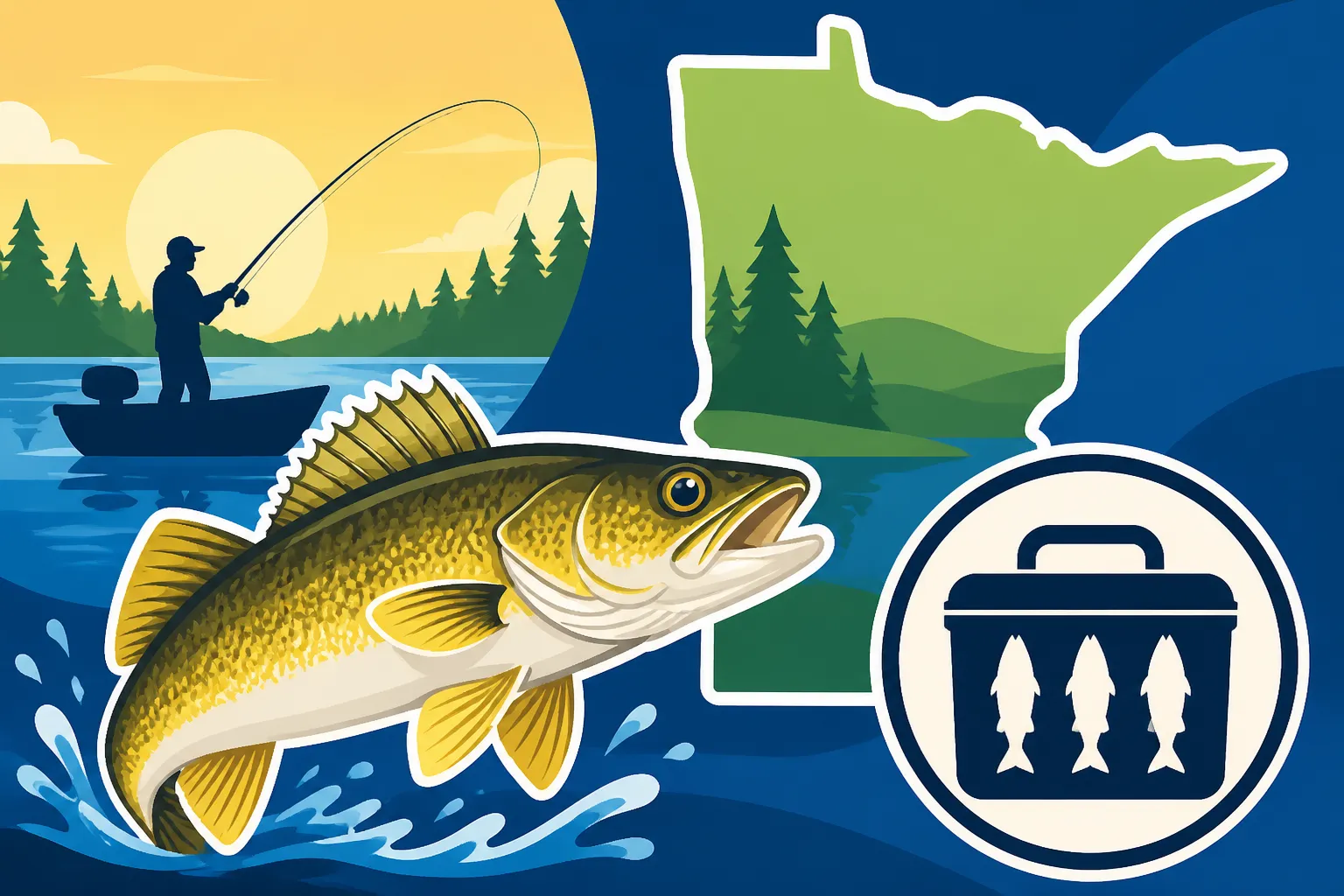
Let's start with the basics, the general rules that apply to most lakes across Minnesota unless otherwise specified. For the vast majority of our waters, the statewide daily limit for walleye is six. This means you can keep up to six walleye per day that you catch. However, there's also a statewide possession limit, which mirrors the daily limit in most cases: six. This possession limit refers to the total number of walleye you can have on your person, in your cooler, or at your campsite at any given time. If you're on a multi-day trip and have already kept six walleye from a previous day's fishing, you cannot keep any more until some of those fish have been eaten or processed.
It's crucial to understand the difference between daily and possession limits. Imagine you're staying at a cabin on a lake with standard regulations. If you catch and keep six walleye on Monday, those six fish count towards your possession limit. If you go out Tuesday morning, those same six fish are still in your possession. You cannot keep more walleye on Tuesday until the initial six have been consumed or are no longer in your possession. This ensures that anglers aren't continually accumulating fish over extended trips, helping to distribute the harvest more evenly among the fishing population and maintain sustainable numbers of walleye in our lakes. For a deeper dive into these concepts, check out our guide on Minnesota Fishing Limits: Bag & Possession (2026).
The "Why" Behind Changing Limits
It's easy to get frustrated when walleye limits seem to change from lake to lake, or even year to year, but there's a good reason for it. These regulations aren't pulled out of thin air; they're based on extensive scientific research and data collected by the Minnesota Department of Natural Resources (DNR). Fisheries biologists constantly monitor walleye populations, considering factors like spawning success, growth rates, mortality, and angler harvest pressure.
A lake with a robust, self-sustaining walleye population that experiences moderate fishing pressure might have very liberal limits. Conversely, a lake that's struggling with poor natural reproduction, heavy angling pressure, or other environmental stresses might have much stricter limits, or even special protective slot limits, to help safeguard its future. For example, if a lake's walleye population shows an abundance of smaller fish but a scarcity of larger, mature spawners, the DNR might implement a slot limit to protect those larger fish, ensuring they have a chance to reproduce. Climate change, habitat degradation, and the presence of invasive species can also play a role in how walleye populations are managed, leading to dynamic and sometimes seemingly complex rules that are ultimately designed to keep our fisheries healthy. This detailed approach is why understanding specific lake rules is so important, as highlighted in the article Minnesota Fishing Regulations Changes for 2026.
Navigating Special Walleye Regulations for Specific Lakes
While the statewide limit provides a baseline, Minnesota is famous for its diverse and abundant waters, many of which have unique walleye regulations. These special rules are tailored to the specific needs of each lake's walleye population, aiming to improve fishing quality, protect spawning stock, or reduce overharvest. It’s absolutely essential to check the regulations for the specific body of water you plan to fish before you cast your line.
Famous Lakes with Unique Rules
Several of Minnesota's most popular walleye destinations have their own distinct regulations that differ from the statewide six-fish limit. These lakes are often under intense fishing pressure or have unique ecological characteristics that necessitate a more specialized management approach. Getting caught unaware can lead to significant penalties, so it's worth taking the time to understand these nuances.
- Mille Lacs Lake: This giant lake in central Minnesota is world-renowned for its walleye fishing, but its regulations are frequently adjusted to ensure sustainability. For example, in recent years, Mille Lacs has seen various experimental regulations, including different daily bag limits, slot limits, and even seasonal closures for walleye. It's not uncommon for the daily limit to be just one or two walleye, sometimes with a protected slot. You might hear people asking, "Is the Mille Lacs Walleye Limit 1 or 3 This Year?" because it truly does change frequently. Always consult the most current DNR regulations for Mille Lacs Lake; you can find specific details in our dedicated guide to Mille Lacs Walleye Regulations (2026).
- Upper Red Lake: Located in northern Minnesota, Upper Red Lake has become a premier ice fishing destination, particularly for walleye. Its regulations have also varied over time but typically feature a lower daily bag limit than the statewide average, often with a strict slot limit to protect larger fish. The DNR works hard to manage this fishery to sustain its incredible productivity.
- Lake of the Woods: Straddling the U.S.-Canada border, Lake of the Woods is another legendary walleye fishery. Its regulations are complex, partly due to its size and the international border, often involving a combination of daily limits and slot limits. Anglers need to be aware of both Minnesota's rules and potentially Canadian regulations if venturing into those waters. Our comprehensive guide to Lake of the Woods Fishing Regulations (2026) breaks down what you need to know.
- Leech Lake: Found in the Chippewa National Forest, Leech Lake is a huge, productive body of water known for its diverse fishing opportunities, including excellent walleye. Similar to Mille Lacs, Leech Lake has often implemented special regulations, including reduced bag limits and protected slots, to manage its walleye population effectively. Understanding these can make a big difference in your trip, and you can learn more in our article about Leech Lake Fishing Regulations (2026).
This table provides a generalized overview. Always check current DNR regulations before fishing.
| Lake/Area | Typical Daily Limit | Typical Possession Limit | Common Slot Limits (Example) | Notes |
|---|---|---|---|---|
| Statewide (Most Lakes) | 6 walleye | 6 walleye | N/A | Applies unless specific lake rules override it. |
| Mille Lacs Lake | Varies (e.g., 1 or 2) | Varies | Often a slot (e.g., 17-20 inches protected, 1 over 20 allowed) | Highly dynamic, check DNR annually. Focuses on protecting spawning fish and balancing harvest. |
| Upper Red Lake | Varies (e.g., 3 or 4) | Varies | Often a slot (e.g., 17-27 inches protected, 1 over 27 allowed) | Known for excellent ice fishing, regulations aim to sustain productive fishery. |
| Lake of the Woods | Varies (e.g., 6) | Varies | Often a slot (e.g., 19.5-28 inches protected, 1 over 28 allowed) | Complex due to border water status, includes options for charter possession. |
| Leech Lake | Varies (e.g., 3 or 4) | Varies | Often a slot (e.g., 20-26 inches protected, 1 over 26 allowed) | Manages a large, important walleye fishery; regulations aim for sustained quality. |
Demystifying Slot Limits and Protected Lengths
"Slot limit" is a term you'll hear a lot in Minnesota walleye fishing, and it's something many anglers find a little tricky to understand at first glance. Simply put, a slot limit means that fish within a certain size range – the "slot" – must be immediately released. You cannot keep walleye that fall within that protected size range.
For example, a common walleye slot limit might be "no walleye between 17 and 26 inches may be kept." This means any walleye you catch that measures from 17 inches up to, but not including, 26 inches, needs to go back into the water right away. Fish smaller than 17 inches (underslot) and fish larger than 26 inches (overslot) would be legal to keep, up to the daily bag limit. However, there's often an additional kicker: you might only be allowed to keep one fish over a certain size (e.g., "only one walleye over 26 inches"). This extra rule is designed to protect the largest, most prolific spawners, ensuring they can continue to contribute to the lake's population.
The purpose of slot limits is purely conservation and fishery enhancement. By protecting a specific size range, fisheries managers can target different objectives:
- Minimum Length Limits: Protects young, growing fish, allowing them to mature and spawn at least once.
- Maximum Length Limits: Protects the largest, most genetically valuable fish (often the females), which are crucial for maintaining strong spawning populations.
- Protected Slot Limits: Encourages harvest of smaller, more abundant fish while protecting critical spawning stock in the middle to larger size ranges. This can help "thin out" an overabundant year class of smaller fish, giving the remaining fish more food and room to grow faster.
Understanding these details is critical. Misinterpreting a slot limit can quickly turn a fun day of fishing into a legal headache. Always measure your fish carefully and carry a reliable measuring device. If you're unsure, it's always best to release the fish. Our article Minnesota Slot Limits: Which Lakes & Why dives even deeper into the intricacies of these regulations.
Your Guide to Staying Compliant and Informed
With so many different regulations and potential changes, staying on top of the rules can feel like a full-time job. However, there are some straightforward ways to ensure you’re always compliant and informed, protecting yourself and our valuable walleye fisheries.
Essential Resources for Current Regulations
The Minnesota Department of Natural Resources (DNR) is your ultimate and most reliable source for all fishing regulations. Don't rely solely on word-of-mouth or last year's memories – regulations can and do change.
- The Official DNR Fishing Regulations Booklet: This is the bible for Minnesota anglers. It's published annually and contains all the current statewide and special waters regulations. You can pick up a physical copy at any bait shop, DNR office, or many sporting goods stores like Fleet Farm or Cabela's. You can also find it as a downloadable PDF directly on the DNR website. It’s well worth the time to read through it, especially the section on walleye and the specific lake you plan to fish. Sometimes, you can even find past editions or supplementary materials on platforms like Amazon that might help clarify specific historical changes, although always prioritize the current year's official document.
- DNR Website: The DNR website (dnr.state.mn.us) is constantly updated and is perhaps the most immediate way to get current information. They have dedicated pages for fishing regulations, including an interactive map where you can search for specific lakes and their rules. This is invaluable, especially if you're planning a trip last minute or need to verify a detail while on the go.
- DNR News Releases and Social Media: The DNR often announces significant regulation changes through news releases and their social media channels. Following these sources can keep you abreast of proposed or imminent changes, particularly for popular fisheries like Mille Lacs Lake or Upper Red Lake, where regulations might be adjusted mid-season.
It's tempting to just assume "everyone knows the rules," but that's a risky assumption in Minnesota. Always take a few minutes to verify the regulations for your specific body of water.
Best Practices for Anglers
Beyond simply knowing the rules, adopting a few best practices can greatly enhance your fishing experience and ensure you're a responsible steward of our fisheries.
- Carry a Measuring Device: This sounds obvious, but you'd be surprised how many anglers get caught without one. A simple bump board or a flexible tape measure (easily found on Amazon, often bundled with other fishing accessories) is essential for quickly and accurately determining if your walleye falls within legal limits or a protected slot. Don't guess; measure.
- Understand How to Measure Fish: In Minnesota, fish are measured from the tip of the nose to the tip of the tail, with the tail squeezed together. Make sure you're measuring correctly, as even an inch can make a difference between a legal fish and a violation.
- Be Prepared for Catch and Release: If you're fishing a lake with a slot limit, you're going to be releasing fish. Have the right tools for quick, safe release, such as needle-nose pliers or a hook remover. Minimize handling time, keep the fish in the water as much as possible, and avoid letting it flop around on the boat deck. This is especially critical for larger fish, which are more susceptible to stress. Our article on Catch and Release Best Practices in Minnesota offers more detailed advice.
- Talk to Local Bait Shops and Guides: Local bait shop owners and fishing guides are often incredibly knowledgeable about current conditions and recent regulation interpretations. They can provide valuable insights, but always cross-reference their information with the official DNR regulations.
By being proactive and informed, you not only avoid potential penalties but also contribute positively to the health and sustainability of Minnesota's incredible walleye fishing.
The Importance of Walleye Management
The regulations surrounding walleye limits in Minnesota aren't just arbitrary hurdles to jump through; they are the backbone of a sophisticated management system designed to protect and enhance our state's most iconic fishery. Every single walleye caught, kept, or released has an impact, and collective angler behavior plays a monumental role in the future of walleye fishing.
Balancing Harvest with Future Generations
The DNR's primary objective with walleye limits is to find a delicate balance between allowing anglers a reasonable harvest and ensuring robust, healthy populations for generations to come. Walleye are a slow-growing species, especially in the northern parts of the state, and they don't reach sexual maturity for several years. Overharvesting, especially of larger, mature females, can have devastating long-term effects on a lake's ability to naturally reproduce.
Consider a lake where angling pressure is extremely high. Without proper limits, it would be quickly "fished out" of larger, breeding-size walleye. The remaining smaller fish might struggle to grow due to lack of competition or simply not be old enough to spawn effectively. This could lead to a downward spiral in the population. Slot limits, reduced bag limits, and protected seasons (like the Walleye Season & Limit in Minnesota) are all tools used to prevent this scenario. They allow for sustainable harvest, often targeting the more abundant mid-sized fish for consumption, while safeguarding the critical genetic material of the biggest fish and allowing younger fish to reach reproductive age. This stewardship ensures that when your kids or grandkids want to experience the thrill of catching a Minnesota walleye, those opportunities still exist.
The Impact of Individual Decisions
While it's easy to think of regulations as something "they" impose, the truth is, every angler's individual decisions contribute to the overall health of the fishery. When you adhere to the walleye limits, release fish within a slot limit carefully, and respect spawning areas, you're actively participating in conservation.
Imagine a scenario where many anglers decide to "stretch" the rules a little, keeping an extra fish or one slightly over the slot, thinking "one more won't hurt." When hundreds or thousands of anglers make that same "one more" decision, it adds up to significant overharvest. Conversely, when anglers consistently follow the regulations and even practice voluntary catch-and-release, especially for larger fish (sometimes referred to as "trophy fish"), it strengthens the fishery. This responsible behavior allows walleye populations to thrive, providing better fishing for everyone in the long run. By making informed, ethical choices, you become part of the solution, helping to preserve Minnesota's reputation as a world-class walleye fishing destination.
Disclaimer
The information provided in this guide is for general informational purposes only and is subject to change. Fishing regulations in Minnesota are dynamic and can be updated at any time by the Minnesota Department of Natural Resources (DNR). Always consult the current official Minnesota Fishing Regulations booklet or the DNR website before engaging in any fishing activities to ensure compliance with the most up-to-date rules and limits.