Are Smallmouth Bass Good to Eat?
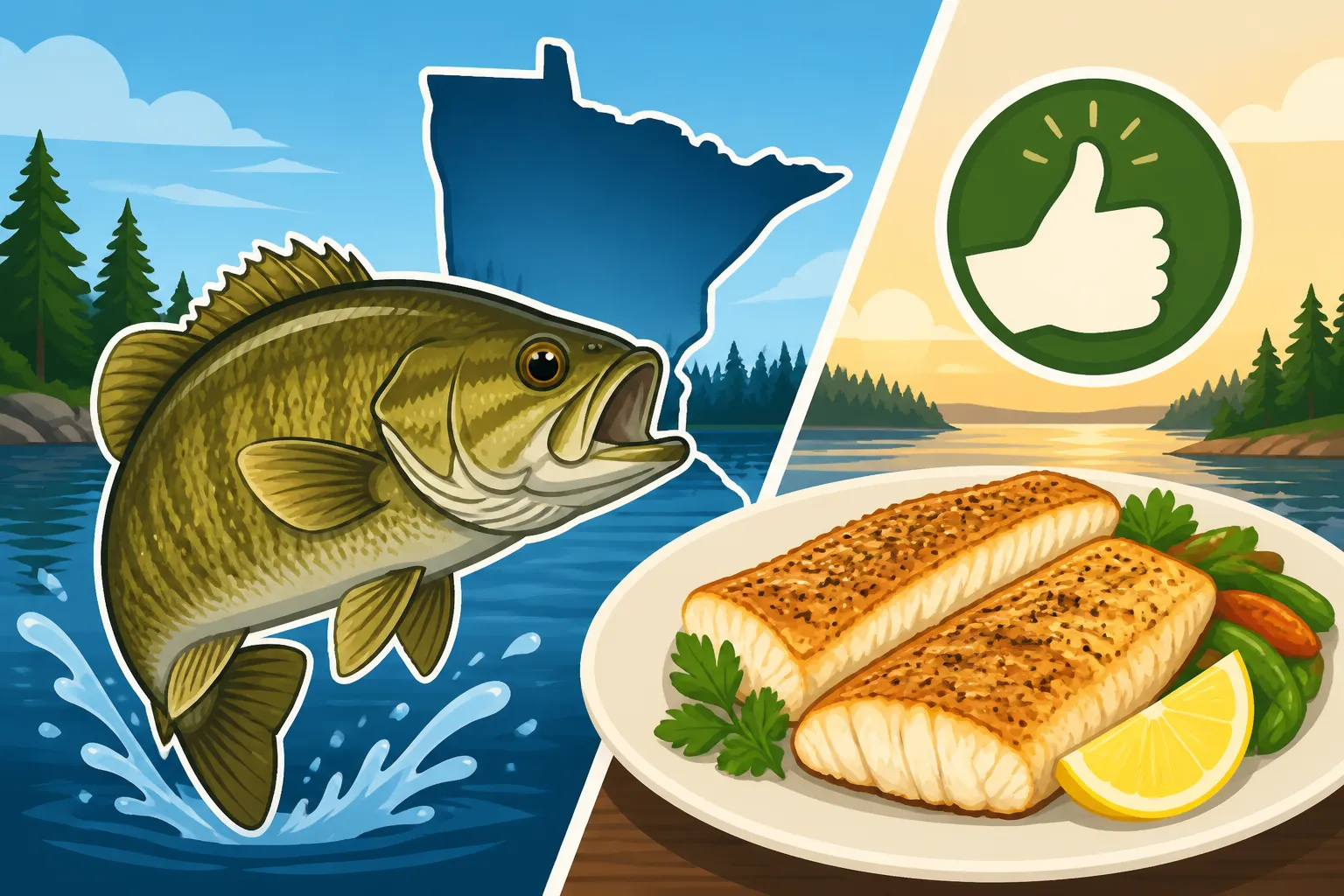
Oh, the age-old question that often pops up after a fantastic day wrangling those feisty smallmouth bass on a Minnesota lake! You've had a blast battling them, feeling that distinct tug and surge, and now you're wondering if they're destined for the frying pan or just a hero shot before a careful release. Many anglers, especially those new to fishing our beautiful state, often associate "good eating fish" primarily with walleye or panfish, sometimes overlooking the fantastic table fare that smallmouth bass can offer. This guide is all about diving deep into whether smallmouth bass are truly good to eat, how to make them taste their best, and what to consider when you decide to keep a few for dinner.
The Flavor Profile of Smallmouth Bass
Let's be real, when most folks in Minnesota think about eating fish, walleye immediately springs to mind. But don't let that overshadow the delicious potential of a well-prepared smallmouth bass. These bronze beauties offer a unique and very palatable experience at the dinner table, often surprising those who’ve never tried them.
Comparing Smallmouth to Other Popular Game Fish
When you catch a smallmouth, you'll immediately notice their firm, muscular bodies, a reflection of their fighting spirit. This translates directly to their texture. Smallmouth bass typically have a firmer, flakier white meat compared to their largemouth cousins, which can sometimes be a bit softer. It's not as delicate or melt-in-your-mouth as a freshly caught walleye, but it holds its own beautifully. If you're someone who appreciates a good, solid flake that doesn't fall apart easily on the fork, smallmouth bass will be a pleasant surprise.
In terms of taste, smallmouth bass tend to be quite mild, with a subtly sweet undertone. They are generally far less "fishy" than some other species you might encounter, making them incredibly versatile in the kitchen. The taste can be influenced by several factors: the water quality of the lake or river they inhabit, their diet, their size, and even the time of year you catch them. For instance, smallmouth caught from clear, cold northern Minnesota lakes, where they feed on crayfish and shiners, often boast the cleanest, sweetest flavor.
Debunking Common Misconceptions
One of the most persistent myths surrounding bass, both smallmouth and largemouth, is that they have a "muddy" or "weedy" taste. While this can be true for any fish caught from stagnant, warm, or overly weedy water, it's often more a reflection of improper handling than an inherent characteristic of the fish itself. A smallmouth pulled from a pristine, deep, rocky lake like Mille Lacs or Lake Vermilion, handled correctly, is a completely different culinary experience than one from a shallow, warm pond. The "muddy" taste also sometimes comes from the dark, red lateral line meat. Removing this bloodline during filleting is a crucial step to ensuring a clean taste, something we'll discuss further in the preparation section.
Another misconception is that smallmouth bass are "just for sport." While they are undeniably incredible sport fish – their aerial acrobatics and strong runs are legendary among anglers – that doesn't mean they can't also provide a delicious meal. Think of it this way: a powerful athlete still needs good nutrition! Many dedicated anglers, after a long day enjoying the challenge of How to Catch Smallmouth Bass in Minnesota (Step by Step) or employing various Best Smallmouth Bass Fishing Tactics in Minnesota, will confidently tell you that smallmouth bass, when prepared right, are among the best eating fish in Minnesota. They offer a fantastic alternative or complement to the more commonly kept walleye or panfish, especially if you're looking for a firm, mild white fish.
Best Practices for Preparing Smallmouth Bass
So, you've decided to keep a few smallmouth for dinner. Fantastic! But the journey from the lake to your plate is crucial in ensuring they taste their absolute best. Just like any fine ingredient, proper care and preparation make all the difference.
Handling Your Catch for Optimal Flavor
This is arguably the most critical step for any fish you intend to eat, and smallmouth bass are no exception.
- Immediate Care: As soon as you land a fish you plan to keep, it's vital to dispatch it quickly and humanely. This reduces stress, which can release lactic acid into the meat and negatively impact flavor. A quick thump to the head or a swift cut to the gills to bleed the fish thoroughly will make a huge difference. Bleeding removes blood from the flesh, resulting in whiter, cleaner-tasting fillets.
- Icing: Get your fish on ice immediately. A cooler full of ice is your best friend. This rapid cooling slows down spoilage and keeps the flesh firm. Don't just toss them in a livewell; an ice bath is superior for preserving quality.
- Filleting Techniques: When it comes to filleting, smallmouth bass are relatively easy to work with. Most anglers prefer to skin them, as the scales can be small and tough. After you’ve removed the fillet, pay close attention to the darker, reddish meat along the lateral line. This "bloodline" can impart a stronger, sometimes "fishier" flavor. Carefully trim this away with a sharp knife. You'll be left with beautiful, pearly white fillets ready for cooking. For those looking to master their filleting skills, there are plenty of resources on How to Fillet a Walleye (Step by Step) that can be adapted for smallmouth.
Cooking Methods That Shine
Smallmouth bass's firm, mild, and subtly sweet flesh makes it incredibly versatile. Here are some tried-and-true methods that truly bring out its best:
- Pan-Frying: This is a classic for a reason. Lightly dredge your smallmouth fillets in seasoned flour, cornmeal, or a simple breading mix (like a Zatarain's or Shore Lunch brand) and pan-fry them in a skillet with a bit of butter or oil until golden brown and flaky. The mild flavor of the fish really shines through with this simple preparation. Serve with a squeeze of lemon and a side of tartar sauce.
- Baking/Broiling: For a healthier option that still delivers on flavor, baking or broiling is excellent. Place fillets on a baking sheet, brush with olive oil, season with salt, pepper, garlic powder, and paprika, and bake at 375°F (190°C) for 10-15 minutes, or until flaky. Broiling takes even less time, just a few minutes per side, but watch them closely to prevent drying out. You can add fresh herbs like dill or parsley for extra zest.
- Grilling: If you love that smoky char, grilling smallmouth fillets can be fantastic. Thicker fillets hold up better on the grill. Marinate them briefly in a light lemon-herb mixture, place them in a fish basket or on foil to prevent sticking, and grill over medium-high heat until cooked through. The firm flesh prevents them from falling apart, which can be an issue with more delicate species.
- Tacos: Seriously, don't knock it 'til you've tried it! Flaked, pan-fried, or grilled smallmouth bass makes incredible fish tacos. The mild flavor pairs perfectly with fresh salsa, cabbage slaw, and a creamy sauce. It's a fantastic way to enjoy your catch with a bit of a kick.
Seasoning Suggestions: Keep it simple to let the fish's natural flavor come through. Lemon, dill, parsley, garlic, onion powder, and a touch of paprika are all excellent choices. For a little more complexity, a dash of Old Bay seasoning or a blackening spice rub can elevate the dish without overpowering it.
| Feature | Smallmouth Bass | Walleye | Crappie |
|---|---|---|---|
| Taste | Mild, slightly sweet, clean | Very mild, delicate, sweet | Mild, slightly sweet, very clean |
| Texture | Firm, flaky, robust | Tender, flaky, almost melt-in-your-mouth | Fine, delicate, very soft and flaky |
| Color | White, sometimes with a pinkish hue | Pearly white, translucent when raw | Bright white |
| Preparation | Pan-fry, bake, grill, tacos, broil | Pan-fry, bake, deep-fry, broil, ceviche | Pan-fry, deep-fry, bake |
| "Fishy" Factor | Low (if properly handled) | Very low | Very low |
Smallmouth Bass and Sustainability in Minnesota
While smallmouth bass are delicious, it's vital to think about the long-term health of our fisheries. As responsible anglers in Minnesota, we have a role to play in ensuring these incredible fish thrive for future generations.
Minnesota DNR Regulations and Conservation
The Minnesota Department of Natural Resources (DNR) sets specific regulations to manage smallmouth bass populations, ensuring both ecological balance and sustainable angling opportunities. These regulations can include size restrictions (slot limits) and daily bag limits, and they often vary by lake or region. For example, you might find certain lakes have a protected slot limit, meaning fish within a particular size range must be released. It's crucial to always check the most current regulations for the body of water you're fishing. You can usually find these in the annual Minnesota Fishing Regulations booklet or on the DNR website. Our guide on Smallmouth Bass Season & Limit in Minnesota provides a fantastic overview of what to expect.
These rules aren't arbitrary; they are based on scientific data about fish populations, spawning success, and growth rates. By adhering to them, we help ensure there are plenty of smallmouth bass for everyone to enjoy, whether for sport or the dinner table. Remember to also be aware of the overall Minnesota Fishing Limits: Bag & Possession (2026) for all species.
When to Keep and When to Release
Deciding whether to keep a fish or release it is a personal choice, but one that should be guided by ethics and conservation.
- "Eater" Fish: Generally, smaller to medium-sized smallmouth bass (often in the 12-16 inch range, depending on local regulations) are considered prime "eater" fish. They tend to have the best flavor and texture. Removing these fish from the population can even benefit the fishery by reducing competition for food and allowing larger, potentially more genetically valuable fish to grow.
- Trophy Fish: Larger smallmouth bass, especially those over 18 or 19 inches, are often the big breeders of the lake. These magnificent fish have contributed significantly to the fishery over their lifespan. Many anglers choose to practice Catch and Release Best Practices in Minnesota for these trophy-sized fish, allowing them to continue spawning and passing on their strong genes. Plus, larger fish can sometimes have a coarser texture and may accumulate more environmental contaminants.
It's a beautiful thing when you can enjoy the bounty of Minnesota's waters responsibly. By following regulations and making informed decisions about what you keep, you contribute to a healthy, vibrant fishery for all. You can also explore general guidelines for Minnesota Bass Season (New 2026 Catch-and-Release) for further insights.
Nutritional Benefits and Health Considerations
Beyond their delicious taste and sporting challenge, smallmouth bass also offer some notable nutritional advantages, making them a healthy addition to your diet.
Healthy Protein Source
Smallmouth bass, like most white fish, are an excellent source of lean protein. A typical serving provides a good amount of essential amino acids, which are vital for muscle repair, growth, and overall bodily functions. They are relatively low in calories and saturated fat, especially when compared to red meat, making them a heart-healthy choice. While not as rich in Omega-3 fatty acids as oily fish like salmon, they still contribute some beneficial fats to your diet. Integrating smallmouth bass into your meal plan can be a fantastic way to boost your protein intake without a lot of extra fat. Think about it: a fresh-caught meal straight from one of Minnesota's beautiful Best Bass Lakes in Minnesota – it doesn't get much healthier or more satisfying!
Mercury and Consumption Advisories
When it comes to eating any fish from wild waters, it's always smart to be aware of consumption advisories. The Minnesota Department of Health (MDH), in collaboration with the DNR, issues advisories for various fish species and bodies of water due to concerns about mercury and, more recently, PFAS contamination.
Generally, smaller, younger fish tend to have lower levels of contaminants than older, larger fish. For smallmouth bass, like many predatory fish, mercury can accumulate over their lifespan. The MDH guidelines typically recommend limiting consumption of larger, older bass, especially for sensitive populations like pregnant women, nursing mothers, and young children. They usually provide detailed guidance based on fish species, size, and specific lakes. It's always a good idea to check the most current Minnesota Fish Consumption: Mercury & PFAS Advisories before you head out, just to be informed. Most advisories provide recommendations on how many meals per week or month are safe for different groups. Staying informed means you can enjoy your catch without worry, knowing you're making healthy choices for yourself and your family.
Disclaimer
Please note that fishing regulations, advisories, and best practices can change. Always consult the most current Minnesota Department of Natural Resources (DNR) regulations and Minnesota Department of Health (MDH) fish consumption advisories before heading out to fish or consuming your catch. This guide is for informational purposes only and should not replace official state resources.