Yellow Perch Fishing Tips for Minnesota Anglers
Yellow perch, often overshadowed by their flashier walleye cousins, are an absolute gem in Minnesota's waters. Many anglers struggle to find those elusive "jumbo" perch or feel like they're just catching the tiny ones by accident. But let me tell you, when you crack the code on yellow perch, you unlock some of the most consistent, fun, and delicious fishing opportunities the state has to offer. This guide is dedicated to equipping you with the insider knowledge and practical tips you need to confidently target and successfully catch yellow perch in Minnesota, no matter the season.
Understanding Yellow Perch Behavior and Habitat
To consistently catch yellow perch, you first need to think like a perch. These fish are schooling predators that love structure and relate heavily to available forage. They aren't just swimming aimlessly; they have specific preferences and patterns that, once understood, make them much easier to find.
Where Perch Live in Minnesota Lakes
Yellow perch are incredibly adaptable and can be found in a vast array of Minnesota's lakes and even some slower-moving rivers. However, some lakes are known for producing larger numbers and bigger specimens. Generally, you'll find them congregating around specific types of underwater features.
During the warmer months, especially in spring and early summer, perch often hang out in shallower, weedier areas. Think about those extensive weed flats, the edges of emergent bulrushes, or even submerged weed lines around 8-15 feet. They're looking for cover to ambush smaller minnows and insects, and these dense weed beds provide exactly that. As summer progresses and water temperatures rise, many of the larger perch will migrate to deeper water, often holding to the edges of main lake points, sunken islands, or structural transitions where soft bottom meets hard bottom. They might be in 20-30 feet of water, often suspended just off the bottom, chasing schools of baitfish like shiners or young-of-the-year panfish. Sometimes, you'll find them relating to offshore humps or even old cribs and brush piles that recreational anglers have sunk over the years. Understanding where to find them can be the difference between a few small nibblers and a cooler full of fillets. To get a general idea of what to expect in different waters, you might want to read our comprehensive guide on specific fish species in the state, such as our article on What Fish Are in Minnesota Lakes Common Species.
Why Perch Move Throughout the Year
Perch movements are largely driven by water temperature, available food, and spawning cycles. They're not going to be in the same spot year-round, which is why a flexible approach is key to consistent success.
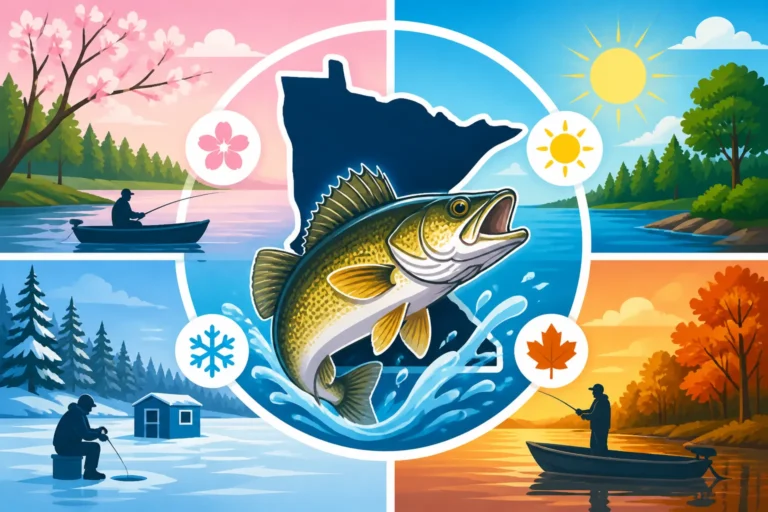
In the spring, after ice-out, perch are often shallower as they move into bays and protected areas to spawn. This is a great time to target them in water as shallow as 5 feet, especially in areas that warm up quickly. They're often grouped up and feeding aggressively after the long winter. As the water warms through summer, they'll follow the baitfish. If the bait is shallow in the weeds, so are the perch. If the bait moves deeper to escape the heat, the perch will follow. In the fall, as water temperatures drop again, perch typically become very active feeders, gorging themselves in preparation for winter. They'll often be found transitioning between deeper summer haunts and shallower weed beds, sometimes even suspending over deeper water to chase schools of tullibee or cisco. Knowing these seasonal patterns is crucial. For detailed seasonal insights that apply to many Minnesota species, our guide on Seasonal Fishing Patterns in Minnesota can be incredibly helpful.
Identifying Jumbo Perch Hotspots
Not all perch are created equal, and every angler dreams of catching "jumbo" perch – those thick, 10-14 inch specimens that make for an excellent meal. Finding these bigger fish often requires a slightly different approach than just targeting any old school of perch.
Jumbo perch often prefer slightly different habitats and are less tolerant of crowded conditions with smaller perch. They tend to be found on lakes with a healthy forage base and less fishing pressure, or in specific, harder-to-reach spots within popular lakes. Look for lakes with diverse structure, including deep humps, extensive rock piles, and distinct weed lines in deeper water (15-30 feet). They also tend to inhabit lakes with a good population of larger predatory fish, like walleye or northern pike, which helps keep the population of smaller, stunted perch in check, allowing the remaining perch to grow larger. A good example might be some of the larger, deeper basins in places like Lake of the Woods, Leech Lake, or even some of the deeper sections of Gull Lake near Brainerd. These lakes offer the space and forage for perch to reach impressive sizes. Pay close attention to subtle breaks, transitions from sand to gravel, or isolated clumps of weeds in otherwise barren areas. These are often overlooked spots where bigger perch might be lurking away from the smaller, more aggressive schools.
Essential Gear for Minnesota Yellow Perch Fishing
While you don't need a boatload of specialized gear to catch perch, having the right setup can dramatically improve your success rate and your overall enjoyment. It's about matching your tackle to the size of the fish and the techniques you'll be using.
Rods, Reels, and Line for Perch
For yellow perch, particularly those feisty Minnesota jumbos, a lightweight, sensitive setup is key. You want to feel those subtle bites and have enough backbone to handle a decent fish.
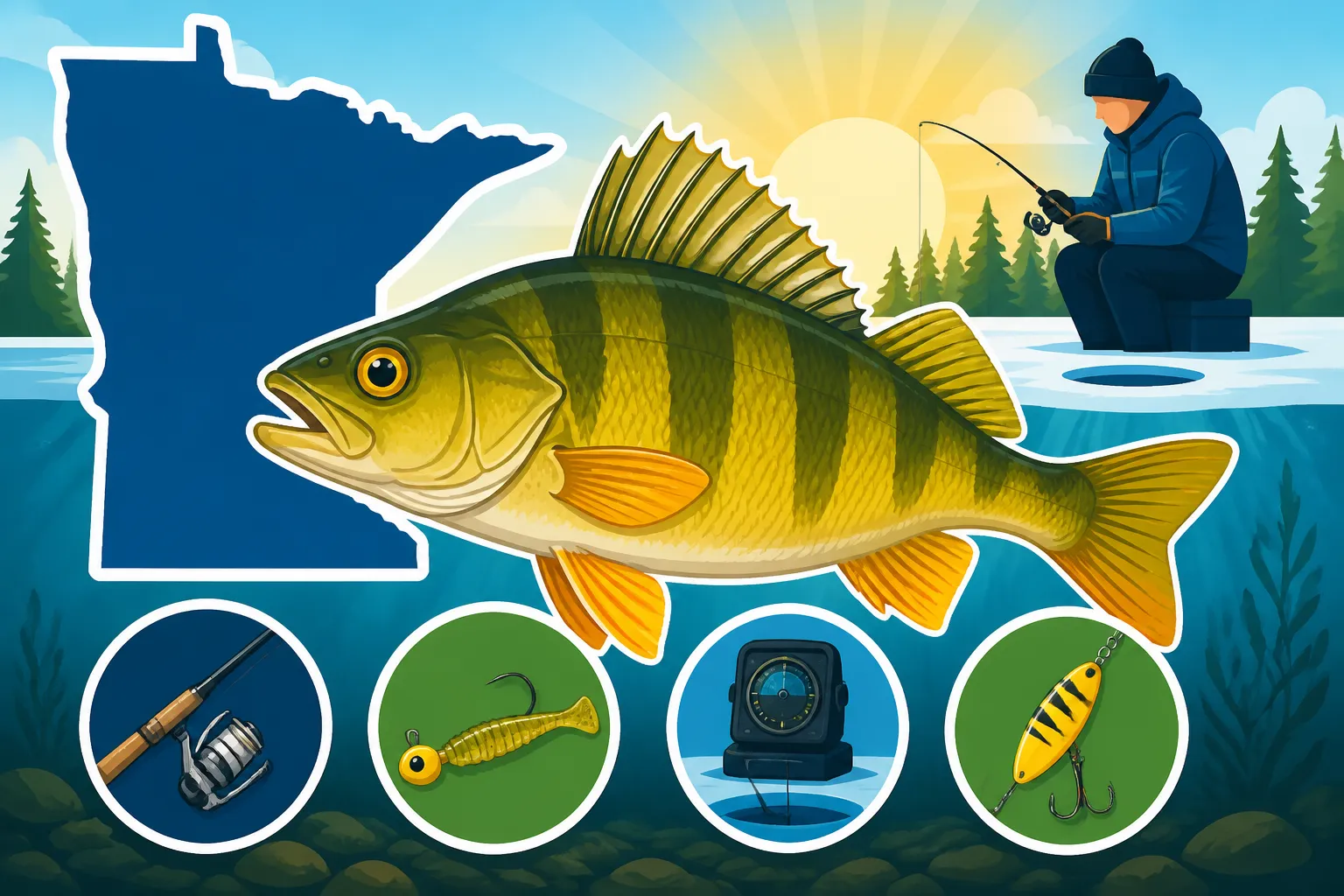
For open water, a light or ultralight spinning rod, typically 5 to 6.5 feet long, with a fast action tip is ideal. This allows you to cast small lures and feel every twitch. Pair this with a small spinning reel (500-1000 size) spooled with 2-4 pound monofilament or fluorocarbon line. Monofilament offers a bit of stretch, which can be forgiving on lighter bites, while fluorocarbon offers excellent sensitivity and low visibility. If you prefer braid, go with a 4-6 pound test braid with a short 2-4 foot fluorocarbon leader; this gives you amazing sensitivity and strength. For ice fishing, short, sensitive rods are absolutely paramount. A 24-30 inch ultralight or light action ice rod with a sensitive spring bobber or a very fast, responsive tip is perfect. Many anglers use a small inline reel, like the Pflueger President or Clam Spooler, as it helps prevent line twist, which is critical when jigging tiny lures. Spool up with 2-4 pound test fluorocarbon ice line, which resists freezing and offers stealth. You can often find great deals on these combos, as well as specialized line, on Amazon. To get a head start on equipping yourself, check out our Best Fishing Gear for Beginners in Minnesota By Budget for some great recommendations.
Top Baits and Lures for Perch
Perch are opportunistic feeders, so having a variety of baits and lures on hand will cover all your bases, whether they're aggressive or finicky.
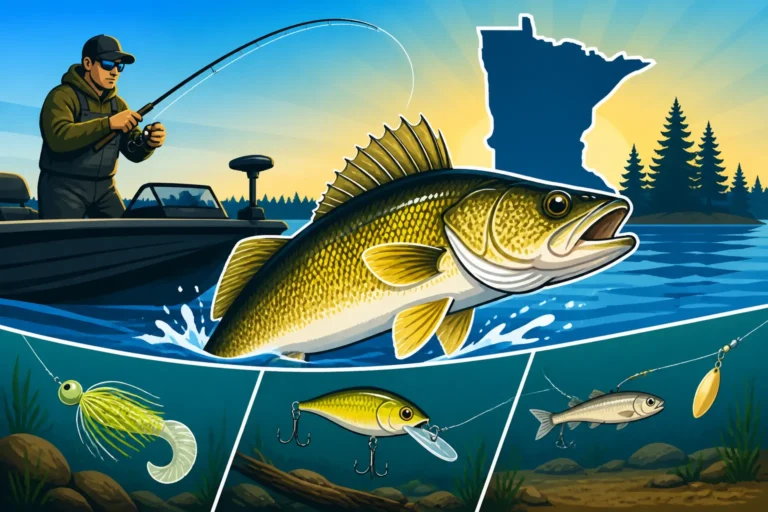
Live bait is almost always a winner for perch. Small minnows (fatheads, crappie minnows), wax worms, and eurolarvae are irresistible. You can fish them under a slip bobber in open water or on a small jig during ice fishing. If you're using minnows, hook them lightly through the lip or just behind the dorsal fin. For artificials, small jigs are king. Think 1/32 to 1/16 ounce jigs in various colors – chartreuse, orange, pink, and glow patterns are often highly effective. Tipping these jigs with a small piece of plastic, a minnow head, or a couple of wax worms greatly increases their appeal. Small spoons and jigging rap-style lures also work wonders, especially when trying to call in fish from a distance. The flash and vibration can really get their attention. When the perch are really aggressive, don't be afraid to size up slightly to a 1/8 ounce jig or a bigger spoon to weed through smaller fish and target those jumbos. For more specific lure advice across species, our guide on the Best Lures & Baits for Minnesota by Species provides a fantastic overview.
Electronics to Locate Perch Schools
In today's fishing world, electronics are not just a luxury; they're an invaluable tool for finding and catching more fish, especially schooling fish like perch.
A good fish finder or flasher can make all the difference, especially when ice fishing or targeting deeper summer perch. For ice fishing, a flasher like a Vexilar, Humminbird Ice Helix, or a Garmin unit allows you to see your lure in real-time and watch fish react to it. You can see if they're coming in, how they're reacting to your presentation, and adjust accordingly. This feedback loop is essential for maximizing your catch rate. In open water, a quality fish finder with side imaging or down imaging can help you locate those deeper weed lines, humps, or schools of baitfish that perch are often associated with. Look for marks on your screen that indicate fish suspended near the bottom or hovering around structure. Don't be afraid to drill multiple holes when ice fishing or make several passes with your boat until you mark a solid school of fish. It's much better to spend time looking for fish than fishing where there are none. If you're new to flashers, our guide on How to Read a Flasher Vexilar/Humminbird can help you get started.
Mastering Techniques for Catching Perch
Once you've located the perch and rigged up your gear, it's all about how you present your bait. Perch can be finicky one day and aggressive the next, so having a few techniques in your arsenal is a huge advantage.
Jigging and Deadsticking Approaches
These two techniques are foundational for perch fishing, especially through the ice, but also incredibly effective in open water.
Jigging involves actively working a lure up and down to attract fish. For perch, think about subtle movements. A small, quick lift and fall, followed by a pause, is often all it takes. Sometimes, a series of short, sharp hops will trigger a bite, while other times a slow, methodical lift and hold is what they're looking for. Pay close attention to how the fish on your electronics react. If they come in fast and stop below your lure, they're interested, but you might need a different retrieve to seal the deal. If they scatter, you're likely working it too aggressively. Common jigging lures include small tungsten jigs tipped with live bait, small spoons, or jigging raps. Deadsticking, on the other hand, is a more passive approach where you simply let a bait sit still or with minimal movement. This often involves a second rod (where legal, typically two lines per angler are allowed in Minnesota, but check current regulations for specifics) rigged with a plain hook and a minnow or a small jig tipped with bait, left stationary in a rod holder or on a pail. Often, aggressive perch will hit the jigging rod, while the larger, more cautious perch will sneak in and take the deadstick. It’s a great way to cover two different presentations at once and maximize your chances, particularly when ice fishing for crappie or perch.
Using Live Bait Effectively
Live bait is a classic for a reason: it's incredibly effective for yellow perch, especially when they're not in an aggressive mood.
When using minnows, ensure they are lively. Hook them gently through the lips or just under the dorsal fin to allow maximum natural movement. Present them under a slip bobber in open water, allowing the minnow to swim freely near desired depth, or on a small jig or hook closer to the bottom during ice fishing. For smaller live baits like wax worms or eurolarvae, these are fantastic for tipping small jigs. The natural scent and subtle movement of the bait can entice even the most wary perch. When you get a bite with live bait, resist the urge to set the hook immediately. Give the fish a moment to really take the bait into its mouth. Sometimes, with perch, it feels like a very light tap, almost like your line is brushing against something. Wait for the rod to load or a more definite pull before setting the hook. Always carry a variety of live baits, as perch can show a preference on any given day. You can grab some fresh wax worms from your local bait shop, or even order specialized micro-lures from Amazon for convenience.
Ice Fishing Specifics for Perch
Ice fishing for yellow perch is a favorite winter pastime in Minnesota, offering incredible action and some of the best eating fish. The approach is slightly different from open water.
Mobility is key when ice fishing for perch. Use an ice auger to drill a series of holes in a grid pattern across a potential hotspot, or along a breakline. Don't be afraid to move frequently if you're not marking fish or getting bites. Perch are schooling fish, so when you find one, you often find many. Start shallow, then move deeper until you find them. Pay attention to the depth where you're catching fish, and try to replicate that depth in other areas. Use a flasher to actively monitor fish activity below your hole. Often, perch will come in aggressively, only to shy away. Experiment with jigging cadence, lure color, and bait until you find what triggers them. Small tungsten jigs, tipped with a wax worm or minnow head, are deadly. Remember to keep your hole clean of ice slush to avoid line freezing, and have a good pair of insulated gloves. Our extensive guide on Ice Fishing in Minnesota Complete Beginner-to-Pro Guide will provide even more detailed strategies and tips for a successful winter outing.
Seasonal Strategies for Perch Success
Perch are available year-round in Minnesota, but their locations and feeding patterns shift significantly with the seasons. Adapting your approach to these changes is paramount for consistent catches.
Spring and Summer Perch Tactics
As the ice melts and the lakes warm up, perch transition from their deeper winter haunts to shallower feeding areas.
In the spring, immediately after ice-out, look for perch in shallow bays and flats that warm up quickly, often 5-10 feet deep. These areas typically have early weed growth or dark bottom areas that absorb sunlight. They'll be feeding heavily after the long winter and also preparing for or recovering from spawning. Small jigs tipped with minnows or plastics, fished under a slip bobber, are deadly. Cast them to the edge of emerging weed beds or over open pockets in the weeds. As summer progresses and water temperatures rise, many of the larger perch will retreat to deeper water to escape the heat and find cooler, more oxygenated areas. Focus on transitions from hard to soft bottom, the edges of main lake points, sunken islands, or deep weed lines. Using your electronics to locate schools of baitfish in 15-30 feet of water is crucial. Trolling small crankbaits or spinner rigs slowly over these deeper structures can be effective, but vertical jigging with heavier jigs or spoons tipped with a minnow is often the best way to pluck out individual jumbos you mark on your fish finder. For beginners, perch can be an excellent first target, as discussed in Best Fish to Catch for Beginners in Minnesota.
Fall Perch Aggression
Fall is arguably one of the best times of year to target jumbo yellow perch in Minnesota. As water temperatures cool, perch go on a feeding frenzy to bulk up for the upcoming winter.
During the fall turnover and into late autumn, perch become incredibly active. They often move back into shallower areas that still hold dense weed beds, but also maintain strong schools in deeper water, suspending over main lake basins or congregating on offshore humps. Look for them in depths ranging from 10 to 30 feet, often following schools of baitfish. They'll readily hit a variety of presentations, from jigging spoons to blade baits, and live minnows on a Lindy rig or under a slip bobber. Focus on expansive flats with scattered weeds or hard bottom, as well as distinct structure like humps and points. The key is often finding the baitfish, and the perch won't be far behind. Cooler water means higher oxygen levels, and this often translates to more active, aggressive fish. Don't be afraid to try slightly larger lures and more aggressive jigging actions in the fall, as these fish are often willing to chase.
Winter Ice Fishing for Perch
Ice fishing is synonymous with perch fishing in Minnesota, and it’s when many anglers catch their biggest perch of the year.
Once the ice is safe, perch will often be found in relatively shallow depths (8-15 feet) in early winter, relating to the last remaining green weed growth. As winter progresses and oxygen levels deplete in shallower areas, and food sources thin out, they'll typically move to deeper main lake basins, humps, and points, often suspending over depths of 20-40 feet or more, particularly in lakes known for jumbo perch. They might be relating to the bottom, or suspended 5-10 feet off the bottom, chasing tullibee or whitefish schools. Mobility and electronics are paramount. Drill a lot of holes and use your flasher to find them. Small tungsten jigs, often in glow or bright colors, tipped with a wax worm, eurolarvae, or a minnow head are consistent producers. Small spoons and jigging raps can also be very effective at calling in fish. Don't be afraid to experiment with your jigging cadence – sometimes a subtle quiver is all it takes, other times a sharp rip and fall is key. If you're struggling to find them, consider looking for suspended schools over deep water. This is when the largest perch often roam. For specific tactics, our article on How to Catch Yellow Perch Through the Ice in Minnesota offers even more depth.
| Season | Typical Location | Preferred Depth (Feet) | Recommended Baits/Lures | Key Technique |
|---|---|---|---|---|
| Spring | Shallow bays, emerging weed lines | 5-15 | Small minnows, wax worms, small jigs (1/32-1/16 oz) | Slip bobber, slow retrieve jigging |
| Summer | Deep weed lines, offshore humps, main lake points | 15-30+ | Live minnows, small crankbaits, spoons, heavier jigs | Vertical jigging, slow trolling, slip bobber |
| Fall | Weed edges, main lake basins, humps | 10-25 | Live minnows, jigging spoons, blade baits, crankbaits | Aggressive jigging, slip bobber, slow trolling |
| Winter | Early ice: shallow weeds. Mid-late ice: deep humps, basins | 8-40+ | Tungsten jigs, wax worms, minnow heads, small spoons | Active jigging, deadsticking, flasher use |
Disclaimer
Fishing regulations, seasons, and limits can change. Always consult the most current Minnesota Department of Natural Resources (DNR) fishing regulations handbook before heading out on the water. This article is intended for informational purposes only and does not supersede official DNR guidelines.