How to Catch Rainbow Trout in Minnesota (Step by Step)
Oh, the rainbow trout! These beautiful, acrobatic fish are a true delight to catch, but if you've ever tried to target them in Minnesota, you know it can feel like a bit of a mystery. They're not always as widespread or predictable as our beloved walleye, and figuring out where to find them and what they'll bite can be a real head-scratcher. This guide is here to unravel that mystery, offering you a step-by-step approach to successfully hooking into these vibrant fighters across our diverse Minnesota waters.
Understanding Minnesota's Rainbow Trout Habitats
Rainbow trout are a special breed in Minnesota, thriving in specific environments that offer cool, clean water. Unlike some of our other popular species, rainbows often rely on stocking programs to maintain their populations in many lakes, while natural reproduction occurs primarily in certain stream systems. Knowing where to look is half the battle, and Minnesota offers a few distinct zones for these gorgeous fish.
Stocked Lakes and Ponds
Many anglers get their first taste of rainbow trout fishing in Minnesota's stocked lakes and ponds. The Minnesota Department of Natural Resources (DNR) actively stocks these waters, often in more accessible areas, including some right within the Twin Cities metro. These lakes are typically smaller, deeper, and have good water quality, providing suitable habitat after the initial stocking. The beauty of these spots is their accessibility and the relatively high concentration of fish, making them fantastic for beginners or a quick trip. You might find rainbows alongside other panfish or even some bass, but they tend to stick to the cooler, deeper sections of the lake once temperatures rise. Look for lakes with public access points and check the DNR's stocking reports – that's often the best indicator of where to focus your efforts. These waters offer a more controlled environment compared to wild streams, and the trout here can sometimes be less finicky, especially shortly after a stocking event.
North Shore Streams and Lake Superior Tributaries
When people talk about wild Minnesota trout, the North Shore streams of Lake Superior immediately come to mind. These cold, clear rivers and creeks, fed by the mighty lake and abundant snowmelt, create ideal conditions for rainbow trout, including their anadromous relatives, steelhead. Steelhead are essentially rainbow trout that migrate to Lake Superior to grow large and then return to spawn in the tributary streams. This migratory pattern makes for incredible, but often challenging, fishing opportunities. The landscape here is rugged and beautiful, with dense forests and rocky riverbeds. Targeting rainbows in these waters means contending with currents, understanding migration timing, and often navigating tricky terrain. You'll find a mix of resident rainbows that live in the streams year-round and the larger, more powerful steelhead during their spawning runs. If you're looking for a true wilderness experience and a chance at a trophy fish, these North Shore streams, as detailed in our guide on North Shore Fishing: Lake Superior & Tributaries, are an absolute must-try.
Southeastern Minnesota's Driftless Area
Venture down to southeastern Minnesota, and you'll discover a completely different world of trout fishing in the region known as the Driftless Area. This unique geological zone, untouched by glaciers, boasts a network of spring-fed streams that remain cold and oxygen-rich year-round, creating perfect conditions for wild trout, including rainbows, brown trout, and brook trout. The Driftless Area, with its rolling hills, limestone bluffs, and picturesque valleys, offers some of the finest stream trout fishing in the Midwest. The rainbows here are typically smaller than their North Shore cousins but are incredibly feisty and beautiful, often displaying vivid colors. Fishing in these streams often involves precise casting, stealthy approaches, and understanding the nuances of stream currents and insect hatches. Our comprehensive guide to the Driftless Area Trout Streams (Southeast Minnesota) is an excellent resource if you're planning a trip to this exceptional region. Anglers who prefer fly fishing will find this area particularly rewarding, as discussed in our Fly Fishing the Driftless Area: A Beginner’s Guide.
Essential Gear for Rainbow Trout Angling
Having the right tackle makes a huge difference when you're targeting rainbow trout. They're often shy, spooky, and can be quite line-shy, so a delicate presentation is usually key. Forget your heavy-duty bass gear; we're going for finesse here.
Rod and Reel Combinations
For rainbow trout, whether you're casting small spinners in a stocked lake or carefully presenting a nymph in a stream, a light or ultralight spinning setup is generally your best bet.
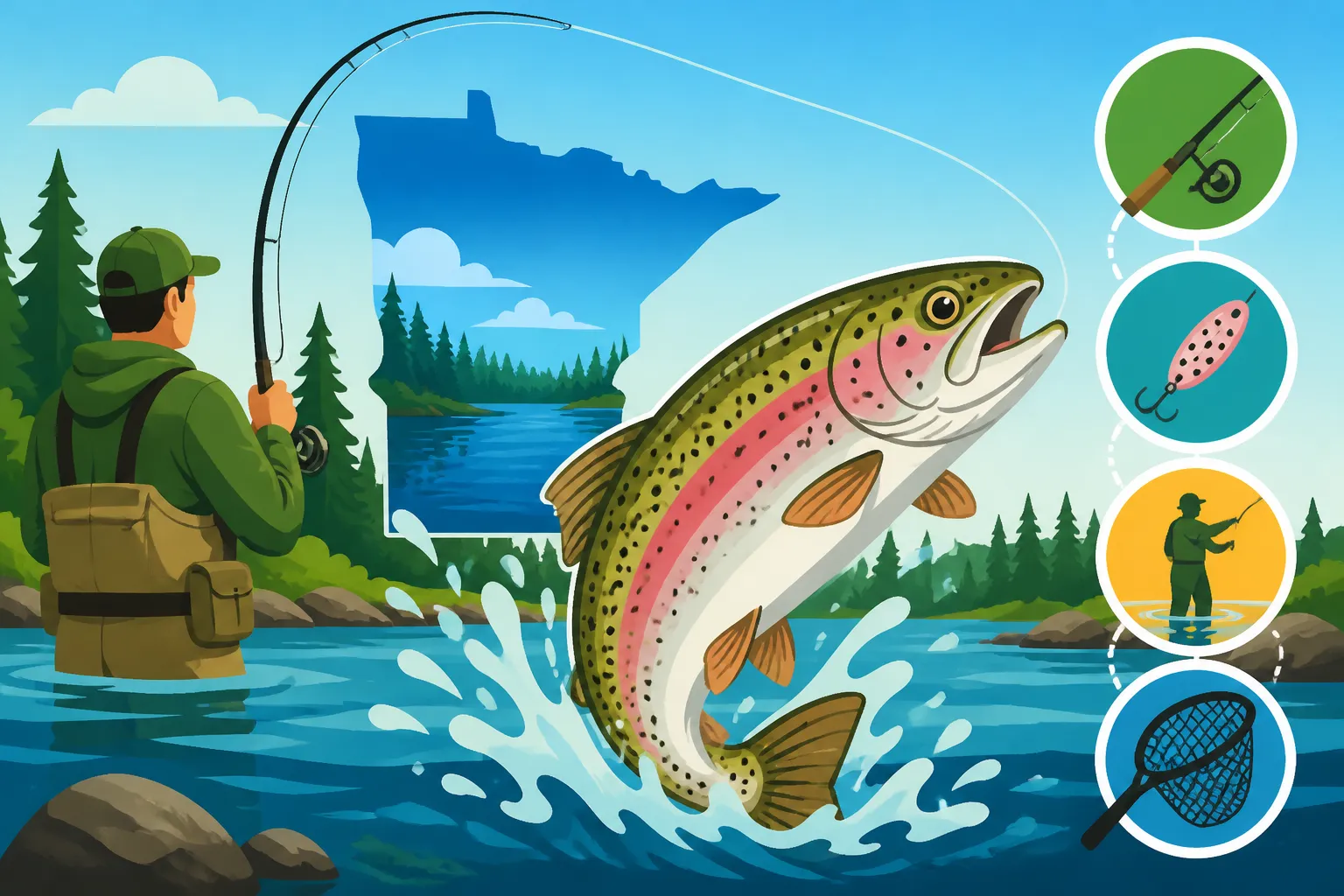
- Spinning Gear: A 6-foot to 7-foot ultralight or light action spinning rod paired with a small, sensitive spinning reel (like a 1000 or 2000 series) will give you the sensitivity to detect subtle bites and the flexibility to fight a spirited trout without tearing the hook out. Look for rods with a fast action tip, which allows for quick hook sets. Brands like Ugly Stik offer durable, affordable options often available on Amazon, while Shimano and Daiwa have excellent reels that provide smooth drags, which are crucial for fighting larger fish on light line. When selecting a rod, consider its power (ultralight, light) and action (fast, moderate-fast) to match the lures you'll be using and the size of fish you expect to encounter.
- Fly Fishing Gear: If you're venturing into the Driftless Area or the larger North Shore tributaries, fly fishing is a highly effective, and deeply satisfying, method. A 3-weight to 5-weight fly rod, 7.5 to 9 feet long, is usually perfect. Pair it with a matching fly reel and a weight-forward floating fly line. This setup allows for delicate presentations of small dry flies, nymphs, or even streamers. Remember, fly fishing is an art form, but one that is incredibly rewarding when a rainbow takes your perfectly presented fly. Choosing a balanced setup—where the rod, reel, and line work in harmony—is key to enjoyable and effective fly casting.
Line, Leaders, and Terminal Tackle
Your line choice is critical for trout. They have excellent eyesight, especially in clear water, so stealth is paramount.
- Main Line: For spinning reels, 4-pound test monofilament or fluorocarbon is a popular choice. Monofilament offers good knot strength and some stretch, which can be forgiving, while fluorocarbon is nearly invisible underwater and has less stretch for better sensitivity. Some anglers use 6-pound test braided line with a fluorocarbon leader for added casting distance and sensitivity, though the braid itself is more visible.
- Leaders: A fluorocarbon leader is almost always a good idea, regardless of your main line. Connect about 2-4 feet of 2-pound to 4-pound test fluorocarbon leader to your main line using a small swivel or a line-to-line knot like the Albright or FG knot. This invisible connection helps fool wary trout. When fishing in extra clear water or for particularly finicky fish, dropping down to a 2lb test leader can make all the difference, but be prepared for a more challenging fight.
- Hooks: Small, sharp hooks are a must. Size 10 to 16 bait holder hooks for live bait, or small treble hooks on lures, are typical. If practicing catch and release, consider using single, barbless hooks to minimize harm to the fish. Gamakatsu and Owner make excellent, super-sharp hooks that will improve your hook-up ratio.
- Weights: Split shot weights are common for bait fishing, allowing you to get your bait down to the desired depth. Use the smallest weight necessary to achieve your drift or depth. For streams, small, non-toxic split shot is preferred.
- Bobbers/Floats: Small, sensitive bobbers or strike indicators are essential for detecting light bites when bait fishing or nymphing. A slip bobber rig, as discussed in our guide on How to Use a Slip Bobber for Walleye & Crappie, can be adapted for trout and is incredibly effective for fishing at precise depths.
Baits and Lures
Rainbow trout aren't always picky, but they do have preferences that can change based on the water and the season.
- Live Bait:
- Worms: Nightcrawlers or smaller garden worms are universal trout baits. Thread them on a small hook, letting a bit dangle for action.
- Minnows: Small shiners or fatheads can be very effective, especially for larger rainbows in lakes.
- Leeches: Smaller leeches can also tempt trout, particularly in stocked lake environments.
- Prepared Baits:
- PowerBait: This scented, dough-like bait is a staple for stocked trout. It comes in various colors and forms (nuggets, dough) and is designed to float, suspending your hook just off the bottom. Chartreuse, rainbow, and white are popular colors.
- Corn: Believe it or not, kernel corn can be effective, especially in heavily fished stocked ponds where trout are used to seeing it.
- Artificial Lures:
- Spinners: Small inline spinners like Mepps Aglia or Rooster Tail in sizes #0 to #2 are classic trout lures. Gold, silver, and copper blades are all effective, often with a colorful hackle tail. Cast them upstream or across and retrieve just fast enough to get the blade spinning.
- Spoons: Tiny casting spoons, such as the Kastmaster or Little Cleo, can imitate small baitfish and are great for covering water in lakes or larger pools in streams.
- Jigs: Small marabou jigs or plastic grub tails (1/32 to 1/8 ounce) can be fished under a bobber or slowly retrieved. White, black, and olive are good colors.
- Crankbaits: Micro crankbaits that imitate small baitfish or insects can also be surprisingly effective, particularly for more aggressive fish.
- Flies (for Fly Fishing):
- Nymphs: Pheasant Tail, Hare's Ear, Prince Nymph are excellent subsurface patterns.
- Dry Flies: Adams, Elk Hair Caddis, Parachute Adams imitate adult insects on the surface.
- Streamers: Woolly Buggers (black, olive, brown) imitate baitfish and leeches.
- Check out our Best Stream Trout Fishing Tactics in Minnesota for more fly and lure ideas.
Step-by-Step Rainbow Trout Fishing Techniques
Now that you're geared up and know where to find them, let's talk about how to actually catch these beautiful fish. The techniques you'll employ will vary significantly depending on whether you're fishing a stillwater lake or a flowing stream.
Stillwater Lake and Pond Techniques
Fishing for rainbow trout in stocked lakes and ponds often revolves around presenting bait effectively at the right depth. These fish can be a bit more predictable than their wild stream counterparts, but still require a good approach.
PowerBait or Live Bait with a Slip Bobber
This is arguably one of the most effective and popular methods for stocked rainbows. The idea is to suspend your bait at a precise depth where the trout are feeding.
- Rigging Up: Start by threading a bobber stop onto your main line, followed by a small bead, then your slip bobber. Next, tie on a small swivel, then a 12-24 inch fluorocarbon leader, and finally a small bait hook (size 10-14). Crimp one or two small split shot weights about 6 inches above your hook to help sink the bait.
- Depth Finding: Rainbow trout in lakes often cruise at specific depths. If the lake has been stocked recently, they might be shallower, but as they acclimate, they'll often hold in the cooler water, deeper down. Use a depth finder if you have one, or make a few casts at varying depths to find the fish. Start by setting your bobber stop at about 5-10 feet.
- Baiting and Casting: Mold a small amount of PowerBait onto your hook, making sure to cover the hook point entirely. Alternatively, thread a small worm or minnow. Cast out gently and let the bait settle. Because PowerBait floats, it will lift your hook and bait off the bottom, presenting it perfectly at eye level for cruising trout.
- The Wait and Hookset: Watch your bobber carefully. Trout bites can be subtle – a slight twitch, a slow dip, or a full pull-under. When the bobber goes down, give it a moment to ensure the fish has the bait, then gently lift the rod to set the hook. This method is incredibly relaxing and effective, making it great for families or beginners. Don't be afraid to experiment with different PowerBait colors or even try a Power Worm, which mimics a small worm. You can find a good selection of these and other tackle essentials on platforms like Amazon.
Casting Small Lures and Spinners
For more active fishing, casting and retrieving small artificial lures can be highly productive, especially during low-light conditions or when trout are actively chasing bait.
- Lure Selection: Choose small inline spinners (Mepps, Rooster Tail) or tiny casting spoons (Kastmaster, Little Cleo). Silver, gold, or brass finishes often work best, imitating small minnows or flashy insects.
- Casting and Retrieval: Cast your lure out and let it sink for a few seconds if targeting deeper fish. Begin a slow to moderate retrieve, keeping your rod tip slightly elevated. The goal is to make the lure flash and wobble, mimicking a wounded baitfish. Vary your retrieve speed and add occasional twitches to entice strikes.
- Covering Water: Unlike bait fishing, lure fishing allows you to cover a lot of water quickly. Fan cast from your position, moving around the lake shore or across a section of the lake from a boat. Pay attention to any structure like submerged logs, weed lines, or drop-offs where trout might be holding. Sometimes, a faster retrieve can trigger a reaction strike from a hesitant trout. For deeper lakes, consider allowing your spoon to flutter down, mimicking a dying baitfish, before starting your retrieve.
Moving Water Stream and River Techniques
Fishing for rainbow trout in streams requires a different approach, one that respects the current and the trout's natural feeding behavior. Whether you're in the Driftless Area or on a North Shore tributary, understanding how to read the water is paramount.
Upstream Nymphing and Dry Fly Presentation
Fly fishing is a quintessential method for stream trout, especially for rainbows that feed on aquatic insects. This technique is often discussed in detail in guides like How to Catch Stream Trout: Nymphs & Dries.
- Reading the Water: Look for "holding water" – areas where the current slows down, providing trout with a resting spot but still delivering food. This includes the slower edges of runs, behind large rocks or logs, in deeper pools, and at the head or tail of riffles. Seams where fast and slow water meet are prime locations.
- Nymphing: Nymphs imitate the larval stage of aquatic insects, which make up a huge portion of a trout's diet. Cast your nymph rig (usually a nymph suspended under a strike indicator with a small split shot) upstream of your target area. Allow it to drift naturally downstream, mimicking a free-floating insect. The key is to achieve a "dead drift" – your fly moving at the same speed as the current, without drag. Watch your strike indicator for any pause, twitch, or dip, which signals a bite. Set the hook quickly with a gentle upward sweep of your rod.
- Dry Fly Fishing: When trout are actively feeding on insects on the surface (a "hatch"), dry fly fishing is incredibly exciting. Choose a dry fly that matches the size and color of the natural insects. Cast gently upstream and let the fly drift naturally over likely holding lies. The strike is visual and often explosive! This requires precise casting and a good understanding of insect life cycles.
- Stealth and Approach: Trout in streams are incredibly wary. Approach fishing spots cautiously, staying low and out of sight as much as possible. Wear drab clothing. Cast from downstream, working your way upstream, as trout typically face into the current. This minimizes your silhouette and keeps you from spooking fish that are facing away from you.
Casting Small Spinners and Jigs
Even in streams, spinning gear with small lures can be very effective, especially for covering water or when trout aren't rising to flies.
- Spinner/Jig Selection: Opt for inline spinners in sizes #0 to #2. Small jigs (1/32 to 1/8 oz) with grub tails or marabou bodies also work wonders. Gold, silver, chartreuse, white, and black are excellent color choices.
- Casting Upstream: Cast your spinner or jig upstream and slightly across the current. Allow it to sink for a moment, then begin a slow, steady retrieve just fast enough to get the blade spinning or the jig working. Let the current help impart natural movement to your lure.
- Targeting Structure: Focus your casts around natural structure like fallen trees, undercut banks, and large boulders. These provide cover and ambush points for trout. Work different depths in pools, letting your lure sink longer before starting the retrieve.
- Varying Retrieval: Experiment with your retrieval speed. Sometimes a faster retrieve triggers a chase, while other times a slower, more deliberate retrieve with pauses is what it takes. Don't be afraid to try different angles and retrieves until you find what the fish prefer on that particular day.
Seasonality and Timing Considerations
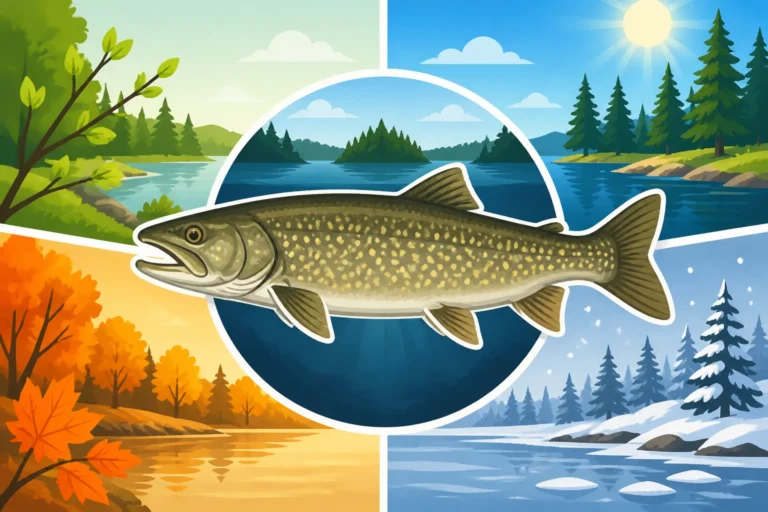
Rainbow trout fishing in Minnesota is a year-round pursuit, but the tactics change with the seasons. Our guide on Stream Trout Season & Limit in Minnesota provides crucial dates.
- Spring (Opener through May/June): This is prime time, especially for stream trout. As snow melts and water levels rise, trout become very active. Steelhead runs on the North Shore are at their peak, offering chances at larger fish. In stocked lakes, post-stocking frenzies can be excellent.
- Summer (July-August): As water temperatures rise, trout seek cooler, deeper water in lakes, or spring-fed sections and shaded areas in streams. Fishing can be tougher during midday, so focus on early mornings and late evenings. Small, subtle presentations are key.
- Fall (September-November): Many consider fall to be the best time for stream trout. Water temperatures cool, fish become more active, and insect hatches can be prolific. Lake-dwelling trout often move shallower as the water cools, feeding aggressively before winter.
- Winter (Ice Fishing): Yes, you can ice fish for rainbow trout! In stocked lakes, they often cruise suspended in the water column or near the bottom. Small jigs tipped with wax worms, PowerBait, or plastics, fished under a sensitive bobber or with a flasher, can be very effective. Look for deep holes and drop-offs.
Conservation and Best Practices
As responsible anglers, it's our duty to protect Minnesota's beautiful trout resources. This not only ensures healthy populations for the future but also enhances the quality of our fishing experiences. Always consult the most current regulations, as trout rules can be specific to individual streams or lakes, as detailed in the Minnesota Trout Stamp & Trout Regulations.
Understanding Regulations
Minnesota's trout regulations are nuanced, with specific rules for different types of waters (e.g., designated trout streams, stocked lakes, Lake Superior tributaries). These can include special length limits, reduced bag limits, and even tackle restrictions (e.g., single hook artificial lures only). Make sure you understand the rules for the specific body of water you're fishing. A Minnesota Fishing License: Cost, Types & How to Buy (2026) is required for most anglers, and a separate trout stamp is often mandatory for those targeting trout in designated waters.
Catch and Release Best Practices
Many trout anglers, especially those on streams, practice catch and release to preserve these fragile populations. If you plan to release fish, proper handling is crucial. Our guide on Catch and Release Best Practices in Minnesota offers a deeper dive into this.
- Minimize Fight Time: Bring the fish in as quickly as possible without over-stressing it.
- Keep Fish in Water: Avoid removing the fish from the water entirely. Unhook it while it's still submerged.
- Wet Hands: If you must handle the fish, wet your hands first to protect its delicate slime coat.
- Barbless Hooks: Crimp down barbs on your hooks or use barbless hooks to make unhooking easier and reduce injury. Many quality hooks come barbless or are easily de-barbed with a pair of pliers, and you can find these readily on Amazon.
- Revive Carefully: If the fish seems stressed, hold it gently in the water, facing upstream, until it swims away under its own power. Do not "saw" it back and forth; rather, allow water to flow over its gills naturally.
Leave No Trace
Beyond fish handling, practice general outdoor ethics. Pack out all your trash, including fishing line and bait containers. Respect private property and fellow anglers. By doing our part, we help ensure that Minnesota's trout waters remain pristine and productive for generations to come.
Rainbow trout fishing in Minnesota is a rewarding adventure, whether you're seeking a serene day on a stocked lake or a challenging trek through a wild stream. With the right gear, a thoughtful approach, and a commitment to conservation, you're well on your way to experiencing the thrill of these incredible fish.
Disclaimer
Fishing regulations and conditions can change rapidly. Always consult the current Minnesota DNR fishing regulations before heading out on the water. This guide is for informational purposes only and does not constitute legal advice. Stay safe and enjoy your time on Minnesota's beautiful waters.