How to Catch Big Bluegill
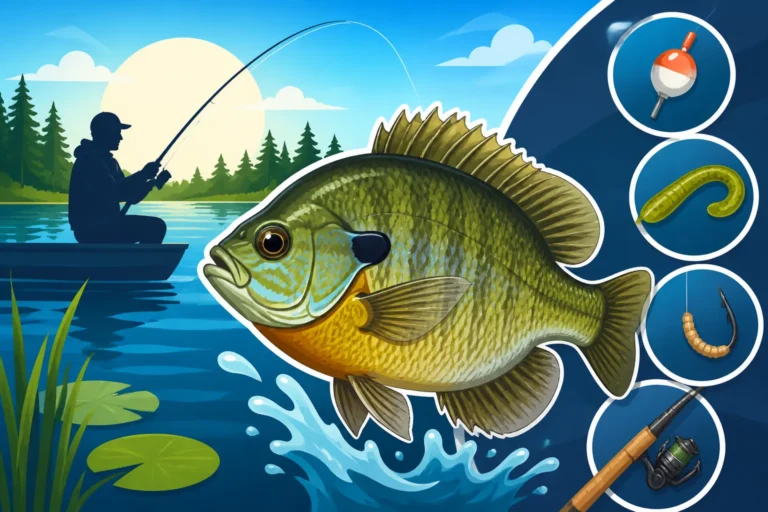
It’s a tale as old as time for many Minnesota anglers: you head out for a relaxing day of panfishing, hoping for some jumbo bluegill, only to end up with a cooler full of small “snappers.” While there’s certainly nothing wrong with catching a bunch of smaller sunfish, targeting those truly hand-sized, saucer-shaped bluegill requires a different mindset and approach. This comprehensive guide will help you understand the habits of monster bluegill and equip you with the advanced techniques, gear, and strategies to consistently land them.
Decoding the Mind of a Monster Bluegill: Habitat and Behavior
Most anglers think of bluegill as simple, shallow-water dwellers, and while that's often true for smaller fish, the big ones are a different breed entirely. These mature bluegill are wily, cautious, and often hold in specific areas that offer both safety and an abundance of food. Understanding their preferences is the first step to success.
Where the Giants Lurk: Structure and Cover
Big bluegill are masters of cover. They seek out areas that provide protection from predators like northern pike and muskies, as well as easy access to their preferred food sources. This means you'll rarely find them just cruising in open water.
- Deep Weed Lines and Coontail Beds: As bluegill grow larger, they often transition to slightly deeper water, particularly along the outer edges of dense weed beds. Think about those sharp breaks where a healthy coontail bed suddenly drops into deeper water. These are prime ambush points and hiding spots. The bluegill will use the thick vegetation for cover, darting out to snatch unsuspecting insects or small invertebrates that drift by. Focus on the irregularities in these weed lines – points, pockets, or even slight turns in the bottom contour.
- Submerged Timber and Brush Piles: Old fallen trees, stumps, and intentionally sunk brush piles are magnets for big bluegill. These structures offer multi-layered cover, providing excellent ambush points and plenty of surfaces for algae and insect larvae to grow. If you're fishing a lake with good timber, these spots are gold. Many experienced anglers actually create their own brush piles, sinking Christmas trees or other natural structures in accessible areas, marking them with GPS, and letting the fish move in.
- Docks, Piers, and Man-Made Structures: While smaller bluegill might congregate around the shallow edges of docks, the biggest ones will often hold deeper, underneath the main structure or along the pilings that extend into deeper water. They love the shade and the shelter these structures provide, especially during bright, sunny days. Bridges, old cribs, and even submerged culverts can also be fantastic spots. Pay attention to how boat traffic might affect these areas; quieter docks often hold bigger fish.
What Makes Them Tick: Diet and Preferences
Smaller bluegill are opportunistic, munching on almost anything small enough to fit in their mouths. Jumbo bluegill, however, often develop a preference for more substantial meals. While they still eat insects and larvae, they're not afraid to take on larger offerings.
- Insects and Larvae: This remains a staple, especially aquatic insect larvae like mayflies, caddisflies, and midge larvae. During specific hatches, bluegill will gorge themselves on emerging insects. Understanding the local insect hatches can be a game-changer for finding active fish.
- Small Crustaceans and Snails: Crayfish, freshwater shrimp, and various snails are high-protein snacks that big bluegill can’t resist. Look for areas with rocky bottoms or decaying vegetation where these creatures thrive.
- Fish Eggs and Fry: When other fish species, like walleye or bass, are spawning, large bluegill will often move into those areas to feed on their eggs and fry. This is a fleeting opportunity but can be incredibly productive for trophy 'gills.
- Zooplankton: While not typically thought of for big bluegill, dense clouds of zooplankton can still attract them, especially when combined with good cover. They will suspend in the water column, feeding on these microscopic organisms.
Essential Gear and Tackle for Trophy Bluegill
You might be used to a simple spincast combo for panfish, but consistently catching big bluegill demands a more refined approach to your gear. It’s all about finesse, sensitivity, and the ability to detect the lightest bite.
Rods, Reels, and Line: The Finesse Equation
The key here is light tackle that provides maximum feel. A heavy rod or thick line will reduce your ability to detect subtle bites and present your bait naturally.
- Ultra-Light Spinning Rods: Opt for an ultra-light action rod, typically 5 to 6.5 feet long. Graphite or carbon fiber blanks offer the best sensitivity, allowing you to feel every bump, tic, and subtle take. A fast or extra-fast action tip is ideal for quick hook sets on those soft bluegill mouths. Brands like St. Croix and Fenwick make excellent panfish-specific rods.
- Small, Smooth Spinning Reels: Pair your ultra-light rod with a small spinning reel, in the 500 to 1000 size range. The reel should have a smooth drag system, as larger bluegill can put up a surprisingly strong fight, especially on light line. A good quality reel will also have a smooth retrieve, essential for delicate presentations. You can find a wide array of excellent panfish reels on Amazon.
- Light Line (Mono, Fluoro, or Braid): This is perhaps the most critical component.
- Monofilament (Mono): 2-4 pound test is standard. It offers good knot strength and a bit of stretch, which can be forgiving.
- Fluorocarbon (Fluoro): 2-4 pound test. It’s nearly invisible in water, which can make a huge difference for spooky big bluegill. It also has less stretch than mono, providing more sensitivity.
- Braided Line: 4-6 pound test (equivalent to 1-2 lb mono diameter) with a 2-4 pound fluorocarbon leader. Braid offers incredible sensitivity and strength for its diameter, but its visibility means a leader is almost always necessary.
- For optimal sensitivity and invisibility, many seasoned anglers choose a 4-6 lb braid mainline with a 2-4 lb fluorocarbon leader. This combination gives you the best of both worlds.
Hooks, Jigs, and Baits: Subtle and Seductive
Big bluegill can be surprisingly picky. They're not always going to hammer a large, gaudy lure. Often, subtler presentations are more effective.
- Small, Sharp Hooks: Size 8 to 14 hooks are perfect. Aberdeen hooks are popular for live bait because their thin wire allows minnows and worms to stay lively, and they are less likely to tear out of a bluegill's mouth. Ensure they are needle-sharp; a dull hook means lost fish.
- Micro Jigs and Small Spoons: These are absolute dynamite for big bluegill, especially when paired with a tiny piece of live bait or a micro soft plastic.
- Teardrop Jigs: Often weighted with tungsten, these small jigs get down quickly and come in an array of colors.
- Horizontal Jigs: Jigs like the Northland Tackle Bro Bug or Custom Jigs & Spins Rat Finkee are designed to hang horizontally, mimicking an insect or larva.
- Small Spoons: Tiny spoon lures like the Custom Jigs & Spins Spoon or a similar panfish jigging spoon can be effective, especially when tipped with a maggot or wax worm.
- Live Bait is King: When targeting trophy bluegill, it’s hard to beat the real thing.
- Wax Worms and Spikes: These are classics for a reason. They're hardy, stay on the hook well, and are irresistible to bluegill.
- Small Leech Segments: A quarter to half an inch of a small leech can be incredibly effective, especially in warmer water.
- Small Red Worms or Nightcrawler Pieces: A tiny piece of a nightcrawler or a whole red worm can tempt larger 'gills.
- Crappie Minnows (Tiny): While usually for crappie, a very small crappie minnow (or a tiny fathead) can be the perfect offering for a truly giant bluegill looking for a substantial meal.
- You can even find bulk packs of wax worms or spikes on Amazon from various bait suppliers.
The Tackle Box Essentials for Big Bluegill
| Item | Description | Why It's Essential |
|---|---|---|
| Ultra-Light Rod | 5-6.5 ft, fast/extra-fast action, graphite | Sensitivity to detect light bites, subtle presentation |
| 500-1000 Size Reel | Smooth drag, smooth retrieve | Handles strong runs, delicate bait control |
| 2-4 lb Fluoro/Mono | Or 4-6 lb braid with 2-4 lb fluoro leader | Invisible, sensitive, strong for diameter |
| Micro Jigs | Tungsten teardrops, horizontal jigs (size 10-14) | Mimic insects, quick sink, varied presentation |
| Small Hooks | Aberdeen or "J" hooks (size 8-14) | Secure hook sets, ideal for small mouths, minimal bait damage |
| Split Shot Weights | Assorted small sizes | Get bait to depth, adjust sink rate |
| Bobbers | Small pencil or slip bobbers | Detect light bites, control depth, especially with live bait |
| Live Bait | Wax worms, spikes, small leeches, red worms | Irresistible natural scent and action |
| Micro Soft Plastics | Gulp! Minnows, Berkley PowerBait Micro Series, small tubes or grubs | Alternative to live bait, durable, scented |
| Long-Nosed Pliers | For hook removal | Safely remove hooks from small mouths, protect fish |
Precision Presentations: Techniques for Tricking the Big Ones
Catching big bluegill isn't just about having the right gear; it's about how you use it. These fish are smart, and a clumsy approach will send them scurrying. Stealth, finesse, and a patient hand are your best friends.
Mastering the Finesse Jigging Technique
Finesse jigging is arguably the most effective way to target big bluegill, whether you’re on open water or ice fishing in Minnesota. It involves subtle movements that mimic natural prey without spooking the fish.
- Open Water Vertical Jigging: If you're fishing from a boat or kayak, position yourself directly over the structure where you suspect big bluegill are holding. Drop your micro jig or small spoon, tipped with bait, straight down. The key is minimal movement. A slight quiver of the rod tip, a slow lift, then a pause, is often all it takes. Let the bait do the work. Remember, the bite can be incredibly light—sometimes just a slight "mushy" feeling or the line going slack. You can learn more about specific techniques in our guide to Crappie & Panfish Fishing Techniques.
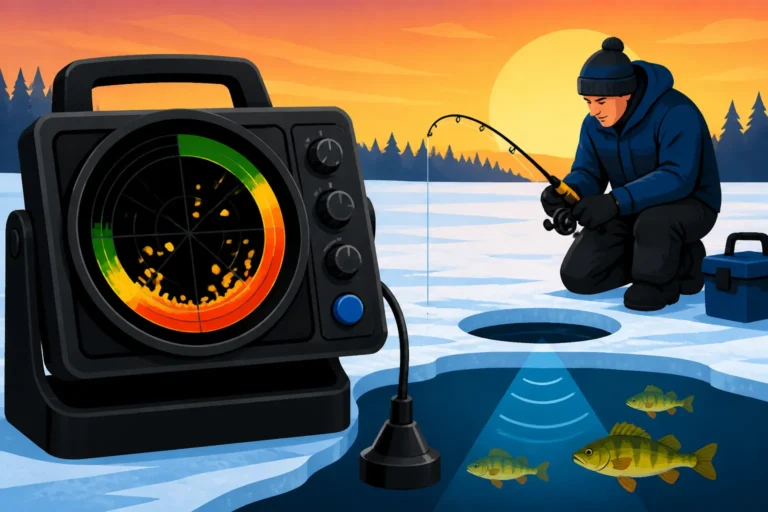
- Ice Fishing Micro Jigging: The same principles apply, but with even greater precision. Use your flasher (like a Vexilar or Humminbird) to locate fish and monitor your bait. Drop a tungsten teardrop or horizontal jig, tipped with a couple of spikes, right on their nose. Jig gently, barely moving the bait, then hold it perfectly still. Watch for fish rising to meet your bait, or for your line to simply stop dropping. Many big bluegill bites are an "up-bite," where they inhale the bait while swimming upwards, causing your line to go slack or your spring bobber to rise. Our How to Catch Bluegill Through the Ice in Minnesota article has even more tips.
Slip Bobber and Live Bait Setups
When fish are a bit more spread out or less aggressive, a slip bobber rig is incredibly effective. It allows you to present live bait naturally at a precise depth, covering a wider area.
- Setting Up a Slip Bobber: Thread a bobber stop onto your mainline, followed by a small bead, then the slip bobber itself. Tie on a small swivel, then a 12-18 inch fluorocarbon leader, followed by a size 8-12 hook. Crimp a small split shot weight a few inches above the hook to get your bait down. Adjust the bobber stop to position your bait just above the weed line or suspended in a brush pile.
- Presentation with Live Bait: Cast your rig out near promising cover. Let the bait hang motionless or give it a very subtle twitch occasionally. The natural movement of the live bait will do most of the attracting. Pay close attention to your bobber; big bluegill can be finicky and might just gently dip the bobber without pulling it under completely. This is where a sensitive bobber, like a Thill or Comal, comes in handy.
Stealth and Approach: Don't Spook the Trophy
Big bluegill are survivors; they've grown large by being cautious. Any sudden movements, loud noises, or unnatural shadows can send them fleeing.
- Quiet Approach: When fishing from a boat, use your trolling motor sparingly or, even better, drift silently. Anchor quietly if you need to stay put. If bank fishing, approach slowly and keep a low profile.
- Long Casts or Vertical Drops: Avoid casting directly onto the fish. Instead, cast beyond them and retrieve slowly, or approach vertically and drop your bait straight down.
- Shadow Management: Be mindful of your shadow, especially on sunny days. Avoid casting it over the area you're fishing.
Timing is Everything: Seasonal Strategies and Location Hotspots
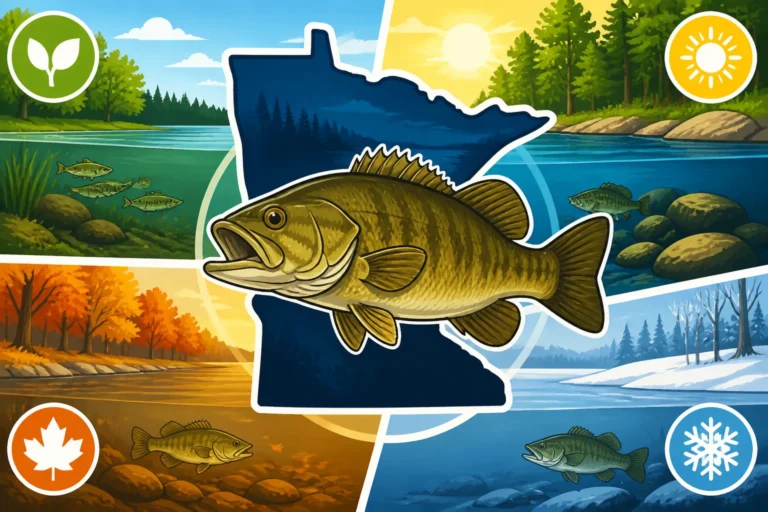
Knowing when and where to find big bluegill in Minnesota is just as important as knowing how to catch them. Their movements are highly dictated by water temperature, spawning cycles, and available food. Our general guide on Seasonal Fishing Patterns in Minnesota offers a great overview.
Spring: Post-Spawn Feasting and Early Summer Shallow Runs
Spring is often the easiest time to locate and catch big bluegill, largely due to their spawning activity.
- Pre-Spawn Staging (Late April – Mid-May): As water temperatures creep into the upper 50s, bluegill will stage in deeper bays and flats adjacent to prime spawning grounds. They'll be actively feeding, packing on calories before the rigors of spawning. Focus on 8-15 foot depths with good cover.
- Spawning Season (Late May – Early July): This is prime time for big bluegill. When water temperatures reach the high 60s and low 70s, bluegill move into shallower water (2-5 feet) to build their saucer-shaped nests. Look for sandy bottoms, gravel patches, or hard-bottomed areas nestled within protected bays or shorelines. Male bluegill guard these nests aggressively and are easier to catch. However, consider practicing catch and release for these fish to protect the fishery. Remember to check the Bluegill Season & Limit in Minnesota regulations, as limits can vary by lake.
Summer: Deep Water and Thermocline Tactics
Once the spawn is over and water temperatures rise, big bluegill typically retreat to deeper, cooler water.
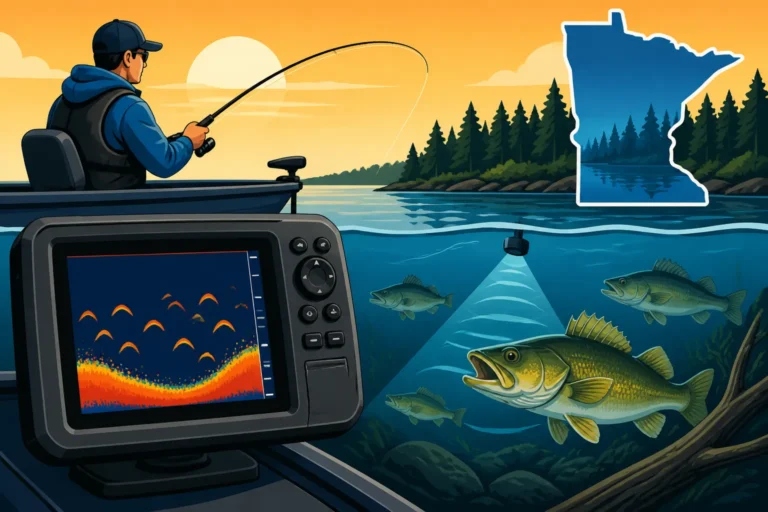
- Deep Weed Lines and Mid-Lake Humps: During summer, look for big bluegill relating to the deepest weed lines, especially coontail, often 12-25 feet deep. They'll also congregate around submerged humps, points, and other offshore structure that tops out in a similar depth range. Use your electronics to find these structures and the fish holding to them.
- Thermocline Fishing: In deeper lakes, bluegill will often suspend just above or within the thermocline – the layer of water where the temperature changes rapidly. This area often holds a good concentration of oxygen and food. Use your fish finder to locate the thermocline and fish your baits at that depth.
- Low Light Periods: Summer bluegill, especially the big ones, are often more active during dawn, dusk, or even at night when boat traffic is minimal and they feel safer moving into slightly shallower feeding areas. Our guide to How to Catch Bluegill: Easy Beginner Tactics might get you started, but summer giants often require more advanced strategies.
Fall: Migration and Feed-Up
As water temperatures cool, bluegill begin to feed heavily, preparing for winter. This can offer another fantastic opportunity for trophy fish.
- Shallow to Deep Migration: In early fall, bluegill might still be found along those deep summer weed lines. As temperatures drop further, they'll gradually transition to deeper main-lake basins or large flats, often congregating in large schools.
- Focus on Depths: Look for bluegill in 15-30 feet of water, often near the bottom or suspended over deep water if there's an abundance of zooplankton. They will feed on anything they can find, including insect larvae and small minnows.
Winter: Ice Fishing for Giants
Minnesota's ice fishing season is a fantastic time to target jumbo bluegill, especially on lakes known for their panfish populations.
- Early Ice: Similar to late fall, big bluegill will often be found along the outer edges of weed lines or deep breaks in 10-25 feet of water. Early ice provides access to these areas before heavy snow cover makes travel difficult.
- Mid-Winter: As ice thickens and snow accumulates, bluegill often move to deeper main-lake basins or large, soft-bottomed flats, often congregating in very large schools. Look for suspended fish using your electronics. They might be anywhere from 15 to 40+ feet deep.
- Late Ice: Similar to early ice, as the ice begins to break up, bluegill will often move back to those shallower weed lines and bays, staging for the upcoming spawn. This can be a very productive time, but caution is paramount with deteriorating ice conditions. For more detailed winter advice, check out Ice Fishing for Crappie & Panfish and consider picking up some specialized gear mentioned in Best Ice Fishing Gear for Minnesota.
Mastering Your Locations: Where to Hunt for Jumbo Bluegill
While bluegill are found in almost every Minnesota lake, some waters are simply better known for producing bigger fish. Do your research, talk to local bait shops, and use resources like the Minnesota DNR lake finder to look at surveys.
- Fertile, Productive Lakes: Generally, lakes with a good balance of fertility, clear water, and ample cover tend to grow bigger bluegill. Look for lakes with diverse forage bases and good water quality.
- Lakes with Slot Limits or Panfish Regulations: Many Minnesota lakes have special panfish regulations or reduced bag limits for sunfish (which include bluegill). These regulations are often put in place to protect the larger, older fish and allow them to grow to trophy sizes. Prioritizing these lakes can significantly increase your odds of encountering jumbo bluegill. Always check the current Minnesota Crappie & Sunfish Limits for the specific lake you're fishing.
- Lakes with Limited Fishing Pressure or Difficult Access: Sometimes the biggest bluegill are found in waters that aren't as heavily fished. This could be due to difficult access, or they might be overshadowed by more popular game fish like walleye or bass. Don't overlook smaller, out-of-the-way lakes. For some general ideas, check out the Best Panfish Lakes in Minnesota.
- Local Hotspots: Ask around at local bait shops in towns like Walker, Park Rapids, or Brainerd. They often have the most up-to-date information on which lakes are producing larger bluegill. Many anglers might keep their true honey holes secret, but you can usually get a general direction.
Remember that patience and persistence are your best friends when targeting big bluegill. It might take longer to locate them, and they might not bite as aggressively as their smaller counterparts. But when you finally feel that strong pull of a truly massive bluegill, the effort will be more than worth it. Don't forget to have a pair of long-nosed pliers on hand, which are readily available on Amazon, for safe hook removal, and maybe a quality fish gripper, also easily found on Amazon, for handling those broad, spiny fish. Happy fishing, and may your cooler be full of giants!
Disclaimer
Fishing regulations, seasons, and limits can change frequently. Always consult the most current Minnesota Department of Natural Resources (DNR) fishing regulations booklet or website before heading out on the water. This article is for informational purposes only and does not constitute legal advice regarding fishing regulations.