How to Catch Walleye From Shore in Minnesota
It’s a common misconception that to catch walleye in Minnesota, you absolutely need a boat, a fancy fish finder, and all the bells and whistles. Many anglers get frustrated, thinking their shore-bound status means they’re out of luck for one of the state's most prized game fish. But I'm here to tell you that’s simply not true! This guide will break down exactly how you can effectively target and catch walleye right from the banks and docks of Minnesota's incredible lakes and rivers, proving that a boat is often overrated.
Understanding Walleye Behavior Near Shore
Walleye, despite their reputation as deep-water dwellers, spend a surprising amount of time in shallower, accessible areas, especially during certain conditions. If you understand their natural instincts and forage patterns, you can absolutely put yourself in a position to intercept them from shore. It’s all about being strategic and knowing when and where to focus your efforts.
The Allure of Low Light: Dawn, Dusk, and Night Fishing
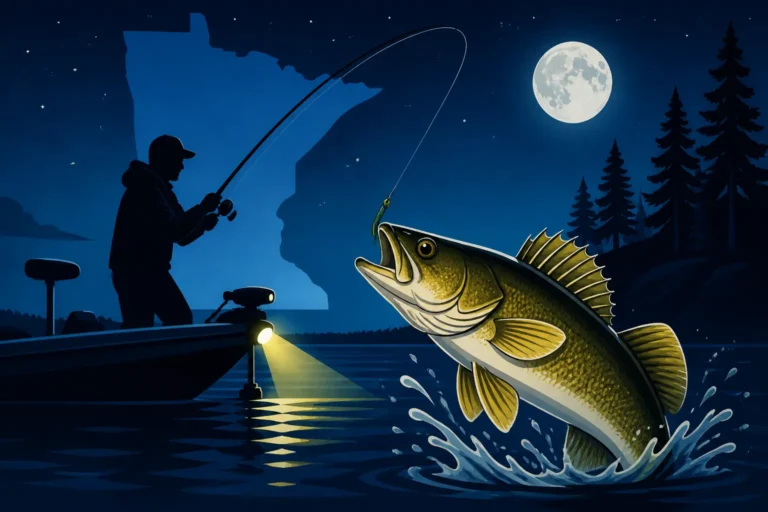
One of the absolute best times to target walleye from shore is during periods of low light. Walleye have incredible eyesight, specifically adapted for dim conditions, which gives them a distinct advantage over their prey, like minnows and small perch. This is why you often hear about the legendary "walleye chop" or why they're so active right at dawn, dusk, and especially after dark.
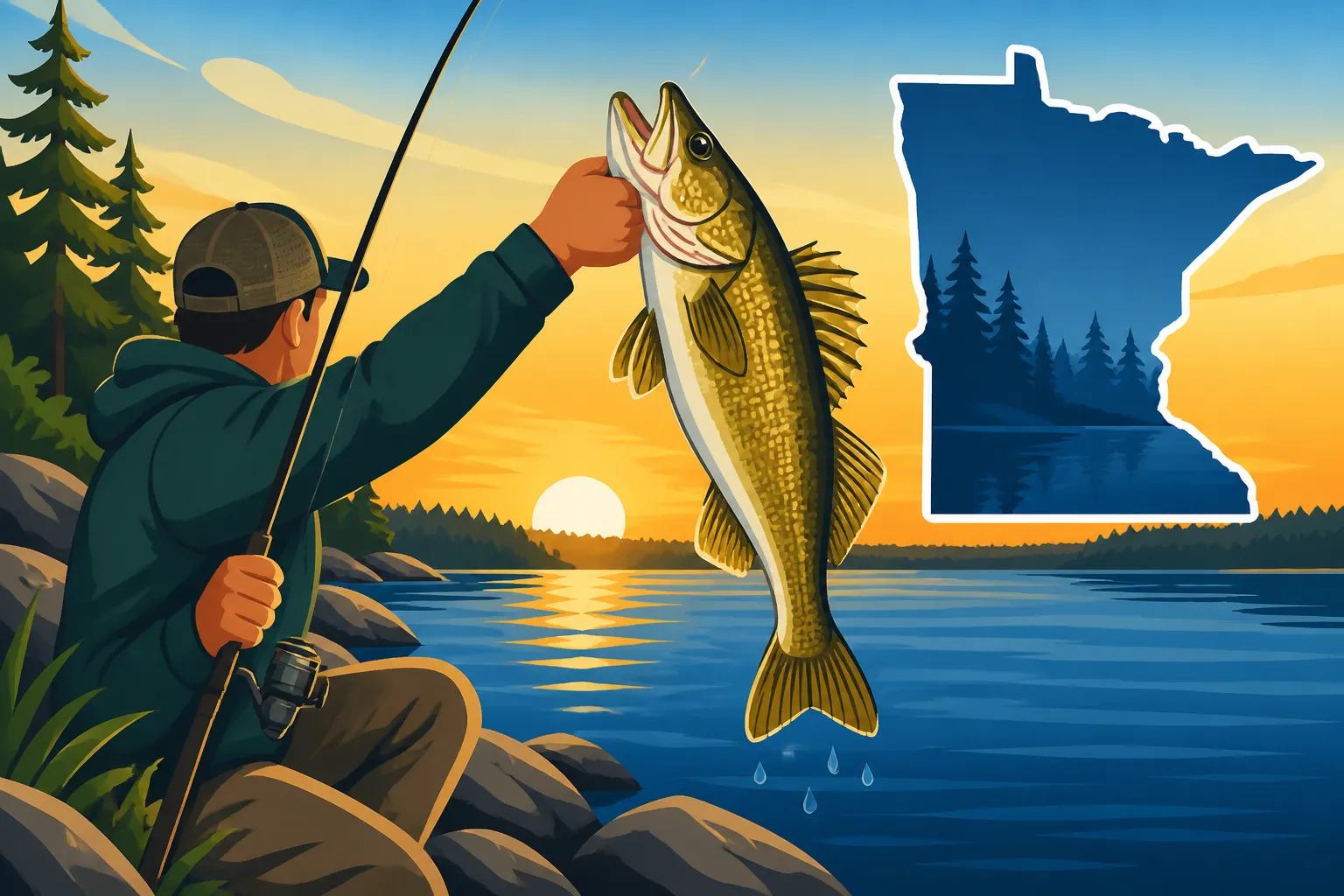
Think about it: during the bright midday sun, those walleye are often tucked away in deeper, darker water, protecting their sensitive eyes. But as the sun dips below the horizon, or before it fully rises, they move into shallower areas to feed. This is your prime window. Imagine standing on a quiet dock at dusk, casting a crankbait into the fading light, knowing those marble eyes are actively hunting. It's exhilarating! Even cloudy, overcast days can extend this low-light advantage into the daytime, so don't be afraid to try then too. Patience is key, but timing your efforts with these natural feeding windows drastically increases your odds. If you're really serious about catching them after dark, read our guide on how to catch walleye at night for more in-depth strategies.
Reading the Shoreline: Where Walleye Hide
Not all shorelines are created equal when it comes to walleye. The key is to identify areas that offer cover, structure, or access to deeper water, as these are the highways and dinner tables for hungry walleye. Understanding these subtle cues can make all the difference.
Look for features like points that extend into the lake, creating current breaks or deep-water access. Walleye often stage on the sides or tips of these points. Weed lines are another fantastic option; if you can find a distinct edge where a deep weed bed meets open water, walleye will often patrol this zone, ambushing baitfish. Drop-offs, where the bottom contour quickly descends, are also prime real estate. Even artificial structures like rip-rap (rocky shorelines) or old submerged docks can hold fish, as they attract bait and offer ambush points. River mouths and channels, especially those with some current, are also magnets for walleye. They'll use the current to their advantage, waiting for food to be swept past them. Always try to cast parallel to these features or directly into pockets that look like potential ambush spots.
Essential Gear for Successful Shore Walleye Fishing
You don't need a boatload of expensive equipment to catch walleye from shore, but having the right tools for the job will definitely improve your success rate and make the experience more enjoyable. We're looking for gear that allows for good casting distance, sensitivity, and the ability to handle a strong fighting fish.
The Right Rod and Reel Combo for Distance and Feel
When fishing from shore, casting distance is often crucial, especially if you're trying to reach those deeper weed lines or drop-offs. A longer rod, typically 7 to 8 feet in length, will give you more leverage for longer casts. A medium-light or medium power rod with a fast action tip is ideal. This combination offers enough backbone to fight a good-sized walleye while maintaining the sensitivity needed to detect those subtle walleye bites, which can sometimes feel like nothing more than a slight tick or added weight.
Pair this rod with a spinning reel in the 2500-3000 series. These reels offer a good balance of line capacity and smooth drag. Spool your reel with 8-10 pound test braided line. Braided line has almost no stretch, which significantly increases your sensitivity and casting distance. To make your presentation nearly invisible to wary walleye, tie on a 6-8 pound test fluorocarbon leader, about 2-3 feet long, using a strong knot like a double uni knot. This setup provides the best of both worlds: the strength and sensitivity of braid, and the stealth of fluorocarbon. For more details, our guide on Best Walleye Rods & Reels delves into specific recommendations. Many reputable brands offer excellent rod and reel combos, and you can often find great deals on platforms like Amazon.
Top Lures and Live Baits for Shoreline Success
The choice of bait is paramount. Walleye are predators, and they're always on the hunt for an easy meal. From shore, you want to use presentations that either mimic their natural forage or trigger a reaction strike.
Jigs and Plastics: These are arguably the most versatile shore walleye baits. A 1/8 to 1/4 ounce jig head, tipped with a soft plastic swimbait, grub, or a scented minnow imitation, can be incredibly effective. The key is to vary your retrieve, from a slow, steady swim to a hop-and-drop technique. Colors like chartreuse, white, perch, or natural minnow patterns are consistently productive. This setup allows you to cover different depths and mimic various baitfish.
Crankbaits and Stickbaits: Shallow-diving crankbaits and long, slender stickbaits are fantastic for covering water and targeting walleye that are actively feeding in the shallows, especially during low light. Look for models that dive to 3-6 feet on the retrieve. Cast them out, retrieve steadily, and occasionally add a twitch or pause to entice strikes. The flash and vibration can be irresistible. Brands like Rapala, Berkley, and Koppers LiveTarget make excellent options for this.
Live Bait: Sometimes, nothing beats the real thing. A lively minnow, leech, or nightcrawler presented under a slip bobber or on a simple plain hook and split shot rig can be a game-changer. Minnows are fantastic, especially when fished near the bottom. Leeches are incredibly durable and effective, particularly in summer. Nightcrawlers, either whole or half, often attract a variety of fish, including walleye. When using live bait, remember that "matching the hatch" (using bait that resembles what the walleye are currently eating) can be very effective. This is particularly true if you are fishing for walleye in Minnesota where walleye fishing techniques often revolve around live bait.
| Bait Type | Best Conditions | Retrieval/Presentation | Pros | Cons |
|---|---|---|---|---|
| Jigs & Plastics | All-around, especially when fish are less active | Hop, drag, swim, subtle twitches | Versatile, imitates various forage, covers different depths | Can get snagged easily in heavy cover, requires good feel |
| Crankbaits | Low light, active fish, searching | Steady retrieve, occasional pause/twitch | Covers water quickly, strong vibration and flash, appeals to aggressive fish | Can be expensive to lose, limited depth range per lure |
| Stickbaits | Low light, shallow water | Slow retrieve, twitch-twitch-pause | Mimics fleeing baitfish, great for suspended fish | Less vibration than cranks, can be harder to feel subtle bites |
| Live Minnows | All conditions, especially cold water | Under a slip bobber, jig-rigged, simple hook/sinker | Natural scent and movement, often irresistible | Can be fragile, difficult to keep alive, costly |
| Leeches | Warm water, clear water | Under a slip bobber, Lindy Rig style | Extremely durable, active swimmers, effective year-round | Can be expensive, sometimes hard to find off-season |
| Nightcrawlers | All conditions, especially after rain | Under a slip bobber, bottom rig, spinner rig | Readily available, appeals to many species, strong scent | Can be messy, smaller fish may pick at them, less specific to walleye |
Masterful Shore Walleye Techniques
Now that you have your gear sorted, let's talk about how to actually use it to catch walleye from the bank. It’s more than just casting and reeling; it’s about presenting your bait effectively and understanding how to work a section of water thoroughly.
Covering Water with Cast-and-Retrieve Methods
When you're fishing from shore, you're essentially limited to a fan-shaped casting zone. To maximize your chances, you need to systematically cover this water. Start by casting directly in front of you, then make subsequent casts to your left and right, slowly "fanning" out until you've covered the entire area you can reach. This ensures you're not missing any active fish.
For jigs and plastics, let your bait sink to the bottom (or just above it if there's heavy cover). Then, use a slow retrieve, imparting action with your rod tip. A common technique is to lift the rod tip from 9 o'clock to 11 o'clock, then drop it back down, allowing the jig to fall on a semi-slack line. Most bites happen on the fall! For crankbaits and stickbaits, a steady retrieve is often all you need, but don't hesitate to incorporate a sudden stop or a few quick twitches to trigger a reaction strike. Experiment with different retrieve speeds and actions until you find what the walleye are responding to. Remember to cast beyond where you think the fish are, allowing your lure to achieve its maximum running depth by the time it reaches the strike zone. If you want a deeper dive into techniques, our comprehensive Walleye Fishing Techniques: Complete Minnesota Guide has more.
Setting Up Effective Stationary Live Bait Rigs
Sometimes, walleye prefer a more subtle, stationary presentation, especially if they're not actively chasing or if the water is very clear. This is where live bait rigs shine. A classic and highly effective setup for shore fishing is the slip bobber rig.
To set up a slip bobber rig: first, slide a bobber stop onto your main line, followed by a bead. Next, thread your line through the top and bottom of a slip bobber. Then, tie on a small barrel swivel. To the other end of the swivel, attach a fluorocarbon leader (18-24 inches) and a plain hook (size 4 or 6, or a small jig head if you prefer). Finally, crimp a split shot or two above the swivel to help cast and keep the bait down. The beauty of the slip bobber is that you can adjust the bobber stop to set your bait at any desired depth. Cast it out, let your minnow or leech do the work, and watch that bobber like a hawk. When it dips or moves erratically, it’s game on! This technique is particularly deadly around weed edges or drop-offs where you suspect walleye are holding tight to structure. For specific instructions, check out our guide on How to Use a Slip Bobber for Walleye & Crappie.
Top Minnesota Shore Fishing Spots for Walleye
Minnesota is the "Land of 10,000 Lakes," and while not every lake offers fantastic shore fishing for walleye, many certainly do. You just need to know where to look. Local knowledge and a bit of exploration go a long way.
Accessible Lakes in the Metro and Central Regions
Even around the bustling Twin Cities metro area, you can find surprisingly productive walleye shore fishing. The key is seeking out lakes with good public access that feature those crucial shoreline structures we talked about.
Lake Minnetonka is a prime example, despite its size and boat traffic. Look for public docks and fishing piers that extend into deeper water or are adjacent to weed lines and rocky points. Early morning or late evening fishing from these spots can yield impressive walleye. Other accessible metro lakes like Lake Waconia or even parts of the Mississippi River through Minneapolis and St. Paul can offer opportunities, especially near dam spillways or bridge abutments. In central Minnesota, the Brainerd Lakes Area is a treasure trove. Lakes like Gull Lake and Lake Mille Lacs (yes, even Mille Lacs!) have numerous public accesses, parks, and resorts with shorelines that can be fished. Look for state parks or city parks that provide fishing piers or extended points. Always check the specific lake regulations, as some large lakes have special rules, such as those governing Mille Lacs Walleye Regulations (2026).
Remote Opportunities in Northern Minnesota
For those willing to venture further north, the possibilities open up even more. Northern Minnesota offers countless lakes with less pressure and pristine shorelines.
Lakes like Lake Winnibigoshish (Winnie) in the Chippewa National Forest, or parts of Leech Lake near Walker, offer fantastic shore fishing opportunities, particularly in and around public campgrounds and resorts. Many of these spots provide excellent access to classic walleye structure like gravel bars, rocky points, and expansive weed flats. Even smaller, lesser-known lakes in areas like the Boundary Waters (BWCA) Fishing Guide or near Voyageurs National Park can offer incredible shore fishing, though they might require a bit of a hike or paddle to reach truly remote spots. The key is doing a little research on contour maps to identify promising shorelines before you go. Sometimes, even the simplest public boat launch areas can be phenomenal spots to cast a jig or soak a minnow, especially if they're on a point or near a channel. Before you head out, always make sure you have your Minnesota Fishing License: Cost, Types & How to Buy (2026) in order and are aware of the current Minnesota Fishing Seasons & Opener Dates (2026).
Disclaimer
Fishing regulations and conditions can change rapidly. Always consult the most current Minnesota Department of Natural Resources (DNR) fishing regulations booklet before heading out on the water. This guide is for informational purposes only and does not constitute legal advice.