What Is the Best Bait for Walleye in Minnesota?
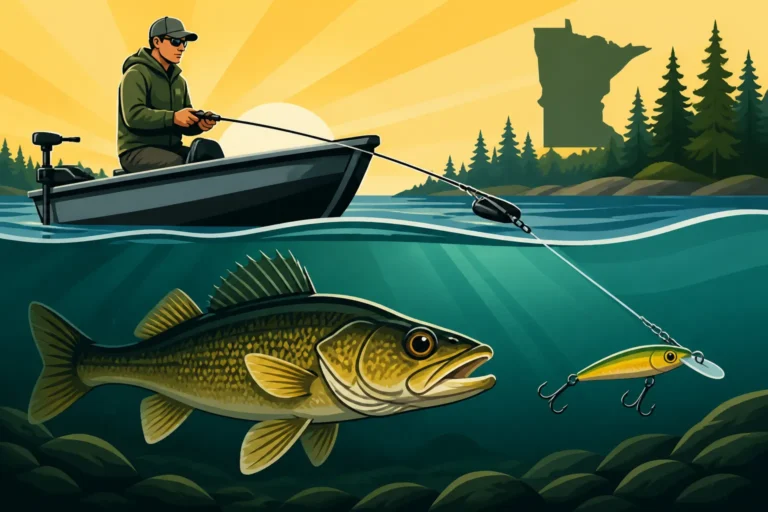
The eternal question for every Minnesota walleye angler echoes across our lakes and rivers: "What's the best bait?" It's a question that can spark endless debates around campfires and bait shops, and honestly, there's no single, simple answer. Walleye can be incredibly finicky, with their preferences shifting based on the season, water temperature, forage available, and even the time of day. This comprehensive guide will peel back the layers of this mystery, diving deep into both the tried-and-true live baits and the innovative artificial lures that consistently put Minnesota walleye in the net.
The Undeniable Power of Live Bait for Minnesota Walleye
When the bite gets tough, or when walleye are lethargic in cold water, live bait often reigns supreme. Its natural scent, subtle movements, and irresistible appeal can trigger strikes when artificial offerings are completely ignored. Many seasoned anglers consider live bait a crucial tool in their arsenal, especially when targeting those elusive giants.
Minnows: The All-Around Champion
Ah, minnows. They are, without a doubt, a cornerstone of walleye fishing in Minnesota. From the first thrilling cast on the walleye opener to the last chilly days of fall, minnows consistently produce. Different species of minnows have their proponents, but shiners (especially golden shiners or large creek chubs), fatheads, and rainbow minnows are among the most popular choices. Their natural wobble and flash are hard for a walleye to resist, making them an ideal choice for a variety of presentations.
When the water is cold, like in early spring or late fall, minnows really shine. Their slower, more erratic movements mimic injured or struggling baitfish, which is an easy meal for a cold-blooded predator like a walleye. You can present minnows in several highly effective ways. One classic method involves using a jig and minnow combination, vertically jigged over structure or cast along breaks. A simple 1/8 to 1/4 ounce jig head, tipped with a lively shiner hooked through the lips, can be deadly. Another incredibly effective technique, especially for covering water slowly or staying on a spot, is the How to Fish a Lindy Rig for Walleye setup. This classic presentation allows your minnow to swim naturally, just above the bottom, enticing even the most cautious walleye. For suspended fish or fishing over weeds, a How to Use a Slip Bobber for Walleye & Crappie with a minnow can be unbeatable, allowing you to present your bait at a precise depth.
Leeches: Summer's Secret Weapon
As Minnesota waters warm up in late spring and summer, leeches become a top contender for walleye bait. Ribbon leeches are the preferred variety, known for their durability on the hook and their seductive undulating action in the water. Unlike minnows, leeches are incredibly resilient, staying active on the hook for a long time, even after multiple casts or bumps along the bottom. This makes them a fantastic choice for active fishing or when targeting areas with snags where re-baiting would be a constant hassle.
Leeches truly excel when walleye are more active and willing to chase. Their squirming, snake-like movements are incredibly enticing in warmer water. You can rig them just like minnows on a slip bobber, allowing them to drift enticingly over weed lines or rock piles. Many anglers also find success using them on a bare hook with a split shot or on a Lindy rig, allowing the leech to swim freely near the bottom. The resistance of a leech as it tries to escape often triggers a walleye's predatory instinct. They’re also surprisingly effective on a plain jig head, giving a jig a lively, natural tail kick. If you're planning a summer walleye trip to a clear-water lake, make sure your bait cooler is stocked with plenty of lively leeches, readily available at most Minnesota bait shops, or even online through retailers like Amazon.
Nightcrawlers: Versatile and Effective
Don't underestimate the humble nightcrawler when it comes to walleye. While often associated with panfish or bass, nightcrawlers are a phenomenal walleye bait, especially when you need to cover a lot of water or when the fish are scattered. Their strong scent trail and enticing action, particularly when trolled, make them a go-to choice for many anglers during the summer and into early fall.
The most common and effective way to present nightcrawlers for walleye is on a crawler harness, also known as a spinner rig. These rigs typically consist of a clevis, beads, a spinner blade (Colorado, Indiana, or Willowleaf), and two snelled hooks. Pulled behind a bottom bouncer or a small weight, the spinner blade creates flash and vibration, while the nightcrawler adds natural scent and movement. This combination is deadly for covering large flats, breaks, or humps where walleye might be spread out. Many anglers troll these rigs at speeds between 0.8 and 1.5 mph, experimenting with different blade colors and sizes until they find what the fish prefer on any given day. Besides trolling, a nightcrawler can also be effective on a slip bobber or even jigged slowly, especially if you "half" a crawler to reduce its size and make it more appealing to walleye that might be wary of a full, large worm.
Mastering Artificial Lures for Aggressive Walleye
While live bait has its place, artificial lures offer unparalleled versatility, allowing you to mimic various forage, cover water quickly, and elicit reaction strikes. Modern artificial baits are incredibly realistic and come in a dazzling array of colors, sizes, and actions, making them indispensable for active walleye fishing.
Jigs: The Angler's Foundation
If there's one artificial lure that every walleye angler must master, it's the jig. Jigs are incredibly versatile and can be used in almost any season or condition. They mimic baitfish, crawfish, or leeches, and their compact design allows for precise presentations, whether you're fishing vertically over a deep school or casting to a shallow break. For a deep dive into this, check out Jigging for Walleye: Jig & Minnow Basics.
Jigs come in countless styles, from simple lead head jigs to those dressed with marabou, bucktail, or soft plastic bodies. The key is to match the jig weight to the depth and current, allowing it to reach the bottom and be controlled effectively. For plastics, popular options like Berkley Gulp! Minnows, Moxie, or Impulse plastics add scent and extra action to your jig. You can snap jig them, pulling the jig sharply off the bottom and letting it fall on a semi-slack line, or slow drag them, mimicking a crawfish or a lethargic baitfish. During the fall, when walleye often feed aggressively on dying baitfish, a heavier jig tipped with a plastic or a minnow can be exceptionally effective, especially when worked along deep edges or drop-offs. The feel you develop with a jig is crucial, allowing you to "read" the bottom and detect even the lightest bites.
Crankbaits: Covering Water and Triggering Bites
When walleye are scattered, actively feeding, or holding to specific depths, crankbaits are your best friend. These lures are designed to be trolled or cast, covering vast amounts of water efficiently while diving to predetermined depths. The vibration, flash, and swimming action of a crankbait can trigger vicious strikes, especially from aggressive walleye looking for a quick meal.
Trolling crankbaits is a highly productive technique in Minnesota, particularly on larger lakes like Mille Lacs or Lake of the Woods. Different crankbaits are designed to run at various depths, so choosing the right lure for the depth the fish are holding is critical. Shallow-diving crankbaits like Rapala Shad Raps or Berkley Flicker Shads are excellent for casting to shorelines or trolling over shallow flats. Deeper divers such as Rapala Deep Tail Dancers or Salmo Hornets are perfect for reaching walleye holding on deeper breaks or humps. The speed of your troll is also a major factor; experiment between 1.5 to 3.0 mph until you find the sweet spot for that day. Line type and diameter also play a role in how deep a crankbait runs, so understanding Trolling for Walleye: Crankbaits & Leadcore can significantly improve your success. Color choice is another ongoing debate among anglers, but generally, natural baitfish patterns work well in clear water, while brighter colors like firetiger or perch patterns can be effective in stained water or during low light conditions. You can find a vast selection of these lures on platforms like Amazon if your local bait shop doesn't have the exact pattern you're looking for.
Blade Baits and Lipless Cranks: Aggression Tools
Sometimes, walleye need a little extra coaxing, something to really annoy them into striking. That's where blade baits and lipless crankbaits come into play. These lures are vibration machines, designed to be fished aggressively to generate powerful reaction strikes. They are particularly effective in colder water or when fish are feeding on dense schools of baitfish.
Blade baits, like the popular Sebile Vibrato or the classic Reef Runner Cicada, are thin metal lures that vibrate intensely on both the lift and the fall. They are usually fished vertically, dropped to the bottom, and then ripped upwards with a sharp snap of the rod. This erratic, high-vibration action is incredibly enticing to walleye that are feeling aggressive. Lipless crankbaits, such as the ever-popular Rattlin' Rapala or the Strike King Redeye Shad, offer a similar, albeit often louder, appeal. These lures rattle loudly as they're retrieved or jigged, sending out powerful vibrations that fish can detect from a distance. They are excellent for casting over expansive flats, retrieving with a stop-and-go action, or even vertical jigging through schools of fish. Both blade baits and lipless cranks are fantastic for targeting active walleye, especially during the fall when fish are aggressively putting on weight before winter.
Seasonal Strategies and Presentation Considerations
Understanding which bait to use is only half the battle; knowing when and how to present it can be the difference between a limit and a lonely day on the water. Walleye behavior changes dramatically throughout the year in Minnesota, and adapting your approach is paramount. For a full breakdown of general strategies, consult the Walleye Fishing Techniques: Complete Minnesota Guide.
Early Season and Cold Water Tactics
The Minnesota walleye opener is a celebrated event, but often means dealing with cold water. In these conditions, walleye are typically lethargic and less willing to chase fast-moving baits. This is when patience and finesse often pay off. Slow presentations with live bait like minnows are often king. A jig tipped with a lively shiner, fished slowly and vertically along shallow breaks, rock piles, or current seams, is incredibly effective. The idea is to keep the bait in the strike zone for as long as possible, letting the minnow do most of the work.
Slip bobbers with minnows are also excellent for suspending bait just above potential holding areas. If you're on a river, light jigs or a bare hook with a minnow fished on the bottom in slower current areas can be a deadly combination. The key here is not to overpower the fish with too much action or too large a bait. Think subtle, natural, and easy meal. Learning to adapt to early season challenges will put more fish in your boat.
Summer Patterns and Active Fish
As water temperatures rise and stabilize in summer, walleye become much more active and their metabolism speeds up. They often move deeper, seeking cooler, oxygen-rich water and congregating around main lake structure like humps, points, and deep weed lines. This is when you can start incorporating faster, more aggressive presentations.
Trolling with crankbaits or crawler harnesses becomes incredibly effective for covering large areas and finding active schools. Leeches presented on Lindy rigs or slip bobbers over deep structure are also phenomenal. During summer, walleye are often found in predictable patterns, so understanding Summer Walleye Patterns: Deep Structure is crucial. Early mornings, late evenings, and even night fishing can be prime times, as walleye frequently push shallower under the cover of darkness to feed. For night fishing specifically, consider how Night Fishing for Walleye in Minnesota might alter your bait choices and presentation. Don’t be afraid to experiment with brighter, more aggressive crankbait colors or faster retrieve speeds; active walleye will often smash baits that might intimidate them in colder water.
Fall Turnover and Pre-Winter Bites
Fall in Minnesota signals a critical feeding period for walleye as they bulk up for winter. This season often brings dramatic changes, including the infamous "turnover" on many lakes, where surface water cools and mixes with deeper layers, sometimes scattering fish and making them harder to find. However, once the lake stabilizes, typically in late fall, the bite can be exceptional.
During turnover, you might have to work harder, but once the fish relocate, they are often incredibly aggressive. Larger artificial lures like crankbaits, blade baits, and even larger jigs tipped with plastic or a big minnow can be very effective. Walleye will aggressively chase down larger baits as they feed heavily on dying or concentrated baitfish schools. Trolling large crankbaits along deep breaks, rip-jigging blade baits on points, or casting heavy jigs to rocky shorelines can produce some of the biggest walleye of the year. Understanding Fall Walleye Fishing: Turnover & Cold Water is key to success during this transitional yet highly productive time.
Presentation is Key: Beyond Just the Bait
Ultimately, the "best" bait is often less about the specific type and more about how you present it. A poorly presented "best bait" will catch nothing, while a well-presented "average bait" can fill your livewell. Always consider the conditions: water clarity, depth, current, wind, and the mood of the fish.
Think about matching the hatch – what are the walleye feeding on in that particular lake at that time of year? Are they chasing small shiners in open water, grubbing for crawfish on rocky reefs, or picking off leeches in the weeds? Adjust your bait size, color, and action accordingly. Furthermore, the sensitivity of your rod, the strength and visibility of your line (many anglers prefer braided line for sensitivity, sometimes with a fluorocarbon leader), and the quality of your hooks all contribute to successful bait presentation. A sharp hook is paramount for converting bites into hooked fish. Take the time to learn various rigging techniques and practice them until they become second nature.
| Bait Type | Pros | Cons | Best Use Cases |
|---|---|---|---|
| Minnows | Natural scent & action, all-season | Fragile, can be expensive | Cold water, slow bites, jigging, slip bobbers |
| Leeches | Durable, lively in warm water, unique action | Not effective in cold water | Warm water, summer, slip bobbers, Lindy rigs |
| Nightcrawlers | Strong scent, versatile for trolling | Less active than minnows/leeches | Summer, trolling spinner rigs (crawler harnesses) |
| Jigs (w/plastics) | Versatile, active presentation, mimic many forage | Can require skill to present naturally | All seasons, vertical jigging, casting, structure |
| Crankbaits | Cover water, target specific depths, reaction strikes | Depth-specific, can get snagged | Trolling, covering large areas, aggressive fish |
| Blade Baits/Lipless Cranks | High vibration, strong reaction strikes | Best for aggressive fish, can be snaggy | Cold water, fall, vertical jigging, ripping |
Disclaimer
Fishing regulations, seasons, and limits are subject to change. Always consult the latest Minnesota Department of Natural Resources (DNR) fishing regulations handbook before heading out on the water. This guide is for informational purposes only and should not replace official sources.