Lake Minnewaska Walleye Limit & Slot
Fishing Lake Minnewaska near the charming towns of Glenwood and Starbuck is a quintessential Minnesota experience, but the stress of navigating specific DNR regulations can quickly dampen a perfect morning on the water. Between the general state-wide limits and the nuances of lake-specific rules, knowing exactly which walleye you can keep and which must be released is vital. This guide provides a deep dive into the Lake Minnewaska walleye limit and slot rules to ensure your trip is both successful and legal.
Understanding Lake Minnewaska Walleye Regulations
Lake Minnewaska is the largest lake in Pope County and serves as a massive draw for anglers across the Midwest. Because of its size and the sheer amount of fishing pressure it receives, the Minnesota Department of Natural Resources (DNR) keeps a close eye on the walleye population. If you are launching your boat from the public access near the Glenwood city docks or heading out from the Starbuck beach area, you need to be aware of how the "limit" and "possession" rules differ and how they apply specifically to these waters.
The Current Daily and Possession Limit
For the 2026 season, Lake Minnewaska follows the standard inland water regulations for walleye, but it is important to understand what that actually looks like when you are sitting in the boat with a livewell full of fish. The daily limit is the number of fish you can keep in a single day, while the possession limit is the total number of fish you can have at any time, including those in your freezer at home or in your cooler at the cabin. On Minnewaska, the limit is currently six walleye.
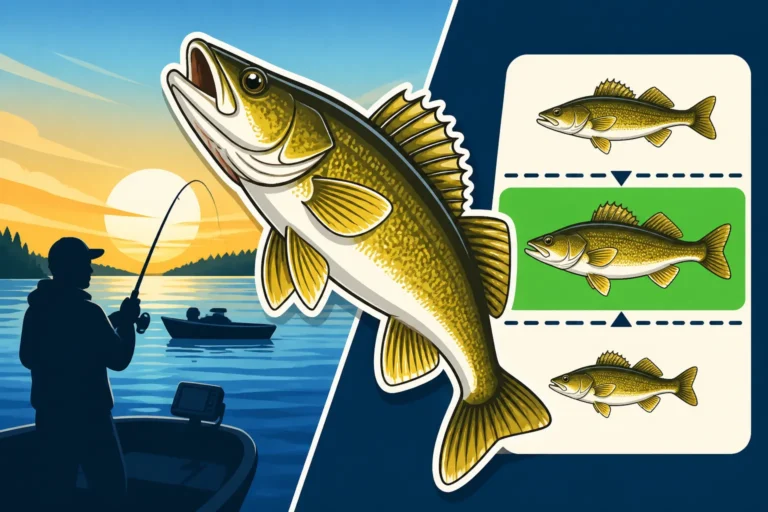
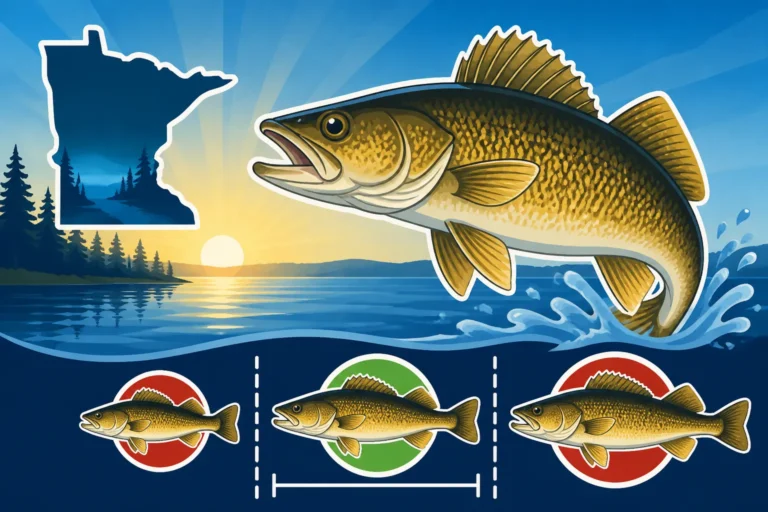
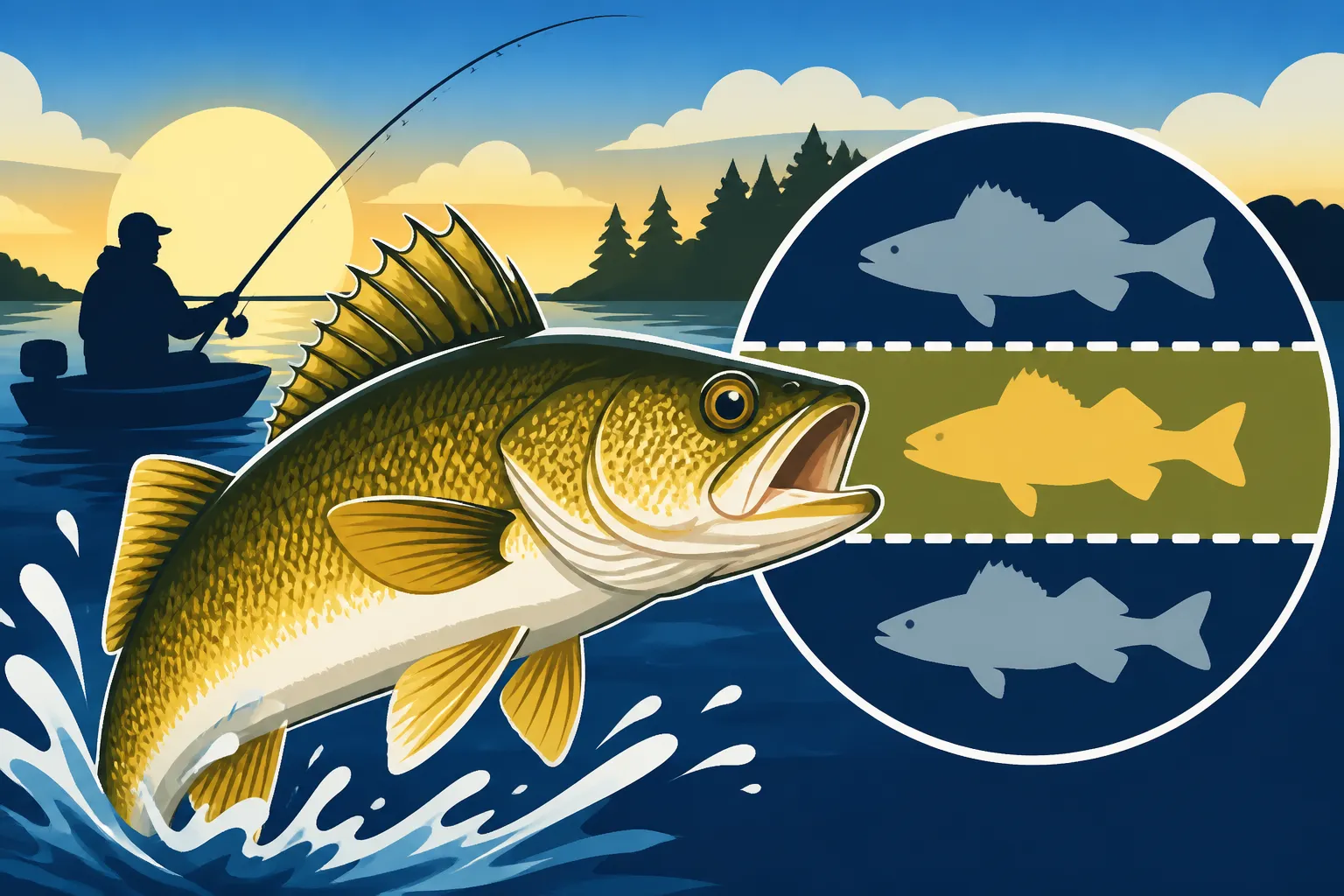
However, just because you can keep six fish doesn't mean you can keep any six fish you pull over the gunwale. The Minnesota Walleye Limit & Size Rules are designed to protect the breeding population. You are allowed to have six walleye in your possession, but there is a strict size restriction: only one of those six fish can be longer than 20 inches. This rule is often where I see folks get into trouble. They catch two beautiful 22-inch fish and think they’ve hit the jackpot, only to realize later that keeping both is a violation of the law.
When you are out there, you have to make a choice. If you catch a 21-inch walleye early in the morning and decide to keep it, every other walleye you put in the basket for the rest of the day must be under 20 inches. If you catch an even bigger one later—say a 26-inch trophy—you have to make the tough call to release it or swap it out if the first fish is still alive and healthy, though catch-and-release best practices suggest once a fish is in the livewell, it’s yours.
The Protected Slot Limit Explained
While some lakes in Minnesota, like Mille Lacs or Winnibigoshish, have what we call a "protected slot" (a range of mid-sized fish that must be released), Lake Minnewaska generally operates under the statewide "one over 20 inches" rule. This functions as a "top-end slot." The goal here is to protect the large, female "spawners" that produce the next generation of fish.
If you've ever spent a Saturday afternoon at the Starbuck Marina, you know that the "eaters" are what most people are after. On Minnewaska, these are typically the fish in the 14 to 17-inch range. These fish are plentiful, delicious, and fall safely under the 20-inch threshold. Understanding Minnesota Slot Limits: Which Lakes & Why helps clarify that these rules aren't just there to be annoying; they are precision tools used by biologists to keep the lake from being "fished out" of its prime reproductive stock.
Practical Measurement Scenarios
Imagine you are fishing the "high banks" on the north side of Minnewaska. You’ve had a great morning using a jig and a minnow, and you have four walleyes in the 16-inch range. Suddenly, you hook into a heavy fish that measures exactly 20 inches. Under the current rules, that 20-inch fish is your "one over." If your next fish is 20.5 inches, it must go back.
I always tell people to carry a high-quality, flat measuring board. Relying on a flexible tape measure or, worse, a "guesstimate" against your rod handle is a recipe for a ticket. The DNR wardens in Pope County are known for being professional but very thorough. A fish that is 19.9 inches is a keeper; a fish that is 20.1 inches counts as your "one over." There is no "close enough" when it comes to the Minnesota Possession Limits Explained guidelines.
Why Lake Minnewaska Has Specific Regulations
You might wonder why a lake as big as Minnewaska—over 7,000 acres—needs such specific oversight. The answer lies in its biology and its popularity. Minnewaska is a relatively shallow, fertile lake with plenty of vegetation and a sandy-to-gravel bottom that walleyes love. However, because it is so accessible from both St. Cloud and the Twin Cities, it sees a massive amount of "pressure," especially during the When Is the Minnesota Walleye Opener 2026? weekend.
Managing the Population for Future Anglers
The DNR uses these limits to balance the "harvest" with the lake's natural ability to replenish itself. Unlike some lakes that rely almost entirely on expensive stocking programs, Minnewaska has a decent amount of natural reproduction. To keep that engine running, the larger fish—those over 20 inches—need to stay in the water. These bigger fish are more successful at spawning and carry better genetics for growth.
By limiting each angler to just one large fish, the DNR ensures that the "trophy" component of the lake remains intact. If everyone who fished Minnewaska took home five 24-inch fish every weekend, the lake would quickly become a "stunted" fishery where you could only find small, 10-inch fish. When you follow the Minnesota Fishing Regulations Changes for 2026, you are essentially participating in a massive, statewide conservation effort.
The Impact of Intense Fishing Pressure
During the height of the summer, or even during the winter ice season, the "pressure" on Minnewaska is relentless. On a calm July evening, you can see dozens of boats trolling the weed lines. This high volume of anglers means that even a small change in the "limit" can have a massive impact on the total number of fish removed from the lake annually.
The DNR conducts regular "gill net" surveys on Minnewaska to count fish and check their health. If they see the population of 15-inch fish dropping too low, they might adjust the limits in future years. Staying informed on these changes is part of being a responsible sportsman. If you are unsure about the current year's specifics, you should always check the Minnesota Fishing Regulations PDF: Where to Find It before you launch.
Essential Gear and Compliance for Minnewaska
Being a legal angler on Lake Minnewaska goes beyond just knowing the walleye count. You also need to ensure your paperwork and your boat are up to code. I’ve seen many days ruined not by a lack of fish, but by a missing stamp or a forgotten drain plug.
| Requirement | Details for Lake Minnewaska |
|---|---|
| Walleye Limit | 6 fish daily/possession |
| Size Restriction | Only 1 fish over 20 inches |
| License | Required for ages 16+ |
| AIS Compliance | Drain plug must be out during transport |
| Live Bait | Legal, but must dispose of properly |
Buying Your License and Staying Compliant
Before you even hook up the trailer, you need to make sure your Minnesota Fishing License: Cost, Types & How to Buy (2026) is current. Licenses in Minnesota run on a specific cycle, and 2026 is no exception. If you’re a local, you likely have your annual pass, but for visitors, there are 24-hour and 72-hour options available.
If you’re technologically savvy, the easiest way is to How to Get a Minnesota Fishing License Online. You can keep a digital copy on your phone, which is perfectly legal when a conservation officer asks to see it. Just make sure your phone has enough battery! If you’re a senior citizen, don’t forget to check the Minnesota Fishing License for Seniors rates, as there are often discounts available that can save you a few bucks for extra leeches or a new lure.
AIS Rules and Boat Decontamination
Aquatic Invasive Species (AIS) are a major concern for the lakes in the Alexandria and Glenwood area. Lake Minnewaska has been affected by zebra mussels, which means you have to be extra careful when moving your boat to another body of water. The Minnesota AIS Drain Plug Law Explained is non-negotiable. You must pull your plug and drain all water—including from your livewell and bait bucket—before you leave the boat ramp.
If you plan on heading from Minnewaska over to Lake Reno or Lake Mary the next day, you need to How to Decontaminate Your Boat (AIS) properly. This usually involves a high-pressure hot water wash or letting the boat dry in the sun for several days. The penalties for transporting AIS are stiff, and honestly, no one wants to be the person responsible for ruining another lake.
Practical Tips for Fishing Lake Minnewaska
Knowing the rules is one thing; catching the fish is another. Minnewaska can be a "moody" lake. Some days the walleyes are aggressive and hitting anything that moves, and other days you have to work every inch of a rock pile to get a nibble.
Identifying Your Catch: Walleye vs. Sauger
While Lake Minnewaska is primarily a walleye factory, it is always possible to encounter a stray sauger or a hybrid. Being able to tell the difference is important because limits can sometimes vary. A walleye will have a distinct white tip on the lower lobe of its tail fin and no dark spots on the dorsal fin. A sauger has those dark "splotches" on the dorsal fin and lacks the white tail tip. If you aren't sure, the safest bet is to treat it as a walleye and count it toward your Minnesota Walleye Limit & Size Rules total.
Finding the "Eaters" on Minnewaska
If you are looking for those perfect 16-inch "eaters" that fall under the 20-inch limit, focus on the transition zones. On Minnewaska, this often means where the heavy weed line meets the sandy bottom, usually in 12 to 18 feet of water. During the early summer, the area around "Priest's Point" and the various "bars" in the center of the lake are hotspots.
Trolling a spinner rig with a nightcrawler (a "crawler harness") is a classic Minnewaska technique. It allows you to cover a lot of water and find the active schools. If you find a group of fish, you can switch to a slip-bobber rig to pick them off more precisely. Just remember, as you fill your livewell, keep a mental tally of your sizes so you don't accidentally keep a second fish over 20 inches. If you ever find yourself in a situation where you've made a mistake, knowing What Happens If You Fish Without a License in Minnesota? or violating limits can help you understand the gravity of the situation—though it's much better to just follow the rules from the start!
Summary of Best Practices for Minnewaska Anglers
To wrap things up, a successful trip to Lake Minnewaska is one where you come home with a few fillets for a fish fry and the peace of mind that you’ve done right by the lake. Always measure your fish on a flat surface, keep only one walleye over 20 inches, and ensure your AIS compliance is 100%.
The community around Glenwood and Starbuck is incredibly welcoming to anglers, and they take great pride in their lake. By respecting the Lake Minnewaska Walleye Limit & Slot regulations, you’re helping ensure that this remains a top-tier destination for your kids and grandkids. Whether you're a veteran pro or a first-timer, the thrill of a Minnewaska walleye hitting your line is something that never gets old.
Disclaimer
The information provided in this guide is for educational and informational purposes only. While we strive to provide the most accurate and up-to-date details regarding Minnesota fishing regulations and Lake Minnewaska specifics for 2026, rules can change due to emergency DNR orders or mid-season adjustments. Always consult the official Minnesota Department of Natural Resources (DNR) handbook or website before your trip to ensure full legal compliance. Fishing without a valid license or exceeding limits can result in significant fines and loss of equipment.