Is a Fishing License Required on White Bear Lake?
Getting ready for a day on White Bear Lake should be about picking the right lures and finding the weed lines, but often, the first hurdle is wondering if the rules for this busy metro lake are any different from the rest of the state. If you are casting a line into these waters, you absolutely need to be legally covered. This guide solves the confusion around licensing, age requirements, and local regulations to ensure your trip remains stress-free and legal.
The Absolute Requirement for a Fishing License on White Bear Lake
If you are wondering whether you can get away with a quick afternoon of casting from the Ramsey County Beach or your buddy's pontoon without a permit, the short answer is no. White Bear Lake is a public body of water, and like any other lake within the state's borders, the Minnesota Department of Natural Resources (DNR) requires a valid license for almost everyone who intends to fish. It does not matter if you are targeting the legendary muskies the lake is known for or just trying to pull a few sunnies for a pan fry; the law is the same across the board.
The confusion often stems from the lake's location. Because it is surrounded by private homes, yacht clubs, and residential docks, some people mistakenly believe it is a private or semi-private fishery. However, the water and the fish within it are public resources. Whether you launch from the public access on the north end or are fishing off a private dock in Dellwood, the DNR's jurisdiction is absolute. For a full breakdown of the financial side of things, you can check out the Minnesota Fishing License: Cost, Types & How to Buy (2026) guide to see which specific permit fits your planned outing.
Beyond the basic requirement, it is important to understand that having a license is about more than just avoiding a fine. The fees collected from these licenses go directly back into the management of the lake. This includes stocking programs, water quality monitoring, and the enforcement of Minnesota Fishing Limits: Bag & Possession (2026) which keep the fish populations healthy in such a high-traffic metro area. Without this funding, a pressured lake like White Bear would quickly lose the quality of fishing that makes it a local favorite.
Who Needs a License and Who Is Exempt
While the general rule is "everyone needs a license," there are specific age brackets and situational exceptions you should know about before you head out. For residents of Minnesota, the requirement generally kicks in once you hit 16 years of age. If you are bringing the family along, you will be happy to know that younger children are typically exempt from needing their own permit. You can find more details on this in the Minnesota Fishing License for Kids & Youth resource, which explains how they can fish under the supervision of a licensed adult.
Seniors also have specific considerations. Once you reach a certain age, the state offers discounted rates to encourage lifelong participation in the sport. If you fall into this category, it is worth looking into the Minnesota Fishing License for Seniors to see the reduced pricing available to you. Even if the cost is lower, the physical license must still be in your possession—either as a paper copy or a digital version on your phone—whenever you have a line in the water.
There are also a few "free" opportunities throughout the year. Minnesota typically hosts a few weekends where residents can fish without a license, often coinciding with Take-a-Kid Fishing weekend or Take-a-Mom Fishing weekend. Outside of those specific dates, however, you must be prepared. If you are coming from out of state to visit family in the northeast metro, the rules are slightly different, and you will need a non-resident permit regardless of how short your stay is. For more on the specifics of the lake's fishery, you can read the White Bear Lake Fishing report to see what species are currently active.
How and Where to Buy Your License Near White Bear Lake
One of the great things about fishing in the Twin Cities metro is that you are never far from a place to get legal. If you realize you forgot your license while pulling into the boat launch, you have several quick options. Many local bait shops around the White Bear Lake area, such as Joe's Sporting Goods or Blue Ribbon Bait & Tackle, are authorized retailers. Buying in person is a great way to get a local fishing report and pick up some fresh leeches or minnows while you are at it.
For those who prefer a more modern approach, the state has made it incredibly easy to handle everything from your smartphone. You can learn How to Get a Minnesota Fishing License Online in just a few minutes. Once you complete the purchase, you will receive a digital confirmation. While the DNR used to be very strict about carrying the physical yellow slip of paper, they now accept a digital image or the PDF of your license on your mobile device as long as it is legible and you have a valid ID to match.
If you are in a pinch, many big-box retailers like Walmart or Fleet Farm also have sporting goods counters that can issue licenses. Just be sure to bring your Social Security number if it is your first time buying in the state, as the system requires it for registration. Once you have your permit, you are good to explore not just White Bear, but any of the Best Fishing Lakes Near the Twin Cities without worrying about a conservation officer tapping you on the shoulder.
| License Type | Resident Cost (Approx.) | Duration | Best For |
|---|---|---|---|
| Individual Annual | $25.00 | Full Season | Locals who fish regularly |
| Married Couple | $35.00 | Full Season | Families fishing together |
| 72-Hour Resident | $12.00 | 3 Days | Weekend warriors |
| 24-Hour Resident | $10.00 | 1 Day | Quick trips or guests |
| Non-Resident Annual | $51.00 | Full Season | Out-of-state regulars |
| Non-Resident 7-Day | $43.00 | 7 Days | Vacationers |
Species Specific Regulations for White Bear Lake
Once you have your license in hand, the next step is knowing the "house rules" for the lake itself. White Bear Lake is unique because it spans both Ramsey and Washington counties, and it has a very diverse fish population. Because it is a high-pressure lake, the DNR often implements specific size and possession limits to ensure the big ones keep growing. For instance, the Minnesota Bass Season (New 2026 Catch-and-Release) rules are strictly enforced here, especially during the early spring when the fish are on their nests.
White Bear is also a premier Muskie lake, often stocked with the Leech Lake strain. If you are targeting these "fish of ten thousand casts," you must be aware of the statewide minimum size limit, which is typically 54 inches for most waters. Keeping a sub-legal Muskie is one of the fastest ways to get a heavy fine. Similarly, if you are out for a meal, you need to stay on top of the Minnesota Crappie & Sunfish Limits for the lake. Some metro lakes have reduced bag limits (5 fish instead of 10 or 20) to prevent over-harvesting in urban areas.
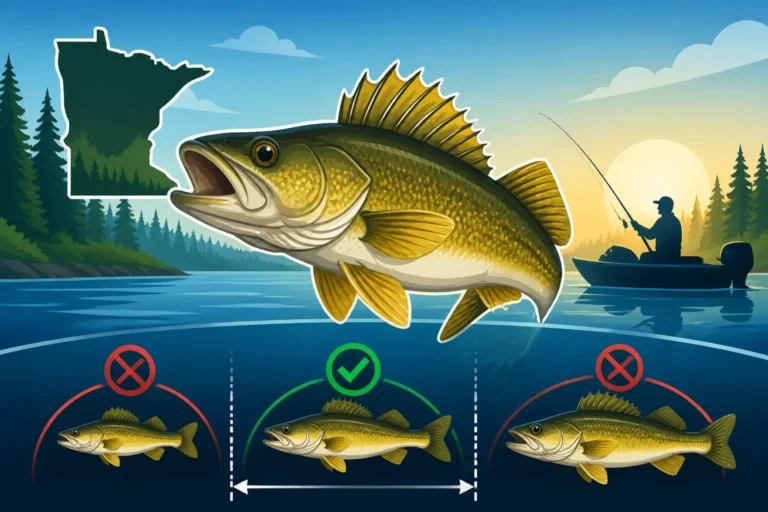
Walleye are another major draw, but they can be tricky on this lake due to the clear water. If you manage to find a school, make sure you know the current slot limits. Many metro lakes require you to release fish within a certain size range to protect the breeding population. Understanding Minnesota Possession Limits Explained is vital if you plan on keeping fish in a livewell or taking them home to fillet. Ignorance of the specific lake's "slot" is not considered a valid excuse by enforcement officers.
Enforcement and the Consequences of Fishing Without a License
You might think that on a lake as large and busy as White Bear, the chances of being checked are slim. In reality, the opposite is true. Because of its proximity to the Twin Cities and its popularity, DNR Conservation Officers (COs) and local county water patrols are very active on these waters. They frequently patrol the boat launches and weave through the weed flats on jet skis or patrol boats to check for safety equipment and valid licenses.
If you are caught without a license, the consequences are more than just an embarrassing conversation. You will likely face a significant fine, which often costs several times more than the price of an annual license. Furthermore, the officer has the legal authority to seize your fishing gear, including your rods, reels, and tackle boxes, as evidence. In extreme cases, or for repeat offenders, your boat or vehicle could even be impounded. You can read more about the grim details in What Happens If You Fish Without a License in Minnesota? to understand why it simply isn't worth the risk.
Beyond the financial penalty, fishing without a license is a blow to the local angling community. The regulations are in place to ensure that the person fishing next to you has the same opportunities to catch a trophy as you do. When people bypass the licensing system, they are essentially taking from the management funds that keep the lake stocked and the invasive species at bay. Being a responsible angler means doing your part to support the habitat you enjoy.
Preparing for Your Trip to White Bear Lake
Before you back the trailer down the ramp at Matoska Park, do a quick "license check." Ensure your permit is current—remember that Minnesota fishing licenses expire on the last day of February each year, regardless of when you bought them. If it's March 1st and you're using last year's permit, you are technically fishing illegally.
Also, keep in mind that White Bear Lake is a deep, clear lake with a lot of structure. Having the right license is just the first step; having the right plan is the second. Whether you are drop-shotting for smallmouth bass on the rock piles or trolling the deep edges for walleye, being legal allows you to focus on the electronics and the rod tip rather than looking over your shoulder for the patrol boat. Take the five minutes to buy your license online or stop by a local shop. It is the cheapest "insurance policy" you can buy for a successful day on the water.
Disclaimer
This guide is intended for informational purposes only and does not constitute legal advice. Fishing regulations, license costs, and state laws are subject to change by the Minnesota Department of Natural Resources. Always consult the official Minnesota Fishing Regulations handbook or the DNR website for the most current and localized rules before heading out on the water.