Leech Lake Walleye Limit & Slot
There is nothing quite as frustrating as pulling a beautiful, gold-sided walleye over the gunwale of your boat on Leech Lake, only to realize you are not entirely sure if it is legal to keep. Between statewide rules and lake-specific special regulations, it is easy to feel overwhelmed. This guide provides a clear, detailed breakdown of the current Leech Lake walleye limit and slot requirements to ensure your trip to Walker is stress-free and compliant.
Navigating the Leech Lake Walleye Limit and Slot
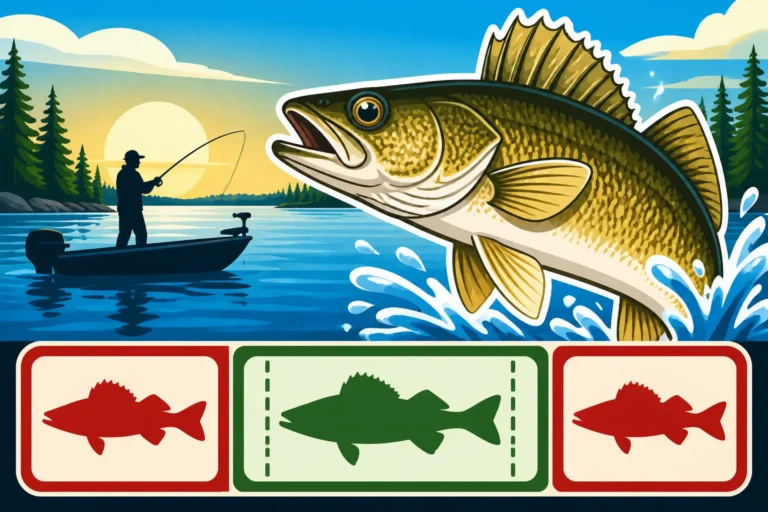
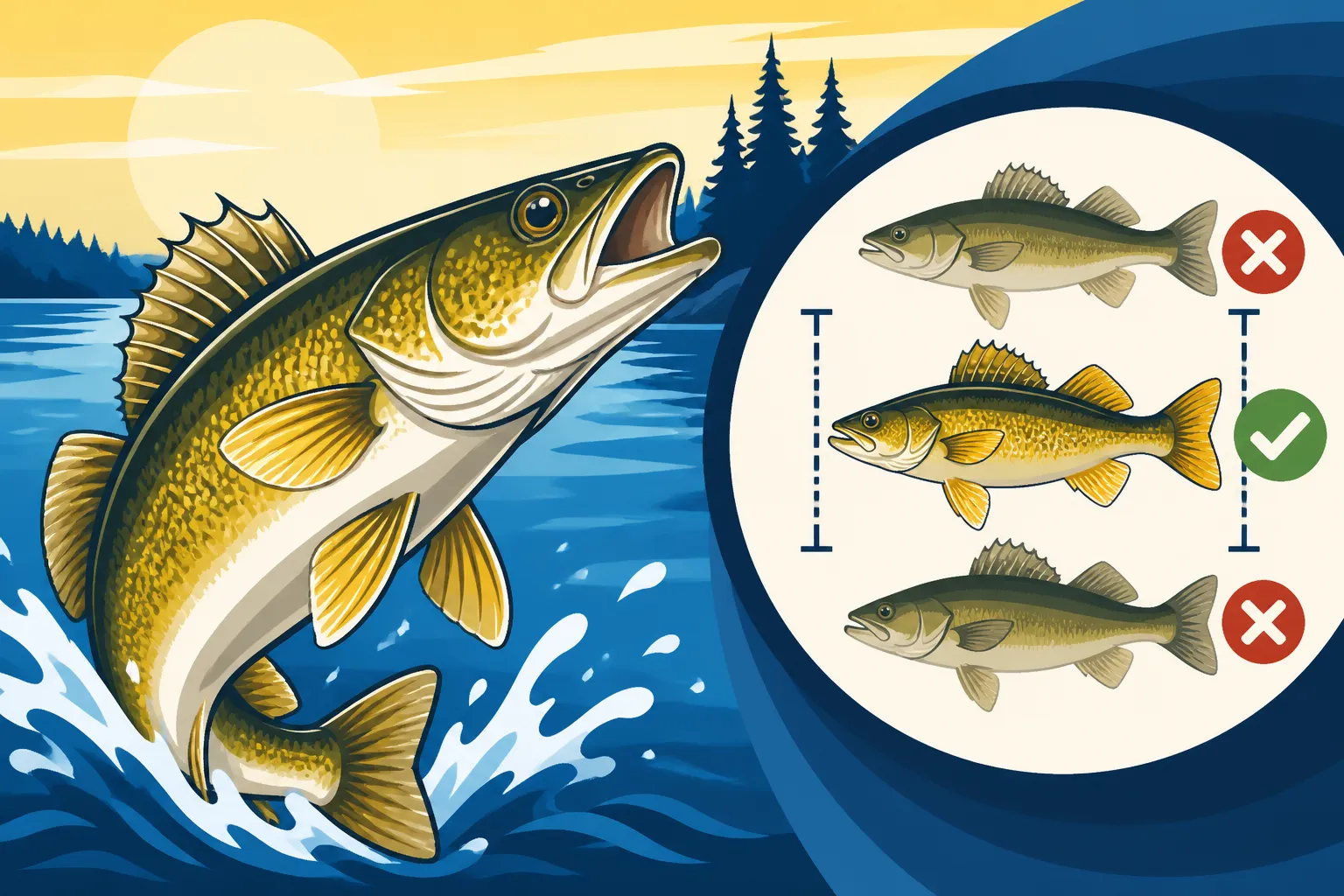
When you are out on the massive expanse of Leech Lake, whether you are drifting over the sprawling mud flats or working the weeds in Walker Bay, the rules are the heartbeat of the fishery. For the 2026 season, the Leech Lake walleye regulation remains a critical piece of the DNR's management plan. Currently, the daily and possession limit for walleye on Leech Lake is four fish. However, the "slot" is what usually trips people up. You are required to immediately release all walleye that measure between 18 and 26 inches. You are allowed to keep one walleye over 26 inches as part of your four-fish limit, but the rest must be under the 18-inch mark.
This specific regulation is designed to protect the "spawning biomass." Those 18-to-26-inch fish are the primary spawners—the engines that keep the lake’s population healthy and self-sustaining. While it might be tempting to want a 20-inch "perfect" eater, those fish are far more valuable to the lake's future than they are to your frying pan. If you find yourself catching a lot of fish in that protected range, it is a sign of a very healthy lake, but you will need to keep hunting for those 14-to-17-inch "unders" if you want a fish fry at the cabin.
Understanding these nuances is part of being a responsible angler. Many folks ask, "What if I have fish from another lake in my cooler?" That is where Minnesota Possession Limits Explained becomes vital. If you are staying at a resort on Leech but decided to take a day trip to a smaller nearby lake with different rules, you must be extremely careful about how you transport and document those fish. On Leech itself, the four-fish limit is strict, and a conservation officer at the Trapper’s Landing boat ramp won't take "I forgot the rules" as an excuse.
Why Leech Lake Regulations Differ from Statewide Rules
You might be used to the standard Minnesota inland water rules, but Leech Lake is a "Special Regulation" water. The reason for this comes down to the sheer pressure and the unique biology of the third-largest lake entirely within Minnesota’s borders. Unlike smaller lakes that might rely heavily on stocking, Leech Lake has a robust natural reproduction system. The DNR monitors the "year-classes" of walleye meticulously. When they see a massive spike in a certain age group, they may adjust the slot to protect those fish until they reach spawning age.
Another factor is the forage base. Leech is famous for its yellow perch and tullibee (cisco) populations. When the tullibee numbers are high, walleyes grow exceptionally fast, reaching that 18-inch protected slot quickly. However, the ecosystem is delicate. Issues like Aquatic Invasive Species (AIS) Rules for Boaters are constantly on the minds of managers because zebra mussels have cleared the water significantly over the last decade. Clearer water means walleye are often deeper or more light-sensitive, changing where they congregate and how easily they can be caught by anglers using modern electronics.
If you are planning a trip, it’s a good idea to check the Minnesota Fishing Regulations Changes for 2026 to see if any mid-season adjustments have been made. While the 18-26 inch slot is the standard, the DNR occasionally tweaks limits based on winter kill data or summer pressure levels. Being a veteran of these waters means knowing that the rules are a tool for conservation, not just a set of hurdles for your weekend.
Comparing Walleye Regulations Across Major MN Lakes
| Lake Name | Daily/Possession Limit | Protected Slot | Keep Over Slot? |
|---|---|---|---|
| Leech Lake | 4 Walleye | 18" to 26" | One over 26" |
| Mille Lacs | Variable (Check Mille Lacs Walleye Regulations (2026)) | Usually tight 1-fish limit | Often No |
| Upper Red Lake | 4-5 Walleye (Seasonal) | 17" to 26" (Check Upper Red Lake Walleye Limit & Slot) | One over 26" |
| Lake of the Woods | 6 (Combined Walleye/Sauger) | 19.5" to 28" | One over 28" |
| Statewide (Inland) | 6 Walleye | None (except "One over 20") | One over 20" |
Practical Tips for Measuring and Compliance
Accuracy is everything when you are dealing with a slot limit. A fish that is 17 and 7/8 inches is a keeper; a fish that is 18 and 1/16 inches is a ticket waiting to happen. I always recommend using a high-quality metal bump board rather than a flexible tape measure. Tape measures can follow the curve of the fish’s body, giving you an inaccurate (longer) reading. To get the "official" length, the fish should be flat on its side, the mouth should be closed against the head of the board, and the tail should be pinched to reach its maximum length.
If you are out in the middle of a choppy day on the main lake, trying to measure a squirming walleye can be a recipe for disaster. I’ve seen many anglers accidentally drop a fish on the floor of the boat or, worse, over the side before they finished measuring. Have your measuring station ready before you even drop a line. If you are unsure if a fish is a "legal under," the safest bet for the resource is always to let it go. There are plenty of Yellow Perch & Sauger in Minnesota to target if the walleye bite is proving to be all "slot fish."
Don't forget about your paperwork either. Even if you have the perfect limit of 16-inchers, you are illegal if you don't have your license handy. You can find out How to Get a Minnesota Fishing License Online in just a few minutes, and keeping a digital copy on your phone is now legal and widely accepted. Just make sure your phone has enough battery life to show the officer if you get flagged down near Goose Island.
Seasonal Strategies to Find "Keepers" on Leech Lake
Finding walleyes that fall under the 18-inch slot often requires a change in tactics. In the early season, right around the Minnesota Walleye Opener 2026, many of the smaller males are found in the shallow, sandy bays like Sucker Bay or near the mouth of the Boy River. These fish are aggressive and often school together, making it easier to pull a limit of "eaters" in 6 to 10 feet of water using a simple jig and minnow.
As the water warms in July and August, those smaller fish often move to the edges of the heavy cabbage weeds. While the "trophy" fish might be out on the deep mud flats or humps, the 14-to-17-inch keepers tend to hang around the weed lines where they can find easy perch forage. Using a Lindy Rig for Walleye with a long snell and a leech is a classic Leech Lake technique that excels in these areas. You’ll catch a lot of fish, and while many will be in that 18-to-26-inch protected zone, the sheer volume of bites increases your chances of landing your limit of unders.
When the fall transition hits, the fish move again. This is when Night Fishing for Walleye in Minnesota becomes incredibly productive on Leech. Trolling shallow running crankbaits over rocky points like Pine Point or Stony Point can result in some of the best action of the year. During the night, walleye of all sizes move into the shallows to feed. It is a magical time to be on the water, but again, keep that bump board and a headlamp ready. It is much harder to judge an 18-inch fish in the dark, and the rules apply 24/7. If you're new to the area, checking a Leech Lake Fishing Guide can provide specific GPS coordinates and up-to-date reports on where the "keeper" schools are currently holding.
Minnesota Fishing Regulations Disclaimer
This article provides information based on the 2024-2026 Minnesota fishing seasons and specific lake regulations. However, fishing laws and slot limits are subject to emergency changes by the Minnesota Department of Natural Resources (DNR) at any time. Always consult the official Minnesota Fishing Regulations handbook or the DNR website before your trip to ensure you are viewing the most current legal requirements for Leech Lake. This guide is for informational purposes and does not constitute legal advice.