Gull Lake Fishing Regulations (2026)
Navigating fishing regulations can feel like deciphering ancient scrolls sometimes, especially when you're just trying to enjoy a peaceful day on the water. It's frustrating to pore over countless pages, trying to figure out what applies to your lake, what the special rules are, and whether that prized walleye is a keeper or needs to go back. This comprehensive guide is here to cut through the confusion and give you a clear, easy-to-understand breakdown of the Gull Lake fishing regulations, so you can fish with confidence and stay on the right side of the law.
Understanding Gull Lake’s Unique Regulations
Gull Lake, nestled in the heart of the Brainerd Lakes Area, is a true jewel of Minnesota fishing. It’s renowned for its fantastic walleye fishery, abundant bass, and healthy panfish populations. However, because it’s such a popular and ecologically important lake, it often has specific regulations that differ from statewide general rules. This isn’t to make things harder, but rather to protect the fishery and ensure it remains exceptional for generations to come. Ignoring these nuances can lead to citations, which nobody wants when they’re out trying to relax.
Why Specific Regulations Matter for Gull Lake
Think of Gull Lake as a superstar athlete – it needs a tailored training plan to stay at the top of its game. The Minnesota Department of Natural Resources (DNR) monitors fish populations meticulously, conducting surveys and analyzing catch data to determine if special regulations are needed. For Gull Lake, this often means specific slot limits for walleye, or unique bag limits for northern pike, all designed to balance angler harvest with fish reproduction and growth. These regulations are dynamic, meaning they can change year to year based on the health of the fishery. What was true last year might not be true for 2026, which is why staying informed is crucial for any responsible angler. It’s about preserving that incredible experience we all cherish when we’re out on the big Gull.
Where to Find the Official 2026 Regulations
While this guide provides a detailed overview, the absolute, undisputed source for all Minnesota fishing regulations, including those specific to Gull Lake, is the official Minnesota DNR website and their annual Fishing Regulations booklet. You can usually find the updated booklet online as a Minnesota Fishing Regulations PDF: Where to Find It|Minnesota Fishing Regulations PDF a few months before the new fishing season officially kicks off. Always double-check this source for any last-minute changes or clarifications. Sometimes, very specific, lake-by-lake rules are posted in small print, and you don’t want to miss those details. These are the rules that wardens enforce, so always refer to the DNR’s official word to ensure compliance.
Key Species and Their 2026 Limits on Gull Lake
Let’s dive into the specifics that most anglers are keenly interested in. Knowing the bag limits, possession limits, and any size restrictions for your target species is paramount. Gull Lake is primarily known for its walleye, northern pike, and bass, but it also offers great panfishing opportunities.
Walleye Regulations for Gull Lake
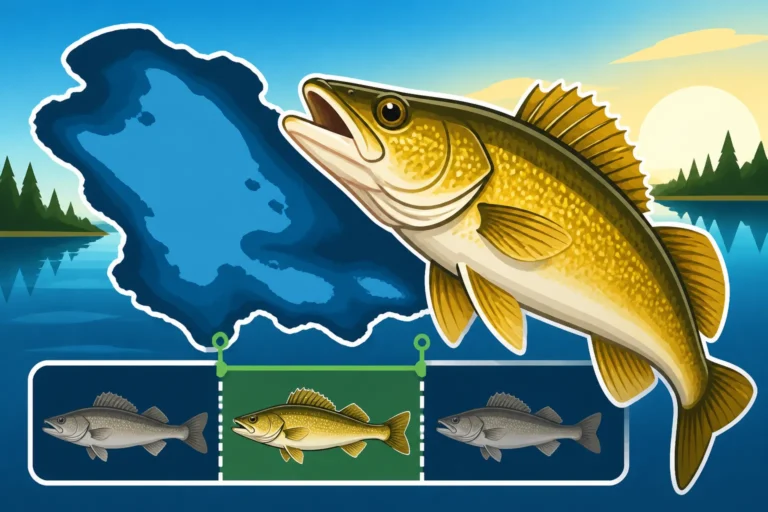
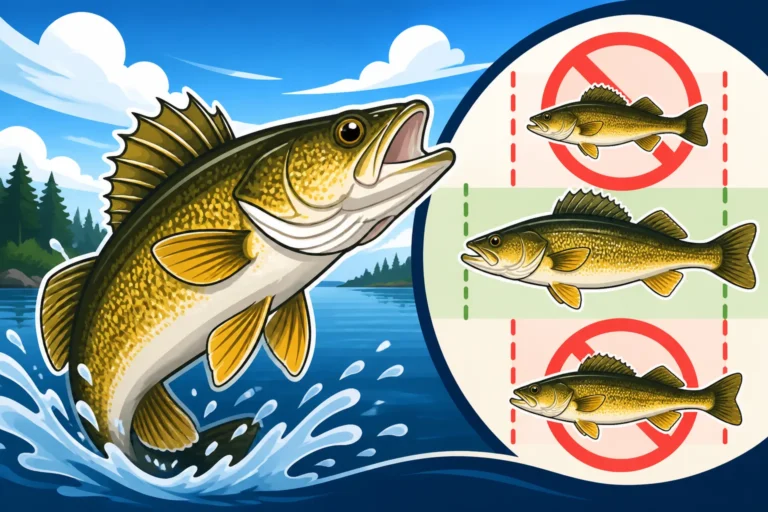
Walleye are the undisputed kings of Minnesota, and Gull Lake is a premier destination for them. For 2026, like many years prior, Gull Lake will likely continue to operate under special walleye regulations designed to protect its robust population. While statewide regulations might allow for a certain number of fish, Gull Lake often has a protected slot limit. This means fish within a certain size range must be immediately released. The aim is to protect the spawning population (the larger, older fish) and allow younger fish to grow into the harvestable size.
For example, a common regulation seen on Gull Lake and similar fisheries is a bag limit of four walleye, but with only one over 20 inches allowed, and all walleye between 17 and 20 inches having to be immediately released. This is a hypothetical example, so always verify the exact numbers. The important thing is to understand the principle of the slot limit: release fish within the protected slot to ensure the future health of the population. Keeping a fish in the slot, even by accident, can lead to a fine, so it pays to measure your fish immediately upon catching them. To learn more about statewide rules, check out the Walleye Season & Limit in Minnesota|Walleye Season & Limit in Minnesota guide.
Northern Pike Zones and Limits
Northern Pike regulations in Minnesota, including Gull Lake, are governed by a zone system: North, Central, and Southern. The Brainerd Lakes Area, where Gull Lake resides, typically falls within the Central Zone. This means a more conservative approach to pike management compared to the liberal North Zone, where pike populations can be overabundant.
In the Central Zone, you'll generally find a reduced bag limit and often a protected slot limit, similar to walleye, designed to encourage the harvest of smaller, more numerous pike while protecting larger, trophy-sized fish. For instance, a common Central Zone regulation is a bag limit of 10 pike, with no more than 2 over 26 inches. All pike between 22 and 26 inches must be released. Again, these are illustrative numbers, and you absolutely need to confirm the precise 2026 regulations for Gull Lake. Understanding which zone Gull Lake falls into is the first step, then looking up the specific rules for that zone in the official DNR regulations. You can get a broader understanding of statewide rules by consulting the Northern Pike Season & Limit in Minnesota|Northern Pike Season & Limit in Minnesota resource.
Panfish, Bass, and Other Species
While walleye and pike often grab the headlines, Gull Lake is fantastic for other species too!
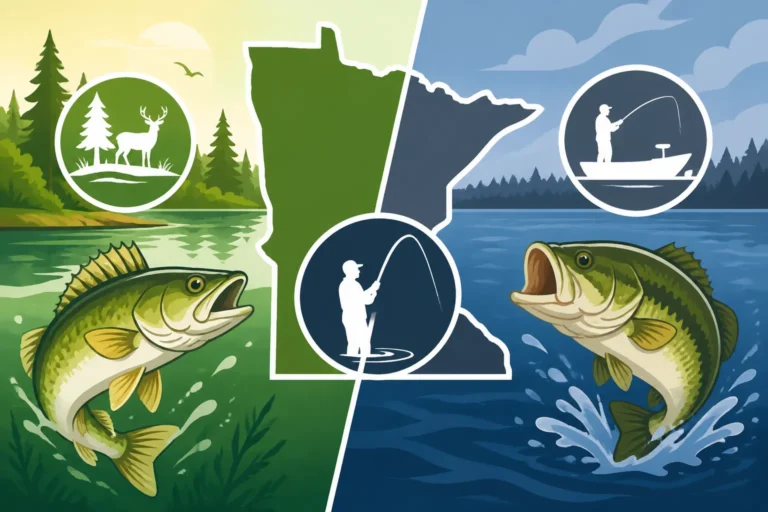
- Bass (Largemouth and Smallmouth): Both species are plentiful in Gull Lake. Generally, bass regulations are more consistent statewide, with a total bag limit for both species combined, and usually a protected slot limit (e.g., all bass between 13 and 17 inches must be released) with one over the upper slot limit. These regulations are designed to maintain healthy populations and provide opportunities for anglers to catch trophy-sized fish.
- Crappie and Sunfish: Panfish like black crappie, bluegill, and sunfish are abundant, offering great action for anglers of all ages. However, overharvest can quickly decimate panfish populations. To prevent this, many lakes, including Gull Lake, have reduced bag limits for sunfish and crappie compared to the statewide general limits. For instance, instead of 20 sunfish, Gull Lake might have a special regulation of 10 sunfish. These special limits are crucial for ensuring these fun-to-catch fish remain robust. Always check the lake-specific rules! For a deeper dive into panfish, see Minnesota Crappie & Sunfish Limits|Minnesota Crappie & Sunfish Limits.
- Perch: Yellow perch are another popular target, especially for ice fishing. Perch regulations are generally quite liberal, often with a bag limit of 20 or more. They are a significant forage base for walleye and pike, making their healthy population important for the entire ecosystem.
Here's a simplified table summarizing potential (remember, verify official 2026 dates) Gull Lake regulations based on common patterns:
| Species | Typical Statewide Bag Limit | Potential Gull Lake 2026 Regulation (Verify Annually!) | Common Size Restriction |
|---|---|---|---|
| Walleye | 6 | 4, with 1 over 20", all 17-20" released | Protected Slot |
| Northern Pike | 10 (Central Zone) | 10, with 2 over 26", all 22-26" released | Protected Slot |
| Largemouth Bass | 6 | 6, with 1 over 17", all 13-17" released | Protected Slot |
| Smallmouth Bass | 6 | 6, with 1 over 17", all 13-17" released | Protected Slot |
| Crappie | 20 | 10 | None generally |
| Sunfish | 20 | 10 | None generally |
| Yellow Perch | 20 | 20 | None generally |
Note: The "Potential Gull Lake 2026 Regulation" column provides examples based on historical patterns and common DNR management strategies for popular lakes. Always consult the official Minnesota DNR Fishing Regulations for the precise and legally binding rules.
Important Considerations Beyond Fish Limits
Fishing isn’t just about what you can keep; it’s also about how you interact with the environment and other anglers. There are broader rules and best practices that apply to Gull Lake, just like any other body of water in Minnesota. These are just as important to understand to ensure a responsible and enjoyable outing.
Aquatic Invasive Species AIS Prevention
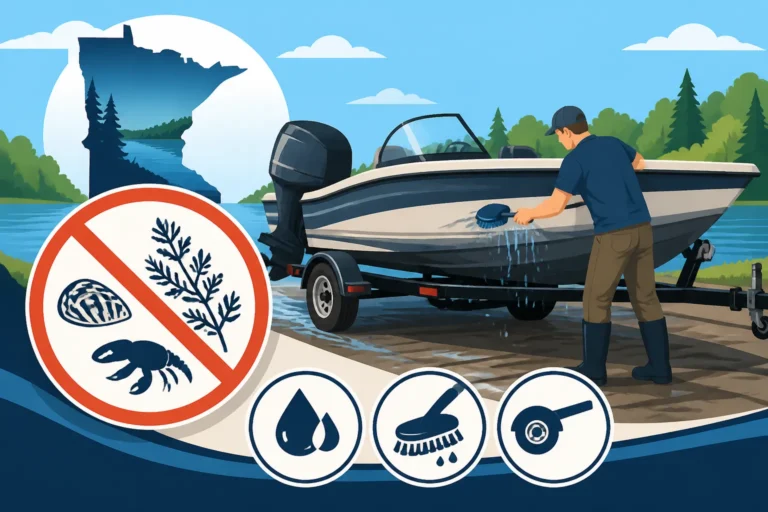
Minnesota takes aquatic invasive species (AIS) incredibly seriously, and for good reason. Lakes like Gull Lake are constantly at risk from invaders like zebra mussels, Eurasian watermilfoil, and starry stonewort, which can wreak havoc on the ecosystem and fishing quality. Preventing their spread is every angler’s responsibility. Before you even *think* about launching your boat or ice shelter onto Gull Lake, you must adhere to the “Clean, Drain, Dry” principle.
This means:
- Clean: Remove all visible aquatic plants and animals from your boat, trailer, and fishing gear before leaving any water access.
- Drain: Drain all water from your boat, livewell, bait bucket, and bilge before leaving the boat launch. This includes removing the drain plug.
- Dry: Allow your boat and equipment to dry completely before launching into another body of water.
Failing to follow these rules, especially the drain plug law, can result in hefty fines. It's not just about compliance; it's about protecting the future of fishing in Minnesota. For detailed steps, check out Aquatic Invasive Species (AIS) Rules for Boaters|Aquatic Invasive Species (AIS) Rules for Boaters.
Ice Fishing and Shelter Rules on Gull Lake
Gull Lake is a huge draw for ice anglers, with entire “villages” popping up on its frozen surface during winter. While the general fishing regulations for species apply year-round, ice fishing comes with its own set of rules, particularly concerning shelters. If you’re planning on doing some hardwater fishing on Gull Lake, you’ll need to be aware of the Minnesota Ice Fishing & Shelter Rules|Minnesota Ice Fishing & Shelter Rules.
Key things to remember include:
- License Plates: All ice shelters, whether portable or permanent, must have a valid license plate displayed, unless it's a one-person portable shelter.
- Removal Deadlines: There are strict deadlines for removing ice shelters from the lake, which vary by zone. For Gull Lake in the Central Zone, shelters must typically be removed by midnight on March 4th. These dates are crucial, as leaving a shelter on the ice past the deadline can result in fines and charges for removal by the DNR.
- Garbage: Pack out everything you pack in! Leave no trace behind.
- Number of Lines: Generally, you are allowed two lines when ice fishing in Minnesota, but confirm if any lake-specific rules for Gull Lake exist that alter this. A good reference for general line limits is How Many Lines Can You Fish in Minnesota?|How Many Lines Can You Fish in Minnesota?.
General Licensing Requirements
Before you even cast a line into Gull Lake, you’ll need a valid Minnesota fishing license. This isn’t unique to Gull Lake, but it’s the fundamental requirement for all legal fishing in the state. Licenses are typically valid from March 1st through the end of February the following year. You can purchase them online, from authorized agents (like bait shops and sporting goods stores), or at DNR offices.
Remember to consider:
- Residency: Fees differ significantly between residents and non-residents. Make sure you meet the criteria for a resident license.
- Type of License: There are individual licenses, combination licenses (fishing and small game), and even specialized licenses like a trout stamp if you plan on targeting trout in designated waters.
- Age: Children under 16 generally don't need a license, and special provisions exist for seniors and those with disabilities. Check out Minnesota Fishing License: Cost, Types & How to Buy (2026)|Minnesota Fishing License: Cost, Types & How to Buy (2026) for a complete breakdown of options, and if you're curious about costs, refer to How Much Is a Minnesota Fishing License?|How Much Is a Minnesota Fishing License?.
Staying informed and compliant with these regulations isn't just about avoiding fines; it's about being a responsible steward of Minnesota's incredible natural resources. By understanding and following the rules, you're helping to ensure that lakes like Gull Lake continue to offer world-class fishing for everyone, for years to come. For the latest fishing conditions and what species are biting, always check a reliable source like the Gull Lake Fishing Report & What's Biting|Gull Lake Fishing Report & What's Biting.
Disclaimer
Please remember that fishing regulations can change. While every effort has been made to provide accurate and up-to-date information, the official Minnesota Department of Natural Resources (DNR) regulations are the ultimate legal authority. Always consult the current year’s Minnesota Fishing Regulations booklet or the DNR website for the most precise and legally binding information before heading out on the water.