Best Tackle for Rainbow Trout in Minnesota
Let's be real: chasing rainbow trout in Minnesota is an experience unlike any other, but it can also be a puzzle. These beautiful, hard-fighting fish inhabit such a diverse range of waters – from icy North Shore streams to serene inland lakes – that knowing what tackle to use can feel overwhelming. If you’ve ever stood at the edge of a stream or lake, gear in hand, wondering if you brought the right stuff, you're not alone. This guide is here to untangle that knot, offering a comprehensive look at the best tackle to help you hook into some fantastic Minnesota rainbow trout.
Understanding Minnesota's Rainbow Trout Habitats and Their Tackle Demands
Minnesota's rainbow trout scene isn't a one-size-fits-all kind of deal, and your tackle selection needs to reflect that. We have vibrant stream fisheries, particularly in the southeastern part of the state, and also healthy populations in many stocked lakes. The tactics, and therefore the tackle, for these two environments can be quite different. Ignoring these distinctions is a surefire way to have a frustrating day on the water.
Stream-Dwelling Rainbows and Their Lighter Needs
When you're wading through the cool, clear waters of a stream in Minnesota's Driftless Area, perhaps a tributary of the Root River or one of the many creeks near Preston, stealth and precision are paramount. These fish are often wary, used to natural presentations, and quick to spook. You're typically casting into smaller pockets, riffles, and runs, often needing to place your lure or bait with pinpoint accuracy. Think about it: a bulky, heavy setup just isn't going to cut it when you're trying to sneak a tiny spinner past an overhanging branch into a shaded pool where a rainbow might be lurking.
For stream fishing, an ultralight spinning setup is almost always the way to go. This typically means a rod between 5'6" and 6'6" with a fast action, allowing for light lure control and good sensitivity. Pairing this with a small 1000- or 2000-series spinning reel ensures a balanced feel. Your line choice here is critical; you want something light enough not to be easily seen by the fish but strong enough to handle unexpected snags or a feisty trout. Fluorocarbon or a thin monofilament in 2-4 pound test is ideal for these conditions, offering both low visibility and decent abrasion resistance against rocks and debris. You can find excellent options for these setups at any well-stocked fishing department, often at places like Bass Pro Shops.
Lake-Dwelling Rainbows and Their Broader Tackle Range
Now, shift gears to Minnesota's numerous stocked trout lakes, or even the vastness of Lake Superior where you might encounter an anadromous steelhead, which are essentially rainbow trout that migrate to the big lake. Here, the game changes. You might be casting from shore, fishing from a boat, or even trolling open water. The fish have more room to roam, and your presentations can often be a bit more robust. On a lake like Grindstone Lake near Hinckley, for instance, you might be targeting suspended trout in deeper water, a completely different scenario from a shallow stream.
For lake fishing, you still want sensitive tackle, but you might lean towards slightly heavier options. A 6'6" to 7' medium-light spinning rod offers longer casting distance from shore or a boat, and a bit more backbone for handling larger fish or heavier lures. A 2000- or 2500-series reel is a good match, capable of holding more line. When it comes to line, 4-6 pound test monofilament or fluorocarbon is a solid choice. If you're trolling, you might even opt for a light braided line with a fluorocarbon leader for increased sensitivity and strength. The goal here is versatility – being able to cast a spoon, drift bait, or even troll a small crankbait effectively. Understanding these different approaches is key to effective Trout Fishing in Minnesota: Streams & Lakes.
Essential Rods, Reels, and Lines for Minnesota Rainbow Trout
Getting the right foundation for your tackle is crucial. A poorly matched rod and reel, or the wrong line, can turn a potential trophy into a missed opportunity or a tangled mess. We're looking for balance, sensitivity, and reliability – characteristics that will serve you well whether you're battling a rainbow in a tight creek or open water.
Rod Choices for Diverse Trout Scenarios
Your fishing rod is your primary tool for detecting bites, casting lures, and fighting fish. For rainbow trout, especially in Minnesota, the choice often boils down to a few key styles:
- Ultralight Spinning Rods (Streams & Small Lakes): As mentioned, these are your bread and butter for stream fishing. Look for rods in the 5'6" to 6'6" range with a fast or extra-fast action. This action means the rod bends mostly in the tip section, offering incredible sensitivity for detecting subtle bites and precise casting control for those delicate presentations needed for stream trout. A good quality graphite rod will transmit even the slightest tap, which is vital when rainbows are just gently mouthing a fly or a small piece of bait. Brands like St. Croix, a proud Minnesota company, offer excellent ultralight rods that are perfect for this application.
- Medium-Light Spinning Rods (Larger Lakes & General Purpose): For bigger water, shore casting, or when you simply want a bit more versatility, a 6'6" to 7' medium-light spinning rod is fantastic. The longer length aids in casting distance, which can be critical when fishing from shore or covering wider flats from a boat. The medium-light power provides enough backbone to cast slightly heavier lures or manage a larger fish, without sacrificing the sensitivity needed for trout. These rods still maintain a good bend, protecting lighter lines from breaking during a hard fight. This setup is versatile enough for exploring many of Minnesota's stocked lakes.
- Fly Rods (Streams & Some Lakes): For the purists, fly fishing offers an incredibly rewarding way to target rainbow trout, particularly in the beautiful trout streams of southeastern Minnesota. A 3-weight or 4-weight rod, typically 7'6" to 9' in length, is ideal. The lighter weight allows for delicate presentations of small flies, mimicking natural insects. Depending on whether you're casting tiny dry flies, subsurface nymphs, or small streamers, your fly line and leader setup will vary. Fly fishing demands a different skill set, but for sheer connection to the water and the fish, it's hard to beat. If you're interested, you might want to dive into a guide like How to Catch Stream Trout: Nymphs & Dries.
Reel Pairings for Smooth Performance
A reliable spinning reel is paramount for trout fishing. Smoothness, a consistent drag system, and the right size are what you're after.
- 1000- or 2000-Series Spinning Reels (Ultralight): These smaller reels perfectly balance ultralight rods. They are lightweight, which prevents the setup from feeling tip-heavy, and their smaller spools are designed for lighter lines (2-6 lb test). The key feature to look for is a smooth drag. When a rainbow makes a sudden run, a jerky drag will snap your light line instantly. Test the drag in the store; it should release line evenly without any sticking or stuttering. Brands like Shimano and Daiwa consistently produce reels with excellent drag systems in this size range.
- 2500-Series Spinning Reels (Medium-Light): For those medium-light rods, a 2500-series reel is a great match. It offers slightly more line capacity, which can be beneficial when a bigger trout decides to peel off line on a larger lake. The retrieve ratio is usually a bit faster too, helping you cover water more efficiently when casting lures. Again, prioritize a smooth, consistent drag. Some anglers even use these for lighter presentations when ice fishing, showing their versatility.
Line Selection: The Unsung Hero
Your fishing line is the direct link to the fish, and selecting the right type and strength can dramatically impact your success.
- Monofilament Line (2-6 lb Test): This is a classic for a reason. Monofilament (mono) is affordable, has good knot strength, and offers a bit of stretch, which acts as a shock absorber during sudden strikes and runs, protecting lighter leaders. Its slight buoyancy is also a plus when fishing topwater presentations or drifting bait. For stream fishing, 2-4 lb test is common, while 4-6 lb test works well on lakes.
- Fluorocarbon Line (4-6 lb Test, often as Leader): Fluorocarbon is virtually invisible underwater due to its refractive index being similar to water. This makes it an excellent choice for a leader when you need maximum stealth. It's also more abrasion-resistant than mono, which is a bonus when fishing around rocks or submerged timber. While you can spool a reel with straight fluorocarbon, it tends to be stiffer and more expensive than mono, making it a popular choice for leaders instead of main line.
- Braided Line (6-10 lb Test with Fluorocarbon Leader): Braided line offers incredible strength-to-diameter ratio and zero stretch, providing maximum sensitivity. You'll feel every bump, tick, and subtle bite. For trout, many anglers spool their reels with thin braided line (e.g., 6-10 lb test) and then tie on a 4-6 foot fluorocarbon leader (4-6 lb test). This combination gives you the sensitivity and casting distance of braid with the invisibility of fluorocarbon. It's a fantastic setup for casting lures on larger lakes where feel is crucial.
| Component | Stream/Ultralight Setup | Lake/Medium-Light Setup | Ideal Use Case |
|---|---|---|---|
| Rod | 5'6"-6'6" Ultralight, Fast Action Graphite | 6'6"-7' Medium-Light, Fast/Moderate-Fast Action | Precise casts in small areas; general lake casting and lighter lures |
| Reel | 1000-2000 Series Spinning, Smooth Drag | 2000-2500 Series Spinning, Smooth Drag | Managing light lines; increased line capacity & versatility on larger water |
| Main Line | 2-4 lb Monofilament or Braided (with leader) | 4-6 lb Monofilament or Braided (with leader) | Low visibility for wary fish; general purpose for casting |
| Leader | 2-4 lb Fluorocarbon (1-3 ft) | 4-6 lb Fluorocarbon (3-6 ft) | Maximum invisibility near the lure/bait |
Lure and Bait Strategies for Minnesota Rainbow Trout
Once you've got your rod, reel, and line sorted, it's time for the fun part: deciding what to tie on! Rainbow trout are opportunistic feeders, but they can also be incredibly finicky. Having a variety of lures and baits can be the difference between a slow day and a successful one.
Artificial Lures That Tempt Rainbows
Artificial lures are a fantastic way to cover water and trigger aggressive strikes from rainbow trout. The key is to match the size and action to what the trout are likely feeding on or what will provoke a reaction strike.
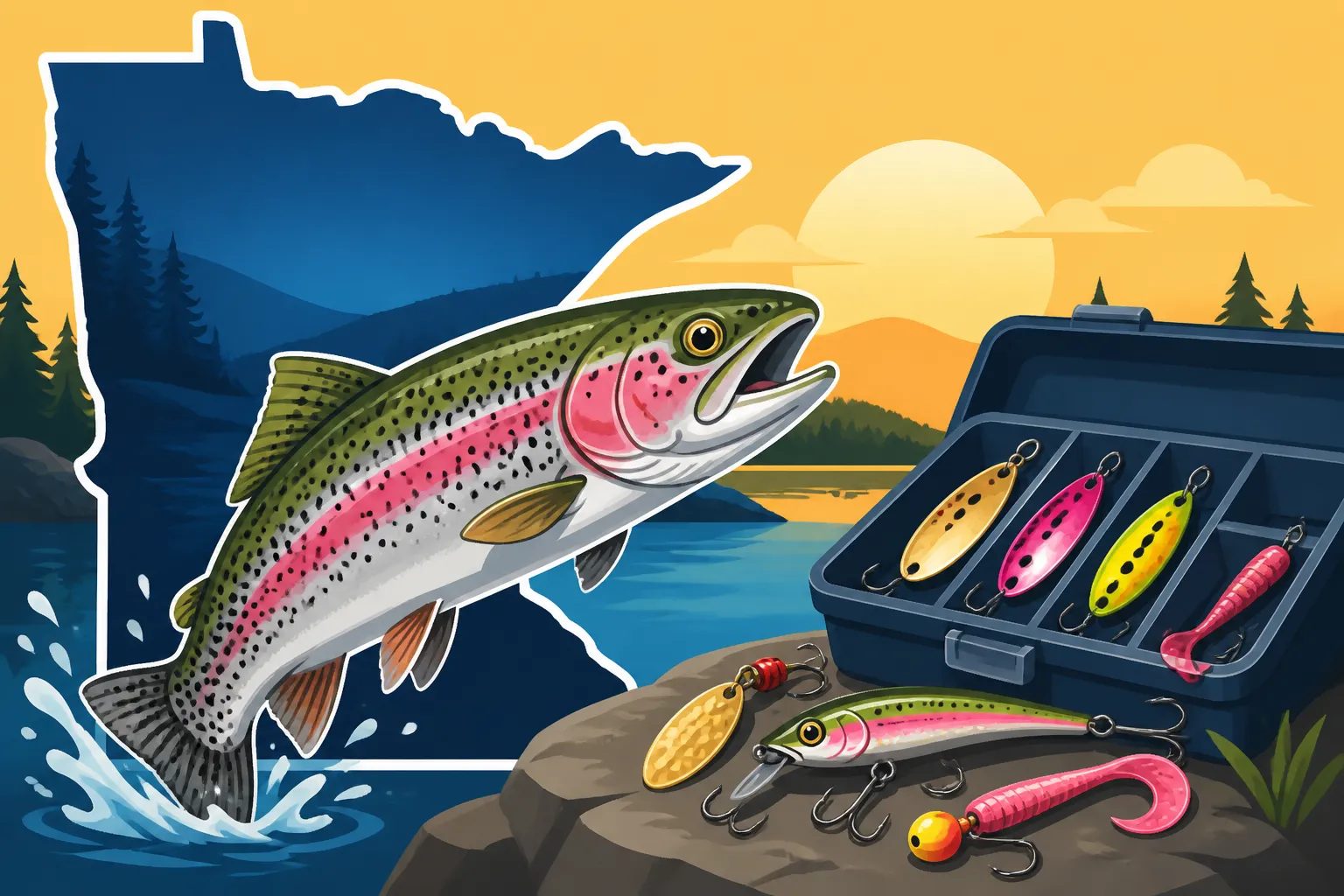
- Inline Spinners: These are absolute classics for trout and for good reason. Lures like the legendary Mepps Aglia or Panther Martin have been fooling rainbows for decades. The spinning blade creates flash and vibration that trout simply can't resist. For streams, small sizes (1/32 oz to 1/8 oz) in silver, gold, or brass are excellent choices. On lakes, you can go slightly larger (1/8 oz to 1/4 oz). Experiment with different blade colors and body dressings; sometimes a hint of chartreuse or orange can make all the difference. Spinners are incredibly versatile – cast them upstream and retrieve just fast enough to get the blade spinning, or cast across current in lakes and retrieve steadily.
- Small Spoons: Spoons, with their wobbling action, mimic injured baitfish and are incredibly effective for rainbow trout, especially in lakes. Thin, lightweight spoons in silver, gold, or with flashy designs (e.g., a "five of diamonds" pattern) are great. Sizes from 1/16 oz to 1/4 oz are usually sufficient. Cast them out, let them sink a bit, and retrieve with a slow, steady motion or incorporate some erratic twitches to make them dart. On Lake Superior's North Shore, larger spoons are often used for migratory steelhead.
- Miniature Crankbaits: While often associated with bass or walleye, tiny crankbaits can be deadly for aggressive rainbow trout. Look for suspending or shallow-diving models in 1.5 to 2.5 inches. Natural baitfish patterns, chartreuse, or firetiger colors can be very effective. Crankbaits are great for covering a lot of water quickly in lakes, or working deeper pools in larger streams. They often elicit a reaction strike when other lures fail. Brands like Rapala offer excellent small crankbaits that are perfect for trout. Many of these effective lures can be easily purchased online via Amazon.
Live and Prepared Baits: Irresistible Offerings
Sometimes, nothing beats the natural appeal of live bait or the pungent attraction of prepared baits. These are often the go-to choices when trout are being finicky or when you're fishing in a more stationary manner, such as under a bobber.
- Worms (Nightcrawlers, Red Worms): A classic trout bait. Worms offer natural scent, movement, and are universally appealing. For stream fishing, a small piece of a nightcrawler or a whole red worm on a small hook (size 10-14) drifted naturally downstream under a small bobber or with minimal weight is incredibly effective. For lakes, a full nightcrawler can be floated under a slip bobber or fished on the bottom with a simple weight and hook rig. The key is to use enough worm to tempt the trout but not so much that it hinders their ability to inhale the bait.
- PowerBait and Trout Dough Baits: These scented, moldable baits are fantastic for stocked rainbow trout, especially in lakes. They come in a dizzying array of colors and scents, with glitter often added for visual appeal. The beauty of PowerBait is its buoyancy; when rigged correctly (often on a small treble hook with an egg sinker or split shot), it floats off the bottom, presenting directly to the trout. Popular colors include chartreuse, rainbow, garlic scent, and spring green. You'll want to experiment to see what color the trout prefer on any given day. Many anglers swear by PowerBait for still-fishing on lakes.
- Corn: Believe it or not, plain old canned corn can be a surprisingly effective bait for stocked rainbow trout. Its bright yellow color and slightly sweet scent can attract curious fish. It’s often used in conjunction with PowerBait or on its own on a very small hook. This is another bait that is typically fished on the bottom or under a small bobber in calmer lake environments. It's inexpensive and readily available, making it a great backup bait to have on hand. Don't forget to check the specific Stream Trout Season & Limit in Minnesota for your area before heading out, as regulations can vary.
Terminal Tackle and Accessories You Can't Forget
Even with the best rod, reel, and choice of lure, your day can be ruined without the right terminal tackle and essential accessories. These small but mighty components ensure your connection to the fish is secure and that you can handle your catch ethically.
Hooks and Weights: Making the Connection
Your hook is where the rubber meets the road, or rather, where the steel meets the fish. And weights help get your bait to where the fish are.
- Hook Selection: For rainbow trout, small, sharp hooks are key.
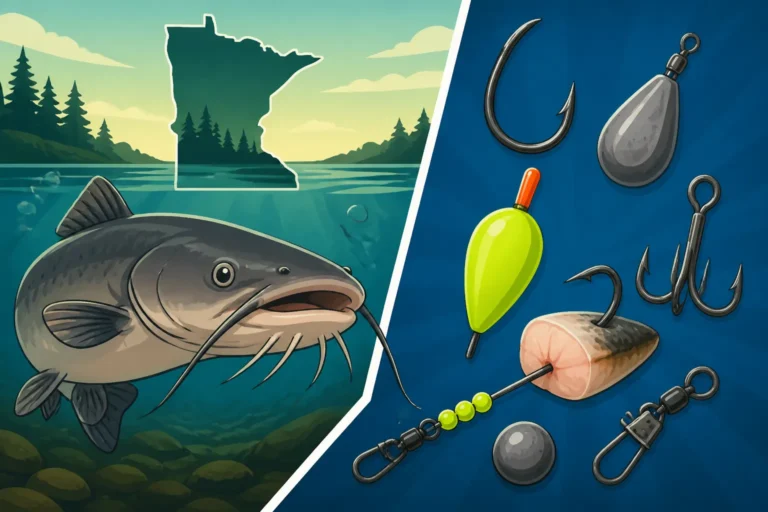
- Single Bait Hooks (Sizes 10-14): These are ideal for natural baits like worms, PowerBait, or corn. Look for baitholder hooks with small barbs on the shank to keep the bait from sliding off. The smaller size is important because trout have relatively small mouths, and a large hook can deter them or lead to missed bites. Gamakatsu and Owner make excellent, sharp bait hooks.
- Treble Hooks (Sizes 16-18, for PowerBait): When using moldable baits like PowerBait, tiny treble hooks are often preferred. The multiple points provide a better chance of hooking the fish when it mouths the bait. Ensure they are small enough to be mostly hidden within the molded bait.
- Jig Heads (1/32 oz – 1/8 oz): Small jig heads paired with tiny soft plastics (like Berkley Gulp! Alive! maggots or small tubes) can be incredibly effective, especially when stream fishing or targeting suspended fish in lakes. The jig head adds weight for casting and helps present the soft plastic with an enticing action.
- Weighting Systems: Getting your bait or lure to the right depth is paramount.
- Split Shot: These small, crimp-on weights are indispensable. They allow for precise adjustments to your presentation, adding just enough weight to get your bait down without inhibiting its natural drift. Keep a variety of sizes on hand, from tiny BB-sized shots for ultralight stream fishing to larger sizes for still water.
- Egg Sinkers and Bullet Weights: When fishing on the bottom of a lake, especially with live bait, a small egg sinker (1/8 oz to 1/4 oz) or bullet weight can be used above a swivel to create a sliding rig. This allows the fish to pick up the bait without feeling the resistance of the weight, giving you a better chance to set the hook.
- Bobbers (Slip and Fixed): While not strictly a "weight," bobbers play a crucial role in controlling depth. Fixed bobbers are great for shallower water, keeping your bait at a consistent depth. Slip bobbers are fantastic for deeper water, allowing you to cast your rig with the bobber sliding freely down the line, then stopping at a pre-set depth. This is invaluable when fishing lakes where trout might be suspended at specific depths. If you're looking for more advanced techniques, you might check out articles on Best Stream Trout Fishing Tactics in Minnesota to refine your approach.
Essential Accessories for a Successful Trip
Beyond the core tackle, a few key accessories will make your rainbow trout fishing trips much more enjoyable and successful.
- Landing Net: A small, fine-mesh landing net is absolutely vital. Rainbow trout have delicate fins and scales, and trying to hoist them out of the water by the line can cause serious damage and lead to lost fish. A rubberized or knotless mesh net protects the fish if you plan to release it, minimizing slime coat removal and fin damage. For stream fishing, a compact, often wooden, net with a lanyard is perfect. For lakes, a slightly larger, longer-handled net is practical.
- Forceps or Pliers: Small needle-nose pliers or specialized fishing forceps are a must-have for safely and quickly removing hooks. Trout often swallow baits deep, and trying to dig a hook out with your fingers can be frustrating, painful, and harmful to the fish. Forceps allow for precision and minimize handling time, especially important for catch-and-release.
- Line Clippers/Scissors: A sharp pair of line clippers or small scissors tied to your vest or belt ensures quick and clean line cuts, essential for re-tying rigs or switching lures.
- Tackle Box/Vest: Organization is key. A small, lightweight tackle box or a fishing vest with plenty of pockets will keep your hooks, weights, lures, and other small items neatly organized and easily accessible. There’s nothing worse than fumbling for a specific lure when the bite is hot. You can find robust tackle boxes and vests at any reputable outdoors retailer, from a large Cabela’s to local bait shops.
- Polarized Sunglasses: These are a game-changer for trout fishing. They cut through the glare on the water, allowing you to see submerged structure, rocks, and sometimes even the fish themselves. This visual advantage can help you make more accurate casts and understand the fish's environment better.
- Waders (for Stream Fishing): If you're serious about stream trout fishing, a good pair of waders is essential. They allow you to access prime fishing spots that are otherwise unreachable from the bank, helping you to remain unseen by wary trout. Paired with wading boots that offer good grip on slippery stream bottoms, you'll be set for a comfortable and productive day. For more on essential items, consider a broader guide on Best Gear for Stream Trout Fishing in Minnesota.
Seasonal Considerations for Rainbow Trout Tackle
Rainbow trout, like all fish, are influenced by the seasons. Their behavior, feeding patterns, and where they hold in the water column change throughout the year, meaning your tackle and tactics might need slight adjustments.
Spring and Early Summer: Post-Stocking and Active Feeders
When the ice finally melts and waters begin to warm in spring, it's often prime time for rainbow trout, especially in stocked lakes. Many lakes receive fresh stockings of catchable-sized rainbows in the spring. These fish are often eager to bite and are still getting accustomed to their new environment.
During this period, trout are often cruising shallower areas, feeding actively on insects, worms, and newly available forage. Your general-purpose medium-light spinning setup with 4-6 lb line is perfect. Inline spinners and small spoons are incredibly effective as these fish are aggressive. Live bait like worms or PowerBait fished under a slip bobber near the shoreline or over weed beds can also be deadly. For stream fishing in the spring, the rising water temperatures often mean an increase in insect activity, making fly fishing with nymph patterns particularly productive. This is also when you'll be checking the Minnesota Fishing Seasons & Opener Dates (2026) to make sure you're legal.
Summer: Deeper Dwellers and Low-Light Bites
As summer progresses and water temperatures rise, particularly in shallower lakes, rainbow trout will often retreat to deeper, cooler water. This means your tactics need to adapt to target them further down in the water column.
On lakes, this is where a slip bobber rig becomes invaluable, allowing you to present bait at specific depths, or you might switch to slow trolling small crankbaits or spoons with a downrigger or lead core line. The most active feeding times will often shift to early mornings, late evenings, or even night, when water temperatures are cooler and light levels are lower. During these times, the trout become less wary. For stream anglers, summer means lower, clearer water, requiring even more finesse and stealth. Your ultralight setup with light fluorocarbon leaders and tiny lures or natural drifts of worms or nymphs will be your best bet.
Fall: Cooler Waters and Renewed Activity
Fall is a fantastic time for rainbow trout fishing in Minnesota. As lake waters cool, trout become more active and can often be found shallower again, reminiscent of spring conditions. They are often bulking up for the winter, making them eager feeders.
This is a great time to cast spoons and spinners from shore or a boat in lakes. Trolling can also be highly effective. For stream trout, fall is a beautiful time to be on the water. Terrestrial insects like grasshoppers and beetles might still be active, making dry fly presentations effective, while subsurface nymphs and small streamers remain consistent producers. Always remember to stay updated on Minnesota Fishing Regulations Changes for 2026 as rules can sometimes adapt seasonally, especially for specific trout waters.
Winter: Ice Fishing for Rainbows
And then, of course, there's Minnesota winter! Ice fishing for rainbow trout is a popular pursuit on many stocked lakes. While the overall tackle philosophy remains the same – light and sensitive – the specific gear shifts.
For ice fishing, you'll want short, ultralight or light action ice rods (24-36 inches) paired with small spinning reels. Your line should still be light (2-4 lb test monofilament or fluorocarbon), as trout can still be line-shy even under the ice. Small tungsten jigs tipped with wax worms, spikes, or a piece of Berkley PowerBait are incredibly effective. Small spoons and jigging rap-style lures can also entice strikes. A flasher or fish finder is a huge asset for locating suspended trout and understanding their reactions to your presentation. Don't forget your warm gear, and if you're venturing out onto the ice, ensure you know all the Minnesota Ice Fishing & Shelter Rules.
Advanced Tackle Tips and Fine-Tuning Your Approach
Once you've got the basics down, there are always ways to fine-tune your tackle and techniques to maximize your chances, especially when dealing with those notoriously picky rainbow trout.
Leader Length and Material Nuances
We've talked about fluorocarbon leaders, but let's dive a little deeper. The length of your leader can make a significant difference. In clear, calm water or when trout are particularly wary, a longer leader (say, 5-7 feet) will give your lure or bait a more natural presentation, keeping the main line further away from the fish's sight. Conversely, in stained water or when making very aggressive retrieves, a shorter leader (2-3 feet) might be more manageable.
Also, consider leader pound test carefully. If your main line is 6 lb braid, don't jump to a 10 lb fluorocarbon leader for trout. Stick with 4-6 lb test for your leader to maintain that low visibility and natural action. Remember, you're only as strong as your weakest link, but with trout, being too heavy can be just as detrimental as being too light.
Hook Sharpening and Presentation Details
It sounds simple, but a dull hook will cost you fish. Always check your hook points regularly, especially after hitting rocks or snags. A small hook file can quickly revive a dull point. For trout, every bit of sharpness counts for a solid hookset.
Beyond sharpness, presentation is everything. If you're using bait, "thread" the worm onto the hook rather than just impaling it, making it look more natural. With PowerBait, mold it into a teardrop shape that completely covers the hook, and ensure it's buoyant enough to float. When using lures, pay attention to your retrieve speed; subtle changes can trigger a strike. Sometimes, a slight pause or a twitch can imitate an injured baitfish perfectly. For fly anglers, matching the hatch and achieving a drag-free drift are the ultimate goals.
Scent and Attractants
While not strictly "tackle," scents and attractants can absolutely be part of your tackle strategy for rainbow trout, especially on lakes. Products like "Smelly Jelly" or "Pro-Cure" scents can be applied to your lures, soft plastics, or even live bait to add an extra layer of attraction. Rainbow trout have a keen sense of smell, and an added scent can often convince a hesitant fish to bite, or help them locate your offering in murkier water. Just be mindful of local regulations on scent use, though they are generally permitted.
Conclusion
Tackling Minnesota's rainbow trout can be an incredibly rewarding experience, offering both the tranquility of stream fishing and the excitement of lake angling. The key to success lies in understanding the diverse habitats these fish call home and adapting your tackle accordingly. From delicate ultralight setups for wary stream rainbows to slightly more robust medium-light gear for casting in expansive lakes, having the right rod, reel, line, lures, and baits is crucial.
Don't be afraid to experiment with different presentations, colors, and scents, and always keep those essential accessories like a landing net and forceps close at hand. With the insights shared here, you're now better equipped to hit the water with confidence, knowing you have the best tackle for rainbow trout in Minnesota and ready to create some unforgettable fishing memories.
Disclaimer
Fishing regulations, seasons, and limits can change. Always consult the most current Minnesota Department of Natural Resources (DNR) fishing regulations booklet or website before heading out on the water. This guide is for informational purposes only and should not be considered a substitute for official regulations. Stay safe and fish responsibly.