Best Tackle for White Crappie in Minnesota
There's nothing quite as frustrating as heading out for a day of crappie fishing, only to come home empty-handed because your tackle just isn't cutting it. White crappie, with their notoriously light bite and penchant for specific cover, can be incredibly challenging without the right setup. This guide is dedicated to breaking down exactly what gear you need – from rods and reels to the tiniest jigs and best baits – to reliably target and catch white crappie across Minnesota's diverse waters, turning those frustrating days into successful ones.
Understanding White Crappie Behavior and Habitat in Minnesota
Before we even talk about specific rods or lures, it’s crucial to understand the fish we're after. White crappie in Minnesota aren't just any fish; they have distinct preferences that directly influence the best tackle choices. They're often found in schools, relate closely to cover, and have a mouth that's smaller and more delicate than many other game fish. Knowing this helps us pick tackle that not only detects their subtle bite but also ensures a solid hookset and successful landing.
Where White Crappie Hide
White crappie are ambush predators that love structure. In Minnesota, this means you'll often find them lurking around submerged timber, brush piles, deep weed lines, and even man-made structures like bridge pilings and dock supports. Unlike their black crappie cousins who tend to prefer clearer water and more open weed beds, white crappie are often more tolerant of turbid conditions and can be found in a wider variety of lake types, including many of our larger river systems like the Mississippi and St. Croix.
During different seasons, their preferred depth and exact location will shift. In the spring, during the spawn, they move into shallow, protected bays with reeds and woody debris. As summer heats up, they'll retreat to deeper water, often suspending over main lake basins near drop-offs or congregating tightly around deep brush piles. This shift in location dictates not only where you cast but also the weight of your jigs and the method of presentation. For example, fishing deep brush piles might require a slightly heavier jig to get down quickly, while shallow spring fishing might call for the lightest presentations imaginable. Mastering various Crappie & Panfish Fishing Techniques is essential to adapt to these changing conditions.
The Elusive White Crappie Bite
One of the biggest hurdles for many anglers new to crappie fishing is identifying their bite. It's rarely a violent strike. Instead, it's often a subtle "tick," a slight increase in pressure, or simply the line going slack as the fish swims towards you. Sometimes, you'll feel nothing at all, only noticing your bobber acting strangely or your line veering off course. This delicate feeding behavior makes rod sensitivity paramount.
The difference in bite can also be subtly distinct between white and black crappie. While both can be light biters, white crappie are often described as having an even more finicky approach. Their smaller mouths and tendency to "mouth" the bait rather than aggressively strike means your tackle needs to communicate every subtle movement. Using tackle that’s too heavy or too stiff will mask these tell-tale signs, leading to missed fish and frustration. That’s why selecting gear specifically designed for sensitivity and light presentations is not just an advantage, but a necessity for consistent success. If you're curious about the nuances, understanding the differences between Black Crappie vs White Crappie can provide further insight into their behaviors.
Rods and Reels for White Crappie Fishing
When it comes to putting more white crappie in your bucket, your rod and reel setup is absolutely critical. This isn't the time for heavy bass gear or stiff walleye sticks. We're looking for finesse, sensitivity, and a light touch.
The Right Rod Action and Length
For white crappie, sensitivity is the name of the game. You're trying to feel those incredibly light bites, which means an ultralight or light action rod made from high-modulus graphite is typically your best friend. Graphite transmits vibrations much better than fiberglass, allowing you to detect even the slightest hesitation from a crappie. The "action" refers to where the rod bends. A fast or extra-fast action rod will bend primarily in the tip, offering superior sensitivity and quicker hooksets, which is ideal for crappie's soft mouth.
In terms of length, a general all-around rod for open water crappie fishing in Minnesota typically falls in the 6-foot to 7-foot range.
- Shorter rods (around 6 feet) are great for tight casting situations, like around heavy brush or boat docks, and offer precise presentations. They're also often preferred for vertical jigging from a boat or kayak.
- Longer rods (6'6" to 7 feet) excel at casting lighter jigs further, are better for presenting baits under a bobber, and provide more leverage when fighting a fish, especially if you're pulling them out of cover.
For ice fishing, a much shorter, ultralight rod is appropriate, usually 24 to 32 inches long, allowing you to work jigs precisely in a small hole. Brands like St. Croix, specifically their Panfish Series, or Fenwick with their Eagle series, offer excellent options that provide the necessary sensitivity without breaking the bank. You can often find a great selection of these specialized rods at places like Bass Pro Shops or even through online retailers like Amazon.
Pairing with the Perfect Reel
Once you have your sensitive rod, you'll need a spinning reel that complements it perfectly. For white crappie, small, lightweight spinning reels are the standard. Look for reels in the 500 to 1000 size class. These reels are designed to handle lighter lines and offer a smooth, consistent drag system, which is paramount when dealing with the delicate mouths of crappie. A jerky or inconsistent drag can easily lead to pulled hooks and lost fish, especially when a bigger slab crappie decides to make a run.
Key features to look for in a crappie reel:
- Smooth Drag: As mentioned, this is non-negotiable. Look for reels with multiple drag washers that engage smoothly from the initial pull.
- Lightweight Construction: A lightweight reel balances well with an ultralight rod, reducing fatigue during long fishing sessions and improving overall sensitivity.
- Gear Ratio: A moderate gear ratio (around 5.0:1 to 6.0:1) is generally sufficient for crappie, allowing for both slow, controlled retrieves and quicker take-up when needed.
- Line Capacity: You don't need a ton of line capacity for crappie, as you'll be using light line and targeting them in relatively shallow to moderate depths. A reel that holds 100 yards of 4-pound test is usually more than enough.
Popular choices often include models like the Shimano Sedona, Daiwa Regal LT, or the Pflueger President. These reels offer a good balance of performance and affordability. While these reels are excellent for crappie, some of their characteristics, like smooth drag and lightweight design, are also important for smaller game fish, much like what you'd look for in a reel for Best Spinning Reels for Walleye, albeit in a smaller package.
Line Choices and Terminal Tackle
The right fishing line and terminal tackle are just as vital as your rod and reel, forming the crucial connection between you and the fish. Each component needs to be subtle yet strong, allowing for natural bait presentation and dependable hooksets.
Choosing the Right Fishing Line
The debate over fishing line types is endless, but for white crappie in Minnesota, each has its distinct advantages. Your choice will largely depend on your fishing style and the conditions you're facing.
-
Monofilament (Mono): This is often the go-to for many crappie anglers, especially beginners.
- Pros: It's very forgiving with its stretch, which helps absorb shock from aggressive hooksets or strong runs, preventing hooks from tearing out of a crappie's soft mouth. Mono is also budget-friendly, has good knot strength, and is easy to handle. It also tends to float, which can be an advantage when fishing with bobbers.
- Cons: The stretch can reduce sensitivity, making it harder to detect those subtle crappie bites, especially in deeper water. It also has memory, leading to coils, and can be more visible in clear water.
- Ideal for: Bobber fishing, trolling, and situations where some stretch is desired.
-
Fluorocarbon (Fluoro): A favorite for its near invisibility and increased sensitivity.
- Pros: Fluorocarbon sinks, which can be beneficial for getting jigs down quickly and maintaining a straight line to your bait. Its low stretch offers excellent sensitivity, helping you feel even the faintest bites. It's also highly abrasion-resistant and virtually invisible underwater, a huge advantage in clear lakes.
- Cons: It's typically more expensive than mono, can be stiffer, and sometimes has different knot-tying characteristics. Its sinking nature can be a drawback if you need your line to float for bobber fishing.
- Ideal for: Jigging, pitching jigs, and when fishing in clear water conditions.
-
Braided Line (Braid): The ultimate in sensitivity and strength, but often used with a leader.
- Pros: Zero stretch provides incredible sensitivity, allowing you to feel everything that happens at the end of your line. It's also incredibly strong for its diameter, allowing for very thin lines that cut through the water well.
- Cons: Braid is highly visible, which can spook wary crappie. Its lack of stretch can also lead to pulled hooks if you set too hard. It can be more expensive than mono.
- Ideal for: When maximum sensitivity is needed, often paired with a fluorocarbon leader (2-4 feet) to offer the best of both worlds: braid's sensitivity and fluoro's invisibility.
For white crappie, a 2- to 6-pound test line is typically all you need. Most anglers opt for 4-pound test as a good all-around choice. Understanding these different line types is key, not just for crappie, but for other species too. You can learn more about the pros and cons of each in a broader context by checking out our guide on Best Fishing Line for Walleye Braid vs Mono vs Fluoro.
Here's a quick comparison:
| Line Type | Key Advantages | Key Disadvantages | Best Use Cases for Crappie |
|---|---|---|---|
| Monofilament | Forgiving stretch, good knot strength, floats, inexpensive | Low sensitivity, visible, line memory | Bobber fishing, trolling, beginner-friendly |
| Fluorocarbon | High sensitivity, low visibility, sinks, abrasion-resistant | Stiffer, more expensive, can be prone to specific knots | Jigging, pitching, clear water |
| Braided | Extreme sensitivity, incredible strength, no stretch | High visibility, no stretch (can pull hooks), expensive | Jigging with fluoro leader, heavy cover |
Hooks, Jigs, and Floats
Once your line is chosen, the next crucial components are your hooks, jigs, and floats. These are what directly present your bait to the crappie.
-
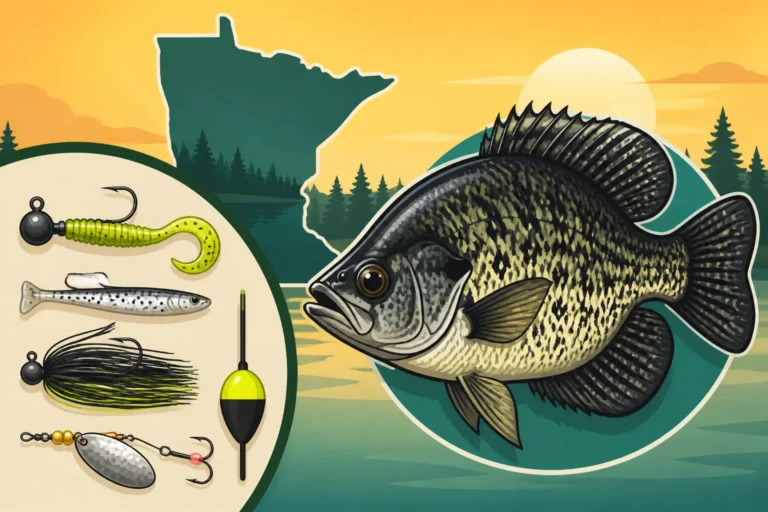
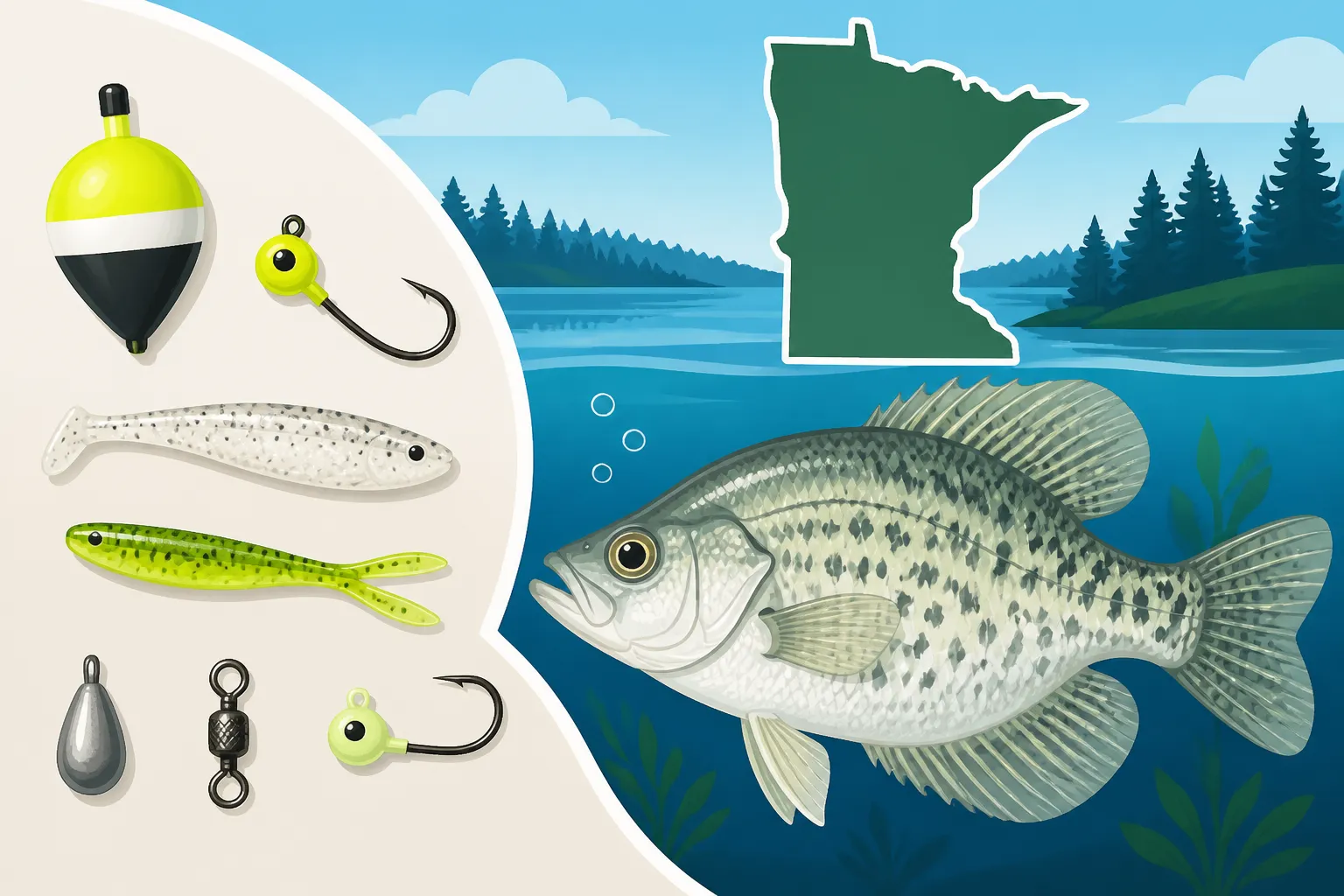
Jigs: Small jigs are the absolute backbone of white crappie fishing.
- Size: You'll primarily be working with 1/64 oz to 1/16 oz jigs. Sometimes, you might go as light as 1/80 oz or as heavy as 1/8 oz, depending on depth, wind, and current. The lighter the jig, the more natural the fall, which can be critical for triggering bites.
- Head Styles:
- Round Head Jigs: Versatile and common, good for various plastics and live baits.
- Mushroom Head Jigs (Ned Rig style): Offer a unique stand-up presentation when paused on the bottom.
- Minnow Head Jigs: Mimic a small baitfish and can be very effective, especially with soft plastics designed to look like shad or shiners.
- Colors: White crappie can be picky, so having a variety of colors is a good idea. Staples include chartreuse, white, black, pink, and glow-in-the-dark options for low-light or stained water conditions.
- Material: Tungsten jigs have become very popular, especially for ice fishing or deeper presentations. They are significantly denser than lead, allowing for a smaller profile at a given weight, which means a faster sink rate and more sensitive feel. You can find more specific options by looking into Best Tungsten Jigs for Panfish.
- Popular soft plastics: Tiny tube jigs (e.g., Johnson Beetle Spin, Bobby Garland tubes), grubs, and small swimbaits are incredibly effective. Carry a variety of shapes and sizes.
-
Live Bait: Sometimes, nothing beats the real thing.
- Crappie Minnows: Small fathead minnows are often irresistible to crappie. Hook them lightly through the lips or dorsal fin.
- Small Leeches: Especially effective in warmer water, offering a natural wiggling action.
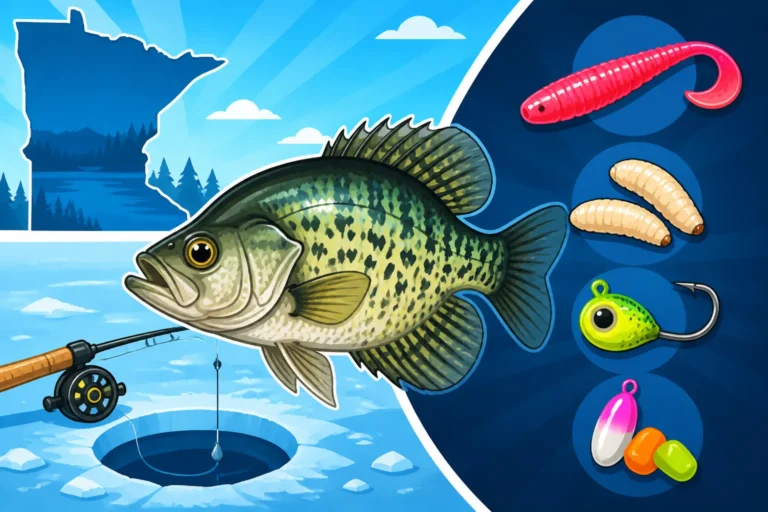
- Waxworms and Maggots: Excellent choices for tipping jigs, particularly during ice fishing or when crappie are finicky.
-
Floats (Bobbers):
- Slip Bobbers: These are invaluable for crappie fishing, especially when you need to fish deeper than your rod length. They allow your line to slide freely through the float, stopping at a predetermined depth set by a bobber stop. This means you can cast a long distance and still fish deep. Learning How to Use a Slip Bobber for Walleye & Crappie is a game-changer.
- Fixed Bobbers: For shallow water fishing (under your rod length), fixed bobbers are simple and effective. They attach directly to your line at a set depth.
-
Sinkers: Small split shot sinkers are used to add weight to your line when using live bait under a bobber, ensuring your bait gets down to the desired depth. Use just enough weight to keep your float upright.
Lure Presentation and Seasonal Considerations
Having the right tackle is only half the battle; knowing how to present it effectively and adjust to the seasons is what truly separates successful anglers from the rest. White crappie are often schooling fish, and once you find them, the right technique can lead to a consistent bite.
Effective Presentation Techniques
White crappie generally prefer a slow, subtle presentation. They're not usually chasing down fast-moving baits.
-
Slow Retrieve with Jigs:
- Cast and Retrieve: For open water, cast your small jig past the structure you want to fish. Let it sink on a semi-slack line, watching for any subtle line twitches (the crappie bite!). Reel it in with a very slow, steady retrieve, adding occasional small twitches of the rod tip. Think of it as barely moving the bait.
- Pause and Drop: This is often the most critical part. Crappie frequently hit on the fall or during a pause. After a few turns of the reel handle, pause and let the jig flutter down. Many strikes will occur at this point.
- Color and Scent: Don't be afraid to experiment with jig colors until you find what the crappie prefer on a given day. Adding scent to your soft plastics, like those from popular brands such as Berkley Gulp! or Fishbites, can sometimes make a significant difference, especially in stained water or during tough bites.
-
Suspending Live Bait Under a Bobber:
- This is a classic and highly effective method, especially with a slip bobber. Adjust your bobber stop so your minnow or leech is suspended just above or in the middle of the structure where crappie are holding.
- Subtle Action: The live bait provides its own action. The goal here is to keep it in the strike zone for as long as possible. A light breeze can add natural movement to your bobber and bait.
- Watch the Bobber: Crappie bites on a bobber are often subtle. It might just dip slightly, move sideways, or slowly sink. Don't wait for it to disappear completely; set the hook on any unusual movement.
-
Vertical Jigging (Boat or Ice):
- When you've located a school of crappie directly below you, vertical jigging is incredibly efficient. This is common when fishing brush piles from a boat with a fish finder or through the ice.
- Slow Lift and Drop: Drop your jig down to the desired depth, often just above the fish you see on your electronics. Then, slowly lift your rod tip a few inches, and let the jig fall back down on a controlled slack line. Again, many bites occur on the fall.
- Electronic Advantage: Using a fish finder or flasher (like a Vexilar or Humminbird) is a huge advantage here, allowing you to see your jig and the fish, and adjust your presentation in real-time. This is especially true for Ice Fishing for Crappie & Panfish.
-
Trolling with Small Lures:
- In larger lakes, slow trolling small crankbaits or jigs tipped with plastics can be effective for covering water and finding schools of crappie. Use a very slow speed, just enough to give your lure some action. This is particularly useful when crappie are suspended over open water or along deep weed lines.
The key to success with any of these methods is to start slow, pay close attention to what the fish are telling you, and be willing to adjust your speed, depth, or retrieve until you crack the code.
Tackle Adjustments for Different Seasons
White crappie behavior changes significantly throughout the year, meaning your tackle and presentation strategies need to adapt accordingly. Understanding these Seasonal Fishing Patterns in Minnesota is crucial for consistent success.
-
Spring (Pre-Spawn and Spawn):
- Location: As ice recedes and water temperatures rise, crappie move into shallow, protected bays, especially those with dark bottoms that absorb heat, and abundant cover like reeds, docks, and submerged brush. Look for depths of 2-8 feet.
- Tackle: Light jigs (1/32 to 1/16 oz) are perfect, often tipped with small crappie minnows or plastic tubes/grubs. A slip bobber setup is highly effective for keeping bait in the strike zone. Sensitivity is key as they can be finicky.
- Presentation: Slow and methodical is best. Cast to cover, let the bait slowly sink, and retrieve with long pauses.
-
Summer:
- Location: Once the spawn is over and water temperatures really climb, crappie often move to deeper, cooler waters. Look for them suspending over main lake basins, relating to deep brush piles, submerged timber, humps, and sometimes even deep weed edges. They might be in 10-30 feet of water or more.
- Tackle: You might need slightly heavier jigs (1/16 to 1/8 oz) to get down to deeper fish, or small, deep-diving crankbaits if trolling. Live bait (minnows, small leeches) under a slip bobber is still a strong choice, but adjust your bobber stop to reach greater depths.
- Presentation: Vertical jigging directly over brush piles or deep structure, often using a fish finder to pinpoint schools, is very effective. Trolling very slowly with small crankbaits can also cover water efficiently. The evening and early morning hours often yield the best bites.
-
Fall:
- Location: As water temperatures cool down, crappie often follow baitfish into shallower areas again, similar to spring, but also relating to deeper structure as the water gets colder. They can be very active as they feed heavily before winter.
- Tackle: Similar to summer or spring, depending on their depth. Jigs tipped with minnows are excellent. Smaller crankbaits can also be very productive for active fish.
- Presentation: Vary your retrieve and depth until you find what they want. They can be aggressive, so don't be afraid to try slightly faster retrieves at times.
-
Winter (Ice Fishing):
- Location: Crappie will typically hold in deep water basins, often suspending over deep holes or relating to specific deep structures like submerged humps, points, or brush piles. They might be anywhere from 15 to 40 feet deep.
- Tackle: This is where tiny tungsten jigs (1/64 to 1/16 oz) truly shine. They get down quickly and offer a small profile. Tip them with a waxworm, maggot, or a small piece of plastic. Small spoons (like a Northland Forage Minnow or Custom Jigs & Spins Demon) can also be effective.
- Presentation: Vertical jigging with subtle lifts and drops is crucial. Deadsticking (leaving a minnow on a plain hook under a bobber in a separate hole) can be incredibly effective for finicky fish. A good flasher or fish finder is almost essential for ice fishing crappie to locate schools and determine their depth. You can learn more detailed tactics in our guide on How to Catch Crappie Through the Ice in Minnesota.
Finding specialized tackle, especially those tiny tungsten jigs or specific soft plastic lures, is easier than ever. While your local bait shop is always a great resource, online retailers like Amazon often have an extensive selection of obscure colors and jig weights that might be hard to find elsewhere.
Disclaimer
Fishing regulations, seasons, and limits can change frequently. Always consult the latest Minnesota Department of Natural Resources (DNR) fishing regulations handbook before heading out on the water. This guide is for informational purposes only and should not replace official DNR guidelines.