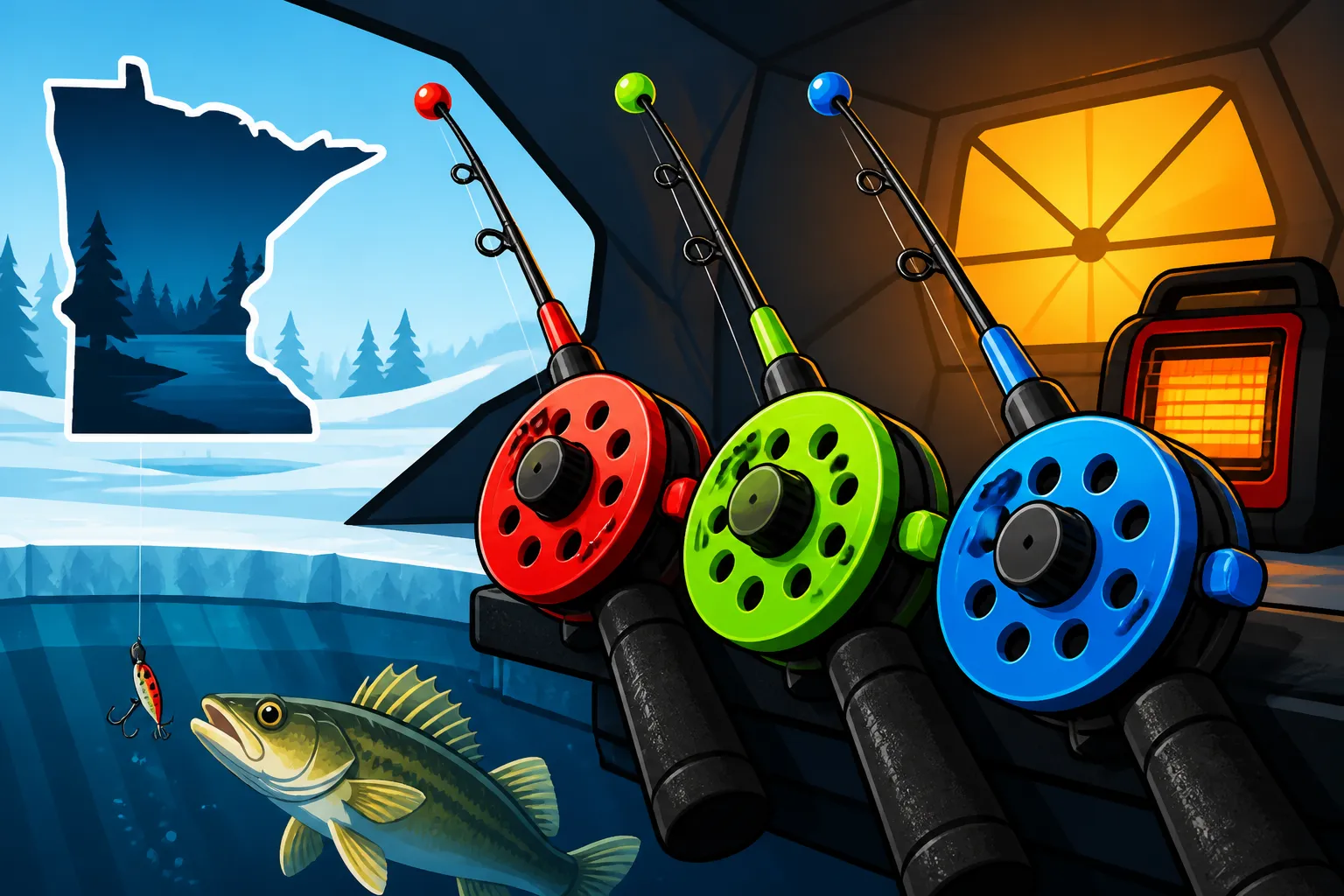
Best Rattle Reels for Ice Houses
There's nothing quite like the anticipation of a bite when you're tucked away in a cozy ice house on a frozen Minnesota lake. But let's be real, you can't stare at every single rod tip all day long, especially if you're juggling multiple lines, tending to the heater, or maybe even enjoying a hot cup of coffee. That's where rattle reels come in, saving countless fish from swimming away unnoticed and turning those subtle nudges into undeniable alarms. This guide is all about helping you understand, choose, and effectively use the best rattle reels for your ice fishing adventures.
What Exactly Are Rattle Reels and Why Anglers Swear By Them?
If you've ever spent time ice fishing in a permanent or portable ice house, you know the struggle: you've got your main hole, maybe a second line nearby, and then what about those other holes further away? Trying to keep an eye on everything can feel like playing whack-a-mole. This is especially true for those of us who run multiple lines (within legal limits, of course!), or when fishing with kids who might not spot those light bites. That's precisely the problem rattle reels solve, and honestly, they've become an indispensable part of my setup.
The Ingenious Simplicity of a Rattle Reel
At its core, a rattle reel is a simple, yet incredibly effective, device designed to alert you when a fish takes your bait. Imagine a small, free-spooling reel mounted to the wall or ceiling of your ice house, connected to a rod holder. When a fish pulls on the line, the reel spins, and a small internal mechanism creates a distinct rattling sound. This noise is your unmistakable signal – a walleye just decided to investigate your jig and minnow, or a hungry panfish is nibbling on your wax worm. It’s a passive but highly effective method that allows you to relax, socialize, or tend to other things without the nagging fear of missing a bite. For many of us, it’s the difference between a slow day and a successful outing.
Why You Can't Afford to Skip Them
Beyond the obvious benefit of audible alerts, rattle reels bring a lot to the table. First, they allow you to cover more water. Instead of actively jigging all your lines, you can set a couple of rattle reels at different depths or with different baits, essentially turning them into high-tech tip-ups inside your shelter. This versatility is a game-changer, especially on larger bodies of water where fish might be scattered or favoring a particular presentation.
Second, they’re incredibly sensitive. Often, a rattle reel will chirp or just barely start to spin on bites that are so light you might completely miss them if you were relying solely on a bobber or rod tip. This sensitivity is particularly crucial when fishing for finicky walleye or subtle panfish in cold water. And let’s not forget the pure convenience factor: no more peering into dimly lit holes, no more guessing if that slight movement was a fish or just your line settling. The rattle tells you. They truly enhance your overall ice fishing experience, making it more relaxing and often more productive. Many anglers will agree that once you start using them, you'll wonder how you ever fished without them. It’s like having an extra pair of eyes and ears on your lines, constantly vigilant.
Different Types of Rattle Reels for Every Ice House Setup
Just like ice houses themselves, rattle reels come in a few different styles, each with its own advantages depending on your setup and fishing preferences. Choosing the right type can really make a difference in how seamlessly they integrate into your space and how effective they are.
Wall-Mounted Rattle Reels
These are perhaps the most common and traditional type you'll encounter. Designed to be screwed directly into the interior wall or ceiling joist of your permanent ice house or hub-style portable, wall-mounted rattle reels offer a secure and semi-permanent solution. They're usually compact, featuring a small plastic or metal spool, a mounting bracket, and the internal rattling mechanism.
The beauty of wall-mounted reels lies in their stability. Once they're installed, they're not going anywhere. This makes them ideal for longer trips or for ice houses where you plan to keep your setup consistent. You can position them strategically to maximize your line coverage without cluttering your floor space. Many models, like those from HT Enterprises or Clam, are designed for easy installation and come with necessary mounting hardware. When buying, consider the material – plastic models are lighter and often more affordable, while metal constructions offer enhanced durability, especially in colder temperatures where plastic can become brittle. I've personally run HT Ice Rigger models in my wheelhouse for years, and they've been incredibly reliable, chattering away at the slightest interest from a fish.
Rod Holder Rattle Reels
For those who prefer a bit more flexibility or who primarily fish from portable flip-over or hub shelters, rod holder rattle reels are an excellent choice. Instead of mounting directly to the wall, these clever devices are designed to attach to your existing rod holders. This means you can quickly deploy them when needed and pack them away just as easily. They typically feature a base that slides into or clamps onto a standard rod holder, positioning the free-spooling reel directly above your fishing line.
The main advantage here is versatility and portability. If you're constantly changing your ice house layout or moving between different shelters, these reels allow you to adapt on the fly. They're also great for those who might not want to drill permanent holes into their ice house walls. Some models even come as integrated units with their own rod holders, simplifying your setup even further. They’re fantastic for targeting specific species like walleye, crappie, or even northern pike, offering a secure spot for your rod while ensuring you don't miss a single bite. These types of reels are often popular among anglers who want to maximize their time on the ice without committing to a permanent fixture.
Inline Rattle Reels
While less common than wall-mounted or rod holder types, inline rattle reels offer a unique solution, particularly for those who might not have a traditional ice house setup or want an even more minimalist approach. These are essentially small, lightweight reels that you can attach directly to your fishing line, often above a bobber stop or a small swivel. They are designed to spin and rattle when the line is pulled, acting as an in-line strike indicator rather than a stationary fixture.
The primary benefit of an inline rattle reel is its incredible portability and adaptability. You can use them with virtually any ice fishing rod and any setup, whether you're fishing in a shelter, out in the open, or even in a temporary windbreak. They don't require any mounting and are incredibly compact. However, they do require a bit more attention to ensure they don't interfere with your main line's action or get tangled during a strong fight. They’re a niche product, but for the right angler, they can be a fantastic tool, especially when you're looking for an ultra-light and sensitive bite detection system.
| Rattle Reel Type | Best For | Mounting Style | Portability | Key Advantage | Common Brands/Examples |
|---|---|---|---|---|---|
| Wall-Mounted | Permanent houses, longer trips | Screwed to wall/ceiling | Low (permanent) | Stability, dedicated setup | HT Ice Rigger, Clam |
| Rod Holder | Portable shelters, flexible setups | Attaches to rod holder | High (removable) | Versatility, no permanent holes | Jaw Jacker, Ice Stopper |
| Inline | Minimalist anglers, open-ice | Directly on fishing line | Very High (on-line) | Ultra-portable, adaptable | Generic, DIY versions |
Crucial Features to Consider When Choosing Your Rattle Reels
Not all rattle reels are created equal, and understanding the key features can help you pick the ones that will serve you best on the frozen lakes of Minnesota. Just like picking out a good rod or reel, a little research goes a long way. You want a product that's going to stand up to the elements and reliably alert you when a fish is on.
Adjustability and Sensitivity
One of the most critical aspects of a good rattle reel is its adjustability and how sensitive it can be. Fish bites aren't always aggressive, especially in frigid water. Sometimes it's just a subtle "tick" or a slow pull. A top-notch rattle reel will allow you to fine-tune its sensitivity to detect even the lightest taps.
Look for models that offer adjustable tension on the spool, often through a simple screw or knob. This lets you dial in how much resistance is needed before the reel starts to spin and rattle. For panfish or light-biting walleye, you'll want it incredibly sensitive, almost to the point where a strong gust of wind could set it off (though you'll learn to distinguish!). For larger fish like northern pike, you might want a bit more resistance to prevent false alarms. Some advanced models might even have adjustable rattle mechanisms, allowing you to control the volume or type of sound. This level of control means you're not just getting an alarm, you're getting a nuanced indicator that can tell you a lot about what's happening beneath the ice. A reliable rattle reel from brands like Frabill often offers excellent adjustability, helping you target various species.
Durability and Construction Materials
Ice fishing is tough on gear. You're dealing with extreme cold, moisture, and sometimes rough handling. Therefore, the durability of your rattle reel is paramount. You don't want a flimsy piece of plastic that cracks after a single season or jams up in sub-zero temperatures.
High-quality rattle reels are typically constructed from robust plastics, treated aluminum, or stainless steel components. Consider the spool material: a smooth, durable plastic or aluminum spool will hold up better and ensure your line flows freely without snags or kinks. The mounting bracket (for wall-mounted models) should be sturdy, capable of holding up to the pull of a larger fish and repeated use. Even the internal rattling mechanism should be made of corrosion-resistant materials to prevent issues from moisture ingress. A good rattle reel, like those found at Bass Pro Shops, will often highlight its robust construction, promising years of reliable service in harsh conditions. Investing a little more upfront for better materials can save you a lot of frustration and replacement costs down the line.
Line Capacity and Compatibility
While rattle reels aren't designed for fighting fish directly (you still grab your rod for that!), line capacity is still a factor to consider, especially if you're fishing in deeper water or targeting larger species. A reel with ample line capacity means you can spool it up with enough line to reach the bottom in most Minnesota lakes, and still have enough reserve for a good fight.
Most rattle reels are designed to accommodate common monofilament or fluorocarbon ice fishing lines in the 4-10 pound test range, but always check the manufacturer's recommendations. Think about the diameter of your preferred line; some smaller spools might struggle with heavier, thicker lines. Also, consider how easily you can spool and unspool line. Some designs make this a breeze, while others can be a bit fiddly, especially with cold fingers. While often overlooked, compatibility with your chosen line type and the typical depths you fish is crucial for smooth operation and preventing frustrating line management issues when you're out on the ice.
Setting Up and Using Rattle Reels Effectively in Your Ice House
Getting your rattle reels installed and working properly isn't rocket science, but there are definitely some tips and tricks that will help you maximize their effectiveness and avoid common pitfalls. A well-placed and properly baited rattle reel can be the difference between an empty pail and a full one.
Optimal Placement and Mounting
The first step is deciding where to put these handy gadgets. For wall-mounted rattle reels, strategic placement is key. Think about where your fishing holes are. You want the reel positioned so that your line drops straight down the hole or at a slight, unobstructed angle. Avoid placing them directly above heaters or in high-traffic areas where they might get bumped.
Consider the layout of your ice house. In a typical permanent house, I usually mount one near the front door for easy access and a couple more along the sidewalls, ensuring they're evenly spaced across different holes. If you're running multiple holes, make sure there's enough room for your rod to sit comfortably below the reel and for you to grab it quickly when the rattle sounds. For portable shelters using rod holder rattle reels, the placement is more fluid. You can attach them to any available rod holder, but again, prioritize an unobstructed path to the hole and quick access. Make sure the mounting screws (for permanent installs) are secure and that the reels are level. Nothing's more annoying than a reel that's slightly off-kilter and binds up.
Choosing the Right Bait and Presentation
What you put on the end of your line below a rattle reel is just as important as the reel itself. While active jigging often benefits from aggressive presentations, rattle reels are typically best suited for more passive deadsticking techniques. Live bait is often the king here.
For walleye, a lively fathead or shiner minnow on a plain hook or a small jig (like a Northland Tackle Fire-Ball Jig) is a classic choice. Hook the minnow lightly through the back or lips to keep it active. For crappie and other panfish, a small jig tipped with a wax worm, a couple of maggots, or even a small crappie minnow can be deadly. Often, a tiny glow jig or a bare hook with a small split shot is all you need. The idea is to present the bait naturally, letting the fish find it. Adjust your depth to match where the fish are holding – often just off the bottom for walleye, or suspended in the water column for crappie. You can find excellent live bait at local bait shops across Minnesota, or even order some specialized baits online from retailers like Amazon if you plan ahead. Remember, the rattle reel is the alarm, but the bait is the invitation! Knowing your local lake's prime forage can also inform your bait choice; a quick check on What Do Walleye Eat? (Forage in MN Lakes) might give you some ideas.
Line Management and Rod Selection
Even though the rattle reel is doing the hard work of detection, your choice of fishing line and rod are still critical for a successful hookset and fight. For most rattle reel setups, a sensitive, moderate-action ice fishing rod around 24-30 inches is ideal. This length allows for good leverage inside the shelter without hitting the ceiling and offers enough flex to absorb headshakes.
As for line, a good quality monofilament or fluorocarbon in 4-8 pound test is generally recommended. The stretch in mono can be forgiving on light bites, while fluorocarbon offers excellent sensitivity and invisibility underwater. Avoid braid directly on the rattle reel spool, as it can sometimes dig into itself or cause issues with the rattling mechanism. If you prefer braid for your main line, use a fluorocarbon leader. When spooling your rattle reel, don't overfill it. Leave a small gap from the edge of the spool to prevent line from jumping off. After setting your bait, let the line down carefully, ensuring it flows smoothly from the reel. When a fish hits and the reel rattles, quickly grab your rod, take up any slack, and set the hook. This quick reaction is vital to turning a rattle into a caught fish. Consider reading Best Ice Fishing Rods for Walleye & Panfish for more in-depth advice on rod selection.
Top Rattle Reel Brands and Popular Models
When it comes to outfitting your ice house with rattle reels, several brands have earned a solid reputation among Minnesota anglers for their reliability and performance. Knowing these names can help you navigate the options available and choose gear that won't let you down.
HT Enterprises
HT Enterprises is practically a household name in the ice fishing world, and for good reason. They consistently produce reliable, affordable, and effective ice fishing gear, and their rattle reels are no exception. Their "Ice Rigger" series is incredibly popular, known for its straightforward design and robust construction.
The HT Ice Rigger models are typically wall-mounted, featuring a durable plastic spool and a simple, yet highly effective, clicker mechanism that creates a clear, audible rattle when a fish pulls line. They are easy to install, often coming with mounting screws, and many anglers appreciate their no-frills, get-the-job-done attitude. They offer good sensitivity for detecting various bites and are built to withstand the rigors of cold weather. You'll find these at almost any sporting goods store in Minnesota, from smaller local bait shops to larger retailers. They're a fantastic entry-level or budget-friendly option that performs well above its price point, making them a staple for many ice anglers. They are particularly great for a simple and effective setup in a permanent ice house or a larger hub shelter.
Clam Outdoors
Clam Outdoors is another giant in the ice fishing industry, renowned for its innovative shelters and a wide range of accessories. Their rattle reels often incorporate thoughtful designs aimed at improving the angler's experience. Clam offers various models, from basic wall mounts to more integrated systems.
Clam's rattle reels often feature slightly more refined designs than some of the more basic options, with smoother spools and sometimes more adjustable tension systems. They prioritize ease of use and durability, making them a favorite among anglers who value quality gear. Whether you're setting up a portable Clam Hub or a larger flip-over, their rattle reels are designed to complement your setup. Their products are widely available and can often be found at major retailers like Bass Pro Shops or even online through platforms like Amazon. If you're looking to match your rattle reels with other Clam gear, their offerings provide a consistent quality and aesthetic that many anglers appreciate.
Jaw Jacker and Automatic Hooksetters
While not strictly "rattle reels" in the traditional sense, devices like the Jaw Jacker have gained immense popularity for their ability to not only alert you to a bite but also to set the hook automatically. These units combine a rod holder with a spring-loaded mechanism. When a fish pulls the line, it trips a trigger, and the rod snaps up, setting the hook. Many Jaw Jacker setups also incorporate a bell or a rattle, giving you both an audible alert and an automatic hookset.
These automatic hooksetters are fantastic for targeting larger fish like walleye or northern pike, especially when fishing multiple lines or for anglers who prefer a more "hands-off" approach to certain holes. They require a bit more setup and adjustment than a simple rattle reel to ensure proper tension and sensitivity, but once dialed in, they are incredibly effective. You can find these at most major fishing retailers. While they might be a step up in price and complexity from a basic rattle reel, the added benefit of an automatic hookset can dramatically increase your catch rate, particularly during slower bites or when you're distracted. Many anglers consider them an essential piece of their Best Ice Fishing Gear for Minnesota (2027 Guide).
Rattle Reels Versus Other Ice Fishing Strike Indicators
In the world of ice fishing, getting that critical heads-up when a fish is interested in your bait is paramount. Rattle reels are just one tool in an angler's arsenal, but how do they stack up against other popular strike indicators? Understanding the pros and cons of each can help you tailor your setup to your specific fishing style and target species.
Rattle Reels vs. Tip-Ups
Ah, the classic tip-up! For generations, Minnesotans have relied on these simple devices to spread out their lines and cover a large area. A tip-up typically consists of a spool submerged under the ice and a flag that "tips up" when a fish takes the bait and pulls line. They are incredibly effective for targeting cruising fish like walleye and northern pike across a wide expanse of ice.
The main difference between rattle reels and tip-ups lies in their operating environment. Tip-ups are designed for outside the ice house, allowing you to monitor multiple lines spread far apart. They are robust, handle large fish well, and the visual flag is unmistakable. However, they require you to leave the warmth of your shelter to check them and retrieve your catch. Rattle reels, on the other hand, operate inside your ice house, keeping you warm and comfortable. Their audible alarm is perfect for close-quarter monitoring, and they're generally more sensitive to lighter bites than many traditional tip-ups. You wouldn't typically use a rattle reel on a hole 50 yards away, and you wouldn't use a tip-up in your heated shack. They serve different, yet complementary, purposes. For a comprehensive look at how many lines you can legally use, check out How Many Lines Can You Use Ice Fishing in Minnesota?.
Rattle Reels vs. Electronic Alarms
With advancements in technology, electronic bite alarms have also made their way into the ice fishing scene. These typically consist of a small device that clips onto your rod tip or line, emitting a beep or light flash when movement is detected. Some are incredibly sophisticated, with adjustable sensitivity and even wireless receivers that you can keep in your pocket.
Electronic alarms can be highly sensitive and versatile. They offer silent visual alerts or loud audible ones, often with different tones for different types of bites. They're particularly useful for solo anglers who need to be alerted quickly or for those who prefer to keep their ice house quiet. However, they rely on batteries, which can die in extreme cold, and can sometimes be more prone to false alarms from wind or current if not properly adjusted. Rattle reels, being purely mechanical, never run out of batteries. They offer a simple, reliable, and consistent audible signal without the need for power. While electronic alarms provide high-tech solutions, rattle reels remain a low-tech, high-dependability option that often outperforms electronics in reliability, especially when fishing for species like crappie or walleye through the ice.
Rattle Reels vs. Bobbers and Bare Rod Tips
The most basic forms of strike indication are watching a bobber or simply observing your rod tip for movement. These methods are tried and true, and certainly effective, especially when actively jigging or holding your rod. Many anglers still prefer the visual feedback of a bobber, watching it dip, dance, or disappear.
However, when you're multitasking, relaxing, or fishing in low light conditions (which is often the case in a dark house spearing setup or during evening walleye bites), relying solely on a bobber or rod tip can lead to missed fish. A subtle bite might only cause a bobber to twitch slightly, or a rod tip to barely flex. Here, rattle reels shine. Their audible alarm means you don't need to be constantly staring at your line. You can be cooking brats, playing cards, or watching the game on a portable TV, and still know instantly when a fish strikes. For those engaged in Dark House Spearing in Minnesota: Rules & License, a rattle reel on a deadstick can provide a crucial audible alert while your attention is focused on the spearing hole. Rattle reels add a layer of passive vigilance that traditional visual indicators simply can't match when your attention is divided.
Maintenance and Troubleshooting Your Rattle Reels
Even the most robust ice fishing gear needs a little love to keep it performing season after season. Rattle reels are no exception. A bit of routine maintenance and knowing how to troubleshoot common issues will ensure your bite alarms are always ready for action.
Routine Cleaning and Storage
After a long season of braving the elements, your rattle reels will undoubtedly accumulate some grime. Dust, bait residue, moisture, and even fish slime can build up and affect their performance. Before storing them away for the off-season, give them a good cleaning.
Start by removing any fishing line you plan to replace. Then, wipe down the entire reel with a damp cloth to remove surface dirt. For stickier residues, a mild soap solution can work wonders. Pay close attention to the rattling mechanism itself. Often, these are simple metal tabs or balls that click against a gear. Ensure there's no debris interfering with their movement. A small puff of compressed air can clear out dust from tight spots. Once clean, make sure the reels are completely dry before storing them. Any residual moisture can lead to corrosion or mildew. Store them in a dry place, preferably in a tackle box or bin, away from extreme temperature fluctuations. This simple routine will extend the life of your reels and ensure they’re in top working order when the ice comes back next winter.
Addressing Common Issues
Despite their simple design, rattle reels can occasionally present minor issues. Knowing how to quickly address them can save you a trip back to shore or a frustrating day of missed bites.
One common problem is the reel not rattling or rattling inconsistently. This is often due to debris in the mechanism or a build-up of ice. If it's icy, try gently tapping the reel to dislodge the ice, or carefully use a small amount of warm water (if conditions allow) to melt it, ensuring it dries completely afterward. If it's debris, a quick clean with compressed air or a small brush can often fix it. Another issue can be line binding or tangling. This usually occurs if the reel is overfilled with line, or if the line has become twisted. Re-spooling with proper tension and not exceeding the reel's capacity can prevent this. Sometimes, the mounting hardware can loosen, causing the reel to wobble or not sit level. A simple tightening of screws is usually all it takes. Always carry a small multi-tool in your ice fishing kit for these minor adjustments. For deeper issues, a quick stop at a local bait shop or a glance at online forums (or even contacting the manufacturer like Clam or HT Enterprises directly) can provide solutions. Being prepared for these small hiccups means more time fishing and less time troubleshooting on the ice.
Upgrading and Customization
While many rattle reels are designed to be simple and functional, there's always room for a bit of customization or upgrading to better suit your needs. Maybe you want a louder rattle, or a smoother spool.
Some anglers like to add a small drop of a non-freezing lubricant (like silicone spray) to the spool's axle for an even smoother spin, which can increase sensitivity for those ultra-light bites. Just be careful not to overdo it, as too much lubricant can attract dirt. Others might swap out standard line guides for ceramic ones to reduce friction and improve line flow. For those who find the standard rattle a bit too subtle, a small craft bell tied lightly to the rod tip can act as a secondary, louder alarm – a classic trick. If you're handy, you might even consider customizing the mounting bracket to fit a unique spot in your ice house or adding reflective tape to the reel for better visibility in low light. While most off-the-shelf rattle reels work perfectly, these small tweaks can really personalize your setup and enhance your overall ice fishing experience, making those cold days on the ice even more enjoyable.
Disclaimer
The information provided in this guide is for general informational purposes only and is not intended as professional advice. Fishing regulations, gear specifications, and product availability can change. Always consult the most current Minnesota Department of Natural Resources (DNR) regulations before fishing and follow all safety guidelines. Always prioritize safety on the ice.