Minnesota Possession Limits Explained
One of the most frustrating things as an angler in Minnesota is finishing a fantastic day on the water, only to realize you're not entirely sure how many fish you're legally allowed to have back at camp or in your freezer. It’s a common worry, and the rules around "possession limits" can feel like a confusing maze of numbers and exceptions. This guide is designed to cut through that confusion, explaining Minnesota’s possession limits in plain language so you can focus on fishing, not fret over the regulations.
Understanding Minnesota's Fishing Possession Limits: Why They Matter
Navigating the world of fishing regulations can sometimes feel like trying to solve a complicated puzzle, especially when it comes to understanding how many fish you can actually keep. It's not just about the thrill of the catch; it's also about being a responsible steward of our precious aquatic resources. Minnesota’s possession limits are a cornerstone of fisheries management, designed to ensure healthy fish populations for generations to come. Ignoring these limits, even unintentionally, can lead to stiff penalties and, more importantly, can harm the very fisheries we love.
The Difference Between Daily Bag and Possession Limits
Many anglers, especially those new to Minnesota, often mix up or confuse "daily bag limit" with "possession limit." It's an easy mistake to make, but understanding the distinction is absolutely crucial.
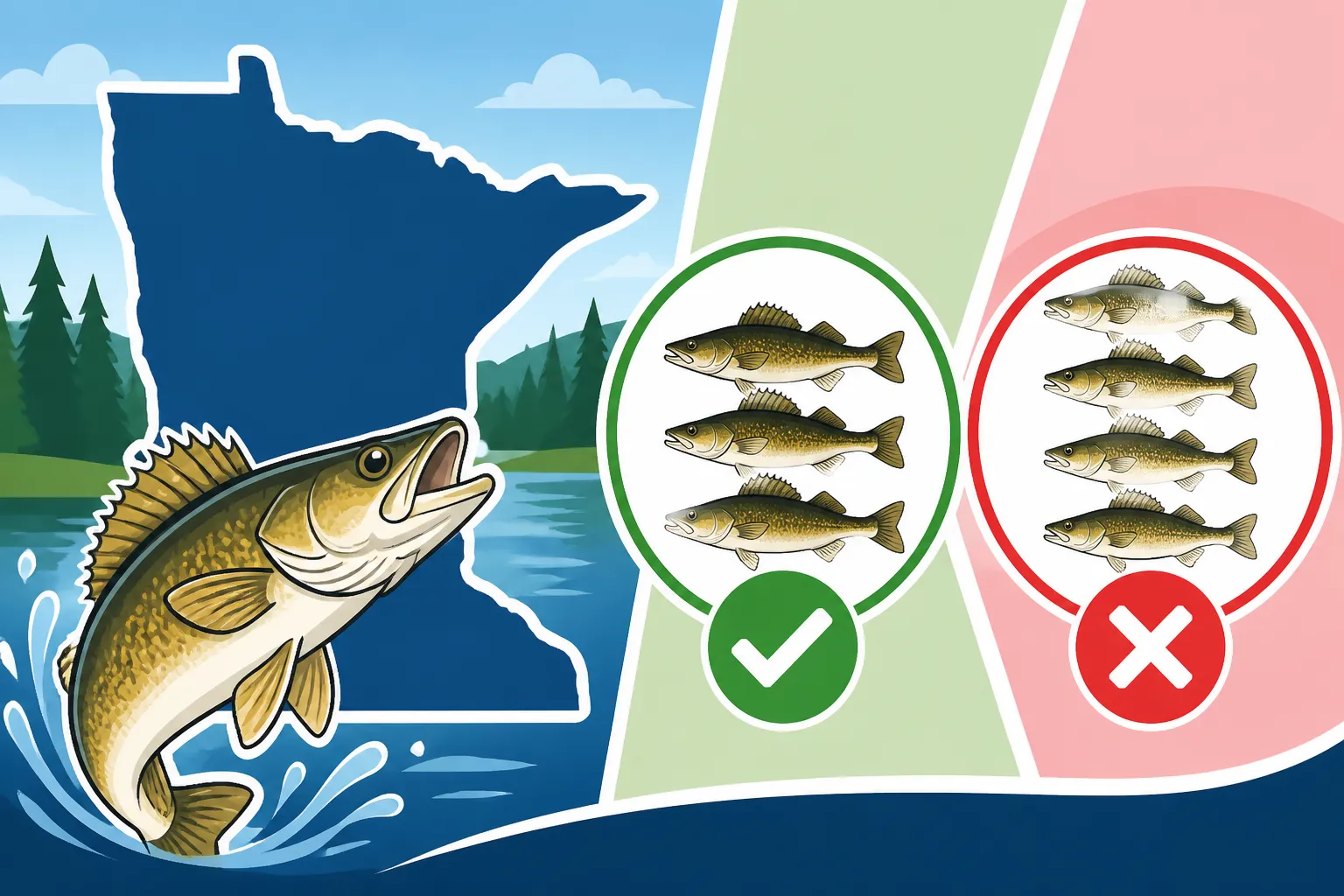
The daily bag limit refers to the maximum number of fish of a certain species that you can legally take from a specific body of water in one calendar day, from midnight to midnight. Think of it as what you can legally catch and keep within a 24-hour period. For example, if the walleye daily bag limit is four, you can only keep four walleye from that lake on that particular day. Once you've reached that limit, any additional walleye you catch must be immediately released back into the water. This limit is often tailored to specific lakes or regions based on the health of the fish population there. For comprehensive details on daily limits for various species, you might want to check out our guide on Minnesota Fishing Limits: Bag & Possession (2026).
The possession limit, on the other hand, refers to the total number of fish of a particular species that you can have in your possession at any given time, regardless of when or where they were caught. This includes fish in your livewell, in your cooler, at your cabin, in your vehicle, or even in your freezer at home. It’s the grand total of fish you've kept over multiple fishing trips or days. This is where many anglers get tripped up, especially during a longer fishing vacation where they might fish for several days and accumulate a decent cooler full of fillets. The possession limit is almost always higher than the daily bag limit, allowing you to build up a reasonable amount of fish over time, but it's not unlimited.
The DNR's Role in Setting Limits (and Why They Change)
The Minnesota Department of Natural Resources (DNR) is the agency responsible for setting all fishing regulations, including both daily bag and possession limits. This isn't just a random number-picking exercise; it's a highly scientific and complex process. DNR fisheries biologists conduct extensive research, collecting data on fish populations, spawning success, growth rates, angler harvest rates, and the overall health of aquatic ecosystems.
These limits are dynamic and can change from year to year, or even within a year, for a very good reason: to protect and enhance the fishery. If a particular lake's walleye population is struggling, for example, the DNR might reduce the daily bag limit or implement a slot limit to allow more fish to reach maturity and spawn. Conversely, if a panfish population like sunfish or crappie becomes overpopulated and stunted, limits might be liberalized to encourage harvest and improve the overall size structure of the remaining fish. These changes are vital, even if they sometimes feel like a moving target for us anglers. Staying informed about Minnesota Fishing Regulations Changes for 2026 is always a good idea, as regulations can vary significantly from one body of water to another.
General Possession Limit Rules in Minnesota
Understanding the specific numbers for each species is important, but there are some overarching rules that apply to possession limits across the board in Minnesota. These general guidelines are what often dictate how you plan your multi-day fishing trips and how you store your catch. It’s not just about what’s in your cooler right now, but what you’ve accumulated over time.
The 3x Daily Bag Limit Rule (and its Exceptions)
The most common general rule for possession limits in Minnesota is that the possession limit is three times the daily bag limit for that specific species and waterbody, unless otherwise specified. This means if a lake has a daily bag limit of four walleye, you can possess up to twelve walleye that you've caught from that lake over multiple days. This rule provides flexibility for anglers on extended trips, allowing them to accumulate a reasonable amount of fish without constantly having to drive home to drop off their catch.
However, and this is a big however, this "3x rule" is a general guideline and there are many, many exceptions. Specific lakes or bodies of water often have special regulations that supersede this general rule. For instance, a popular lake might have a stricter possession limit for walleye or bass to protect its trophy potential, or a unique panfish limit due to specific management goals. Always, always consult the most current Minnesota Fishing Regulations booklet or the DNR website for the specific lake or river you are fishing. It's the only way to be absolutely certain. This is particularly true for highly managed fisheries like those found on Mille Lacs Walleye Regulations (2026) or the unique challenges of Border Water Fishing Rules (Minnesota-Ontario, Wisconsin).
How Possession Limits Apply to Transportation and Storage
The possession limit applies to all fish that are in your custody, regardless of their form. This includes:
- Whole fish: Whether they're in your livewell, cooler, or strung up at the dock.
- Filleted fish: This is where it gets interesting. When you fillet fish, the DNR requires that a "fish identification patch" or "skin patch" of at least one square inch, with skin and scales intact, remains on each fillet. This patch must be large enough to allow for easy identification of the species and, if applicable, the measurement of the fish's length. This is crucial for conservation officers to verify that you are in compliance with length limits and species identification. If you've got a cooler full of fillets, each one needs this patch.
- Frozen fish: If you freeze your catch, the possession limit still applies. This means that the total number of fish (or fillets with patches) you have in your freezer, combined with any other fish you might have elsewhere, cannot exceed the possession limit for that species.
- Fish at your cabin or resort: The fish you've stored at your lodging also count towards your possession limit. If you're staying at a resort for a week, all the fish you've caught and kept during that week, whether in the fridge or freezer, contribute to your total.
When transporting fish, they must be readily identifiable. This means those skin patches on fillets are critical. It's not enough to say, "Oh, those are walleye fillets." They need the patch so an officer can verify. Transporting more than the legal possession limit is a violation, even if you caught them legally over several days and are simply on your way home. Your possession limit applies to your journey. For more detailed information on safely transporting your catch, particularly to avoid spreading aquatic invasive species, check out our guide on How to Decontaminate Your Boat (AIS).
Specific Species Possession Limits (Key Minnesota Fish)
While the general 3x rule is a good starting point, many of Minnesota's most popular species have specific, often stricter, possession limits that differ from the general guideline. These species-specific rules are vital for maintaining healthy populations and providing quality fishing experiences across the state.
Walleye, Northern Pike, and Bass Limits
These are some of Minnesota's most sought-after game fish, and their limits are often subject to specific management strategies:
- Walleye: While many lakes follow the 3x daily bag limit, walleye often have special regulations, including reduced daily limits, slot limits, or even catch-and-release periods on certain waters. For instance, a lake might have a daily bag of four, but only one over 20 inches, and the possession limit might still be four or six, not twelve. Specific lakes like Mille Lacs, Upper Red Lake, and Leech Lake almost always have unique walleye regulations that change frequently. Always consult the specific lake regulations. For instance, the regulations on Mille Lacs Walleye Regulations (2026) are a prime example of how nuanced these limits can be. When considering how many walleye you can keep, remember that the What Is the Walleye Possession Limit in Minnesota? can vary wildly by waterbody.
- Northern Pike: Northern pike regulations are often managed by zones (Northern, North-Central, and Southern), each with different daily and possession limits to address varying population dynamics. The possession limit for pike can range from 3 in the Northern zone (with only one over 30 inches) to 10 in the Southern zone (with no more than two over 24 inches). These zone regulations can be confusing, so knowing your fishing zone is critical. Our article on Minnesota Northern Pike Limits by Zone can help clarify these.
- Bass (Largemouth & Smallmouth): Most waters typically have a combined daily bag limit of six bass (largemouth and smallmouth combined), with a possession limit often set at six as well, not three times the daily. However, there are numerous exceptions, especially for smallmouth bass on trophy waters like Mille Lacs, where catch-and-release is often encouraged or mandated for a portion of the season. Always verify the specific lake you're targeting. Detailed information can be found in our comprehensive guide on Smallmouth Bass Season & Limit in Minnesota.
Here's a simplified table comparing typical daily and possession limits for these popular species, though always verify current regulations for your specific waterbody:
| Species | Typical Daily Bag Limit | Common Possession Limit | Notes |
|---|---|---|---|
| Walleye | 4 | 6 – 12 | Highly variable by lake; often includes slot limits. |
| Northern Pike | 3 – 10 (by zone) | 3 – 10 (by zone) | Strict size restrictions within each zone. |
| Largemouth Bass | 6 | 6 | Often catch-and-release only for portions of the season. |
| Smallmouth Bass | 6 | 6 | Very common to have specific trophy lake regulations. |
| Crappie (Black/White) | 10 (often reduced) | 10 (often reduced) | Many lakes have special "reduced" limits due to pressure. |
| Sunfish (Bluegill, Pumpkinseed) | 20 (often reduced) | 20 (often reduced) | Similar to crappie, many lakes have special reduced limits. |
Panfish: Crappie and Sunfish Limits
Panfish like crappie, sunfish (bluegill, pumpkinseed, green sunfish), and perch are often targeted by families and anglers looking for consistent action and good eating. However, these species can be highly susceptible to overharvest, leading to stunted populations where most fish are small. Because of this, the DNR has implemented reduced possession limits on many lakes to spread the harvest among more anglers and improve the size structure of the fish.
- Crappie (Black and White): While the statewide daily bag limit is typically 10, many lakes have reduced daily and possession limits, sometimes as low as 5 or even 3 per day. It’s imperative to check the specific regulations for the lake you plan to fish. You don't want to be caught with too many tasty crappies in your bucket! Our article on Minnesota Crappie & Sunfish Limits elaborates on this.
- Sunfish (Bluegill, Pumpkinseed, etc.): Similarly, the statewide daily bag limit for sunfish is usually 20, but a significant number of lakes have reduced limits, often down to 10 or even 5. These reduced limits are a direct response to angler pressure and the desire to grow bigger, healthier panfish. Always verify What Is the Sunfish Limit on My Lake? before heading out.
Lake Trout, Stream Trout, and Sturgeon Limits
These species often represent unique fishing opportunities and, as such, typically have very specific and often more restrictive possession limits compared to more common game fish.
- Lake Trout: Lake trout are found in deeper, colder lakes, particularly in northeastern Minnesota and the Boundary Waters Canoe Area Wilderness (BWCA). Daily and possession limits are usually very low, often 2 or 3, with specific size restrictions. These fish grow slowly and are sensitive to harvest. Be sure to understand the specific rules for the lake you're fishing in the BWCA, as they can vary greatly from other parts of the state. For adventures in the wilderness, our Boundary Waters (BWCA) Fishing Guide provides more context.
- Stream Trout (Brook, Brown, Rainbow): Trout fishing in Minnesota's designated trout streams, especially in the Driftless Area of southeastern Minnesota, is a special experience. Limits are typically low (often 5 per day, with only one over 16 inches for brown trout), and the possession limit usually mirrors the daily limit, or is only slightly higher. Additionally, a Do You Need a Trout Stamp in Minnesota? is required to fish for trout in designated trout waters, adding another layer of regulation. Our guide on Minnesota Trout Season Dates & Streams is a great resource.
- Lake Sturgeon: Lake sturgeon are a conservation success story in Minnesota, with healthy populations now in waters like the Rainy River. These ancient fish have very restrictive regulations due to their long lifespan and slow reproductive rates. Anglers need a specific sturgeon tag in addition to their fishing license, and the season is often catch-and-release only, with very specific harvest seasons and strict size windows if harvest is allowed. The possession limit for sturgeon is almost always one per season, and even then, often only within a specific length slot. Our dedicated piece on Lake Sturgeon Regulations & Tag in Minnesota has all the details.
Common Confusion and Scenarios
Even with the basic rules down, real-world fishing scenarios can throw a wrench into things. It's in these moments that anglers often find themselves scratching their heads, wondering if they're still within the bounds of the law. Let's tackle some of the trickiest situations.
Mixed Bags and Multiple Lake Trips
This is a scenario that trips up many anglers, especially those on a multi-day vacation in an area with numerous lakes. Imagine you spend Monday fishing for walleye on Lake A, which has a daily and possession limit of four. You keep four. On Tuesday, you decide to try Lake B, which has a daily and possession limit of six walleye. If you catch two more walleye on Lake B, you now have six walleye in total. Is this legal?
The answer depends on the specific wording of the regulations and how the DNR defines "possession." Generally, your possession limit is tied to the most restrictive regulation of the waters you've fished or intend to fish, or the statewide general regulation if no special rules apply. If you have fish from Lake A with a four-walleye possession limit, and fish from Lake B with a six-walleye possession limit, your overall possession limit for walleye cannot exceed the lowest limit of any lake from which you currently possess fish.
This means you cannot "stack" limits from different lakes. Your total possession of a species must comply with the limit of any lake that contributed to your catch. To avoid issues, it’s best to keep your catch from different lakes clearly separated and labeled, noting the lake and date caught. This also helps with the identification patch requirement when filleting.
Another common issue arises with "mixed bags" of species. For example, if you catch walleye and northern pike, their respective possession limits apply independently. You can possess your limit of walleye and your limit of northern pike, as long as you haven't exceeded either species' individual limit. The concern primarily arises when you have different limits for the same species from different bodies of water.
Possession Limits for Anglers in the Same Household/Group
This is another area ripe for confusion, particularly for families or groups sharing a cabin or cooler. The general rule is that each licensed angler has their own individual daily bag and possession limit. This means if two licensed adults are fishing together, and the walleye possession limit is six per person, they can collectively possess twelve walleye.
However, once fish are commingled in a single cooler or container, especially if filleted without individual identification, it can become difficult to determine who caught what. This is where the DNR emphasizes the importance of keeping individual catches separate until they are transported to a place of permanent storage (like a home freezer) or consumed.
Here are some best practices for groups:
- Individual Stringers/Livewells: While fishing, keep each angler’s catch separate on individual stringers or in separate livewell compartments.
- Separate Coolers/Bags: When transporting, try to use separate coolers or clearly designated bags for each licensed angler’s fish.
- Labeling: If combining fish, ensure each individual's catch is clearly marked with their name, license number, species, date caught, and the body of water. This is especially critical for fillets with the skin patch.
- Shared Possession at Camp: At a cabin or resort, as long as the total number of fish in the shared freezer or fridge does not exceed the combined legal possession limits of all licensed anglers present, you are usually fine. The problem arises when one person leaves, and their portion of the catch is still at the cabin, potentially putting the remaining anglers over their individual possession limit. It's a tricky situation that requires clear communication within the group.
Essentially, the rule of thumb is: if a conservation officer asks, you should be able to clearly demonstrate that no individual angler has exceeded their personal possession limit.
Ensuring Compliance and Avoiding Penalties
Fishing in Minnesota is a privilege, and with that comes the responsibility of understanding and adhering to the regulations. Nobody wants to face a fine or, worse, lose their fishing privileges because of a simple misunderstanding. Being proactive and informed is your best defense against inadvertently breaking the rules.
Best Practices for Tracking Your Catch
Keeping track of your catch, especially on multi-day trips or when fishing different lakes, is paramount. This isn't just about obeying the law; it's also about being a good conservationist and knowing what you're harvesting.
- Consult the Regulations: Before you even leave home, check the current Minnesota Fishing Regulations for the specific lakes you plan to fish. Pay close attention to any special regulations for walleye, northern pike, bass, crappie, and sunfish, as these are the most likely to have lake-specific rules. The DNR updates these annually, and sometimes even mid-season.
- Use a Catch Log: Carry a small notebook or use a fishing app to log your kept fish. Record the date, lake name, species, and length of each fish you keep. This log acts as a personal record and can be invaluable if you ever need to clarify your catch with a conservation officer.
- Fillet Smart: When filleting, ensure that the required skin patch remains on each fillet. This patch must be at least one square inch and clearly identifiable to species. If you’re not sure how to do it correctly, practice with less regulated species first or look up online tutorials specific to Minnesota DNR requirements. Remember, simply having "fillets" without this patch can be a violation in itself.
- Separate and Label: As mentioned earlier, if you're fishing with a group, try to keep your catch separate. If commingling is unavoidable, label bags or containers with each angler's name and the details of their catch (species, date, lake, number of fish). This can save a lot of headaches.
- Know Your Limits, Even at Home: Your possession limit applies to all fish in your custody, including those in your home freezer. Don't over-accumulate. If you're consistently bumping up against your possession limit, it might be time to host a fish fry! Our guide on Minnesota Possession Limits Explained details these nuances.
Consequences of Exceeding Possession Limits
The Minnesota DNR takes over-limits very seriously. Exceeding possession limits, whether intentionally or accidentally, can lead to a range of penalties that can put a serious damper on your fishing season.
- Fines: The most common consequence is a monetary fine. These fines can vary depending on the species, the number of fish over the limit, and the specific circumstances. Expect fines to be hundreds of dollars, not tens, especially for popular game fish like walleye.
- Confiscation of Catch: Any fish found to be over the legal possession limit will almost certainly be confiscated by the conservation officer.
- Loss of Fishing Gear: In more severe cases, or for repeat offenders, your fishing equipment (rods, reels, even your boat or vehicle if used in the commission of a serious offense) can be confiscated.
- Suspension of Fishing Privileges: One of the most impactful consequences can be the suspension of your Minnesota fishing license, sometimes for multiple years. This means you won't be able to legally fish in the state at all. Our article What Happens If You Fish Without a License in Minnesota? can give you an idea of the seriousness of license-related violations.
- Criminal Charges: For egregious violations, especially those involving commercial poaching or significant over-limits, criminal charges can be filed, potentially leading to jail time.
It's clear that the risks far outweigh any perceived benefit of keeping a few extra fish. The DNR's goal isn't to punish anglers, but to protect the resource. By taking the time to understand and follow the rules, you're not just staying out of trouble; you're contributing to the health and abundance of Minnesota's incredible fisheries for everyone to enjoy. So, grab your Best Walleye Rod for Jigging, head out, and fish smart!
Disclaimer
Please remember that fishing regulations, including possession limits, are subject to change. While this guide aims to provide accurate and up-to-date information, it is not a substitute for the official Minnesota Department of Natural Resources (DNR) Fishing Regulations. Always consult the most current official DNR regulations booklet or website before heading out on the water.