Best Ice Fishing on Mille Lacs Lake
Mille Lacs Lake in winter is a whole different beast, an immense frozen expanse that can feel overwhelming if you're not sure where to start. Many anglers get out there, drill a few holes, and wonder why the fish aren't biting, often because they haven't quite cracked the code of this legendary fishery. This comprehensive guide is designed to cut through the confusion, offering you actionable insights and practical advice to make your next ice fishing adventure on Mille Lacs genuinely productive and enjoyable.
Understanding Mille Lacs Lake for Ice Fishing
Mille Lacs isn't just a big lake; it's an ecosystem unto itself, and understanding its unique characteristics is the first step toward successful ice fishing. Its sheer size and relatively shallow average depth mean that wind plays a huge role in snow cover and ice conditions, and fish patterns can shift dramatically based on forage and fishing pressure.
Key Species and Regulations
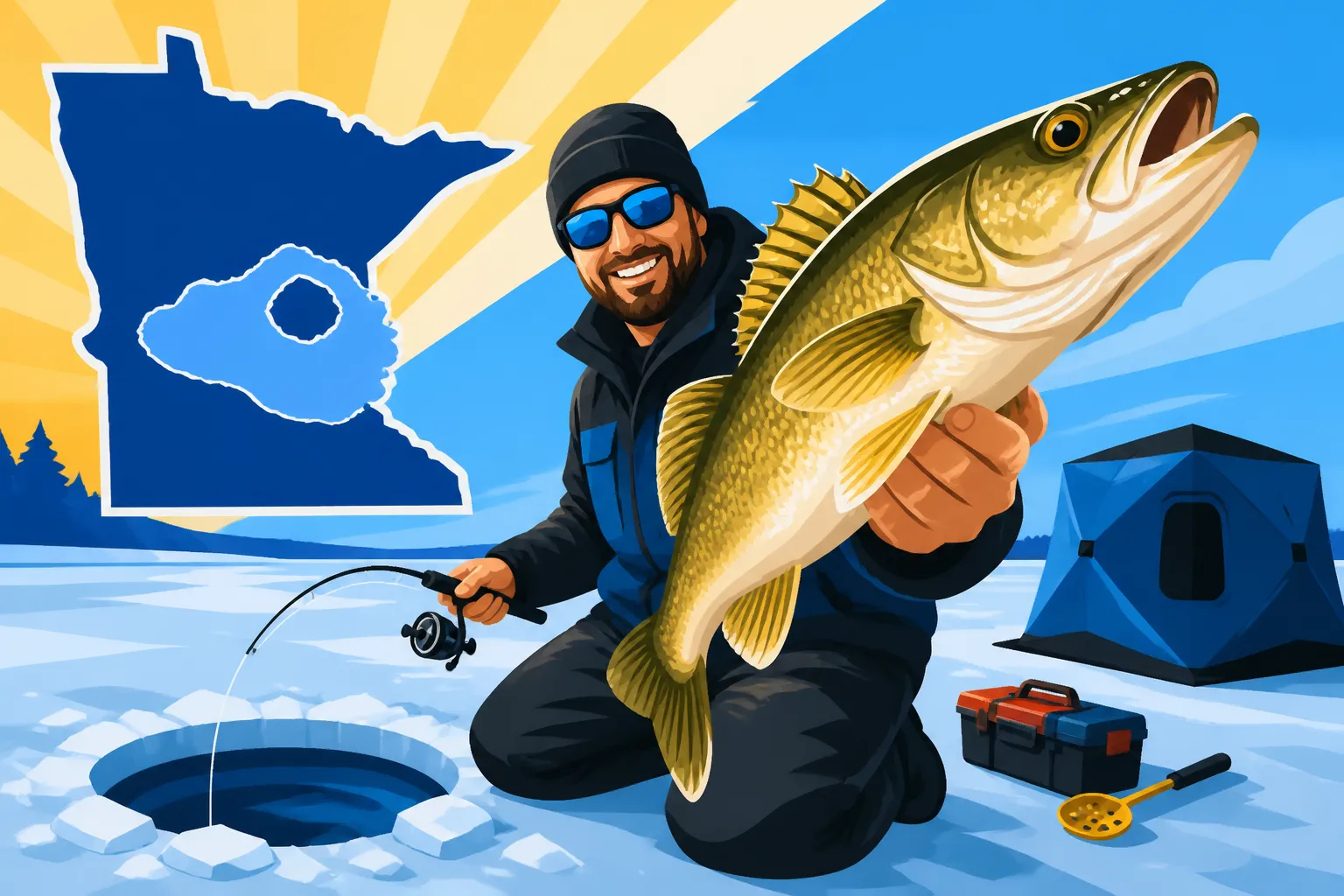
When you're out on Mille Lacs during the hard water season, you're primarily targeting walleye, but don't overlook the incredible opportunities for other species. Walleye are undoubtedly the star attraction, but the lake also boasts fantastic yellow perch, hefty northern pike, and even respectable crappie. However, the regulations on Mille Lacs, especially for walleye, can be notoriously complex and subject to change annually to manage the fishery responsibly. It's crucial to always check the most current information, which you can usually find in the annual Minnesota Fishing Regulations PDF.
For example, the walleye regulations on Mille Lacs have seen various slot limits and harvest opportunities over the years, aiming to protect spawning fish while still allowing anglers to keep some for the frying pan. Sometimes, there's a protected slot, meaning fish within a certain size range must be immediately released. Other times, specific windows for harvest or reduced bag limits are implemented. These regulations, such as those detailed in the current Mille Lacs Walleye Regulations (2026), are put in place for a reason – to ensure this world-class fishery remains vibrant for generations to come. Beyond walleye, you’ll find that pike limits are usually quite generous, and perch often have a higher bag limit, offering plenty of action if the walleye are shy. Always keep an eye on the Minnesota Fishing Seasons & Opener Dates (2026) to know exactly when you can target what.
Navigating the Vastness: Common Ice Fishing Zones
The sheer scale of Mille Lacs can intimidate even seasoned ice anglers. It's not just about drilling a hole anywhere; knowing where to start is half the battle. The lake features distinct topographical areas that hold fish at different times of the season and under various conditions.
- The Mud Flats: These expansive, relatively flat areas of soft bottom are teeming with invertebrates and baitfish, making them prime feeding grounds for walleye, especially during low-light conditions or mid-winter. Popular mud flats include the Garrison Flats, Wahkon Bay Flats, and Sherman's Point area. Walleye often cruise these areas, foraging on tullibees and perch. You'll find many ice roads leading out to these popular spots.
- Reefs and Rock Piles: These underwater structures provide ambush points for predatory fish and shelter for baitfish. Locations like the Hennepin Island Reef, Spirit Island, and rocky humps near Isle offer excellent opportunities for walleye and smallmouth bass, even through the ice. Fishing on top of or along the edges of these structures can be very productive, especially during early and late ice periods.
- Shallow Bays and Weedy Edges: For crappie, perch, and northern pike, focusing on shallower bays with remaining green weeds can be incredibly effective. Bays like Cove Bay, Wahkon Bay, or areas near Vineland and Garrison often hold good numbers of these species, particularly during early ice or when fish move shallow to feed. These areas provide cover and a stable food source.
Knowing these general zones can help you narrow down your search. Many resorts and bait shops around the lake, like those in Garrison, Isle, and Wahkon, can provide up-to-the-minute information on where the bite has been best and which access points are safest.
| Popular Mille Lacs Ice Fishing Zones | Primary Target Species | Common Depths | Key Characteristics |
|---|---|---|---|
| Mud Flats | Walleye, Perch | 20-35 feet | Expansive, soft bottom, baitfish presence |
| Reefs & Rock Piles | Walleye, Smallmouth Bass, Pike | 10-30 feet | Hard bottom, ambush points, structure |
| Shallow Bays & Weedy Edges | Crappie, Perch, Pike | 8-15 feet | Green weeds, cover, stable food source |
Essential Gear and Setup for Mille Lacs Ice
Tackling Mille Lacs in winter demands the right equipment. The conditions can be brutal, the ice thick, and the fish often particular. Having reliable gear isn't just about comfort; it's about efficiency and safety on one of Minnesota's largest lakes. For a deeper dive into overall ice fishing gear, you can check out our guide on the Best Ice Fishing Gear for Minnesota (2027 Guide).
The Right Auger for Thick Ice
Mille Lacs is notorious for growing some serious ice, often reaching 2-3 feet or more by mid-season. A hand auger might cut it early in the year, but for consistent access and less fatigue, you'll want something with power.
- Electric Augers: These have become incredibly popular due to their quiet operation, lack of fumes, and often lighter weight. Brands like StrikeMaster with their Lithium 40V or ION offer powerful, battery-operated options that can drill dozens of holes on a single charge. They are perfect for run-and-gun tactics or simply making quick work of thick ice without breaking a sweat.
- Propane/Gas Augers: Traditional gas or propane augers, such as those from Eskimo or Jiffy, are still workhorses. They offer raw power and are often preferred by those who drill many holes or fish in extreme cold where battery life might be a concern. However, they are louder, heavier, and require fuel. The choice often comes down to personal preference and how much ice you anticipate drilling. To help you decide, we have a detailed comparison of the Best Ice Augers for Minnesota: Electric vs Gas.
Regardless of type, a 6- or 8-inch auger is generally sufficient. While a 10-inch hole is great for big pike, it can be a lot more work for dozens of holes, and for most walleye and panfish, an 8-inch hole is plenty.
Shelter Strategies: Portables vs. Permanent
Your choice of ice shelter profoundly impacts your Mille Lacs experience, balancing mobility with comfort.
- Portable Shelters (Flip-Over or Hub Style): These are fantastic for the angler who likes to stay mobile, chasing active fish across the vast mud flats or hitting multiple reefs. Flip-over shelters, like those from Clam or Otter, are quick to set up and take down, often with built-in seats and sled bases for easy transport. Hub-style shelters offer more interior space and are lighter to carry, ideal for groups or those who want to spread out. They require a bit more setup time but offer excellent wind protection. If you're planning on covering a lot of ground and re-positioning throughout the day, a portable is your best friend. Dive deeper into these options with our Best Ice Shelters: Clam vs Otter (Flip vs Hub) guide.
- Permanent Shelters (Wheelhouses/Spear Houses): For those planning extended trips or valuing maximum comfort, a wheelhouse is the way to go. These heated, insulated palaces on skis or wheels offer amenities like beds, stoves, and even restrooms. They're typically set up on established ice roads run by resorts, providing a home base on the ice. While they limit your mobility, they provide a comfortable escape from the elements, making multi-day trips much more enjoyable. Many ice fishermen on Mille Lacs rely on these, especially for longer stays. Remember to be mindful of Minnesota Ice Fishing & Shelter Rules and the Ice Shelter Removal Deadlines in Minnesota at the end of the season.
Electronics: The Eye Beneath the Ice
In a lake as large and nuanced as Mille Lacs, fishing blind is a recipe for frustration. Modern ice fishing electronics are indispensable for finding fish and understanding their behavior.
- Flashers: Devices like the Vexilar FLX-28 or Humminbird Ice Helix series have been mainstays for decades. They provide real-time sonar feedback, showing you your lure, fish, and the bottom composition with incredible clarity. Being able to see how fish react to your presentation allows you to fine-tune your jigging action and trigger bites. For many, a flasher is the single most important piece of ice fishing equipment. We compare the top options in our Best Ice Fishing Flashers: Vexilar vs Humminbird vs Garmin article.
- Mapping GPS: Integrated GPS units on your flasher or a dedicated handheld GPS loaded with high-definition lake maps (like Navionics or LakeMaster) are crucial for navigating Mille Lacs. They help you find specific structures like humps, points, and transition zones on the mud flats, and allow you to mark productive holes. On a vast, featureless expanse of ice, a GPS prevents you from getting lost and helps you return to hot spots.
- Underwater Cameras: While not essential, an Aqua-Vu or similar underwater camera can be a fun and educational tool. Seeing fish react to your bait, identifying species, or checking bottom content can add another dimension to your fishing.
Proven Ice Fishing Tactics for Mille Lacs Success
Knowing where to go and what gear to use is only part of the equation. To truly succeed on Mille Lacs, you need proven tactics that put fish on the ice. The fish here can be finicky, and conditions change quickly, so versatility is key.
Walleye Tactics: Jigs, Raps, and Deadsticks
Walleye are the main draw, and there are a few go-to presentations that consistently produce on Mille Lacs.
- Aggressive Jigging with Spoons and Rattle Baits: Often, a more aggressive approach is needed to call in walleye, especially on the mud flats. Lipless crankbaits like a Rapala Rippin' Rap or Slab Rap, or heavy jigging spoons like a Northland Forage Minnow Spoon, tipped with a minnow head or a full minnow, can be incredibly effective. Jig these lures with sharp rips and pauses, letting them flutter back down. The commotion and vibration can draw walleye from a distance. Experiment with different colors – gold, perch patterns, and firetiger are often solid choices.
- Subtle Deadsticking: While active jigging calls them in, often the walleye will hit a more subtle presentation. This is where the deadstick comes in. A deadstick is simply a second line (remember, you can use How Many Lines Can You Use Ice Fishing in Minnesota) rigged with a plain hook and a lively minnow, set just off the bottom in a rod holder. The minnow's natural movements often entice strikes from wary walleye that might be spooked by aggressive jigging. A small bobber or a sensitive rod tip will indicate bites. Fathead or shiner minnows are excellent choices, as are large shiner minnows. A guide to Ice Fishing for Walleye: Tactics & Setups offers more insights.
- The One-Two Punch: The most effective strategy often combines these two approaches. Actively jig one rod with a spoon or rattle bait to attract attention, and simultaneously run a deadstick in an adjacent hole. Many times, fish will be drawn in by the commotion of the jig, but then commit to the easier meal offered by the deadstick minnow.
Panfish Prowess: Crappie and Perch Strategies
While walleye are king, the panfish action on Mille Lacs can be phenomenal, offering consistent bites and a chance to fill a bucket.
- Crappie: Look for crappie in bays with standing weeds or around submerged timber and brush piles in 10-25 feet of water. They often suspend off the bottom. Small tungsten jigs, tipped with a waxworm, euro larva, or a tiny plastic tail (like a Bobby Garland crappie jig), are deadly. A sensitive rod is key to detecting their often light bites. Fishing with a How to Use a Slip Bobber for Walleye & Crappie setup can be very effective here, allowing you to present your bait at a precise depth. Learn more specific techniques for Ice Fishing for Crappie & Panfish.
- Yellow Perch: Mille Lacs has a thriving population of jumbo yellow perch. These are often found alongside walleye on the mud flats, but also school up in other areas. Small jigging spoons (like a VMC Tingler Spoon) or tungsten jigs tipped with a minnow head or multiple waxworms are excellent choices. Perch are often more aggressive than crappie, so a slightly more active jigging presentation can work well. Look for distinct schools on your flasher; where there's one jumbo perch, there are usually more. Using small shiner minnows or fatheads as bait on a simple hook is also effective.
Pike and Burbot: Other Winter Targets
Don't forget about the other exciting species that roam Mille Lacs' frozen waters.
- Northern Pike: Mille Lacs has plenty of toothy northern pike, and they can provide some thrilling battles on the ice. Targeting them typically involves tip-ups baited with large sucker minnows or ciscos. Set your tip-ups along weed edges, rocky points, or drop-offs in 10-20 feet of water. Keep an eye on your flags, as a screaming run from a big pike is unforgettable! Just be sure to use a steel leader to prevent bite-offs.
- Burbot (Eelpout): Often overlooked, burbot are a fascinating winter catch on Mille Lacs, especially during the colder mid-winter months and into late ice. These unique, freshwater cod thrive in cold water and are often caught at night on the deeper mud flats. Jigging spoons tipped with minnow heads or even cut bait, fished right on the bottom, are effective. They're surprisingly good to eat, often dubbed "poor man's lobster."
Planning Your Mille Lacs Ice Fishing Adventure
Beyond the fishing itself, planning your trip to Mille Lacs involves practical considerations that can make or break your experience, from knowing where to access the ice to securing lodging.
Ice Road Access and Safety
Mille Lacs is unique in that many resorts maintain extensive networks of plowed ice roads, offering relatively safe and easy access to prime fishing areas. Resorts like Hunter's Point Resort, Lyback's Ice Fishing, and Nitti's Hunters Point provide these services for a fee.
- Stay on Marked Roads: It's absolutely critical to stick to these established roads. They are regularly checked for ice thickness and marked for hazards. Venturing off-road, especially with a vehicle, can be extremely dangerous. The ice can vary significantly across the lake due to currents, pressure ridges, and springs.
- Check Conditions Regularly: Even on groomed roads, ice conditions can change rapidly. Always check with local resorts, bait shops, or the Minnesota DNR before heading out. They'll have the most up-to-date information on ice thickness, slush, and potential hazards. Safety is paramount, and understanding the risks associated with ice fishing on a large body of water like Mille Lacs is crucial.
- Vehicle Weight Limits: Resorts will post specific weight limits for vehicles on their ice roads. Always adhere to these, as overloading the ice can have dire consequences. For detailed information on safe ice practices, refer to our comprehensive guide on Minnesota Ice Fishing & Shelter Rules.
Hiring a Guide or Booking a Sleeper House
For those new to Mille Lacs, or simply wanting to maximize their time on the water, consider professional services.
- Guided Trips: Hiring a local ice fishing guide is an excellent investment. Guides know the lake intimately, understand current fish patterns, and can put you on fish quickly. They typically provide all the necessary gear, bait, and a heated portable shelter, making it a comfortable and educational experience. A guide can teach you specific techniques for Mille Lacs and help you navigate the ever-changing regulations. You can find many reputable guides and outfitters through platforms like FishingBooker, which lists local professionals who specialize in Mille Lacs ice fishing. This can be especially helpful for non-residents looking to experience the lake, as detailed in our guide for Nonresident Fishing in Minnesota: Licenses & Rules.
- Sleeper House Rentals: Many resorts offer heated, fully equipped sleeper houses that you can rent for a day or even a week. These houses are typically placed on productive spots by the resort, and they'll often move them if the bite slows. This is a fantastic option for groups or families wanting a comfortable, authentic Minnesota ice fishing experience without the hassle of bringing all their own gear and navigating the ice. Again, FishingBooker can be a great resource for finding available sleeper house rentals at various price points and locations around the lake, from Garrison to Isle. These often include pre-drilled holes, heat, and even cooking facilities.
Staying Safe on the Ice
Safety should always be your top priority when venturing onto the ice.
- Dress Appropriately: Layering is key in Minnesota winters. Wear insulated, waterproof outer layers, thermal underwear, warm socks, waterproof boots, and good gloves or mittens. A float suit, like those from Striker Ice or Clam, offers both warmth and vital flotation in case of an unexpected fall through the ice.
- Tell Someone Your Plan: Always inform someone reliable about where you are going, your planned route, and when you expect to return.
- Carry Safety Gear: Essentials include ice picks (worn around your neck), a rope, a fully charged cell phone, and a first-aid kit. Consider carrying a spare battery pack for your phone, as cold drains battery life quickly.
- Know Your Limits: Don't take unnecessary risks. If conditions seem questionable, it's always better to err on the side of caution and stay off the ice or stick to very well-established roads.
Ice fishing on Mille Lacs Lake is a bucket-list experience for any angler. By understanding its unique characteristics, preparing with the right gear, employing proven tactics, and prioritizing safety, you'll be well on your way to a memorable and successful winter fishing adventure.
Disclaimer
The information provided in this guide is for general informational purposes only and is subject to change. Always consult the most current Minnesota Department of Natural Resources (DNR) regulations and local ice conditions before engaging in any fishing activities. Ice thickness and safety can vary greatly and rapidly. Fish responsibly and safely.