Driftless Area Fishing: Best Lakes & Species
Sometimes, we get so caught up in the allure of Minnesota's massive walleye factories like Mille Lacs or Lake of the Woods that we forget about the unique, often overlooked gems tucked away in the southeast corner of the state. If you've ever felt like the big lakes are just too crowded, too much of a production, or you're yearning for a different kind of angling challenge, then you're in for a treat. This guide is all about diving deep into the magical, spring-fed waters of Minnesota's Driftless Area, uncovering its best fishing spots and the incredible species that call them home.
What Makes Minnesota's Driftless Area Unique for Anglers?
The Driftless Area is a geological anomaly, a truly special corner of the Midwest that escaped the flattening, sculpting power of the last glacial period. While the rest of the state was shaped and ground down by ice, this region stood untouched, preserving its ancient topography. For anglers, this means a vastly different fishing experience compared to the typical lake-filled landscape most Minnesotans know.
A Landscape Shaped by Ice and Water
Imagine a place where the rolling hills aren't gently sloped, but dramatically carved into steep bluffs and deep valleys. This unglaciated terrain, stretching across parts of southeastern Minnesota, southwestern Wisconsin, northeastern Iowa, and northwestern Illinois, is a testament to time. Instead of the typical sandy or silty lake bottoms, you'll find limestone bedrock here, which plays a crucial role in creating the perfect environment for coldwater fish. Rainwater and snowmelt filter through this limestone, emerging as countless cold, clear springs that feed an intricate network of streams and small rivers. It's a picturesque scene straight out of a postcard, with crystal-clear water bubbling up from the earth, sustaining a vibrant ecosystem.
Abundant Coldwater Fisheries
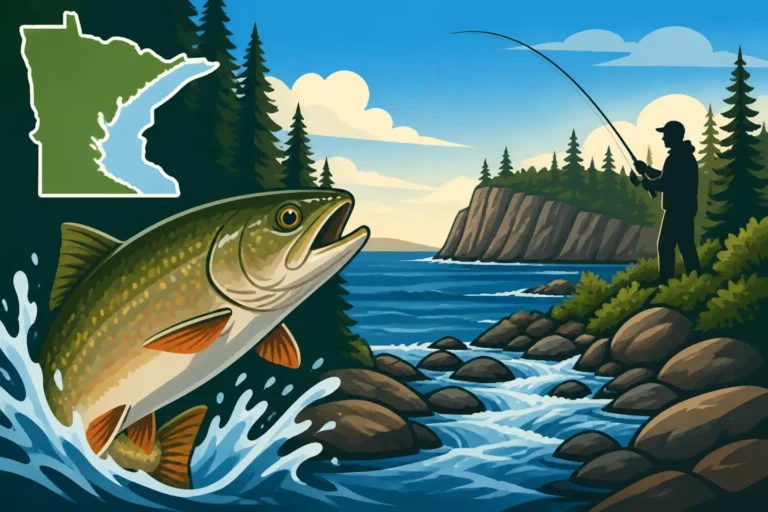
These spring-fed streams maintain remarkably consistent cold temperatures year-round, even through the hottest summer months. This consistent cold water, combined with high oxygen levels and the nutrient-rich limestone geology, creates an absolutely ideal habitat for trout. We're talking about wild brown trout that reproduce naturally, feisty brook trout, and even some stocked rainbow trout in designated areas. Unlike the big, warm-water lakes, fishing here feels more intimate, more about stealth and reading the water. It’s a completely different rhythm, often requiring you to wade the streams rather than fish from a boat, offering a truly immersive experience with nature.
Beyond Trout: Other Species to Discover
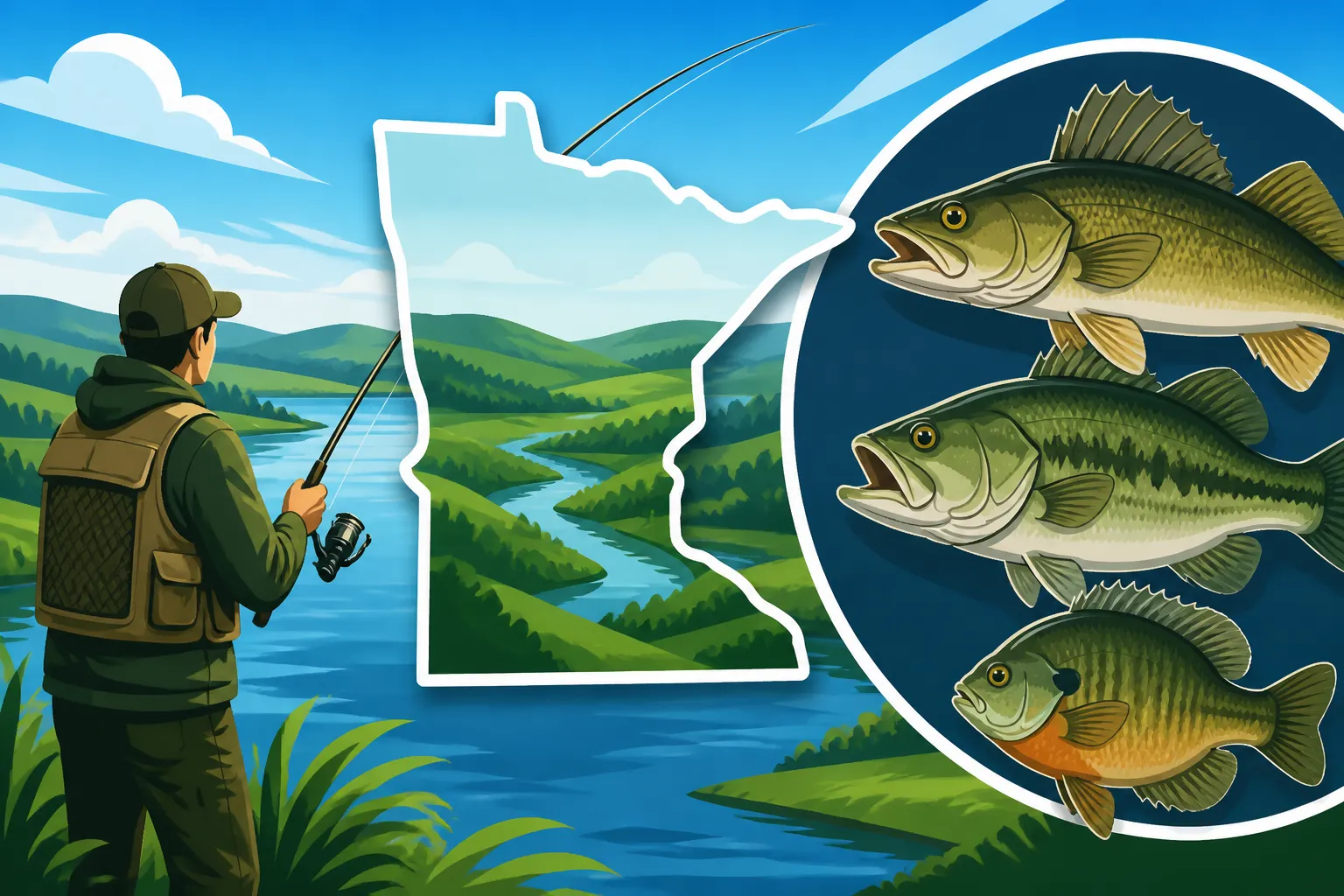
While the Driftless Area is undeniably famous for its trout fishing, don't make the mistake of thinking that's all there is. As these cold, clear streams converge and grow into larger rivers, the water temperatures gradually warm, creating opportunities for a more diverse range of species. The main stems of rivers like the Root and Whitewater, and especially the backwaters of the mighty Mississippi River along the eastern edge of the Driftless, hold excellent populations of warm-water fish. You can find robust smallmouth bass, aggressive northern pike, various panfish like crappie and bluegill, and even some truly massive channel and flathead catfish in the deeper, slower sections. It's a region that truly offers something for every type of angler, no matter your preference.
Top Fishing Spots in the Driftless Area
Navigating the Driftless Area can feel a bit different than dropping a boat on a massive lake. Here, it’s all about specific stream stretches, public easements, and knowing which waterways hold which treasures. Let's break down some of the absolute best places to wet a line.
Premier Trout Streams Spring Creeks
When people talk about fishing in Minnesota's Driftless Area, they're usually talking about its world-class trout streams. These spring-fed beauties are where the magic happens, offering challenging but incredibly rewarding angling experiences.
South Branch Root River near Lanesboro
If you're looking for a poster child for Driftless trout fishing, the South Branch of the Root River, especially around the charming town of Lanesboro, is it. This river system boasts numerous public easements, clearly marked and easily accessible, often running through picturesque farmland and wooded sections. You'll find a healthy mix of brown trout, both wild and stocked, thriving in its clear, riffle-and-pool structure. Anglers frequently report success with various nymph patterns, small streamers, and even dry flies during hatches. The accessibility here makes it a fantastic starting point for those new to stream fishing, but it still offers plenty of technical challenges for seasoned fly casters. Be sure to check the specific regulations for different sections, as some areas may have special catch-and-release or artificial-lure-only rules to protect the wild populations.
Rush Creek near Lewiston and Rushford
Further east, Rush Creek is another jewel in the Driftless crown, renowned for its strong population of wild brown trout. This creek can be a bit more challenging to navigate in spots, with some tighter banks and overgrown sections, but the reward is often a truly wild, hard-fighting brown trout. The water here is incredibly clear, so stealth is absolutely key. Long leaders, careful wading, and precise casts are often necessary to fool these wary fish. The area near Lewiston and Rushford offers several access points, but it's always a good idea to consult a local map or stop by a bait shop for the most current information. Fishing here often involves delicate presentations of small nymphs or midges, though aggressive browns will sometimes hit a well-placed spinner or small spoon. If you’re looking for a guided experience on these pristine waters, checking a service like FishingBooker can connect you with local experts who know the intricacies of Rush Creek like the back of their hand.
Trout Run Creek near Preston
Trout Run Creek is one of those streams that truly lives up to its name. Located near Preston, it's incredibly popular due to its consistent stocking program and relatively easy access. While it sees more angling pressure, it's also a great place to introduce beginners or kids to stream fishing, as the chances of hooking into a rainbow or brown trout are quite high. The creek features a mix of faster runs, deeper pools, and undercut banks, providing classic trout habitat. For those who prefer spin fishing, small Mepps or Panther Martin spinners often work wonders, while fly anglers can have success with San Juan Worms, Squirmy Wormies, or various attractor patterns. It’s also home to a DNR hatchery, which contributes to its robust fish population. Remember that Minnesota Fishing Seasons & Opener Dates (2026) apply to these waters, so always double-check before you head out.
Hay Creek near Red Wing
Venturing slightly north and west, Hay Creek, near Red Wing, offers another excellent trout fishing opportunity, particularly known for its naturally reproducing brown trout. This creek often runs a bit cooler and clearer than some other streams due to its stronger spring influence. The habitat is diverse, with plenty of woody debris, rocky bottoms, and overhanging vegetation providing excellent cover for trout. It's a stream that rewards patient anglers who are willing to explore and find the less pressured pockets of water. Small dry flies in the summer, especially during evening hatches, can be incredibly effective here, providing thrilling topwater action. If you're looking to learn How to Catch Stream Trout: Nymphs & Dries, Hay Creek is a fantastic classroom.
Larger Rivers for Diverse Fishing
While the smaller streams are trout havens, the larger rivers forming in the Driftless region broaden the fishing horizons considerably. These waterways offer a change of pace and a different set of target species.
Root River Main Stem
As the South Branch and other tributaries merge, the Root River transforms into a larger, warmer, and more diverse fishery. Beyond trout in its upper reaches, the main stem of the Root River is an excellent spot for smallmouth bass. These aggressive fighters love the rocky bottoms, current breaks, and submerged timber found throughout the river. Look for them in areas where tributaries enter the main flow or around bridge pilings. You can also find northern pike lurking in slower, deeper pools or weedy backwaters. Catfish, especially channel catfish, become more prevalent as the river gains size and depth. For those who enjoy Shore & Bank Fishing in Minnesota (No Boat), the Root River offers numerous public access points, parks, and bridges that provide great opportunities.
Whitewater River
Similar to the Root, the Whitewater River system, particularly the main stem and its branches like the Middle and North Forks, offers a mix of trout in its colder upper sections and warm-water species further downstream. While parts of it are designated trout waters, its larger sections transition into habitat suitable for smallmouth bass and panfish. The Whitewater State Park provides excellent access to both trout streams and sections of the main river. It’s a beautiful area, known for its steep bluffs and lush forests, making the fishing experience as much about the scenery as it is about the catch. The deeper pools and slower eddies along the main Whitewater can be productive for bass and panfish using lightweight jigs or small crankbaits.
Mississippi River Backwaters Eastern Edge
The eastern boundary of Minnesota's Driftless Area is framed by the majestic Mississippi River. The backwater areas, sloughs, and secondary channels of the Mississippi along this stretch offer an entirely different, incredibly diverse fishery. These calm, often weed-choked waters are prime habitat for a plethora of species. You can expect to find abundant crappie and bluegill, especially around fallen timber and weed beds. Robust largemouth bass lurk in the thick cover, and impressive northern pike patrol the edges. The Mississippi is also a legendary fishery for catfish, with both channel and flathead catfish growing to substantial sizes. Fishing the Mississippi backwaters often requires a boat or kayak to access the best spots, but the rewards can be incredible. Many guides listed on platforms like FishingBooker specialize in these backwater excursions, offering a unique perspective on this vast river system.
Target Species and How to Catch Them
Now that we've covered where to go, let's talk about what you'll be catching and the best ways to entice them. The Driftless Area, with its diverse waters, demands a versatile approach.
Trout Brown, Brook, and Rainbow
Trout are the undisputed kings of the Driftless, and understanding their habits is key to success.
Techniques for Tricky Trout
For fly fishing, which is arguably the most popular method here, nymphing is often the most consistent technique. Imitations of caddis larvae, mayfly nymphs, and scuds fished under a strike indicator will regularly produce bites. During specific hatches, however, switching to dry flies like Elk Hair Caddis, Adams, or Hendrickson patterns can provide exhilarating topwater action. Always match your fly size and color to the prevalent insects. For spin fishing, ultralight rods paired with 2-4 lb test line are essential. Small inline spinners (like Mepps Aglia or Panther Martin), tiny spoons, or even small jerkbaits can be very effective. Live bait, such as small garden worms or maggots, can also work, especially in stocked sections, but check regulations carefully as some wild trout waters restrict live bait. Remember that Stream Trout Season & Limit in Minnesota often has special restrictions or catch-and-release only sections, so always consult the current DNR regulations before heading out.
Best Times and Specific Regulations
The best times for trout fishing in the Driftless are generally spring (April-May) and fall (September-October) when water temperatures are optimal and insect activity is high. During summer, concentrate your efforts early in the morning or late in the evening, or target the coldest, most spring-fed sections during the heat of the day to protect the fish. Mid-day sun can make the fish lethargic and less willing to bite. Always be aware of the specific regulations for each stream. Many streams have unique rules, such as special bag limits, size restrictions, or tackle restrictions (e.g., artificial lures only, single hook only). Consulting the official Minnesota Fishing Regulations PDF is non-negotiable before you cast a line. For example, some sections of the Root River may have a different brown trout limit than others.
Smallmouth Bass and Panfish
As you move to the larger river sections or even some of the deeper pools in the main branches of trout streams, smallmouth bass and various panfish become more prominent.
Where to Find and How to Entice
Smallmouth bass are ambush predators that love current. Look for them around rocky points, submerged logs, eddies behind boulders, and undercut banks in the Root and Whitewater rivers. They are aggressive fighters, and light tackle makes them even more fun. Small crankbaits (like Rapala countdowns or square bills), inline spinners, soft plastic tubes, or small finesse jigs are all excellent choices. In the early morning or late evening, topwater lures can provide explosive strikes.
Panfish, including crappie and bluegill, will congregate in slower, deeper pools, especially those with some weed cover or fallen timber. In the Mississippi backwaters, they are abundant. For these, a simple slip bobber rig with a small jig tipped with a wax worm, a piece of corn, or a small minnow is often all you need. Ultralight spinning gear makes even a modest bluegill feel like a trophy. Learning Crappie & Panfish Fishing Techniques will certainly improve your success rates in these areas.
Channel Catfish and Northern Pike
The larger, slower sections of the Root River and, most notably, the Mississippi River backwaters, are where you'll find these bigger, harder-fighting species.
Techniques for Bigger Bites
Channel catfish are omnivores and scavengers, so they are often caught using natural baits on the bottom. A standard bottom rig with a bell sinker and a circle hook, baited with cut bait (like shad or a prepared stink bait), nightcrawlers, or chicken liver, is highly effective. Target deeper holes, logjams, and current seams, especially during low light hours or at night. The Mississippi backwaters are fantastic for trophy catfish, and using a guide service found on FishingBooker that specializes in catfishing could be a game-changer for landing a true monster. Always check the Catfish Season & Limit in Minnesota as regulations apply.
Northern pike are ambush predators, often found lurking in slower, weedy bays, around submerged timber, or at the edges of current breaks. They are aggressive and will hit a variety of lures. Larger spoons (like Daredevils), spinnerbaits, or substantial crankbaits are good choices. For bait, a large dead smelt or sucker minnow fished under a bobber can also be very effective, particularly in cooler water. While typically associated with Minnesota's bigger lakes, the pike in the Driftless can still offer a thrilling fight. Be aware of the Northern Pike Season & Limit in Minnesota, especially if zones apply to specific river stretches.
Essential Gear and Local Considerations
Hitting the Driftless Area prepared means having the right tools for the job and respecting the unique environment. It's not just about what you catch, but how you experience it.
Must-Have Tackle for Driftless Adventures
Your tackle box for the Driftless might look a little different from your standard walleye setup. Precision and versatility are key.
Rods, Reels, and Line Specifics
For trout, a fly rod in the 3-5 weight range, typically 7.5 to 9 feet long, is perfect. Pair this with a floating line, a tapered leader (7.5-9 ft, 5x or 6x tippet), and an assortment of nymphs, dry flies, and small streamers. Brands like Orvis, Redington, or Fenwick offer excellent options for various budgets. If you prefer spinning gear for trout, an ultralight to light action rod (6-7 ft) with a matching reel spooled with 4-6 lb monofilament or fluorocarbon line is ideal. This setup allows for casting small lures and baits with accuracy. For bass and pike in the larger rivers, a medium-light to medium action spinning rod (6.5-7.5 ft) with 8-12 lb braid or mono will handle the stronger fish and heavier lures. Don't forget a small, dedicated tackle box filled with tiny split shot, bobbers, hooks (size 10-14 for trout, 4-8 for panfish, 1/0-3/0 for bass/catfish), and an array of micro-jigs and spinners. If you're looking for more detailed recommendations, our guide on the Best Gear for Stream Trout Fishing in Minnesota provides a comprehensive breakdown.
Waders and Essential Accessories
Wading is an integral part of Driftless trout fishing. A good pair of chest waders (neoprene for cold weather, breathable for warmer) and comfortable, sturdy wading boots are non-negotiable. Many anglers prefer felt-soled boots for superior grip on slick, rocky stream bottoms, though rubber soles are often lighter and better for hiking. Don't forget a landing net with a rubberized mesh (fish-friendly), a pair of forceps or pliers for hook removal, polarized sunglasses to spot fish and protect your eyes, and a small backpack or vest to carry your essentials. A basic first-aid kit, insect repellent, and plenty of water are also crucial.
Navigating the Waters and Access Points
Unlike lake fishing where public boat launches are plentiful, stream fishing requires a different approach to access.
Public Easements and Respecting Private Property
A significant portion of the fishable streams in the Minnesota Driftless flow through private land. However, the Minnesota DNR has secured numerous public fishing easements along these streams, allowing anglers to walk and fish specific stretches. These easements are typically marked with signs. It is absolutely critical to stay within these marked easement boundaries and respect private property. Do not trespass, leave gates as you found them, and pack out everything you pack in. Familiarize yourself with DNR stream maps, which clearly show these access points. Many local bait shops or fly shops (like Root River Rod Co. in Lanesboro) can provide excellent guidance and detailed maps.
Using Maps and Local Intel
Beyond DNR maps, apps like Fishbrain or OnX Hunt (which often shows property boundaries) can be incredibly useful for scouting access points. However, nothing beats local knowledge. Stopping at a tackle shop, like the one in Preston or Lanesboro, can provide invaluable, up-to-the-minute information on water conditions, recent hatches, and where the fish are biting. They can also point you to less-pressured stretches or guide you on how to best navigate specific parts of the river. If you're coming from out of town, consider booking a day with a local guide. Services like FishingBooker allow you to find experienced Driftless guides who can introduce you to the area safely and effectively.
Planning Your Trip with Local Resources
The Driftless Area is not just about fishing; it’s about the experience. Planning ahead enhances that experience.
Fly Shops and Professional Guides
For fly anglers, local fly shops are goldmines of information. They’ll have the right local patterns, know what’s hatching, and can offer advice tailored to current conditions. For example, Root River Rod Co. in Lanesboro is a fantastic resource. If you're new to stream fishing or want to maximize your time, consider hiring a professional fishing guide. A good guide knows the waters intimately, understands the seasonal patterns, and can dramatically shorten your learning curve. They often provide gear and instruction, making it a perfect option for a first-time Driftless adventure. You can easily find highly-rated Driftless Area fishing guides on platforms like FishingBooker, with options ranging from half-day wade trips to full-day excursions. They'll also be up-to-date on any recent Minnesota Fishing Regulations Changes for 2026.
Accommodation and Other Activities
The towns in the Driftless Area, such as Lanesboro, Preston, and Caledonia, are charming and welcoming. You'll find a variety of accommodations, from cozy bed and breakfasts to rustic cabins and motels. Many are geared towards outdoor enthusiasts, with options for storing gear. Beyond fishing, the region is fantastic for hiking, biking (the Root River State Trail is phenomenal!), kayaking, and exploring small-town main streets. Planning a trip that combines fishing with other activities makes for a well-rounded and memorable getaway.
Conservation and Responsible Angling in the Driftless
The beauty and productivity of the Driftless Area are delicate. As anglers, we have a responsibility to protect these unique resources for future generations.
Protecting the Delicate Ecosystem
The spring-fed streams of the Driftless are incredibly sensitive ecosystems. Every action we take on the water can have an impact. Practicing catch-and-release is paramount, especially for wild trout populations. If you plan to keep fish, know and adhere strictly to the bag limits and size restrictions, which can vary greatly from stream to stream, and even within different sections of the same stream. Our guide on Catch and Release Best Practices in Minnesota offers excellent tips to ensure fish survival. When handling fish, do so gently, minimize their time out of water, and use wet hands. Avoid dragging fish on rocks or squeezing them.
Aquatic Invasive Species Prevention
While trout streams are less prone to large-scale invasive species issues compared to lakes, they are not immune. It's crucial to prevent the spread of Aquatic Invasive Species (AIS). Always clean, drain, and dry your waders, boots, nets, and any other gear that comes into contact with the water between fishing trips, especially if you're moving between different bodies of water. Even small fragments of vegetation or tiny organisms can introduce new invasives. Follow all Aquatic Invasive Species (AIS) Rules for Boaters even if you're just wading, as these principles apply to all fishing gear.
Respecting Private Property
As mentioned earlier, much of the fishable water flows through private land with public easements. It's not just about legality, but also about maintaining good relationships with landowners who graciously allow public access. Always stay on marked paths, avoid disturbing livestock, do not litter, and close any gates you open. A simple "thank you" to a landowner if you encounter one goes a long way. Our collective behavior directly impacts the future availability of these precious fishing spots.
Driftless Area Fishing Overview
To help you visualize your next adventure, here's a quick summary of some key spots and what you can expect.
| Fishing Spot | Primary Species | Secondary Species | Key Techniques | Access Notes |
|---|---|---|---|---|
| South Branch Root River | Brown Trout, Rainbow Trout | Brook Trout | Fly fishing (nymphs, dry flies), spin fishing (small spinners) | Good public easements, popular, near Lanesboro |
| Rush Creek | Wild Brown Trout | (Few) | Fly fishing (finesse nymphs, midges) | More challenging access, wary fish, near Lewiston |
| Trout Run Creek | Rainbow Trout, Brown Trout | (Few) | Fly fishing (attractors), spin fishing (spinners, worms) | Heavily stocked, easy access, near Preston |
| Hay Creek | Wild Brown Trout | (Few) | Fly fishing (dry flies, nymphs) | Good natural reproduction, near Red Wing |
| Root River (Main Stem) | Smallmouth Bass, Catfish | Northern Pike, Panfish | Jigs, crankbaits, cut bait | Boat/kayak helpful, shore access in some parks |
| Whitewater River (Main) | Smallmouth Bass, Panfish | Trout (upper sections) | Light jigs, small crankbaits | Whitewater State Park access, varied habitat |
| Mississippi River Backwaters | Crappie, Bluegill, Largemouth Bass, Catfish, Northern Pike | Walleye | Live bait, jigs, crankbaits, topwater | Boat/kayak essential for best spots, diverse fishery |
Disclaimer
Fishing regulations, seasons, and limits can change frequently. While this guide provides comprehensive information, it is your responsibility to always consult the most current Minnesota Department of Natural Resources (DNR) fishing regulations before heading out on the water. This content is for informational purposes only and does not constitute legal advice. Always prioritize safety and environmental stewardship.