Minnesota Walleye Limit & Size Rules
Let's be honest, trying to decipher Minnesota's walleye limits and size rules can feel like you need a law degree and a secret decoder ring. One minute you're celebrating a nice catch, the next you're wracking your brain trying to remember if this lake has a slot limit, a protected slot, or if you can keep anything at all. It’s enough to make you just want to stick to panfish! But don't you worry, this guide is here to untangle all that confusion, breaking down the regulations so you can hit the water with confidence, knowing exactly what's legal to keep and what needs to go back.
Why Walleye Regulations Are So Complicated and Important!
Minnesota is often called the "Walleye Capital of the World," and it's a title we take very seriously. But with that distinction comes a massive responsibility to manage our walleye populations sustainably. It's not just about today's catch; it's about ensuring future generations can enjoy the thrill of reeling in a beautiful walleye on one of our many pristine lakes. This commitment is why the rules sometimes seem to change from lake to lake, or even year to year.
The DNR's Balancing Act
The Minnesota Department of Natural Resources (DNR) has an incredibly tough job. They're trying to balance the desires of millions of anglers who want to catch and keep walleye, with the biological needs of the fish populations themselves. It’s a constant juggle between recreational fishing, commercial netting in some border waters, and the long-term health of our aquatic ecosystems. Think about it: if every angler kept every walleye they caught, our lakes would be depleted in no time. So, the DNR uses tools like daily limits, possession limits, and those often-confusing length restrictions (slot limits) to control harvest and protect spawning fish.
This balancing act means regulations are dynamic. What worked for Mille Lacs Lake last year might not work this year, depending on spawning success, pressure from anglers, and even environmental factors. That's why it's absolutely critical for every angler, from the seasoned veteran to the brand-new beginner, to check the most current regulations every single season. You can usually find the latest details in the annual Minnesota Fishing Regulations PDF: Where to Find It, which is essential reading.
Protecting Minnesota's Favorite Fish
Walleye are more than just a tasty meal; they're an icon in Minnesota. For many, a trip to the lake isn't complete without some walleye action. But these fish can be sensitive. Over-harvesting, especially of larger, mature female walleye, can severely impact a lake's ability to reproduce and maintain a healthy population. That's where size limits and slot limits come into play.
Protected slots, for instance, are designed to ensure that the prime breeding-size walleye remain in the lake to spawn. These are the fish that are doing the heavy lifting in terms of reproduction. By requiring anglers to release fish within a certain size range, the DNR helps guarantee that the backbone of the walleye population stays intact. Meanwhile, harvest slots might allow anglers to keep smaller fish and sometimes one larger fish, giving them a chance to bring home dinner while still managing the overall population structure. It’s all about sustainable fishing and making sure our lakes remain vibrant.
Understanding the Statewide Walleye Regulations
While Minnesota is famous for its lake-specific rules, there are general statewide regulations that apply to most waters unless otherwise noted. These are your baseline, your starting point, and knowing them is essential before you even think about dropping a line.
The General Daily & Possession Limits
Across most of Minnesota's vast network of lakes and rivers, the standard daily limit for walleye is six. This means in any given day, you can only take six walleye. The possession limit is the same – six. This rule can trip people up, especially if they're on a multi-day trip. A "daily limit" refers to the number of fish you can harvest in a 24-hour period, while a "possession limit" refers to the maximum number of fish you can have on hand at any given time, whether they're fresh from the lake or filleted and frozen in your cooler back at the cabin.
For example, if you fish on Monday and keep six walleye, you can't go out Tuesday morning and catch another six if you still have Monday's fish in your possession. You'd need to consume or give away some of those fish to get back under the possession limit before keeping more. This is a common pitfall that anglers sometimes overlook, leading to unintended violations. It's really about managing your total take, not just your daily haul. Understanding the difference between these two limits is crucial for staying legal and avoiding a ticket. For a deeper dive into these concepts, check out our guide on Minnesota Fishing Limits: Bag & Possession (2026).
Standard Length Restrictions or Lack Thereof
What often surprises new anglers is that many Minnesota lakes don't have a specific length restriction for walleye. The statewide general rule is simply the daily and possession limit of six, with no minimum or maximum size. This means if you catch a 12-inch walleye, and that's the only rule for your specific lake, you can keep it as part of your six-fish limit. Same goes for a 20-inch walleye.
However, this doesn't mean you shouldn't be thinking about the health of the fishery. Many experienced anglers voluntarily practice selective harvesting, choosing to release larger, mature walleye to help with reproduction, and keeping smaller "eater" fish. This voluntary conservation effort goes a long way in supporting the DNR's goals, even on lakes without mandatory size restrictions. It's a great habit to adopt, as it contributes directly to the sustainability of the walleye populations we all cherish.
Navigating Special Regulations for Specific Lakes
Here's where things get really interesting – and sometimes a little frustrating. Many of Minnesota's most popular walleye fisheries have special regulations that override the statewide general rules. These are implemented for very specific reasons, tailored to the unique biology and fishing pressure of that particular body of water. Ignoring these lake-specific rules is not only illegal but also detrimental to the fishery they're designed to protect.
Slot Limits Explained: How They Work and Why They Exist
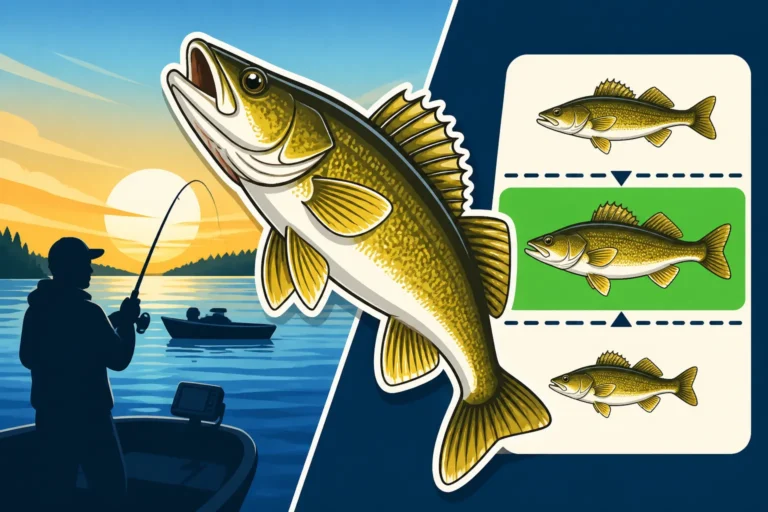
A slot limit is a size restriction where fish within a certain length range must be immediately released. The "slot" refers to this protected size range. The purpose is usually to protect the sexually mature, reproducing fish, ensuring they stay in the lake to spawn and contribute to the next generation. Anglers are typically allowed to keep fish outside of this slot – either smaller fish (below the slot) or sometimes one larger fish (above the slot).
For instance, a common slot limit might be "all walleye from 17 to 26 inches must be immediately released." This means you can keep walleye under 17 inches and usually one walleye over 26 inches as part of your daily limit. These rules are put in place when studies show that a particular size class of fish needs protection to maintain or improve the lake's population dynamics. It's a scientifically driven approach to ensure a healthy age structure in the fish population. For a broader understanding, you might want to read about Minnesota Slot Limits: Which Lakes & Why.
Protected Slots and Harvest Slots: What's the Difference?
While both fall under the umbrella of "slot limits," there's a subtle but important distinction between protected slots and harvest slots:
- Protected Slot: This is the most common type. It means fish within a specified length range absolutely cannot be kept and must be released immediately. The goal is to protect those valuable breeding-size fish. Anglers typically keep fish below the slot and often one fish above the slot, if allowed. The emphasis here is on ensuring the survival of the reproductive core of the walleye population.
- Harvest Slot: This is less common but can be implemented. A harvest slot requires anglers to keep fish within a specific size range, and release fish outside of it. This might be used in situations where there's an overabundance of a particular size class, and the DNR wants to encourage harvest of those fish to reduce competition for food or to thin out a year class that isn't performing well. It's a management tool to manipulate the population structure.
Understanding which type of slot limit applies to your chosen lake is crucial. Always consult the official regulations!
Famous Lakes with Unique Walleye Rules
Minnesota is home to some legendary walleye lakes, and many of them have very specific, often annually adjusted, regulations. Here are a few examples that frequently have special rules:
- Mille Lacs Lake: Ah, Mille Lacs. The poster child for complex walleye regulations! This lake is a phenomenal fishery, but its walleye population has been closely monitored for years, leading to highly dynamic rules. The regulations on Mille Lacs frequently change to reflect the health of the spawning stock and the overall population. You might find seasons where only catch-and-release is allowed, or specific harvest windows with very tight length restrictions. It's not uncommon for the rules to limit you to a single walleye, or perhaps even prohibit keeping walleye entirely, sometimes with a protected slot or a harvest slot. It's absolutely critical to check the Mille Lacs Walleye Regulations (2026) right before you go, as they can be updated even during the season. For instance, sometimes you're allowed to keep one walleye, but it has to be between 21-23 inches, or something similar, and then the possession limit is also only one. It varies wildly. You'll definitely want to know if Can You Keep Walleye From Mille Lacs? before you head out.
- Upper Red Lake: This northern gem is known for its incredibly productive walleye fishery. Historically, Upper Red Lake has seen a very generous walleye limit compared to many other lakes, thanks to its robust population. However, even here, regulations are adjusted based on population assessments. You might find a higher daily limit, sometimes four or even five walleye, but often with a slot limit where only one walleye over a certain length (e.g., 17 inches) is allowed in possession. The specifics are usually designed to protect the larger, older fish while allowing for a good harvest of smaller "eaters." Always verify the current Upper Red Lake Walleye Limit & Slot before your trip.
- Leech Lake: Another iconic Minnesota lake, Leech Lake also sees its share of unique walleye regulations. Depending on the year and the health of the fishery, you might encounter slot limits designed to protect a specific size class of walleye, similar to Mille Lacs. The DNR actively manages this lake, so checking the current Leech Lake Walleye Limit & Slot is a must. These regulations are vital for managing the lake's abundant walleye and muskie populations.
Many other lakes, such as Lake Winnibigoshish, Lake Vermilion, and Lake of the Woods, also have their own specific rules for walleye. The key takeaway here is always check the specific lake regulations before you cast your first line. Relying on general knowledge could easily lead to an unintentional violation.
Border Water Walleye Regulations
Fishing on Minnesota's border waters adds another layer of complexity to walleye regulations. When you're fishing waters that straddle state or international lines, you're often subject to a different set of rules, or a blend of rules, that are agreed upon by the cooperating jurisdictions. It's crucial to understand these distinctions, as they can differ significantly from inland Minnesota regulations.
Fishing on the Minnesota-Wisconsin Border
The mighty Mississippi River and the St. Croix River form a significant portion of the border between Minnesota and Wisconsin. Fishing these waters means navigating regulations jointly established by both states. Generally, on these border waters, anglers typically need to possess a valid fishing license from either Minnesota or Wisconsin, but not necessarily both, to fish in the shared waters. However, the specific regulations for walleye – including daily limits and size restrictions – are often harmonized between the two states to avoid confusion.
For example, on the Mississippi River Pools that border Minnesota and Wisconsin, walleye and sauger often share a combined daily limit. The size restrictions might also be different than what you'd find on an inland Minnesota lake. It's not uncommon to see a lower daily limit (e.g., six combined walleye and sauger) with a minimum length (e.g., 15 inches for walleye), and sometimes only one fish over a certain size (e.g., 20 inches). These agreements are designed to provide consistent regulations for anglers on shared waters and to manage the fish populations that cross state lines. Always refer to the most recent Border Water Fishing Rules (Minnesota-Ontario, Wisconsin) in the annual regulations booklet for specific details on the various pools and stretches of these rivers.
What About the Canada Border? (Minnesota-Ontario)
Fishing along Minnesota's northern border, particularly on large lakes like Lake of the Woods, Rainy Lake, and Basswood Lake which extend into Ontario, Canada, presents even more intricate regulations. Here, you're dealing with two sovereign governments, each with its own licensing and regulatory framework.
The general rule of thumb for these international border waters is that you must abide by the regulations of the jurisdiction in which you are fishing. So, if you're in Canadian waters, you need an Ontario fishing license and must follow Ontario's walleye limits and size rules. If you're in Minnesota waters, you need a Minnesota license and follow Minnesota's rules. This can get tricky if you're moving back and forth across the invisible border.
On Lake of the Woods, for example, there are specific regulations that apply to the Minnesota portion, and completely different ones for the Ontario portion. The walleye limit, protected slot, and the number of fish allowed over a certain size can vary greatly. The DNR website and the annual regulations booklet will detail the Minnesota-specific rules for these border waters, but if you plan to venture into Canadian territory, you must consult the Ontario fishing regulations and purchase the appropriate Canadian license. This is not a situation where "ignorance is bliss" – international border violations can lead to serious consequences, including fines, confiscation of gear, and even legal issues that could affect future travel.
Essential Tools for Staying Compliant
Nobody wants to get a ticket for an honest mistake, especially when you're out enjoying a peaceful day on the water. Luckily, the Minnesota DNR provides several excellent resources to help you stay on the right side of the law. Make these your go-to tools, and you'll drastically reduce your chances of a violation.
The DNR Fishing Regulations Booklet and Website
Your absolute best friend when it comes to Minnesota walleye limits and size rules is the official DNR Fishing Regulations booklet. This isn't just a suggestion; it's a necessity. You can pick up a physical copy wherever you buy your Minnesota Fishing License: Cost, Types & How to Buy (2026), or you can access the full PDF version online. The digital version is particularly handy because it's always the most up-to-date and easily searchable.
The booklet clearly outlines:
- Statewide regulations: Your basic daily and possession limits.
- Special regulations by lake: This is the critical section for walleye. Lakes with unique slot limits, protected slots, or modified daily/possession limits will be listed alphabetically. It’s here you’ll find the specifics for places like Mille Lacs, Leech Lake, and the Red Lakes.
- Border water regulations: Dedicated sections for the Mississippi, St. Croix, and international border waters.
- Species-specific rules: Beyond walleye, you’ll find rules for northern pike, bass, crappie, and all other game fish.
The DNR's official website also offers a "LakeFinder" tool where you can search for a specific lake and pull up its current regulations, along with other valuable information like lake maps and fish stocking reports. Always double-check this information, especially if you hear rumors of rule changes. The official DNR sources are the only reliable ones.
Measuring Your Catch: Tips and Best Practices
Once you've caught a walleye, and you're contemplating keeping it, accurate measurement is paramount, especially if you're dealing with slot limits. An inch can literally be the difference between a legal fish and a violation.
Here are some tips for measuring your catch properly:
- Use a reliable measuring board: A simple, flat measuring board is ideal. Many are marked with inch increments and have a stop at one end to butt the fish's nose against. Make sure it's long enough for potentially larger fish.
- Measure total length: In Minnesota, fish are measured from the tip of the nose (snout) to the tip of the tail, with the tail compressed (squeezed together) to give the maximum possible length. Lay the fish flat on the measuring board, with its mouth closed and nose against the stop. Gently pinch the tail to get the longest measurement.
- Be quick and gentle: If the fish needs to be released, minimize its time out of the water. Handle it carefully to avoid damaging its scales or slime coat.
- Practice with a ruler: Before you even head out, familiarize yourself with how to quickly and accurately measure something against your board.
- Round down, not up: When in doubt, always round down. If a slot limit says "under 17 inches," a fish that's exactly 17 inches is not under the limit. It's better to release a borderline fish than to risk a ticket.
Remember, fish can shrink slightly after being out of the water, especially if kept on ice. Always measure immediately upon catching if there's any doubt about its legal size.
Here's a quick overview of how walleye regulations can vary across some popular Minnesota lakes (check current regulations for exact details, as these can change annually):
| Lake Name | General Walleye Regulations (Example) |
|---|
Disclaimer
This article is for general informational purposes only and does not constitute professional advice. Laws, prices and regulations vary by location and change over time. Consult a qualified professional for guidance on your specific situation.