Best Gear for Crappie Fishing in Minnesota
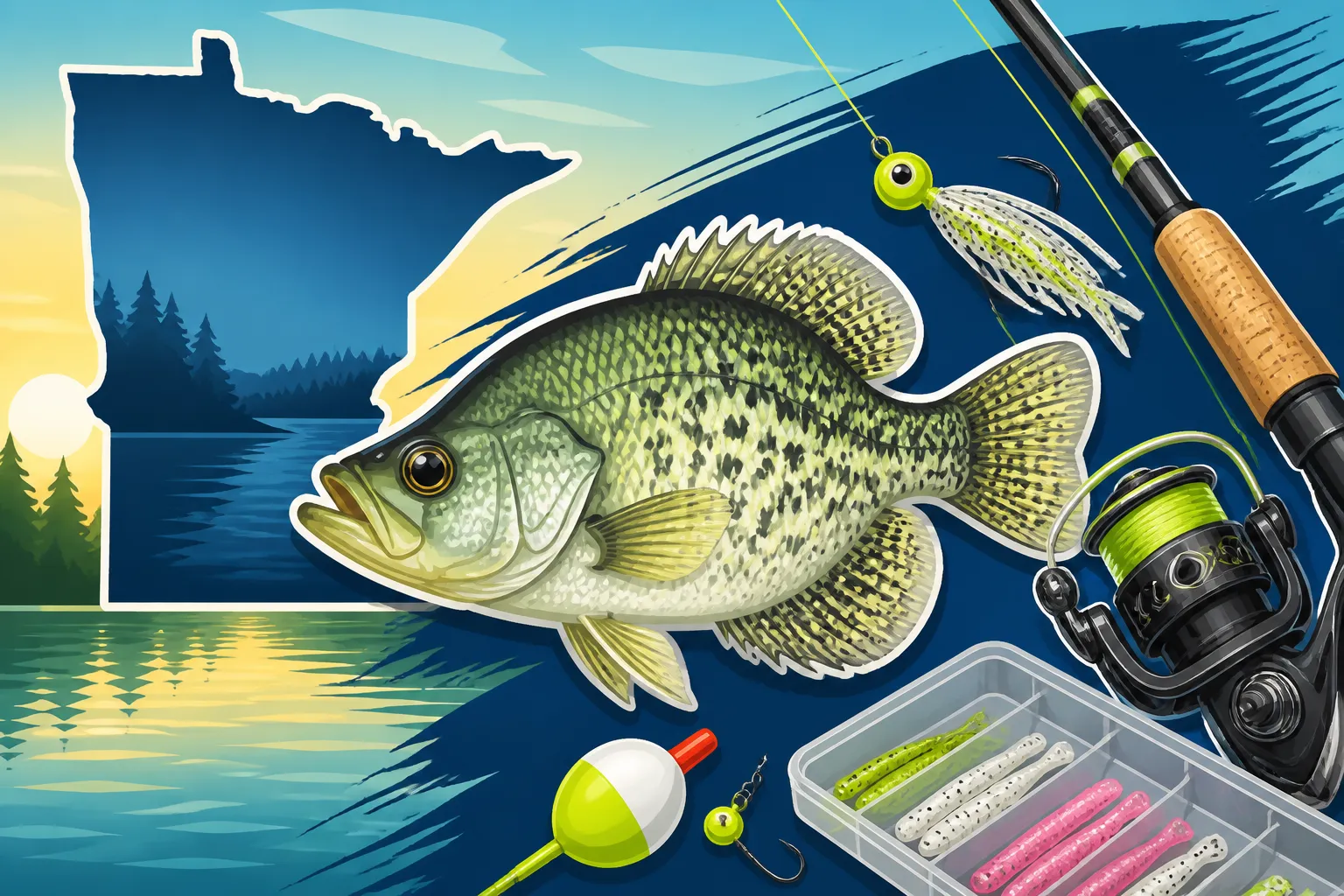
Crappie fishing in Minnesota can be an incredibly rewarding experience, offering fast action and delicious fillets, but it often comes with its own set of frustrations. You might be out on the lake, seeing other anglers pull in slabs, while your tiny jig feels like it's just getting ignored. The truth is, crappie are notorious for their light bites and schooling behavior, which means having the right gear isn't just a luxury—it's essential for success. This comprehensive guide will walk you through the best gear for crappie fishing in Minnesota, from rods and reels to the smallest jigs and must-have accessories, ensuring you're well-equipped to target these popular panfish.
Rods and Reels: The Foundation of Your Crappie Setup
When it comes to crappie fishing, your rod and reel setup is paramount. These aren't big, hard-fighting fish, so sensitivity and a delicate touch are far more important than brute strength. Many anglers make the mistake of using gear that's too heavy, missing those subtle "taps" that signal a crappie bite.
Ultralight Spinning Gear for Sensitivity
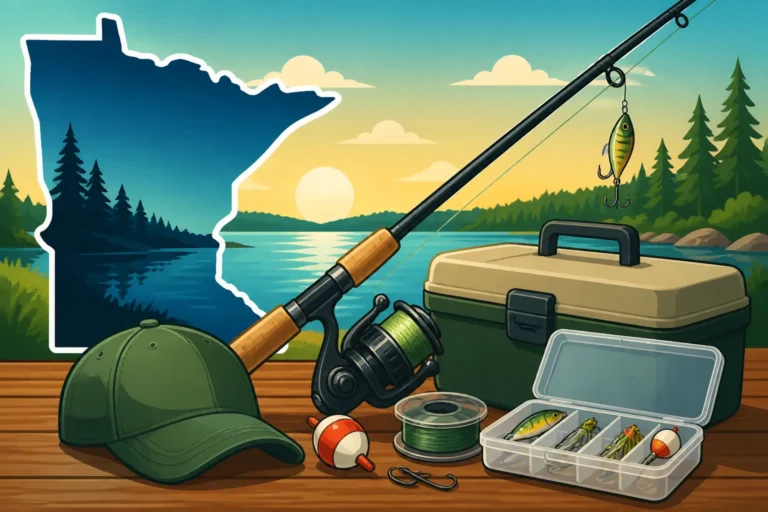
For crappie, ultralight spinning gear is your best friend. A good ultralight rod will typically be between 5 to 6 feet in length, with a fast or extra-fast action. The "ultralight" power means it's designed to handle very light lines and small lures, while the "fast action" means the rod bends mostly in the tip section, allowing for incredible sensitivity. This sensitivity is crucial for detecting the slightest nibbles from a crappie, which often feel like nothing more than a slight pressure or a tiny twitch in your line. If you're using a medium-light or medium action rod, you'll likely miss a significant number of bites, leading to a lot of frustration.
Pair this rod with a small, lightweight spinning reel, usually in the 500 to 1000 size range. The key here is smooth drag and a lightweight design that balances well with your rod. A reel with a high gear ratio isn't as critical as it would be for bass fishing, as you're typically not burning retrieves. Instead, focus on a reel that casts small jigs effortlessly and has a reliably smooth drag system to prevent breaking off those delicate lines when a surprisingly large crappie, or an incidental northern pike, takes your bait. Brands like Shimano, Daiwa, or Pflueger offer excellent options that won't break the bank. You can find a solid ultralight combo at most reputable outdoor retailers, including Bass Pro Shops, which usually has a wide selection of specific panfish setups.
Longer Rods for Reach and Control
While the 5-6 foot ultralight is a staple, don't overlook the utility of longer rods, especially for certain fishing situations. A crappie rod in the 7 to 9-foot range, still with an ultralight or light power and fast action, can be incredibly effective. These longer rods provide superior casting distance when you need to reach distant schooling crappie, especially from shore or when fan-casting from a boat. They also offer better line control, allowing you to mend your line over weeds or structure more effectively, and absorb lunges from bigger fish more gently, reducing tear-outs on light hooks.
If you're dock fishing, bridge fishing, or trying to present a small jig precisely into tight cover like submerged brush piles or lily pad edges, a longer rod gives you the leverage and reach to place your bait exactly where you want it. This added length can make a significant difference in crowded areas or when crappie are holding just out of reach of a shorter rod. For anglers targeting crappie from shore, a longer rod is almost a necessity to cover more water and cast those tiny jigs further. This extra reach is also invaluable when you're trying to reach specific spots without spooking the fish by getting too close with your boat.
Line Selection: Visibility vs. Strength
Choosing the right fishing line for crappie is a balancing act between low visibility, strength, and sensitivity. Crappie have excellent eyesight, particularly in clear water, so a line that's too thick or too visible can absolutely deter bites.
Monofilament for Forgiveness and Price
Monofilament line is often the go-to for many crappie anglers, and for good reason. It's relatively inexpensive, easy to tie knots with, and offers a good amount of stretch. This stretch can be a real benefit when crappie are biting lightly, acting as a shock absorber that prevents hooks from tearing out of their paper-thin mouths. It also provides a bit of forgiveness for those aggressive hooksets. For crappie, a 2 to 4-pound test monofilament is ideal. Anything heavier starts to become too visible and sacrifices the subtle presentation you need for these finicky fish.
The downside of monofilament is its relatively lower sensitivity compared to other line types and its tendency to retain "memory" and coil off the spool. However, for many casual crappie anglers, especially those just starting out, the benefits of monofilament often outweigh these drawbacks. It's a very versatile line, working well with both jigs and bobber setups. When fishing in water with some stain or chop, the visibility issue is further minimized. Look for high-quality, clear or low-visibility green monofilament lines from brands like Stren or Berkley for reliable performance.
Fluorocarbon for Stealth and Sensitivity
For anglers who demand maximum stealth and sensitivity, fluorocarbon line is an excellent choice. Its refractive index is very close to that of water, making it virtually invisible underwater. This characteristic alone can lead to more bites, especially on clear lakes or during bright sunny days when crappie are particularly skittish. Fluorocarbon also has less stretch than monofilament, providing increased sensitivity to detect those faint crappie taps. You'll feel every bump and tick, which can be the difference between a missed fish and a hooked slab.
While more expensive than monofilament, and a bit stiffer to work with, a 2 to 4-pound test fluorocarbon main line, or even a fluorocarbon leader tied to braided line, can significantly improve your crappie catch rates. It's particularly effective when jigging directly beneath the boat or when using small, unweighted plastics where a natural fall is crucial. Because of its sensitivity, it's also a fantastic choice if you're trying to figure out what depth the crappie are holding at, as you can feel when your jig touches structure or passes through a school of baitfish.
Braided Line for Power and Durability
Braided line isn't as common for primary crappie fishing lines, but it has its place, particularly as a main line paired with a fluorocarbon leader. Braided line offers superior strength for its diameter, zero stretch, and incredible durability. If you're fishing in heavy cover, like thick weeds, lily pads, or submerged timber, braid can help you pull out stubborn crappie (and any incidental pike or bass) without fear of breaking off. Its lack of stretch means maximum sensitivity, allowing you to feel even the most subtle bites from deep-water crappie or when you're fishing a long distance from the boat.
Typically, a 4 to 6-pound test braided line is used for crappie fishing. The key is to always, always tie on a 2 to 4-pound fluorocarbon leader. This addresses the high visibility of braid and provides a more natural presentation for your lure. The leader should be about 18-36 inches long, attached to the braid with a small swivel or a reliable knot like the Double Uni or Alberto knot. This combination gives you the best of both worlds: the strength and sensitivity of braid, with the stealth of fluorocarbon. It's an advanced setup, but for serious crappie anglers, it can be a game-changer, especially when paired with techniques like those described in "Crappie & Panfish Fishing Techniques".
Terminal Tackle: Jigs, Bobbers, and Weights
The tiny world of crappie terminal tackle is where most of the magic happens. These aren't just accessories; they are critical components that directly influence your presentation and ultimately, your success.
Small Jigs and Plastics for Presentation
Crappie are predominantly sight feeders, and their mouths are relatively small, so tiny jigs are the backbone of any crappie angler's tackle box. You'll want an assortment of jig heads ranging from 1/32 to 1/16 ounce, and occasionally 1/8 ounce for deeper water or windy conditions. The weight is less about the crappie's fighting ability and more about getting your bait down to the desired depth and providing a natural fall. Jig heads come in various colors, with chartreuse, pink, white, and black being perennial favorites. Many anglers find that glitter or glow-in-the-dark options can also be very effective, especially in stained water or low-light conditions.
Pair these jig heads with an array of soft plastic bodies. Small tube jigs (1-2 inches), tiny grub tails, single-tail grubs, and even little minnow-shaped plastics are all extremely effective. Brands like Bobby Garland, Johnson, and Berkley PowerBait offer a vast selection. The color palette here can be as varied as the jig heads, but generally, pearl white, chartreuse, black, and various shades of green are good starting points. The key is to experiment; what works one day might not work the next. The best crappie fishing involves constantly adapting your lure choice until you find what the fish are keying in on. For specific tactics, you might want to read up on "Best Lures for Ice Fishing Crappie" which has great crossover for open water too.
Slip Bobbers for Depth Control
While fixed bobbers have their place, slip bobbers are almost indispensable for serious crappie fishing, especially when trying to target precise depths. A slip bobber allows your line to "slip" through it, stopping at a bobber stop that you can adjust up or down your line. This means you can fish a jig or live minnow at virtually any depth, from a few inches under the surface to 20 feet down, while still being able to cast effectively because the bobber slides down to your lure when reeling in.
This precise depth control is critical because crappie often suspend at very specific depths within the water column. If they're holding 12 feet down over a 20-foot basin, a fixed bobber set at 6 feet simply won't get your bait into the strike zone. A slip bobber, however, lets you put your bait right in front of their noses. For a detailed guide on how to set one up, check out "How to Set Up a Slip Bobber Rig Step by Step". Combine this with a small split shot weight placed a foot or two above your jig, and you have an incredibly versatile and effective crappie rig.
Split Shot and Swivels for Balance
Don't underestimate the humble split shot and tiny swivel. These small pieces of terminal tackle play a vital role in proper crappie presentation. Split shot weights, usually small sizes like BB, 3/0, or 2/0, are used to add just enough weight to your line to get your lure or bait down to the desired depth with a natural fall. When using a slip bobber, a small split shot helps pull your line through the bobber, allowing it to settle at the bobber stop. Too much weight, and your presentation looks unnatural; too little, and your bait takes too long to get into the strike zone.
Tiny barrel swivels (size 10-14) are also useful, especially when you're tying a leader to a braided main line. They help prevent line twist, which can be a real nuisance when using light lines and small lures, particularly if you're twitching or jigging your bait frequently. They also create a clean connection point between different line types. When crappie are being extremely finicky, even a tiny swivel can be too much, so some anglers opt to tie their leader directly to the main line using an appropriate knot. Always opt for the smallest, lightest components possible to maintain that subtle, natural presentation that crappie prefer.
Essential Baits: Live and Artificial
Whether you're a purist for live bait or prefer the versatility of artificials, having a selection of both will ensure you're ready for whatever the crappie are biting on.
Live Bait Classics: Minnows and Waxworms
Live bait is often the gold standard for crappie, especially when they're less aggressive or when fishing in colder water. Small minnows, typically 1 to 2 inches long, are incredibly effective. Fathead minnows are widely available at bait shops across Minnesota and are a classic choice. Hook them lightly through the lips or just behind the dorsal fin, making sure not to impede their natural swimming action. When presented under a slip bobber, a struggling minnow is often irresistible to crappie. Minnows mimic the crappie's natural forage, making them a consistently reliable option.
Waxworms and maggots are another excellent live bait choice, particularly effective when jigging or ice fishing for crappie. These small, wiggling baits are perfectly sized for tiny jigs and appeal to panfish of all kinds. Their subtle movement and natural scent can trigger bites when plastics fail. For ice fishing specifically, a tiny tungsten jig tipped with a couple of waxworms can be incredibly deadly, as detailed in "How to Catch Crappie Through the Ice in Minnesota". Always keep your live bait fresh and lively in a good bait bucket to maximize your chances.
Soft Plastics: Tubes, Grubs, and Puddle Jumpers
Artificial soft plastics have revolutionized crappie fishing due to their versatility, durability, and wide range of colors and shapes. As mentioned earlier, small tube jigs, single-tail grubs, and paddle-tail minnows are staples. Sizes typically range from 1 to 2.5 inches. The action of these plastics can be incredibly enticing; a tiny grub tail fluttering on the fall, or a paddle tail creating subtle vibrations, can draw crappie in from a distance.
Experiment with different retrieve styles: a slow, steady retrieve, a stop-and-go retrieve, or a subtle twitching action can all trigger bites. Scented plastics, like those infused with Berkley PowerBait or Mister Twister scents, can also add an extra layer of attraction. Don't be afraid to try bright, vibrant colors even in clear water; sometimes crappie are attracted to a flash of color, especially during twilight hours or in dingy conditions. Having a variety of colors, from natural greens and browns to electric chartreuse and pinks, will ensure you have an option for every situation. Many anglers swear by a specific plastic, but having a diverse selection, perhaps picked up from a place like Bass Pro Shops or ordered conveniently from Amazon, allows you to adapt.
Electronics and Accessories: Enhancing Your Crappie Hunt
While not strictly "gear" in the rod-and-reel sense, modern electronics and essential accessories can drastically improve your crappie fishing success, especially in larger lakes where finding fish can be like finding a needle in a haystack.
Portable Fish Finders for Locating Schools
Crappie are schooling fish, and finding one often means finding many. A portable fish finder or a boat-mounted unit is an invaluable tool for locating these schools and the structure they relate to. Look for units with good high-frequency sonar (like 200kHz or CHIRP) that provide clear target separation, allowing you to distinguish individual fish from baitballs or structure. Features like down imaging or side imaging, if available on your unit, can also help you identify submerged brush piles, weed lines, or timber where crappie often hold.
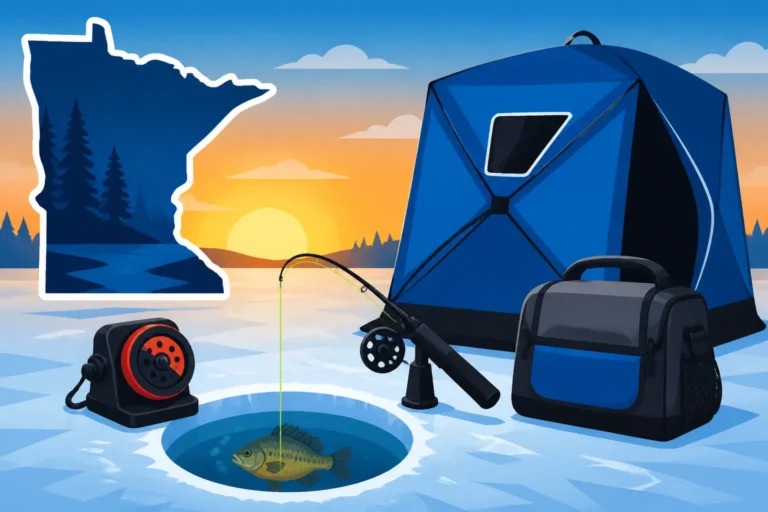
For ice fishing, a dedicated flasher unit like a Vexilar or MarCum is almost a necessity. These units provide real-time feedback on fish presence, lure depth, and even how fish are reacting to your presentation. Knowing exactly when a crappie is approaching your jig and how they're responding allows you to adjust your jigging cadence or depth to entice a bite. Even a basic portable fish finder can give you critical information about depth, water temperature, and the presence of fish, drastically reducing your unproductive time on the water. Modern units from companies like Humminbird and Garmin offer incredible capabilities that can make finding crappie much easier.
Landing Nets, Pliers, and Other Essentials
Even though crappie aren't huge, a small, fine-mesh landing net is a smart accessory to have. Their mouths are delicate, and a net minimizes stress on the fish if you're practicing catch and release, and prevents dropped fish if you're keeping them. A fine mesh is important so that small hooks don't get tangled in the netting. You don't need a massive muskie net, just a compact, easily deployable one.
Other essentials include needle-nose pliers or a hook remover tool, especially when using small jigs and treble hooks. Crappie swallow baits surprisingly often, and a good tool makes unhooking them much easier and safer for both you and the fish. A pair of line clippers or a small knife is, of course, a given. Don't forget a tape measure to ensure your fish meet the Minnesota fishing regulations, especially given the "Crappie Size: How Big Do They Get in Minnesota?" questions that often arise. Finally, a small tackle box or bag specifically for your crappie gear will keep your tiny jigs, bobbers, and weights organized and readily accessible, saving you precious fishing time.
| Gear Category | Recommended Item | Key Features for Crappie | Why It's Important |
|---|---|---|---|
| Rod | 5-7 ft Ultralight Spinning Rod | Fast/Extra-Fast Action, Sensitive Tip | Detects light bites, handles small lures, prevents hook tear-outs. |
| Reel | 500-1000 Size Spinning Reel | Smooth Drag, Lightweight, Good Balance | Ensures smooth casting of light lures, protects light line. |
| Main Line | 2-4 lb Monofilament or Fluorocarbon | Low Visibility, Manageable Stretch (Mono) / High Sensitivity (Fluoro) | Minimizes detection by crappie, balances forgiveness with feel. |
| Leader (optional) | 2-4 lb Fluorocarbon (with braid main line) | Invisible, High Sensitivity | Provides stealth with the strength of braided main line. |
| Jig Heads | 1/32 to 1/16 oz (1/8 oz for deep water) | Sharp Hooks, Various Colors | Matches lure size to crappie mouth, gets bait to depth, attracts strikes. |
| Soft Plastics | 1-2.5 inch Tubes, Grubs, Paddle Tails | Assorted Colors, Subtle Action | Mimics natural forage, versatile, durable, allows for varied presentations. |
| Live Bait | Small Minnows (Fatheads), Waxworms, Maggots | Natural Movement, Scent | Often irresistible to finicky crappie, especially in cold water. |
| Bobbers | Slip Bobbers (small to medium) | Adjustable Depth, High Visibility | Allows precise depth targeting, crucial for suspended crappie. |
| Weights | Small Split Shot (BB, 3/0, 2/0) | Minimal Weight | Aids casting, helps bait reach depth naturally. |
| Electronics | Portable Fish Finder / Flasher | Clear Sonar, Real-time Display | Locates crappie schools, identifies structure, shows fish reaction. |
| Accessories | Fine-Mesh Landing Net, Needle-Nose Pliers, Clippers | Prevents Lost Fish, Safe Hook Removal | Protects fish, ensures safe handling, essential for line management. |
Disclaimer
Fishing regulations, including seasons, limits, and licensing requirements, are subject to change. Always consult the most current Minnesota Department of Natural Resources (DNR) regulations before heading out on the water. This guide is for informational purposes only and does not constitute legal advice.