Best Gear for Ice Fishing Lake Sturgeon in Minnesota
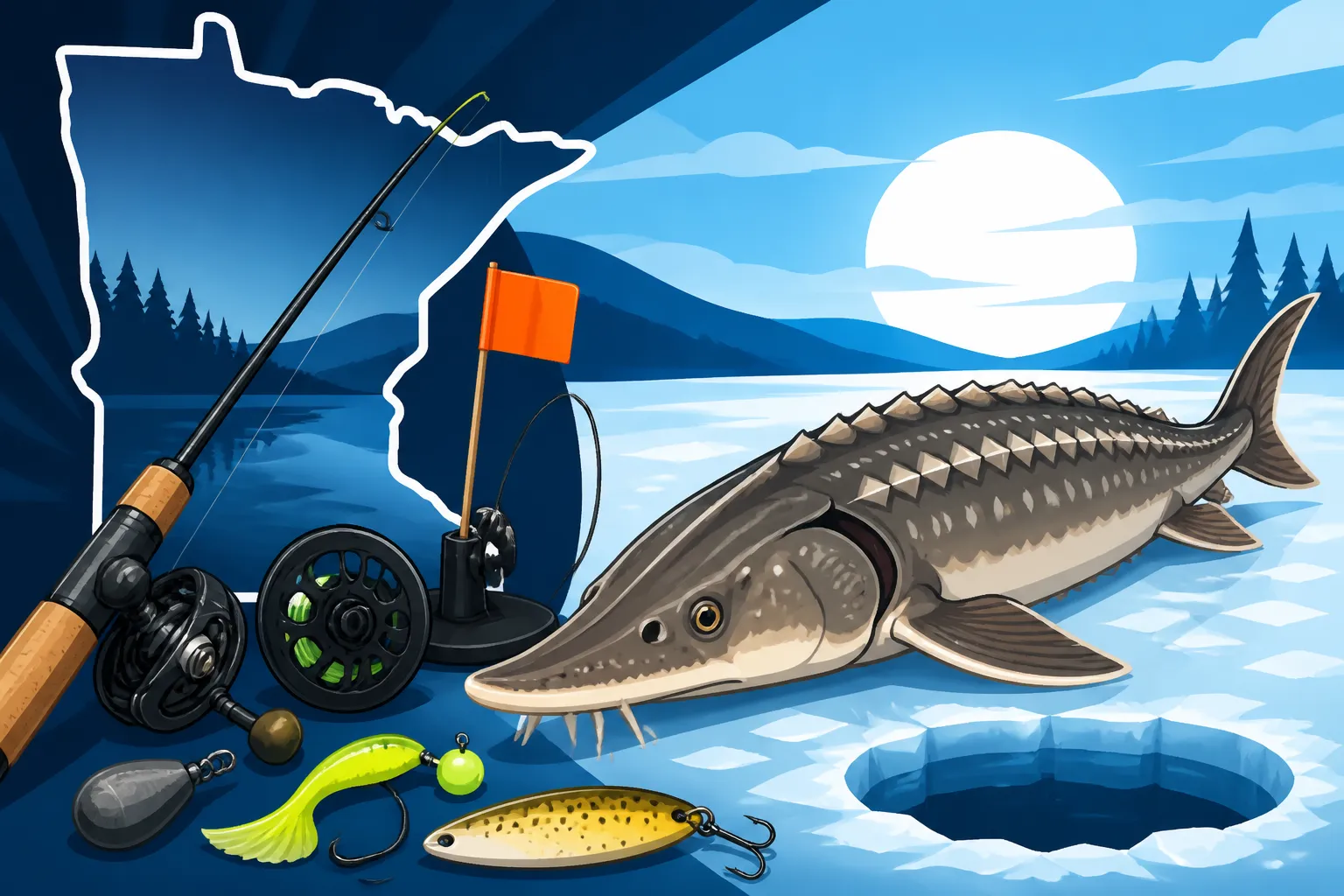
Trying to tackle Minnesota's colossal lake sturgeon through the ice with inadequate gear is a recipe for heartbreak, snapped lines, and lost fish that will haunt your dreams. These ancient giants demand specialized equipment, and if you're serious about landing one, you need to be prepared. This comprehensive guide will walk you through everything you need to know about outfitting yourself with the best gear for ice fishing lake sturgeon in Minnesota, ensuring you're ready for the fight of a lifetime.
Understanding Lake Sturgeon and Their Winter Habits
Before we even talk about rods and reels, it's crucial to understand the magnificent creature we're targeting. Lake sturgeon are true behemoths of the deep, often exceeding five feet in length and weighing over 100 pounds. They are incredibly powerful, with immense pulling strength and endurance, especially when hooked through the ice. This isn't your typical panfish or walleye outing; it's a completely different ballgame that demands respect and preparation.
Where to Find Ice Fishing Sturgeon in Minnesota
When the ice locks down, lake sturgeon in Minnesota tend to congregate in specific areas, often in deeper river channels or large lakes with significant river influence. The Rainy River is hands-down the most famous and productive spot for ice fishing sturgeon, particularly in its stretch connecting Rainy Lake to Lake of the Woods. They often inhabit deeper holes, bends, and scour areas where the current is present, but not overwhelming, and where food sources like insect larvae, crayfish, and small fish are abundant. Understanding these holding patterns is key because it dictates where you'll be setting up your gear. You won't find them shallow over weeds like a northern pike.
On larger lakes like Lake of the Woods or Rainy Lake, sturgeon will often follow the river channels or congregate near the mouths of tributaries that feed into them. They’re bottom feeders, so you'll be focusing your efforts on the lakebed, often in depths ranging from 20 to 50 feet, sometimes even deeper, depending on the specific structure and current. Knowing the contours of the bottom, especially those deeper holes and troughs, will significantly increase your odds.
The Challenge of Fighting a Giant Through the Ice
Hooking a lake sturgeon is one thing; landing it through an ice hole is another entirely. Their sheer size and power mean a protracted battle is almost guaranteed. You're not just pulling a fish up; you're often engaged in a tug-of-war with a living submarine that knows how to use the current and the bottom to its advantage. Anglers who go out with gear designed for smaller species quickly learn their mistake, as rods snap, lines part, and dreams of a trophy fish vanish into the depths. This is why heavy-duty, robust equipment is non-negotiable. The fight isn't just about the fish; it's about managing your line, keeping the fish from spooling you, and carefully guiding it to an ice hole that is often smaller than the fish itself. It's a true test of strength, patience, and the reliability of your gear.
Heavy-Duty Rods, Reels, and Line for Sturgeon
This is where the rubber meets the road. You absolutely cannot skimp on your primary fishing setup when targeting lake sturgeon. We're talking about gear that's built for battle, not finesse.
Choosing the Right Ice Fishing Rod
For lake sturgeon, your ice fishing rod needs to be nothing short of a beast. Forget those ultra-light or even medium-heavy walleye rods. You're looking for a heavy to extra-heavy power rod, typically 36 to 48 inches long, with a strong backbone and a relatively fast to moderate-fast action. The robust backbone is essential for handling the immense pulling power of a sturgeon, allowing you to apply significant pressure without fear of the rod snapping. A faster tip action helps detect subtle bites, which sturgeon can sometimes have, even with their massive size, while the mid-section transitions quickly into that powerful backbone to absorb the shock of a big run.
Many anglers prefer rods specifically designed for large game ice fishing, often labeled as "pike/muskie" or "big game" ice rods. Brands like St. Croix (their "Legend Glass Ice" series or similar heavy models) or custom rod builders offer excellent options. The handle should be comfortable and provide good leverage for a long fight, often with an extended rear grip. Trying to land a 60-inch sturgeon on a rod meant for walleye is like bringing a butter knife to a sword fight – it simply won't work. The rod needs to be capable of handling 50 to 80-pound test line without buckling.
Selecting a Powerful Ice Fishing Reel
Your reel is equally, if not more, important than your rod. You need a large spinning reel (size 5000-8000 series) or a heavy-duty baitcasting reel with a powerful, smooth drag system and high line capacity. A spinning reel is often preferred for its ease of use in cold weather and the ability to fight fish with a relaxed grip. Look for reels with metal bodies and high-quality internal components, as plastic parts can fail under extreme pressure and cold. The drag system must be exceptionally smooth and able to withstand sustained runs. A jerky drag will quickly lead to broken lines or pulled hooks.
Line capacity is critical because a large sturgeon can easily strip hundreds of feet of line in a single powerful run, especially in current. A reel that can hold at least 200-300 yards of your chosen heavy-test line is a must. Don't compromise here; a cheap reel with a weak drag or limited capacity will spell disaster. Many seasoned sturgeon anglers gravitate towards reliable brands like Penn, Daiwa, or Shimano for their larger spinning or baitcasting models, often found at places like Bass Pro Shops. These reels are built for abuse and sustained pressure.
The Indispensable Role of Heavy Line
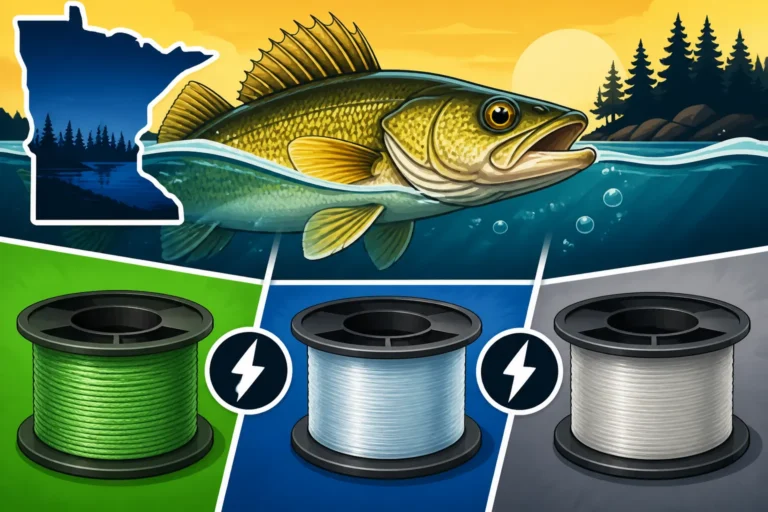
This might be the most common mistake beginners make: underestimating line strength. You need heavy line, period. Braided line is the overwhelming choice for sturgeon ice fishing due to its incredible strength-to-diameter ratio, zero stretch, and abrasion resistance. I'm talking about 50 to 80-pound test braided line as a main line. The lack of stretch in braid gives you excellent sensitivity to detect those subtle bottom bites and transmits every head shake and tail kick directly to your hands, which is vital for fighting a fish of this magnitude.
A fluorocarbon or monofilament leader is typically used in conjunction with the braid. The leader provides a bit of stealth and abrasion resistance against the sturgeon's rough mouth and the sharp edge of the ice hole. A good choice for a leader is 60 to 100-pound test fluorocarbon, which is incredibly strong and nearly invisible underwater. The length of your leader can vary, but usually, a 3- to 6-foot section is sufficient. Remember, you're not trying to be subtle; you're trying to be strong enough to withstand an absolute beast. Using a heavy-duty swivel to connect your main braid to your leader is crucial to prevent line twist. For more insights on line choices for different species, you might want to check out our guide on the best fishing line for walleye.
| Gear Component | Recommendation | Key Features | Why It Matters for Sturgeon |
|---|---|---|---|
| Rod | Heavy to Extra-Heavy Power, 36-48 inches | Strong backbone, Moderate-Fast action, Durable guides, Extended handle | Withstands immense pulling power, detects subtle bites, provides leverage |
| Reel | Size 5000-8000 Spinning or Heavy Baitcaster | Smooth & powerful drag, High line capacity (200-300+ yards), Metal body | Prevents line breaks, handles long runs, resists cold weather failure |
| Main Line | 50-80 lb Braided Line | Zero stretch, High strength-to-diameter, Abrasion resistance | Excellent sensitivity, direct hooksets, stands up to strong runs |
| Leader | 60-100 lb Fluorocarbon | Nearly invisible, High abrasion resistance, Strong knot strength | Stealth, protection against rough mouth/ice edge, maintains strength |
Essential Terminal Tackle and Baits
Once you've got your rod, reel, and line sorted, it's time to focus on what goes in the water. Sturgeon aren't picky eaters, but they demand durable tackle.
Hooks, Leaders, and Weights
You absolutely need robust terminal tackle. For hooks, think big and strong. Heavy-gauge circle hooks in sizes 5/0 to 9/0 are ideal. Circle hooks are excellent because they typically hook the fish in the corner of the mouth, reducing the chance of gut-hooking and making catch-and-release much easier and safer for these long-lived fish. Brands like Gamakatsu or Owner offer very strong, sharp circle hooks that can handle the power of a sturgeon. Don't use anything less than a 5/0, and if you're feeling adventurous or are targeting truly massive fish on the Rainy, a 7/0 or 9/0 is not overkill.
For leaders, your 60-100 pound fluorocarbon is often tied directly to the hook. However, some anglers prefer to use short, heavy-duty wire leaders (like 80-100 lb test) if they are worried about fraying, though most sturgeon don't have sharp teeth like a pike. The key is heavy, reliable components. As for weights, you'll need substantial ones to keep your bait on the bottom in current. No-roll sinkers or pyramid sinkers in sizes ranging from 2 to 8 ounces are common. The exact weight will depend heavily on the current you're fishing in, so it's wise to carry a variety. The goal is to keep your bait stationary or slowly tumbling downstream, not rapidly washing away.
Bait Preferences for Ice Sturgeon
Sturgeon are scavengers and have an excellent sense of smell. While they'll hit a variety of baits, certain options consistently outperform others, especially in the cold water of winter. The absolute king of sturgeon baits, particularly on the Rainy River, is large chunks of dead frozen baitfish. Cisco, tullibee, suckers, or even large smelt cut into 2-4 inch pieces are highly effective. The oil and scent trail they release in the water are irresistible to sturgeon.
Other successful baits include:
- Nightcrawlers: A large gob of multiple nightcrawlers (5-10 worms) threaded onto a hook creates a substantial, scent-rich offering.
- Cut Shad or Oily Fish: Similar to cisco, any oily cut bait will produce a strong scent trail.
- Gulp! Baits: While not natural, some anglers report success with large Gulp! Catfish baits or similar scent-infused artificial offerings when live or cut bait is unavailable. These are often used as a scent booster on a piece of cut bait.
The presentation is fairly simple: rig your bait on your circle hook, ensure it’s secured well, and sink it to the bottom. The waiting game begins! Remember, you'll need a fishing license, and often a special Lake Sturgeon tag in Minnesota to keep one, so always check the latest Minnesota Fishing Regulations.
Shelter, Augers, and Electronics for Sturgeon
Beyond the direct fishing tackle, having the right supporting gear makes your sturgeon ice fishing experience comfortable, efficient, and successful. Remember, you might be out there for extended periods waiting for that big bite.
Choosing an Ice Shelter
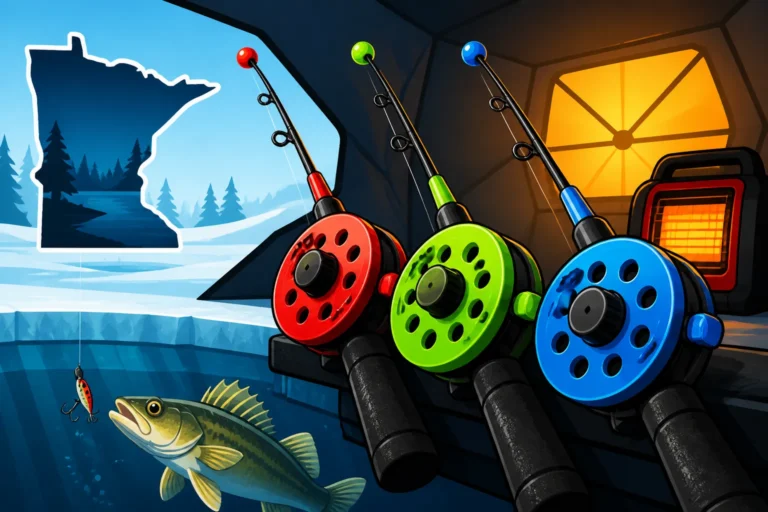
Comfort is key, especially when you're targeting fish that can take hours to find and even longer to fight. A good ice shelter provides protection from the elements, which can be brutal on Minnesota's larger bodies of water. For sturgeon fishing, many anglers prefer a spacious hub-style shelter or a large flip-over house. These offer ample room to spread out gear, fight a big fish without feeling cramped, and accommodate a larger ice hole. A 4-person or even 6-person hub shelter provides plenty of space. Brands like Clam or Otter make excellent, durable shelters.
Consider insulation and black-out interior features. A well-insulated shelter will hold heat better, reducing propane consumption, while a dark interior can help with visibility if you’re trying to sight-fish or simply prefer a calmer environment. For long days on the ice, especially when waiting for a sturgeon, a portable heater is a must. You can read more about different ice shelter options in our guide comparing Clam vs Otter ice shelters.
Heavy-Duty Ice Augers
You need a big hole for a big fish. A standard 6-inch or 8-inch auger suitable for walleye won't cut it (pun intended) for a sturgeon. You're going to need at least a 10-inch auger, and many serious sturgeon anglers opt for an 11-inch or 12-inch auger to create an opening wide enough to comfortably land a large fish. Trying to squeeze a 5-foot sturgeon through an 8-inch hole is nearly impossible and dangerous for both you and the fish.
Given the larger diameter, an electric auger (like the StrikeMaster Lithium 40V or ION Alpha series) or a gas auger is highly recommended over a manual hand auger. Drilling multiple 10-inch holes by hand is exhausting, especially in thick Minnesota ice. Electric augers are quiet, clean, and powerful, while gas augers offer raw power and endurance for many holes. Whichever you choose, ensure it's well-maintained and has sharp blades. If you're looking for an upgrade, our comparison of best ice augers for Minnesota can help you decide.
Fish Finders and Electronics
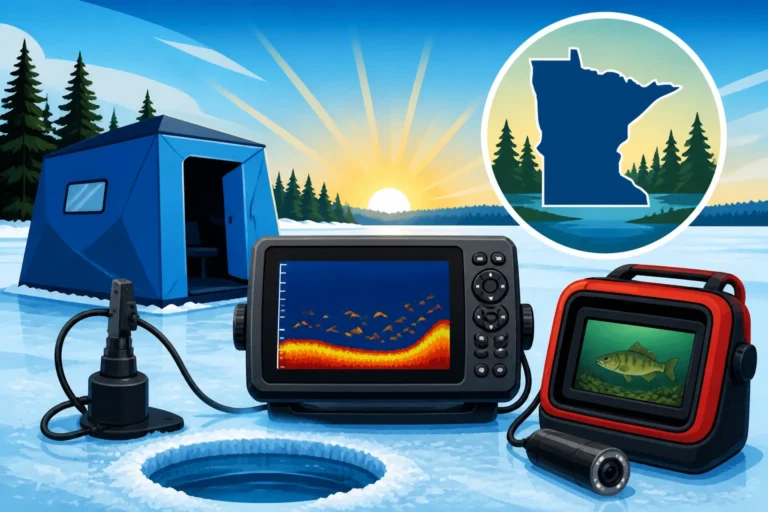
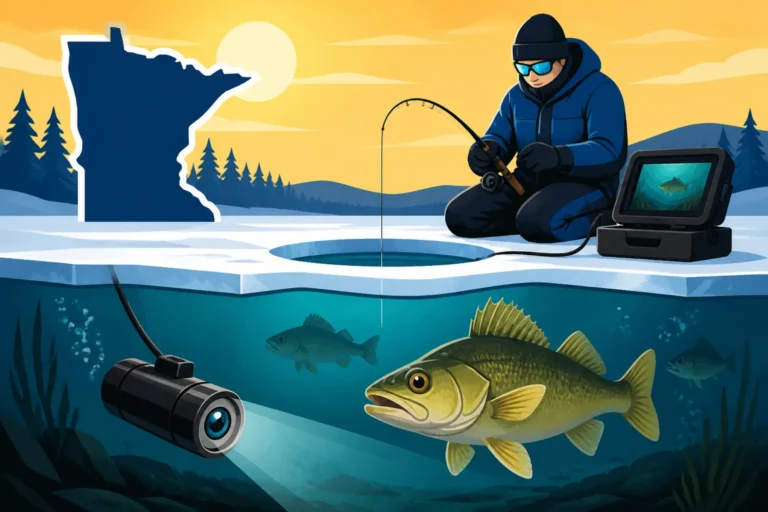
While sturgeon are often found on the bottom, electronics are still incredibly helpful. A flasher or graph-style fish finder allows you to see the depth, the bottom contour, your bait, and any fish swimming by. A high-quality flasher like a Vexilar FLX-28 or a Humminbird Ice Helix unit will show you if your bait is on the bottom and if any sturgeon are investigating. This visual feedback is invaluable for detecting subtle bites and knowing when to adjust your presentation.
For modern anglers, forward-facing sonar systems like Garmin LiveScope or Humminbird Mega Live are revolutionary. While a significant investment, they allow you to scan a wide area around your hole, identifying sturgeon before they even get close to your bait. This can save immense time by showing you fish movement and helping you position your bait directly in their path, especially when fishing in deeper channels or areas with current. Even without forward-facing sonar, a traditional flasher is a non-negotiable tool for efficient sturgeon ice fishing. Knowing how to read a flasher is an essential skill for any serious ice angler.
Additional Gear and Safety Considerations
Beyond the core fishing equipment, a few other items are crucial for a successful and safe sturgeon ice fishing trip.
Rod Holders and Strike Indicators
Given that sturgeon bites can sometimes be subtle, and you're often fishing multiple lines (where allowed by regulations; check Minnesota Fishing Limits: Bag & Possession for line limits), good rod holders are a must. Heavy-duty rod holders that securely clamp to a bucket or a sled are common. These keep your rod steady and positioned correctly, allowing you to relax without constantly holding your heavy setup.
Additionally, a strike indicator can be incredibly beneficial. This could be as simple as a small bell clipped to the rod tip or a more sophisticated spring bobber system designed for heavy lines. While some sturgeon smash a bait, others can be very gentle, nudging or mouthing it before fully committing. A visual indicator ensures you don't miss those subtle takes while you're warming your hands or chatting with buddies.
Ice Hole Scoop and Large Landing Tools
You've got your big auger for a reason, and you'll need the right tools to maintain that hole. A large ice scoop is essential to clear slush and ice chunks from your hole, especially during a fight. A smaller scoop will leave you fighting ice along with the fish.
For landing the fish, a large gaff or a heavy-duty cradle net is critical. A standard landing net for walleye is utterly useless for a sturgeon. A large gaff, used carefully to hook the lower jaw or gill plate, can help guide the fish through the hole. However, for those prioritizing catch-and-release, a large cradle-style net specifically designed for muskie or big catfish is a much safer option for the fish, helping to support its entire body. Always prioritize the fish's safety, as lake sturgeon are a protected species with strict regulations. Handle them minimally and release them quickly.
Safety Gear
Ice fishing for sturgeon often means venturing onto large, potentially unpredictable bodies of water. Safety gear is paramount. Always wear a float suit (like those from Clam or Striker), which provides both warmth and buoyancy. Carry ice picks around your neck, ready for immediate use. Let someone know your plans and expected return time. Check ice conditions regularly, and never assume ice thickness is uniform. A spud bar can test ice integrity as you walk. Navionics and LakeMaster GPS chips for your fish finder can also provide critical information about underwater structure and potential hazards like current areas. The sheer remoteness of some sturgeon fishing locations means self-sufficiency and caution are your best friends.
Final Thoughts on Sturgeon Ice Fishing Gear
Ice fishing for lake sturgeon in Minnesota is an unforgettable experience, but it's one that demands dedication and the right equipment. This isn't a sport where you can get by with hand-me-down panfish gear. Investing in heavy-duty rods, reels, and line, along with a powerful auger, comfortable shelter, and reliable electronics, will not only increase your chances of success but also make the entire experience safer and more enjoyable. Take the time to assemble a proper setup, and you'll be ready for the incredible challenge of battling one of Minnesota's true freshwater giants.
Disclaimer
Please remember that fishing regulations, seasons, and limits can change. Always consult the latest Minnesota Department of Natural Resources (DNR) fishing regulations before heading out on the ice. This guide is for informational purposes only and does not supersede official regulations.