Rainbow Trout Season & Limits in Minnesota
For many anglers, the dream of hooking into a vibrant, fighting rainbow trout in Minnesota's pristine waters can quickly turn into a headache when trying to decipher the often complex and region-specific fishing regulations. It's frustrating to plan a trip, only to feel unsure about legal seasons, bag limits, or whether you even need a special stamp. This comprehensive guide is here to untangle the nuances of rainbow trout fishing seasons and limits in Minnesota, ensuring your next outing is both rewarding and fully compliant with the rules.
Understanding Rainbow Trout in Minnesota Waters
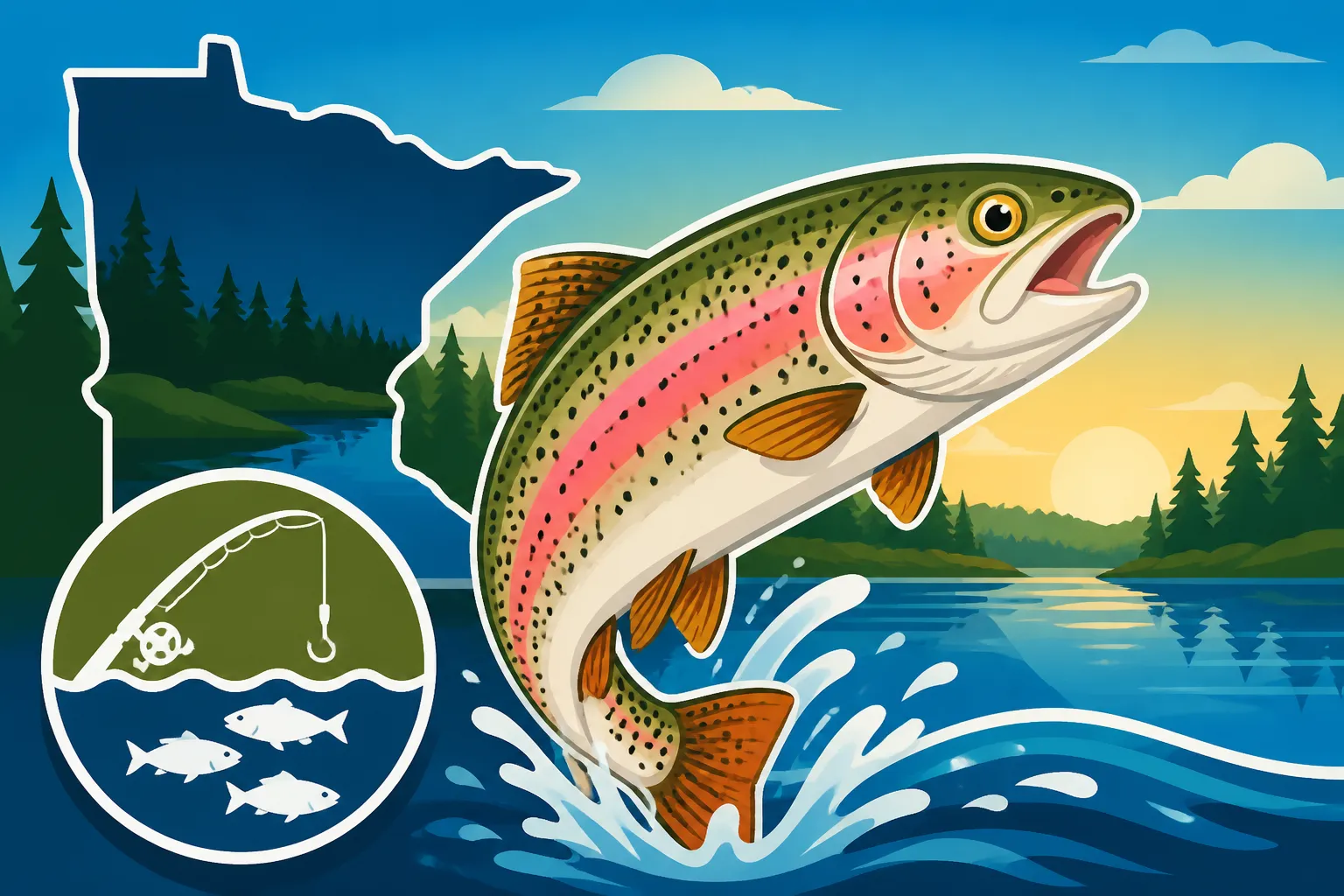
Rainbow trout, with their distinctive iridescent stripe and acrobatic fighting style, are a prized catch across Minnesota. But before we dive into the nitty-gritty of regulations, it’s helpful to understand a bit about these beautiful fish and why the rules are structured the way they are. Their presence here isn't just a happy accident; it's a mix of natural beauty and dedicated management.
The Allure of Rainbows: Why Anglers Love Them
There's something truly special about chasing rainbow trout. For many, it's the sheer visual appeal—their shimmering scales, the vibrant pink or red band along their sides, especially when they're fresh from cold, clear water. Beyond their looks, their fighting spirit is legendary. A hooked rainbow often leaps and dives, putting even experienced anglers to the test. This combination of beauty and challenge makes them a bucket-list fish for many, drawing people to Minnesota's diverse trout waters, from the rugged North Shore to the serene Driftless Area streams. It's not just about catching fish; it's about the experience of being in some of the state's most picturesque natural settings.
Natural vs. Stocked Populations: A Tale of Two Fisheries
It's important to differentiate between naturally reproducing rainbow trout and those that are stocked. In Minnesota, a significant portion of our rainbow trout fishery, particularly in designated trout lakes and many streams, relies on stocking efforts by the Department of Natural Resources (DNR). These fish are raised in hatcheries and released to provide angling opportunities where natural reproduction is limited or non-existent. However, we also have areas, most notably the North Shore tributaries of Lake Superior, where wild steelhead—lake-run rainbow trout—migrate from the big lake to spawn. Understanding this distinction is crucial because regulations can vary dramatically depending on whether you're targeting wild or stocked populations, often reflecting the need to protect vulnerable spawning fish or manage harvest in put-and-take fisheries.
Habitat Preferences and Where to Find Them
Rainbow trout thrive in cold, clean, well-oxygenated water. This is why you'll primarily find them in two distinct types of Minnesota environments: coldwater streams and certain deep, cold lakes. In streams, they often inhabit pools, riffles, and runs, seeking out cover provided by overhanging banks, submerged logs, or large rocks. They're opportunistic feeders, keying in on insects, small baitfish, and crustaceans. In lakes, particularly those designated as trout lakes, they'll often suspend in the cooler, deeper water, moving into shallower areas to feed, especially during low light conditions or cooler weather. Knowing their preferred habitat is your first step to finding them and understanding why certain areas have specific rules to preserve these delicate ecosystems.
Key Regulations: Seasons and Limits for Rainbow Trout
Navigating the fishing regulations for rainbow trout in Minnesota can feel like cracking a secret code. Unlike some other species, trout rules are often segmented by water body type, reflecting the DNR's targeted management strategies. It's not a one-size-fits-all situation, and getting it wrong can lead to serious consequences.
Statewide Stream Trout Season Overview
For most streams classified as "designated trout streams" in Minnesota, the general stream trout season typically runs from mid-April through September, reopening for a catch-and-release only winter season from January 1st to late March. This split season allows for harvest during the warmer months when fishing is most accessible, while providing a period of rest and a unique cold-weather angling opportunity. However, it’s absolutely critical to always check the most current regulations provided by the Minnesota DNR, as these dates can shift slightly each year. For a more detailed look, you can refer to our guide on Minnesota Trout Season Dates & Streams. Remember, a Minnesota Trout Stamp & Trout Regulations is usually required if you're 18 or older and fishing for trout.
Lake Trout Seasons and How Rainbows Fit In
While rainbow trout are distinct from lake trout, it’s common for anglers to lump "trout fishing" into one category, which can cause confusion. Many designated trout lakes in Minnesota have specific seasons that might differ from stream trout seasons, and some even offer year-round fishing for stocked trout, often with special regulations to manage pressure. Lake Superior, for instance, has its own complex set of rules, including seasons for its tributaries where steelhead (lake-run rainbows) are targeted. When fishing a lake, always confirm if it's a "designated trout lake" and cross-reference the specific rules for that body of water in the DNR's fishing handbook. The rules here are designed to protect both the stocked populations and any wild or migrating trout species.
Daily Bag and Possession Limits Explained
Bag limits define how many fish you can keep per day, while possession limits dictate how many fish you can have on your person or in your possession at any given time, including those at your camp or home. For rainbow trout, the statewide stream and designated trout lake daily bag limit is generally 5 trout, with no more than one being over 16 inches. This "one over 16 inches" rule is particularly important for rainbow trout and is designed to allow anglers to keep a trophy while protecting larger, potentially wilder, or more mature fish. However, certain special regulation waters might have different limits, such as catch-and-release only, reduced bag limits, or different size restrictions. Always consult the specific lake or stream entry in the DNR regulations. It’s better to double-check than risk a citation. You can also explore Stream Trout Season & Limit in Minnesota for a broader understanding of these rules.
Here's a simplified overview, but always confirm with the current MN DNR regulations booklet for the most accurate and up-to-date information.
| Water Type | General Season Dates (Approx.) | Daily Bag Limit | Possession Limit | Size Restriction | Notes |
|---|---|---|---|---|---|
| Designated Trout Streams | Mid-April to Sept. 30 (Harvest) | 5 | 5 | Only 1 over 16 inches | Special regulations may apply to specific streams. |
| Jan. 1 to Late March (Catch & Release) | 0 (C&R Only) | 0 (C&R Only) | N/A | Barbless hooks often required. | |
| Designated Trout Lakes | Varies by lake (some year-round, some seasonal) | 5 | 5 | Only 1 over 16 inches | Check specific lake regulations carefully. |
| Lake Superior Tributaries | Varies significantly by river & species | Varies | Varies | Varies | Highly specific regulations for steelhead. |
| Lake Superior (Main Lake) | Year-round | 5 | 5 | Minimum 10 inches; only 1 over 16 inches. | Combined total for all trout/salmon species. |
Specific Waters and Their Nuances
Minnesota is blessed with incredible diversity when it comes to trout fishing, and rainbow trout are a big part of that. However, this diversity means regulations aren't uniform. What's legal on a small stream in the southeast might be strictly prohibited on a major North Shore tributary. Understanding these localized rules is key to a successful and legal fishing trip.
North Shore Tributaries: The Steelhead Run
The North Shore of Lake Superior is famous for its "steelhead" runs. These are migratory rainbow trout that spend most of their lives growing large in Lake Superior before returning to its tributary rivers like the Knife River, Split Rock River, or Baptism River to spawn. The fishing here is legendary but comes with some of the most stringent and complex regulations in the state. Seasons for these tributaries are often highly restricted, sometimes allowing only catch-and-release, or having very specific open dates to protect the spawning fish. Many rivers have special tackle restrictions, such as single-hook, artificial lure only rules, or even specific fly-fishing-only zones. Anglers must pay incredibly close attention to the Minnesota DNR's specific rules for each individual stream. These regulations are designed to sustain these precious wild populations, so understanding Steelhead on Minnesota's North Shore is paramount. It’s easy to get confused, so always double-check the regs for the specific river you intend to fish.
Southeastern Minnesota: The Driftless Area Gems
Head down to southeastern Minnesota, and you'll find a completely different trout fishing experience in the "Driftless Area." This region, untouched by glaciers, boasts a network of spring-fed, coldwater streams that are ideal habitat for trout. Many of these streams are managed as "designated trout streams" and hold healthy populations of brown, brook, and rainbow trout. While some rainbows in these streams are wild, many are also stocked to supplement the fishery. The general stream trout regulations mentioned earlier apply to most of these waters, but some specific sections or entire streams might have special regulations like reduced bag limits, length limits, or tackle restrictions to promote natural reproduction or trophy fishing. Exploring Driftless Area Trout Streams Southeast Minnesota offers a truly unique angling experience, but as always, consult the specific stream regulations within the DNR handbook. The sheer number of small streams here means localized rules are common.
Designated Trout Lakes: Year-Round Opportunities
Beyond the flowing waters, Minnesota manages numerous "designated trout lakes" across the state. These are typically deep, cold lakes that can sustain trout populations, often through regular stocking. The beauty of these lakes is that many offer year-round fishing opportunities for stocked rainbow trout, though specific seasons and methods might apply. For example, some lakes might be open to harvest during the open water season and then switch to catch-and-release or closed periods during ice fishing. These lakes are perfect for anglers looking for a more accessible trout fishing experience, as they don't always require the specialized gear or river navigation skills needed for stream fishing. However, each designated trout lake has its own rules, sometimes including specific slot limits or tackle restrictions. It’s always best to search the DNR’s website for the specific lake you’re planning to visit to ensure you’re adhering to the most current regulations.
Tips for a Successful and Compliant Rainbow Trout Trip
Beyond just knowing the rules, a truly rewarding rainbow trout fishing experience involves being prepared, respectful of the resource, and always putting conservation first. After all, we want these beautiful fish to be around for generations to come.
Gear Up Right: Rods, Reels, and Tackle
When it comes to rainbow trout, having the right gear can make all the difference. For stream fishing, a lightweight spinning rod (around 5-6 feet, ultralight or light action) paired with a small spinning reel spooled with 4-6 lb test monofilament or fluorocarbon line is ideal. This setup allows for delicate presentations of small baits, spinners, or flies. If you're targeting steelhead on the North Shore, you might opt for a slightly heavier setup, perhaps a 7-8 foot medium-light rod, to handle bigger fish and heavier flows. Fly fishing is also incredibly popular for trout, requiring a 3-5 weight fly rod setup. You can find excellent starter kits and individual components on Amazon for all types of trout fishing.
For bait, traditional choices include worms, corn, and salmon eggs. Artificial lures like small inline spinners (Mepps, Panther Martin), tiny spoons, or micro jigs under a bobber can also be incredibly effective. For fly anglers, a diverse fly box with nymphs (e.g., Prince Nymph, Pheasant Tail), dry flies (e.g., Caddis, Adams), and streamers (e.g., Woolly Bugger) will cover most conditions. You can often stock up on a good variety of tackle and supplies through retailers like Amazon before your trip, ensuring you're ready for any situation. Remember, some special regulation waters, especially trout streams, might have "artificial lures only" or "single hook" rules, so always check before you tie on that treble-hooked spinner. To learn more about specific techniques and gear, check out How to Catch Stream Trout: Nymphs & Dries and Best Stream Trout Fishing Tactics in Minnesota.
Reading the Regulations: Your Best Friend on the Water
This cannot be stressed enough: the official Minnesota DNR Fishing Regulations Handbook is your single most important piece of gear. While online resources and guides like this one are helpful starting points, the printed (or official PDF) handbook contains the legally binding rules for every body of water. Keep a copy in your tackle box, in your boat, or easily accessible on your phone.
Here’s why it's so crucial:
- Annual Changes: Regulations can change year to year based on fish populations, environmental factors, and management goals. Relying on old information is a surefire way to get in trouble.
- Lake/Stream Specific Rules: As discussed, many waters have special regulations that override statewide general rules. The handbook has a dedicated section for these. For instance, a quick check might show that on "Lake Minnewaska Walleye Limit & Slot," the walleye rules are different from the statewide average, and the same applies to many trout waters.
- Boundary Waters: If you’re fishing border waters with neighboring states or Canada, like the Boundary Waters Canoe Area Wilderness, those regulations also vary. Refer to our Border Water Fishing Rules Minnesota-Ontario, Wisconsin guide for details.
Take the time to read the section on trout regulations thoroughly before you head out. This simple act can save you from fines and ensure you're fishing responsibly.
Catch and Release Best Practices
Even if you plan to keep a legal limit of rainbow trout for a delicious meal, practicing responsible catch and release for fish you don’t intend to keep is vital for sustaining healthy populations. This is especially true for larger, wilder fish, or those caught during catch-and-release only seasons.
Here are some key tips for ethical catch and release:
- Minimize Fight Time: Use appropriate tackle to land the fish as quickly as possible without over-stressing it.
- Handle With Care: Keep the fish in the water as much as possible. If you must handle it, do so with wet hands to protect its slime coat, which is crucial for disease resistance. Avoid squeezing or touching its gills.
- Remove Hook Gently: Use needle-nose pliers or a hook-out tool to quickly remove the hook. If the fish is deeply hooked, it’s often best to cut the line as close to the hook as possible rather than tearing internal organs.
- Consider Barbless Hooks: Many experienced trout anglers, and some special regulations, require barbless hooks. They make hook removal much easier and reduce harm to the fish. You can buy barbless hooks or simply crimp down the barb on your existing hooks with pliers.
- Revive If Needed: If a fish seems sluggish, hold it gently in the water, facing upstream into the current, until it regains its strength and can swim away on its own.
By following these Catch and Release Best Practices in Minnesota, you contribute to the long-term health and vitality of Minnesota's beautiful rainbow trout fisheries.
Disclaimer
Please remember that fishing regulations are subject to change. While every effort has been made to provide accurate and up-to-date information in this guide, it is your responsibility to consult the official Minnesota Department of Natural Resources (DNR) fishing regulations handbook or their website before heading out on the water. This guide is for informational purposes only and should not be considered a substitute for the official regulations.