How to Catch Rainbow Trout in Minnesota
Let's be honest, trying to figure out where and how to catch rainbow trout in Minnesota can feel like a bit of a secret club, especially when everyone's always talking about walleye. It's frustrating when you just want to enjoy the fight and beauty of a rainbow, but the info feels scattered. This comprehensive guide will cut through the noise, giving you all the practical tips and detailed spots you need to successfully target these vibrant fish across our beautiful state, from rushing streams to serene lakes.
Understanding Minnesota's Rainbow Trout Fishery
Minnesota offers a surprisingly diverse rainbow trout experience, but it’s quite different from what you might find out west. Here, our rainbows are primarily sustained through diligent stocking programs, making understanding their habits and the state's efforts crucial for a successful outing. It's not always about finding wild, naturally reproducing populations, though some do exist.
Rainbow Trout Basics and Identification
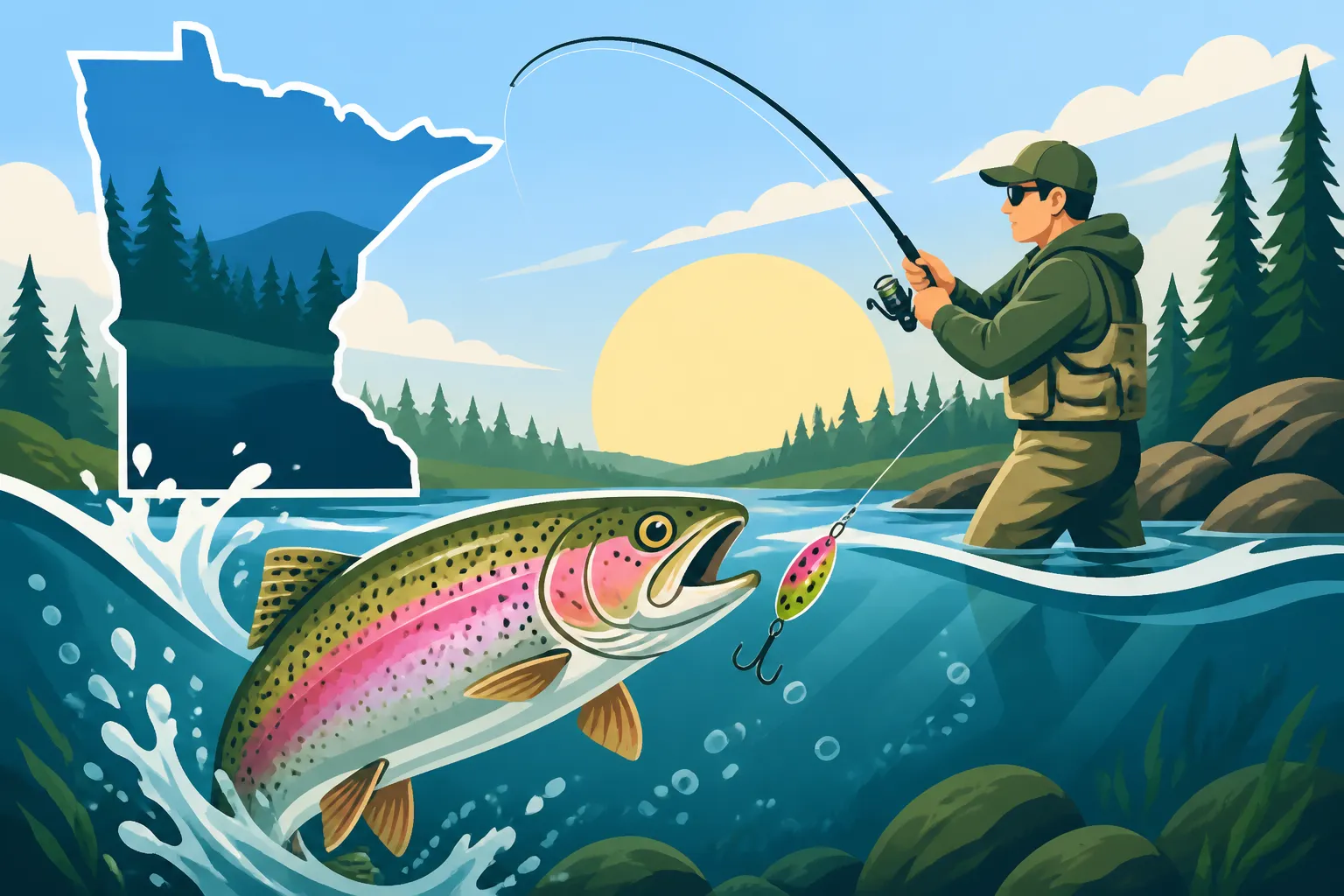
Rainbow trout (Oncorhynchus mykiss) are undeniably one of the most beautiful freshwater fish you can catch. They're recognized by that distinctive, iridescent pinkish-red stripe running along their sides, especially prominent in males during spawning season. Their bodies are typically silver-green with numerous small, dark spots covering their back, sides, and fins. In Minnesota, these fish generally prefer cold, clear, oxygen-rich waters, making them indicators of good water quality. They're also known for being incredibly feisty once hooked, often leaping and fighting hard, which is part of their immense appeal to anglers.
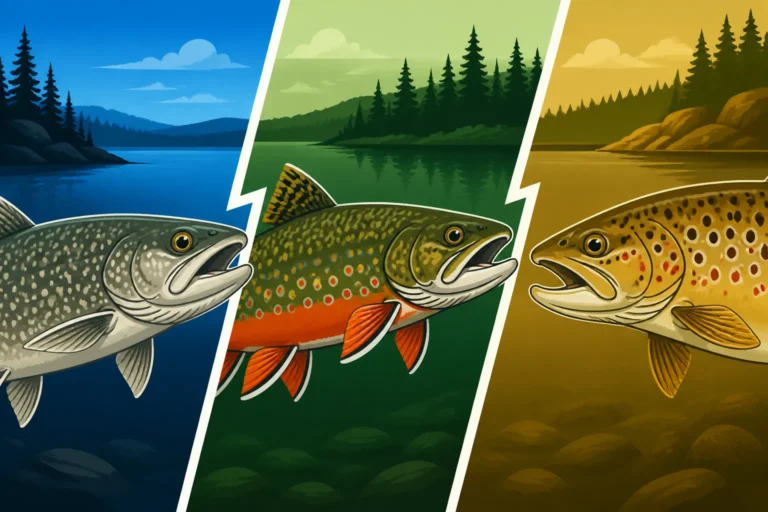
Their diet is quite varied, ranging from insects and crustaceans to smaller fish, which is why a wide array of baits and lures can be effective. They're opportunistic feeders, and understanding the local forage can significantly improve your chances. While some native brook trout and brown trout thrive in specific stream environments, rainbows often rely on human intervention to maintain fishable populations, particularly in lakes and rivers where natural reproduction is limited or non-existent due to habitat constraints or water temperature issues.
Stocking Programs and Their Importance
The Minnesota Department of Natural Resources (DNR) plays a massive role in our state's rainbow trout fishing opportunities. They meticulously manage stocking programs, releasing thousands of fingerlings and catchable-sized trout into designated streams and lakes each year. This is a critical point: knowing when and where these stockings occur can dramatically increase your chances of finding fish. For instance, many smaller ponds and urban lakes are stocked with rainbows, providing easily accessible fishing, especially for families or those new to trout fishing. These "put-and-take" fisheries are designed to offer immediate opportunities, as the fish are often catchable shortly after release.
Larger lakes and specific stream sections also receive stockings, often to supplement existing populations or create new fisheries where natural reproduction isn't sustainable. These stocked fish adapt quickly to their new environments and can grow quite large over time, offering trophy potential. Without these consistent stocking efforts, much of Minnesota's rainbow trout fishing wouldn't exist, so keeping an eye on DNR reports and stocking schedules is a smart move for any dedicated trout angler. This proactive management ensures that even in areas without self-sustaining populations, anglers still have plenty of chances to hook into a beautiful rainbow.
Navigating Minnesota Trout Regulations
Fishing for trout in Minnesota isn't just about finding the fish; it's also about understanding and adhering to the specific rules. Trout regulations are often more complex than those for other species like walleye or bass, varying significantly by lake, stream, and even specific sections of a single river. You'll need to know about the statewide Minnesota Trout Seasons & Opener Dates (2026) and specific stream regulations which can dictate everything from bait restrictions (like artificials only) to catch-and-release only sections.
Crucially, anyone 18 or older who wishes to fish for trout in designated trout waters must possess a valid Minnesota fishing license and a trout stamp. This is often where anglers get tripped up, thinking their regular license is enough. It's not. The revenue from the trout stamp directly supports stream habitat improvement and stocking programs, so it's a small but vital contribution. Make sure you check the latest regulations annually, as they can change to protect vulnerable populations or enhance fishing opportunities. For instance, Do You Need a Trout Stamp in Minnesota? will clarify this requirement. Failing to comply can result in hefty fines and a ruined fishing trip.
Essential Gear for Rainbow Trout Success
You don't necessarily need a ton of expensive, specialized gear to catch rainbow trout, but having the right tools for the job can make a world of difference. Whether you're casting tiny spinners in a stream or soaking bait in a stocked lake, matching your equipment to the conditions and the fish's size is key.
Rods and Reels for Trout Fishing
For stream fishing, especially in the tight quarters of the Driftless Area, a light to ultralight spinning rod, typically 5 to 6.5 feet long, with a fast action tip is ideal. This setup provides the sensitivity needed to detect subtle bites and the finesse to cast small lures and baits accurately. Pair it with a small, lightweight spinning reel (like a 1000 or 2000 series) for balanced handling. The light tackle makes even smaller trout feel like giants, enhancing the experience. Brands like Shimano and Daiwa offer excellent options in this category that are reliable without breaking the bank.
If you're targeting larger rainbows in stocked lakes or on the North Shore, you might step up slightly to a light or medium-light rod, 6.5 to 7 feet long, for better casting distance and control over potentially larger fish. For fly fishing, a 3-weight or 4-weight rod is perfect for most stream trout in Minnesota, offering the delicate presentation needed for wary fish. A 5-weight might be better if you're casting larger flies or expect to encounter bigger trout or wind. The flexibility of these setups is what makes them so versatile for a range of trout scenarios.
Line and Leaders
Choosing the right fishing line is paramount when targeting trout, as they often have excellent eyesight and can be easily spooked. For spinning setups, 4-6 pound test monofilament or fluorocarbon is generally a good starting point. Monofilament is more forgiving with its stretch and easier to cast, while fluorocarbon is virtually invisible underwater and offers more sensitivity. Many anglers prefer to use a braided main line (e.g., 8-10 lb test) for its sensitivity and casting distance, coupled with a 4-6 foot fluorocarbon leader tied with a small swivel or a line-to-line knot like a blood knot or double uni knot. This combination provides the best of both worlds: strong main line and invisible presentation.
For fly fishing, your fly line will be matched to your rod weight, usually a weight-forward floating line for most situations. A tapered leader, typically 7.5 to 9 feet long with a 4x to 6x tippet, will ensure a delicate presentation of your flies. The smaller the "x" number, the thicker the tippet, offering more strength but less stealth. It’s a constant trade-off you learn to manage. Always carry extra leader and tippet material, as snags and break-offs are inevitable, especially in brushy stream environments.
Baits and Lures for Rainbow Trout
Rainbow trout are not particularly picky eaters, but presenting the right offering can drastically improve your catch rate. For live bait fishing, earthworms (nightcrawlers, red wigglers), powerbait (especially the "trout bait" formulations in various colors), and small minnows are consistently effective. A simple hook and split shot with a bobber or bottom rig often works wonders, particularly in stocked lakes. The vibrant colors and scents of PowerBait are often irresistible to recently stocked trout.
When it comes to artificial lures, small inline spinners like a classic Rooster Tail or Mepps Aglia are deadly. Their flashing blades and vibrating action mimic small baitfish or insects, triggering aggressive strikes. Small spoons, such as Kastmasters or Little Cleos, are also excellent, especially in larger bodies of water where you need to cast further or fish deeper. For stream fishing, small jerkbaits or crankbaits that imitate small minnows can also be productive. Fly anglers will find success with a variety of patterns, from nymph imitations like Prince Nymphs and Hare's Ears to dry flies like Adams and Caddis patterns, depending on the prevalent insect hatch. Keep a variety in your tackle box to adapt to what the fish are keying in on.
Here's a quick reference table for common rainbow trout baits and lures:
| Bait/Lure Type | Best Use Case | Notes |
|---|---|---|
| Live Bait | ||
| Worms | All waters, especially still/slow-moving | Versatile, natural scent. Use small pieces or whole. |
| PowerBait | Stocked lakes, slow currents | Scented, brightly colored, floats. Mold around hook. |
| Small Minnows | Lakes, larger rivers | Effective for larger, more aggressive trout. |
| Artificial Lures | ||
| Inline Spinners | Streams, rivers, lake edges | Flash and vibration; cast and retrieve. (e.g., Rooster Tail, Mepps) |
| Small Spoons | Lakes, wider rivers | Casting distance, erratic flutter. (e.g., Kastmaster, Little Cleo) |
| Small Crankbaits | Lakes, deeper river pools | Mimic baitfish. Vary retrieve speed. |
| Fly Patterns | ||
| Nymphs | Streams, rivers (subsurface) | Imitate aquatic insect larvae. Drift naturally. |
| Dry Flies | Streams, rivers (surface) | Imitate adult insects on the water. Cast to rising fish. |
| Streamers | Rivers, lakes (larger prey) | Imitate baitfish or leeches. Strip retrieve. |
Top Techniques for Catching Rainbow Trout
Rainbow trout fishing requires a blend of finesse, patience, and knowing how to present your offering naturally. Whether you prefer the simplicity of spin fishing or the artistry of fly fishing, adapting your technique to the environment is crucial.
Spin Fishing Tactics for Trout
Spin fishing is perhaps the most accessible way to start targeting rainbow trout in Minnesota. The key is to keep your presentations light and subtle. When fishing streams, focus on casting upstream and allowing your lure or bait to drift naturally downstream through pools, riffles, and undercut banks where trout often hold. Retrieve just fast enough to impart action to your spinner or spoon, or let your bait tumble along the bottom. Stealth is vital; approach the water slowly and avoid making sudden movements or casting shadows over the water. Trout are very wary.
For lake fishing, casting small spoons or spinners and retrieving them with a varying cadence can entice strikes. If using bait, a slip bobber rig allows you to present a worm or PowerBait at a precise depth without spooking fish by casting heavy weights. This is particularly effective in stocked ponds and lakes where trout often cruise at specific depths. Don't be afraid to experiment with retrieve speeds and depths until you find what triggers a bite. Remember to use a sensitive rod and reel combination so you can feel even the lightest takes.
Fly Fishing Strategies
Fly fishing for rainbow trout is an art form, demanding precision and a keen understanding of insect hatches. In Minnesota's trout streams, nymphing is often the most productive method, as trout feed subsurface for the majority of their lives. Rigging a weighted nymph under a strike indicator and drifting it along current seams and through deeper pools can be incredibly effective. Pay close attention to your drift, ensuring it's drag-free to appear natural. Another highly effective technique for How to Catch Stream Trout: Nymphs & Dries is using dry flies when fish are actively rising to insects on the surface. Matching the hatch – using a fly pattern that mimics the size, shape, and color of the natural insects present – is crucial for success here.
For those adventurous enough to tackle the North Shore streams during steelhead runs (which are technically migratory rainbow trout), streamer patterns become very effective. These larger flies imitate baitfish and can provoke aggressive strikes from larger, anadromous rainbows. Fly fishing requires practice, but the reward of hooking a beautiful rainbow on a hand-tied fly is unmatched. Many anglers find immense satisfaction in the challenge and connection to nature that fly fishing offers. If you're new to it, consider taking a guided trip or finding local clubs that offer lessons.
Ice Fishing for Rainbow Trout
Yes, you can absolutely ice fish for rainbow trout in Minnesota! While not as widely publicized as walleye or panfish ice fishing, it's a fantastic winter pursuit, especially on designated trout lakes. The key is finding those stocked lakes that maintain good oxygen levels and cold water throughout the winter. These are often deeper, clearer lakes. When ice fishing, a sensitive ultralight ice rod paired with a small spinning reel is ideal. Look for a rod with a soft tip to detect subtle bites but enough backbone to handle a fighting trout.
Small jigging spoons, like Northland Tackle's Buck-Shot Rattle Spoon or a VMC Tingler Spoon, tipped with a wax worm, eurolarvae, or even a small piece of PowerBait, are highly effective. Small tungsten jigs dressed with plastics or live bait also work well. Fish these offerings near the bottom or suspended in the water column, often 10-25 feet deep, depending on the lake and fish activity. Watching your flasher unit (like a Vexilar or Humminbird) for active fish is essential, as trout will often rise to investigate your presentation before striking. Remember to move around until you find actively feeding fish; stationary fishing rarely works for long with rainbows under the ice.
Where to Find Rainbow Trout in Minnesota
Minnesota might not be known as a premier trout state like Montana or Colorado, but we have some truly exceptional rainbow trout fisheries if you know where to look. These locations span from rushing North Shore rivers to the serene streams of the Driftless Area and various stocked lakes.
The Southeastern Driftless Area Streams
The Driftless Area in southeastern Minnesota is a hidden gem for trout fishing, particularly for stream trout, including naturally reproducing populations of brown and brook trout, alongside stocked rainbows. This region, untouched by glaciers, boasts a unique landscape of spring-fed streams, cold clear water, and dramatic bluffs. Many of these streams are designated trout waters and offer fantastic wade-fishing opportunities. Places like the Root River, Whitewater River, and their numerous tributaries are prime locations. For a deeper dive into this unique area, check out Fly Fishing the Driftless Area: A Beginner's Guide.
Access points are often well-marked by the DNR, with numerous public easements allowing anglers to move along the stream banks. Look for deeper pools, undercut banks, current seams, and areas with overhanging vegetation – these are classic trout holding spots. The scenery alone is worth the trip, with abundant wildlife and stunning natural beauty. Be prepared for some hiking, as the best spots are often a little off the beaten path. Always consult the specific stream regulations for the section you plan to fish, as rules can vary drastically from one stretch to another, particularly regarding catch limits and bait restrictions.
North Shore Streams and Lake Superior Tributaries
The North Shore of Lake Superior offers a completely different, yet equally exciting, rainbow trout experience. Here, many rivers and streams, such as the Knife River, Lester River, and Baptism River, are home to "steelhead," which are lake-run rainbow trout that migrate from Lake Superior into these tributaries to spawn. These are typically much larger than stream-resident rainbows, offering an incredible fight. The prime time for these migratory fish is in the spring (March to May) and fall (September to November), although specific regulations for Steelhead on Minnesota's North Shore dictate precise seasons.
Fishing these larger, often turbulent, rivers requires different tactics. Spin anglers might use heavier gear to cast larger spoons or crankbaits, while fly anglers often opt for larger nymph or streamer patterns. Water levels and clarity can fluctuate wildly, so checking conditions before you go is essential. The fishing can be challenging, but the reward of landing a chrome-bright North Shore steelhead is an unforgettable experience. Beyond the migratory fish, many smaller streams along the North Shore also hold resident populations of brook and rainbow trout, offering more traditional stream fishing opportunities in a breathtakingly scenic environment.
Stocked Lakes and Ponds
For more consistent and accessible rainbow trout fishing, especially if you're bringing kids or are new to the sport, Minnesota's numerous stocked lakes and ponds are fantastic options. The DNR regularly stocks hundreds of lakes across the state, ranging from small urban ponds in the Twin Cities metro area to larger, more remote lakes in central and northern Minnesota. These are often referred to as "designate trout lakes" and offer year-round opportunities (including ice fishing). You can find specific information on Best Stocked Trout Lakes in Minnesota which often include maps and stocking schedules.
These lakes are typically easier to fish from shore or a small boat, and the trout are often more willing to bite a variety of baits and lures due to their hatchery upbringing. Some popular examples include Clearwater Lake near Brainerd, Lake Byllesby in southern Minnesota, and various smaller ponds within state parks. The DNR's website is an invaluable resource for finding these locations and checking their stocking status. Just remember that while the fishing can be good, these areas can also see more fishing pressure, so early mornings or weekdays often offer a more peaceful experience.
Disclaimer
Fishing regulations, seasons, and stocking schedules in Minnesota are subject to change by the Minnesota Department of Natural Resources (DNR). While we strive to provide the most current and accurate information, it is always the angler's responsibility to consult the official Minnesota DNR fishing regulations handbook or website for the most up-to-date rules before heading out on the water. This guide is for informational purposes only and should not be considered a substitute for official regulations.