How to Catch Muskie in Minnesota
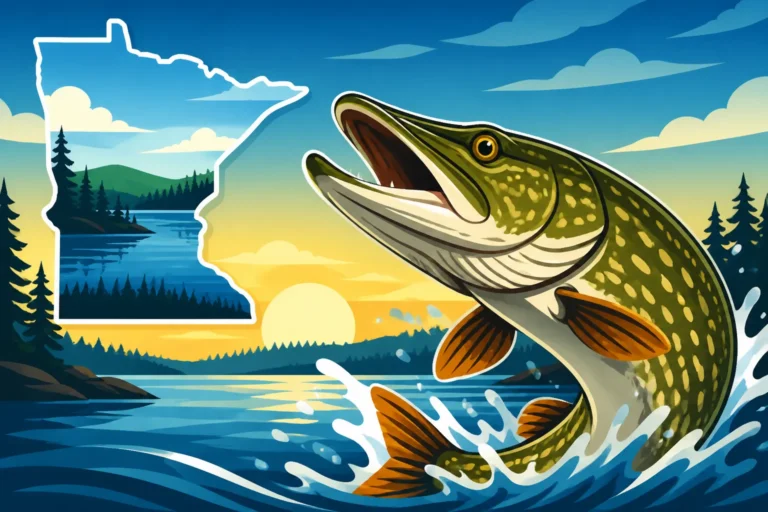
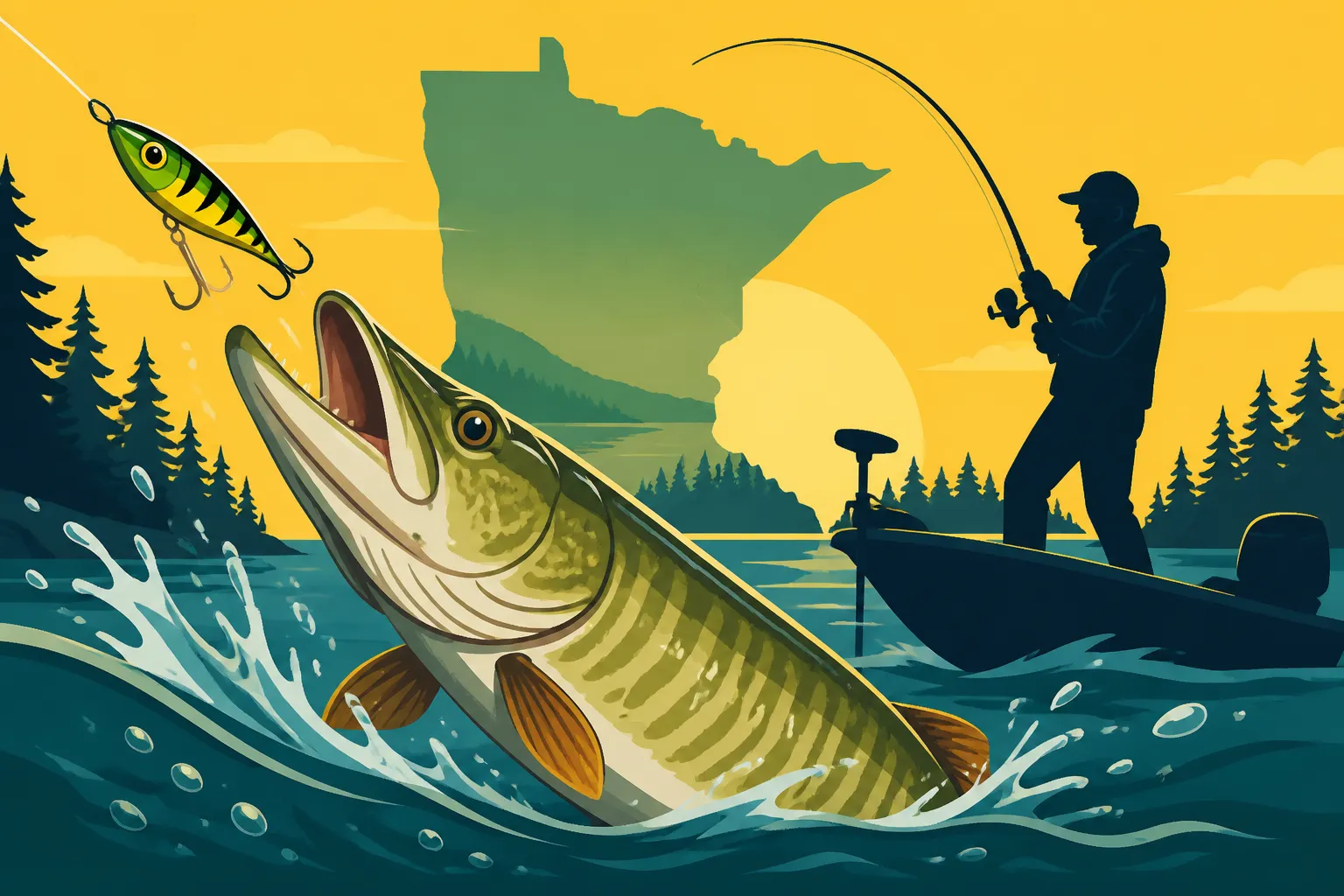
Let's be honest, trying to catch a muskie in Minnesota can feel like chasing a phantom. These incredible predators have earned the nickname "the fish of 10,000 casts" for a reason, and if you've spent countless hours without a strike, you know that frustration all too well. But don't let the reputation discourage you! With the right understanding of their habits, gear, and techniques, you can significantly increase your odds of success. This comprehensive guide is designed to help you decode the mysteries of muskie fishing in Minnesota, turning those "10,000 casts" into thrilling memories.
Understanding Muskie Behavior in Minnesota Waters
Before you even think about casting, it's crucial to understand the mindset and movements of the muskie. They're apex predators, and their entire existence revolves around finding and ambushing prey efficiently. Their behavior changes dramatically with the seasons and the specific characteristics of the water they inhabit.
Habitat Preferences and Structure
Muskies are masters of their environment, and they use specific structural elements to their advantage for hunting and resting. Think of them as aquatic snipers, waiting for the perfect moment to strike.
Minnesota offers a vast array of muskie waters, from sprawling clear-water lakes to shallow, stained flowages, and each type influences where these fish will set up shop. In many of our famous muskie lakes like Lake Vermilion or certain clear sections of Leech Lake, you'll often find them lurking near rocky points, deep break lines, or submerged reefs. These hard structures offer quick access to deeper water, ambush points, and often hold baitfish. Imagine a large boulder field dropping off into 30 feet of water – a muskie can sit just above that drop-off, camouflaged by the rocks, ready to dart out at an unsuspecting walleye or cisco.
However, don't overlook weed beds, especially in shallower, fertile lakes or bays. Coontail, cabbage, and even emergent reeds provide excellent cover for muskie. They'll often position themselves at the edges of these weed lines, in pockets within the weeds, or along paths of denser growth. These weed lines are essentially underwater highways for baitfish, and muskie are right there to intercept them. During the warmer months, especially, healthy green weeds oxygenate the water and concentrate prey, making them prime muskie real estate. Understanding how to find fish while ice fishing will even give you clues to their summer haunts.
Seasonal Movements and Feeding Patterns
Muskies are highly reactive to water temperature, light conditions, and the availability of their preferred forage. Their movements throughout the year dictate where you should focus your efforts and what presentations will be most effective.
-
Spring (Post-Spawn Recovery): After the ice melts and the water warms into the 50s Fahrenheit, muskie begin to recover from their arduous spawning ritual. They'll often be found in shallower bays and protected areas with darker bottoms that warm up faster. These areas are also where many baitfish species are spawning, providing an easy meal. Muskie in spring can be lethargic and might prefer slower presentations with smaller baits, but they are still looking to refuel. Focus on the first weed growth of the year, shallow wood, or rock rubble in these bays. Early season walleye after the opener can be a good indicator of baitfish presence, which muskies will follow.
-
Summer (Deep Structure and Open Water): As Minnesota summers heat up and water temperatures rise into the 70s, muskie often transition to deeper, more oxygenated water. They might relate to mid-lake humps, expansive deep weed edges, or even suspend over vast open-water basins, chasing schools of pelagic baitfish like ciscoes (tullibee). This is a great time for trolling large crankbaits over deep structure or covering significant areas of open water with heavy spoons or large soft plastics. Night fishing for walleye in Minnesota often reveals muskie lurking in deeper transitions, and the same applies to muskie. Keep an eye on your electronics for baitfish schools and temperature breaks, as these are critical clues.
-
Fall (Pre-Winter Feed): This is often considered prime time for trophy muskie, especially as water temperatures begin to drop from the 60s into the 40s. Muskie enter a major feeding frenzy, bulking up for the long winter ahead. They move to shallower areas again, often focusing on the last remaining green weed beds, steep break lines, and major points that funnel baitfish. They become incredibly aggressive, readily hitting large baits like oversized crankbaits, gliders, and even live suckers where legal. The fall turnover can briefly slow the bite, but once the water stabilizes, the feeding intensity is unmatched. This aggressive behavior makes fall walleye fishing also a popular pursuit.
Essential Gear for Minnesota Muskie Fishing
Chasing muskie isn't like panfish fishing; it demands specialized, heavy-duty gear built to withstand powerful strikes and furious battles. Skimping on tackle can lead to heartbreak when you finally hook that fish of a lifetime.
Rods, Reels, and Line
The foundation of any successful muskie setup starts with a robust rod and reel combo. You need strength, sensitivity, and reliability.
-
Rods: Look for heavy or extra-heavy power baitcasting rods, typically between 8 and 10 feet in length. The longer length helps with casting heavy lures, providing better leverage during the fight, and making that crucial figure-eight at the boat easier. A fast action tip is generally preferred for setting hooks quickly into a muskie's bony mouth, while the strong backbone provides the lifting power needed. Brands like St. Croix, G. Loomis, or Shimano offer excellent muskie-specific rods that can handle the abuse. Some anglers even opt for telescopic handles on longer rods for easier transport.
-
Reels: A high-quality baitcasting reel with a strong drag system and a fast retrieve ratio (6.0:1 or higher) is non-negotiable. You'll be throwing heavy lures all day, so a reel that's comfortable to palm and has a robust cranking system is key. The fast retrieve helps pick up slack quickly after a strike or when working certain lures. Models like the Shimano Tranx, Abu Garcia Revo Toro Beast, or Daiwa Tatula are popular choices among serious muskie anglers. Ensure it has ample line capacity for 80-100 lb braided line.
-
Line: Braided line is the standard for muskie fishing. It offers incredible strength, minimal stretch for solid hooksets, and excellent abrasion resistance. Most anglers opt for 80-100 lb test. While it might seem overkill, it's essential for pulling large fish out of heavy cover and withstanding sharp teeth. You'll also need a heavy leader – either a strong fluorocarbon leader (100-150 lb test) for stealth in clear water, or a multi-strand steel leader for maximum tooth protection. The length of the leader can vary, but 12-18 inches is common.
Lures and Baits
The world of muskie lures is vast and often intimidating to newcomers. Each type has its time and place, and learning when to deploy them is part of the art.
-
Bucktails: These are classic muskie killers, especially effective in warmer water and over weed beds. They consist of a spinning blade (or two), a skirt of deer hair or synthetic material, and usually one or two treble hooks. Different blade configurations (single, double, inline, tandem, 'cowgirl' style) create varying degrees of flash and vibration. Retrieve them at a steady, medium-to-fast pace, often "burning" them just below the surface. Top brands include Musky Mayhem Tackle and Livingston Lures.
-
Jerkbaits: These lures are designed to be worked with rod snaps and pauses, mimicking a wounded baitfish. They come in various styles: dive-and-rise, glide baits, and weighted twitch baits. They are highly effective in cooler water or when fish are less aggressive, as their erratic action can trigger reaction strikes. Examples include the Grandma, Suick, or the incredibly versatile Salmo Slider. You can learn more about Muskie Fishing Techniques for Beginners to refine your jerkbait game.
-
Topwater Lures: Few things are as exhilarating as a muskie blowing up on a topwater lure! These are best in calm conditions, low light, or over shallow weed flats. Walk-the-dog baits, prop baits, and creeper baits all create different surface disturbances. The commotion draws fish from a distance. Just be prepared for heart-stopping strikes!
-
Crankbaits: Large, deep-diving crankbaits are staples for trolling open water or casting to deep breaks. They come in a huge range of colors and dive depths. Look for models that run true at trolling speeds and can reach the desired depth. Jointed models add extra action. For open water trolling, using leadcore line for walleye trolling principles can be applied to muskie, just with much heavier gear.
-
Soft Plastics: Increasingly popular, large soft plastics like super-sized swimbaits or rubber baits (e.g., Bondy Baits, Musky Innovations Bull Dawgs) offer a realistic profile and subtle action. They can be jigged vertically, cast and retrieved, or worked over structure. They shine when fish are finicky or when you need a slower presentation.
Essential Accessories
Beyond the main fishing gear, certain accessories are absolutely critical for safe and effective muskie fishing, both for you and the fish.
-
Landing Net: You need a massive, muskie-specific landing net with a long handle and a large, knotless, rubberized mesh basket. This prevents damage to the fish's fins and slime coat. Never try to hand-land a muskie or use a small walleye net; it's dangerous for both of you. Popular choices are from Beckman or Frabill.
-
Hook Removal Tools: Muskie have razor-sharp teeth and powerful jaws. Long-nose pliers, jaw spreaders, and heavy-duty bolt cutters (for cutting hooks if necessary) are non-negotiable. Keep them easily accessible in your boat.
-
Measuring Board: A large, sturdy measuring board is essential for accurately measuring your catch without harming the fish. Many are made from lightweight aluminum or plastic and fold for easy storage. Remember to practice catch and release best practices in Minnesota.
-
Gloves: Heavy-duty, long-cuffed gloves offer protection from hooks and teeth, adding an extra layer of safety when handling a thrashing muskie.
Mastering Muskie Fishing Techniques in Minnesota
Muskie fishing is a blend of persistence, precision, and sometimes, pure luck. But by employing proven techniques and adapting to conditions, you can tilt the odds in your favor.
Casting and Retrieve Strategies
The majority of muskie fishing involves casting, and it's far more than just throwing a lure out and reeling it back in. Every cast and retrieve should be intentional.
-
Fan Casting: When approaching a promising area like a weed line, rocky point, or submerged island, systematically fan cast to cover the entire piece of structure. Start by casting parallel to the feature, then progressively work your way around, casting at different angles. This ensures you present your lure to any fish holding along the structure. Vary your casting distance and angle with each throw, trying to hit different ambush points.
-
Varying Retrieve Speeds and Pauses: Muskies often follow a lure for a long time before deciding to strike. A consistent retrieve is good, but variations in speed, sudden stops, or erratic twitches can often trigger a reaction bite. Sometimes, a "pause and go" retrieve with a jerkbait is what they want, other times a steady burn of a bucktail. Experiment to find the cadence that works best on a given day. Pay close attention to how fish react if they follow your bait; a change-up in retrieve can be key.
-
The Figure-Eight Technique: This is arguably the most crucial muskie technique. Many muskie will follow a lure right up to the boat but won't strike until the very last second. When your lure is about to come out of the water, plunge your rod tip into the water and draw a large figure-eight pattern with the lure. Keep the lure moving, changing speeds and directions within the figure-eight. This erratic movement often triggers strikes from trailing fish. It sounds simple, but perfecting the Muskie Figure-8 Technique takes practice. This last-ditch effort can turn a follow into a catch.
Trolling Tactics for Open Water
Trolling is a highly effective method for covering large expanses of water, especially in big lakes like Lake of the Woods, Mille Lacs, or Lake Vermilion, and for targeting suspended muskie.
-
When to Troll: Trolling excels when muskie are scattered over vast areas, when they're holding deep, or when you simply need to cover a lot of ground to find active fish. It's particularly effective during the summer months when baitfish like ciscoes are suspended in the thermocline. It's also a great way to explore new water or specific depths.
-
Importance of Electronics: A good fish finder is invaluable for trolling. Use your sonar to identify baitfish schools, thermoclines, and underwater structure like humps or deep points. Garmin LiveScope Review: Is Forward-Facing Sonar Worth It? or other advanced sonars can help you see muskie in real-time, allowing you to adjust your presentation or course. Precision is key; knowing the depth your lures are running and matching it to where the fish or bait are holding is critical.
-
Crankbait Choices and Depths: Select large, deep-diving crankbaits that are designed to run true at trolling speeds (typically 2.5-5 mph). Match the lure's color and profile to the dominant baitfish in the lake. Experiment with different lengths of line out and use line counter reels to precisely replicate successful presentations. Diving aids or lead core line might be needed to get lures to extreme depths. You can learn more about trolling crankbaits for walleye: speed & depth, and apply similar principles to your muskie trolling, just with larger gear.
Catch and Release Best Practices
Muskies are a precious resource in Minnesota, and most anglers practice catch and release to preserve these magnificent fish for future generations. Proper handling is paramount to their survival.
- Minimize Fight Time: Use heavy tackle so you can land the fish quickly. A prolonged fight exhausts the muskie, reducing its chances of recovery.
- Proper Netting: Once the fish is alongside the boat, use that large, rubberized net. Scoop the fish headfirst, smoothly and confidently. Avoid chasing it around the boat.
- Quick Hook Removal: While the fish is still in the net and in the water, if possible, use your long-nose pliers or hook cutters to quickly remove the hooks. If a hook is deeply embedded or the fish is particularly feisty, cut the hook rather than tearing flesh. Jaw spreaders can help access the hooks safely.
- Minimal Out-of-Water Time: Keep the muskie in the net and in the water as much as possible. If you must remove it for a quick photo, do so gently, supporting its entire body horizontally. Never hold a muskie vertically by the head or gills, as this can severely damage its internal organs and spine. Time out of water should be seconds, not minutes.
- Revival Techniques: After release, hold the fish gently by the tail and jaw, keeping it in the water, until it vigorously swims away on its own. If it seems sluggish, slowly move it back and forth to force water over its gills, aiding in oxygenation.
Top Minnesota Muskie Waters
Minnesota is a muskie paradise, boasting some of the best fisheries in North America. While specific regulations can change, these lakes consistently produce incredible fishing.
Famous Lakes and Their Characteristics
Each of these lakes offers a unique challenge and opportunity for muskie anglers. Understanding their individual characteristics can guide your approach.
-
Mille Lacs Lake: A true trophy muskie factory, Mille Lacs is a massive, relatively shallow lake known for its diverse structure including expansive rock reefs, gravel flats, and healthy weed lines. It holds a high density of large muskie, with fish regularly exceeding 50 inches. Anglers here use a variety of techniques, from casting bucktails over shallow reefs to trolling large crankbaits over mud flats. The lake can be challenging due to its size and often windy conditions, but the rewards are significant. Always check the current Mille Lacs Walleye Regulations (2026) as they can influence baitfish populations and muskie behavior.
-
Lake Vermilion: Located in northeastern Minnesota, Lake Vermilion is a stunningly beautiful, clear-water lake characterized by countless islands, rocky points, deep humps, and intricate shorelines. It's a classic muskie lake that rewards anglers who are meticulous about working structure. While it might not produce the sheer numbers of some other lakes, it offers consistent chances at very large fish. Focus on specific rocky transitions and deep weed edges.
-
Leech Lake: One of Minnesota's largest lakes, Leech Lake is famous for its massive weed beds, distinct break lines, and the unique "Leech Lake Muskie Strain Explained." While it has clear areas, many bays have stained water, which can influence lure color choices. It's a fantastic lake for casting bucktails and jerkbaits over the vast weed flats and working the deeper edges. Keep an eye on its specific regulations, as they can sometimes differ from statewide rules.
-
Lake of the Woods: A truly immense body of water straddling the U.S.-Canada border, Lake of the Woods offers endless muskie potential. From its southern main basin to the intricate Northwest Angle, it boasts diverse habitats ranging from shallow, stained bays to deep, clear channels and vast open water. Trolling is often a highly effective tactic here, given the sheer size, but casting shorelines and reefs also produces. The border water fishing rules (Minnesota-Ontario, Wisconsin) are important to review if venturing into Canadian waters.
-
Smaller, Lesser-Known Lakes: Beyond the giants, Minnesota is dotted with numerous smaller lakes that hold excellent muskie populations. Lakes like Cass Lake, Lake Bemidji, and some in the Brainerd Lakes Area offer more intimate fishing experiences with less pressure. These lakes often have good weed growth, clear water, and ample forage. Researching local bait shops and DNR surveys can often reveal these hidden gems.
Understanding Lake-Specific Regulations
Navigating fishing regulations in Minnesota can feel like a labyrinth sometimes, and muskie fishing is no exception. While there are statewide regulations, individual lakes often have specific rules designed to protect and enhance their unique fisheries.
The statewide muskie season typically opens the first Saturday in June, and the possession limit is usually one fish, with a minimum size limit of 48 or 54 inches, depending on the specific water body. However, these are general guidelines, and it's absolutely crucial to consult the current Minnesota Fishing Regulations PDF for the most up-to-date and lake-specific information.
For example, Mille Lacs Lake might have a 54-inch minimum, while another lake in the northern part of the state could have a 48-inch minimum. Some lakes may even have experimental regulations or special conservation efforts in place. Before you head out, confirm the exact size and possession limits for the specific lake you plan to fish. You can find detailed information on Muskie Season & Limit in Minnesota directly from the DNR website or by picking up a physical copy of the regulations book. This diligence ensures you're fishing legally and contributing to the conservation of these magnificent fish.
| Lure Type | Ideal Conditions | Retrieval Style | Notes |
|---|---|---|---|
| Bucktails | Warmer water, over weed beds, sunny days | Steady, medium-to-fast "burn" just below surface | Flash & vibration, different blade combos (inline, tandem) |
| Jerkbaits | Cooler water, less aggressive fish, clear water | Rod snaps, pauses, erratic twitch-and-glide | Mimics wounded baitfish, good for reaction strikes |
| Topwater | Calm conditions, low light, shallow water | Walk-the-dog, chug, prop, or creep across surface | Exciting visual strikes, draws fish from a distance |
| Crankbaits | Trolling open water, casting deep breaks, windy days | Steady retrieve, varied trolling speeds | Large profile, deep-diving, covers water efficiently |
| Soft Plastics | Finicky fish, slow presentations, heavy cover | Jigging, slow swim, stop-and-go | Realistic profile, subtle action, good for tough bites |
Disclaimer
Fishing regulations, seasons, and limits are subject to change. Always consult the official Minnesota Department of Natural Resources (DNR) regulations before heading out on the water. This guide is for informational purposes only and should not be considered a substitute for the official DNR regulations.