How to Catch Northern Pike in Minnesota
If you've ever spent a beautiful day on a Minnesota lake, casting for walleye or bass, only to have your line suddenly go slack or your lure get absolutely hammered by something big and toothy, you know the thrilling, sometimes frustrating, experience of encountering a northern pike. These voracious predators are a blast to catch, but they can also be incredibly elusive if you don't know their habits or how to target them effectively. This guide is designed to transform your pike fishing adventures, giving you the knowledge, gear insights, and tactical approaches to consistently hook into these aggressive freshwater wolves across the Land of 10,000 Lakes.
Understanding Northern Pike in Minnesota
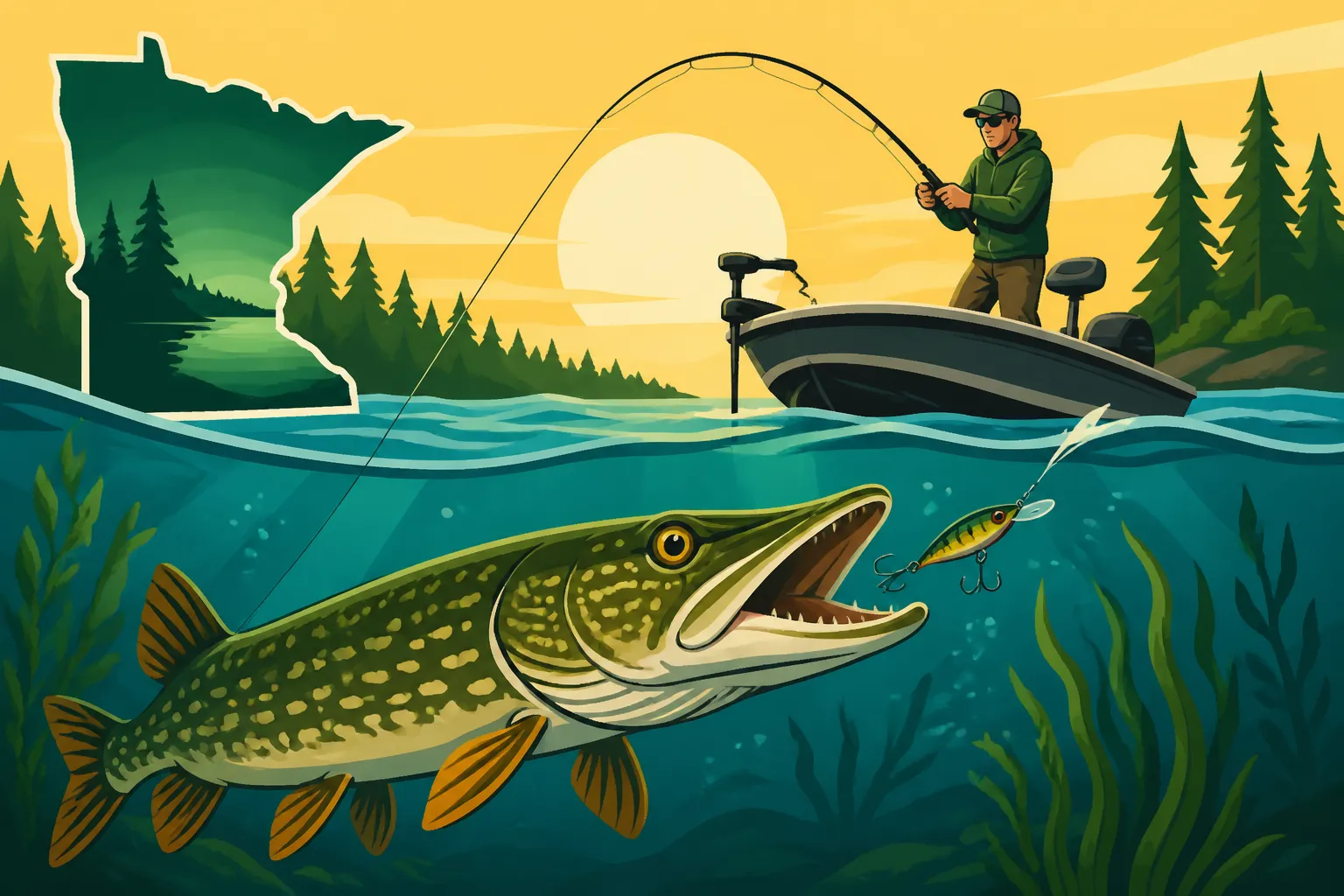
Northern pike are one of Minnesota's most iconic and exciting game fish. Known for their torpedo-shaped bodies, razor-sharp teeth, and aggressive strikes, they provide incredible sport for anglers. To consistently catch them, you first need to understand where they live, what they eat, and how state regulations protect them.
Pike Behavior and Habitat Preferences
Pike are ambush predators, meaning they love to hide in cover and explode out to attack unsuspecting prey. This tells us a lot about where to find them. Think thick weed beds, submerged timber, rocky points, and transitions where deep water meets shallow flats. They thrive in lakes and rivers with abundant forage, like ciscoes, shiners, perch, and even smaller game fish.
Their behavior changes throughout the year. In spring, after the ice recedes and they've completed their spawning ritual in shallow, marshy areas, they're often found cruising these warming waters, recovering and feeding aggressively. As summer progresses and water temperatures rise, many larger pike retreat to deeper, cooler water, often holding along the deep edges of weed lines, humps, or thermal breaks. Smaller pike, however, might still be found in shallower, oxygenated weed beds. During the fall, as baitfish migrate and water temperatures drop, pike become incredibly active, feeding heavily to pack on fat for the winter, making them highly susceptible to a variety of presentations.
Identifying Northern Pike and Their Cousins
While generally easy to identify, northern pike can sometimes be confused with their larger, more elusive cousin, the muskie. Both are long, predatory fish with similar body shapes and dorsal fins set far back on their bodies. However, there are clear distinguishing features. Pike typically have light-colored, bean-shaped spots on a darker body background, and their entire cheek and the upper half of their gill cover are scaled. Muskie, on the other hand, usually have dark markings (spots, bars, or tiger stripes) on a lighter background, and only the upper half of both their cheek and gill cover are scaled.
Another key identifier is the number of pores on the underside of their jaw. Pike generally have 5 or fewer pores on each side, while muskie have 6 to 9. Knowing the difference is crucial, especially since regulations for each species can vary significantly. For a more detailed look at these differences, check out our guide on how to tell the difference between a Muskie vs Northern Pike. You can also learn more about a Northern Pike in Minnesota: Identification & Where to Catch.
Minnesota's Pike Zones and Regulations
Minnesota manages its northern pike populations through a zone-based system designed to promote healthy fisheries and offer diverse angling opportunities. This means the daily and possession limits, as well as potential protected slot limits, can vary depending on which part of the state you're fishing. There are three main zones: the North-Central, Northeast, and Southern Zones. Each zone has specific regulations regarding the number of pike you can keep and their size.
For example, in the Northeast Zone, which aims to produce larger pike, regulations might be more restrictive, encouraging catch-and-release for bigger fish. Conversely, in the Southern Zone, where pike can sometimes be overabundant, regulations might encourage anglers to harvest more fish. It's absolutely critical to always check the current Minnesota DNR fishing regulations before heading out, as these can change annually. Ignorance of the rules is no excuse, and wardens take these regulations very seriously. To avoid any issues, be sure to review the most current Minnesota Northern Pike Limits by Zone and our comprehensive guide on the Northern Pike Season & Limit in Minnesota. This will ensure you're compliant and helping to maintain healthy fish populations.
Essential Gear for Pike Anglers
Catching northern pike requires gear that can stand up to their powerful runs, sharp teeth, and aggressive nature. You wouldn't bring a knife to a gunfight, and you shouldn't bring ultralight panfish gear when targeting these freshwater predators. Having the right tools makes the experience much more enjoyable and successful.
Rods, Reels, and Line for Pike
When it comes to rods, a medium-heavy to heavy action rod, typically 6'6" to 7'6" long, is ideal. This gives you the backbone needed to cast larger lures and control a thrashing pike, while still having enough sensitivity to feel subtle takes. For reels, a quality baitcasting reel or a robust spinning reel in the 3000-4000 series is recommended. Look for reels with a smooth drag system, as this is vital for tiring out a strong fish without breaking your line.
Line choice is critical. Braided line in the 30-50 lb test range is a popular choice due to its incredible strength, zero stretch for solid hooksets, and abrasion resistance. However, you absolutely must tie on a leader when fishing for pike. Their teeth are legendary, and they will easily slice through monofilament or fluorocarbon mainlines. A good quality wire leader (steel or titanium) or heavy fluorocarbon leader (60-80 lb test) is non-negotiable.
Lures and Baits That Pike Can't Resist
Pike are not particularly picky eaters, but certain lures and baits consistently outperform others. Their predatory nature means they respond well to offerings that imitate baitfish or create significant commotion in the water.
Here’s a breakdown of common pike lures and when to use them:
| Lure Type | Description & Best Use | Best Season | Pike Size Attracted |
|---|---|---|---|
| Spoons | Wobbling metal lures, excellent for casting or trolling, especially in open water. | All | All |
| Spinnerbaits | Flashy blades and skirted body, great for fishing in and around weeds. | Spring/Summer | Medium/Large |
| Inline Spinners | Simple, effective, and good for a variety of conditions. | All | Small/Medium |
| Soft Plastics | Paddle tails, swimbaits, and jerk shads on jig heads, very versatile. | All | All |
| Jerkbaits | Suspending or floating lures, worked with rod jerks to imitate wounded baitfish. | Spring/Fall | Medium/Large |
| Topwater Lures | Poppers, walk-the-dog baits, frogs – exciting surface strikes! | Summer | Medium/Large |
| Bucktails | Large, flashy lures with a bucktail skirt, often used for muskie but great for big pike. | Summer/Fall | Large |
| Live Bait | Large minnows, suckers, or shiners, often fished under a float or on a quick-strike rig. | All | All |
Choosing the right color often depends on water clarity and light conditions. Bright colors like chartreuse, orange, and firetiger work well in stained water or on cloudy days, while more natural patterns (silver, gold, white) are effective in clear water or bright conditions. For more ideas, explore our guide on the Best Gear for Northern Pike Fishing in Minnesota.
Terminal Tackle and Safety Gear
Beyond rods, reels, and lures, having the right terminal tackle and safety equipment is paramount when fishing for pike. As mentioned, steel or heavy fluorocarbon leaders are a must to prevent bite-offs. Snap swivels are handy for quickly changing lures and preventing line twist, especially with spoons and spinners.
But let's talk safety. Those teeth aren't just for show! A long-nosed pliers or a jaw spreader is essential for safely removing hooks. Never reach bare-handed into a pike's mouth. A large landing net with rubberized mesh is also highly recommended. It protects the fish, reduces hook snags, and keeps your hands away from those sharp edges. For handling bigger fish, a good pair of fish-handling gloves can also provide extra protection against scrapes and teeth.
Proven Techniques for Catching Pike
Once you've got your gear dialed in, it's time to put those techniques to the test. Pike fishing can be incredibly diverse, ranging from aggressive casting to patient live bait presentations. Mastering a few key approaches will significantly increase your success rate.
Casting and Retrieving Lures Effectively
Casting is perhaps the most common and exhilarating way to target northern pike. The key is to cover water and present your lure in a way that triggers their predatory instincts. When casting spoons, spinnerbaits, or soft plastics, vary your retrieve speed. Sometimes a fast, erratic retrieve works best, mimicking a fleeing baitfish. Other times, a slower, steady retrieve with occasional pauses can be more effective, especially if the fish are lethargic.
Focus your casts around likely ambush points: weed lines, points, submerged structures, and drop-offs. Don't just cast blindly; try to visualize where a pike might be hiding and position your casts to bring the lure right past their noses. Many pike strikes happen within the first few feet of the retrieve or right at the boat, so be ready for anything! Casting jerkbaits requires a specific retrieve: a series of short, sharp rod twitches followed by pauses. This makes the lure dart and glide, looking like a wounded fish, which pike find irresistible.
Trolling for Deep-Water Pike
Trolling is an excellent strategy for covering large expanses of water and targeting pike that might be holding deeper or spread out. This method is particularly effective in larger lakes like Leech Lake or Lake of the Woods, especially during the summer months when pike move off shallow structures. Long, slender crankbaits that dive to different depths are typically used.
When trolling, pay close attention to your boat speed, lure depth, and the contours of the lake bottom. Use a fish finder to identify transitions, humps, or deep weed edges where pike might be lurking. Experiment with different speeds until you find what triggers bites. A good rule of thumb is to vary your speed or make S-turns with the boat, as these changes in lure action often provoke a strike. Trolling is also a great way to locate active fish, after which you can switch to casting techniques to thoroughly work the area.
Live Bait Rigs and Presentations
While artificial lures are a blast, sometimes nothing beats live bait for tempting a finicky or large northern pike. Large minnows, shiners, or suckers are incredibly effective. A common setup involves a simple slip bobber rig, allowing you to suspend the bait at a specific depth, usually just above a weed bed or submerged structure. This is a very natural presentation and can be deadly when pike are less active.
Another popular live bait rig for pike is the quick-strike rig. This typically uses two treble hooks attached to a wire leader. One hook is placed near the dorsal fin, and the other near the head of the baitfish. This rig is designed to get a solid hookset as soon as the pike takes the bait, reducing the chance of deep hooking, which is important for catch-and-release. Whether using a bobber or a quick-strike rig, give the pike a moment to really take the bait before setting the hook. Patiently watching your bobber disappear can be one of the most exciting parts of pike fishing.
Seasonal Pike Fishing Strategies
Pike are present year-round in Minnesota, but their location and activity levels change dramatically with the seasons. Adapting your approach to these seasonal patterns is key to consistent success.
Spring Pike: Post-Spawn Aggression
As soon as the ice leaves the lakes, northern pike are among the first fish to become active. They typically spawn in shallow, marshy bays or flooded vegetation very early in the spring. After this exhaustive process, they'll often linger in these warming, shallow areas, feeding aggressively to regain energy.
Focus your efforts on shallow bays, protected coves, and areas where the sun can warm the water quickly. Pike will be seeking out warmer water and abundant baitfish. Casting spoons, spinnerbaits, and soft plastics into these shallow zones can be incredibly productive. A slow to medium retrieve is often best, as the water is still cool. This is also a fantastic time to use live bait under a bobber in those same shallow areas, patiently waiting for a cruising pike to find your offering. These post-spawn fish are hungry and often willing to hit a variety of presentations.
Summer Pike: Finding Them in Warm Water
Summer can be a bit trickier for consistent pike fishing, especially for the larger individuals. As water temperatures rise, many big pike move to deeper, cooler water. They'll often relate to deeper weed lines, points, rock humps, and structural elements near deep water access. They might also suspend in the water column over open water if there's a strong thermocline or schools of baitfish.
Early morning and late evening, when the sun is lower and water temperatures are cooler, are often the best times to target summer pike. During midday, they might retreat to the thickest cover they can find. Trolling deep-diving crankbaits along weed edges or over submerged structure is a great way to find these deeper fish. For shallower, active pike, focus on casting spinnerbaits or topwater lures into thick lily pads or emergent weeds, particularly in low-light conditions. These fish often hold right in the densest cover, ready to ambush.
Fall Pike: Feeding Frenzy Before Ice-Up
Ah, fall pike fishing – it's a favorite for many Minnesota anglers, and for good reason! As water temperatures drop and days shorten, pike enter a pre-winter feeding frenzy. They become incredibly aggressive, trying to pack on calories for the long, cold winter ahead. Baitfish also start to school up and move to deeper main lake structures, and the pike follow them.
This is a prime time for throwing big, flashy lures. Large spoons, jerkbaits, and even muskie-sized bucktails can draw explosive strikes. Focus on main lake points, rocky reefs, deep weed edges, and anywhere baitfish are schooling. Pike will be actively patrolling these areas. Both casting and trolling can be highly effective. Don't be afraid to use a faster, more aggressive retrieve; these fish are actively hunting. Live suckers on quick-strike rigs can also be deadly for trophy pike during this period.
Winter Pike: Ice Fishing Tactics
When the lakes freeze over, the pike action doesn't stop. Ice fishing for northern pike is a popular pursuit in Minnesota, offering a unique challenge and rewarding catches. The most common method involves using tip-ups, which allow you to fish multiple lines (within legal limits) with live bait. Large shiners or suckers, fished just off the bottom or suspended mid-depth, are excellent choices.
Set your tip-ups along weed lines, points, or sudden depth changes. Spread them out to cover more territory. When a flag goes up, approach cautiously, give the pike a little time to run with the bait, and then set the hook with a firm pull. Many anglers also jig for pike, often using large spoons or jigging raps tipped with a minnow head. This active approach can be very effective, especially when fishing areas where you've marked fish on your flasher. For more specific tactics and gear recommendations, check out our guide on Ice Fishing for Northern Pike (Tip-Ups).
Top Minnesota Pike Waters and Where to Find Them
Minnesota boasts an incredible number of lakes and rivers, many of which hold fantastic northern pike populations. Knowing where to start can make all the difference. While pike are widespread, certain bodies of water are renowned for their numbers or the size of their fish. You can also dive deeper into Where to Catch Northern Pike in Minnesota.
Large, Classic Pike Lakes
Some of Minnesota's largest and most famous lakes are absolute giants when it comes to pike fishing. These bodies of water offer vast expanses of prime habitat, from sprawling weed flats to complex deep-water structures.
- Lake of the Woods: This massive border water is legendary for its walleye, but it also holds an incredible population of northern pike, many of which reach trophy proportions. Look for pike in the endless weed beds, around islands, and along the Rainy River section.
- Leech Lake: Known for its diverse fishery, Leech Lake offers excellent pike fishing, particularly in its numerous bays and along its extensive weed lines. Try areas like Portage Bay or Walker Bay.
- Upper Red Lake: While famous for its consistent walleye bite, Upper Red Lake also produces large numbers of northern pike, often found cruising the shallow, stained waters.
- Lake Vermilion: A classic northern Minnesota lake with rugged shoreline, deep structure, and abundant weeds. Lake Vermilion is a premier destination for both numbers and trophy-sized pike.
- Mille Lacs Lake: Often associated with smallmouth bass and walleye, Mille Lacs also holds a good population of pike, particularly along its expansive gravel flats and rocky points that hold baitfish.
These large lakes demand a strategy that involves covering water, often with trolling or systematic casting along extensive weed beds. Understanding wind direction and how it positions baitfish can also be a huge advantage.
Smaller, Underrated Pike Hotspots
Beyond the famous giants, Minnesota is dotted with thousands of smaller and medium-sized lakes that can offer incredible, often less pressured, pike fishing. These lakes might not produce as many giants as a Lake of the Woods, but they can offer fast action and plenty of good eating-sized fish.
Many lakes in the Brainerd Lakes Area, Alexandria Lakes Area, and Park Rapids Area have strong pike populations. Often, these lakes have prominent weed lines, shallow bays, and points that concentrate pike. Don't overlook smaller, lesser-known lakes in your local area; a quick check of the Minnesota DNR LakeFinder tool can reveal valuable insights into fish populations and habitat. These smaller lakes can be perfect for shore fishing or kayak fishing, offering accessibility that larger lakes might lack. For those looking for bigger fish, consider exploring our guide on the Best Lakes for Big Northern Pike in Minnesota.
River Systems and Flowages
Don't limit your pike hunting to lakes alone! Minnesota's extensive river systems and flowages also hold thriving pike populations. The Mississippi River, particularly its slower-moving backwaters and impounded sections, can be fantastic for pike. Look for them in sloughs, oxbows, and areas with submerged timber and current breaks.
The Rainy River, flowing out of Lake of the Woods, is another prime example. While known for its spring walleye and sturgeon, its slower stretches and bays also hold robust pike numbers. River pike often display incredible strength due to living in current, making them particularly exciting to catch. Focus on areas where tributary streams enter, eddies, and slack water pockets that provide ambush points. These river environments can be overlooked, offering a different kind of pike fishing experience.
Handling Your Catch and Ensuring a Future of Pike Fishing
So, you've landed a beautiful northern pike. What now? Proper handling is critical, whether you intend to release the fish or keep it for the dinner table. Remember those teeth? Always use a long-nosed pliers or a jaw spreader to remove hooks. If you plan to release the fish, minimize its time out of the water, support its body horizontally (especially larger fish), and revive it gently by holding it in the water, allowing water to flow over its gills until it swims away under its own power.
If you decide to keep your catch, be mindful of the zone-specific Minnesota Northern Pike Limits by Zone and the statewide rules on How Many Northern Pike Can You Keep in Minnesota? Pike are delicious, though they do have a reputation for being bony due to their "Y-bones." However, with a proper filleting technique, these bones can be removed, leaving you with beautiful, flaky, white fillets. Our guide on How to Fillet a Northern Pike (Remove Y-Bones) provides a step-by-step process. In Minnesota, many anglers prefer to keep medium-sized pike (roughly 24-30 inches) for eating, as they tend to have better meat quality and easier-to-manage Y-bones than smaller or very large fish. And if you're wondering if they're worth the effort, our article "Are Northern Pike Good to Eat? (Y-Bones Explained)" answers that question definitively.
Catching northern pike in Minnesota is an incredibly rewarding experience. By understanding their behavior, equipping yourself with the right gear, mastering various techniques, and adapting to seasonal changes, you'll be well on your way to consistent success. Tight lines! For more insights into advanced tactics, you can also check out our general guide on the Best Northern Pike Fishing Tactics in Minnesota.
Disclaimer
The information provided in this guide is for general informational purposes only and is subject to change. Fishing regulations in Minnesota are updated annually by the Department of Natural Resources (DNR). It is the angler's sole responsibility to consult the most current official Minnesota Fishing Regulations handbook or the DNR website before fishing to ensure compliance with all applicable laws and regulations regarding licenses, seasons, limits, and aquatic invasive species. Fishing carries inherent risks, and adherence to safety guidelines is strongly recommended.