Best Seasonal Pattern for Brook Trout in Minnesota
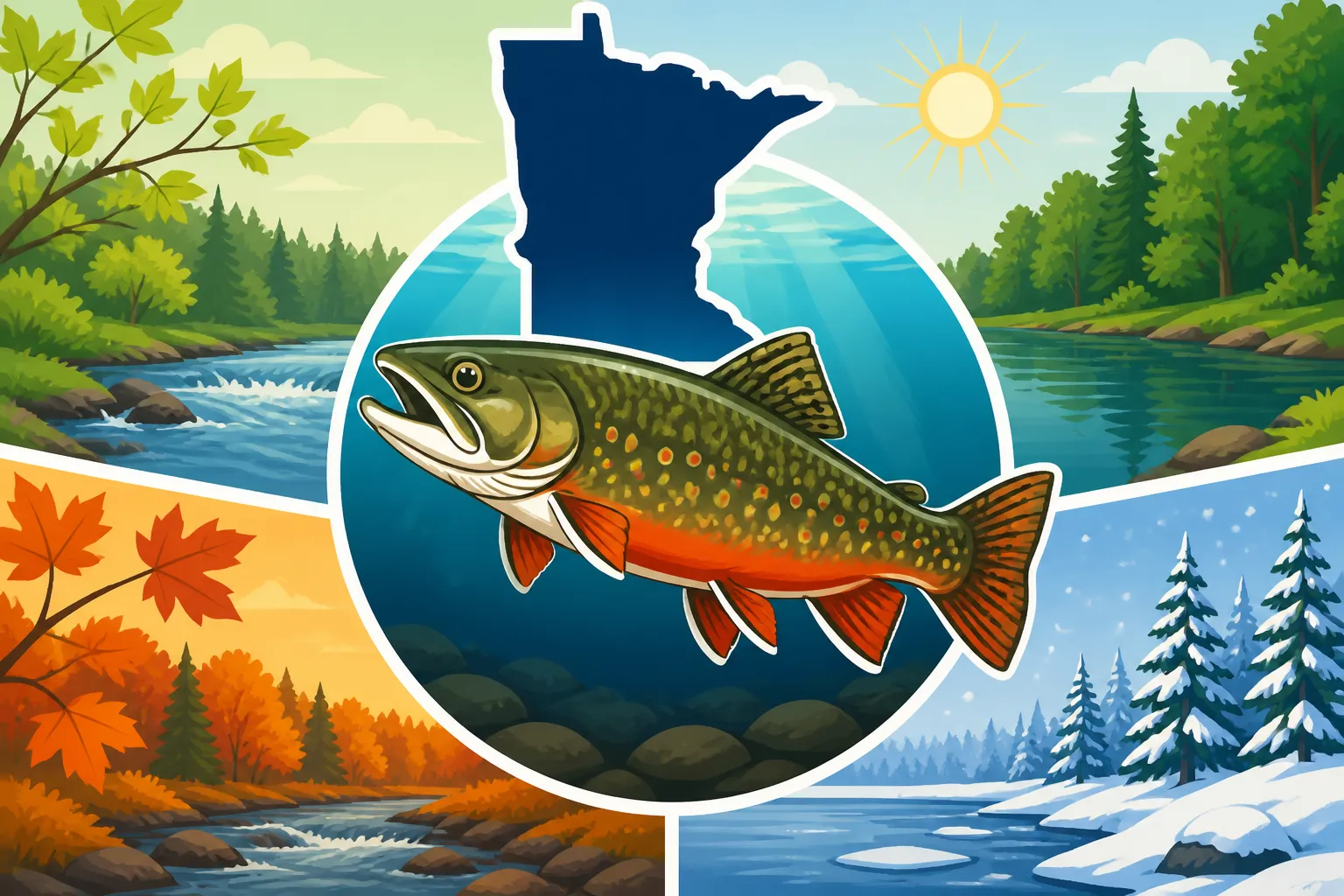
One of the most elusive and rewarding experiences in Minnesota fishing is pursuing the beautiful brook trout. These vibrant fish, with their distinctive patterns and challenging habitat, can leave even seasoned anglers scratching their heads when the bite turns off. If you've ever found yourself wondering where the brookies went as the seasons change, or why your go-to spot suddenly feels barren, you're not alone. This comprehensive guide will help you understand the seasonal patterns of brook trout in Minnesota, giving you the insights and strategies to find and catch them year-round.
Understanding Brook Trout Behavior Through the Seasons
Brook trout are creatures of habit, yet their habits are deeply influenced by environmental factors that shift with the calendar. Knowing what drives their movements and feeding patterns in spring, summer, fall, and even winter is the secret to consistent success.
Spring: Post-Spawn Recovery and Stream Access
Ah, spring! The snow starts to melt, the days get longer, and the urge to hit the water becomes irresistible. For brook trout, spring is a time of recovery and renewed feeding after their fall spawning efforts.
In early spring, right as the ice retreats and the streams begin to swell from snowmelt, brook trout are often found in deeper pools and slower runs, conserving energy. The water can be high and cold, sometimes a bit turbid, which can make fishing challenging. However, as the water levels stabilize and temperatures slowly climb into the 40s and 50s Fahrenheit, these fish become much more active. They'll start moving out of their wintering holes and into areas where food is more readily available. Look for them in current seams, around submerged logs, and near the mouths of smaller tributaries that might be bringing in warmer water and fresh nutrients. They're trying to pack on weight, so they're often less selective about their meals. This can be a fantastic time to use slightly larger presentations. Access can still be a bit tricky with muddy banks and lingering snow, especially in the more remote trout streams of the North Shore or the Driftless Area, but the rewards are often worth the effort.
As late spring rolls in, insect hatches really start to pick up. Stoneflies, caddisflies, and mayflies emerge, turning the trout's attention to surface and subsurface feeding. You'll find brook trout moving into riffles and runs, actively looking up for emergers or skimming insects. The key here is to observe the water for signs of feeding – rising fish or insect activity – and try to match what they're eating. This period offers some of the most consistent action and beautiful fishing conditions, especially before the full blast of summer heat arrives. The water is generally clear, and the fish are robust and willing to chase a well-presented offering.
Summer: Low Water Challenges and Thermal Refuges
Summer can be a tough time for brook trout and the anglers who pursue them. As air temperatures soar, stream flows often drop, and water temperatures climb. Brook trout are extremely sensitive to warm water; sustained temperatures above 68-70°F can be lethal, and they become stressed well before that.
During the dog days of summer, brook trout retreat to critical thermal refuges. These are usually areas where cold groundwater seeps into the stream, creating cooler pockets. Think deep pools with heavy shade, undercut banks that protect them from direct sunlight, or near the mouths of small, spring-fed trickles. They become much more lethargic and less willing to expend energy, so your presentations need to be subtle and precise. Fishing early in the morning or late in the evening when water temperatures are at their coolest is often your best bet. Mid-day fishing can be detrimental to the fish, even if caught and released, due to increased stress. It's not uncommon to find several brook trout stacked up in a single small, cold pool during a heatwave. Stealth is paramount, as low clear water makes them incredibly spooky. You'll want to stay low, use long leaders, and approach spots carefully to avoid casting shadows or making vibrations.
Fall: Pre-Spawn Aggression and Spawning Rituals
If there's one season that truly shines for brook trout fishing in Minnesota, it's fall. The air turns crisp, the leaves blaze with color, and the brook trout, already stunning, take on their most brilliant hues.
As water temperatures cool down in early fall, brook trout enter a period of intense pre-spawn feeding. They are bulking up for the energy-demanding act of spawning, making them incredibly aggressive and less wary. This is when you might encounter some of the biggest, most vibrant brookies of the year. They'll actively chase streamers, spin-baits, and even larger dry flies. Look for them in prime feeding lies – current seams, behind boulders, and in the heads of pools where oxygenated water brings food. Their colors intensify, with males developing a hooked jaw (kype) and dazzling orange, red, and blue markings. Many anglers consider this the most aesthetically pleasing time to target these fish.
As fall progresses into late October and November, spawning begins. Brook trout, unlike some other trout species, spawn in the fall. They seek out shallow, gravelly areas with good current, often in the headwaters of streams or along spring-fed banks, to build their redds (nests). While it can be tempting to target these actively spawning fish, it's generally best practice to avoid disturbing them. Allowing them to reproduce successfully ensures healthy populations for future generations. Instead, focus on fish that are still in pre-spawn mode or those recovering just downstream from active redds. Many stream trout seasons in Minnesota, particularly in the designated trout streams, close to protect spawning fish, so always check the latest Minnesota Fishing Seasons & Opener Dates (2026) for specific regulations. For lakes that hold brook trout, the fall bite can remain strong as they stage for their shallower water spawning activities.
Winter: Ice Fishing Opportunities and Deep Water Holds
Winter in Minnesota is synonymous with ice fishing, and while most dedicated trout streams are inaccessible or closed during this period, there are opportunities for brook trout in specific lakes.
The Minnesota DNR stocks brook trout into many lakes, particularly those designated for stream trout or wilderness lakes, that are open to winter fishing. When the ice covers these waters, brook trout generally gravitate to deeper areas where water temperatures are stable (around 39°F) and oxygen levels are sufficient. They become less active than in other seasons, so a slow, methodical approach is key. You'll typically find them suspended over deeper structure, along subtle contours, or near deep weed lines if oxygen is available there. They're often feeding on small invertebrates, so tiny presentations are the way to go. Think small jigs tipped with maggots, wax worms, or even tiny plastic baits. Ice fishing for these beautiful fish demands patience and precise presentations. A good fish finder, like a Vexilar, Humminbird, or Garmin flasher, can be invaluable for locating these subtle suspended fish. You can learn more about specific rules in the Minnesota Ice Fishing & Shelter Rules guide.
For the most part, stream fishing for brook trout in winter is not a common practice in Minnesota. Many streams freeze over completely, and access becomes impossible. Even where open water might exist, the fish are incredibly lethargic, and the focus shifts away from active feeding. However, for those willing to brave the cold on certain designated lakes, the reward of a crimson-finned brook trout through the ice is a memory to cherish.
Key Environmental Factors Affecting Brook Trout Seasons
Understanding the "why" behind brook trout movements is just as important as knowing the "where." Environmental factors are the primary drivers of their seasonal patterns.
Water Temperature and Oxygen Levels
Brook trout are quintessential cold-water fish. Their optimal temperature range is generally between 45-60°F. Anything significantly above this range causes stress, reduced feeding, and forces them to seek cooler water. This is why summer can be so challenging; as surface waters heat up, the available habitat shrinks dramatically, concentrating fish in thermal refuges. These areas, like spring-fed pools or deep sections of a stream, offer not just cooler water but also higher dissolved oxygen content, which is crucial for their survival.
Conversely, very cold water in winter also slows their metabolism. While they can tolerate near-freezing temperatures, their activity levels plummet, and their need for food decreases. The sweet spot for aggressive feeding is usually in that spring and fall window when water temperatures are moderate and stable. Knowing your water temperature, either through a simple stream thermometer or by checking local reports, can give you a massive advantage in predicting trout behavior and finding them.
Forage Availability and Competition
What brook trout eat, and when they can get it, dramatically impacts their seasonal behavior. In spring and fall, insect hatches are prolific. This includes everything from aquatic insects like stonefly nymphs and caddis larvae to terrestrial insects blown into the water like grasshoppers and ants. These periods of abundance mean brook trout are actively looking for food and can be found in a variety of places.
In contrast, summer's low water and high temperatures can reduce insect activity and make foraging riskier as fish expose themselves to predators. Competition with other fish species also plays a role. In many Minnesota trout streams, brook trout coexist with brown trout and rainbow trout. Brown trout, being more tolerant of warmer water, can outcompete brook trout in certain stretches, pushing the brookies into colder, more marginal habitats, especially in summer. This competition further highlights the importance of finding those prime, cold-water refuges for brook trout. When choosing your baits and lures, always consider what forage is likely to be available at that specific time of year. For instance, in mid-summer, terrestrials often become a dominant food source as aquatic insect hatches wane.
Water Flow and Clarity
The amount and clarity of water in a stream or river are huge factors in seasonal brook trout fishing. Spring snowmelt or heavy rains can lead to high, fast water that is often murky. While this can sometimes make fish less wary and bring new food items into the system, it also disperses them and makes presentations difficult. During these times, brook trout will often tuck into eddies, slower pools, or behind large structure to escape the main current.
As summer progresses, flows typically drop significantly. Low, clear water means brook trout are incredibly spooky. Every shadow, every misplaced step, every loud noise can send them darting for cover. This necessitates a stealthy approach, longer leaders, and more delicate presentations. Conversely, prolonged drought conditions can shrink stream sections, isolating fish in small pools and increasing stress. Fall often brings stable flows and good clarity, providing excellent conditions for both fish and anglers. Understanding "How to Catch Stream Trout: Nymphs & Dries" in different water conditions can significantly improve your catch rates.
Locating Brook Trout in Minnesota's Seasonal Waters
Finding brook trout isn't just about knowing their general habits; it's about pinpointing specific features in their habitat that they favor during different times of the year. Minnesota's diverse landscapes offer a range of brook trout opportunities, from the rugged North Shore to the serene Driftless Area trout streams.
Springtime Hotspots
When spring rolls around and those water temperatures start to tick up, brook trout are on the move and hungry. You'll want to focus your efforts on areas where food delivery is maximized and they can recover from the colder months. Look for the "soft water" – areas where the current breaks, creating seams that carry food but don't require immense energy to hold position. This means the inside bends of rivers, eddies behind large boulders or downed trees, and the heads of pools where faster water funnels into a calmer section. Undercut banks are also prime real estate, offering both cover from predators and a place to ambush passing prey.
Additionally, pay close attention to the mouths of small feeder creeks or tributaries. These often bring in slightly warmer, more oxygenated water, and a fresh supply of insects or small baitfish. In areas like the Garvin Brook or Whitewater River in the Driftless Area, these confluences can be hotspots. As you explore, remember that brook trout are often found closer to shore in spring than in summer, especially if there's good cover. Don't be afraid to cast into tight spots or probe beneath overhanging vegetation.
Summer Sanctuary Spots
When the summer sun beats down, brook trout become masters of hiding. Their survival depends on finding cool, oxygen-rich water. This is when you need to think like a fish and search for relief from the heat. The most crucial locations are often areas fed by cold springs or groundwater seepage. These can be subtle – a patch of cooler water you can feel with your hand, or an area where moss and aquatic plants seem greener than elsewhere. Deep pools with heavy shade from overhanging trees or cliff faces also become vital sanctuaries. The more canopy cover, the better.
Look for structure that creates shade and depth: large logjams, deep undercut banks, and sections where the stream narrows and deepens rapidly. Sometimes, a tiny trickle of a spring entering the main stream can concentrate a surprising number of fish. For instance, in some of the smaller tributaries of the Split Rock River or Cascade River along the North Shore, finding a deep, shaded plunge pool can reveal a treasure trove of brookies. The fish will often be packed tightly together in these thermal refuges, almost in a state of suspended animation, waiting for cooler temperatures to become active again. Approach these spots with extreme caution, as the low, clear water makes them incredibly aware of your presence.
Autumn Aggregation Areas
Fall offers a fantastic opportunity to catch brook trout, largely due to their pre-spawning and spawning behavior. During the pre-spawn phase, brook trout will aggressively feed, so they can be found in classic feeding lies – current breaks, riffles, and the heads of pools where food is abundant.
As spawning approaches, their focus shifts. Brook trout, particularly in streams, are known to migrate upstream, sometimes considerable distances, to reach their preferred spawning grounds. These are typically shallow, gravelly riffles in the headwaters of streams, or areas where spring water upwellings provide constant flow and oxygen. The males, with their vibrant colors, will establish territories, and both sexes will clear areas to deposit eggs. While it's best to avoid directly targeting actively spawning fish on redds, you can often find aggressive pre-spawn fish holding in deeper pools or runs just downstream from these spawning areas, still gorging themselves. For those interested in the broader "Trout Fishing in Minnesota: Streams & Lakes", fall offers varied opportunities across different species.
Winter Lake Locations
While stream fishing for brook trout is largely off-limits or impractical in winter, ice fishing for stocked brook trout in lakes is a distinct possibility. These lakes are specifically managed by the DNR to support trout populations.
Under the ice, brook trout in lakes will generally hold in deeper water, seeking stable temperatures and reliable oxygen. Look for structure such as subtle breaks, underwater points, humps, or even deep weed edges if the weeds are still providing oxygen. Unlike walleye which often relate tightly to bottom structure, brook trout can sometimes be suspended in the water column, especially if there's a thermocline or a band of preferred temperature/oxygen. They might also be found cruising transition areas between shallow and deep water. Popular lakes for winter brook trout might include some of the smaller, deeper, designated trout lakes in areas like the Chippewa National Forest or within the BWCA. Using a good contour map to identify potential holding areas and then drilling a series of holes to search for fish is a proven strategy. Remember that "How Many Lines Can You Use Ice Fishing in Minnesota?" is typically two, but always check specific lake regulations as some trout lakes have different rules.
Essential Gear and Finesse Tactics for Every Season
Having the right tools and knowing how to use them are paramount for consistently catching brook trout throughout Minnesota's changing seasons. These fish, while sometimes aggressive, often require a delicate touch.
Spring: Matching the Hatch and Cover
Spring brook trout fishing often means dealing with variable water conditions – from cold, high flows to clearer, moderate levels. Your gear needs to be versatile. A light to ultra-light spinning rod (5'6" to 6'6") paired with a small spinning reel spooled with 4-6 lb monofilament or fluorocarbon is ideal. For fly anglers, a 3- or 4-weight rod is perfect.
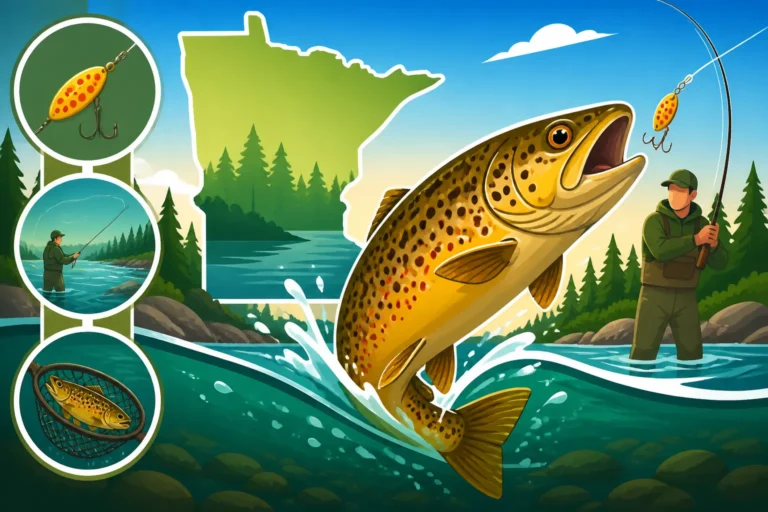
Tactics vary with the stage of spring. Early on, when water is higher and colder, brook trout might respond to small, brightly colored spinners like a size 0 or 1 Mepps Aglia or Panther Martin, or even small jigs tipped with a piece of nightcrawler. They are looking for an easy meal to recover from spawning. As insect hatches begin, fly anglers will shift to nymph patterns (Pheasant Tail, Hare's Ear, Prince Nymph) fished under an indicator, or small wet flies. If you see rises, be ready with dry flies that mimic emerging caddis or mayflies. Live bait, especially a lively red worm or a small fathead minnow, can also be incredibly effective, especially when fished under a small float or on a light bottom rig in slower pools. Remember, these fish are often hiding under cover, so precise casts that get your lure or bait into tight spots are key. You can find a wide array of options for these lures and baits on Amazon.
Summer: Finesse and Stealth
Summer brook trout demand the utmost in finesse and stealth. The low, clear, and often warmer water makes them incredibly wary, so your approach needs to be as subtle as possible.
Ultra-light gear is essential. Opt for a 5-foot, extra-fast action spinning rod with the smallest possible reel, spooled with 2-4 lb fluorocarbon line. For fly fishing, a long (9-12 foot) leader tapered down to 5x or 6x tippet is a must. Tactics revolve around small presentations and careful approaches. Terrestrial patterns like tiny ants, beetles, or grasshoppers are often deadly when fished on the surface near shaded banks. Small dry flies, even midges, can produce strikes if fish are rising. If they're not looking up, micro-jigs (1/64 to 1/32 oz) tipped with a single maggot or tiny plastic grub, or a single split shot and a small worm, can tempt lethargic fish in deeper pools. When learning "How to Catch Stream Trout: Nymphs & Dries" in summer, patience is your greatest ally. Keep your profile low, cast from a distance, and avoid making any sudden movements or loud noises. Fish upstream to avoid spooking fish, allowing your lure or fly to drift naturally towards them.
Fall: Aggressive Presentations and Spawning Colors
Fall fishing for brook trout allows for a bit more aggression in your tactics, especially during the pre-spawn feeding frenzy. The cooling water reinvigorates these fish, making them more willing to chase.
Your spring gear will generally work well here, perhaps leaning slightly heavier if you're targeting larger, more aggressive fish (e.g., 6lb line, slightly larger spinners). Fly anglers can experiment with larger streamer patterns (Woolly Buggers, Sculpins) that imitate baitfish, or even egg patterns near spawning areas (exercising extreme caution not to disturb spawning fish). Spinners in brighter colors (orange, red, gold) can also be highly effective, mimicking the vibrant colors of the fall landscape and the fish themselves. Small spoons are another great option, providing flash and vibration. Live bait, particularly worms or small minnows, can still be very productive. Cast into current breaks, behind large rocks, and into deeper runs where brook trout are staging to feed. This is the time to cover water and actively search for feeding fish.
Winter: Small Baits and Vertical Jigging
Ice fishing for brook trout in Minnesota's designated trout lakes requires specialized tactics and gear, often leaning into the finesse category.
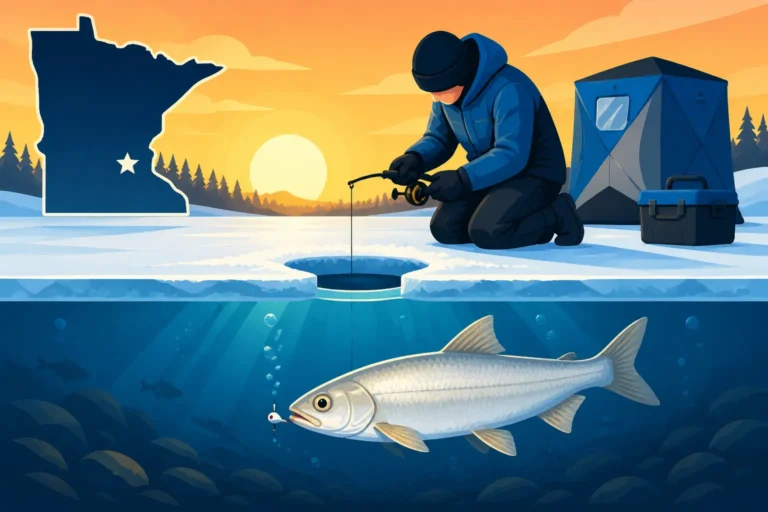
You'll want a sensitive, light action ice fishing rod, typically 24-28 inches long, paired with a small spinning reel spooled with 2-4 lb monofilament or fluorocarbon ice line. The key is to use very small baits and lures. Tungsten jigs in sizes 1/32 to 1/16 oz are excellent, as they sink quickly despite their small size. Tip these jigs with a single maggot, a wax worm, or a tiny gulp bait. Small spoons (like a Northland Forage Minnow or a Custom Jigs & Spins Demon) can also be effective, especially when tipped with a similar offering. The presentation should be slow and subtle. Vertical jigging with very slight lifts and pauses is often the most productive. Watch your flasher closely for any marks that rise to investigate your bait. Often, the bite will be incredibly light – just a subtle tap or a slight feeling of pressure. Learning "How to Catch Brook Trout Through the Ice in Minnesota" involves patience, a good understanding of electronics, and a willingness to downsize your presentation significantly. Don't be afraid to experiment with different depths until you find where the fish are holding.
Disclaimer
Fishing regulations, seasons, and limits can change frequently. Always consult the latest Minnesota Department of Natural Resources (DNR) fishing regulations handbook or website before heading out on the water. This guide is for informational purposes only and does not supersede official DNR regulations.