Best Seasonal Pattern for Yellow Perch in Minnesota
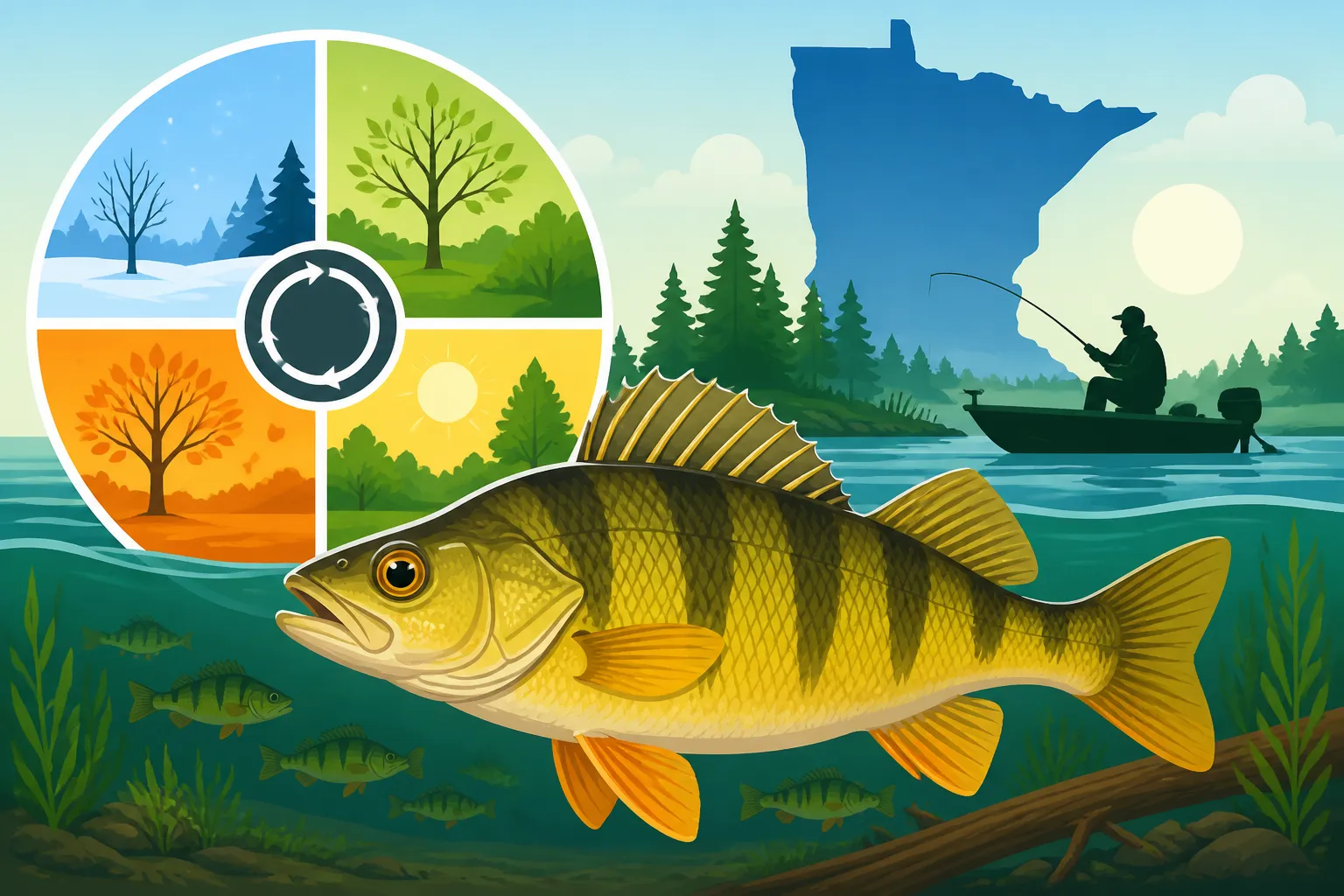
Yellow perch are one of Minnesota's most cherished panfish, prized for their delicious, flaky fillets and spirited fight. However, consistently locating these striped beauties throughout the year can feel like a perpetual game of hide-and-seek. Their movements and feeding habits shift dramatically with the seasons, leaving many anglers scratching their heads. This guide will break down the distinct seasonal patterns of yellow perch in Minnesota, helping you anticipate their behavior and improve your chances of a successful catch, no matter the time of year.
Unraveling Spring Perch Patterns
As Minnesota's icy grip begins to loosen, yellow perch awaken from their winter lethargy, driven by the primal urge to feed and reproduce. Spring is a dynamic time, marked by dramatic shifts in water temperature and fish activity. Understanding these phases is crucial for intercepting perch as they transition from deep winter haunts to shallow spawning grounds.
Pre-Spawn Staging and Feeding Frenzy
Once the ice leaves our lakes, typically from late April to early May in southern Minnesota and later further north, perch begin to congregate in specific areas before spawning. They're often found in slightly deeper water adjacent to their eventual spawning grounds, which usually consist of shallow bays, weed flats, or areas with emergent vegetation. The water temperature might only be in the low 40s to low 50s Fahrenheit, but these fish are hungry after a long winter and are actively seeking food to build up energy reserves.
During this pre-spawn period, perch will often school tightly, making them a prime target if you can locate them. Look for transition areas where a steep breakline meets a shallow flat, or near the mouth of shallow bays that warm up faster. They're opportunistic feeders, keying in on small minnows, insect larvae, and zooplankton. Small jigs tipped with a minnow or a piece of nightcrawler, or even tiny crankbaits, can be incredibly effective. A common mistake is fishing too fast; remember, the water is still cold, and fish activity levels are elevated but not frenetic. Slow, deliberate presentations are usually best.
Spawning Behavior and Post-Spawn Recovery
Yellow perch typically spawn when water temperatures reach the mid-40s to low 50s Fahrenheit. Unlike some fish that build nests, perch lay their eggs in long, ribbon-like strands over submerged vegetation, brush, or other debris in very shallow water, often just a few feet deep. This is usually a short window, lasting only a few days to a week in any given area, depending on local conditions. During the actual spawn, males are very active, while females are focused on egg deposition and may be less interested in feeding.
Immediately after spawning, both male and female perch experience a period of recovery. They might briefly move slightly deeper to rest, but they quickly resume feeding to regain lost energy. This post-spawn period often sees them scattered more broadly across the shallow flats and weed lines they just utilized for spawning. They'll still be looking for easy meals, and small live baits or tiny soft plastics mimicking minnows or insects will work wonders. This is also a fantastic time for shore fishing, as perch are often right up against the banks in many lakes, making them accessible even without a boat.
Summer Perch Patterns: Finding the Schools
Summer in Minnesota brings warmer water and fully developed weed beds, which drastically changes where yellow perch hang out. They transition from their shallow spring haunts to more diverse environments, often seeking cooler, more oxygenated water or using dense vegetation for cover and feeding. The key to summer perch success is locating these dynamic schools.
Weedline Cruising and Shaded Sanctuaries
As surface temperatures climb, many yellow perch will relate directly to the established weed lines, especially in lakes with abundant vegetation. They're not usually in the densest part of the weeds, but rather along the edges, either on the deep side where the weeds meet open water or patrolling lanes within the weed beds. These green highways offer protection from predators and a buffet of insects, small minnows, and invertebrates.
Fishing these weed lines effectively often involves drifting or slowly trolling small jigs, slip bobbers with live bait, or tiny crankbaits parallel to the edge. Depths can vary widely, from 8 to 15 feet or even shallower in low-light conditions. Focus on points, inside turns, or submerged humps that have good weed growth, as these areas tend to concentrate fish. A good pair of polarized sunglasses, perhaps from Amazon, can help you spot subtle weed transitions or even cruising perch. Don't overlook shaded areas, such as under docks or overhanging trees, especially during bright, sunny afternoons, as perch often seek refuge from intense sunlight.
Deep Water Schooling and Open Water Hunts
In many of Minnesota's larger, deeper lakes like Lake Winnibigoshish or Leech Lake, summer perch will eventually move out of the shallows entirely and form large, often massive, schools in open water or along deep structure. They might suspend over basin areas, feeding on zooplankton or schools of pelagic baitfish like cisco (tullibee). Alternatively, they could relate to deep breaklines, humps, or rock piles, particularly those with access to deep water.
Finding these schools often requires good electronics. A fish finder can reveal large blobs of fish suspending at various depths. Once located, vertical jigging with spoons, small swimbaits, or drop-shot rigs tipped with a minnow or a plastic grub can be deadly. The schools can be quite mobile, so being able to stay on top of them is key. Don't be afraid to experiment with different depths; if you mark fish at 25 feet but aren't getting bites, try fishing 2-3 feet above them, or even directly in the school. This is where mastering techniques like "How to Find Fish While Ice Fishing" can cross over to open water, as the principles of using sonar to locate suspended schools remain similar.
Fall Perch Patterns: Packing on the Pounds
As the crisp autumn air signals the approach of winter, yellow perch enter a critical phase of intense feeding. This "fattening up" period is essential for their survival through the cold months, making fall one of the most productive times to target them. Water temperatures begin to drop steadily, triggering a predictable movement pattern.
Migration to Deeper Breaks and Structure
As summer weeds die off and water temperatures fall into the 50s and then 40s Fahrenheit, yellow perch will gradually abandon the shallow flats and weed lines they used in summer. They begin a slow, deliberate migration towards deeper water, often staging on main lake points, sharp breaklines, and submerged humps that offer access to both shallower feeding areas and deeper refuge. These structural elements act as highways and pit stops for their autumnal movements.
Focus your efforts on areas where these deeper structures meet basin areas. Perch will often school up on the deep edges of these features, particularly if there's a good hard bottom or gravel presence. They're actively feeding on minnows and larger insect larvae. Jigging spoons, blade baits, or a classic Lindy Rig tipped with a shiner or large fathead minnow can be incredibly effective. Pay close attention to your electronics, as schools might be tightly grouped at specific depths along these breaks. The cooler water also means less boat traffic and often more comfortable fishing conditions for anglers.
Pre-Winter Feeding Frenzy
Just before ice-up, when water temperatures dip into the low 40s and high 30s, perch engage in a final, frantic feeding spree. This period can offer some of the best fishing of the entire year for larger, fatter perch. They're still focused on deeper main lake structures, but their aggression level is through the roof.
During this pre-winter bite, perch can be found in 20-40 feet of water or even deeper, often congregating in immense schools. They're gorging themselves on anything meaty they can find. Larger minnows, like shiners or chubs, presented on a jig or a simple hook and sinker, are prime baits. You might also find success with larger soft plastics or even small crankbaits designed for deeper presentations. This is when you can really put a hurt on them if you find the right school. Knowing "What Fish Are Biting in Minnesota Right Now?" in the late fall often means hearing reports of fantastic perch action, especially on lakes known for producing jumbo perch, like Upper Red Lake or Lake of the Woods.
Winter Perch Patterns: Ice Fishing Gold
Minnesota winters bring the unique opportunity of ice fishing, and yellow perch are a staple target for anglers brave enough to face the cold. Their schooling nature and delicious taste make them a highly sought-after species through the ice. Understanding their movements beneath the frozen surface is crucial for consistent success.
Early Ice Aggression and Shallow Feasts
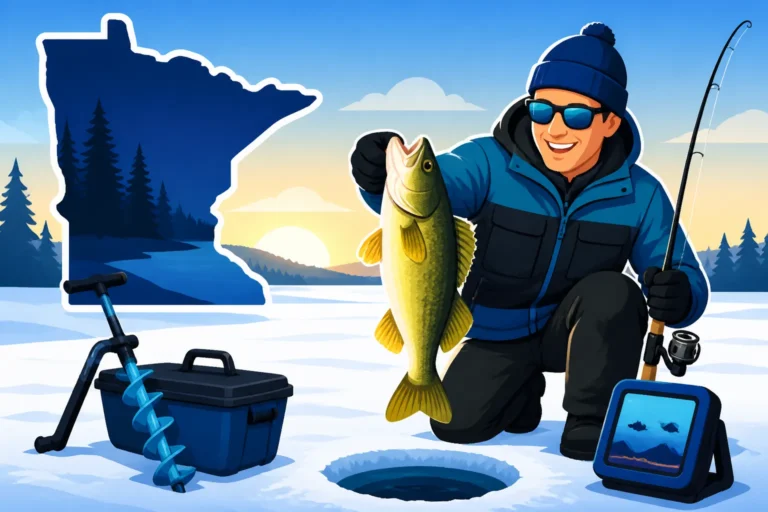
The very first days and weeks of safe ice, typically from early December into January in many parts of Minnesota, offer some of the most exciting perch fishing. Perch haven't seen a hook in a while and are often still relating to shallower, oxygen-rich areas, much like their fall patterns. They'll be found in 8-20 feet of water, often on the edges of remaining green weeds, along subtle breaklines, or near submerged points and humps.
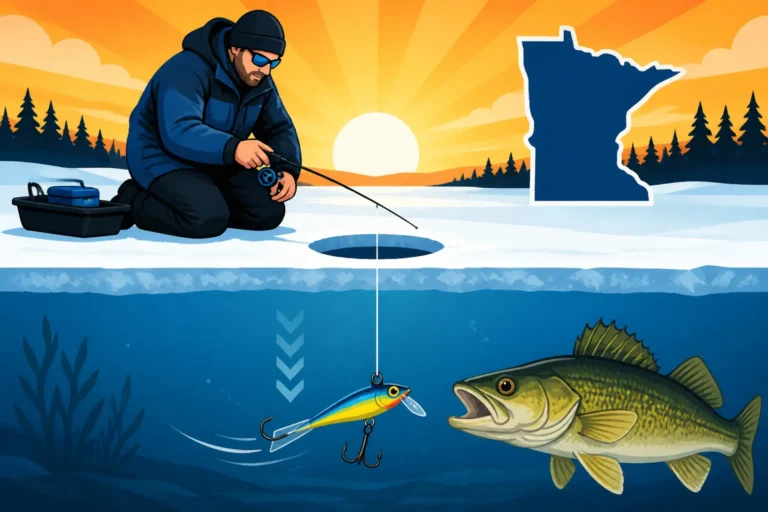
During early ice, perch are often very aggressive. Small spoons like a VMC Tingler Spoon or a Northland Forage Minnow Spoon, tipped with a maggot or a minnow head, are fantastic choices. Jigging Raps or similar swimming lures can also draw powerful strikes. This is a time when the fish are relatively unpressured and willing to chase. Don't overlook areas that produced well in late fall; perch often don't move far from these spots immediately after ice-up. This period is a great time to implement tactics similar to "How to Catch Yellow Perch Through the Ice in Minnesota."
Mid-Winter Deep Pockets and Basin Roaming
As winter progresses and the ice thickens, fish activity often slows, and perch tend to move into deeper, more stable environments. They might be found in large schools suspended over basin areas, particularly in lakes with substantial populations of cisco or other pelagic forage. Alternatively, they'll hug the deep edges of main lake structure, often in 25-40 feet of water or even deeper on very large lakes.
Mid-winter fishing for perch often requires more finesse. Smaller tungsten jigs tipped with wax worms, spikes, or a tiny minnow head are frequently the most productive. Slow, subtle jigging motions are usually more effective than aggressive pounding. Pay close attention to your flasher unit (like a Vexilar or MarCum) to detect hesitant bites or fish merely inspecting your bait. On lakes known for their jumbo perch, like Lake of the Woods, anglers often search large basin areas where these nomadic schools roam, utilizing mobile ice houses or portable shelters to stay on the move. When searching for these fish, "How to Find Fish While Ice Fishing" is a valuable resource to consult.
Late Ice Aggression and Pre-Spawn Activity
Just before ice-out, typically from late February through March, yellow perch experience a surge in activity, often mirroring their pre-spawn patterns from the fall. As sunlight penetrates the thinning ice and meltwater introduces fresh oxygen, perch begin to stage for the upcoming spawn. They'll start to move shallower, congregating on secondary breaklines, sand flats, and the mouths of shallow bays that are likely to be their spawning grounds.
This late-ice bite can be incredibly productive, with perch once again becoming aggressive feeders. They're trying to pack on calories for spawning, and you'll often encounter large schools of fat, healthy fish. Larger spoons, heavier tungsten jigs, and even small horizontal jigs (like a Salmo Chubby Darter) tipped with minnows or plastics can trigger strong bites. On smaller lakes, it's not uncommon to find them in 10-15 feet of water, whereas on larger lakes, they might still be holding in 20-30 feet, but showing much more willingness to bite. Remember to exercise extreme caution during late ice, as conditions can change rapidly.
Here's a quick overview of seasonal depths and recommended baits for yellow perch in Minnesota:
| Season | Typical Depth Range (Feet) | Preferred Habitat | Common Baits/Lures |
|---|---|---|---|
| Spring | 5-20 | Shallow bays, emerging weeds, breakline edges | Small jigs (minnow/crawler), tiny crankbaits, slip bobbers |
| Summer | 8-40+ | Weedline edges, deep breaks, suspended in basins | Small jigs (grubs/plastics), spoons, drop-shot rigs |
| Fall | 15-45+ | Main lake points, deep breaks, humps | Jigging spoons, blade baits, Lindy Rigs (minnows) |
| Winter | 10-50+ | Green weeds, breaklines, basin suspended | Tungsten jigs (wax worms/spikes), small spoons, Jigging Raps |
Understanding these patterns is the first step, but refining your approach also means considering specific tactics. For more detailed advice, check out these comprehensive tips: Yellow Perch Fishing Tips for Minnesota Anglers. If you're specifically targeting those larger specimens, you'll want to read up on Yellow Perch: Where to Find Jumbo Perch. And, of course, always be aware of the specific Yellow Perch Season & Limit in Minnesota for the waters you're fishing.
Gear Considerations for Year-Round Perch Success
Having the right gear makes a huge difference in your ability to detect subtle bites and effectively present baits to perch, especially when they're finicky. While perch don't require heavy-duty tackle, finesse and sensitivity are paramount.
Rods, Reels, and Line for Every Season
For open water perch fishing, a light to medium-light action spinning rod, typically 6 to 7 feet long, paired with a small spinning reel (size 1000 or 2000) spooled with 4-6 pound monofilament or fluorocarbon line is ideal. The sensitive tip allows you to feel those light taps, while enough backbone handles a feisty perch. Brands like St. Croix or Fenwick offer excellent options that provide the right balance. For ice fishing, an ultra-light or light action ice rod, 24 to 32 inches long, with a small inline or spinning reel spooled with 2-4 pound monofilament or fluorocarbon is perfect. Braided line can be used as a main line with a fluorocarbon leader, particularly for its sensitivity and reduced line twist. Many fantastic jigging rods, suitable for walleye and panfish, can be found on Amazon.
Lure and Bait Selection
No matter the season, live bait is often king for perch. Small fathead minnows, shiner minnows, wax worms, spikes (maggots), and pieces of nightcrawler are all highly effective. For artificials, versatility is key. In spring and fall, small jigs (1/32 to 1/8 ounce) in bright colors like chartreuse, orange, or white, tipped with soft plastics or live bait, are excellent. Small spoons (1/16 to 1/8 ounce) and blade baits also shine, especially when perch are aggressive. In summer, tiny crankbaits or even micro swimbaits can work along weed lines. For ice fishing, small tungsten jigs are incredibly popular due to their density, allowing them to drop quickly. These can be found in a variety of colors and sizes, perfect for different water depths and fish moods. You might also want to look into Best Lures for Ice Fishing Crappie as many of those lures cross over for perch.
Advanced Tips for Consistent Catches
Beyond just knowing where they are, there are some subtle nuances that can really elevate your perch fishing game. These aren't secrets as much as they are observations seasoned anglers have made over years on the water.
The Role of Water Clarity and Light Conditions
Yellow perch are visual feeders, so water clarity plays a significant role in their behavior. In clear lakes, they might be found deeper or in denser cover during bright daylight to avoid predators and intense sunlight. In stained or turbid waters, they might be shallower and more active throughout the day. Low-light conditions, like early morning, late evening, or overcast days, often trigger increased activity in all water types, as it reduces their vulnerability to aerial predators like eagles and ospreys. Sometimes a slight ripple on the water can break up the light penetration, making fish more comfortable in shallower areas.
When targeting perch, especially during bright conditions, consider using more natural colors for your baits in clear water and brighter, more vibrant colors in stained or dark water. This is a general rule of thumb, but it's always worth experimenting. For deeper dives into specific tactics, exploring resources like How to Catch Yellow Perch in Minnesota Step by Step can provide valuable insights on adapting to different conditions.
Location, Location, Location: Key Perch Hotspots
While general seasonal patterns hold true, specific lakes in Minnesota are renowned for their yellow perch fisheries. Lake of the Woods, for instance, is famous for its massive schools of jumbo perch, especially during winter. Upper Red Lake is another winter hotspot where perch often mingle with walleye in shallower basin areas. Lakes in the Brainerd Lakes Area and Otter Tail County often hold respectable perch populations in their numerous smaller lakes. Even the Twin Cities Metro Fishing scene has some hidden gems for perch, particularly in smaller ponds and specific bays of larger lakes. Finding the "Best Lakes for Jumbo Perch in Minnesota" can take some effort, but it's worth it!
Remember that local regulations can vary, so always double-check the specific rules for the body of water you're fishing. The Minnesota DNR provides up-to-date information on special regulations that might apply to certain lakes or species like yellow perch. Being informed about Minnesota Fishing Regulations Changes for 2026 is always a smart move before heading out.
Disclaimer
Fishing conditions and regulations in Minnesota can change rapidly. Always consult the latest Minnesota Department of Natural Resources (DNR) fishing regulations before heading out on the water. This guide is for informational purposes only and does not constitute legal advice. Adhere to all local, state, and federal laws. Stay safe and be aware of your surroundings, especially when on ice or navigating unfamiliar waters.