Best Seasonal Pattern for Smallmouth Bass in Minnesota
If you've spent any time on Minnesota's fantastic lakes, you know how frustrating it can be to consistently find and hook into those feisty smallmouth bass. Their behavior shifts dramatically with the seasons, leaving many anglers scratching their heads, wondering why yesterday's hot spot is today's dead zone. This comprehensive guide is here to demystify the best seasonal patterns for smallmouth bass in Minnesota, giving you the insights needed to adapt your tactics and improve your success on the water, no matter the time of year.
Understanding Smallmouth Bass Behavior Through the Seasons
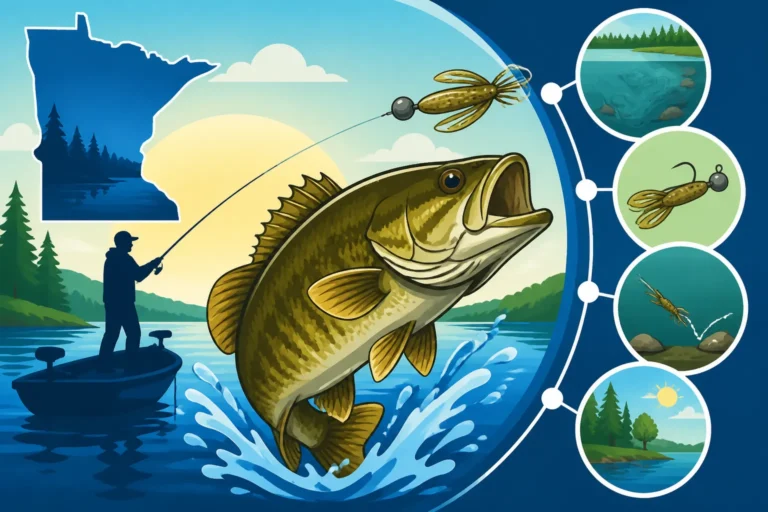
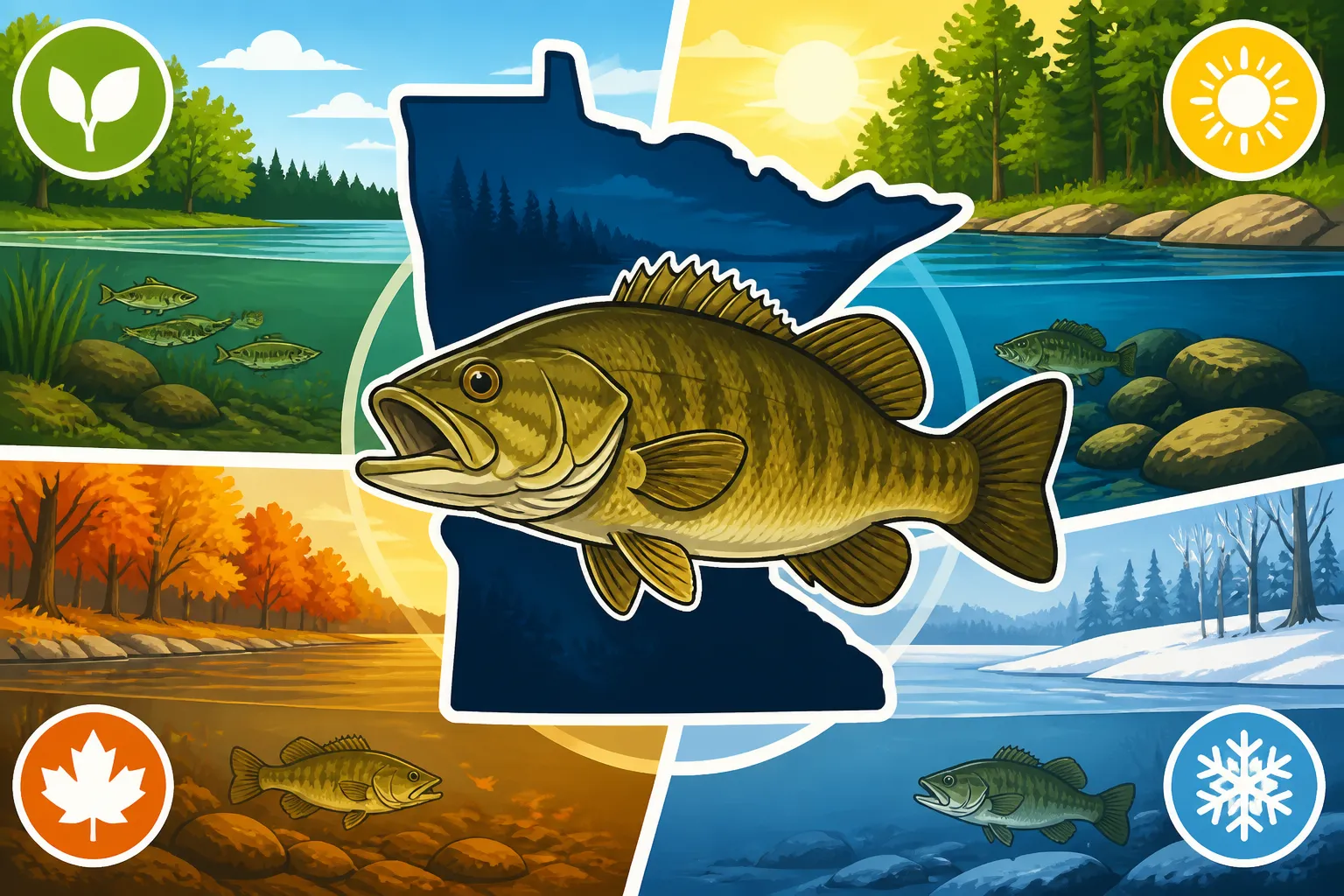
Smallmouth bass, often called "bronzebacks" or "brown fish," are one of Minnesota's most sought-after game fish, known for their powerful fights and acrobatic jumps. Unlike their largemouth cousins who often prefer the dense cover of weeds, smallmouth typically gravitate towards rocky structures, gravel, and points. Their seasonal movements are highly dictated by water temperature, available forage, and spawning cycles. Understanding these shifts is paramount to locating them consistently.
Early Spring: Post-Spawn Recovery and Pre-Summer Feeding Frenzy
As the ice finally melts and water temperatures begin their slow climb, smallmouth bass in Minnesota start to shake off their winter lethargy. This period, often from late April through May, is characterized by water temperatures typically ranging from the low 40s to mid-60s Fahrenheit. Initially, they might still be deep, recovering from the cold and their demanding spawn, which usually occurs when water temperatures hit the mid-50s to low 60s. After spawning, which sees the males guarding nests in shallow, rocky areas, both sexes enter a recovery phase.
Once the spawn is complete, typically by early June depending on the region, smallmouth move into a post-spawn feeding frenzy. They're depleted and hungry, looking to rebuild energy. You'll find them starting to push shallower, targeting emerging baitfish and crayfish on rocky points, shallow humps, and the edges of weed lines adjacent to deeper water. This is a fantastic time to catch aggressive fish, as they are actively hunting. Lakes like Mille Lacs, known for its incredible smallmouth fishery, see these fish staging on breaks and flats before spreading out. For more details on Minnesota's bass regulations, check out our guide on the :Smallmouth Bass Season & Limit in Minnesota:.
Summer: Deep Water Retreats and Low-Light Opportunities
When Minnesota's summer sun really starts to bake, and water temperatures climb into the 70s and even 80s, smallmouth bass tend to retreat to deeper, cooler, and more oxygenated waters. This doesn't mean they become uncatchable; it just means you need to adjust your approach. They'll often relate to offshore structures like rock piles, deep humps, main lake points, and sudden depth changes. During the day, especially under bright skies, they’ll hug the bottom or suspend just above the thermocline if one is present, which offers a consistent band of cooler water.
Despite their daytime depths, smallmouth can become incredibly active during low-light periods. Early mornings, late evenings, and even into the night can offer some of the most exciting smallmouth action of the year. During these times, they'll push up onto shallower flats and points to ambush baitfish, often chasing them right to the surface. Topwater lures become incredibly effective during these windows. This is a great time to experiment with different presentations to entice these deep-dwelling or surface-crashing bronze beauties. For tips on specific tactics, dive into our article on :Bass Fishing Techniques for Minnesota Lakes:.
Fall: Feeding for Winter and Transitional Zones
As summer fades and Minnesota's autumn chill sets in, water temperatures begin to drop steadily. This signals a crucial feeding period for smallmouth bass as they prepare for the lean winter months ahead. You'll observe a reverse migration of sorts, as fish that were deep in summer start to move shallower again, following baitfish that are also moving towards warmer, shallower zones or congregating in specific areas before winter. This is a time of transition, and fish can be found in a wide range of depths, from shallow rocks to deep humps.
Fall smallmouth bass often exhibit aggressive schooling behavior. They'll gang up on baitfish, chasing large schools of shiners or ciscoes. Locating these schools of bait with your electronics is often the key to finding concentrations of active smallmouth. Look for them on prominent main lake points, steep breaks, and large rock humps. The cooler water also means higher oxygen levels, and smallmouth will often hold in predictable spots. This period, particularly from late September through October, can offer some of the biggest and most aggressive smallmouth of the year.
Winter: Surviving Under the Ice
When Minnesota’s lakes finally succumb to the deep freeze, smallmouth bass largely become a less targeted species for ice anglers, but they are absolutely catchable. Unlike walleye or panfish that often remain relatively active under the ice, smallmouth bass enter a state of reduced metabolism. They still feed, but their movements are much more subtle and localized. You'll typically find them in the deepest parts of the lake where oxygen levels are stable and water temperatures are marginally warmer, often suspending over deep basins or relating to specific deep structures like rock reefs or points that drop into significant depths.
Targeting smallmouth through the ice requires patience and a subtle approach. They are not as aggressive as during open water seasons. Look for areas with hard bottom or rocks in deep water, often 25-50 feet or more. Using sensitive rods and smaller, finesse baits is key. While not as common as targeting walleye or crappie, a winter smallmouth can be a trophy and a true test of an angler's skill. If you're looking for more general ice fishing strategies, you might find our :Ice Fishing in Minnesota: Complete Beginner-to-Pro Guide: helpful, though it focuses less on bass.
Key Factors Influencing Smallmouth Bass Patterns
Understanding the basic seasonal timeline is a great start, but it's the underlying environmental factors that truly dictate where smallmouth will be on any given day. These factors influence everything from their comfort level to their feeding opportunities.
Water Temperature and Oxygen Levels
Water temperature is the absolute king when it comes to influencing smallmouth bass. As mentioned, their metabolic rate is directly tied to it. In cold water, they're sluggish; in warm water, they're active. They have a preferred temperature range, typically from the high 50s to low 70s Fahrenheit, where they are most active and comfortable. Outside of this range, they will seek out areas that provide thermal refuge.
Oxygen levels also play a critical role, especially in deeper lakes during summer. As surface waters warm, they hold less oxygen. Deeper waters below the thermocline can also become depleted of oxygen in some lakes. Smallmouth will avoid these low-oxygen zones and seek out areas where oxygen is plentiful, which is often near structure or where currents create circulation. This is why a good fish finder is invaluable for identifying the thermocline and tracking fish in different oxygen zones.
Forage Base and Baitfish Movements
Smallmouth bass are opportunistic predators, and their movements are almost always tied to their food source. Their diet primarily consists of crayfish, minnows, shiners, ciscoes, and other small baitfish. If you can locate the bait, you're usually not far from the bass. For example, during spring and fall, when crayfish are active in the shallows, smallmouth will often be found rooting around rocky bottoms. In summer, when schools of pelagic baitfish like ciscoes are suspended in open water, smallmouth might follow them.
Understanding the typical forage in your target lake is a huge advantage. For instance, on Lake Minnetonka, which boasts a strong smallmouth population, understanding the movements of its primary baitfish, like shiners and yellow perch, will significantly improve your chances. Monitoring local fishing reports can also offer clues about what the fish are currently feeding on.
Lake Structure and Cover
Smallmouth bass are structure-oriented fish. They love hard bottoms: rock piles, gravel beds, boulders, rip-rap, ledges, and humps. They use these structures for ambush points, protection from predators, and staging areas. Understanding the specific type of structure they prefer at different depths is key. In spring, they might be on shallow, sun-warmed rocks. In summer, they might be holding on the deep side of a main lake point or a subtle gravel hump in 20-30 feet of water.
Current is another form of structure that smallmouth adore. On rivers or in lakes with noticeable current near inlets or outlets, smallmouth will position themselves behind current breaks to conserve energy while waiting for food to wash by. Even subtle wind-driven currents on large lakes can create productive areas where baitfish congregate, attracting hungry bass. Mapping tools on platforms like Amazon often highlight detailed lake contours, making it easier to pinpoint these structures before you even launch your boat.
Tailoring Your Approach: Seasonal Fishing Strategies
Knowing where the fish are is half the battle; knowing how to catch them is the other. Your lure selection, presentation, and even your boat positioning will need to change with the seasons to maximize your success with Minnesota smallmouth.
Spring Tactics: Shallow Success
In early spring, right after ice-out, don't be afraid to fish slowly and thoroughly. Water temperatures are still chilly, so smallmouth might not chase fast-moving baits. Stick with finesse techniques. Jerkbaits, like a classic Rapala Husky Jerk, paused for extended periods, can be deadly around rocky points. Smallmouth also love a tube jig or a Ned Rig fished slowly along the bottom. Crawfish imitations are excellent, as crayfish are a key food source at this time. Focus on shallower water, generally 5-15 feet, especially areas that receive a lot of sunlight.
As water temperatures rise post-spawn, smallmouth become more aggressive. This is when spinnerbaits, crankbaits, and soft plastic swimbaits become highly effective, particularly when retrieved at a moderate pace around rock transitions and early weed growth. If you're looking to target these active fish, consider checking out our guide on :Early Season Walleye After the Opener: – while it’s for walleye, the concept of aggressive post-spawn feeding applies to smallmouth too, just in different locations and with different baits.
Summer Tactics: Going Deep and Finesse
Summer smallmouth fishing often means going deep during the day. Drop-shot rigs are phenomenal for targeting fish suspended over deep water or hugging deep structure. A small plastic worm or minnow imitation presented vertically will often tempt lethargic bass. Jigging spoons and blade baits can also be effective when fish are tightly grouped on deep humps. These allow you to cover water vertically and mimic dying baitfish. Consider browsing some of these specialized lures on Amazon to get ready for your summer outings.
For those magical low-light periods, don't forget topwater lures. Walking baits, poppers, and even buzzbaits can trigger explosive strikes when smallmouth move shallow to feed. During these times, focus on rocky flats, points, and even shallow weed edges adjacent to deep water. You can learn more about this exciting technique in our article on :Topwater Bass Fishing in Minnesota:.
Fall Tactics: Aggressive Bites and Schooling Fish
Fall is prime time for power fishing for smallmouth. As fish gorge for winter, they'll chase down fast-moving baits. Crankbaits that dive to the depth of the baitfish, large spinnerbaits, and swimbaits are excellent choices for covering water quickly and enticing a reaction strike. When you find a school, don't be afraid to cast multiple times into the same area. A productive fall pattern might involve finding a major point on a lake like Lake Vermilion and working it thoroughly with different presentations.
Vertical presentations like jigging spoons, heavy hair jigs, or even blade baits can also be incredibly effective when smallmouth are schooling tightly on deeper humps or along steep breaks. The key is to mimic the baitfish they are actively feeding on. If you're struggling to locate these schools, using high-quality sonar to find baitfish and predatory arches is crucial.
Winter Tactics: Targeting Suspended Bass
Ice fishing for smallmouth in Minnesota is definitely a niche pursuit, but it can be rewarding. The most effective strategy involves targeting deep water, often 25-50 feet or more, with small, subtle baits. Tungsten jigs tipped with plastics like a Gulp! Minnow or small grub are fantastic. Jigging Rapalas or similar horizontal jigging lures can also entice a bite when worked slowly. Your fish finder, whether it's a Vexilar or Humminbird, will be your best friend for identifying suspended fish.
The key is to minimize movement and maximize sensitivity. A light-action ice rod with sensitive tip and a good fluorocarbon leader will help you detect those subtle bites. Don't be afraid to drill multiple holes to explore different depth contours in deep basins or along major rock structures. While they might not be as active, a winter smallmouth can still deliver a memorable fight.
Seasonal Smallmouth Bass Fishing Overview
Here's a quick rundown to help you keep track of the seasonal shifts and recommended tactics for smallmouth bass in Minnesota:
| Season | Typical Water Temps (F) | Primary Location | Key Forage | Recommended Lures/Tactics |
|---|---|---|---|---|
| Early Spring | 40s-low 60s | Shallow rocky points, main lake breaks, spawning beds (males) | Crayfish, shiners | Jerkbaits (paused), Ned Rigs, Tube Jigs (slowly worked) |
| Late Spring | Mid-60s | Shallow to mid-depth rocks, post-spawn recovery areas | Emerging baitfish | Crankbaits, Spinnerbaits, Swimbaits, topwater (active fish) |
| Summer | 70s-80s | Deep offshore humps, rock piles, main lake points, thermocline | Ciscoes, shiners | Drop-shot, Jigging Spoons, Blade Baits (daytime deep) |
| Low-Light Summer | 70s | Shallow flats, rocky points (early morning, evening) | Baitfish | Topwater (walkers, poppers), Shallow Crankbaits |
| Fall | 60s-40s | Main lake points, steep breaks, deep humps, following baitfish | Large baitfish schools (ciscoes, shiners) | Deep Crankbaits, Large Spinnerbaits, Swimbaits, Jigging Spoons |
| Winter | Low 30s-40s | Deep basins, deep rock piles, suspended over structure | Minimal feeding | Small Tungsten Jigs, Jigging Rapalas (finesse, slow movements) |
Disclaimer
Fishing regulations, conditions, and fish behavior can change rapidly. Always consult the most current Minnesota Department of Natural Resources (DNR) fishing regulations before heading out. This guide provides general information and should not be considered a substitute for official regulations or personal research of specific lake conditions.