How to Catch Bass in Weedy Lakes
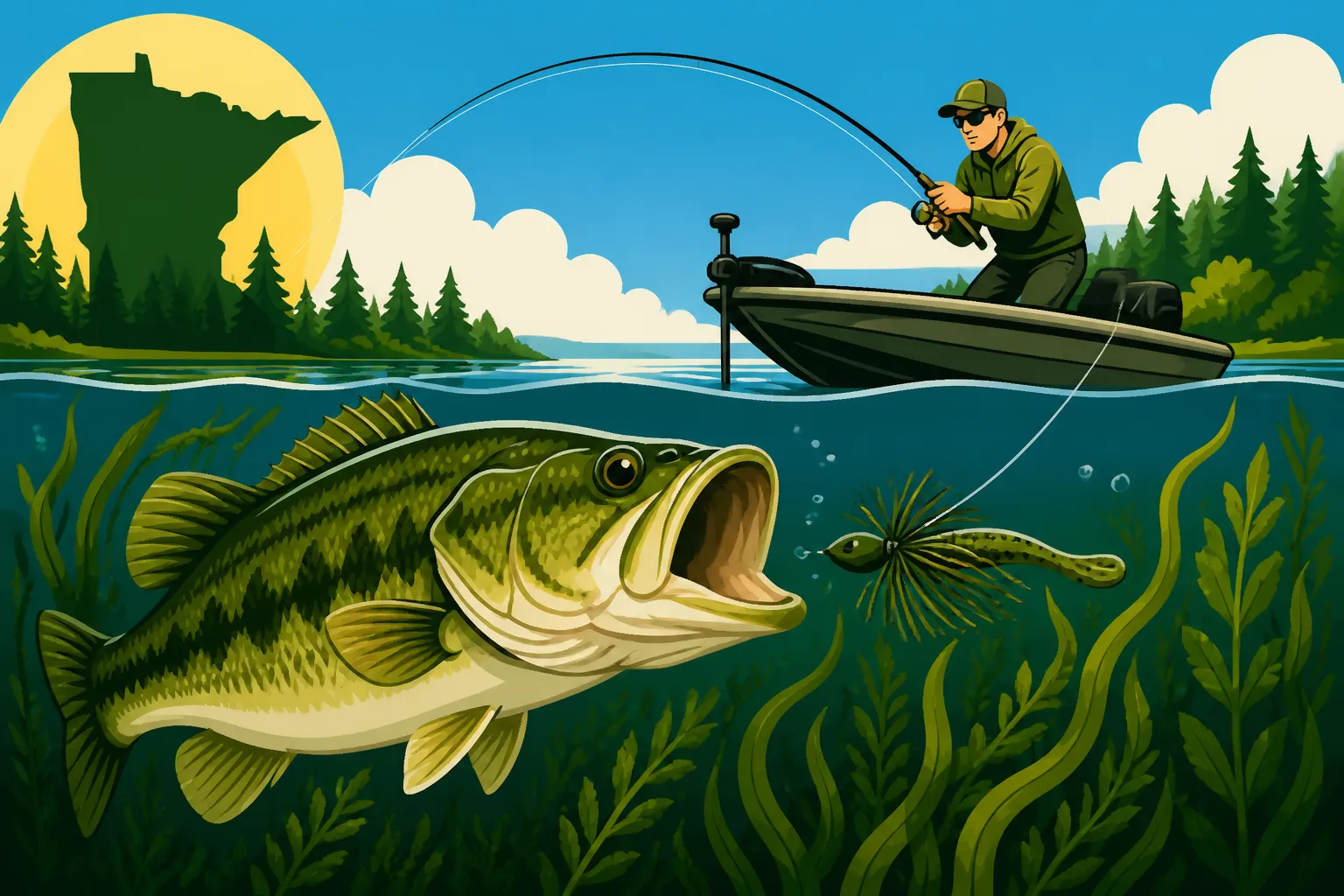
It's incredibly frustrating, isn't it? You've found a promising bass lake here in Minnesota, you're buzzing with anticipation, and then you launch your boat or walk the shore only to be met with what looks like an impenetrable jungle of green. Weeds everywhere! It feels like every cast is a snag waiting to happen, and you spend more time pulling plant matter off your hook than actually fishing. But don't despair! Those weed-choked areas, as maddening as they can be, are absolute bass magnets. This guide is dedicated to helping you unlock the secrets of fishing weedy lakes, turning those frustrating snags into exciting hook-ups with feisty Minnesota bass.
Understanding Weedy Cover and Why Bass Love It
When you look out at a lake and see a sprawling field of lily pads or submerged cabbage, it might look like a messy problem. But to a bass, that's home. It's their grocery store, their nursery, their hiding spot, and their temperature-controlled sanctuary all rolled into one. Understanding why bass gravitate towards weeds is the first step in figuring out how to catch them. It's not just random; there's a method to their madness, and once you get it, you'll start seeing those green expanses as opportunities rather than obstacles.
Types of Aquatic Vegetation and Bass Preferences
Minnesota's lakes are rich in diverse aquatic vegetation, and each type offers something a little different for our finned friends. Knowing what kind of weeds you're dealing with can really help you choose the right approach.
Let's talk about the big players. Coontail and Northern Milfoil are incredibly common. These are those dense, bushy, submerged weeds that can form massive underwater forests. Bass love these for ambush points, darting out from the thick cover to snatch unsuspecting prey. They also offer excellent protection from overhead predators like eagles or ospreys. Then there are the broad-leafed plants like cabbage (pondweed), which often grow in distinct lanes or clumps. These provide wonderful shade and structure, especially in clear water. Lily pads are another classic; their broad floating leaves create dark, cool pockets underneath, and their stems offer vertical structure. Reeds and cattails, typically found in shallower, softer bottom areas, provide excellent spawning and nursery grounds, as well as crucial shade and protection in early morning or late evening. Each type of weed provides a unique environment, and keen anglers pay attention to which weeds are present, as it often dictates the type of forage available and the best way to present a lure. Bass will often move between these different weed types throughout the day, depending on light conditions, water temperature, and their feeding habits.
Why Bass Seek Weedy Sanctuaries
It's all about survival and efficiency for a bass. Weeds offer a multi-faceted haven that makes them irresistible. First and foremost, weeds are a prime ambush point. Imagine trying to hide in a wide-open field versus a dense forest; the forest wins every time. Bass lurk in the shadows and dense stems, waiting for minnows, sunfish, or crayfish to swim by. They can quickly dart out, grab a meal, and disappear back into cover before their prey knows what hit them. This cover also provides protection from predators. Larger pike, muskie, or even birds can't easily spot a bass tucked deep in a weed bed.
Beyond protection and ambush opportunities, weeds play a crucial role in the bass's environment by affecting water conditions. Dense weed beds provide shade, which is vital on bright, sunny days, particularly in shallower waters. This keeps the water temperature cooler and more stable, creating a comfortable zone for bass. Furthermore, during daylight hours, aquatic plants produce oxygen through photosynthesis. This oxygen-rich water attracts baitfish, which in turn attracts bass, making these areas highly productive. In hotter summer months, the slightly cooler, more oxygenated water within weed lines can be a major draw, especially in lakes experiencing thermal stratification. Finally, weeds are also teeming with food sources themselves—insects, snails, and other small organisms that form the base of the food chain, drawing in everything else. So, when you see those weeds, don't just see green; see a thriving ecosystem that's putting bass right where you want them.
Essential Gear for Fishing Weedy Lakes
Tackling dense vegetation requires a specific approach, and your gear selection is paramount. Trying to fish heavy weeds with a flimsy panfish rod or light monofilament line is a recipe for disaster, broken lines, and lost lures. We need to be able to rip fish out of cover and handle abrasive environments without a hitch. This means beefing up your setup significantly compared to what you might use in open water or around sparse structure. A lot of this specialized gear can be easily found and ordered on Amazon, making it convenient to get prepared before your next trip.
Heavy-Duty Rods and High-Strength Lines
When you're fishing in weeds, you're not just fighting the fish; you're also battling the vegetation. This is where heavy or medium-heavy power rods come into their own. A fast action tip is still beneficial for feeling subtle bites and making accurate casts, but the backbone of the rod needs to be stout enough to drive a hook through a bass's jaw and rip that bass, along with any attached weeds, out of the cover. A typical 7' to 7'6" flipping stick or casting rod is ideal for this kind of work, offering both leverage and casting distance.
Pairing these robust rods with the right line is non-negotiable. Forget about light mono or fluorocarbon for most heavy weed applications. You need braided line, and usually in the 30-65 lb test range. Braided line has several key advantages:
- Zero Stretch: This allows for powerful hooksets, driving the hook home even through thick plastic baits and heavy weeds.
- Incredible Strength & Abrasion Resistance: It can cut through weeds surprisingly well and stands up to the constant rubbing against stalks and pads without breaking down.
- Sensitivity: Despite its strength, braid transmits bites exceptionally well, crucial when a bass engulfs a lure deep in cover.
For techniques like punching through dense mats, some anglers even go as high as 80 lb test braid. While some might argue about the visibility of braid, in dense weeds, it's rarely an issue, and the benefits far outweigh any concerns. It’s truly the workhorse line for weed fishing, and you'll find plenty of reliable options from brands like PowerPro and Sufix on Amazon. Remember, the goal is to land the fish, not to leave a lure stuck in a salad bar!
Must-Have Weedless Lure Tackle
The key to successful weed fishing is presenting baits that can get into the cover where the bass are, without constantly snagging. This means a heavy emphasis on weedless designs. You can't just toss a treble-hooked crankbait into a lily pad field and expect a good day.
Here's a breakdown of essential weedless tackle:
- Extra Wide Gap (EWG) Hooks: These are fundamental for Texas rigging soft plastics. The wide gap allows for the hook point to be completely buried in the plastic bait, making it snag-proof, while still exposing enough hook to get a solid bite when a bass clamps down. Sizes will vary depending on your chosen soft plastic, but 3/0 to 5/0 are common for bass.
- Bullet Weights and Punch Weights: For Texas rigging, bullet weights are your go-to. Tungsten weights are increasingly popular over lead because they are smaller for their given weight, allowing for a more compact presentation that slips through weeds better, and they are also more environmentally friendly. For punching through super dense mats, specialized punch weights (often 1 oz or heavier) are essential, paired with a bobber stop to keep the weight pegged to the bait.
- Weedless Jigs:
- Flipping Jigs: These typically have a pointed head design that helps them navigate through cover and a stiff weed guard to prevent snags. They come skirted and are often tipped with a soft plastic trailer.
- Bladed Jigs (Chatterbaits): Lures like the Z-Man Chatterbait or similar designs feature a vibrating blade that deflects off weeds and creates a unique action and vibration that bass find irresistible. While not perfectly weedless, they are surprisingly effective at coming through moderate cover. You can find these readily on Amazon from various brands.
- Swim Jigs: These are essentially a jig head with a weed guard, often paired with a grub or paddle-tail swimbait trailer. They are designed to be retrieved steadily through cover, mimicking a swimming baitfish.
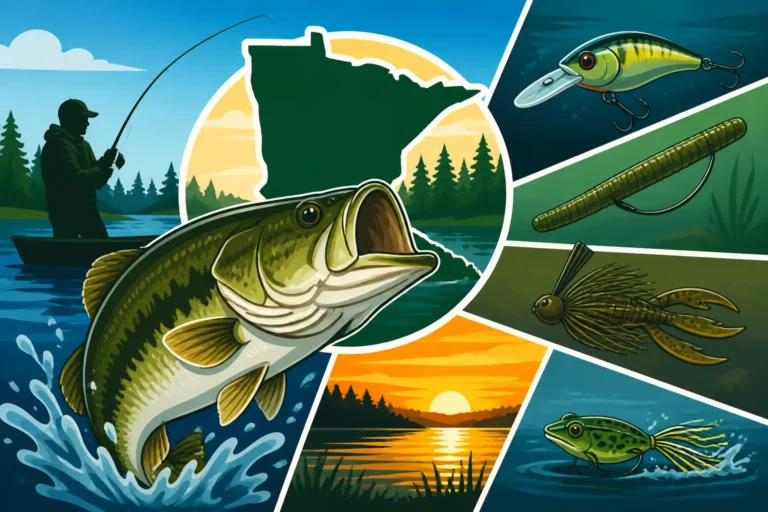
- Topwater Frogs and Hollow-Bodied Lures: When the weeds are so thick they form a solid mat on the surface, these are your secret weapons. Brands like Spro and Livetarget make incredibly realistic hollow-bodied frogs that walk over the top of the mats. When a bass blows up on one, it's one of the most exciting bites in fishing! The hooks are tucked tightly against the body, making them virtually snag-proof.
- Weedless Spoons: Lures like the Johnson Silver Minnow have been catching bass in weeds for decades. Their simple design and single, upturned hook make them glide over vegetation effectively.
Having a good selection of these weedless options in your tackle box will make all the difference in turning frustrating weed experiences into fantastic bass catches. Remember to check your knots frequently, especially with braided line, as the constant friction with weeds can take its toll.
Top Techniques for Catching Bass in Heavy Cover
Now that we understand why bass love weeds and what gear we need, let's dive into the actual fishing! These techniques are designed to get your lure into the strike zone and extract a bass from even the densest vegetation. It takes patience, precision, and sometimes a bit of brute force, but the rewards are well worth it.
Texas Rigging and Carolina Rigging Through Weeds
These two rigging methods are fundamental for weed fishing due to their inherent weedless nature.
Texas Rigging is probably the most widely used weedless setup. It involves threading a soft plastic bait onto an Extra Wide Gap (EWG) hook so the hook point is buried back into the plastic. A bullet weight is then typically slipped onto the line above the hook, allowing the bait to penetrate cover efficiently. For most weed fishing, you'll want to peg your weight by inserting a bobber stop or a piece of toothpick into the weight, keeping it snugly against the eye of the hook. This helps the bait and weight move as a single unit, preventing the weight from separating from the lure and snagging.
- Application: Texas rigs are incredibly versatile. They can be cast into pockets, flipped into dense cover, or slowly dragged along weed edges. Common baits include plastic worms, creature baits, and senkos.
- Technique: Cast your Texas rig into a likely looking spot – a hole in the mat, along a weed line, or directly into sparse cover. Let it sink. The primary retrieve is often a lift-and-drop or a slow drag, mimicking a crawfish or a worm foraging on the bottom. When you feel a bite (it might be a slight thump, or your line just feels heavy), drop your rod tip slightly to give the bass a moment to fully engulf the bait, then execute a powerful, sweeping hookset. Remember, braided line really shines here for driving that hook home. This is often an effective technique to catch Smallmouth Bass in Minnesota (Step by Step) as well, even if they're not in the heaviest cover.
Carolina Rigging, while also weedless, is generally used for slightly different scenarios. It involves a main line, a heavy bullet weight (often 1/2 to 1 oz), a bead (to protect the knot and add clicking sound), a swivel, a leader (usually fluorocarbon, 1-3 feet long), and then a weedless hook with a soft plastic bait.
- Application: Carolina rigs are fantastic for covering water, especially along the edges of deeper weed lines or over sparse, submerged vegetation. The weight drags along the bottom, stirring up sediment and attracting attention, while the bait floats or glides enticingly behind on the longer leader.
- Technique: Long casts are common with a Carolina rig. Drag it slowly along the bottom with your rod tip, then reel up slack. The key is to feel the weight bumping along the bottom. Bites often feel like a soft "thump" or added pressure. Again, a sweeping hookset is crucial. While not ideal for punching through thick mats, it’s a killer for finding bass holding just outside the main weed growth or in clearer lanes.
Punching and Flipping Dense Mats
When the weeds are so thick they form a nearly impenetrable canopy on the surface, resembling a floating carpet, you need to go in with an attitude. This is where punching and flipping come into play. These are highly effective ways to target bass that are seeking shade and ambush points deep within the vegetation.
Punching involves using a heavy, streamlined tungsten weight (typically 1 oz to 2 oz, sometimes even heavier) pegged directly above a stout EWG hook rigged with a compact soft plastic bait, such as a creature bait or beaver-style bait. The idea is to literally "punch" through the mat.
- Application: This technique is specifically for very dense, matted vegetation like thick milfoil, hydrilla, or even dense lily pad fields. The bass often suspend just under these mats in cooler, oxygenated water.
- Technique: Position your boat or kayak quietly near the edge of the mat. Make short, accurate pitches or flips with your heavy rig, aiming for small openings, irregularities, or even just a random spot in the mat. Let the weight carry the bait through. Once it breaks through and sinks, let it sit for a few seconds. If no bite, lift it slightly, let it fall again. Repeat a few times, then retrieve and punch another spot. Bites can be subtle – a slight twitch of the line, or the line simply moving sideways. Sometimes, a bass will just take it and run. A powerful, immediate hookset is required to get the fish moving up and out of the mat quickly. You can find excellent punch weights and creature baits for this technique on Amazon.
Flipping is a more general term for presenting a lure with a short, pendulum-like motion, using the rod to propel the bait rather than making a full cast. It's about precision and quiet entry into specific targets.
- Application: Flipping is used for any dense cover within close range – reed beds, isolated clumps of lily pads, submerged brush piles within weeds, or the edges of dense mats. It’s perfect for picking apart specific pieces of cover.
- Technique: Hold your rod with one hand and strip out enough line for your target with the other. Swing the bait forward with a gentle underhand motion, letting the momentum carry it to your target. Feather the line with your thumb to control distance and accuracy. Once the bait is in the cover, work it slowly, feeling for bites. Flipping jigs, Texas-rigged creature baits, and senkos are popular choices. The technique prioritizes stealth and control, allowing you to thoroughly probe small, high-percentage areas.
Topwater Excitement Over the Green Stuff
There's nothing quite like a bass blowing up on a topwater lure. In weedy lakes, this isn't just a thrilling experience; it's often the most effective way to fish vast expanses of surface vegetation. When the water is calm and the bass are looking up, topwater lures can be absolutely deadly.
-
Hollow-Bodied Frogs: These are the undisputed kings of topwater weed fishing. Their design, with hooks tucked against the body, allows them to glide effortlessly over the thickest lily pads, matted grass, and even woody debris without snagging.
- Application: Ideal for fishing over dense, matted vegetation where other topwater baits would snag immediately. They mimic frogs, an irresistible meal for hungry bass.
- Technique: Cast your frog onto the mat, then twitch and pause it. You want to make it "walk" or "pop" across the surface, imitating a frog hopping. Experiment with retrieve speed and pauses. The longer the pause, the more enticing it can be. When a bass strikes, resist the urge to set the hook immediately. Wait until you feel the weight of the fish before delivering a powerful, sweeping hookset. This gives the bass time to fully inhale the bait. It’s truly one of the most exciting ways to catch Largemouth Bass in Minnesota (Step by Step).
-
Toad-Style Soft Plastics: These are soft plastic baits with kicking legs, often rigged weedless on an EWG hook and fished on the surface. They don't have the buoyancy of hollow-bodied frogs but create a lot of commotion.
- Application: Best for fishing over slightly less dense mats or across areas where there's just a thin layer of scum or emergent vegetation.
- Technique: Cast and retrieve steadily, keeping your rod tip up to keep the bait on the surface. The kicking legs create a gurgling, buzzing action that bass key in on. They are excellent for covering water quickly and drawing reaction strikes.
-
Buzzbaits: While not strictly for the densest mats, buzzbaits can be highly effective along weed edges, over submerged grass, or through sparse lily pads. Their spinning blade creates a loud commotion on the surface.
- Application: Best for open pockets within weeds, along deeper weed lines, or over flooded timber where some vegetation is present.
- Technique: Cast and immediately begin retrieving to keep the blade spinning on the surface. Vary your retrieve speed. The key is to keep it moving consistently. Strikes are often violent and explosive.
When fishing topwater in weeds, your heavy braided line is an absolute necessity. Not only does it allow for powerful hooksets, but it also helps cut through any surface vegetation that might get wrapped around your line during the fight, increasing your chances of landing that trophy bass.
Bladed Jigs and Swim Jigs: Weed-Beating Wonders
For navigating through moderate to heavy submerged weeds, two categories of lures stand out for their ability to entice bass and shed vegetation: bladed jigs and swim jigs. These aren't just for open water; they're designed to be worked right through the green stuff where bass are hiding.
Bladed Jigs (Chatterbaits) are incredible fish catchers in weedy environments. Their unique hexagonal or rectangular blade is attached to the jig head and vibrates wildly during retrieval, creating an irresistible thumping action and flash. This vibration not only attracts bass from a distance but also helps the lure deflect off weeds rather than snagging.
- Application: Perfect for fishing through submerged weed beds (cabbage, coontail, milfoil) that are dense but not completely matted. They excel when bass are active and chasing.
- Technique: Cast your bladed jig along or into a weed line. A steady retrieve is often all that's needed. When you feel the blade pick up a piece of weed, give your rod tip a sharp snap to rip it free. This erratic action often triggers strikes. You can also vary your retrieve with short pauses or lifts. Often, a paddletail swimbait or a craw-style soft plastic trailer is added to enhance the action and profile. The combination of vibration, flash, and action makes them a go-to for many anglers, especially when the bass are aggressive. Brands like Z-Man, which pioneered the Chatterbait, are widely available on Amazon.
Swim Jigs are essentially jigs designed to be retrieved horizontally through the water column, mimicking a swimming baitfish. They typically have a streamlined head, a stiff weed guard, and a soft plastic trailer (like a grub or small swimbait) to give them an enticing profile and action.
- Application: Excellent for fishing in and around submerged weeds, reed beds, lily pad fields, and flooded timber. They offer a more subtle presentation than bladed jigs but are incredibly effective.
- Technique: Cast your swim jig into open pockets within the weeds, along the edges, or directly into sparse cover. A steady, moderate retrieve is typical. Like bladed jigs, when you feel it bog down in weeds, give your rod tip a sharp snap to clear it. Experiment with varying your retrieve, adding slight twitches or pauses. The weed guard does an excellent job of deflecting snags, allowing the single hook to remain exposed for a solid hookset. The choice of trailer can significantly impact the lure's action and appeal; a paddle-tail will give a lot of thump, while a craw trailer offers a more subtle glide. These jigs are especially useful when bass are pressured or when a more natural, stealthy presentation is required.
These two jig types, when paired with the right rod and heavy braided line, allow you to actively fish the heart of the weed beds, putting your lure directly in front of bass that other lures can't reach.
Seasonal Strategies for Weedy Bass
Bass behavior in weedy lakes isn't static; it changes dramatically with the seasons. Water temperature, oxygen levels, and baitfish movements all influence where bass position themselves within the vegetation. Understanding these seasonal shifts is crucial for consistently finding and catching bass in Minnesota's weedy environments.
Springtime Weeds: Emergence and Spawning
Spring in Minnesota is a time of awakening, and the same goes for aquatic vegetation and the bass that inhabit it. As ice recedes and water temperatures slowly climb, new weed growth begins, often starting in shallower, sun-warmed bays.
- Early Spring (Pre-Spawn): In the very early spring, before dense weed growth has fully taken hold, look for emergent weeds. These are often the first green shoots appearing in shallow, protected areas. These sparse weeds attract baitfish seeking warmer water and provide early ambush points for hungry pre-spawn bass. Focus on the very edges of these developing weed lines or any isolated clumps. Bass will be looking to gorge themselves before the spawn, so active presentations like bladed jigs or a Texas-rigged jig-and-pig can be effective.
- Mid-Spring (Spawn): As water temperatures reach the mid-60s, bass move into the shallow, calm, and protected areas within or adjacent to existing weed beds to spawn. Lily pads, cattails, and sparse submerged weeds offer ideal cover for building nests and protecting fry.
- Technique: During this period, you'll often find bass on or very near their beds. Sight fishing can be effective in clear water, but in murkier conditions, blind casting to likely spawning areas is key. Soft plastics like tubes, lizards, or stick worms fished on a Texas rig or weightless are excellent choices. Work them slowly and deliberately. Bass can be very protective and will strike to "warn off" perceived threats to their nests. However, always practice catch and release with spawning bass to protect the fishery. Remember to check local regulations, as Minnesota Bass Season New 2026 Catch-and-Release rules might impact how you fish during this critical time.
- Late Spring (Post-Spawn): After the spawn, bass often move slightly deeper to recuperate, but they typically don't abandon the weeds entirely. They'll often hold on the first available weed line off their spawning areas or cruise the weed flats. Topwater frogs can start to shine now as they become more aggressive and predatory.
Summer's Green Jungle: Oxygen and Shade
Summer is when Minnesota's lakes truly become a green jungle, with weeds reaching their full maturity and density. This is when the strategies for heavy cover become absolutely essential, as bass rely heavily on these structures for survival during the hot months.
- Mid-Summer: During the heat of summer, oxygen levels can drop in certain parts of a lake, and direct sunlight can be intense. Dense weed beds provide vital shade and, through photosynthesis, maintain higher oxygen levels, making them irresistible to bass.
- Focus Areas: Look for the densest mats of vegetation, particularly those with access to deeper water nearby. These deep weed edges, points, and humps within the weeds are prime locations. Bass will often suspend under these mats, utilizing the shade and cooler water.
- Technique: This is prime time for punching and flipping into the thickest cover. Heavy tungsten weights and compact creature baits are the way to go. On the surface, hollow-bodied frogs and toad-style baits are incredibly effective for drawing explosive topwater strikes over the mats. Along the edges, bladed jigs and swim jigs can provoke aggressive bites. Fishing during low-light conditions, like early mornings or late evenings, can also bring bass out from the densest cover to feed more actively along the edges or in open pockets.
- Thermocline Consideration: In deeper lakes, a thermocline (a distinct temperature layer) often forms. If the weeds extend down to or below this thermocline, they can be even more productive as bass seek that specific temperature band. However, if the weeds grow above a stagnant, oxygen-deprived thermocline, bass will only relate to the upper healthy portions. Keep an eye on your electronics if you have them, and remember that many great electronics like the Humminbird Ice Helix review options can be found.
Fall Transition: Dying Weeds and Final Feeds
As autumn arrives, water temperatures begin to drop, and the lush green weed beds of summer start to die off. This creates a significant shift in bass behavior and necessitates a change in your approach.
- Early Fall: In early fall, while many weeds are still healthy, bass are often on a major feeding binge, bulking up for winter. They'll still relate to the healthy weed lines and dense clumps, but they might be more aggressive and willing to chase. This can be a fantastic time for power fishing with bladed jigs, swim jigs, and even crankbaits run along deeper weed edges.
- Mid to Late Fall: As temperatures continue to fall, many shallow weeds begin to die and decompose, releasing gases and reducing oxygen. Bass will start to abandon these areas. Your focus should shift to the last remaining healthy green weed beds, especially those that are deeper or on main lake points and humps. These green patches, often coontail or cabbage, will hold the most oxygen and attract baitfish, making them critical bass magnets.
- Technique: Slowing down your presentation is often key. Texas-rigged worms or jigs fished slowly through these deeper, healthy green weeds can be very effective. Vertical jigging a spoon or a heavier jig can also work if you find isolated clumps of weeds in deeper water. Look for irregularities in the weed line, isolated clumps, or points where healthy weeds meet open water. Bass will use these areas as staging points before moving to their deep wintering grounds.
- Weed Edges: Pay particular attention to the deep, outside edges of weed beds. As the inside dies, bass will often slide out to these healthier, deeper perimeters, especially during sunny periods. This can be a great time to implement your Carolina rig to cover these edges.
Understanding these seasonal patterns will dramatically increase your success rate. Bass are creatures of habit, and their habits are dictated by their environment. By knowing how the weeds change and how bass react to those changes, you can put yourself in the right place at the right time.
Advanced Strategies for Difficult Weed Conditions
Sometimes, the weeds are just so thick, or the bass are so finicky, that the standard approaches just aren't cutting it. That's when you need to dig a little deeper into your bag of tricks. These advanced strategies can help you coax bites when other methods fail, especially in heavily pressured waters or during tough weather conditions.
Reading the Weeds Beyond the Obvious
It’s easy to just see a wall of green, but truly successful weed anglers learn to see through the vegetation. The weeds themselves often tell a story about where the bass might be.
- Irregularities are Key: A straight, uniform weed line is okay, but bass love points, pockets, turns, and clumps within the larger weed bed. These irregularities break up the monotony, creating natural ambush points and current breaks. Think of it like a highway: bass don't just sit on the shoulder; they hang out at the exits, entrances, and gas stations. A small, open pocket deep within a lily pad field, or a point of submerged cabbage extending further than the rest of the line, is a prime target.
- Green vs. Brown: Always seek out the healthiest, greenest weeds. As mentioned in the seasonal strategies, dying, brown weeds indicate lower oxygen levels and fewer baitfish. Bass will gravitate towards the vibrant, actively photosynthesizing green stuff.
- Edges within Edges: Don't just fish the outside edge of a weed line. Explore the inside edge closer to shore, particularly if there's a drop-off or deeper water adjacent to it. Also, look for distinct "lanes" or "cuts" within a broad weed flat. These can be natural gaps or even boat trails that provide bass with travel corridors and ambush points.
- "Holy Grail" Intersections: The ultimate weed spot is often where two different types of vegetation meet, or where weeds meet another form of structure like a rock pile, a submerged log, or a drop-off. These intersections create complex cover that bass adore. For example, where a bed of coontail meets a field of lily pads, or where a rock point extends into a dense cabbage patch. The diversity offers varied cover and food sources.
Slowing Down and Thoroughly Working Cover
In open water, covering ground quickly can be effective. In weedy lakes, especially when conditions are tough, patience is your greatest virtue. Bass in dense cover don't always chase; they ambush. Your lure often needs to be presented directly to them, sometimes repeatedly.
- Pace Yourself: Instead of making long casts and burning a lure back, focus on short, precise casts or flips into individual pieces of cover. If you see a particularly juicy hole in a mat, work it thoroughly. Let your bait sink, lift it, let it fall, twitch it. Really spend time dissecting each high-percentage spot.
- Deadsticking: Sometimes, doing nothing is the most effective thing. After punching a jig or Texas rig through a mat, let it deadstick on the bottom for an extended period. Bass are often looking for an easy meal, and a motionless bait can be irresistible. This is particularly effective in cooler water or when bass are sluggish.
- Experiment with Fall Rate: The speed at which your lure falls through the water column can be critical. A faster fall (heavier weight) might be good for a reaction strike, while a slower, more natural fall (lighter weight) can entice a finicky bass. Have different weight options on hand. For example, if you are looking to fish for Crappie & Panfish Fishing Techniques in the same weedy areas, a lighter presentation might be needed.
- Multiple Passes: Don't be afraid to make multiple passes over the same productive weed patch or individual clump. You might have just missed the fish on the first pass, or a different angle of presentation might be what triggers a strike. Sometimes, fishing the same weed line from different directions (e.g., upwind and downwind) can unlock bites. This methodical approach ensures you're leaving no stone (or weed clump) unturned.
The Power of Scent and Color Selection
While presentation and location are paramount, don't overlook the subtle enhancements of scent and color, especially when bass are pressured or feeding passively in dense cover.
- Scent Attractants: Adding scent to your soft plastics can make a noticeable difference, particularly if a bass isn't fully committing to the bite. Scent helps mask human odors and gives the bass something extra to taste, causing them to hold onto the bait longer. This provides you with more time to detect the strike and set the hook. Many soft plastics come pre-impregnated with salt or garlic, but additional scent sprays or gels can be very effective. Brands like Berkley PowerBait or Pro-Cure offer a range of attractants. You can easily stock up on these and other Best Live Bait for Walleye Leeches, Minnows, Crawlers alternatives for other species on Amazon.
- Color Matching the Hatch: While bass aren't always picky, sometimes matching the predominant forage in the lake can pay dividends. If you know there are a lot of bluegill or sunfish in the weeds, a green pumpkin or sunfish-patterned bait might be more effective. If crayfish are abundant, a brown or black/blue jig could be the ticket.
- Contrast for Reaction: Conversely, sometimes a high-contrast or bright color is needed to draw a reaction strike in murky water or dense shade. Chartreuse, white, or bright blue can stand out in low-light conditions or heavily stained water, especially with bladed jigs or swim jig trailers. The key is to experiment. Start with natural colors and if they aren't producing, don't hesitate to switch to something more aggressive. What looks unnatural to us might be exactly what triggers a bass hiding in the depths of a weed mat.
| Lure Type | Ideal Weed Density | Best Use Case | Recommended Retrieve | Common Trailer/Enhancement |
|---|---|---|---|---|
| Texas Rig (Pegged) | Moderate to Dense | Flipping/pitching into pockets, dragging edges | Lift & drop, slow drag | Worms, creature baits |
| Punch Rig | Extremely Dense Mats | Penetrating heavy overhead canopy | Punch through, deadstick, slight lift | Creature baits, beaver baits |
| Hollow-Bodied Frog | Dense Surface Mats, Lily Pads | Topwater over matted vegetation | Walk the dog, pop & pause | N/A (self-contained) |
| Bladed Jig | Moderate Submerged | Covering water, reaction strikes | Steady retrieve, occasional rip | Paddle-tail swimbait, craw |
| Swim Jig | Sparse to Moderate Submerged | Stealthy presentation, mimicking baitfish | Steady retrieve, light twitches | Grub, small swimbait |
| Weedless Spoon | Sparse to Moderate | Flashing in open pockets, deflecting off stems | Steady retrieve, flutter & fall | N/A (self-contained) |
Mastering these techniques and understanding the nuances of weedy environments will transform your approach to bass fishing in Minnesota. Those frustrating green jungles will become your favorite playgrounds, full of hard-fighting bass just waiting for your perfectly presented weedless lure. It might seem daunting at first, but with practice, you'll be pulling hawgs out of the salad like a seasoned pro. You'll be ready to fish any of the Best Bass Lakes in Minnesota with confidence!
Disclaimer
Fishing regulations, conditions, and fish behavior can change. Always consult the latest Minnesota Department of Natural Resources (DNR) regulations before heading out on the water. Be aware of weather conditions and practice safe boating and fishing habits.