Best Lures for Ice Fishing Walleye
The crisp bite of a Minnesota winter, the vast expanse of frozen lakes, and the promise of a golden walleye on the other end of your line – it's an experience many of us live for. But let's be honest, staring down a hole for hours with no action can be incredibly frustrating. Often, the difference between a triumphant day and a quiet one boils down to having the right lure in your hand. This comprehensive guide is dedicated to helping you understand the best lures for ice fishing walleye, ensuring your next trip onto the hard water is as productive as possible.
Understanding Walleye Behavior Under the Ice
Before we even talk about specific lures, it's crucial to get inside the head of a walleye during winter. They're not just passively sitting there; they're reacting to their environment, albeit often in a more subdued way than in open water. Knowing their habits will dramatically improve your lure selection and presentation.
Seasonal Movements and Depths
Walleye movements under the ice are largely dictated by forage and oxygen levels. Early ice often finds them shallower, sometimes holding to the same weed lines and breaklines they used in late fall, especially if green weeds persist. As winter progresses and oxygen depletes in shallower, weedy areas, they tend to move deeper, seeking out main lake structure like humps, points, and deep breaklines, or basin areas where baitfish congregate. This is a critical factor for understanding "What Depth to Ice Fish for Walleye".
For example, on a lake like Lake Winnibigoshish, early ice might see walleyes cruising shallower flats near emerging weed growth. But come mid-winter, those same fish will often be found relating to deep points and submerged islands, sometimes in 25-35 feet of water, feeding on schools of tullibee or perch. This shift in depth and location means your go-to lure for early ice might not be the most effective as the season wears on. Always check local fishing reports or talk to bait shop owners for the most current conditions and fish locations.
Low Light and Forage Preferences
Walleye are notorious for their low-light feeding habits, and this holds true under the ice. Dawn, dusk, and even nighttime hours are prime times, especially on heavily pressured lakes. Their large, light-sensitive eyes give them an advantage in these conditions, which is why color and action become even more vital in lure selection. On cloudy days or when fishing deep, low-light conditions prevail throughout the day, increasing their activity.
Their diet varies by lake, but primary forage includes perch, cisco (tullibee), shiners, and sometimes even smaller panfish. Matching your lure's profile, size, and color to the local forage base can make a huge difference. If you're fishing a lake known for jumbo perch, a lure resembling a perch will often outperform something entirely different. Conversely, if shiners are the primary forage, a slim, silver lure might be the ticket. Understanding these "Best Seasonal Pattern for Walleye in Minnesota" nuances is key to consistent success.
Key Characteristics of Effective Walleye Ice Lures
So, what makes a walleye lure stand out when you're perched over a hole? It's a combination of factors that trigger their predatory instincts, even when they're lethargic.
Action and Vibration
Under the ice, particularly in cold water, walleye can be less inclined to chase. This means your lure needs to entice them. Lures that offer strong vibration, erratic darting action, or subtle flutters can draw fish in from a distance and trigger reaction strikes.
- Aggressive Action: Lures like Jigging Raps or Rapala Rippin' Raps are designed to dart and swim in a wide, erratic pattern when jigged aggressively. This action can mimic a fleeing baitfish, triggering predatory responses, especially when walleyes are actively feeding. The key is often to lift them sharply and let them fall on a semi-slack line to allow that characteristic glide.
- Subtle Flutter: Other lures, particularly many spoon-style baits, offer a slower, shimmering flutter on the drop. This can be deadly for finicky walleyes that are hesitant to commit to a fast-moving bait. The flash and slower descent allow them more time to inspect the lure, often resulting in a gentle tap rather than a violent strike. The trick here is often to barely lift the rod tip, just enough to make the lure flutter, and then let it settle.
- Vibration and Sound: Some lures incorporate rattles or specific shapes that displace water to create vibrations. These subtle cues can be picked up by a walleye's lateral line, drawing them in even in murky water or low light. Brands like Clam often incorporate these features into their ice jigs.
Color and Profile
Color can be surprisingly important, and sometimes incredibly frustrating, as it can change day to day! However, there are some general guidelines that often hold true for walleye.
- Natural Colors: In clear water, or when fish are pressured, natural baitfish patterns like silver, perch, or shiner imitations often excel. These replicate what the walleye are already feeding on. If you're fishing a lake like Leech Lake where perch are abundant, a realistic perch pattern can be a game-changer.
- Bright/Glow Colors: In stained water, deep water, or low-light conditions, brighter colors with glow features can be incredibly effective. Chartreuse, orange, pink, and bright green stand out, making it easier for walleye to see and track the lure. Many anglers swear by glow-in-the-dark options, especially after dark. Always "charge" your glow lures with a bright flashlight or a dedicated lure charging light.
- Profile Matching: As mentioned before, trying to match the hatch is a solid strategy. If the walleye are feeding on slender minnows, a thin, elongated lure profile will likely perform better than a fat, chunky one. Conversely, in lakes with a strong tullibee or perch presence, a wider-bodied lure can be very effective.
Size and Weight Considerations
The size and weight of your lure are critical for proper presentation and targeting specific depths.
- Size: Generally, walleye lures for ice fishing range from about 1/8 oz up to 1/2 oz or even heavier for deeper water. Smaller lures (1/8 – 1/4 oz) are often ideal for shallower waters (under 15 feet) or when fish are finicky. Larger lures (3/8 – 1/2 oz+) are better for deep water, strong currents, or when targeting more aggressive fish. Always consider the size of the predominant forage. If you're chasing large walleye that are gorging on substantial baitfish, don't be afraid to go with a bigger profile.
- Weight: Heavier lures sink faster, allowing you to get down to cruising walleye quickly, which is crucial in deeper water or when fish are moving through quickly. They also help maintain better control in current, such as when fishing the Rainy River for lake sturgeon and walleye, though that requires specialized techniques. Lighter lures have a slower fall, which can sometimes be exactly what a hesitant walleye needs to commit. The weight also impacts the lure's action; a heavier lure might have a tighter wobble, while a lighter one might glide more broadly.
Top Lure Categories for Ice Fishing Walleye
Now, let's dive into the specific types of lures that consistently put Minnesota walleye on the ice.
Jigging Raps and Hard-bodied Lures
When you talk about ice fishing for walleye, the Rapala Jigging Rap is practically synonymous with success. These hard-bodied, lipless baits are incredibly versatile and deadly.
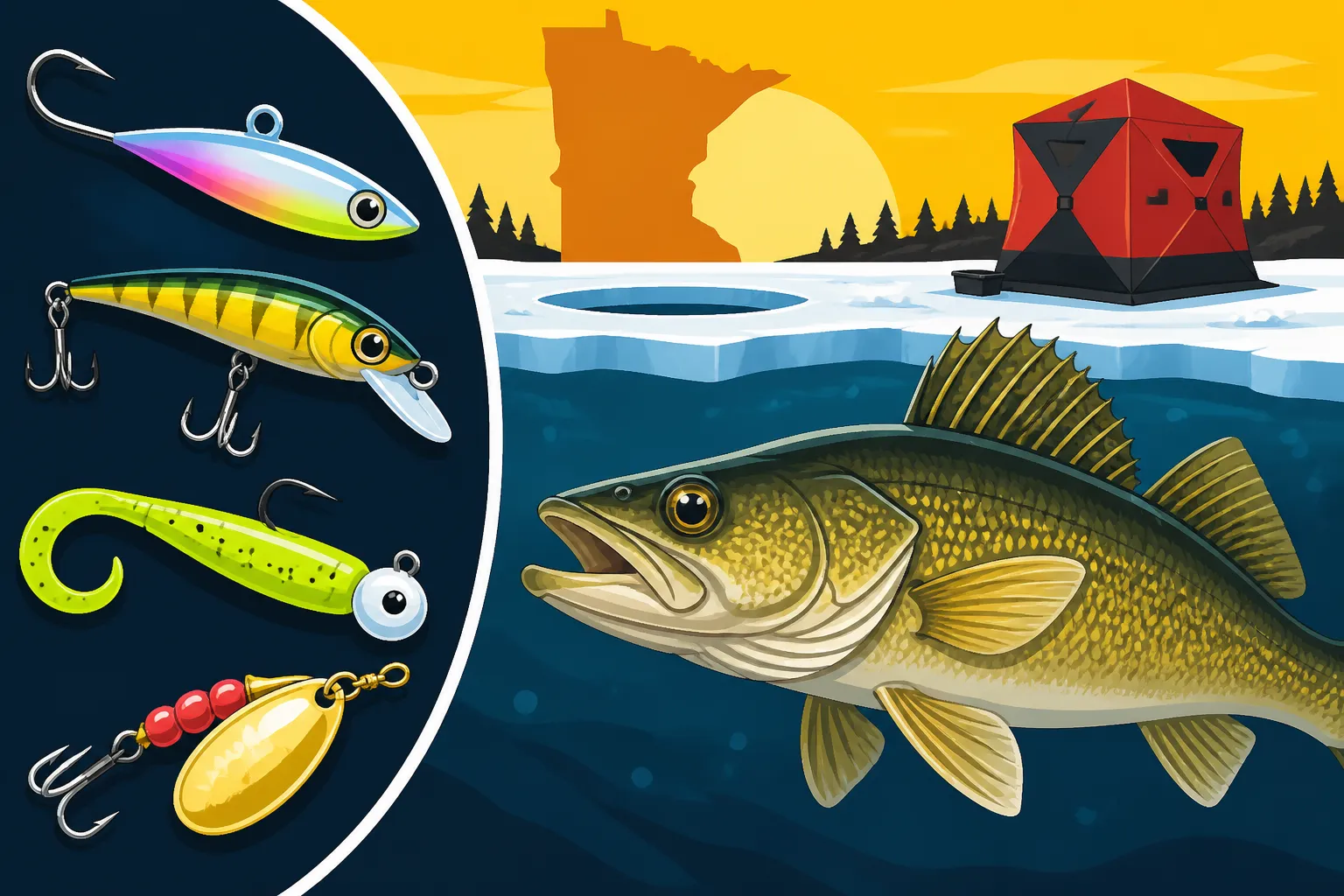
- Rapala Jigging Rap: The original and still a champion. Its unique design creates an irresistible darting and swimming action when jigged. Available in various sizes (W5, W7, W9 being common for walleye) and a myriad of colors, from natural perch and shiner to bold firetiger and glow patterns. These excel at calling fish in and triggering aggressive strikes. Many anglers will tip the treble hook with a minnow head or a grub for added scent and appeal. You can find a vast selection of these on Amazon, making it easy to stock up before a trip.
- Clam Leech Flutter Spoon: While not a Jigging Rap, this hard-bodied spoon shares some characteristics with its ability to mimic a struggling baitfish. It's designed to flutter wildly on the fall, creating a lot of flash and drawing attention. Often tipped with a minnow head, it's a fantastic search bait.
- Rapala Rippin' Rap: This lipless crankbait is another hard-bodied option that generates intense vibration and sound. When jigged, it sends out strong sonic pulses that walleye can detect from a distance. While often associated with open water, smaller sizes (RPR05, RPR06) are surprisingly effective through the ice, especially for active fish. They come in many patterns, and you can usually find good color options on Amazon.
Spoon-style Lures (Flutter, Jigging Spoons)
Spoons are a perennial favorite for walleye through the ice, offering a different presentation than the darting hard baits. They rely on flash, vibration, and a slower, more tantalizing fall.
- Flutter Spoons: These thin, lightweight spoons, like the Northland Forage Minnow Spoon or the VMC Tingler Spoon, are designed to have a slow, wide wobble and flutter on the drop. They imitate a dying baitfish and are excellent for finicky walleye. Often, a subtle quiver of the rod tip is all it takes to activate their action. Tipping with a minnow head or a small piece of plastic adds scent and bulk.
- Jigging Spoons: Heavier and often thicker than flutter spoons, jigging spoons like the Lindy Rattl'n Flyer Spoon or the Johnson Silver Minnow are designed for a more direct, vertical presentation. They fall faster and often have a tighter wobble or a distinct "thump" that draws attention. Many incorporate rattles for added sound. These are great for aggressive jigging "How to Catch Walleye Through the Ice in Minnesota" presentations, particularly in deeper water or when searching for active fish.
- Demonstrating Spoon Action: Imagine you're fishing a 25-foot deep hump on Mille Lacs Lake. You drop a 1/2 oz Lindy Rattl'n Flyer Spoon to the bottom. With a sharp 1-2 foot rip, you snap the lure up, then let it fall back on a controlled slack line. The spoon shimmers and rattles on its descent, mimicking a struggling baitfish. Often, the strike comes on the fall or just as it settles on the bottom.
| Lure Type | Primary Action | Best Conditions | Typical Sizes | Tipping Options |
|---|---|---|---|---|
| Jigging Raps | Erratic darting, swimming | Active fish, searching | 1/4 oz – 1/2 oz | Minnow head, grub |
| Flutter Spoons | Slow, wide flutter, flash | Finicky fish, clear water | 1/8 oz – 1/4 oz | Minnow head, plastic grub |
| Jigging Spoons | Vertical fall, tight wobble, flash | Aggressive fish, deep water | 1/4 oz – 5/8 oz | Minnow head, whole minnow |
| Soft Plastics | Subtle wiggle, natural feel | Very finicky fish, wary schools | 1-3 inch tails | Small minnow, waxworm |
| Live Bait Rigs | Natural presentation, scent | Slow bite, pressured fish | Varies by bait size | Whole minnows, leeches (rare) |
Soft Plastics and Live Bait Rigs
Sometimes, the flash and commotion of spoons or Raps are too much, and a more subtle approach is needed. This is where soft plastics and traditional live bait rigs shine.
- Soft Plastics: Small soft plastic baits, often rigged on a tungsten jig, can be incredibly effective for neutral or finicky walleyes. The key is their subtle movement and natural feel. Grubs, small paddle tails, or even simple straight-tail plastics in 1 to 3-inch sizes can mimic insect larvae or tiny baitfish. The Suffix Ice Magic line on a sensitive rod, paired with a small tungsten jig tipped with a Maki plastic or a small Custom Jigs & Spins plastic, offers a finesse presentation that can tempt even the most hesitant walleye. This is particularly useful when fish are "locked to the bottom" or just gently inspecting baits. For a great resource on this, check out the guide on "Best Ice Fishing Jigging Cadence for Walleye".
- Small Tungsten Jigs: These jigs are dense, allowing them to get down fast and maintain a small profile. They are perfect for tipping with a small minnow head, a waxworm, or a soft plastic tail. The key is the tungsten jig's sensitivity, letting you feel even the lightest takes.
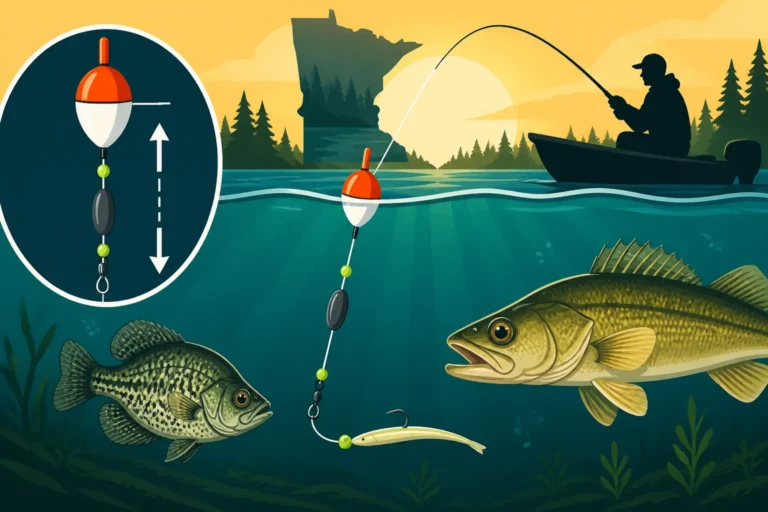
- Live Bait Rigs (Deadsticking): Sometimes, nothing beats a live minnow. A "deadstick" setup involves a plain hook or small jig (like a Northland Gum-Drop Jig) suspended under a bobber with a live minnow (shiner, fathead, or rainbow minnow) hooked through the back or lips. This passive presentation allows the minnow to swim naturally, providing irresistible action and scent. It’s a great companion to an active jigging rod, providing a backup option for passive biters. For more detailed insights into live bait, see our article on "Best Live Bait for Walleye Leeches, Minnows, Crawlers". Often, when a walleye comes in to inspect your jigging lure but won't commit, they might swim over to the deadstick and gently mouth the live minnow.
Matching Lures to Conditions and Techniques
The best lure isn't a single item; it's the right lure for the right situation. Understanding how to adapt your choices to the environment is crucial.
Clear vs. Stained Water Strategies
Water clarity profoundly impacts how walleye perceive and react to your lures.
- Clear Water: In clear lakes like Lake Vermilion, where visibility can be excellent, walleye rely heavily on sight. This means natural colors and realistic profiles often perform best. Think silver, perch, shiner, or ghost patterns. Subtle lures like flutter spoons or tungsten jigs with small soft plastics or minnow heads can be more effective. Excessive flash or overly aggressive action might spook wary fish. It's often a game of finesse and stealth. Consider fishing slightly deeper or targeting low-light periods to gain an edge.
- Stained/Turbid Water: In lakes with tea-stained or murky water, walleye rely more on their lateral line (vibration) and low-light vision. This is where bright, high-contrast colors (chartreuse, orange, glow patterns) and lures with strong vibration or rattles shine. Jigging Raps, Rippin' Raps, and heavy jigging spoons with rattles become powerhouses. The goal is to create enough commotion and visibility to attract attention from a distance. Don't be afraid to experiment with brighter, more "unnatural" colors here; they often perform exceptionally well.
Aggressive vs. Finicky Walleye Tactics
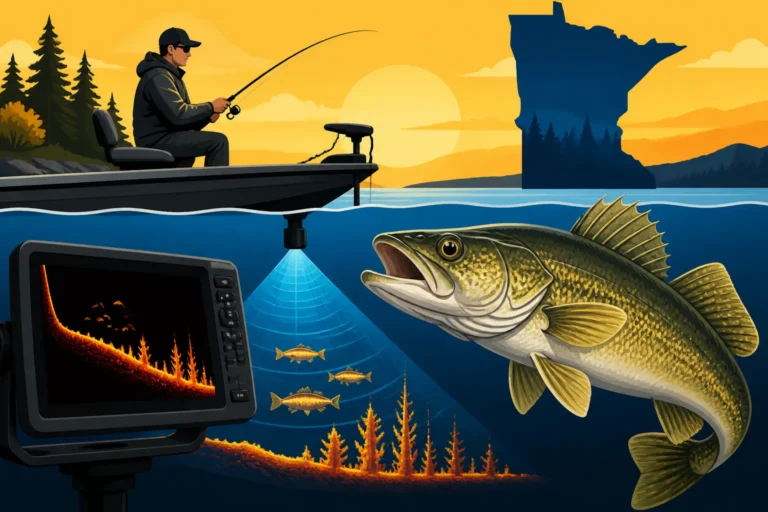
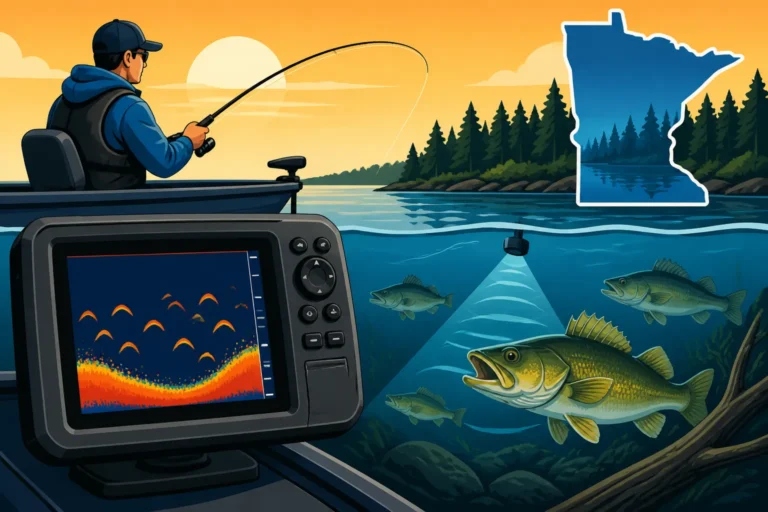
The mood of the walleye often dictates how you should present your lure. Observing fish on your flasher, like a Vexilar or Humminbird, can give you clues. To understand how to best utilize these tools, refer to our guide on "How to Read a Flasher Vexilar/Humminbird".
- Aggressive Walleye: If you see fish rocketing up off the bottom to investigate your lure, or if you're getting solid thumps and hookups, then an aggressive presentation is warranted. This means fast, sharp jigging strokes with lures like Jigging Raps or heavy jigging spoons. Don't be afraid to try larger sizes and brighter colors. The goal is to trigger a reaction strike from a fish that's already in a feeding mood. Keep the lure moving and enticing.
- Finicky Walleye: More often than not, walleye under the ice can be finicky. They might rise slowly to your lure, hesitate, or just gently nudge it without committing. This calls for a finesse approach.
- Slow Down: Reduce your jigging cadence significantly. Try subtle lifts, quivers, and long pauses. Let the lure sit motionless for 10-20 seconds between movements.
- Go Smaller: Downsize your lure. A 1/8 oz flutter spoon or a small tungsten jig with a minnow head might be the trick when a 1/2 oz Jigging Rap gets ignored.
- Natural Bait: Switch to a deadstick with a live minnow or tip your jig with a piece of real meat (minnow head, waxworm). Scent and natural movement can make all the difference. Sometimes, a "Jigging for Walleye: Jig & Minnow Basics" approach is truly the most effective.
- High-Vis Line: Using a high-visibility line for your main line (with a fluorocarbon leader) can help you detect those incredibly subtle bites.
Optimal Depths and Presentations
Where and how you present your lure are just as important as the lure itself.
- Bottom Huggers: Walleye are often found relating tightly to the bottom, especially over sand flats, rock piles, or deep breaks. Present your lure right on the bottom, occasionally pounding it into the sediment to kick up a puff of "dust." This can simulate a feeding baitfish and draw attention.
- Suspended Fish: Sometimes, especially in deeper water or open basins, walleyes will suspend higher in the water column, often chasing schools of cisco or tullibee. If your fish finder shows suspended bait and fish, adjust your lure depth accordingly. A fast-dropping Jigging Rap can be ideal for targeting these nomadic schools.
- Setting the Hook: Detecting a walleye bite through the ice can be tricky. It's often a subtle "mush" or a slight weight added to your line rather than a hard strike. Keep your rod tip low, watch your line closely, and set the hook with a sharp, upward sweep at any abnormality. This is where a sensitive rod and good line management come into play. Check out our "Ice Fishing for Walleye: Tactics & Setups" article for more on rod setups.
Ultimately, the "best" lure for ice fishing walleye is the one that's putting fish on the ice for you on that particular day, in those specific conditions. It's about being observant, willing to experiment, and having a diverse tackle box. Don't be afraid to try different colors, sizes, and actions until you crack the code.
Disclaimer
Fishing conditions and regulations in Minnesota can change. Always consult the latest Minnesota Department of Natural Resources (DNR) fishing regulations before heading out onto the ice. Safety first, always check ice thickness and be aware of your surroundings.