Is a Fishing License Required on Lake of the Woods?
Planning a trip to the massive, island-studded waters of the North can be overwhelming, especially when you are staring at a map of the border and wondering where the state line actually sits. If you are heading to Baudette or the Northwest Angle, the question of whether a fishing license is required on Lake of the Woods is a common point of anxiety. This guide solves that confusion by breaking down exactly what you need for every scenario on this legendary body of water.
The Short Answer: Yes, You Absolutely Need a License
If you are planning to wet a line anywhere on the Minnesota side of Lake of the Woods, you must have a valid Minnesota fishing license. There is a common misconception among some visitors that because the lake is so large and sits on an international border, the rules are somehow more relaxed or "open." In reality, the Minnesota Department of Natural Resources (DNR) is very active on these waters. Whether you are fishing from a world-class charter boat out of Wheelers Point or sitting in a sleeper house three miles offshore in the dead of winter, that piece of paper—or the digital version on your phone—is your golden ticket.
The requirement applies to almost everyone. If you are over the age of 16, the law expects you to have contributed to the conservation of these waters by purchasing a license. For many, the frustration comes when they realize they have traveled five hours north only to realize their annual license expired two days ago. I’ve seen it happen at the bait shop more times than I can count; a group of excited anglers suddenly scrambling to find a Wi-Fi signal to get legal before the boat leaves the dock.
Resident vs. Nonresident Requirements
The type of license you need depends heavily on where you call home. Minnesota residents have it a bit easier with lower costs, but if you are visiting from Iowa, Nebraska, or even across the border in North Dakota, you fall into the nonresident category. Even if you only plan to fish for a single afternoon, you cannot bypass this requirement.
For those visiting from out of state, there are several options. You don’t necessarily have to buy a full annual license if you are only going to be on the lake for a weekend. You can look into Nonresident Fishing in Minnesota: Licenses & Rules to see the different tiers available. Often, a 72-hour or a 7-day license is the most cost-effective way to stay legal without paying for a full year of fishing you might not use.
The Age Factor
One of the frequent questions I get from families is whether the kids need their own paperwork. In Minnesota, youth under the age of 16 generally do not need their own license to fish, but there are nuances if they want to keep their own separate limit of fish. For a detailed breakdown of how this works for the younger members of your crew, you should check out the Minnesota Fishing License for Kids & Youth guide. It’s a great way to save a few bucks while still getting the kids involved in the tradition of walleye fishing.
Navigating the Minnesota-Ontario Border Complexity
Lake of the Woods is unique because it is split between Minnesota, Manitoba, and Ontario. This is where things get truly complicated for anglers. You can be fishing in a perfectly legal Minnesota spot, drive your boat five minutes north, and suddenly find yourself in Canadian waters. If you cross that invisible line in the water, your Minnesota fishing license becomes useless.
Crossing into Canadian Waters
If you intend to fish on the Ontario side of the lake—which many people do because of the incredible lake trout and muskie fishing—you must possess an Ontario Outdoors Card and a valid Ontario fishing license. You cannot "straddle" the line with one license. Furthermore, if you are crossing the border by boat to fish in Canada and then returning to a Minnesota resort, you have to be very careful about the Remote Area Border Crossing (RABC) permits and customs regulations.
Many folks find themselves in hot water because they followed a school of fish across the border without realizing it. Modern GPS units with mapping chips are a lifesaver here. They clearly mark the state and international lines. If you are even slightly unsure of where you are, stay well within the Minnesota side. For those planning a cross-border excursion, the Border Water Fishing Rules (Minnesota-Ontario, Wisconsin) provides a deeper look at how to handle these transitions legally.
The Northwest Angle Special Case
The Northwest Angle is the northernmost point of the contiguous United States, and to get there by land, you have to drive through Canada. If you are staying at a resort in the Angle, you are surrounded by Canadian water. Often, the best fishing spots are just across the line. If you are a Minnesota resident fishing the Angle, make sure your MN license is up to date, but be prepared to buy an Ontario license if your guide suggests "crossing over" for the day.
Understanding Lake of the Woods Specific Regulations
Once you have your license, you aren't out of the woods yet—pun intended. Lake of the Woods has "Special Regulations" that differ from the standard statewide Minnesota rules. These are designed to protect the world-class walleye and sauger populations that make this lake a bucket-list destination.
The Combined Walleye and Sauger Limit
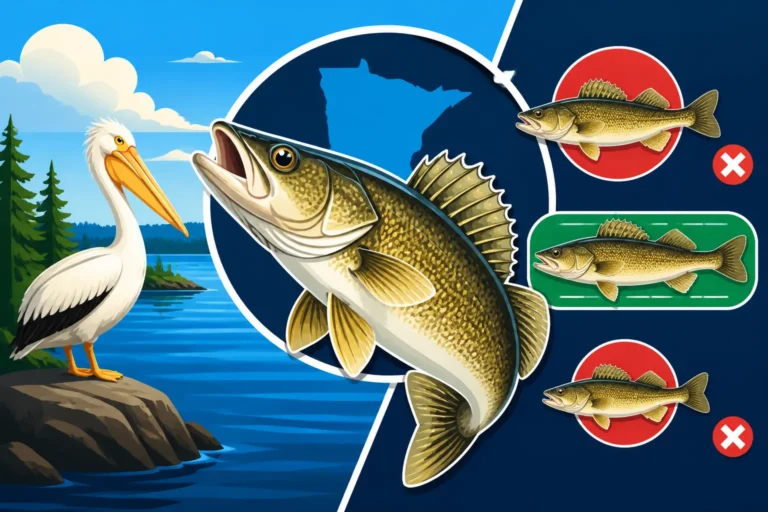
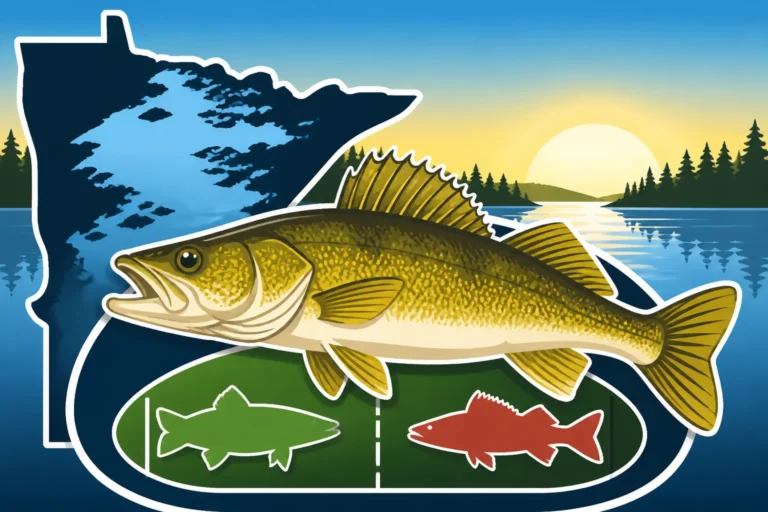
In most Minnesota lakes, you have a specific limit for walleye. On Lake of the Woods, the limit is a "combined" total of walleye and sauger. As of the current 2026 cycle, the limit is typically six fish total, with no more than four of those being walleyes. This means if you catch a bunch of saugers, you can keep six, but if you want to keep walleyes, you have to stop at four and fill the rest of your limit with saugers.
This confuses a lot of people, especially during the winter when saugers are biting like crazy. You have to keep a close count in your bucket. For the most up-to-date specifics on these numbers, see the Lake of the Woods Walleye Limit & Slot page.
The Slot Limit: Protect the Big Ones
Lake of the Woods employs a "protected slot" to ensure the breeding population stays healthy. Generally, all walleyes between 19.5 inches and 28 inches must be immediately released. You are allowed to keep one walleye over 28 inches per day if you are lucky enough to land a true trophy.
I’ve had days where we caught twenty fish, but every single one of them was 22 inches. It’s frustrating when you want a fish fry, but that slot is the reason the lake remains so productive year after year. Always have a calibrated measuring board on your boat. Guessing "looks like 19 inches" is a quick way to get a ticket from a Conservation Officer.
| License Type | Duration | Estimated Cost (Resident) | Estimated Cost (Nonresident) |
|---|---|---|---|
| Annual Angling | Full Season | $25.00 | $51.00 |
| 24-Hour | 1 Day | $12.00 | $14.00 |
| 72-Hour | 3 Days | N/A | $36.00 |
| 7-Day | 1 Week | N/A | $43.00 |
| Married Couple | Full Season | $35.00 | $68.00 |
Note: Costs are based on standard 2025/2026 pricing and may vary slightly based on convenience fees.
Where to Buy Your License in the Lake of the Woods Area
If you arrive at the lake and realize you’ve forgotten your license, don’t panic. The Baudette area is built around fishing, and there are plenty of places to get legal before you hit the water.
Local Bait Shops and Resorts
Most of the major resorts along the Rainy River and the south shore of the lake sell licenses on-site. Places like Sportsman’s Lodge or Border View Lodge often have a terminal where they can print one for you. Local bait shops in town, such as Outdoorsman’s HQ, are also great resources. Buying locally is a nice way to get a little "inside info" on what the fish are biting on while you wait for your license to print.
Online and Mobile Options
The fastest way to get a license is through the Minnesota DNR’s online licensing system. You can do this right from your smartphone in the parking lot of the boat launch. You will receive a confirmation number and a digital copy of your license. In Minnesota, a digital version on your phone is considered a legal document, provided you can produce it when asked by an officer. If you prefer the convenience of your phone, check out How to Get a Minnesota Fishing License Online for a step-by-step walkthrough.
Retail Giants
If you are passing through a larger town like Bemidji on your way up Highway 71, you can always stop at a big-box retailer. Most Walmarts and sporting goods stores in Northern Minnesota have a dedicated hunting and fishing counter. This is a good backup if you are arriving late at night and want to be ready for an early morning launch. For more info on this, see How Much Is a Minnesota Fishing License?.
Seasonal Considerations: Ice Fishing and Beyond
The rules for licenses don't change when the water turns to ice, but the logistics do. Lake of the Woods is perhaps the most famous ice fishing destination in the world, with thousands of people living in "ice cities" from December through March.
The Ice House License
If you are bringing your own wheelhouse or a large "skid" shack to leave on the lake, you may need an additional license for the shelter itself. While portable "pop-up" tents generally don't require a separate tag unless they are left unattended overnight, permanent structures do. If you are renting a sleeper from a resort, they usually handle the house licensing for you, but it’s always worth asking. For more details on these winter-specific requirements, the Minnesota Ice Fishing & Shelter Rules guide is an essential read.
Special Species: Sturgeon Tags
Lake of the Woods and the Rainy River are home to massive Lake Sturgeon. If you are specifically targeting these prehistoric giants during the "keep" season, a standard fishing license isn't enough. You must purchase a specific Sturgeon Tag. This is a "catch and tag" system similar to deer hunting. If you are just catching and releasing during the open season, you don't need the tag, but you still need your regular fishing license. You can find more about these giants in the Lake Sturgeon Regulations & Tag in Minnesota section.
Enforcement: What Happens If You Don't Have a License?
Some people are tempted to skip the license, thinking the lake is too big for the DNR to find them. This is a mistake. The Minnesota DNR and the Lake of the Woods County Sheriff’s Office patrol the lake heavily by boat, snowmobile, and even plane.
Interaction with Conservation Officers
Conservation Officers (COs) are generally friendly but very thorough. They will pull up alongside your boat or knock on the door of your fish house to check for licenses and verify your catch. They aren't just looking for your license; they are checking your livewell to make sure you aren't over the limit or keeping fish in the protected slot.
If you are caught without a license, the penalties can be steep. You aren't just looking at a fine; in some cases, your gear and even your boat could be seized if the violations are egregious enough. It is far cheaper and less stressful to just pay the $25 or $50 for the license up front. If you want to know what you're risking, read What Happens If You Fish Without a License in Minnesota?.
Keeping Your Paperwork Handy
Always keep your license in a waterproof bag or saved as a "favorite" photo on your phone. If your phone dies and you can't produce the digital copy, the officer may still write you a citation, which you’ll have to contest later. Having a hard copy tucked into your tackle box is a "fail-safe" veteran move that I always recommend. You can find more tips on staying compliant in the Minnesota Fishing Regulations PDF: Where to Find It guide.
Minnesota Fishing Regulations Disclaimer
Regulations and licensing requirements are subject to change by the Minnesota Department of Natural Resources at any time. While this guide provides a comprehensive overview of the rules for the 2026 season, it is the responsibility of the individual angler to verify current laws, slot limits, and border protocols before heading onto the water. Always consult the official MN DNR Fishing Regulations handbook or the official DNR website for the most current legal information. Fishing in Canadian waters requires separate documentation and compliance with Ontario laws.