Namakan Lake Fishing Regulations (2026)
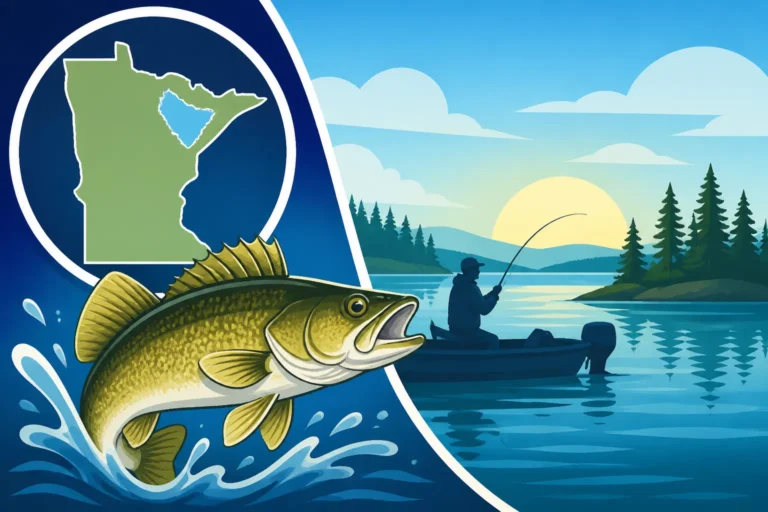
Navigating fishing regulations can sometimes feel like trying to untangle a hundred-year-old fishing line after a strong wind – confusing, frustrating, and prone to snags. This feeling is especially true when you're planning a trip to a truly unique body of water like Namakan Lake, which doesn't just sit within Minnesota's borders but actually shares its waters with our Canadian neighbors in Ontario. This comprehensive guide is designed to cut through that complexity, providing you with a clear, in-depth understanding of the Minnesota fishing regulations specifically for Namakan Lake, ensuring your trip is filled with fish tales, not legal woes.
Understanding Namakan Lake's Unique Regulatory Status
Namakan Lake isn't just any Minnesota lake; it's a magnificent, sprawling body of water that forms part of the international border between Minnesota and Ontario, Canada. This unique geographical feature means that fishing here isn't as straightforward as on an inland lake. You're dealing with what's known as "border water," and that designation carries its own set of rules and considerations, which can be a real head-scratcher if you're not prepared.
A Border Water Balancing Act
The fact that Namakan Lake is a border water creates a fascinating, yet sometimes perplexing, regulatory environment. On one side, you have the Minnesota Department of Natural Resources (DNR) setting rules to manage its portion of the fishery. On the other, you have the Ontario Ministry of Natural Resources and Forestry (MNRF) doing the same for their side. Historically, there have been agreements and understandings to try and harmonize these rules, but differences can still exist, and it's crucial for anglers to know which set of rules applies to them, depending on where they are on the lake and what licenses they possess. For instance, sometimes a specific bay might fall entirely within one jurisdiction, or you might find yourself drifting across the invisible line while pursuing a hot bite. This invisible line is where many anglers get into trouble, simply not realizing they've crossed into different legal territory.
Why Regulations Matter on Namakan
The regulations on Namakan Lake, complex as they may seem, are not arbitrary. They are carefully crafted by both U.S. and Canadian authorities to ensure the long-term health and sustainability of this incredible fishery. Namakan is home to a robust population of walleye, northern pike, smallmouth bass, lake trout, and even the majestic lake sturgeon. Without strict limits on what can be caught, how many, and at what times, these populations could easily be depleted. Think about it: a well-regulated fishery means more opportunities for you to catch trophy fish and enjoy abundant panfish for years to come. These rules protect spawning grounds, allow younger fish to grow, and maintain the delicate balance of the aquatic ecosystem. Understanding and adhering to them isn't just about avoiding a fine; it's about being a responsible steward of one of Minnesota's most cherished natural resources.
Key Minnesota Fishing Regulations for Namakan Lake (2026)
When you're out on Namakan Lake, the primary set of rules you'll need to follow will be Minnesota's, assuming you're fishing on the U.S. side with a Minnesota license. However, because it's a border water, some rules might be harmonized or specifically tailored compared to other inland Minnesota lakes. Always have a copy of the most current Minnesota fishing regulations with you, whether a physical booklet or the official app.
General Fishing License Requirements
Before you even think about dropping a line in Namakan Lake, you absolutely need a valid Minnesota fishing license. This isn't just a suggestion; it's the law. For Minnesota residents, this is usually straightforward, but for our friends visiting from out of state, you'll need to ensure you have a Nonresident Fishing in Minnesota: Licenses & Rules. You can typically purchase these licenses online through the Minnesota DNR website, at bait shops, or at various retailers across the state. Remember that children and seniors may have different requirements, so it's always best to check the specific guidelines. Generally, residents 16 to 89 years old need a license, and non-residents 16 or older need one, with some exceptions for free fishing weekends or certain youth situations. Make sure to understand the differences between a regular fishing license and a Minnesota Conservation vs Regular License, as the latter might have reduced limits. What happens if you fish without a license in Minnesota? Trust me, you don't want to find out; it can lead to significant fines and penalties.
Walleye & Sauger Regulations on Namakan
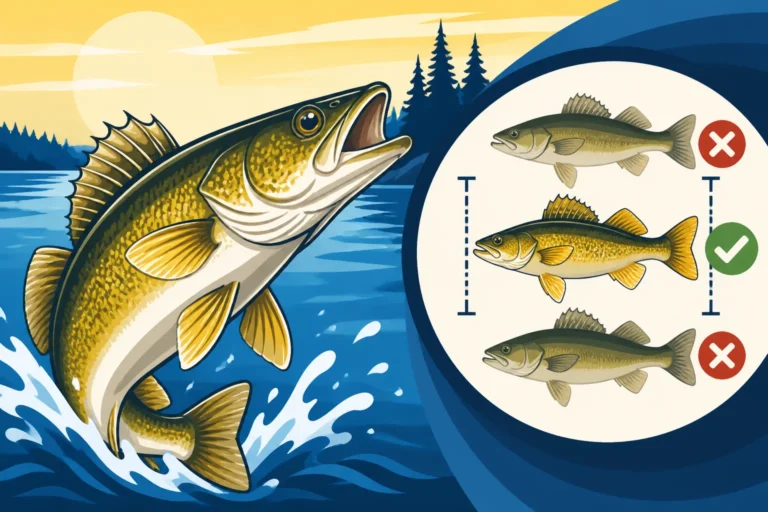
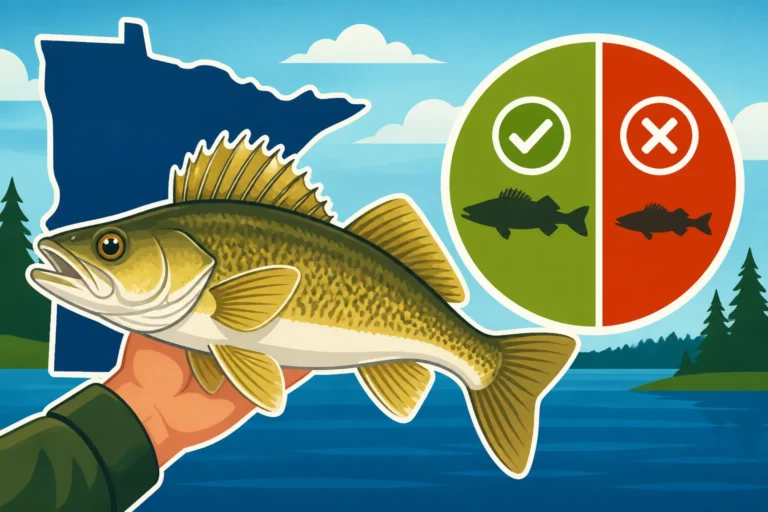
Walleye are the undisputed kings of Namakan Lake, drawing countless anglers each year. For 2026, the specific regulations for walleye and sauger on Namakan Lake (as part of the larger Rainy Lake/Namakan Lake border waters) are critical. Unlike some inland lakes with specific slot limits, border waters often have a more straightforward approach, but it's still subject to change. As of the latest information, typically, anglers are allowed a combined possession limit of six walleye/sauger, with no more than four being walleye. There might be a size restriction for walleye, such as only one walleye over 19.5 inches being allowed in possession. Always double-check the official DNR regulations specific to the Rainy Lake/Namakan Lake border waters section to confirm the exact Minnesota Walleye Limit & Size Rules for 2026, as these are often adjusted based on population surveys and environmental factors. For sauger, there might be no size restriction within the combined limit.
Northern Pike Regulations
Northern pike are abundant in Namakan, offering thrilling action for those who love a good fight. The regulations for northern pike on Namakan Lake, being a border water, often align with a somewhat simplified version of Minnesota's statewide zone regulations. Instead of the multi-zone system you might see on inland lakes, border waters often have a set daily and possession limit. Historically, this has been three northern pike, with only one over 30 inches. However, always confirm the 2026 Minnesota Northern Pike Limits by Zone specifically for the Namakan border water area, as these regulations are designed to protect the larger, trophy-sized pike while allowing for harvest of smaller, more abundant fish.
Smallmouth Bass & Largemouth Bass Regulations
Namakan Lake is also a fantastic smallmouth bass fishery, with feisty bronze-backs thriving in its rocky structures. Largemouth bass are also present, though often less targeted. For both species, the season typically runs from late May or early June through late February, with specific daily and possession limits. Generally, the limit for smallmouth and largemouth bass combined on Namakan Lake might be six, with no more than one over 17 inches. However, it's vital to consult the official 2026 Minnesota fishing regulations, especially since the Minnesota Bass Season (New 2026 Catch-and-Release) might introduce catch-and-release only periods or specific size restrictions that apply to border waters. These rules help ensure a healthy population of both species and protect the larger, spawning fish.
Crappie & Sunfish Limits
Panfish like crappie and sunfish are popular targets on Namakan, especially for families or those looking for a delicious meal. While some inland lakes have reduced panfish limits, border waters like Namakan often adhere to more standard limits, but always verify. Historically, the aggregate limit for crappie has been 15, and for sunfish (bluegill, pumpkinseed, etc.), it's often 20. However, this is one area where regulations can vary significantly by lake and year, so checking the 2026 Minnesota Crappie & Sunfish Limits for Namakan specifically is non-negotiable. It's not uncommon to find reduced limits on certain lakes to combat panfish overharvest, so don't assume the general state limit applies without checking.
Lake Sturgeon Regulations
Namakan Lake, as part of the Rainy River watershed, is also home to ancient and impressive lake sturgeon. Fishing for these magnificent creatures is a highly specialized pursuit with very strict regulations designed to protect a species that can live for over 100 years. If you plan to target lake sturgeon, you will need a special endorsement or tag in addition to your regular fishing license. The season is highly restricted, often catch-and-release only for significant portions of the year, with a very limited harvest season for specific size ranges. You'll definitely want to delve into the Lake Sturgeon Regulations & Tag in Minnesota for 2026, paying close attention to the specific rules for the Namakan Lake area, as even slight missteps can lead to severe penalties due to their protected status.
Navigating Border Water Rules and Enforcement
Fishing Namakan Lake, as a true border water, means you're operating in a unique jurisdictional zone. It's not just about knowing Minnesota's rules; it's also about understanding how those rules interact with Ontario's regulations and what that means for your fishing trip. The key to a hassle-free experience is preparation and awareness.
Reciprocity and International Waters
One of the most frequently asked questions about border waters is whether your Minnesota fishing license is valid on the Canadian side, or vice-versa. The simple answer is generally no. While Minnesota and Ontario share these waters, their fishing licenses are distinct. If you intend to fish in Ontario waters, even if you launched from Minnesota, you will need a valid Ontario fishing license and an Outdoors Card. Similarly, Canadian anglers need a Minnesota license to fish in U.S. waters. There are no blanket reciprocity agreements that allow a single license to cover both sides of Namakan Lake. It’s crucial to understand the Border Water Fishing Rules (Minnesota-Ontario, Wisconsin) to avoid any misunderstandings with law enforcement from either country. This means if you start fishing a bay on the Minnesota side and drift into Canadian waters, you're technically breaking Canadian law if you don't have their license. This is a common pitfall, so know your boundaries!
Practical Tips for Anglers on the Border
Fishing on Namakan requires a bit more mindfulness than an inland lake. Here are some practical tips to keep you on the right side of the law:
- Carry Proper Identification: Always have your valid Minnesota fishing license and a government-issued ID (like a driver's license or passport) with you. If you plan to cross into Canadian waters, ensure you have your Ontario license and passport readily available. Even if you don't plan to cross, unforeseen circumstances could lead you into Canadian territory, so being prepared is always best.
- Know Your Location: Invest in a good GPS unit or a reliable fishing app that clearly shows the international boundary on Namakan Lake. Apps like Navionics or LakeMaster often have detailed mapping that delineates the border. This is your best defense against inadvertently crossing into another country's jurisdiction.
- Respect Both Countries' Laws: Even if you have both licenses, remember that the regulations can differ. If you are fishing in Minnesota waters, abide by Minnesota's limits and seasons. If you are in Ontario waters, follow Ontario's rules. This often includes differences in bag limits, size restrictions, and even the types of bait you can use. For instance, some live baits legal in Minnesota might be prohibited in Ontario to prevent the spread of diseases or invasive species. Also, remember that how many lines can you fish in Minnesota is typically two, but this can vary by state and border water agreements.
- Stay Informed: Regulations can change. Before every trip, take a few minutes to review the latest Minnesota DNR and Ontario MNRF regulations for Namakan Lake. This little bit of homework can save you a lot of headache.
Aquatic Invasive Species (AIS) Compliance
Protecting Namakan Lake from Aquatic Invasive Species (AIS) is a shared responsibility, especially given its connection to numerous other waterways and its border status. Both Minnesota and Ontario have strict regulations designed to prevent the spread of species like zebra mussels, spiny water fleas, and Eurasian watermilfoil. Before you launch your boat and after you retrieve it, you must follow the "Clean, Drain, Dry, Dispose" protocol.
- Clean: Remove all visible aquatic plants, animals, and mud from your boat, trailer, and fishing gear.
- Drain: Drain all water from your boat, including the bilge, livewell, and bait bucket, before leaving the access site. This is absolutely critical for all watercraft on Minnesota waters, and doubly so for border lakes.
- Dry: Allow your boat and equipment to dry thoroughly for at least five days before launching into another body of water. If you can't dry it, you might need to wash it with high-pressure hot water.
- Dispose: Dispose of unwanted bait, worms, and fish parts in the trash, not in the lake or on the ground.
These rules are not just good practice; they are legally mandated. Ignoring the Aquatic Invasive Species (AIS) Rules for Boaters can result in significant fines and penalties. Border regions are particularly vulnerable to AIS transfer, so diligence here is paramount.
Common Questions and Misconceptions
It's natural to have questions, especially when dealing with the intricacies of border water regulations. Many anglers grapple with similar concerns, and clearing up these misconceptions is key to a stress-free fishing experience on Namakan.
"Do I Need a Canadian License if I Stay on the Minnesota Side?"
This is perhaps the most common question, and the answer is a firm no. If you are strictly fishing on the Minnesota side of Namakan Lake and do not cross into Canadian waters, you only need a valid Minnesota fishing license. However, as discussed, knowing exactly where that invisible line is can be tricky. Strong winds, currents, or simply getting caught up in the fishing excitement can lead to inadvertently drifting into Canadian territory. If you find yourself over the line, even by accident, and are found to be fishing without an Ontario license, you could face penalties from Canadian authorities. Therefore, while not required if staying strictly on the Minnesota side, many seasoned anglers who frequent Namakan opt to purchase both licenses for peace of mind and flexibility, especially if they plan on exploring the full expanse of the lake.
Understanding Possession vs. Daily Limits
Another point of confusion for many anglers revolves around the distinction between "daily limit" and "possession limit." They are not the same, and understanding the difference is crucial for staying within the law, especially on multi-day trips.
- Daily Limit: This refers to the maximum number of fish of a particular species that you can catch and keep in a single day (from midnight to midnight). Once you reach your daily limit for a species, you must stop fishing for that species for the remainder of the day.
- Possession Limit: This is the total number of fish of a particular species that you are allowed to have in your possession at any given time, whether on your person, in your boat, in your vehicle, at your camp, or at home. This limit applies regardless of how many days you've been fishing. For most species in Minnesota, the possession limit is twice the daily limit, but it's important to verify this for specific species and waters.
For example, if the daily walleye limit on Namakan Lake is four, and the possession limit is six (no more than four walleye within a combined walleye/sauger limit of six, with one over 19.5 inches). This means that on Day 1, you can catch and keep four walleye. On Day 2, you can catch and keep two more walleye to reach your total possession limit of six. Once you have six walleye, you cannot keep any more until you have consumed some of the fish in your possession, bringing your total below the possession limit. This distinction is paramount for anglers staying for several days on Namakan Lake, often at resorts or cabins. Always check the current Minnesota Possession Limits Explained for precise numbers.
Namakan Lake Key Species Regulations (Minnesota Side – 2026)
Please note: These regulations are for the Minnesota side of Namakan Lake (Rainy Lake/Namakan Lake border waters) as of the information available for 2026. Always verify with the official Minnesota DNR regulations before fishing, as rules can and do change.
| Species | Daily Limit (Keep) | Possession Limit | Size Restrictions (if any) | Special Notes |
|---|---|---|---|---|
| Walleye | 4 (within combined) | 6 (combined) | Only 1 Walleye over 19.5 inches | Combined Walleye & Sauger limit of 6, no more than 4 Walleye |
| Sauger | – | – | No specific size limit | Included in combined Walleye/Sauger limit |
| Northern Pike | 3 | 3 | Only 1 over 30 inches | Verify border water specific rules |
| Smallmouth Bass | 6 | 6 | Only 1 over 17 inches | Season typically late May/early June to late February |
| Largemouth Bass | 6 | 6 | Only 1 over 17 inches | Season typically late May/early June to late February |
| Crappie (Black/White) | 15 | 15 | No specific size limit | Check for any specific lake reductions |
| Sunfish (Bluegill, etc.) | 20 | 20 | No specific size limit | Check for any specific lake reductions |
| Lake Sturgeon | 0 (Catch & Release) | 0 (Catch & Release) | Highly regulated, special tag required for harvest | Very limited harvest opportunities, check specific season/rules |
This table provides a snapshot of what to expect, but again, the Minnesota DNR's official regulations pamphlet or website is your ultimate authority.
Disclaimer
The information provided in this guide is for general informational purposes only and is based on publicly available data for 2026 Minnesota fishing regulations relevant to Namakan Lake and border waters. Fishing regulations are subject to change without notice. It is the angler's sole responsibility to consult the official Minnesota Department of Natural Resources (DNR) fishing regulations booklet or website prior to fishing to ensure compliance with all current laws and rules. Failure to do so may result in fines or other penalties. This guide does not constitute legal advice.