Lake Bemidji Fishing Regulations (2026)
Let's face it, navigating fishing regulations in Minnesota can feel like trying to untangle a particularly stubborn bird's nest of fishing line. One lake has a slot limit, another has a reduced bag limit, and then you have statewide rules on top of it all. It’s enough to make you just want to stay home, but don't let that frustration win! This guide is here to cut through the confusion and give you a crystal-clear understanding of the specific fishing regulations for Lake Bemidji, so you can spend less time scratching your head and more time catching fish.
Why Fishing Regulations are Essential for Lake Bemidji
Lake Bemidji isn't just another body of water; it's a vibrant, thriving ecosystem that supports a fantastic fishery, drawing anglers from all over the state and beyond. But like any precious resource, it needs careful management to ensure it stays that way for generations to come. That's precisely why the Minnesota Department of Natural Resources (DNR) puts so much thought into crafting these regulations. They're not just arbitrary rules; they're the bedrock of conservation.
Protecting Lake Bemidji's Diverse Fishery
Lake Bemidji is a truly special place, boasting an incredible variety of fish species that make it a year-round angling hotspot. You'll find healthy populations of walleye, northern pike, both largemouth and smallmouth bass, and an abundance of panfish like crappie and sunfish. There are even yellow perch, which are a critical forage base for the larger predators. Each of these species plays a unique role in the lake's delicate balance, and each faces different pressures from fishing.
For instance, walleye are arguably the most sought-after fish in Minnesota, and Lake Bemidji is no exception. Without careful limits on how many can be kept and at what sizes, it would be all too easy for anglers to deplete the population, impacting future spawning success and overall fish health. The regulations for panfish, while often more generous, still exist to prevent over-harvest, especially of larger, older fish that contribute significantly to the gene pool. Imagine if everyone kept every big crappie they caught; soon, the lake would be full of tiny fish, and the joy of landing a true slab would become a distant memory. These rules ensure that the lake continues to produce quality fishing opportunities, maintaining a diverse and robust aquatic community that keeps anglers coming back year after year.
Understanding the DNR's Role in Lake Management
The Minnesota DNR isn't just a regulatory body; it's a team of dedicated biologists and conservationists constantly monitoring the health of our lakes. They conduct extensive surveys, analyzing fish populations, growth rates, age structures, and environmental factors specific to each body of water. For a lake like Bemidji, they're regularly assessing everything from water quality to habitat health to fishing pressure. This scientific data is the foundation upon which all fishing regulations are built.
When they set a new walleye limit or adjust a slot size, it’s not a random decision. It's a calculated move based on years of data, aiming to achieve specific management goals, whether that's to increase the number of large trophy fish, improve natural reproduction, or simply maintain a stable, healthy population for consistent angling. They also take into account angler input, though the science ultimately guides their decisions. Their goal is to balance the desires of anglers with the long-term ecological needs of the lake. It's a complex dance, but one that is absolutely crucial for sustaining our incredible Minnesota fishing heritage.
Key Lake Bemidji Fishing Regulations for 2026
Alright, let’s get down to the brass tacks: what are the specific rules you need to know for Lake Bemidji? While many statewide regulations apply, some lakes, like Bemidji, have special provisions tailored to their unique circumstances. It's always best to carry a physical or digital copy of the current Minnesota Fishing Regulations PDF: Where to Find It, but here's a breakdown of what you can expect for Lake Bemidji.
Walleye Limits and Special Regulations
Walleye are the undisputed kings of Minnesota fishing, and Lake Bemidji is a prime destination for them. For 2026, Lake Bemidji generally follows the North Central Zone regulations for walleye, but always double-check the most current DNR regulations. Typically, this means a combined bag limit with sauger. The statewide daily bag limit for walleye and sauger combined is usually six, with no more than four being walleye. However, many individual lakes have a special walleye regulation, often including a protected slot limit to preserve spawning stock and increase the presence of larger fish.
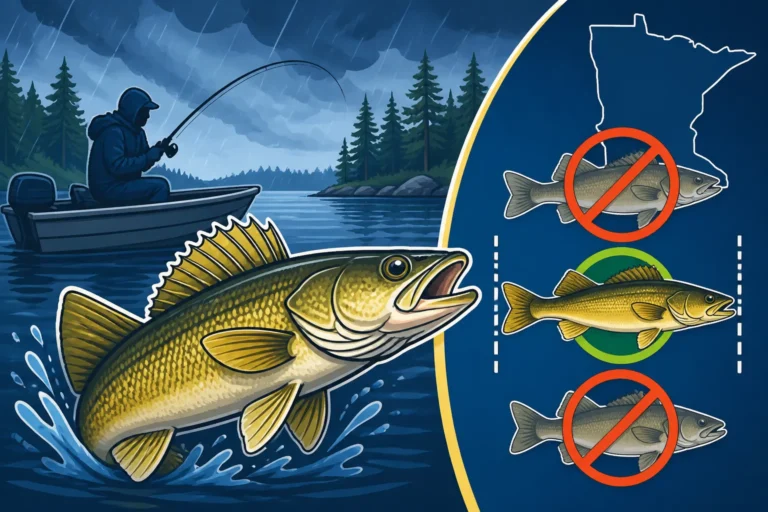
For Lake Bemidji specifically, anglers need to be particularly aware of any size restrictions. Often, lakes in this zone will have a protected slot, meaning fish within a certain size range must be immediately released. For example, a common slot might be 17-26 inches, with one fish over 26 inches allowed in possession. Always, and I mean always, verify these specifics before you head out, as these can change annually based on DNR assessments. The whole idea behind a slot limit is to protect the crucial breeding-size fish, allowing them to reproduce and grow, while still allowing anglers to keep some fish for the pan. This strategy has proven very effective in improving the quality of walleye fisheries in many Minnesota lakes. If you're wondering, "Walleye Season & Limit in Minnesota", this generally opens in mid-May and closes in late February, but specific dates can vary by year and zone.
Northern Pike Zones and Daily Limits
Northern pike fishing on Lake Bemidji also falls under specific regulations, primarily dictated by the statewide Northern Pike Limits by Zone system. Minnesota is divided into three zones – North Central, Northeast, and Southern – each with different bag and possession limits to manage pike populations effectively. Lake Bemidji is located in the North Central Zone.
In the North Central Zone, the daily bag limit for northern pike is typically 10, but with a possession limit of 10 and a rather interesting size restriction: only two pike over 24 inches may be in possession. All pike from 22-26 inches must be immediately released. This is designed to reduce the number of smaller, "hammer-handle" pike that can dominate some lakes, leading to stunted growth, and to protect the larger, more desirable pike. It's a nuanced approach aimed at fostering a healthier, more balanced pike population. So, when you pull a pike out of Lake Bemidji, get ready to grab your measuring tape! Understanding "Northern Pike in Minnesota: Identification & Where to Catch" can help you target these toothy critters effectively.
Bass, Crappie, and Sunfish Rules
Beyond walleye and pike, Lake Bemidji offers fantastic opportunities for bass and panfish.
- Bass (Largemouth and Smallmouth): The regulations for bass on Lake Bemidji generally follow the statewide rules. This means a daily bag limit of six in total for both largemouth and smallmouth bass, with generally no size restrictions. However, bass seasons, particularly catch-and-release, often start earlier than the harvest season. For the most up-to-date details on "Bass Season (New 2026 Catch-and-Release)", consult the current DNR regulations. Lake Bemidji has a strong smallmouth bass population, especially around rocky structures, making it a fun lake for bass anglers.
- Crappie and Sunfish: These panfish are incredibly popular, and Lake Bemidji has some great ones. While the statewide limit for crappie is generally 10 and sunfish (bluegill, pumpkinseed, etc.) is 20, the DNR often implements special regulations on individual lakes to prevent overharvest and promote larger fish. For Lake Bemidji, it’s crucial to check for any special daily limits or possession limits for "Minnesota Crappie & Sunfish Limits." Sometimes you might find reduced bag limits, or even a continuous catch-and-release for certain panfish species on specific bodies of water. The goal is to ensure those big, plate-sized crappies and hand-sized sunfish remain a possibility for every angler.
Other Species to Know About
While walleye, pike, bass, and panfish are the main draws, Lake Bemidji also holds other species that anglers might encounter. Yellow perch are plentiful and important forage, usually with a generous statewide limit of 20, but always confirm any local exceptions. Muskie are also present in Lake Bemidji, offering a true trophy fishing experience. Muskie fishing typically has a strict one-fish bag limit and a very high minimum size limit (often 54 inches statewide, but verify for Bemidji) to protect these giants. You'll need a different approach for "Muskie Fishing Techniques for Beginners" compared to walleye. Lastly, while less common for targeted angling on Bemidji, always be aware of regulations for species like whitefish or tullibee if you happen to catch them.
General Minnesota Fishing Regulations Applying to Lake Bemidji
Beyond the species-specific rules for Lake Bemidji, there are overarching Minnesota fishing regulations that apply to all waters in the state, including Lake Bemidji. Knowing these common rules is just as important as understanding the lake-specific nuances.
Fishing Licenses and Seasons
First and foremost, if you're planning to cast a line in Lake Bemidji, you must have a valid Minnesota fishing license. There are very few exceptions to this rule, mainly for very young children or during designated Free Fishing Weekends in Minnesota. You can find all the details on "Minnesota Fishing License: Cost, Types & How to Buy (2026)" to ensure you're legal on the water. Licenses are typically required for anyone 16 years of age or older. Nonresidents also need a license, and the rules for "Nonresident Fishing in Minnesota: Licenses & Rules" are clearly outlined by the DNR.
Beyond the license, you need to be aware of the general fishing seasons. While Lake Bemidji has its specific dates for walleye and northern pike openers, other species like panfish often have continuous open seasons. However, knowing the broader "Minnesota Fishing Seasons & Opener Dates (2026)" is crucial, especially if you plan to fish early or late in the year. Certain species, like stream trout or lake sturgeon, have very specific, often short, seasons that usually don't apply to Lake Bemidji, but it's good general knowledge for fishing elsewhere in Minnesota.
Aquatic Invasive Species (AIS) Prevention
This is a huge one, and it's something every angler and boater in Minnesota needs to take seriously, no matter where they are. Aquatic Invasive Species (AIS) pose a grave threat to our lakes, including Lake Bemidji. The regulations are simple but vital:
- Clean: Remove all visible aquatic plants and prohibited invasive species from your boat, trailer, and fishing equipment before leaving any water body. Even a tiny fragment of Eurasian watermilfoil can start a new infestation.
- Drain: Drain all water from your boat, including the bilge, livewell, and baitwell, before leaving the access ramp. This is the famous "drain plug law."
- Dispose: Dispose of unwanted bait in the trash, not in the water. Never transport live bait from one lake to another unless you are certain of the source and are using proper methods.
These rules aren't suggestions; they're legal requirements. DNR enforcement officers are very vigilant about "Aquatic Invasive Species (AIS) Rules for Boaters," and getting caught violating them can result in significant fines. We all have a responsibility to protect our waters, and AIS prevention is at the forefront of that.
General Gear and Methods Restrictions
There are also general rules about how you can fish. The most commonly asked question is "How Many Lines Can You Fish in Minnesota?". The answer for open water fishing is typically one line per angler. However, if you're ice fishing, that number often increases to two lines, but again, always verify. You also can't leave your line unattended.
Other method restrictions include things like legal spearing seasons (which typically target northern pike and certain rough fish, but not walleye or bass), and specific rules around dark house spearing. While these may not apply to every angler on Lake Bemidji, they are part of the larger regulatory framework. Generally, using legal angling methods, single hooks, and live bait appropriate for the target species will keep you well within the rules.
Lake Bemidji 2026 Fishing Regulations Summary Table
To help you keep track of the most important regulations for Lake Bemidji, here’s a handy summary. Remember, these are general guidelines, and it's always critical to consult the official Minnesota DNR regulations for the most current and precise details.
| Species | Daily Bag Limit | Possession Limit | Size Restrictions (Lake Bemidji) | Notes |
|---|---|---|---|---|
| Walleye | 6 combined* | 6 combined* | Typically North Central Zone rules: check for special slot limit (e.g., 17-26" protected, 1 over 26"). | Max 4 walleye in combined limit. Confirm specific Bemidji slot. |
| Northern Pike | 10 | 10 | North Central Zone: All 22-26" must be released. Only 2 over 24". | Designed to manage population structure. |
| Largemouth Bass | 6 | 6 | None specified (statewide) | Check for special catch-and-release only periods. |
| Smallmouth Bass | 6 | 6 | None specified (statewide) | Aggressive fighters on Lake Bemidji. |
| Crappie | 10 | 10 | None specified (statewide), but verify for Bemidji specials | Often subject to lake-specific reduced limits to protect large fish. |
| Sunfish | 20 | 20 | None specified (statewide), but verify for Bemidji specials | Can include Bluegill, Pumpkinseed. Verify for specific lake limits. |
| Yellow Perch | 20 | 20 | None specified (statewide) | Important forage fish. |
| Muskellunge | 1 | 1 | 54" minimum length (statewide) | Catch and release is common practice for these trophy fish. |
Note: Walleye and Sauger are often combined in the daily and possession limits.
Where to Find the Most Up-to-Date Information
While this guide provides a comprehensive overview for Lake Bemidji fishing regulations, regulations can sometimes change, even mid-season, due to biological needs or unforeseen circumstances. Therefore, it is always your responsibility as an angler to check the absolute latest and official regulations directly from the Minnesota DNR.
The best place to do this is on the Minnesota DNR's official website or by picking up a physical copy of the "Minnesota Fishing Regulations" booklet. These booklets are available wherever fishing licenses are sold, such as at bait shops, sporting goods stores, or even many convenience stores throughout the state. You can also look for specific Lake Bemidji Fishing Regulations (2026) directly on the DNR's LakeFinder tool online, which provides details for individual lakes. Don't rely solely on what you heard from a friend or saw in an old forum post; take a few moments to confirm the rules before you head out on the water. It’s the smart and responsible way to fish.
Disclaimer
Please remember that this article provides general information and interpretations of fishing regulations for Lake Bemidji in 2026. Fishing regulations are subject to change by the Minnesota Department of Natural Resources (DNR) without prior notice. It is the angler's sole responsibility to consult the official and most current Minnesota Fishing Regulations handbook or the DNR website before fishing to ensure compliance with all applicable laws and regulations. Ignorance of the law is not considered a defense for violations.