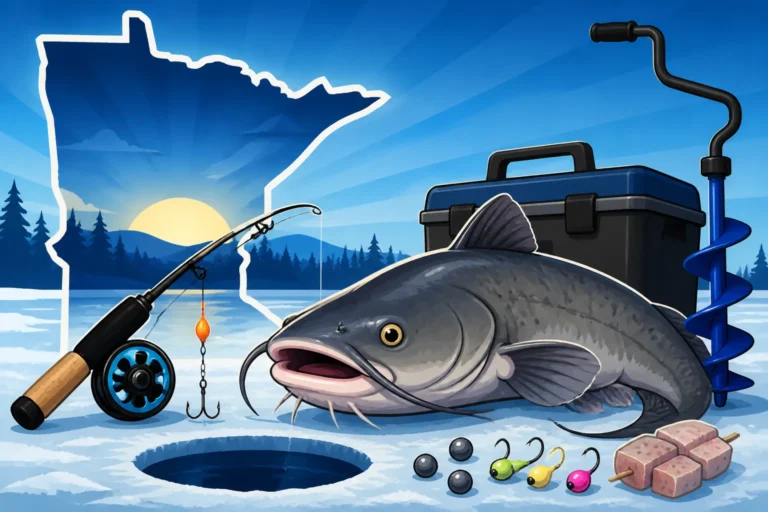
Best Tackle for Channel Catfish in Minnesota
There's nothing quite like the anticipation of a strong bite from a big Channel Catfish, but that excitement can quickly turn to frustration if your tackle isn't up to the challenge. You might find yourself breaking lines, struggling with insufficient drag, or simply not getting the hook set right. It's a common struggle for many anglers targeting these powerful Minnesota fish. This isn't just about having any gear; it's about having the right gear that can withstand the fight and consistently put catfish in your net. This comprehensive guide will dive deep into selecting the best tackle for Channel Catfish in Minnesota, ensuring you're prepared for whatever these whiskered warriors throw your way.
Understanding the Channel Catfish Challenge
Before we even talk about specific gear, let's chat about what makes Channel Catfish such a unique target in Minnesota waters. These aren't dainty panfish; they're strong, often found in current, and they have mouths designed for sucking up bait, not necessarily striking aggressively. You'll find them predominantly in rivers like the Mississippi, Minnesota, and St. Croix, as well as some larger lakes. Their habitats often involve snags, rocky bottoms, and strong currents, all of which put your gear to the test.
Their feeding habits also dictate our tackle choices. Channel Cats are primarily bottom feeders, relying on scent more than sight. This means you need rigs that can get your bait down effectively and stay there, often in challenging conditions. Plus, when they hit, they hit hard, and they pull with incredible strength, especially in current. A flimsy rod or a reel with a weak drag system will quickly lead to disappointment. Knowing these characteristics helps us understand why certain tackle is preferred and gives us a solid foundation for building your ideal catfishing setup.
The Essentials: Rods, Reels, and Line for Channel Cats
When you're chasing Channel Catfish, your primary tools – the rod, reel, and line – need to be robust and reliable. This isn't the time for ultralight setups you'd use for crappie; we're looking for strength, durability, and enough backbone to handle a powerful fish that loves to dig. Many anglers underestimate the power of a good Channel Cat, leading to snapped lines and broken hearts. Let's make sure that doesn't happen to you.
Rod Selection for Power and Sensitivity
Choosing the right rod is crucial for both casting heavy baits and battling strong fish. You need a rod that can absorb powerful runs while still providing enough sensitivity to detect subtle bites.
- Power and Action: For Channel Catfish, you're generally looking for a medium-heavy to heavy power rod. This provides the backbone needed to cast heavier sinkers and baits, and more importantly, to wrestle a stubborn catfish out of snags or strong current. The action should lean towards moderate-fast to fast. A moderate-fast action will give you a good parabolic bend under load, which helps with shock absorption when a big cat makes a sudden run, reducing the chance of hooks pulling out. A fast action offers more sensitivity and quicker hook sets, which can be beneficial when fishing with circle hooks or when dealing with light biters. Many seasoned catfishermen swear by a medium-heavy, moderate-fast action rod as the perfect balance.
- Rod Length: A rod length of 7 to 9 feet is generally ideal. Longer rods offer better casting distance, which can be a huge advantage when fishing wide rivers or lakes from shore or needing to reach specific structure. They also provide better leverage when fighting a fish, especially when trying to steer them away from obstacles. Shorter rods (around 7 feet) might be more manageable in tight quarters or from smaller boats, but if you have the space, don't shy away from an 8 or 9-foot rod. Brands like Ugly Stik, known for their legendary durability, or even some of the specific catfish rods from Berkley or Shakespeare, are popular choices that won't break the bank and can handle a beating. You can often find a great selection of these robust rods at your local Bass Pro Shops.
Reel Choices for Durability and Drag
The reel is your engine in the fight, and it needs to be able to handle sustained pressure without faltering. A smooth, powerful drag system and ample line capacity are non-negotiable for serious catfishing.
- Spinning vs. Baitcasting:
- Spinning Reels: These are a fantastic choice for beginners and experienced anglers alike due to their ease of use for casting. For Channel Catfish, you'll want a larger spinning reel, typically in the 4000 to 6000 series size. Look for reels with a robust construction, a smooth, reliable drag system (often advertised with higher max drag ratings), and a decent line capacity. Brands like Penn, Shimano, and Daiwa offer excellent options in this size range that are built tough. The Penn Battle III 6000, for example, is a workhorse that many Minnesota anglers rely on.
- Baitcasting (Conventional) Reels: Many dedicated catfishermen prefer baitcasting reels, especially for heavier applications or when targeting larger fish in strong current. They offer superior power and direct control over the line. For Channel Catfish, a medium-heavy conventional reel, sometimes called a "round baitcaster" or "levelwind" reel, is perfect. Look for models like the Abu Garcia Ambassadeur series or specific catfish reels from brands like Zebco. These reels excel at handling heavy lines and sinkers, and their drag systems are typically very powerful and consistent, crucial for stopping a hard-running fish.
- Key Features: Regardless of whether you choose spinning or baitcasting, prioritize a reel with:
- Strong, Smooth Drag: This is perhaps the most important feature. A jerky or inconsistent drag will lead to snapped lines or pulled hooks.
- High Line Capacity: You need enough line to let a powerful fish run without spooling you. Many Channel Catfish in Minnesota's big rivers can make significant runs.
- Durable Construction: Metal bodies and gears are generally preferred over plastic for longevity and strength.
Fishing Line: The Unseen Connection
Your fishing line is the only direct connection between you and the fish, and it's where many anglers try to cut corners, leading to inevitable break-offs. Don't let a cheap or inappropriate line ruin your day.
- Line Types and Test Strength:
- Monofilament (Mono): This is a classic choice, offering stretch, good knot strength, and excellent abrasion resistance against rocks and logs. The stretch acts as a shock absorber during violent head shakes, which can prevent hooks from tearing out. A good quality mono in 17- to 25-pound test is often sufficient for most Channel Catfishing. It's also typically less visible in the water, which can sometimes be an advantage, though catfish rely more on scent.
- Braided Line: Braided line has become incredibly popular due to its exceptional strength-to-diameter ratio, zero stretch, and fantastic sensitivity. You can feel every bump and subtle bite. For Channel Catfish, 30- to 50-pound test braided line is a common choice. While it's more expensive, its durability means it lasts longer. The lack of stretch also means more direct power for pulling fish out of cover. However, its lower abrasion resistance compared to mono means you'll often want to tie on a leader (more on that below). Brands like PowerPro and Sufix offer reliable braided lines that you can easily order from Amazon.
- Fluorocarbon: While less common as a main line for catfishing due to its stiffness and cost, fluorocarbon is excellent for leaders. It's nearly invisible underwater and has excellent abrasion resistance.
- Why the Right Line Matters: Using too light a line will lead to break-offs, especially around snags common in river systems like the Mississippi River. Too heavy a line can sometimes hinder casting or bait presentation. A balanced approach using a strong main line with a slightly lighter leader (if using braid) is often the key. Remember that learning how many lines can you fish in Minnesota is important, as regulations often dictate the maximum number of rods you can have in the water at once.
Hooks, Sinkers, and Swivels: The Business End of Your Rig
Once you've got your robust rod, reel, and line, it's time to focus on the business end of your setup. This is where your bait meets the water and, hopefully, a hungry Channel Catfish. Getting these components right ensures good bait presentation, strong hook sets, and prevents line twist and break-offs. Precision here means the difference between a successful hook-up and a missed opportunity.
Hook Styles and Sizes
Hooks are where the rubber meets the road. You need something sharp, strong, and appropriately sized for your bait and the fish you're targeting.
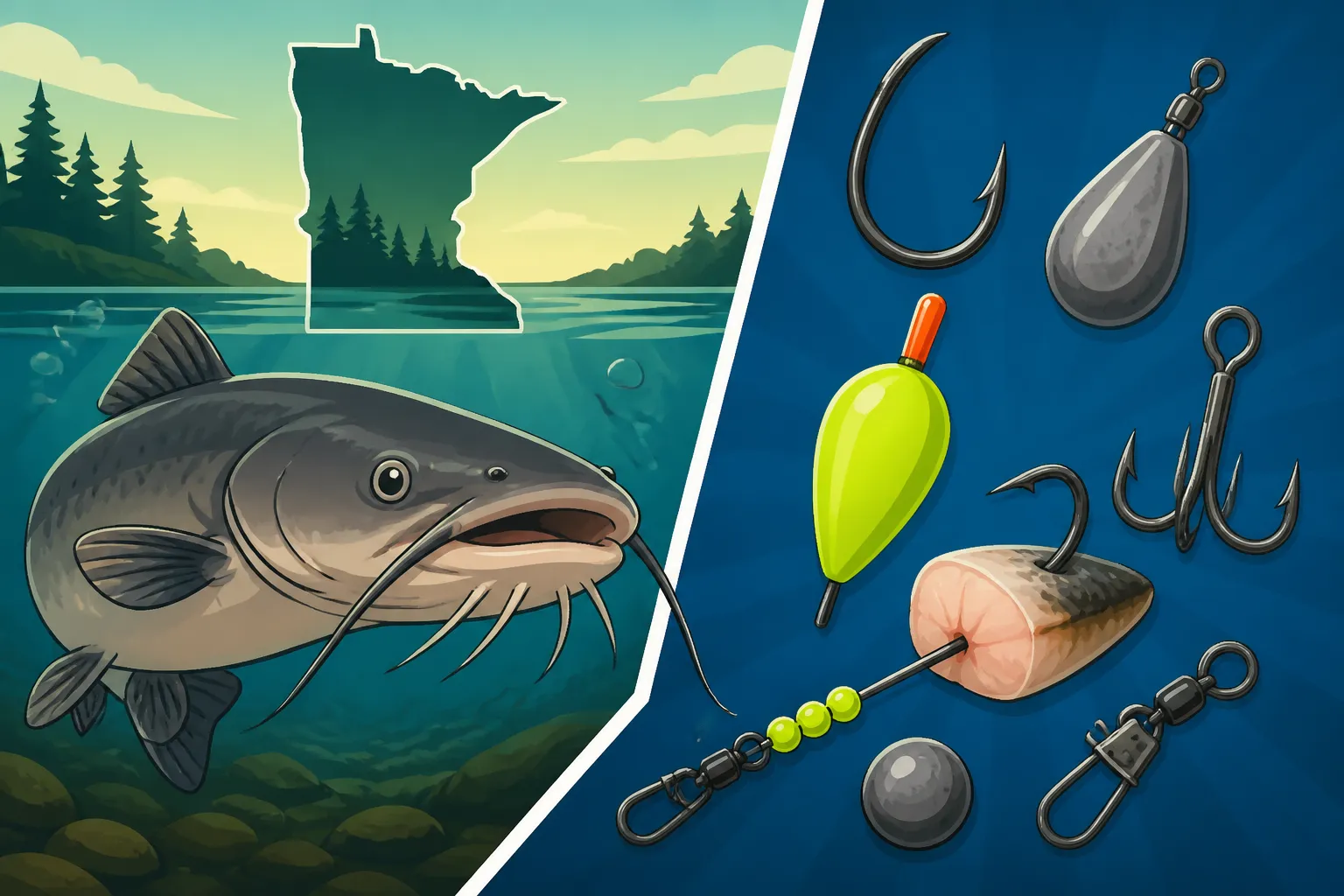
- Circle Hooks: These have become the standard for responsible catfishing, especially if you plan on catch and release, which is becoming more popular for Channel Catfish in Minnesota. Circle hooks are designed to hook fish in the corner of the mouth, reducing gut-hooking and making for easier, safer releases. They are also often self-setting; instead of a hard, sweeping hookset, you simply let the fish take the bait, and as the rod loads up, you reel down and apply steady pressure. For Channel Catfish, sizes ranging from 2/0 to 8/0 are common. A 4/0 or 5/0 is a great all-around size for most cut bait applications. Brands like Gamakatsu, Owner, and Eagle Claw make excellent, super-sharp circle hooks.
- J-Hooks (Offset or Kahle): Traditional J-hooks are still used by many, particularly those who prefer a more aggressive hookset. A Kahle hook, with its wide gap and slightly offset point, is a popular choice for larger baits as it allows for a better bite. If using J-hooks, aim for sizes similar to circle hooks, from 3/0 to 7/0. Be mindful that J-hooks can lead to more deeply hooked fish, especially if you delay your hookset.
- Why Size Matters: The size of your hook should match your bait. A hook that's too small for a big chunk of cut bait will be hidden and less likely to grab hold. A hook that's too large can make your bait look unnatural or be too obvious. Experimentation is key, but start with the mid-range sizes and adjust.
Sinker Types and Weights
Sinkers are essential for getting your bait to the bottom, especially in current, and keeping it there. The type and weight you choose depend heavily on fishing conditions.
- Egg Sinkers: These are perhaps the most popular for catfishing because they allow your line to slide freely through them. This creates a "slip sinker rig" or "Carolina rig," which means the fish can pick up your bait and run a bit without feeling the full weight of the sinker. This often leads to more confident bites. They are rounded or egg-shaped and ideal for casting without snagging too often.
- Bank Sinkers: These are tear-drop or pyramid-shaped sinkers with flat sides, making them excellent for holding bottom in strong currents, such as those found in the Mississippi River pools. They dig into the bottom, preventing your rig from rolling downstream.
- No-Roll Sinkers: As the name suggests, these are designed to stay put, often having a flattened shape. They are great for fishing still water or slow currents where you want your bait to remain in a precise spot.
- Weight Selection: The weight of your sinker needs to be matched to the current and casting distance.
- 1/2 to 1 ounce: Good for still water or very slow currents.
- 1 to 3 ounces: Most common range for river fishing, capable of holding bottom in moderate current.
- 3 ounces and up: Reserved for extremely strong currents or very long casts with heavy baits.
It's always a good idea to carry a variety of sinker weights in your tackle box. When you're fishing a spot like the Minnesota River, you might need to adjust your weight several times throughout the day as current conditions change.
Swivels and Leaders for Rigging Confidence
These small components play a big role in preventing line twist and providing a robust connection between your main line and your hook.
- Barrel Swivels: These simple swivels are primarily used to prevent line twist, which can be a major headache when fishing with certain baits or in current. They create a clean separation between your main line and your leader. Use appropriately sized, heavy-duty swivels, typically rated for 50-100 lbs test, to ensure they don't fail under pressure.
- Snap Swivels: These combine a swivel with a snap clip, making it easy to quickly change out leaders or rigs. While convenient, some anglers prefer to avoid them if possible, as snaps can sometimes be a weak point, though modern snap swivels are very strong.
- Leaders: A leader is a shorter section of line tied between your main line (or swivel) and your hook.
- Abrasion Resistance: If you're using braided main line, a leader of heavy monofilament or fluorocarbon (20-40lb test) is essential. Braid, while strong, can fray easily on rocks, logs, or oyster beds. A mono or fluoro leader provides a sacrificial, more abrasion-resistant section.
- Stealth (Optional): While catfish are not typically line-shy, a fluorocarbon leader's near invisibility can offer a slight edge in clear water.
- Knot Protection: A leader allows you to tie your hook to a fresh section of line, protecting your main line from repeated knot-tying and potential damage.
- Common Rigs:
- Carolina Rig (Slip Sinker Rig): This is the most common catfishing rig. Thread an egg sinker onto your main line, then tie on a heavy-duty barrel swivel. To the other end of the swivel, tie a leader (typically 12-24 inches) of 20-40 lb mono/fluoro, and finally, your hook.
- Three-Way Rig: This rig is excellent for strong currents or fishing directly below the boat. Tie a three-way swivel to your main line. To one eye, tie a short dropper line (6-12 inches) with a sinker. To another eye, tie a leader (12-36 inches) with your hook. This keeps your bait elevated off the bottom, preventing it from getting lost in debris.
| Tackle Component | Recommended Type/Size | Why It's Effective for Channel Cats |
|---|---|---|
| Rod | 7-8 ft, Med-Heavy to Heavy Power, Moderate-Fast Action | Provides power for fighting big fish and casting heavy rigs, good balance of sensitivity and forgiveness. |
| Reel | Spinning (4000-6000 series) or Conventional Baitcaster | High line capacity, robust construction, and a smooth, strong drag system are essential for powerful runs. |
| Main Line | Braided (30-50 lb) or Monofilament (17-25 lb) | Braid offers sensitivity and strength; Mono provides stretch and abrasion resistance. Choose based on preference and conditions. |
| Hooks | Circle Hooks (4/0-8/0) | Promotes jaw hooking for easy release, reduces gut-hooking, and is generally self-setting. |
| Sinkers | Egg, Bank, No-Roll (1/2 oz – 3+ oz) | Egg sinkers allow free-sliding line; Bank and No-Roll hold bottom in current. Match weight to current conditions. |
| Leader | 20-40 lb Monofilament or Fluorocarbon (12-36 inches) | Provides abrasion resistance, especially with braided main lines, and acts as a shock absorber. |
| Swivels | Heavy-Duty Barrel Swivels (50-100 lb test) | Prevents line twist and creates a secure connection for slip sinker rigs. |
The Baits That Bring 'Em In: Natural & Prepared Options
You can have the best rod, reel, and line in the world, but without the right bait, you're just casting iron. Channel Catfish are notorious scavengers, driven by scent, which means choosing bait that smells strong and appeals to their natural foraging instincts is paramount. This isn't just about what you use, but how you present it to them, especially considering the diverse conditions you'll find in Minnesota's waterways.
Natural Baits: The Tried and True
Nothing beats natural bait for consistent Channel Catfish action. These are often what the catfish are naturally feeding on in their environment.
- Cut Bait: This is a universal favorite for Channel Cats. Freshly cut pieces of oily fish release a powerful scent trail that catfish can detect from a distance.
- Common Choices: Common carp, suckers, shad, and even oily panfish like bluegill (check local regulations on using gamefish as bait) are excellent. You can use fillets, chunks, or even the head and tail sections. The fattier, the better!
- Preparation: Cut your bait into pieces about 1-2 inches square, or strips. Make sure each piece is large enough to cover your hook effectively while still leaving the hook point exposed. You can buy whole suckers or carp at many bait shops, or catch them yourself.
- Live Bait: While cut bait is often preferred, live bait can also be effective, particularly for larger, more predatory Channel Cats.
- Minnows/Shiners: Larger shiners or small suckers (3-6 inches) can be fished live, either on the bottom or suspended under a bobber. They offer both scent and movement.
- Nightcrawlers: A classic bait for nearly all freshwater fish, nightcrawlers (often used in a wad of 2-3) are readily available and can attract Channel Cats, especially smaller ones. Their wiggling action and natural scent are hard to resist. While worms are great for general fishing, if you're specifically targeting bigger Channel Cats, cut bait usually outperforms.
- Other Naturals: Chicken livers are another extremely popular and effective bait for Channel Cats due to their strong scent and soft texture. Just be prepared for them to be a bit messy and prone to flying off the hook during a cast if not secured well. You can often buy these affordably at most grocery stores.
Prepared Baits: The Stink and Stick
For those who prefer not to deal with live or cut bait, or want to enhance their offering, prepared baits are a viable option. These are specifically formulated to attract catfish with powerful odors.
- Stink Baits/Dip Baits: These are semi-liquid or paste-like baits with an incredibly strong, often pungent odor designed to appeal to a catfish's keen sense of smell. You typically "dip" a sponge or specialized bait holder into the stink bait, or use a worm/marshmallow to absorb the scent.
- Brands: Look for popular brands like Catfish Charlie, Sonny's Super Sticky, or Secret 7. They come in various formulations and consistencies.
- Best Use: These are particularly effective in warmer water when catfish are actively feeding by scent. They can be less effective in cold water or strong currents where the scent disperses too quickly.
- Punch Baits: Similar to stink baits but often with a thicker, dough-like consistency that makes them "stick" better to the hook. They are designed to be "punched" onto a treble hook or specialized bait spring using a stick or tool, creating a firm blob of scent.
- Benefits: Their firmer texture means they stay on the hook better during casts and in current than some dip baits.
- Artificial Baits with Scent: While less common for pure Channel Catfishing, some anglers will use artificial lures enhanced with liquid or paste scents, especially if trying to cover water or present a different profile. However, for sheer effectiveness, the natural and prepared stink baits usually win out.
Bait Presentation: Getting It Where They Live
Having the right bait means nothing if it's not presented correctly. Channel Catfish are bottom feeders, so your primary goal is to get your bait on the bottom, or just off it, where they forage.
- Bottom Fishing (Carolina Rig): As discussed earlier, the Carolina rig with a slip sinker is king here. It allows your bait to move naturally with the current a short distance from the weight, making it appear more appealing. This is excellent for fishing river channels, current seams, and deeper holes. When fishing current, ensure your sinker is heavy enough to hold bottom.
- Three-Way Rig: This rig is also fantastic for rivers, especially when you want to keep your bait slightly off the bottom to avoid snags or to present it above low-lying weeds. The sinker dangles from one line, and your bait on a leader from another, allowing the bait to flutter enticingly.
- Float Fishing (Bobber): While less common for deep-water catfishing, float fishing can be effective in shallower areas, over submerged vegetation, or around docks and fallen trees. A large slip bobber can suspend your bait at a precise depth, keeping it out of snags while still in the strike zone. This technique is often used when fishing shallower river bends or near structure in lakes. Using a large, durable bobber like those from Thill or a similar brand found at Bass Pro Shops or online through Amazon is crucial for handling heavier baits and keeping it afloat.
Accessory Gear: Making Your Catfishing Trip Smoother
Catching Channel Catfish is exciting, but a truly successful and enjoyable trip involves more than just a rod and reel. The right accessory gear can make all the difference, enhancing your comfort, safety, and efficiency on the water, whether you're fishing from a boat or the bank along a stretch of the Mississippi River.
Rod Holders: Keep Your Rods Secure
Channel Catfish bites are not subtle. They often hit hard and fast, pulling rods right into the water if unsecured.
- Bank Rod Holders: If you're fishing from shore, sturdy bank rod holders are essential. These are typically metal spikes that push into the ground, holding your rod at an angle. Look for durable, adjustable models. Some have U-shaped tops, while others have a wider V-shape. Having several allows you to spread out your baits and cover more water.
- Boat Rod Holders: For boat anglers, robust boat rod holders are a must. They bolt or clamp onto your boat and secure your rod, allowing you to troll or simply set multiple lines while anchored. Adjustable angles are a plus, letting you position your rods for optimal bite detection and line clearance. Brands like Scotty and Cabela's offer a wide range of reliable rod holders.
Landing Gear: Securing Your Catch
A big Channel Cat can be a handful at the boat or bank. You need the right tools to safely land and handle them.
- Large Landing Net: A sizable, sturdy landing net is invaluable. Look for nets with a deep, rubberized mesh. Rubberized mesh is gentler on the fish's slime coat (important if you're practicing catch and release) and less prone to tangling hooks. A net with a long, extendable handle is ideal for reaching out from shore or a high boat deck. Make sure it's big enough to scoop a catfish that could be 20+ pounds – those big ones require a serious net!
- Lip Grippers (Optional but Recommended): Heavy-duty lip grippers can be very useful for controlling a feisty catfish, especially when removing hooks or taking photos. They provide a firm, safe grip without damaging the fish. Look for models with a built-in scale if you like to weigh your fish on the spot.
Other Essentials for a Complete Kit
Don't overlook the smaller items that collectively make a big difference in your catfishing experience.
- Pliers/Forceps: Essential for safely removing hooks, especially if a fish swallows the bait deeply or has a tricky hook placement. Long-nosed pliers or specialized fishing forceps are perfect.
- Knife: A sharp fillet knife is handy for preparing cut bait, as well as cleaning your catch if you decide to keep some for the dinner table. Ensure it's got a comfortable grip and a sturdy blade.
- Headlamp/Flashlight: If you plan on fishing at night – and many of the best catfishing experiences happen after dark – a reliable headlamp is non-negotiable. It keeps your hands free for retying rigs, baiting hooks, and handling fish.
- Cooler: You'll need a cooler to keep your bait fresh, especially cut bait or chicken livers. If you plan to keep fish, a separate, larger cooler with ice is essential to preserve your catch properly.
- Gloves: Durable gloves can protect your hands from catfish spines (especially the dorsal and pectoral fins) and the abrasive sandpaper-like texture of larger catfish, making handling them much safer and more comfortable.
- Small Tackle Box/Bag: A compact tackle box or bag to organize your hooks, sinkers, swivels, and other small components. This saves you from digging through a cluttered main tackle box every time you need to re-tie.
Remember to also check the Minnesota Fishing Seasons & Opener Dates (2026) and the specific Minnesota Fishing Limits: Bag & Possession (2026) for Channel Catfish in the waters you plan to fish. Understanding these regulations is just as important as having the right tackle! For more detailed guidance on catching these formidable fish, check out our guide on how to catch Channel Catfish in Minnesota (Step by Step) and where to catch Channel Catfish in Minnesota.
Disclaimer
Please note that fishing regulations, including seasons, limits, and license requirements, can change. Always consult the most current Minnesota Department of Natural Resources (DNR) fishing regulations before heading out. This guide is for informational purposes only and does not supersede official regulations.