Best Gear for Ice Fishing Bowfin in Minnesota
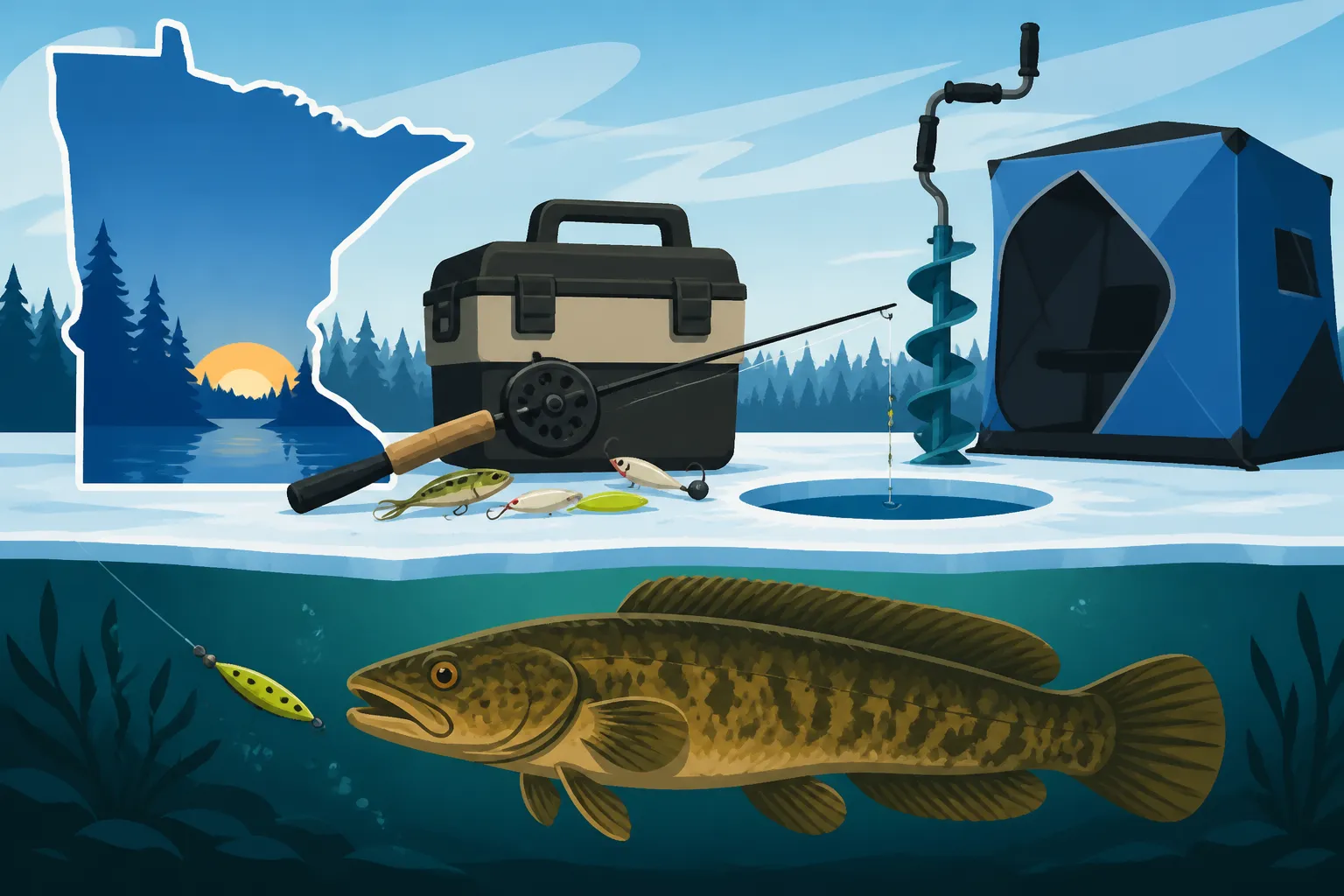
You've heard the whispers on the ice, right? About those tough, toothy fish that lurk in the shallow, weedy corners, often overlooked because they aren't walleye or crappie. We're talking about bowfin, sometimes called dogfish, and let me tell you, they offer an incredible fight through the ice if you're geared up properly. Many anglers find themselves unprepared when one of these prehistoric powerhouses latches on, leading to snapped lines, bent hooks, and a whole lot of frustration. This guide is here to turn that frustration into triumph, equipping you with the knowledge of the best gear to tackle these Minnesota brutes, ensuring you're ready for the battle when a bowfin decides to crash your ice fishing party.
Unpacking the Mystery of Ice Fishing Bowfin
Before we dive into the nitty-gritty of gear, let's take a moment to truly appreciate the bowfin. These fish are often misunderstood and carry a reputation that really doesn't do them justice. For an ice angler looking for a unique fight and an active bite, bowfin can be an absolute game-changer.
The Bowfin Reputation and Why They're a Blast
Let's just address the elephant in the room: bowfin are often labeled "trash fish" or "rough fish" by some anglers. And honestly, it’s a designation that completely misses the mark when it comes to their angling potential, especially during the hardwater season. While they might not end up on a dinner plate as often as a walleye, what they lack in culinary fame, they more than make up for in sheer fighting power and tenacity.
Imagine this: you're jigging away, perhaps hoping for a panfish, when suddenly your rod nearly gets ripped out of your hand. You set the hook, and what ensues is a powerful, head-shaking, hole-diving fight that puts even a substantial northern pike to shame. Bowfin are muscle-bound creatures with powerful jaws and a bad attitude once hooked. They'll pull drag, make strong runs under the ice, and often twist and roll in the hole, making for an unforgettable tussle. This kind of explosive action is precisely why more and more experienced ice anglers are beginning to actively target them. They're accessible, abundant in many Minnesota waters, and offer a thrilling challenge when other species might be less active. Don't let the "rough fish" label fool you; these are true gladiators of the ice.
Where to Find Bowfin Under the Ice
Knowing where to find bowfin is just as important as having the right gear. These fish aren't usually found suspended over deep basins like some walleye, nor are they typically hiding in dense weeds like some bass. Instead, bowfin have some pretty specific winter preferences that you can absolutely use to your advantage.
They love shallow, weedy bays, often in areas with soft, mucky bottoms. Think about those parts of a lake that have a lot of decaying vegetation, perhaps near inlets or outlets of slow-moving rivers. They’re also found in backwaters and sloughs connected to larger lake systems. Lakes like Lake Minnetonka, portions of the Mississippi River, and many smaller, marshy lakes across central and southern Minnesota can hold robust populations. During winter, bowfin can become somewhat dormant in extremely cold water, but they will still feed, especially during periods of stable weather or when water temperatures are slightly warmer. Look for them in depths ranging from 5 to 15 feet, often right on the bottom or just a foot or two off it. They use these areas for cover and to ambush any unsuspecting forage fish that venture too close. Targeting these specific environments will greatly increase your chances of hooking into one of these hard-fighting fish.
Essential Rods and Reels for Ice Fishing Bowfin
Alright, let's get down to the brass tacks: what kind of setup will stand up to a bowfin's brute strength? We're not talking about delicate panfish rods here. You need something that can take a beating and give one back.
Heavy-Duty Ice Rods
When it comes to ice rods for bowfin, you need to think "power." A typical walleye or panfish rod simply won't cut it. Bowfin hit hard and fight dirty, so your rod needs to be able to absorb those powerful runs and allow you to leverage the fish effectively.
Look for a rod in the medium-heavy to heavy power range, ideally 30 to 40 inches long. A longer rod will provide more leverage to steer the fish away from the edge of the hole and absorb shocks during its powerful thrashing. The blank should have a strong backbone, meaning it won't fold over when a fish dives, but still possess a reasonably sensitive tip. The sensitive tip is crucial because even though bowfin can hit like a freight train, they sometimes pick up bait subtly before really committing. Brands like Fenwick, known for their solid blanks, or the ever-durable Ugly Stik, which can take a serious beating, offer great options. Consider specific models designed for pike or lake trout ice fishing, as these will have the necessary backbone. For instance, a Fenwick HMG Ice Rod in a medium-heavy power can be a fantastic choice. The rod guides need to be robust enough to handle braided line and resist freezing up, especially on colder days.
Robust Reels and Line
Matching your heavy-duty rod with an equally robust reel and line is non-negotiable. This is where many anglers targeting bowfin for the first time make a critical mistake, opting for lighter setups that are quickly overwhelmed.
For reels, a spinning reel in the 2500-4000 series is ideal. This size range offers a good balance of line capacity, drag power, and comfortable handling for an ice fishing application. You want a reel with a smooth, reliable drag system that can withstand sustained pressure. When a bowfin decides to bolt, you'll be glad you invested in a reel that won't stutter or stick. Good options can be found from trusted brands like Shimano or Daiwa. If you prefer baitcasting reels, some anglers opt for low-profile baitcasters spooled with heavier line for maximum power and control, especially when fishing larger baits.
Now, for the line. This is arguably one of the most important aspects of your bowfin setup. Forget monofilament; you absolutely need braided line. Opt for 20-30 pound test braided line. The no-stretch properties of braid give you superior sensitivity, allowing you to feel even subtle bites, and incredible power for solid hooksets and muscling fish out of cover. A good quality braid will also be highly abrasion-resistant, a must-have when fighting a fish with powerful jaws and sharp fins. Since bowfin have a mouthful of teeth and rough plates, you'll want to add a fluorocarbon leader of 15-20 pound test, about 18-24 inches long. Fluorocarbon is nearly invisible in water and offers excellent abrasion resistance, providing a crucial buffer between your main line and those sharp-toothed jaws. For excellent information on selecting the right lines for various conditions, you might want to check out our guide on Best Line for Ice Fishing Walleye & Panfish, keeping in mind you’ll need to step up in strength for bowfin. You can find quality braided lines and fluorocarbon leaders at most sporting goods stores or through online retailers like Amazon or Bass Pro Shops.
| Gear Component | Recommended Specifications | Key Considerations |
|---|---|---|
| Ice Rod | Medium-Heavy to Heavy Power, 30-40 inches length | Strong backbone, sensitive tip, durable guides, good leverage for fighting fish. |
| Spinning Reel | 2500-4000 series | Smooth, powerful drag, good line capacity. |
| Baitcasting Reel | Low-profile, heavy-duty if preferred | Max power and control, suitable for larger baits. |
| Main Line | 20-30 lb Braided Line | No stretch for sensitivity and power, abrasion resistant. |
| Leader Material | 15-20 lb Fluorocarbon | Nearly invisible, abrasion resistant against teeth. |
| Hooks | Heavy-duty, 2/0 to 4/0 J-hooks or treble hooks | Strong enough not to bend or break under pressure. |
| Jig Weights | 1/2 oz to 1 oz | To quickly get bait to depth, especially with larger live baits. |
Baits and Lures That Attract Bowfin
Bowfin are not picky eaters, which is fantastic news for anglers! However, certain baits and lures consistently outperform others when targeting these aggressive predators through the ice.
Go-To Live Bait Options
If you're serious about hooking into some bowfin, live bait is often your best bet, especially when they're less active. They are opportunistic feeders, and a struggling, natural presentation is hard for them to resist.
Large shiners, fatheads, or small suckers are absolute gold for bowfin. These fish are predators, and they're looking for a substantial meal, not a tiny snack. When rigging live bait, use a heavy-duty single J-hook (size 2/0 to 4/0) or a stout treble hook. Hook your minnow just behind the dorsal fin if you want it to swim freely, or through the lips if you prefer a more controlled presentation. Many anglers also deadstick a large minnow a foot or two off the bottom while actively jigging another hole nearby. The subtle movements of a lively minnow struggling will often be enough to trigger a bowfin's predatory instinct. Remember to check local regulations for minnow size and species restrictions. Always ensure your bait is fresh and lively; a sluggish minnow won't entice a bowfin as effectively.
Artificial Lures for Aggressive Strikes
While live bait is a consistent winner, don't underestimate the power of artificial lures, especially when bowfin are in an aggressive mood or when you want to cover more water with active jigging. These lures can trigger reactionary strikes, which bowfin are famous for.
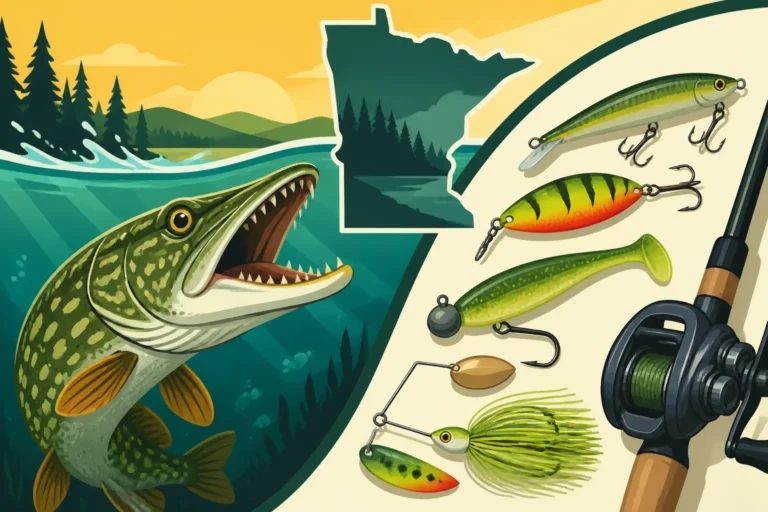
Large jigging spoons, ranging from 1/2 ounce to a full ounce, are excellent choices. Look for spoons with some flash and vibration, perhaps in silver, gold, or bright chartreuse colors. Examples include popular models from Northland Fishing Tackle like the Forage Minnow Spoon or a Clam Leech Flutter Spoon. Jig these aggressively, lifting them high and letting them flutter back down, often hitting the bottom to stir up sediment. This erratic movement mimics a struggling baitfish, which bowfin find irresistible. Another great option is a large soft plastic swimbait rigged on a heavy jig head. Think bass-sized swimbaits, 3-5 inches long, in natural perch or shiner patterns. Work these with a slow lift-and-drop or short hops off the bottom. Remember that bowfin are ambush predators, so don't be afraid to experiment with your retrieve cadence until you find what triggers them. Our Best Lures & Baits for Minnesota by Species guide has some great foundational info that you can adapt for these larger, more aggressive presentations. The key is to match the hatch in terms of general size, but don't be afraid of bold colors and lots of action.
Important Accessories and Safety Gear for Bowfin Ice Fishing
Targeting bowfin isn't just about the rod, reel, and bait; it’s about having the right supporting cast of accessories and, most importantly, prioritizing safety on the ice.
Ice Augers and Holes
Fishing for bowfin effectively often means needing a hole that can accommodate their size and powerful fight. Standard 6-inch holes, while fine for panfish, can be a real headache when a 5-pound bowfin decides to thrash.
An 8-inch auger is a solid minimum recommendation, but if you're serious about big bowfin, a 10-inch auger is even better. A wider hole gives you more room to maneuver the fish, reducing the chances of it getting wedged or breaking off against the ice. Electric augers like the StrikeMaster Lithium 40V or Eskimo HD series are incredibly popular for their speed, quiet operation, and lack of fumes. Gas augers are also a viable option if you're not concerned about noise or exhaust. Having a good auger is not just about convenience; it's about giving yourself the best chance to land that trophy bowfin. For a detailed comparison of options, check out our Best Ice Augers for Minnesota: Electric vs Gas guide.
Shelters, Heaters, and Electronics
While bowfin can be found in shallower waters, ice fishing still means battling the elements. A comfortable setup can make all the difference in staying out longer and increasing your chances of success.
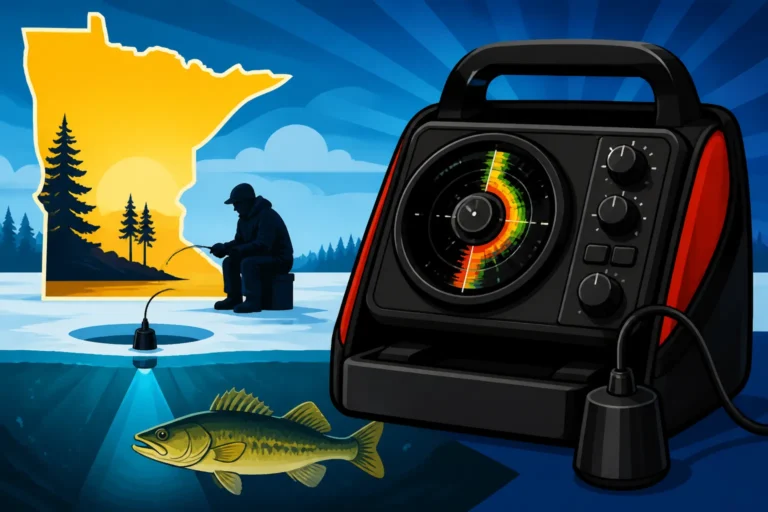
A portable ice fishing shelter, whether a flip-over like those from Clam or Otter Outdoors, or a hub-style shelter, provides crucial protection from wind and cold. This comfort allows you to focus on fishing, especially during longer sessions. Pair it with a reliable portable heater, like a Mr. Heater Buddy, to keep those fingers nimble. While bowfin aren't as structure-oriented as walleye, a flasher or fish finder is still incredibly useful. It helps you identify bottom contours, detect fish holding tight to the bottom, and understand how they react to your bait. You don't necessarily need a fancy forward-facing sonar system, but a basic Vexilar or Humminbird flasher will give you a significant advantage in identifying activity beneath your hole. To learn more about various shelters and how to choose the right one, take a look at our article on Best Ice Shelters: Clam vs Otter (Flip vs Hub). For entry-level electronics, our Best Ice Fishing Electronics for Beginners can guide you.
Landing Gear and Safety
Fighting a powerful fish like a bowfin through a small hole in the ice is exciting, but it also requires proper landing gear and, above all, a commitment to safety.
A sturdy gaff is often preferred by experienced bowfin anglers, especially if you plan to release the fish quickly. A gaff allows you to secure the fish with minimal handling, preventing you from getting tangled in the line or getting bitten. Alternatively, a large, robust landing net specifically designed for pike or muskie can also work. Crucially, always have a pair of long-nosed pliers and a jaw spreader handy. Bowfin have strong jaws and can swallow hooks deep, and these tools are essential for safe and quick hook removal.
Beyond the tackle, never, ever compromise on ice safety. Always carry ice picks around your neck, a spud bar to test ice thickness as you walk, and wear appropriate clothing, including a float suit. A quality float suit, like those offered by Arctic Armor or Clam, can be a literal lifesaver if you happen to break through. Knowing and following Minnesota's ice fishing rules, including those regarding ice shelter removal deadlines and how many lines you can use, is also paramount. Our comprehensive Ice Fishing in Minnesota: Complete Beginner-to-Pro Guide and Minnesota Ice Fishing & Shelter Rules articles cover these safety topics in detail. The thrill of catching a bowfin isn't worth taking unnecessary risks on the ice.
Disclaimer
Fishing regulations, seasons, and limits can change. Always consult the most current Minnesota Department of Natural Resources (DNR) regulations before heading out on the water. This guide is for informational purposes only and does not constitute legal advice.