Best Gear for Ice Fishing Flathead Catfish in Minnesota
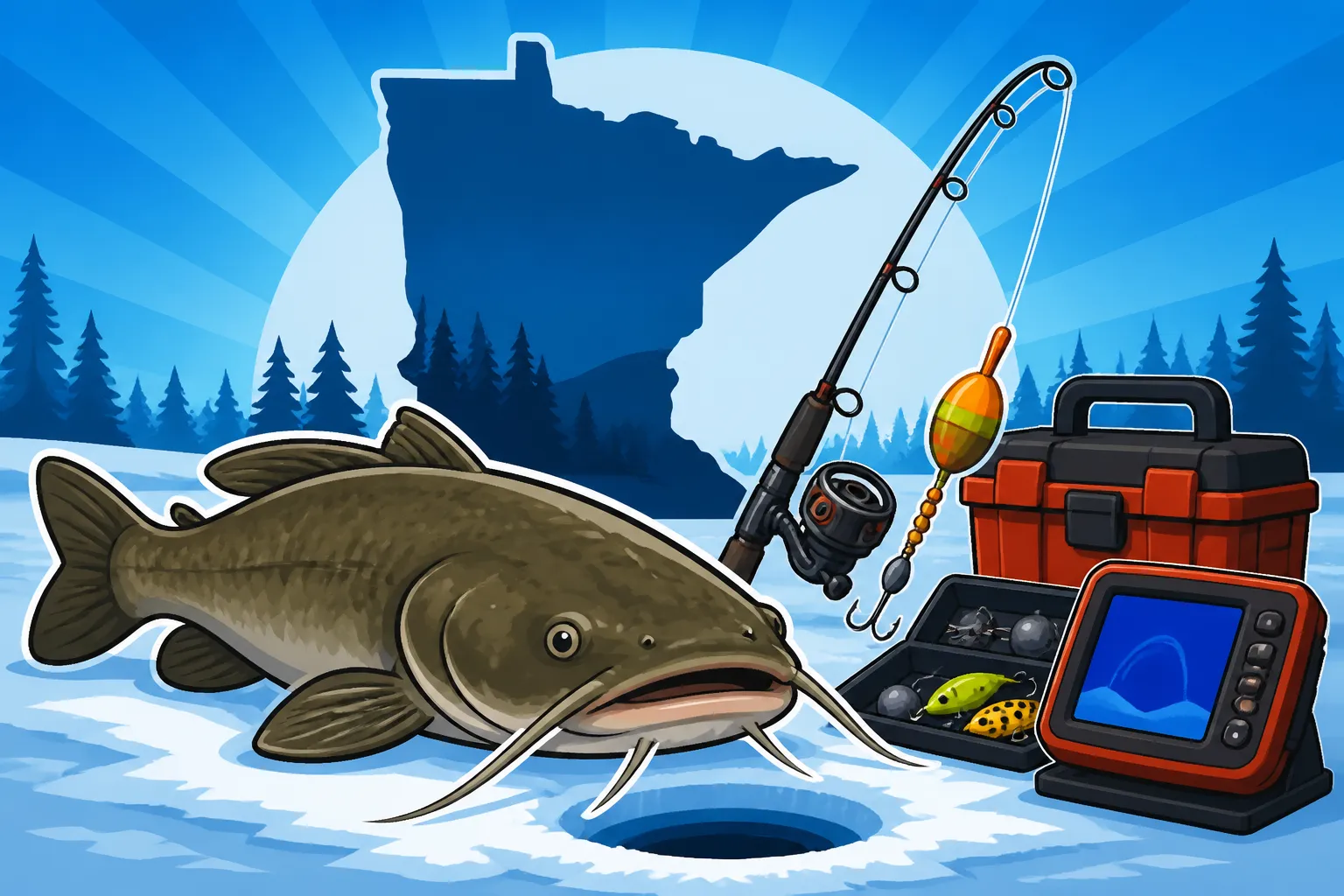
Alright, let's talk about something a little out of the ordinary for many Minnesota ice anglers: chasing Flathead Catfish through the hard water. Most folks are bundled up, jigging for walleye or panfish, but there's a unique thrill, and a very specific set of challenges, that comes with targeting these river monsters in winter. If you've ever hooked into a big flathead, you know the raw power they possess, and bringing that kind of fight to the ice demands gear that's up to the task. This guide is all about equipping you with the right setup to tackle these sluggish giants during the coldest months.
Understanding Flathead Catfish Behavior Under the Ice
Before we even get to the gear, let’s be real about what you're up against. Flathead catfish aren't your typical ice fishing quarry. They're primarily ambush predators, preferring live bait, and in the dead of winter, their metabolism slows way down. This means they’re often lethargic, holding tight to deep river channels, submerged logjams, or significant current breaks, and they're not actively chasing down quick-moving baits. This unique winter behavior dictates everything from your location choice to your presentation.
Where to Find Winter Flatheads
Forget the expansive lake flats you might fish for walleye; flatheads are all about structure and depth, especially where there's some flow. In Minnesota, prime locations often include the deep bends and pools of the Mississippi, St. Croix, and Minnesota Rivers. These fish will hunker down in the deepest holes, often adjacent to slower currents or eddies where they can conserve energy. Look for areas with significant underwater timber or rock piles, as these provide crucial cover and ambush points, even in their dormant state. Understanding how to interpret sonar and even river maps to pinpoint these specific spots is your first, most critical "piece of gear." It's less about active hunting and more about patiently waiting in their living room.
How Their Winter Sluggishness Impacts Your Strategy
Because flatheads are so inactive in cold water, you're not going to get aggressive strikes. Instead, you'll be looking for subtle takes. Your presentation needs to be slow, deliberate, and, most importantly, live. This isn't the time for artificial lures or quick jigging motions. The goal is to put a substantial, injured-looking bait right in front of their nose and let it sit. Their bite might feel like nothing more than added weight or a gentle tug, rather than the violent rip you'd expect in summer. This sluggishness means your lines need to be sensitive enough to detect these faint bites, but also robust enough to handle the sheer power of the fish once it decides to move. It's a fine balance that many anglers overlook.
Essential Rods and Reels for Ice Fishing Flatheads
When you're talking about flatheads, you're talking about fish that can easily tip the scales into the 20-50 pound range, with some true giants pushing even heavier. Your walleye rod just isn't going to cut it. You need serious backbone and line capacity to turn these fish away from cover and haul them through an ice hole.
Heavy-Duty Ice Rods for Big Catfish
For flatheads through the ice, think heavy. I’m talking about a rod with a heavy or extra-heavy power rating and a moderate-fast to fast action. The rod should be stout enough to absorb violent headshakes and provide leverage to lift a large fish, but with enough tip sensitivity to detect those subtle winter bites. A length of 36 to 48 inches is generally ideal, offering a good balance between leverage and manageability inside an ice shelter. You'll want a sturdy, comfortable handle that allows for a firm grip, because when that fish hits, you'll be battling it hard. Brands like St. Croix, with their Mojo Ice series, or the heavier models from Frabill, offer some excellent options that can stand up to the task. You might even consider a shorter, stout boat rod if you have a larger ice house or are fishing outside in open conditions.
Reels Built for Power and Capacity
Paired with that heavy rod, you need a reel that can handle the stress. This means a baitcasting reel designed for large game fish or a heavy-duty spinning reel with a robust drag system and ample line capacity. For baitcasters, look for models with a strong gear ratio for winching power and a smooth, reliable drag that won't give out under extreme pressure. A reel in the 5000 to 6000 size range for spinning reels, or a round baitcasting reel like an Abu Garcia Ambassadeur 6500 series, would be a good starting point. The key is smooth drag engagement; a jerky drag is a sure way to snap a line or pull a hook on a powerful fish. You can find many of these heavy-duty reels readily available at reputable retailers like Bass Pro Shops or even through online marketplaces like Amazon, often with detailed specifications to help you choose.
The Importance of Stout Fishing Line
Line choice is paramount. For flathead catfish, you'll want to spool up with braided line as your main line, typically in the 50-80 lb test range. Braid offers incredible strength, minimal stretch (which aids in bite detection and hook sets), and excellent abrasion resistance against rough ice edges or submerged timber. However, braid can be visible to fish, especially in clearer waters, and it can freeze up more easily than monofilament. To counteract this, tie on a fluorocarbon leader of 30-50 lb test, about 2-3 feet long. Fluorocarbon is nearly invisible underwater, extremely abrasion-resistant, and provides a little shock absorption. A good quality swivel connecting your braid to your leader will prevent line twist, especially when dealing with live bait. Remember, you can only use two lines when ice fishing in Minnesota, so make each setup count!
Here's a quick comparison of heavy-duty ice fishing rod characteristics:
| Rod Characteristic | Description | Why it Matters for Flatheads |
|---|---|---|
| Power | Heavy (H) to Extra Heavy (XH) | Essential to muscle large fish through thick ice and away from snags. |
| Action | Moderate-Fast to Fast | Allows for quick hook sets and sensitivity to subtle bites, while maintaining bend for fighting. |
| Length | 36-48 inches | Balances leverage for fighting with maneuverability in a shelter. Longer rods offer more leverage. |
| Handle | Extended, comfortable cork or EVA foam | Provides a strong, two-handed grip for fighting powerful fish. |
| Guides | Large, durable, stainless steel or ceramic inserts | Reduces friction, prevents line freeze-up, handles heavy line and powerful runs. |
Terminal Tackle and Baits for Flathead Catfish
Once you've got your robust rod and reel setup, it's time to focus on what goes down the hole to entice these winter giants. Flatheads are discerning eaters, and their preferred meal dictates much of your terminal tackle.
The Best Baits: Live and Kicking
This is non-negotiable for flatheads: live bait is king. Especially in winter when they are less active, a struggling, lively baitfish is often the only thing that will trigger a strike. Large suckers, golden shiners, chubs, or even small carp are excellent choices. You'll want baits in the 6-12 inch range, sometimes even larger for truly massive flatheads. These should be hooked through the back, just in front of the dorsal fin, or through the lips to allow them to swim naturally and appear distressed. Keep your live bait in a well-aerated bait bucket to ensure they stay active as long as possible. A healthy bait is a tempting bait. Consider using a minnow tube or similar device to keep your bait from swimming into undesirable cover if you’re fishing around heavy structure.
Hooks, Weights, and Rigging
For hooks, heavy-gauge circle hooks are your best friend. Sizes ranging from 5/0 to 8/0 are usually appropriate, depending on the size of your bait. Circle hooks are fantastic for flatheads because they typically hook the fish in the corner of the mouth, minimizing deep hooking and making catch-and-release easier and safer for the fish. Since flatheads are often holding tight to the bottom in deep, current-heavy spots, you'll need substantial weight to keep your bait down. Egg sinkers or flat river sinkers weighing 1-4 ounces are common. The exact weight will depend on the depth and current you're fishing.
A classic flathead rig involves a slip sinker above a swivel, then a fluorocarbon leader, and finally your circle hook. This allows the fish to pick up the bait and run a short distance without feeling the resistance of the sinker, increasing your chances of a solid hook set. Always check your knots and line regularly for nicks or abrasions, especially after reeling in a fish or getting snagged. These powerful fish will exploit any weakness.
Electronics and Shelters for Comfort and Success
Ice fishing for flatheads is often a waiting game, and being comfortable and having the right tools to scout your spots makes all the difference. You're not just punching holes randomly; you're looking for specific features.
Advanced Sonar and Navigation
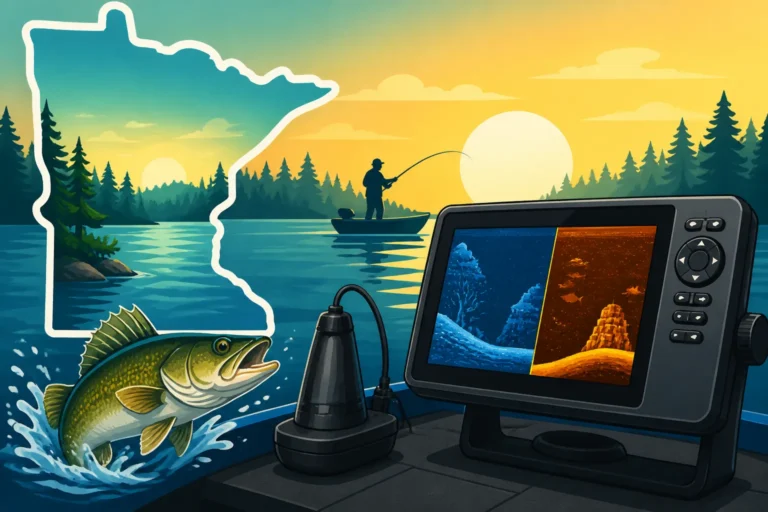
In the winter, flathead catfish often hug tight to the bottom or specific structures. This is where advanced sonar technology truly shines. A high-quality flasher unit, like those from Vexilar or MarCum, will help you identify not only the depth but also the presence of fish and structure on the bottom. Even better, if your budget allows, forward-facing sonar systems like Garmin LiveScope or Humminbird Mega Live are game-changers. These technologies allow you to scan beneath the ice in real-time, locating those deep holes, submerged logs, and even individual fish before you drop a line. You can see how a fish reacts to your bait, or even identify the species if you get a clear enough return. This level of detail is invaluable when targeting finicky, slow-moving flatheads. Pair your sonar with good GPS lake maps or river charts that show contour lines and structure, helping you pinpoint those crucial ambush points.
The Role of a Quality Ice Shelter
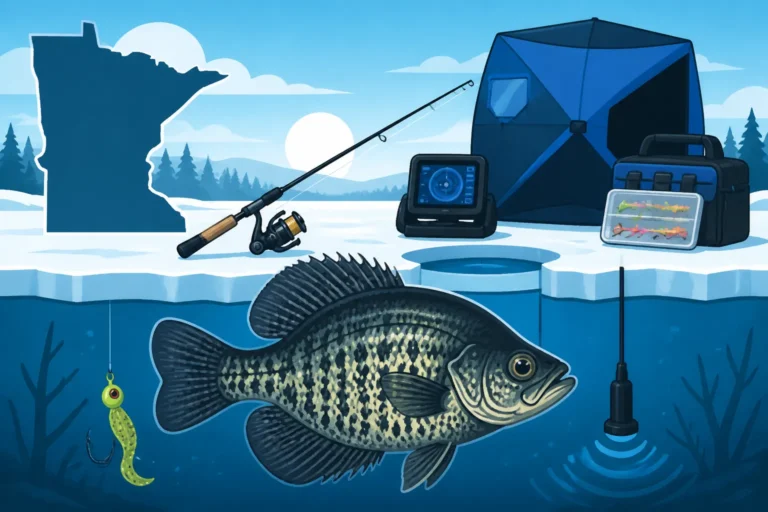
Patience is key for flathead fishing, and that often means long hours on the ice. A comfortable, well-insulated ice shelter is essential, especially when fishing in the frigid Minnesota winters. Whether you prefer a portable flip-over style from brands like Clam or Otter, or a more permanent hub-style shelter, having a protected space from the wind and cold will drastically improve your endurance and focus. Many anglers even opt for larger, permanent ice houses or "wheelhouses" when targeting flatheads, allowing for multiple lines, more gear, and greater comfort over extended trips. A good heater, proper ventilation, and maybe even a camp chair will make those long waits much more bearable. Remember to always follow Minnesota Ice Fishing & Shelter Rules regarding shelter placement and removal deadlines.
Powerful Augers for Big Holes
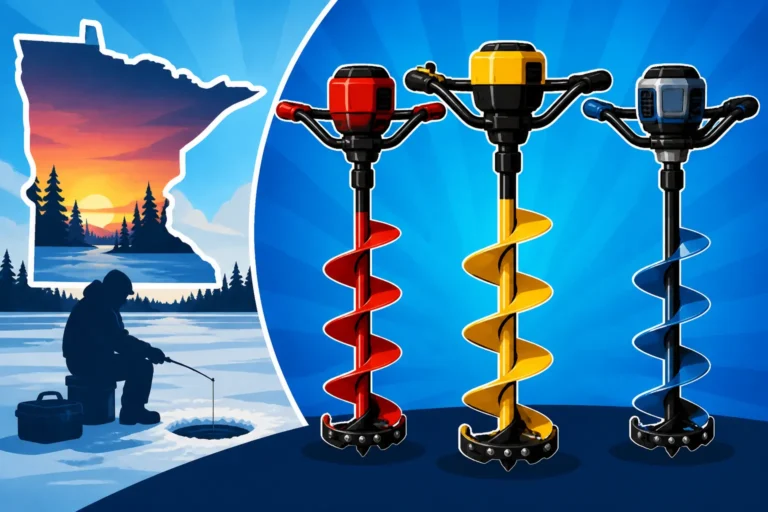
Flathead catfish are big fish, and you'll need a big hole to get them through the ice. Forget your 6-inch panfish auger. For flatheads, an 8-inch or even 10-inch auger is highly recommended. This larger hole size provides enough clearance to safely land a big fish without it getting stuck or tearing the line on the ice edge. Electric augers like the StrikeMaster Lithium 40V or ION Alpha series are incredibly popular for their power, quiet operation, and ease of use, especially when you need to drill multiple large holes. If you're using a gas auger, ensure it's well-maintained and has a sharp blade for efficient drilling. You don't want to lose a trophy flathead because your hole was too small.
Ice fishing for flathead catfish in Minnesota might not be the most common pursuit, but for those who brave the cold and seek out these powerful bottom-dwellers, the rewards can be incredible. With the right heavy-duty gear, a strategic approach to their winter behavior, and a healthy dose of patience, you might just find yourself battling the biggest fish of your ice fishing career. It’s a specialized niche, but one that offers a truly unique challenge and a deep sense of accomplishment.
Disclaimer
Fishing regulations, seasons, and limits can change frequently. Always consult the most current Minnesota Department of Natural Resources (DNR) fishing regulations before heading out on the water. This article is for informational purposes only and does not constitute legal advice. Stay safe and fish responsibly.