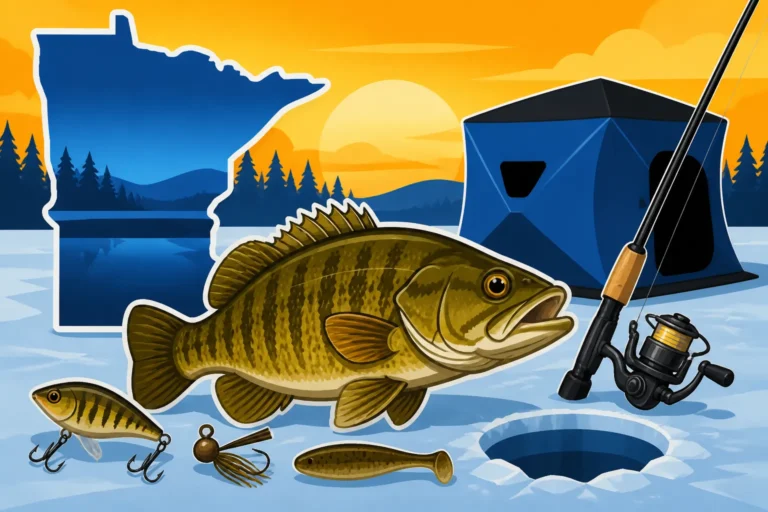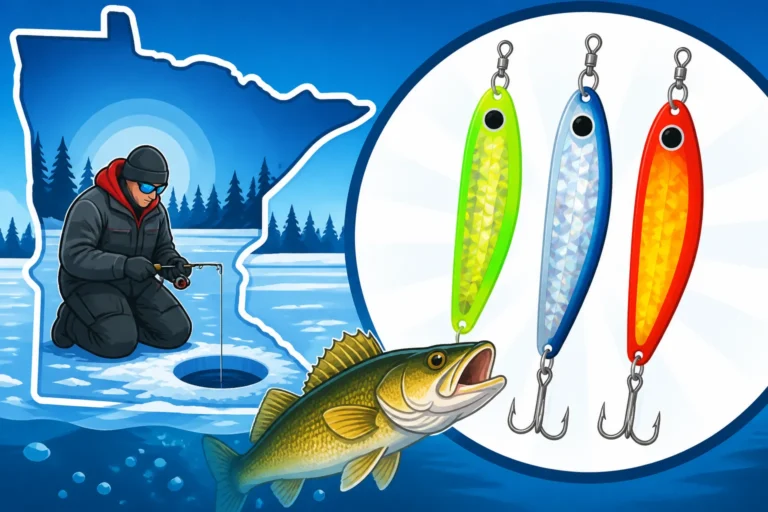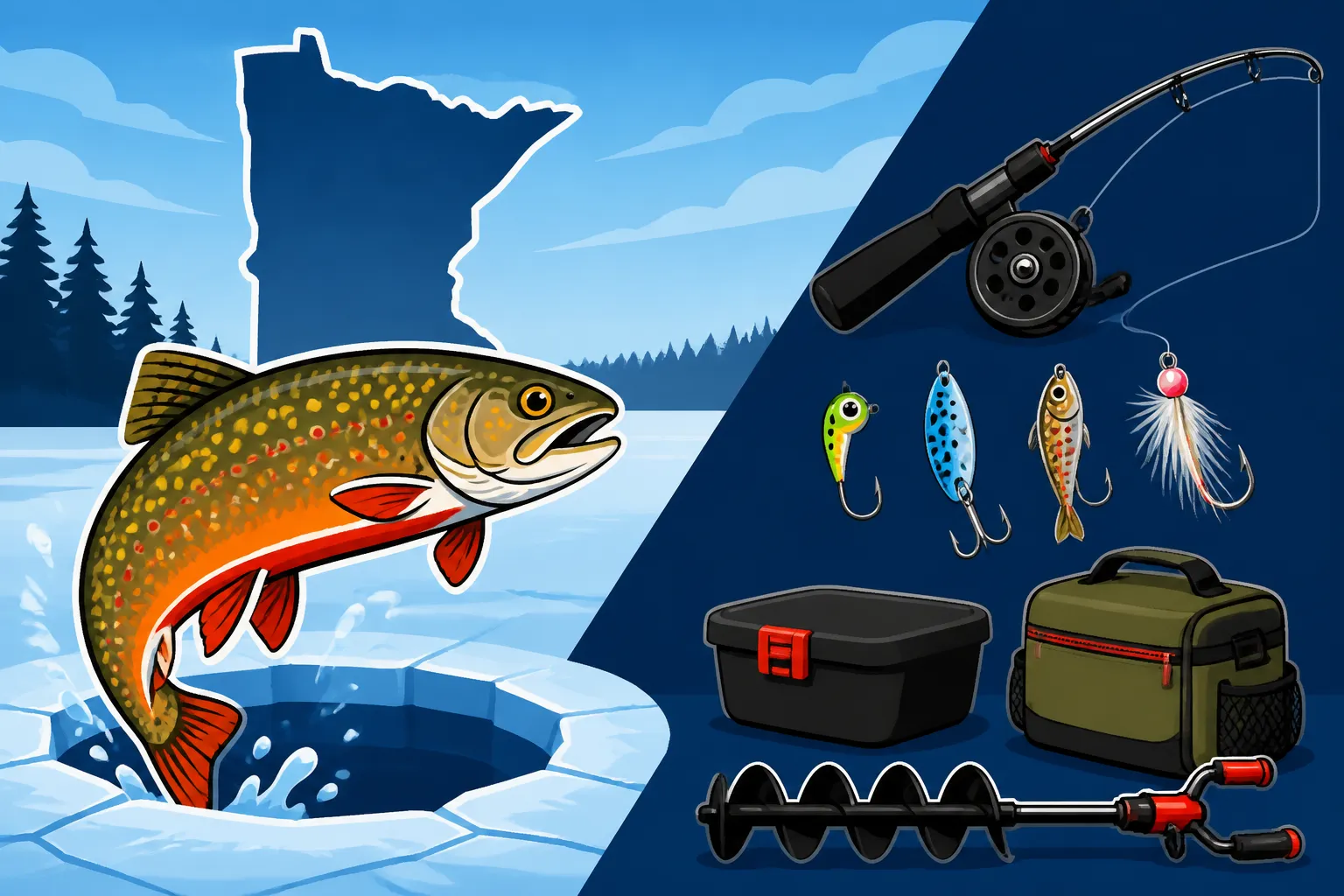
Best Gear for Ice Fishing Brook Trout in Minnesota
Ice fishing for brook trout in Minnesota can feel like chasing ghosts sometimes, right? These beautiful, often finicky fish inhabit some of our state's most pristine, but also challenging, winter waters. You can't just throw any old gear down a hole and expect success. This comprehensive guide will walk you through the very best specialized rods, reels, lines, lures, electronics, and crucial accessories you'll need to outsmart Minnesota's elusive brook trout through the ice, making your next outing more productive and enjoyable.
Specialized Rods and Reels for Ice Trout Success
When you're chasing brook trout, especially through a hole in the ice, your rod and reel setup isn't just a suggestion; it's absolutely critical. These aren't big, hard-fighting pike that'll hammer anything; brookies are often subtle biters, particularly in the cold water of winter. You need a setup that speaks their language – light, sensitive, and capable of handling finesse presentations.
Ultra-Light Rods for Unmatched Sensitivity
The name of the game with brook trout is sensitivity. You're often dealing with tiny jigs, delicate bait presentations, and bites that feel more like a slight pressure change than a definitive tug. This is precisely why an ultra-light action ice rod, typically ranging from 24 to 30 inches in length, is your best friend.
Imagine peering down a hole, perhaps in a portable ice shelter, focusing intently on your line. A brook trout might not aggressively strike your lure; instead, it might simply "mouth" it, or even just breathe on it, causing the lightest tick. A high-quality graphite rod with a fast or extra-fast tip action will transfer even the most minute of these subsurface interactions directly to your hand. A slower action rod might absorb these subtle signals, leaving you wondering if you just missed a fish. The ideal rod will have a backbone strong enough to set the hook, but a tip so limber it telegraphs every vibration. Many anglers find the shorter rods easier to manage in the confines of an ice shelter, offering precision when jigging tiny lures.
Micro Spinning Reels for Precision and Control
Pairing your sensitive rod with an equally matched reel is non-negotiable. For brook trout ice fishing, you'll want to gravitate towards micro-sized spinning reels, typically in the 500 to 1000 series. These reels are designed to be lightweight, balancing perfectly with the ultra-light rods and preventing your setup from feeling tip-heavy or cumbersome.
The key features to look for in these smaller reels are a smooth drag system and a precise retrieve. Brook trout, while not usually massive, can put up a surprisingly spirited fight, especially when hooked on light line. A jerky or inconsistent drag can easily lead to a snapped line or a pulled hook. You want a drag that peels out line seamlessly under pressure, protecting your delicate 2-4 pound test. Additionally, a smooth retrieve allows for subtle lure manipulation, whether you're slowly lifting a tiny jig or giving a micro spoon just enough action to entice a wary fish. Many anglers prefer front-drag systems for their typically finer adjustments, which can be crucial when battling a fish on thin ice and light tackle.
Fine-Tuning Your Line and Lure Selection
Once you've got your rod and reel sorted, it's time to think about what connects you to the fish: your line and your presentation. Brook trout are notorious for their excellent eyesight, especially in the clear water they often inhabit. This means stealth and finesse are paramount when selecting your line and lures.
Stealthy Line Choices
When you're fishing for brook trout through the ice, especially in shallower or clearer waters, they can be incredibly line-shy. They'll scrutinize anything that looks unnatural, and a thick, highly visible line can send them packing. This is why lighter, less visible line is absolutely essential.
Many seasoned trout anglers swear by 2 to 4 pound test fluorocarbon line as their main line. Fluorocarbon has a refractive index very similar to water, making it virtually invisible underwater. It also offers excellent sensitivity and very low stretch, which helps transmit those faint bites to your rod tip. Another solid option is a good quality monofilament line in the same pound test range. While slightly more visible than fluorocarbon, modern monofilament is incredibly supple and offers a bit more stretch, which can be forgiving with aggressive hooksets on light line. Some anglers prefer a very thin braid main line with a long (3-6 foot) fluorocarbon leader. While braid offers extreme sensitivity and no stretch, the braid itself can be highly visible, making the fluorocarbon leader a necessary component for tricking those wary brookies. Remember, when you're targeting stream trout in Minnesota, checking the local regulations for specific streams or lakes is always a smart move to ensure you're compliant with any special provisions.
Micro Jigs and Baits for Enticing Bites
Brook trout typically feed on small insects, aquatic invertebrates, and tiny baitfish. Your lure selection should mimic these natural food sources. Forget about large spoons or heavy jigs; think small, subtle, and realistic.
Tungsten jigs are often the unsung heroes of brook trout ice fishing. Their density means that even in tiny sizes (like 1/32 oz, 1/64 oz, or even smaller), they sink quickly, allowing you to get back to the strike zone efficiently. These jigs come in a huge array of colors and shapes, from simple round balls to realistic insect imitations. Common colors include natural shades like brown, black, olive, and white, but don't shy away from brighter colors like chartreuse or orange, especially in stained water or during low-light conditions. Pairing these tiny jigs with a single wax worm, a eurolarvae, or even a small piece of soft plastic can be incredibly effective. For those days when brook trout are a bit more active, small flutter spoons or minnow-profile jigs, like the Clam Leech Flutter Spoon or Northland Forage Minnow, can also produce results. The key is to jig them very subtly – small twitches, pauses, and slow lifts are often more productive than aggressive movements. You can find a fantastic array of these specific tungsten jigs on Amazon, making it easy to experiment with various options from your couch.
| Gear Category | Recommended Specification | Why It's Important for Brook Trout |
|---|---|---|
| Rod | 24-30" Ultra-Light Graphite | Extreme sensitivity for delicate bites |
| Reel | 500-1000 Series Spinning | Smooth drag, balanced, light feel |
| Main Line | 2-4 lb Fluorocarbon/Mono | Low visibility, sensitivity |
| Lure | 1/32 – 1/64 oz Tungsten Jig | Small profile, quick drop, subtle |
| Electronics | High-Resolution Flasher | Real-time fish detection, lure tracking |
| Shelter | Dark, Portable Hub or Flip-Over | Concealment from spooky fish, warmth |
Essential Electronics and Shelters for Ice Trout Hunters
Beyond your rod and reel, having the right supporting gear can dramatically improve your success rate for ice fishing brook trout. Electronics help you find them, and shelters provide the comfort and concealment you need to entice bites.
Flashers for Locating and Presenting Your Lure
If you're serious about ice fishing for brook trout, a quality flasher or fish finder is arguably your most important piece of electronics. These units provide real-time feedback on what's happening under your ice hole, which is invaluable when targeting wary fish like brook trout. The competition between brands like Vexilar, Humminbird, and Garmin means there's a fantastic unit out there for every budget and preference.
A flasher allows you to see your lure in the water column, detect fish approaching it, and, most crucially, observe their reaction to your presentation. This immediate feedback helps you adjust your jigging cadence, depth, and even your lure choice in real-time. For brook trout, whose bites can be incredibly subtle, a flasher often shows you the fish inspecting or even "inhaling" your lure before you feel anything on your rod tip. This visual cue lets you set the hook on bites you might otherwise miss. Many brook trout anglers swear by their ability to track a fish rising to their lure, then subtly lift or drop it to trigger a strike. It's almost like playing a video game, giving you a distinct advantage in understanding fish behavior and maximizing your hook-up ratio. To learn more about selecting the right unit, check out our guide on Best Ice Fishing Flashers: Vexilar vs Humminbird vs Garmin.
Portable Shelters for Comfort and Concealment
Brook trout, especially in clear waters, can be incredibly spooky. Any shadows, movements overhead, or even vibrations on the ice can send them scattering. A portable ice shelter isn't just about keeping you warm; it's a critical tool for stealth and concealment.
Darkening your fishing area by using a portable hub-style or flip-over shelter creates an intimate environment where you can often sight-fish in shallower waters, observing the trout's behavior directly. This is a huge advantage when fish are hesitant. Beyond concealment, a good shelter provides crucial protection from Minnesota's often brutal winter winds and cold temperatures. Comfort is key to focus, and a warm shelter allows you to concentrate on those subtle bites without constantly battling the elements. Brands like Clam and Otter offer a wide range of highly portable and insulated shelters that are perfect for chasing brook trout across various bodies of water. Remember to always be aware of the Minnesota Ice Fishing & Shelter Rules, especially regarding removal deadlines.
Crucial Accessories for a Successful Brook Trout Trip
Beyond the core fishing tackle and shelter, a few essential accessories can make your brook trout ice fishing experience significantly more enjoyable, safer, and ultimately more successful. These small additions can dramatically impact your day on the ice.
Ice Augers and Strategic Hole Management
Getting through the ice efficiently and quietly is paramount, especially when targeting wary brook trout. While heavy-duty gas augers have their place, many brook trout anglers prefer electric or even hand augers for several reasons.
Electric augers, like the StrikeMaster Lithium 40V or ION models, are incredibly quiet, which is a massive advantage when trying not to spook fish in sensitive trout waters. They're also lightweight and start instantly, without the hassle of mixing gas or dealing with pull cords. For those who prefer a more budget-friendly or minimalist approach, a sharp hand auger with a 4-6 inch cutting diameter is perfect. Brook trout don't require massive holes, and smaller holes are quicker to drill and safer to fish around. Plus, in situations where you're drilling numerous holes to find active fish, a lightweight hand auger can save your energy. Strategic hole placement, often drilling a series of holes to cover different depths or structures, is a common tactic, and quiet augers allow for this without sending vibrations across the lake. If you're looking for an upgrade, consider our comparison of the Best Ice Augers for Minnesota: Electric vs Gas.
General Gear and Safety Considerations
No matter what you're fishing for, safety on the ice should always be your top priority. Beyond safety, a few other general gear items will significantly enhance your brook trout ice fishing adventure.
First and foremost, invest in proper ice safety gear: ice picks, a spud bar for checking ice thickness, and a float suit. Finding good quality thermal bibs or a float suit from companies like StrikerICE or Clam through online retailers like Amazon can make all the difference between a cold, miserable day and a comfortable, safe one. These suits offer incredible insulation and, critically, provide flotation in the event of an unexpected plunge. A small, portable heater for your shelter, even a compact propane model, can keep you comfortable during long waits. Don't forget an ice scoop to keep your holes clear, a small tackle box or bag to organize your tiny lures, and plenty of warm layers, hats, and gloves. Remember that targeting trout often requires a Minnesota Trout Stamp & Trout Regulations in addition to your regular fishing license. Knowing the specific regulations for the body of water you're fishing, including daily limits and size restrictions for Stream Trout Season & Limit in Minnesota, is critical for responsible angling. By being well-equipped and mindful of safety, you can truly enjoy the unique challenge and reward of ice fishing for brook trout in Minnesota.
Disclaimer
Fishing regulations, conditions, and product availability can change. Always consult the latest Minnesota Department of Natural Resources (DNR) fishing regulations before heading out on the ice. Exercise caution and prioritize safety when ice fishing. This guide is for informational purposes only and does not guarantee fishing success.