Best Lures & Baits for Minnesota by Species
Navigating the overwhelming array of fishing lures and baits on the market can feel like a labyrinth, leaving even seasoned anglers scratching their heads. With so many choices, it's easy to get lost and waste money on gear that simply doesn't produce. This comprehensive guide is designed to cut through the noise, breaking down the best lures and baits for targeting Minnesota's most popular fish species, ensuring your tackle box is stocked with proven fish-catching essentials for every scenario.
Understanding the Basics: Why Lure Choice Matters
Before we dive into the species-specific recommendations, it's crucial to understand that lure and bait selection isn't just about what looks good to us. Fish perceive their environment in unique ways, and their feeding behavior is influenced by a myriad of factors. What works like magic one day might be completely ignored the next, making informed choices essential for consistent success on the water.
Matching the Hatch: Mimicking Natural Forage
One of the most fundamental principles in fishing is "matching the hatch." This means choosing a lure or bait that closely resembles the natural food source (forage) that the fish are currently eating in a particular body of water. If walleyes in Lake Mille Lacs are gorging on young perch, then a lure that looks, swims, or even smells like a perch is likely to be more effective than, say, a frog imitation.
Consider the size, shape, and color of the local forage. Are the minnows tiny shiners, chunky fatheads, or slender dace? Are crayfish abundant, or are insect larvae the primary food source? A small, dark jig might perfectly mimic a burrowing insect nymph, while a silver crankbait could be a dead ringer for a fleeing baitfish. Paying attention to what's in the water, or even what fish spit up in your livewell, can provide invaluable clues. It's not always about exact replication; sometimes it's about suggesting an easy meal.
Water Conditions and Light Penetration
The clarity and depth of the water, along with available light, dramatically impact how fish see and react to your offerings. In Minnesota, we fish everything from crystal-clear Boundary Waters lakes to the tannin-stained rivers of the north, and these conditions demand different approaches.
In clear water, fish have excellent visibility, so natural colors, subtle actions, and smaller profiles often work best to avoid spooking them. Think about realistic patterns, translucent soft plastics, or muted hues. Conversely, in murky or stained water, or during low-light conditions like dawn, dusk, or heavily overcast days, fish rely more on vibration, displacement, and silhouette. This is when brighter colors like chartreuse, orange, or white, along with lures that create a lot of flash or thumping action, really shine. A noisy rattling crankbait might be ignored in a clear lake but become irresistible in the Red River after a rain. Remember, fish don't see colors the same way we do, and certain wavelengths penetrate water differently, so what looks vibrant to you might appear dull to a fish deep underwater.
Understanding Fish Behavior and Mood
Fish aren't always hungry, and their "mood" or activity level heavily influences their willingness to strike. Sometimes they're actively feeding, chasing down anything that moves. Other times, they're neutral, holding tight to cover, and only a perfectly presented bait will tempt them. And then there are those days when they're completely lethargic, requiring an aggressive, irritating presentation to provoke a reactionary strike rather than a feeding one.
Water temperature is a huge factor here. In cold water (early spring or late fall), fish metabolisms are slower, and they prefer slower-moving, easy-to-catch meals. Think about subtle jigging or slowly dragged live bait. As water warms, their metabolism increases, making them more active and willing to chase fast-moving lures. Atmospheric pressure changes, wind, and even lunar phases can also play a role. A slow, methodical retrieve with a plastic worm might entice a neutral largemouth hiding in the weeds, while a rapidly burned spinnerbait could trigger a defensive strike from a territorial northern pike. Understanding these nuances helps you select not just what to throw, but how to present it.
Walleye Wonders: Proven Lures & Baits for Minnesota's State Fish
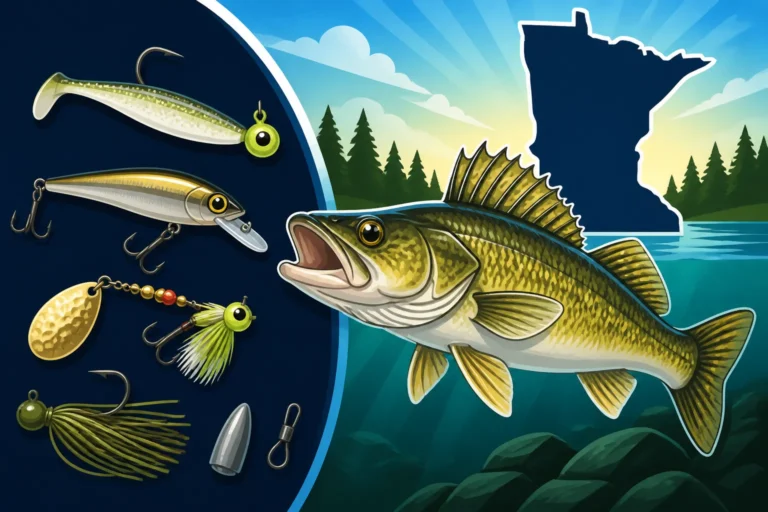
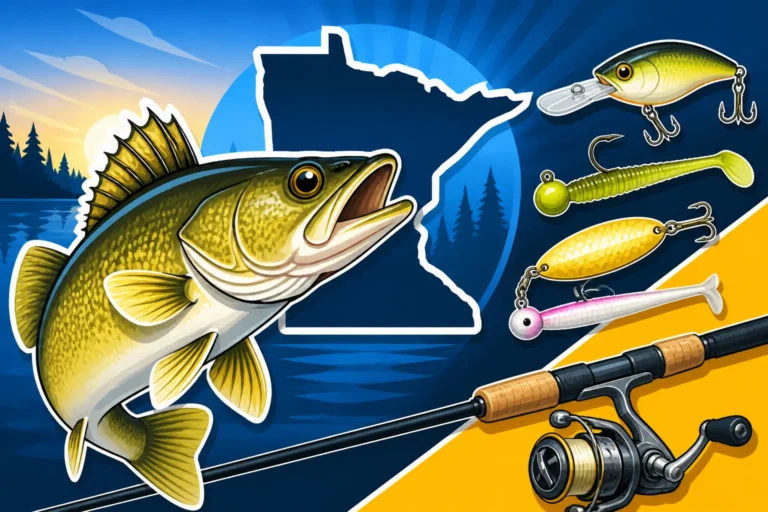
Ah, the walleye. Minnesota's state fish and arguably the most sought-after species by anglers across the state. They're delicious, challenging, and endlessly fascinating. Successfully targeting walleyes often involves a combination of tried-and-true methods and adapting to their finicky nature. From the sprawling mud flats of Lake Mille Lacs to the deep breaks of Lake Vermilion, these techniques and lures consistently put walleyes in the boat (or on the ice!).
Classic Live Bait Rigs for Walleye
When it comes to walleyes, live bait is king for a reason – it simply works. The natural scent, subtle movement, and irresistible appeal of a live minnow, leech, or nightcrawler can trigger bites when artificials fail. Mastering a few key live bait rigs is fundamental for any serious walleye angler.
The slip bobber rig is a versatile setup, allowing you to present live bait at a precise depth, whether you're targeting shallow weed lines or deep rock piles. A lively leech, a shiner minnow, or a plump nightcrawler suspended beneath a bobber is often all it takes. This is particularly effective during calmer conditions or when fish are suspended. Many anglers swear by it for early season walleye fishing after the opener when fish are transitioning from spawning. The key is to let the bobber do its job, indicating even the most subtle bite.
For presenting bait directly on or near the bottom, Lindy Rigs (or similar bottom bouncer setups) are indispensable. These rigs typically involve a sliding weight (the bottom bouncer) followed by a snell (a leader with a hook) to which you attach a live minnow (like a rainbow chub or sucker minnow), a crawler, or a leech. You slowly drag these rigs along the bottom, feeling for subtle taps. This technique shines on breaks, points, and mud flats, especially when targeting active feeding fish. Understanding "Best Live Bait for Walleye (Leeches, Minnows, Crawlers)" will significantly boost your success with these rigs. For deeper presentations, especially over hard bottom, a three-way swivel rig with a dropper weight and a snelled hook can also be incredibly effective, allowing your bait to flutter enticingly just off the bottom.
Jigs and Soft Plastics: Versatility in Action
If there's one artificial lure that every walleye angler should have in abundance, it's the jig. Jigs are incredibly versatile, mimicking everything from minnows to crawfish, and can be fished in countless ways. The classic jig and minnow combination is a time-tested walleye catcher, especially in cooler water or when fish are less aggressive. A lively fathead or shiner on a plain lead head jig (1/8 to 1/4 ounce are common sizes) is hard to beat for pitching to shallow breaks or vertical jigging deeper structure.
Soft plastics have revolutionized jig fishing, offering durability and a wide array of actions. Paddle tails and curly tails rigged on a jig head provide enticing swimming or wiggling actions. Brands like Berkley PowerBait and Z-Man offer incredibly effective soft plastics that can be tipped with a piece of crawler or a minnow for added scent and appeal. When jigging, colors like chartreuse, orange, white, and various greens are popular, especially in stained water, while more natural patterns (perch, smelt) excel in clear conditions. Learning "How to Jig for Walleye From a Boat" can help you master this essential technique, whether you're pitching to weed edges or precisely working contour lines. The key with soft plastics is often experimentation with retrieve speed and jigging cadence until you find what the fish want.
Crankbaits and Trolling Techniques
Crankbaits are another powerhouse for walleyes, particularly when fish are scattered or you need to cover a lot of water quickly. They're especially effective for trolling, allowing you to present a bait at a consistent depth and speed, often triggering reaction strikes from active fish.
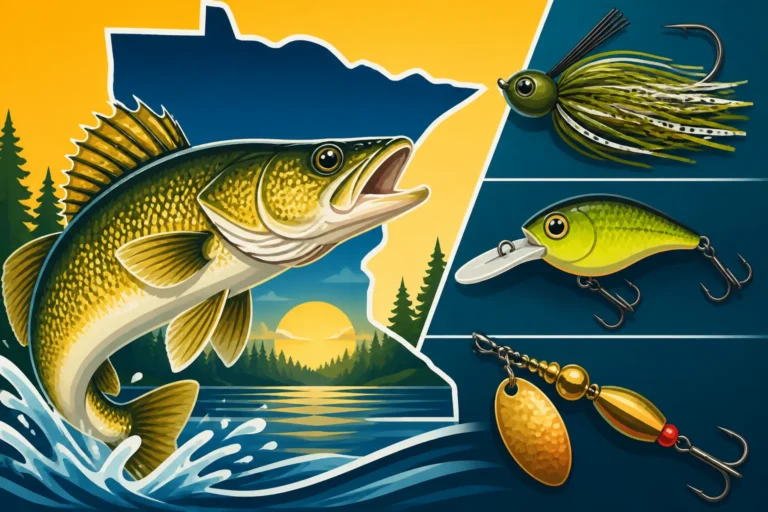
You'll encounter various types of crankbaits, each designed for different depths and actions. Diving crankbaits (like the Rapala Shad Rap or Berkley Flicker Shad) are workhorses, reaching various depths depending on lip size and line retrieve. Stickbaits (Rapala Original Floater or Husky Jerk) are excellent for shallow trolling or casting, mimicking slender baitfish. Lipless crankbaits (like the Rapala Rippin' Rap) are great for covering flats or breaking through weeds, creating a lot of vibration and flash. When trolling, selecting the right crankbait that dives to the desired depth is crucial, along with adjusting your speed. Typically, walleyes prefer slower trolling speeds (1.5-2.5 mph), but don't be afraid to experiment. Matching color to forage and water clarity remains important; natural patterns work well in clear water, while firetiger or brighter colors excel in stained conditions or low light. For deeper presentations, "Trolling for Walleye: Crankbaits & Leadcore" provides invaluable insights into using lead core line or even downriggers to reach those deeper walleyes.
| Walleye Lure/Bait Type | Best Conditions | Key Technique | Recommended Size/Color |
|---|---|---|---|
| Live Minnows | All conditions, especially cold | Slip bobber, Lindy Rig | 3-5 inches (shiners, fatheads), natural |
| Leeches | Warmer water, neutral fish | Slip bobber, Lindy Rig | Medium-Large, black/brown |
| Nightcrawlers | All conditions, especially summer | Slip bobber, Lindy Rig, spinner rig | Full or half crawler, natural |
| Jigs (1/8 – 1/4 oz) | Vertical jigging, pitching | Lift & fall, snap jigging | Chartreuse, white, orange, natural minnow |
| Soft Plastics (Paddle/Curly Tail) | Active fish, searching | Steady retrieve, jigging | 3-5 inches, perch, shiner, chartreuse |
| Diving Crankbaits | Trolling, casting, active fish | Trolling (1.5-2.5 mph), retrieve | 2-4 inches, natural, firetiger, perch, blue/silver |
| Lipless Crankbaits | Cover flats, weeds, reaction | Rip & pause, steady retrieve | 2-3 inches, chrome, crawfish, shiner |
Northern Pike & Muskie Mayhem: Big Baits for Big Fish
Northern Pike and Muskie are the toothy predators of Minnesota's waters, known for their aggressive strikes and powerful fights. While they share some similarities, targeting these apex predators often means upsizing your gear and embracing the "go big or go home" mentality. Landing one of these giants is an unforgettable experience, and the right lures are critical.
Spinnerbaits and Bucktails: Flash and Vibration
Spinnerbaits and bucktails are absolute necessities for both pike and muskie. These lures combine flash, vibration, and often a bulky profile, making them incredibly effective at attracting aggressive fish from a distance.
Spinnerbaits for pike typically feature one or two blades (Colorado, Willowleaf, or Indiana) and a silicone or marabou skirt. They cast well, come through weeds easily, and produce a lot of thumping action. For pike, sizes ranging from 1/2 oz to 1 oz are common. In clearer waters, silver or gold blades with white, chartreuse, or natural-colored skirts can be deadly. In stained water or during low light, brighter skirt colors with painted blades often provoke strikes. Their weedless nature makes them perfect for ripping through emergent vegetation where pike love to ambush prey.
For muskies, you step up to bucktails, which are essentially oversized spinnerbaits with large, heavy blades and a flowing bucktail or synthetic skirt. These lures are designed to move a lot of water, create massive flash, and trigger the predatory instincts of the "fish of 10,000 casts." Popular muskie bucktails include those with double Colorado blades (like Musky Frenzy or Mepps Musky Killer) which create maximum thump and lift, or in-line single blades that can be retrieved faster. Retrieving bucktails requires a fast, steady pace, often ending with a dramatic "Muskie Figure-8 Technique" at the boat to convert followers into strikers. Colors vary wildly, but black/orange, black/nickel, and various fluorescents are perennially popular, adapting to conditions and forage.
Jerkbaits and Glide Baits: Erratic Action
When pike and muskie are a bit more finicky, or when you want to mimic an injured baitfish, jerkbaits and glide baits are excellent choices. Their erratic, darting action can be irresistible.
Jerkbaits are elongated, minnow-shaped lures designed to be fished with a "twitch, twitch, pause" retrieve. The pause is often when the strike occurs, as the bait suspends tantalizingly in the water column. For pike, smaller jerkbaits (4-6 inches) like the Rapala X-Rap or Smithwick Rattlin' Rogue work well. For muskies, you'll be looking at larger versions, often 8-12 inches, from brands like Grandma, Suick, or Livingston Lures. These can be suspending (staying at a specific depth on the pause), floating (slowly rising), or sinking. When fishing for muskies, a floating jerkbait can be particularly effective in shallower water or over weed tops, allowing you to pause it right above the cover.
Glide baits are a more specialized category, designed to "glide" from side to side with a subtle retrieve. They require a specific rod action, but their wide, slow, sweeping motion can be incredibly effective on pressured fish or those that are less aggressive. Brands like Phantom Lures and Salmo offer popular glide baits that, when mastered, can be a potent weapon. These lures excel at drawing followers and converting them, often in clearer water where their realistic action can be fully appreciated. Both jerkbaits and glide baits are fantastic tools for "Muskie Fishing in Minnesota: The Fish of 10,000 Casts", requiring patience and dedication but delivering incredible rewards.
Large Soft Plastics and Swimbaits
The world of soft plastics has expanded to include some truly enormous offerings that are perfect for big pike and muskie. These lures offer incredible realism, a natural feel, and diverse actions.
Giant paddle tail swimbaits (like those from Storm or Chaos Tackle) are designed to mimic large baitfish, such as suckers or ciscoes. Rigged on heavy jig heads or weighted swimbait hooks, they can be cast and retrieved steadily, or slow-rolled along breaks and deep weed edges. Their thumping tail creates a strong vibration that big predators can feel from afar. Sizes can range from 6 inches up to a foot or more for muskies.
Other large soft plastics include curly tail grubs (often called "bulldawgs" in the muskie world, popularized by Musky Innovations) that have a massive, undulating tail, or large soft jerkbaits that can be twitched and paused subsurface. These lures offer a different presentation than hard baits, often with a more subtle splash down and a softer feel when a fish strikes, which can be advantageous in certain conditions. They can be particularly effective when fishing around dense cover where a snagged treble hook would be problematic, as they can be rigged weedless with single hooks. These baits offer a lifelike swimming action that can tempt even the most wary northern pike in Minnesota's waters.
Bass Blitz: Lures for Largemouth & Smallmouth
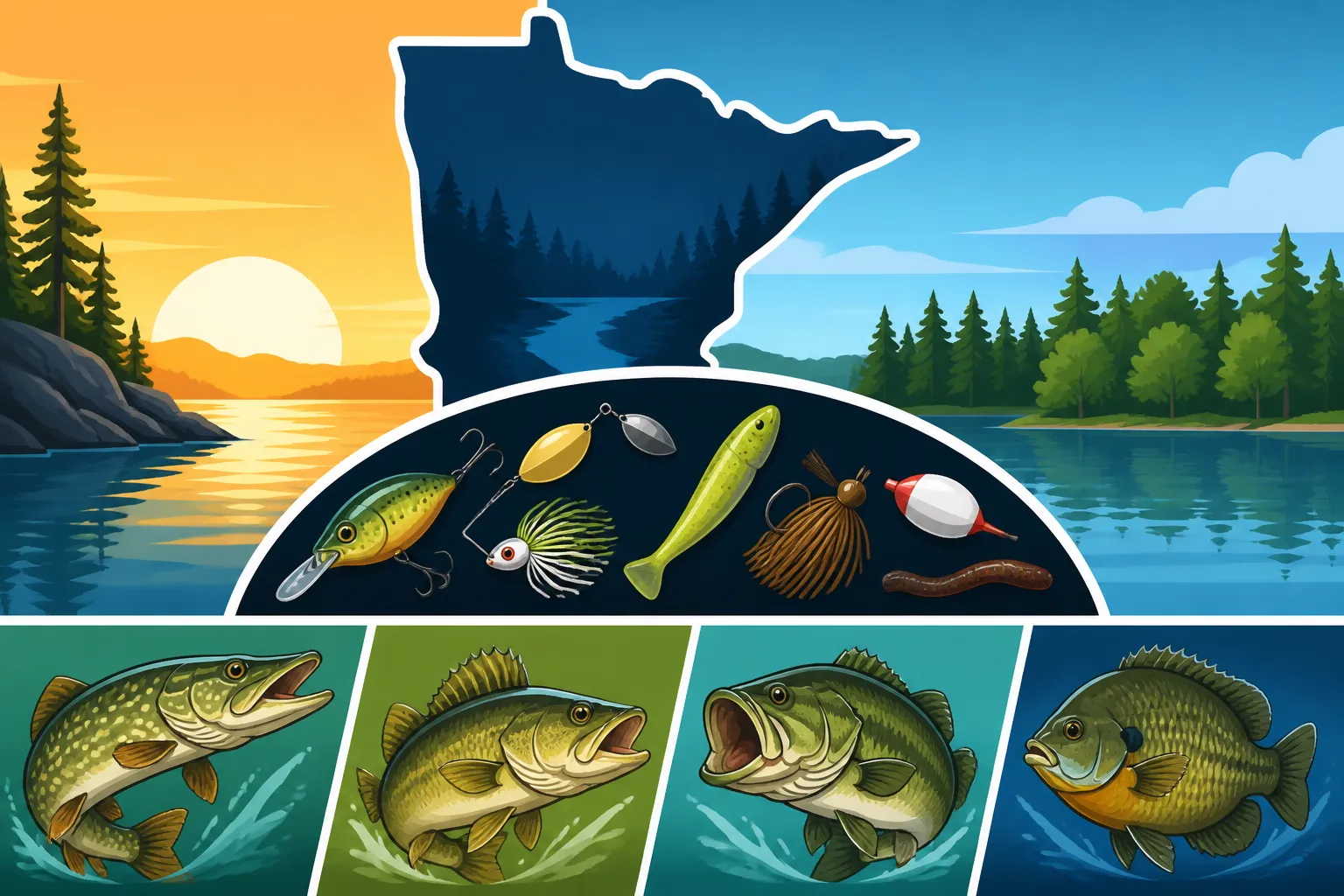
Minnesota's bass fishing scene is absolutely vibrant, offering incredible opportunities for both hard-fighting largemouth and acrobatic smallmouth. While they share the "bass" name, these two species often prefer different habitats and thus respond best to different lures and presentations. Understanding these distinctions is key to a successful bass outing.
Topwater Temptations: Explosive Strikes
There's nothing quite like the heart-stopping thrill of a bass blowing up on a topwater lure. These baits are designed to be fished on the surface, creating commotion that calls fish up from below. Topwater is often most effective during low-light conditions (dawn, dusk, overcast days) or when fish are actively feeding in shallow water.
Poppers (like the Rebel Pop-R or Heddon Pop-n-Frog) create a distinct "pop" and splash when twitched, mimicking a struggling insect or small baitfish. They're excellent around docks, lily pads, and submerged timber. Walking baits (Heddon Zara Spook, Strike King Sexy Dawg) are fished with a rhythmic "walk-the-dog" retrieve, causing them to glide from side to side. This imitates a fleeing baitfish and can be incredibly effective over open water or sparse cover. Buzzbaits feature a propeller blade that churns water, creating a buzzing sound and surface commotion as you reel them in. They're fantastic for covering water quickly, especially around emergent vegetation. Finally, frogs (hollow-body frogs from brands like SPRO or LIVETARGET) are designed to be fished directly over dense lily pads, matted grass, or other thick cover where other lures would snag. Their weedless design allows them to glide effortlessly, enticing explosive strikes from largemouth hiding below. Exploring "Topwater Bass Fishing in Minnesota" can help you master these exciting techniques.
Jigs, Worms, and Soft Plastics: Finesse and Power
Soft plastics are arguably the most versatile category for bass fishing, allowing for both subtle, finesse presentations and powerful, heavy-cover assaults.
For largemouth bass tucked deep in cover, flipping jigs (paired with a soft plastic craw trailer) are deadly. These heavy jigs are designed to penetrate dense vegetation or fall quickly through thick brush, enticing strikes from bass that are otherwise inaccessible. Football jigs, with their wide heads, are perfect for dragging along rocky bottoms for both largemouth and smallmouth.
Plastic worms come in an astonishing variety of shapes, sizes, and colors. The Texas rig (a bullet weight, bead, and worm hooked weedless) is perhaps the most fundamental and weedless way to fish a soft plastic worm or creature bait. It's incredibly effective for probing weeds, wood, and rock. For smallmouth, a more subtle approach often involves a drop-shot rig, where the weight is below the hook, allowing the worm to suspend enticingly off the bottom. This is a deadly finesse technique, especially in clear water or when smallmouth are reluctant to bite. Another popular finesse technique is the wacky rig, where a plastic worm is hooked through its middle, giving it a unique shimmy on the fall. It's often used with weightless worms and excels in clear, calm water. For more on these effective presentations, look into "Drop-Shot for Smallmouth Bass" to maximize your success.
Crankbaits, Spinnerbaits, and Bladed Jigs
These hard and hybrid lures are perfect for covering water and targeting active bass.
Crankbaits come in various styles. Square bill crankbaits (Strike King KVD 1.5, Rapala Scatter Rap) are known for deflecting off cover without snagging, making them excellent for shallow wood, rock, and sparse weeds. Deep-diving crankbaits (Bandit 200/300, Berkley Dredger) are used to reach deeper bass holding on ledges, humps, or main lake points. Lipless crankbaits (Bill Lewis Rat-L-Trap, Rapala Rippin' Rap) are great for rapidly covering vast flats or ripping through grass, emitting strong vibrations.
Spinnerbaits are workhorses, especially in windy conditions or stained water. With their flashing blades (Willowleaf for speed and flash, Colorado for slow rolling and vibration) and pulsating skirts, they imitate baitfish effectively and can be retrieved through a variety of cover. Brands like Booyah and Strike King offer excellent options.
Finally, bladed jigs (often called Chatterbaits, pioneered by Z-Man) have exploded in popularity. These hybrid lures combine the vibration of a bladed lure with the action of a jig and soft plastic trailer. They create a unique thumping action that bass simply can't resist, performing exceptionally well around grass and other vegetation. Learning "Bass Fishing Techniques for Minnesota Lakes" will equip you with even more strategies for employing these versatile baits.
Panfish Paradise: Crappie, Sunfish & Perch Favorites
Minnesota's panfish — crappie, sunfish (bluegill, pumpkinseed, green sunfish), and yellow perch — are the gateway drug of fishing. They're abundant, relatively easy to catch, and provide fantastic table fare, making them perfect for beginners and seasoned anglers alike. While they might be smaller, specific lure and bait choices can make a huge difference in filling your bucket.
Tiny Jigs and Plastics: The Panfish Staple
When targeting panfish, downsizing is key. Their mouths are small, and their feeding habits often involve pecking at tiny insects, larvae, or small baitfish. This is where small jigs and microplastics truly shine.
Micro jigs, typically ranging from 1/32 ounce down to an astonishing 1/64 or even 1/80 ounce, are the bread and butter. These tiny lead or tungsten jigs are usually fished with ultra-light spinning gear, often paired with 2-4 pound test line. Tungsten jigs have gained popularity because their density allows them to be much smaller than lead jigs of the same weight, offering a more subtle presentation that panfish adore.
These jigs are typically tipped with tiny soft plastics. Think about little tube jigs (1-2 inches), minuscule curly tail grubs, larvae imitations (like Berkley Gulp! Waxies or PowerBait Micro Grubs), or tiny paddle tails. The action of these plastics, even with minimal rod movement, is incredibly enticing. Popular colors vary, but often bright colors like chartreuse, pink, orange, or white work well in stained water, while more natural patterns (black, brown, clear with glitter) are effective in clear water. Vertical jigging them under a "Slip Bobber for Walleye & Crappie" on a weed line, along a dock, or over a brush pile is a deadly tactic. For ice fishing, these micro jigs are indispensable, often used with a slow, quiver-and-pause retrieve to tempt finicky fish.
Live Bait for Panfish: The Undeniable Appeal
While artificials are effective, sometimes nothing beats the real thing. Live bait offers natural scent, taste, and movement that panfish find irresistible, often producing bites when artificials are ignored.
For crappies and perch, small minnows (often called "crappie minnows" or "rosy reds") are incredibly effective. Hooked lightly through the back or lips, they can be fished under a slip bobber near submerged timber, brush piles, or along breaks. A lively minnow struggling at the right depth is a beacon for hungry crappies.
For bluegill and other sunfish, wax worms and spikes (maggots) are quintessential baits. These small, wiggling larvae are packed with scent and provide a perfect mouthful for panfish. They can be threaded onto tiny jigs, small bare hooks (size 10-14 Aberdeen hooks are common), or even small ice fishing spoons. Often, a single split shot placed a foot or so above the hook is all the weight you need. Nightcrawlers, pinched into small pieces, also work wonders for sunfish. Sometimes, you don't even need to move the bait much; the natural squirming is enough. Many anglers find that "How to Catch Bluegill: Easy Beginner Tactics" often starts with a small hook and a piece of nightcrawler.
Small Spoons and Rattle Baits
Beyond jigs and live bait, a few other artificials are incredibly effective for panfish, especially when they're aggressive or when ice fishing.
Small casting spoons like a 1/16 or 1/8 ounce Kastmaster or Little Cleo can be surprisingly effective for larger crappies and perch, especially in open water or when casting to distant schools. Their flash and erratic flutter on the fall can trigger aggressive strikes. For vertical presentations, particularly through the ice, vertical jigging spoons (like those from VMC or Northland Tackle, often tipped with a wax worm or minnow head) are deadly. These spoons flutter and wobble as they fall, imitating an injured baitfish, and their small profile is perfect for panfish mouths.
When fish are active, or when you need to draw them in from a distance, small rattle baits (such as the Rapala Ultra Light Rippin' Rap or other tiny lipless crankbaits) can be incredibly productive. Their internal rattles create a lot of noise and vibration, making them easy for fish to locate, especially in stained water or deeper areas. They can be cast and retrieved, or jigged vertically, making them a versatile option for open water and "Ice Fishing for Crappie & Panfish". Experimentation with retrieve speed and jigging action will help you dial in what the panfish want on any given day.
Trout Tactics: Baits & Lures for Stream & Lake Trout
Minnesota offers diverse trout fishing opportunities, from the rushing riffles of the Driftless Area streams to the deep, cold waters of Lake Superior and its inland lakes. Each environment demands specific tactics and, consequently, different lures and baits. Whether you're chasing elusive brook trout or powerful lake trout, having the right arsenal is essential.
Stream Trout Specifics: Spinners, Spoons, and Worms
When you're wading the pristine streams of Southeast Minnesota, or exploring the small creeks of the North Shore, finesse and presentation are paramount. Stream trout (brook, brown, and rainbow) are wary creatures, and noisy, heavy presentations will often send them scattering.
Inline spinners are a staple for stream trout. Brands like Mepps (Aglia, Comet) and Panther Martin are perennial favorites. Sizes typically range from #0 to #2, with small, sharp treble hooks. The key is to cast slightly upstream and across, letting the current bring the spinner down past suspected holding lies (log jams, undercut banks, pools) while maintaining a slow, steady retrieve to keep the blade spinning. Gold, silver, and black are classic colors, often with a hint of red or orange on the blade or dressing. The flash and vibration mimic small baitfish or large aquatic insects.
Small casting spoons like a 1/16 or 1/8 ounce Kastmaster, Little Cleo, or Daredevil are also excellent. They cast well, even in windy conditions, and have an enticing wobble on the retrieve. These work particularly well in larger pools or wider sections of streams. Natural finishes like silver, gold, or brass, as well as bright colors like red/white, can be effective.
Sometimes, the simplest approach is the best. Live worms, particularly nightcrawlers or redworms, fished naturally with minimal weight or under a small float, are incredibly effective. Trout have an undeniable attraction to worms, which are a natural food source in many streams. A single split shot placed a foot or two above a small hook (size 8-12) with a piece of worm allowed to drift naturally with the current through a run or pool can be deadly. For a deeper dive into these techniques, refer to "How to Catch Stream Trout: Nymphs & Dries", which can even incorporate fly-fishing techniques for specific situations.
Lake Trout Techniques: Jigs, Tubes, and Trolling Gear
Lake trout are a different beast entirely, inhabiting the deep, cold, oxygen-rich waters of northern Minnesota's larger lakes and Lake Superior. Successfully catching them often involves specialized gear and techniques to reach their deep-water haunts.
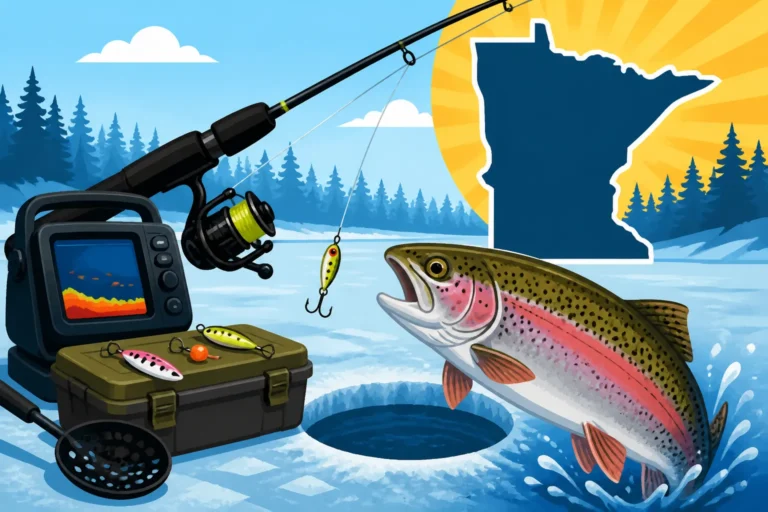
Heavy jigs and tube baits are go-to choices for vertical jigging lake trout. Jigs weighing from 1/2 ounce up to 2 ounces (or more in strong current or very deep water) are common, often tipped with a large plastic grub, a swimbait, or a dead minnow. Tube baits (like those from Bass Pro Shops' own XPS brand or various Berkley Gulp! offerings) are soft plastic tubes that mimic sculpins, a common lake trout forage. They are fished by rapidly jigging them off the bottom, then letting them fall on a slack line to imitate a stunned baitfish. Colors like white, glow, chartreuse, and natural baitfish patterns are effective. This technique is especially popular during the ice fishing season when anglers can target specific depths and structure.
For covering large expanses of water and finding actively feeding lake trout, trolling is often the most effective method. This involves large spoons, stickbaits, or even substantial crankbaits presented at various depths. Spoons like the Sutton, Daredevil, or Northern King in sizes up to 5-6 inches are popular. Bright, flashy colors or natural baitfish patterns are common. To get these lures down to the 50-150 foot depths where lake trout often reside, anglers rely on specialized equipment like downriggers or lead core line. Downriggers precisely control the depth of your lure, while lead core line sinks at a predictable rate based on speed and color segment. Learning "How to Catch Lake Trout: Jigging & Trolling" provides more in-depth strategies for these powerful fish.
Fly Fishing for Trout: A Different Approach
For many, fly fishing represents the pinnacle of trout angling. It's a highly engaging and rewarding method, especially in Minnesota's famous Driftless Area.
Fly fishing for trout involves using specialized gear to cast artificial flies that perfectly mimic the various insects and other forage trout feed on. Nymphs (like Hare's Ear, Pheasant Tail, Prince Nymph) imitate aquatic insect larvae and pupae, which make up the bulk of a trout's diet. They are typically fished subsurface, often with an indicator, mimicking a drifting insect. Dry flies (like Adams, Elk Hair Caddis, Blue-Winged Olive) imitate adult insects that have hatched and are floating on the surface. Fishing dry flies requires precise casting and presentation, as trout can be incredibly selective about what they eat on the surface. Seeing a trout rise to a perfectly presented dry fly is an experience every angler should have.
Streamers are larger, often flashy flies designed to imitate baitfish, crawfish, or leeches. They are fished with an active retrieve, stripping the line to make the streamer dart and pulse, triggering aggressive strikes from larger trout. For anglers looking to embrace this art form, "Fly Fishing the Driftless Area: A Beginner's Guide" offers an excellent starting point for exploring Southeast Minnesota's renowned spring creeks and rivers, where insect hatches often dictate the best fly choice.
Catfish & Sturgeon Strategy: Bottom Dwellers' Delights
While walleyes and bass get much of the spotlight, Minnesota's rivers and larger lakes are also home to some incredible bottom-dwelling giants: channel catfish, flathead catfish, and the prehistoric lake sturgeon. These fish require a different approach, often favoring pungent baits and robust tackle to bring them to hand.
Cut Bait and Stink Baits for Catfish
Catfish, particularly channel and flathead, are primarily scavengers and opportunistic predators. They possess an exceptional sense of smell, which is their primary tool for locating food in often murky or fast-flowing water. This makes scent-heavy baits incredibly effective.
Cut bait is a top choice for both channel and flathead catfish. This involves using pieces of freshly caught baitfish, such as sucker, carp, or shad (if available and legal). The fresher the cut bait, the better, as it releases natural oils and blood that catfish can detect from a distance. For flatheads, live bait (like a large sucker or bullhead) is often preferred, presented whole and lively. For channels, chunking up a sucker or even a bluegill into 1-2 inch pieces works wonders. The key is to present these baits on the bottom, usually with a Carolina rig or a simple slip sinker rig that allows the fish to take the bait without feeling immediate resistance from the weight.
Beyond natural baits, commercial stink baits are incredibly popular for channel catfish. These come in various forms, including prepared dough baits (often called "punch baits" or "dip baits") that are designed to be extremely odorous and adhere to a treble hook or specialized bait holder. Brands like Catfish Charlie, Doc's, or Sonny's Super Sticky Baits are well-known in the catfishing community. They release a strong scent plume in the water, attracting catfish from downcurrent. For best results, use a heavy enough weight to hold your bait firmly on the bottom, especially in river current. Delving into "How to Catch Catfish in Minnesota Rivers" will provide even more specific details for these powerful fish.
Live Bait and Prepared Baits for Sturgeon
Lake sturgeon are truly ancient and magnificent fish, and targeting them requires patience, heavy tackle, and specific baits. The Rainy River, which forms part of Minnesota's border with Ontario, is a prime destination for sturgeon fishing.
Sturgeon, like catfish, rely heavily on their sense of smell and barbels to locate food on the bottom. The most popular and effective bait for sturgeon is a simple nightcrawler bundle. Anglers typically thread several large nightcrawlers onto a single hook, creating a large, squirming, scent-rich ball. Some anglers also experiment with cut bait, particularly oily fish like suckers, or even specific commercial sturgeon baits designed to mimic their natural forage.
Given their immense size and power, sturgeon fishing requires extremely robust tackle. Think heavy-action rods, large conventional reels spooled with 50-80 pound braided line, and strong circle hooks (size 5/0 to 8/0 are common). Circle hooks are preferred because they are designed to hook fish in the corner of the mouth, minimizing deep hooking and making catch-and-release much safer for these long-lived species. It's crucial to use enough weight (often 3-8 ounces of lead) to hold your bait firmly on the bottom in strong river currents. Proper handling and adherence to specific conservation regulations, including needing a special "Lake Sturgeon Regulations & Tag in Minnesota", are paramount when fishing for these vulnerable giants.
River Fishing Considerations: Current and Structure
Both catfish and sturgeon are frequently found in river systems, which adds another layer of complexity to bait presentation: current. The flow of water dictates how fish position themselves and how your bait behaves.
When fishing rivers, understanding current seams and bottom structure is vital. Fish will often hold in slack water pockets behind obstructions (boulders, log jams, wing dams) or in the slower currents of an eddy, waiting for food to wash past. Your goal is to get your bait into these areas. Anchoring your boat upstream of a likely spot and casting downstream, allowing your bait to settle, is a common tactic. Alternatively, drifting slowly with the current, letting your rig bounce along the bottom, can also be effective for covering more ground.
The weight you use is crucial. It needs to be heavy enough to keep your bait stationary on the bottom in the desired location, but not so heavy that it constantly snags. Often, pyramid sinkers or flat, no-roll sinkers are preferred in current. The use of a specialized rig, like a three-way swivel rig with a heavy dropper weight and a snelled hook, can help keep your bait subtly dancing just off the bottom, making it more visible and accessible to foraging bottom dwellers. Paying attention to these current dynamics will greatly increase your chances of connecting with a trophy catfish or sturgeon.
Seasonal Lure Adjustments: Adapting to Minnesota's Year-Round Fishing
Minnesota truly is the Land of 10,000 Lakes, and fishing here is a year-round passion. But what works in May might be completely ineffective in August or January. Fish behavior, location, and feeding patterns change dramatically with the seasons, driven primarily by water temperature and available forage. Adapting your lure and bait choices to these "Seasonal Fishing Patterns in Minnesota" is critical for consistent success.
Spring into Action: Post-Spawn and Emerging Forage
Spring is a time of transition and renewed activity, but also cool water. Immediately after ice-out and through the spawning periods, fish are often sluggish due to cold water temperatures and the exertion of spawning.
In early spring, especially for species like walleye and pike, focus on cold water presentations. This means slower retrieves, subtle movements, and often smaller baits. Walleyes will still be concentrated near spawning areas (rocky points, shallow gravel, river mouths) or moving into adjacent transition zones. Small jigs tipped with minnows, slowly retrieved crankbaits, or even simple slip bobbers with a lively minnow are highly effective. For crappies, they'll move shallow to spawn, and tiny jigs under a bobber in newly emerged weeds or brush are a top tactic. The internal link "Early Season Walleye After the Opener" offers specific guidance for targeting those post-spawn fish.
As the water warms slightly, fish become more active, and forage starts to emerge. Baitfish like shiners become more abundant, and insects begin to hatch. Lures that mimic these small, emerging food sources in natural colors become more effective. Bass, though often still in deeper water during early spring, will begin to move towards shallow spawning beds as water temperatures climb, making soft plastics like jigs and worms excellent choices for pitching to shallow cover.
Summer Strategies: Deep, Fast, and Aggressive
Summer in Minnesota means warm water, abundant forage, and often, highly active fish – though they might be harder to find. Fish, especially predators, will often move to deeper, cooler water or seek out dense cover to escape the sun and heat.
This is the time for power fishing and covering water. For walleyes, this might mean trolling big crankbaits along deep breaks, humps, or main lake points. Lead core line can be essential for getting those baits down to 20-40 feet. Jigging spoons or heavy jigs tipped with plastics can also be deadly when vertically fishing deep structure. For bass, summer can be fantastic for topwater action in the mornings and evenings, but during the heat of the day, they'll be in thick vegetation, under docks, or on deep structure. Flipping jigs, heavy Texas-rigged worms, or deep-diving crankbaits are prime choices.
Summer also brings out the big guns for pike and muskie. They're actively feeding and willing to chase. This is prime time for burning large bucktails, working jerkbaits aggressively, or slow-rolling large swimbaits around weed edges and submerged islands. Night fishing can also be incredibly productive for walleyes and bass during the summer months, as fish move shallower under the cover of darkness.
Fall Feast: Fattening Up for Winter
As days shorten and water temperatures begin to drop, Minnesota's lakes and rivers undergo a magical transformation, often leading to some of the year's best fishing. Fish enter a "feeding frenzy" to fatten up before the long winter.
Fall is often characterized by a return to shallower water as fish chase baitfish migrating off deep summer structure. Look for concentrations of baitfish on main lake points, breaks, and river mouths. Walleyes will be aggressively feeding, and large minnows on Lindy Rigs or jigs, as well as oversized crankbaits, can be incredibly effective. For pike and muskie, fall is trophy time. They are at their heaviest, and they're looking for big meals. Large soft plastics, gliders, and even oversized crankbaits are the name of the game. Focus on areas where baitfish are congregating, as the big predators won't be far behind.
Bass, too, will be feeding heavily, often moving shallower to ambush schooling baitfish. Spinnerbaits, chatterbaits, and swimbaits become highly effective for covering water and targeting these aggressive, calorie-hungry fish. The key is to match the size of your lure to the prevalent forage and not be afraid to use larger presentations, as fish are looking for substantial meals.
Winter Ice Fishing: Downsizing and Patience
When the lakes freeze over, Minnesota fishing doesn't stop; it just moves onto the hard water. Ice fishing demands a complete shift in strategy, often favoring subtlety and precision over power and speed. For a comprehensive overview, check out "Ice Fishing in Minnesota: Complete Beginner-to-Pro Guide".
During winter, fish metabolisms slow down dramatically, and they become less active. This means your lure choices need to reflect their reduced energy levels. Downsizing is almost always the rule. Small jigs (1/16 to 1/32 ounce, often tungsten), tiny spoons, and small rattle baits are essential. These are typically fished vertically with short ice rods, and often tipped with live bait for added scent and appeal.
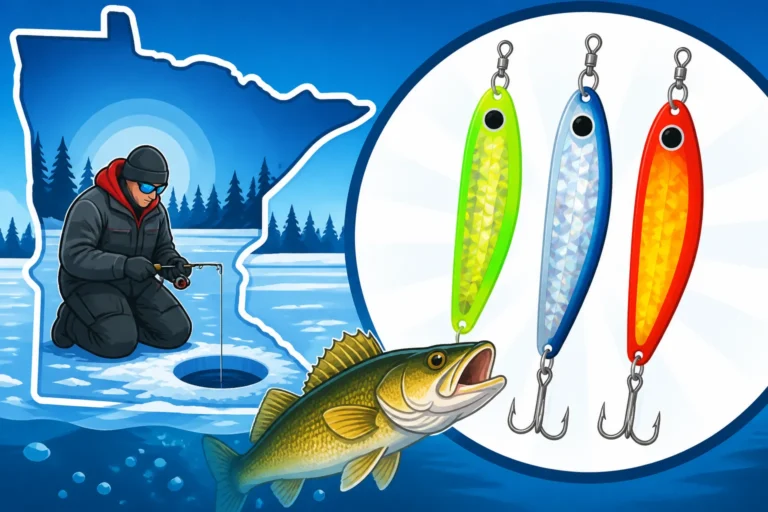
For walleyes, a small jigging spoon (like a Northland Buck-Shot Rattle Spoon or a VMC Tungsten Mongo Jig), tipped with a minnow head or wax worm, can be deadly, especially when jigged just off the bottom or near suspended fish. Active walleyes might hit a small rattle bait. For crappies and sunfish, truly tiny jigs (1/32 to 1/64 ounce) with wax worms or spikes are the standard, often fished under a sensitive bobber in a dark house. Perch love small spoons or horizontal jigs tipped with a grub or a minnow eye. Electronics like Vexilar or Humminbird flashers become invaluable for locating fish and presenting your bait at the precise depth. Patience and subtle jigging actions are often more productive than aggressive movements.
Disclaimer
Fishing regulations, seasons, and limits can change frequently. Always consult the most current Minnesota Department of Natural Resources (DNR) fishing regulations booklet or website before heading out on the water. This guide is for informational purposes only and does not supersede official regulations.