Mississippi River Catfish in Minnesota
Navigating the sprawling waters of the Mississippi River in Minnesota for catfish can feel like searching for a needle in a haystack, especially when you're dreaming of those big, bruising flatheads or a mess of feisty channel cats. It's tough to know where to start on such a massive system, what bait to use, or even which species you're most likely to hook. This guide is here to untangle the complexities, offering clear, actionable advice to help you successfully target and land Mississippi River catfish across our beautiful state.
Understanding Catfish in the Minnesota Mississippi River
The Mississippi River is more than just a waterway; it's a vibrant ecosystem teeming with diverse fish, and among its most prized inhabitants are the various catfish species. For anglers in Minnesota, the river offers a fantastic opportunity to chase these hard-fighting bottom dwellers. But before you cast a line, understanding which catfish you're after and how they behave in this unique environment is key.
Types of Catfish You'll Encounter
When you talk about catfish in the Minnesota stretch of the Mississippi, you're primarily looking at two main players: the Channel Catfish and the Flathead Catfish. They're both fantastic sportfish, but they have distinct preferences and characteristics. Occasionally, you might also find smaller bullheads, which are technically a type of catfish, but they're less often the target for dedicated river catfishing.
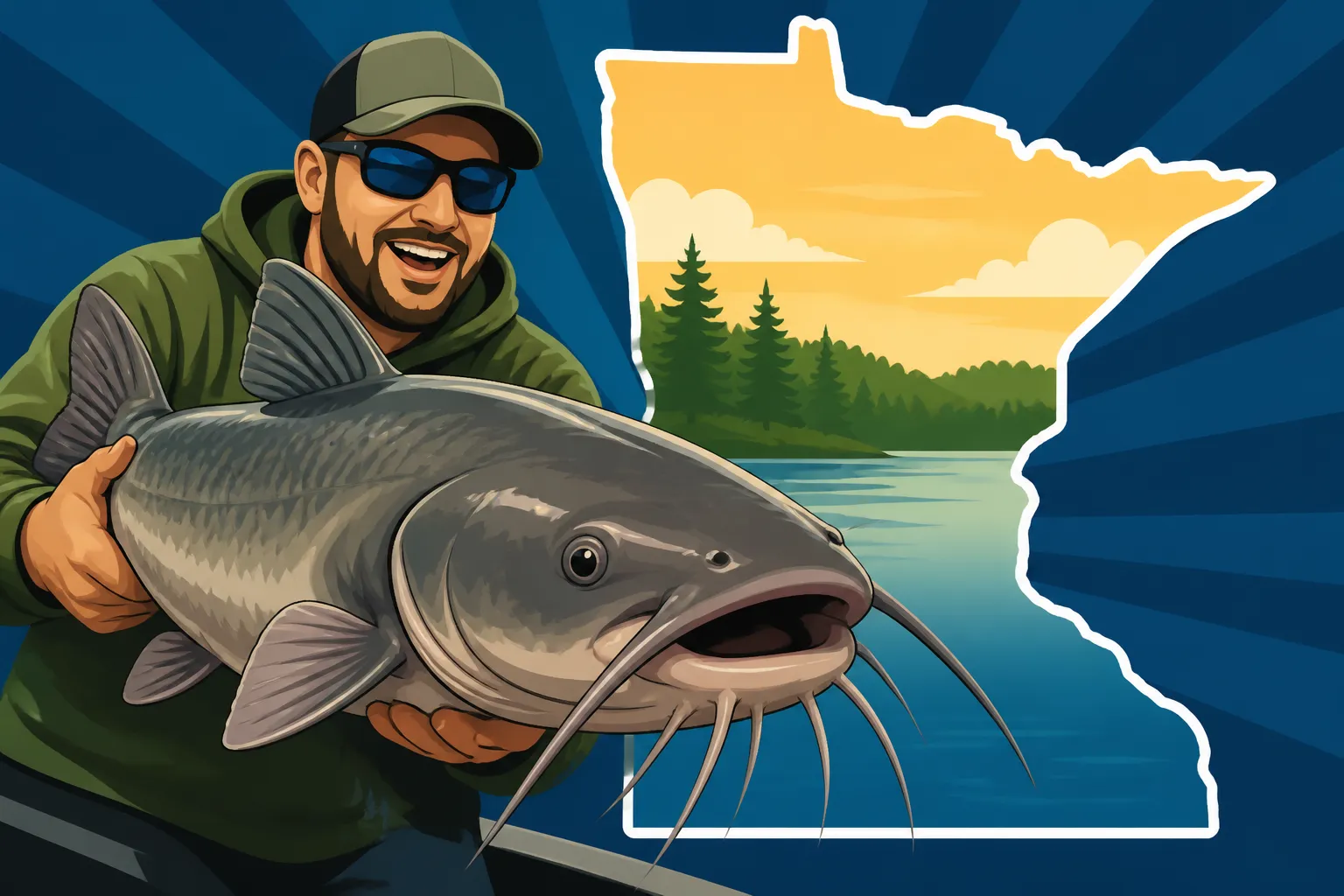
The Channel Catfish is by far the most widespread and abundant catfish in the Mississippi River system in Minnesota. These guys are identifiable by their smooth, scaleless skin, deeply forked tail, and scattered dark spots when they're young (which often fade as they get older). They’re omnivores with a keen sense of smell, making them highly susceptible to smelly baits. They're often found in good numbers and can provide consistent action, making them a favorite for many anglers. If you're looking for a good fight and a delicious meal, the Channel Catfish is your bread and butter. You can learn more about the specifics of the Channel Catfish Season & Limits in Minnesota to ensure you're fishing legally.
Then there's the Flathead Catfish, a true river monster and a bucket-list fish for many. Flatheads are easily distinguished by their broad, flattened heads, lower jaw that protrudes past the upper, and a rounded (not forked) tail. Their coloration is often mottled brown and yellow, providing excellent camouflage against the river bottom. Unlike the opportunistic channel cats, flatheads are ambush predators, preferring live bait or fresh cut bait, and they typically seek out deeper holes, snags, and log jams. Catching a trophy flathead is a serious challenge, but the reward is a powerful, unforgettable battle. Before targeting these giants, make sure you're up-to-date on the Flathead Catfish Season & Limits in Minnesota.
Catfish Behavior and Habitat in the River
Catfish, particularly in a dynamic river system like the Mississippi, are highly influenced by current, structure, and food availability. Understanding their preferences will dramatically improve your chances of success.
Channel cats are often found in areas with moderate current, near cover such as fallen trees, submerged brush piles, or along current seams where food washes by. They also love deeper pools below dams and locks, or tributary mouths where different water temperatures and food sources converge. During warmer months, they might move into shallower flats and sandbars to feed, especially at night. Their diet is incredibly varied, consuming insects, crustaceans, smaller fish, and even decaying organic matter, which is why stink baits are so effective.
Flatheads, on the other hand, are kings of the deep, dark cover. They are almost exclusively found in heavy structure — think massive log jams, deep scour holes carved out by current, rock piles, or undercut banks. They prefer to sit and wait, ambushing unsuspecting live fish or large chunks of fresh cut bait. You won't typically find them in open water or areas with strong, consistent current. Instead, they’ll be tucked away, out of the main flow, in spots where they can comfortably hide and dart out for a meal. The prime time for flatheads often shifts with the seasons, with late spring through early fall being most productive, especially at night. For more general river insights, check out Minnesota River Fishing: Mississippi, Minnesota & St. Croix.
Minnesota Regulations for Catfish
Just like any other species in Minnesota, there are specific rules you need to follow when fishing for catfish on the Mississippi River. These regulations are designed to protect the fishery and ensure healthy populations for future generations of anglers. Always consult the current Minnesota Department of Natural Resources (DNR) Fishing Regulations Handbook, as rules can change annually.
Generally, both Channel Catfish and Flathead Catfish have daily bag and possession limits. These limits can sometimes vary by specific stretches of the river, especially in border water areas with Wisconsin. For example, some stretches might have higher limits for channel cats than flatheads, reflecting their population dynamics. Size restrictions are also common, particularly for flatheads, to protect larger, spawning-age fish. It’s crucial to measure your catch accurately and release any fish that don’t meet the legal size. It's always best practice to know the rules before you go to avoid any trouble.
Best Spots for Catfish Fishing on the Mississippi River
The Mississippi River in Minnesota is a vast system, stretching from its headwaters at Lake Itasca down to the Iowa border. For catfishing purposes, we typically focus on the navigable stretches, particularly from the Twin Cities south, where the river gains considerable size and character. Each pool of the river has its own nuances, but certain types of spots consistently hold catfish.
Upper Mississippi Hotspots (e.g., Pools 1-4 near Twin Cities)
The stretch of the Mississippi River from the Twin Cities (Minneapolis and St. Paul) south through Pools 1, 2, 3, and 4 offers excellent catfishing opportunities, often right within city limits or a short drive away.
Pool 2 (St. Paul to Hastings): This pool is legendary among local anglers for its diverse fishery, including fantastic catfishing. The areas below the Lock and Dam 1 in St. Paul and Lock and Dam 2 in Hastings are prime spots. The turbulence and deep scour holes created by the dam discharge concentrate fish and their food sources. Look for current breaks, deep pockets along the main channel, and any significant log jams. Boat access is plentiful, but shore anglers can also find success around public parks and specific access points. You'll find strong populations of both channel and flathead catfish here.
Pool 3 (Hastings to Red Wing) and Pool 4 (Red Wing to Lake City including Lake Pepin): These pools, especially as you head south toward Red Wing and Lake Pepin, become increasingly productive for larger catfish. The river widens, and the structure becomes even more prominent. Lake Pepin itself, a natural widening of the Mississippi, offers unique challenges but also opportunities, especially along its deeper channels and bluff lines. Tributaries like the Cannon River and Vermillion River contribute their own flows and food, often creating catfish magnets where they meet the Mississippi. Any deep, slow-moving stretch with plenty of submerged timber or rocky bottom is worth exploring. Consider checking Lake Pepin Fishing if you're targeting that specific area.
Southern Mississippi River Targets (e.g., Pools 5-8)
As the Mississippi River flows further south through Minnesota, entering Pools 5, 6, 7, and 8, it picks up even more volume and becomes wider and deeper, offering even greater potential for trophy catfish. This section generally has more remote and wilder stretches, though still accessible.
Pools 5-8 (from Lake City south to the Iowa border): These southern pools are characterized by extensive backwater areas, wing dams, large islands, and deep main channel holes. Wing dams are particularly productive structures; they're designed to maintain the main channel depth but also create significant current breaks and scour holes where catfish congregate. Fish the downstream side of these structures, where the current is calmer but still brings food. Large timber snags, especially those that have accumulated over time, are prime real estate for flatheads. Look for areas with slower current adjacent to the main channel. Many of these areas are part of the Upper Mississippi River National Wildlife and Fish Refuge, meaning boat access is often preferred to reach the best spots.
Finding Your Own Catfish Honey Holes
While known hotspots are a great starting point, the real satisfaction often comes from finding your own secret spots. Here's how to do it:
Study Maps and Satellite Imagery: Use navigational apps like Navionics or physical river charts (like those from the Army Corps of Engineers) to identify key features. Look for channel bends, deep holes (marked by darker blue), tributary junctions, rock piles, wing dams, and areas with obvious log jams. Google Maps satellite view can reveal visible snags, scour marks, and even access points from shore.
Understand River Dynamics: Pay attention to how the river flows. Catfish often sit in current breaks, just out of the main force, where food is carried to them without them expending too much energy. This includes the eddy lines behind points, wing dams, bridge pilings, or large obstructions. Changes in depth, even subtle ones, can concentrate fish.
Explore and Experiment: Don't be afraid to try new spots. If you're boat fishing, use your electronics to scan for depth changes, structure, and even fish arches near the bottom. If you're shore fishing, walk the banks looking for points, cuts, or areas where the current changes. Sometimes the best spots are those that look uninviting to others, like tangled messes of brush and logs. Many anglers even consult services like FishingBooker to find local guides who can offer a day of hands-on education on reading the river and identifying prime catfishing spots they might not otherwise find.
Essential Gear and Baits for Mississippi Catfish
Catching big, hard-fighting catfish on the Mississippi requires gear that can stand up to the challenge. You're not just fighting the fish; you're often fighting strong currents and navigating heavy cover. Using the right equipment is crucial for success and for safely landing these powerful fish.
Rods, Reels, and Line for River Catfish
When it comes to catfish, especially the larger flatheads in the Mississippi, you need stout gear. Forget your ultralight panfish setup; this is heavy-duty stuff.
Rods: Look for a heavy or medium-heavy power casting or spinning rod, typically 7 to 10 feet in length. The extra length helps with casting heavier baits, controlling fish in current, and keeping your line out of snags when fishing from the bank. A fast action tip will help you detect subtle bites, but a strong backbone is essential for muscling in big fish. Brands like Ugly Stik and Catfish Safari make durable, affordable rods perfect for this application.
Reels: For channel catfish, a sturdy spinning reel in the 4000-6000 size range or a baitcasting reel with a good drag system is sufficient. For flatheads and general heavy river fishing, a robust baitcasting reel is often preferred for its cranking power and line capacity. Look for reels with a smooth, powerful drag system, capable of handling 15-30+ pounds of pressure. Durability is key, as river fishing can be tough on gear.
Line: This is where you don't skimp. Monofilament line in the 17-30 lb test range is a good all-around choice for its abrasion resistance and shock absorption. However, many experienced river cat fishermen prefer braided line (30-80 lb test) for its incredible strength, sensitivity, and lack of stretch, which helps detect subtle bites in current and set hooks effectively. If using braid, a fluorocarbon or heavy mono leader (50-80 lb) of a few feet is often tied on to provide abrasion resistance against rough river bottoms, rocks, and log jams. You'll want to choose a line that can hold up to battling fish around heavy cover. Learn more about line choices in Best Fishing Line for Walleye (Braid vs Mono vs Fluoro), many principles apply to catfishing.
Top Baits and Rigs for Channel and Flathead Catfish
Choosing the right bait is paramount in catfishing. Channel cats and flatheads have different palates, so tailoring your bait to your target species is important.
For Channel Catfish: These scent-driven feeders love anything stinky!
- Prepared Stink Baits: Commercial stink baits (like Catfish Charlie or Secret 7) are incredibly effective. They come in various forms – dough balls, dip baits, or punch baits – and are designed to release powerful odors in the water.
- Cut Bait: Chunks of oily fish like shad, suckers, goldeye, or even panfish (where legal) are excellent. The fresher, the better. The blood and oils are irresistible.
- Nightcrawlers: A big wad of nightcrawlers can be very effective, especially on smaller channel cats.
- Chicken Livers: Another classic stinky bait that works wonders. Just be prepared for them to be messy!
For Flathead Catfish: These predators prefer live or very fresh dead bait.
- Live Bait: The absolute best bait for flatheads. Large shiners, suckers, bullheads (where legal), or small carp (where legal) are excellent choices. Hook them through the back or lips to keep them lively.
- Fresh Cut Bait: If live bait isn't an option, very fresh cut bait, particularly a large chunk of a common river fish like a sucker or carp, can entice a flathead. It needs to be fresh and bleeding to be most effective.
Rigs: The most common and effective rigs for river catfishing are variations of the Carolina rig or a simple slip sinker rig.
- Carolina Rig/Slip Sinker Rig: A bullet or egg sinker (1-6 oz, depending on current) slides freely on your main line, followed by a bead (to protect the knot), a heavy-duty swivel, and then a monofilament or fluorocarbon leader (12-24 inches, 50-80 lb test) tied to a strong hook.
- Hooks: Use strong, sharp circle hooks or octopus hooks in sizes 5/0 to 10/0, depending on your bait size and target fish. Circle hooks are particularly good for catfishing as they tend to hook fish in the corner of the mouth, leading to fewer gut hooks and easier releases.
- For more information on general bait selection, consider reading Best Live Bait for Walleye (Leeches, Minnows, Crawlers), as some principles overlap.
Other Must-Have Equipment for River Fishing
Beyond rods and reels, a few other items will make your Mississippi River catfishing experience much more productive and enjoyable.
Rod Holders: When fishing from shore or a boat, sturdy rod holders are essential. Catfish bites can be sudden and aggressive, and you don't want your expensive rod getting pulled into the river. Look for robust bank sticks or boat mounted holders that can handle a powerful strike.
Heavy Sinkers: River current is no joke. You'll need an assortment of heavy lead or no-snag weights (pyramid, flat teardrop, or Sputnik sinkers) ranging from 1 ounce up to 8 ounces, sometimes even more in extremely fast current or deep holes. Having a variety ensures your bait stays on the bottom.
Pliers and Line Cutters: Strong pliers are necessary for removing hooks from toothy fish or deep-set hooks. Line cutters or a sharp knife are always handy.
Headlamp or Lantern: If you're fishing at night (which is often prime time for big cats), a reliable headlamp is crucial for tying knots, baiting hooks, and safely navigating the bank.
Net or Lip Grippers: A large, sturdy landing net designed for big fish is invaluable. Alternatively, a pair of heavy-duty lip grippers can help you control a feisty flathead for unhooking and photos, reducing stress on both you and the fish.
Heavy Gloves: Catfish have sharp pectoral and dorsal fins. A good pair of heavy-duty gloves can protect your hands when handling fish, especially large flatheads.
Effective Techniques for Landing Mississippi Catfish
Catching catfish on the Mississippi isn't just about showing up with the right gear; it's about understanding and applying effective fishing techniques tailored to the river's unique environment and the behavior of the fish. Whether you're casting from the bank or drifting from a boat, strategic approaches make all the difference.
Bank Fishing Strategies for Catfish
Bank fishing on the Mississippi can be incredibly rewarding, offering accessibility without the need for a boat. However, it requires a thoughtful approach to maximize your chances. You'll often find yourself targeting similar structures that boat anglers do, but from a different vantage point.
Finding Key Bank Access Points: Look for public access points, parks, and bridges that offer direct access to deeper water, current breaks, or submerged structures. Areas below dams and locks often have excellent shore access with deep holes and turbulent water that catfish love. Check local county and state parks along the river, as many have designated fishing areas. The trick is to find spots where you can cast into the main current or a significant eddy without getting snagged immediately. For more general advice, see Shore & Bank Fishing in Minnesota (No Boat).
Casting and Rig Placement: When bank fishing, long casts are often necessary to reach productive water. Use your heavy sinkers to punch through the current and settle your bait on the bottom. Fan cast to cover a wider area, targeting the edges of current seams, the downstream side of any visible cover (like fallen trees), or deeper pockets along the bank. Patience is paramount; once your bait is in a good spot, let it soak. Catfish often take their time finding a meal, so don't be too quick to reel in and recast.
Reading the Current: The Mississippi River's current is a constant factor. Identify eddies, current seams, and slack water areas behind obstructions. Catfish will often hold in these less strenuous spots, waiting for food to drift by. Your goal is to present your bait naturally in a way that the current delivers it to these waiting fish or allows it to settle comfortably in their strike zone without washing away. This might mean adjusting your sinker weight or casting angle.
Boat Fishing Techniques for River Catfish
Boat fishing opens up a whole new world of opportunities on the Mississippi, allowing you to access prime mid-river structures and explore vast stretches that are inaccessible from shore.
Anchoring on Structure: One of the most effective boat techniques is to anchor upstream of a promising piece of structure — think a large log jam, a deep hole, a wing dam, or a rock pile. Cast your baits downstream, allowing the current to carry them into the strike zone. Use enough anchor rope (typically 7:1 ratio of rope to depth) and a heavy anchor to ensure you stay put, especially in strong current. Multiple anchors might be needed in certain situations. This technique is particularly effective for targeting flatheads that are hunkered down in heavy cover.
Drifting and Controlled Floating: Drifting downstream with the current can be a highly productive way to cover water and find active catfish, especially channel cats. Use a drift sock or sea anchor to slow your boat's progress, allowing your baits to stay on the bottom longer and present more naturally. Adjust your sinker weight to maintain bottom contact without snagging excessively. This method allows you to prospect different depths and structures until you find a concentration of fish. Using a reliable trolling motor like a Minn Kota Terrova with spot-lock can also allow for precise, controlled drifts or holding over a specific spot.
Using Electronics: Modern fish finders are invaluable on the river. Use your sonar to locate deep holes, submerged logs, rock piles, and even individual fish arches. Side imaging can be particularly useful for identifying current breaks and structure off to the sides of your boat. While catfish are often on the bottom, seeing concentrations of baitfish nearby can indicate a productive area.
Handling and Releasing Catfish Safely
Proper handling of catfish, especially larger specimens, is important for both the fish's well-being and your own safety.
Landing the Fish: Once hooked, fight the fish efficiently but don't horse it in. Let your rod and reel's drag do the work. When the fish is boatside or bankside, use a large, rubberized landing net or lip grippers to secure it. Avoid grabbing large fish by the gills, as this can cause severe damage. Smaller catfish can sometimes be carefully handled by cradling them with wet hands.
Unhooking: Catfish have sharp pectoral and dorsal fins that can inflict painful punctures. Use pliers to carefully remove the hook. If the hook is deeply set, consider cutting the line as close to the hook as possible, especially with circle hooks, as they often rust out quickly. Wet hands help protect the fish's slime coat.
Photography and Release: If taking photos, do so quickly and keep the fish wet. Support the fish horizontally, especially larger ones, to avoid internal injury. Avoid dangling fish vertically by the jaw for extended periods. When releasing, gently place the fish back into the water, head first, and hold it upright until it swims away under its own power. This is particularly important for large flatheads, which can be sensitive after a tough fight. Practicing Catch and Release Best Practices in Minnesota helps maintain healthy populations.
| Catfish Species | Identification | Preferred Habitat | Best Baits | Average Size (MN River) |
|---|---|---|---|---|
| Channel Catfish | Deeply forked tail, smooth skin, dark spots (young) | Moderate current, current breaks, deeper holes, brush piles | Stink baits, cut bait, chicken liver, nightcrawlers | 2-10 lbs (up to 20+ lbs) |
| Flathead Catfish | Flat head, protruding lower jaw, rounded tail, mottled brown/yellow | Heavy cover, log jams, deep scour holes, undercut banks | Live bait (suckers, shiners), very fresh cut bait | 10-40 lbs (up to 70+ lbs) |
Disclaimer
Fishing regulations and conditions on the Mississippi River can change. Always consult the latest Minnesota DNR fishing regulations before heading out. Be mindful of personal safety, especially around strong currents and heavy boat traffic. This guide provides general information and recommendations.