Park Rapids Area Fishing: Best Lakes & Species
Navigating the myriad of lakes in a new fishing destination can feel like a daunting task, especially when you're looking for that perfect spot to drop a line and reel in a trophy. The Park Rapids area in Minnesota, renowned for its incredible density of lakes, offers both immense opportunity and a bit of a challenge in knowing where to start. This guide will cut through the noise, providing you with a detailed breakdown of the best lakes and target species in this angler's paradise, ensuring your next trip is a successful one.
Why Park Rapids is a Northern Minnesota Angler's Paradise
Nestled in the heart of Minnesota's lake country, Park Rapids truly lives up to its reputation as a haven for anglers. It's not just the sheer number of lakes that makes this region special; it's the incredible diversity of ecosystems and fish populations that thrive here, offering something for every type of fishing enthusiast.
The Sheer Abundance of Lakes
When you look at a map of the Park Rapids area, you'll immediately notice the blue confetti of lakes scattered everywhere. We're talking about hundreds of glacial lakes, ranging from expansive, deep waters to intimate, shallow ponds. This abundance means that angling pressure is often spread out, and if one lake isn't biting, another is usually just a short drive away. It's a luxury that many other fishing destinations can't offer. You can spend a lifetime exploring these waters and still find new honey holes, new challenges, and new species to target. Whether you're looking for a quiet morning on a no-wake lake or the thrill of navigating a larger body of water, the options are virtually limitless. This density of water also contributes to healthier fish populations, as there's plenty of habitat and forage.
Diverse Fish Species for Every Angler
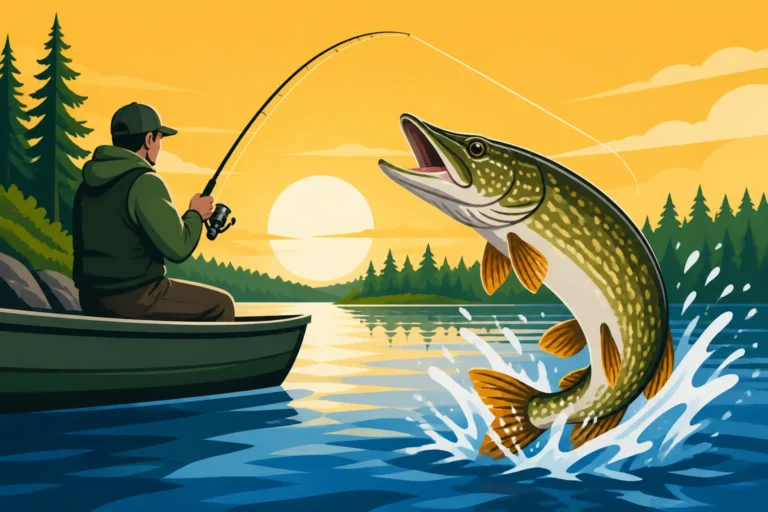
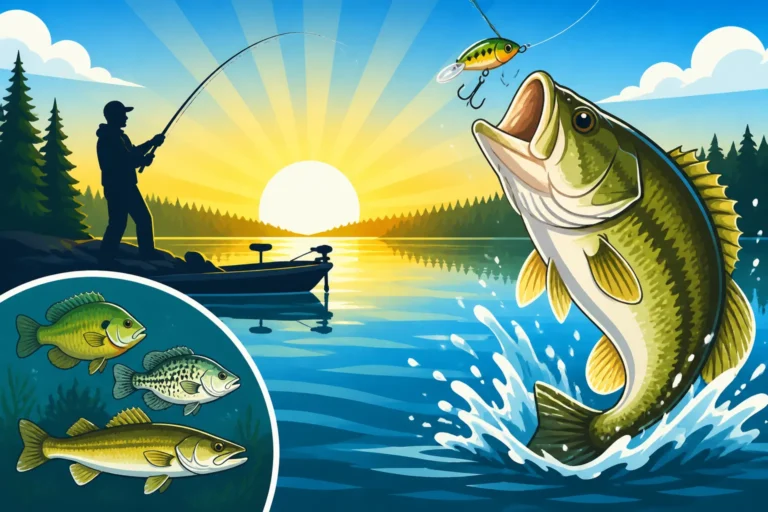
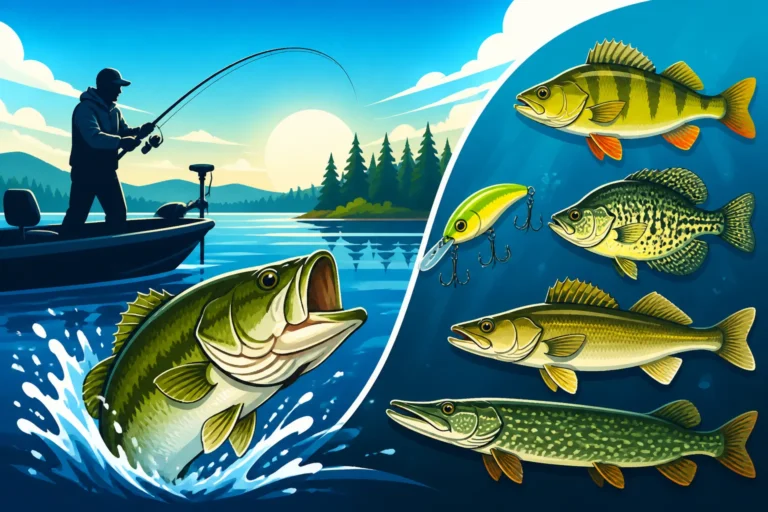
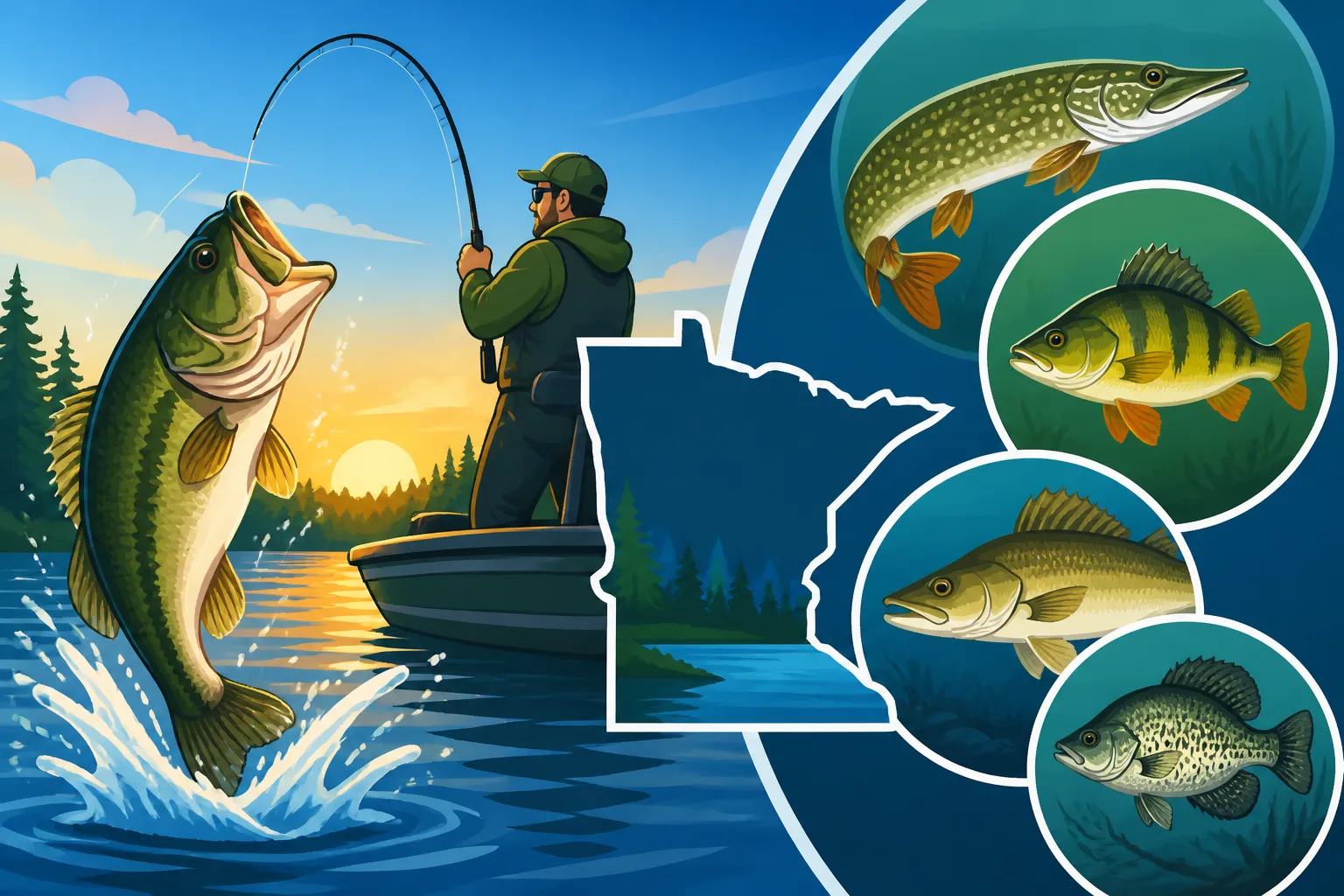
The lakes around Park Rapids aren't just numerous; they're incredibly varied in what they hold. You'll find everything from the sought-after walleye and formidable northern pike to plentiful crappie and sunfish, along with thriving populations of largemouth and smallmouth bass. This means you don't have to be a specialist to enjoy the fishing here. A family looking to catch a bucket of panfish for a shore lunch can find success, just as easily as an experienced angler chasing a muskie or a giant walleye. The diverse underwater structures – from deep weed lines and rocky points to expansive flats and sunken islands – create ideal habitats for this wide array of fish. This region truly offers a multi-species fishing experience, allowing you to adapt your strategy based on conditions or simply what you feel like pursuing on any given day.
Top Lakes for Walleye, Pike, and Panfish in the Park Rapids Area
When you're planning a trip to Park Rapids, certain lakes consistently rise to the top for specific species. These are the lakes that savvy anglers frequent, and for good reason. They offer prime habitat and robust populations of the most popular game fish.
Fish Hook Lake
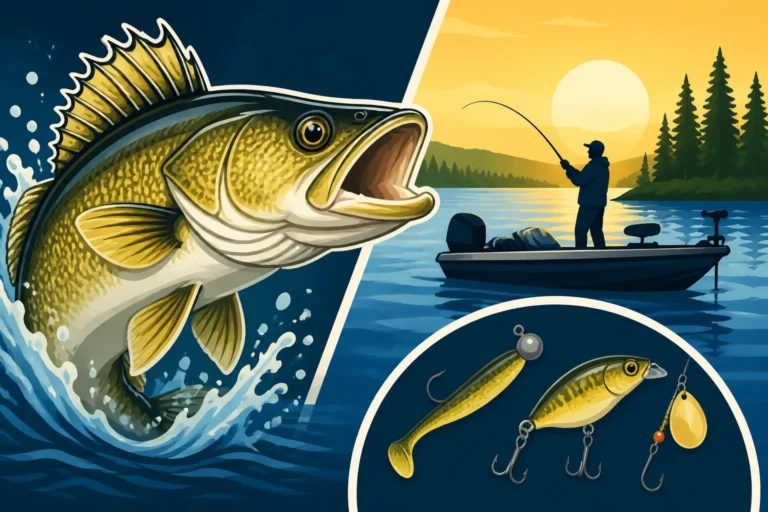
Fish Hook Lake is a fantastic choice, especially if you're staying right in Park Rapids. This lake is known for its excellent walleye fishing, with good numbers of eater-sized fish and the occasional trophy. It's also a surprisingly good lake for northern pike, which are often found cruising the weed edges and structure. Anglers frequently have success targeting walleye during low-light conditions using jig and minnow presentations or by trolling crankbaits along the deeper breaks. The lake features distinct bays, points, and a good mix of shallow and deep water, providing varied structure for fish. For families, the panfish action, particularly for crappie, can be outstanding in the spring and fall in the shallower bays and around docks. You might even find some respectable largemouth bass lurking in the lily pads and heavy cover. If you're looking for a convenient option with a strong chance of success across multiple species, Fish Hook Lake is a solid bet.
Potato Lake
Just north of Park Rapids, Potato Lake is another gem that shouldn't be overlooked. This lake is famous for its abundant northern pike, offering exciting action for those who love to battle these toothy predators. Pike are often found in the shallower, weedy areas, making it a great spot for casting spoons, spinnerbaits, or even large live minnows under a bobber. But Potato Lake isn't just about pike; it also boasts a healthy population of walleye, particularly around its numerous humps and submerged points. Using a classic Lindy Rig with a leech or crawler can be very effective for walleye here, especially as you explore the main lake basin. Crappie and sunfish are also present in good numbers, making it a well-rounded fishery. Its diverse underwater topography provides excellent cover and feeding grounds for a variety of species, ensuring there's always something biting.
Long Lake
Not to be confused with the many other "Long Lakes" in Minnesota, the one near Park Rapids is a sprawling, productive body of water offering incredible opportunities, particularly for walleye. It's known for its expansive open water, numerous reefs, and deep basins, making it a prime location for trolling. Whether you're pulling crankbaits or spinner rigs, covering water to find active walleye is a popular and effective strategy here. Beyond walleye, Long Lake holds significant populations of northern pike, which can be found in bays and along weed lines. The lake also has a solid reputation for its panfish, with both crappie and jumbo perch being common catches. Many anglers have reported success finding large schools of crappie suspended over deeper water or concentrated around structure. For those who enjoy the challenge of fishing for larger species, there are even reports of muskie in Long Lake, though they are less common than in some other regional waters. This lake is definitely one you'll want to spend some time exploring to unlock its full potential.
Big Sand Lake
Big Sand Lake is another exceptional walleye fishery and a cornerstone of the Park Rapids area. True to its name, it features plenty of sandy flats and gradual breaks, but also significant rock piles and deep points that attract walleye. This lake is a fantastic place to practice different walleye fishing techniques. Jigging for Walleye: Jig & Minnow Basics is incredibly effective here, especially on the breaks and humps during the morning and evening bites. Trolling is also popular, especially during the day when walleye scatter. Big Sand Lake is a large body of water, so having a good understanding of its structure, perhaps with a high-quality fish finder, will significantly increase your success. Beyond walleye, you'll find healthy populations of northern pike, often relating to the extensive weed beds, and respectable numbers of both smallmouth bass and largemouth bass. Smallmouth Bass Fishing Tips for Minnesota Anglers are particularly useful here, as these hard-fighting fish can be found on rocky points and humps. Don't forget the panfish; crappie and bluegill can provide steady action in the shallower, protected areas. It’s a lake that demands attention but richly rewards it.
Here's a quick overview of some of the top lakes in the Park Rapids area:
| Lake Name | Primary Target Species | Key Features | Fishing Style Recommendations |
|---|---|---|---|
| Fish Hook Lake | Walleye, Northern Pike, Crappie, Largemouth Bass | Good proximity to town, varied structure, weed lines, deeper pockets. | Jigging, slip bobbers, trolling crankbaits along breaks. |
| Potato Lake | Northern Pike, Walleye, Crappie | Numerous humps and submerged points, extensive weed beds. | Casting spoons for pike, Lindy Rigs for walleye, slip bobbers for panfish. |
| Long Lake | Walleye, Northern Pike, Crappie, Perch | Large, sprawling lake with open water, reefs, deep basins. | Trolling crankbaits or spinner rigs, jigging reefs, exploring bays. |
| Big Sand Lake | Walleye, Smallmouth Bass, Pike, Panfish | Sandy flats, rock piles, deep points, good forage base. | Jigging, trolling, casting for bass on rocky structure. |
| Lake Belle Taine | Walleye, Smallmouth Bass, Panfish | Clear water, excellent smallmouth habitat, good structure. | Drop-shotting for smallmouth, jigging for walleye. |
Beyond the Big Names: Hidden Gems and Unique Opportunities
While the larger, well-known lakes certainly offer fantastic fishing, the Park Rapids area is also dotted with countless smaller lakes and even river systems that provide unique and often less-pressured angling experiences. Don't be afraid to venture off the beaten path!
Smaller Lakes for Panfish and Bass
Many of the smaller, lesser-known lakes in the Park Rapids region are absolute goldmines for panfish and bass. Lakes like Two Inlets Lake, Little Sand Lake, or even some of the small unnamed lakes accessible via county roads, can offer incredible action for bluegill, sunfish, and crappie. These lakes often have less boat traffic and can be perfect for a quiet morning of catching a mess of panfish for the skillet. For instance, some anglers swear by the crappie fishing on Lake Itasca, the headwaters of the Mississippi, which is a bit further north but worth the drive for its natural beauty and diverse fishery.
These smaller bodies of water often warm up faster in the spring, making them prime spots for early-season panfish. When the Crappie Spawn in Minnesota: When and Where, these smaller lakes can be absolutely bustling with activity. They're also fantastic for teaching kids to fish, as success rates can be very high. Just be sure to check the specific regulations for each lake, as some have special panfish limits to protect their populations. You might also find some surprisingly large largemouth bass lurking in the lily pads and heavy cover of these shallower lakes, offering a thrilling topwater bite.
River Fishing Adventures
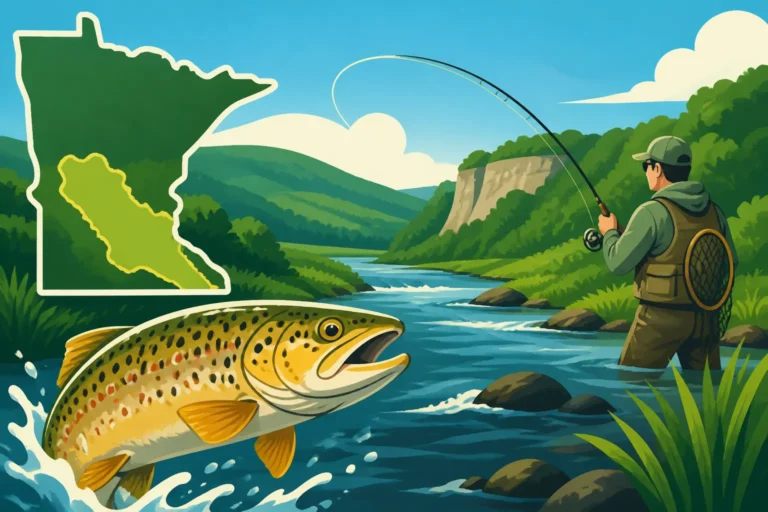
While lakes dominate the landscape, the rivers in the Park Rapids area offer a different kind of fishing adventure. The Crow Wing River, for example, is a beautiful, meandering river known for its smallmouth bass and northern pike. Floating sections of the river in a canoe or kayak and casting for these species can be an incredibly rewarding experience. The river's varied structure—logjams, undercut banks, and rocky stretches—provides excellent habitat. You might even stumble upon some unexpected walleye, particularly in the deeper pools.
Further east, portions of the Mississippi River as it begins its long journey south can also offer good fishing for smallmouth bass, pike, and even some catfish in its slower, deeper sections. River fishing requires a slightly different approach than lake fishing, often focusing on current breaks and structure that holds fish out of the main flow. It’s a great way to experience the natural beauty of Minnesota while pursuing your passion. When targeting river species, always consider the current and adjust your lure presentation accordingly.
Essential Tips for Fishing Success in Park Rapids
To truly make the most of your Park Rapids fishing adventure, a few key strategies and considerations will put you ahead of the game. It's not just about showing up; it's about understanding the nuances of these northern Minnesota waters.
Seasonal Strategies
Understanding seasonal fishing patterns is paramount for consistent success in the Park Rapids area. The fishing can vary dramatically from spring to fall, and even throughout the summer months.
- Spring (Ice-Out to June): This is prime time for active walleye and northern pike as they recover from spawning. The Walleye Season & Limit in Minnesota typically opens in mid-May, and fish will often be shallower, relating to warming bays and points. A jig and minnow or a simple slip bobber rig with a leech can be deadly. Panfish also become very active in the shallower waters during their spawn.
- Summer (July-August): As waters warm, fish often move to deeper structures like humps, reefs, and main lake points. Trolling crankbaits or using bottom bouncers with crawler harnesses can be effective for covering water and finding active walleye. Early morning and late evening bites are often best, especially for Walleye Fishing in Minnesota: Complete Guide. Bass will be active, and topwater action can be phenomenal in low light.
- Fall (September-October): Fish begin to feed aggressively in preparation for winter. Walleye and northern pike move shallower again, often schooling up. Large spoons or crankbaits can entice big pike, while walleye will hit jigs, shiners, or trolled baits. Panfish also concentrate in deeper holes or near emergent vegetation. Check the Minnesota Fishing Seasons & Opener Dates (2026) for exact dates.
- Winter (Ice Fishing): Ice fishing is hugely popular here. Lakes like Fish Hook, Long, and Big Sand see plenty of action. You can target walleye with jigging spoons or deadsticks, northern pike with tip-ups, and panfish with small tungsten jigs. Remember to adhere to all Minnesota Ice Fishing & Shelter Rules and keep an eye on ice conditions.
Gear Recommendations
Having the right gear makes a huge difference, especially when you're targeting specific species or fishing in different conditions. For walleye, a sensitive medium-light spinning rod paired with a reliable spinning reel is perfect for jigging or slip bobber fishing. Consider a 6'6" to 7' fast-action rod. Check out Best Walleye Rods & Reels for more in-depth advice. For northern pike, a medium-heavy baitcasting setup with stout line (20-30 lb braid) is ideal for casting larger spoons, spinnerbaits, or jerkbaits. For panfish, ultralight spinning gear with light line (2-4 lb mono or fluoro) will maximize your fun and sensitivity.
When it comes to lures and baits, live bait like minnows, leeches, and nightcrawlers are always effective for walleye and panfish. For artificials, jigs in various colors (particularly chartreuse, orange, and white), crankbaits (Shad Raps, Flicker Shads), and spinnerbaits are staples. Don't forget a good selection of spoons and soft plastics. You can find more specific recommendations in guides like Best Lures & Baits for Minnesota by Species. Always have a decent landing net, especially when targeting larger fish like pike and walleye. A high-quality set of pliers is essential for removing hooks from toothy critters.
Navigating Regulations
Minnesota fishing regulations can seem complex at first glance, but they are crucial for protecting our precious fisheries. Before heading out, always consult the current Minnesota DNR Fishing Regulations Handbook or their website. This resource will provide up-to-date information on fishing seasons, bag limits, and size restrictions for each species. Pay close attention to any special regulations that may apply to specific lakes in the Park Rapids area, as some lakes have unique slot limits or reduced possession limits for certain species to enhance their populations. For example, some lakes might have a protected slot for walleye, meaning fish within a certain size range must be immediately released.
Of course, you'll need a Minnesota Fishing License: Cost, Types & How to Buy (2026) if you are 16 or older. These are easily obtainable online through the DNR website, at bait shops, or even at some local retailers. Remember to always carry your license with you while fishing. Also, be mindful of Aquatic Invasive Species (AIS) rules. Before leaving any body of water, drain all water from your boat, livewell, and bait bucket, and remove any weeds or debris from your boat, motor, and trailer. This is a critical step to prevent the spread of invasives like zebra mussels and Eurasian watermilfoil, protecting Minnesota's diverse aquatic ecosystems. Many anglers also find services like FishingBooker invaluable for checking local guides and their adherence to regulations, ensuring a compliant and enjoyable trip.
Disclaimer
Please note that fishing conditions, regulations, and fish populations can change. Always consult the most current Minnesota DNR fishing regulations before heading out on the water. This guide provides general information and recommendations, but local conditions can vary. Stay safe and fish responsibly.