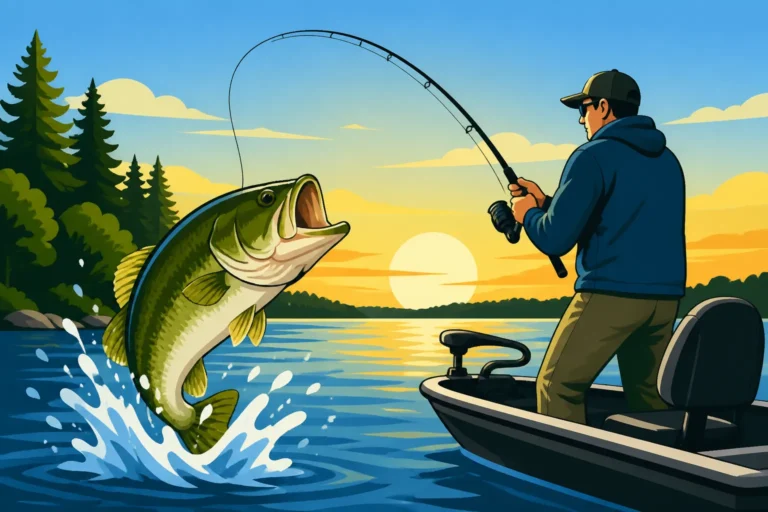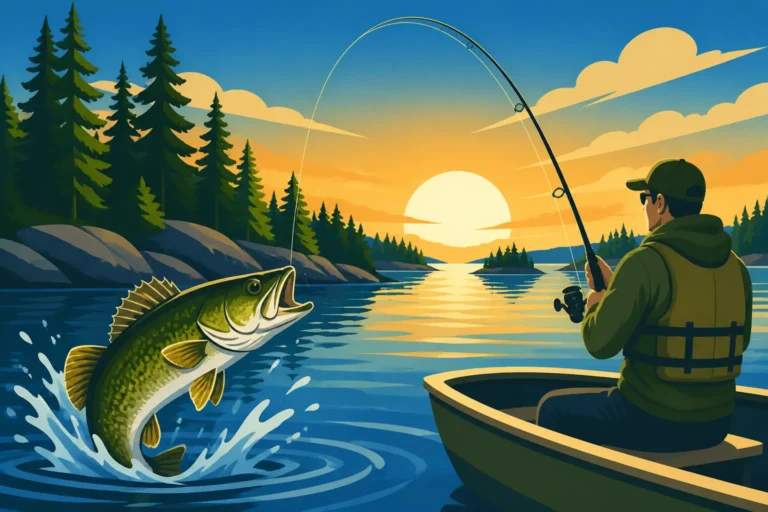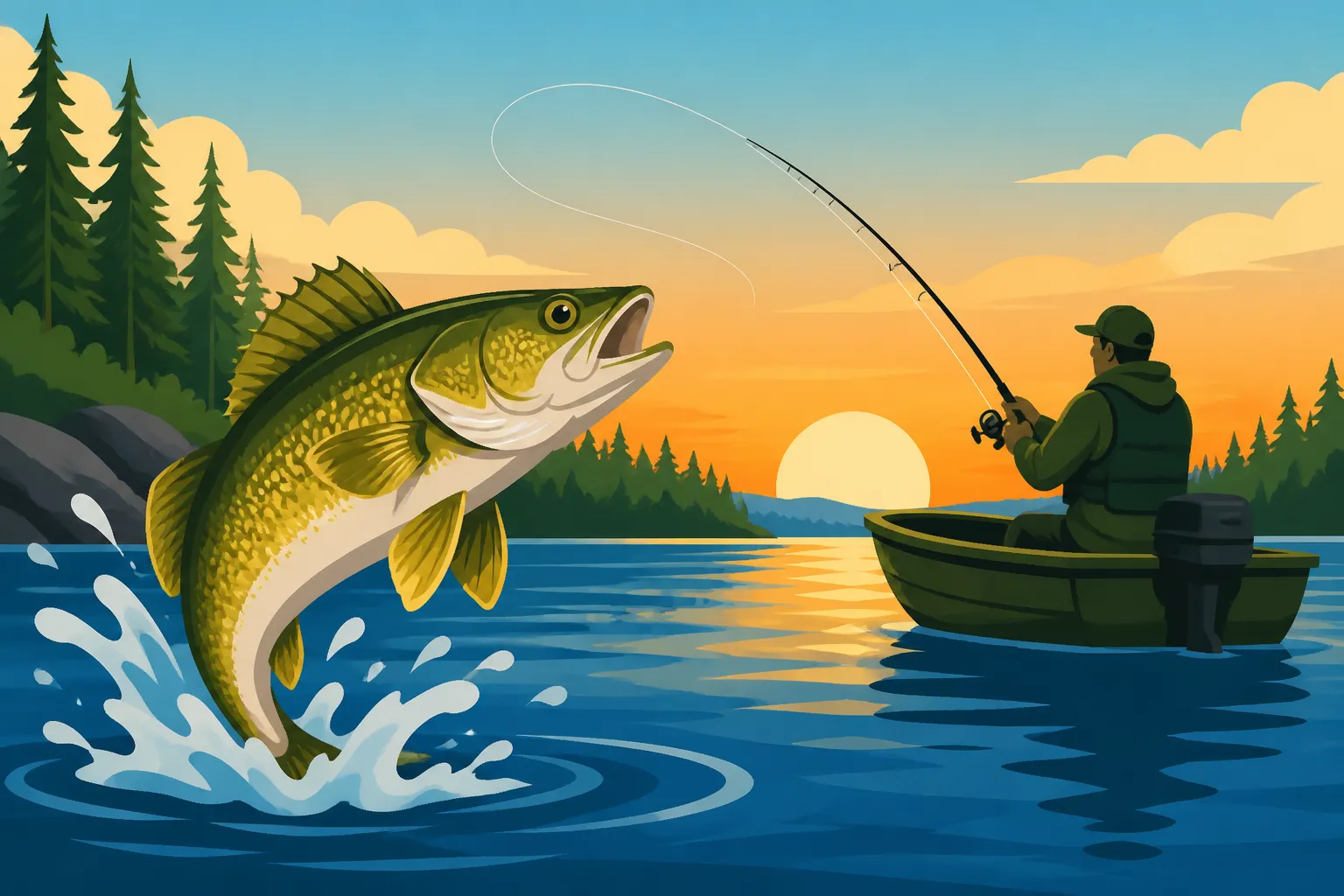
Fishing Near Ely, Minnesota
Trying to figure out where to cast your line when you’re visiting a fishing hotbed like Ely, Minnesota, can feel overwhelming. With thousands of lakes and rivers in the area, knowing where to start, what to fish for, and what regulations to follow is a challenge many anglers face. This comprehensive guide is here to cut through the confusion, offering a deep dive into the best fishing spots near Ely, the species you'll encounter, and the essential tips to make your trip a resounding success.
Why Ely is a Premier Fishing Destination
Ely, nestled on the edge of the Boundary Waters Canoe Area Wilderness (BWCAW), isn't just a picturesque small town; it's a gateway to some of the most pristine and productive freshwater fishing in North America. Anglers come from all over, seeking the thrill of a wilderness catch and the solitude that only this region can offer. It's a place where the journey to the fishing spot can be as rewarding as the catch itself.
The Allure of the Boundary Waters Canoe Area Wilderness
The BWCAW is a national treasure, a million-acre wilderness area characterized by dense forests, ancient rock formations, and an intricate network of interconnected lakes and rivers. What makes it so special for fishing is its protected status, meaning no motorized vehicles on most lakes, resulting in crystal-clear waters and thriving fish populations undisturbed by heavy boat traffic. Imagine paddling across a glassy lake at dawn, the only sound being your paddle dipping into the water and the call of a loon—that’s the BWCAW experience. This wilderness provides opportunities for true trophy catches, often requiring a bit more effort to reach, but the reward is almost always worth it. If you're planning a trip into this remote area, our in-depth guide to Boundary Waters (BWCA) Fishing Guide can help you prepare.
Diverse Fish Species in and Around Ely
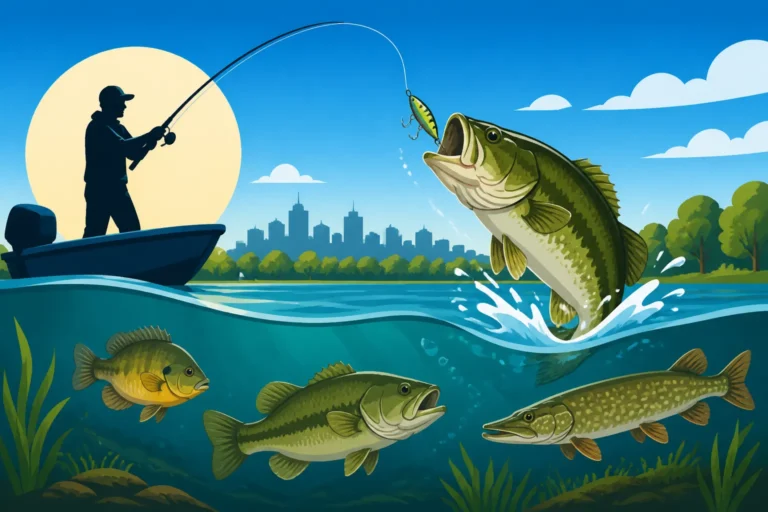
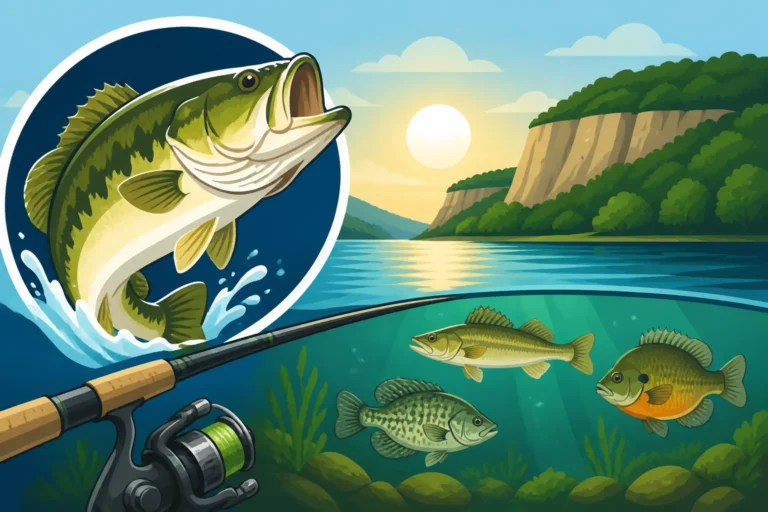
The waters around Ely are teeming with a variety of sought-after game fish, catering to every angler's preference. From the aggressive strike of a walleye to the acrobatic fight of a smallmouth bass, there's always something biting. Lake trout lurk in the cold, deep waters of many larger lakes, while northern pike ambush prey in weedy bays. Panfish, like crappie and bluegill, are abundant, providing fantastic action for families and beginner anglers.
Primary Game Fish Species Near Ely:
- Walleye: Minnesota's state fish and a prime target here. They thrive in many of the area's larger lakes and are often found relating to structure like reefs, points, and humps.
- Northern Pike: Aggressive and plentiful, pike offer exciting action. They can be found in a variety of habitats, from shallow weedy bays to deeper cool water during summer.
- Smallmouth Bass: Known for their hard fights and aerial acrobatics, smallmouth bass are abundant, especially in the rocky, clear water lakes.
- Lake Trout: Found in the deeper, colder lakes, these powerful fish offer a unique challenge, often requiring specialized techniques.
- Muskellunge (Muskie): The "fish of 10,000 casts" can be found in select larger lakes, including the legendary Lake Vermilion, providing an ultimate trophy hunting experience. Learn more about Muskie Fishing in Minnesota: The Fish of 10,000 Casts.
- Panfish (Crappie, Bluegill, Perch): Excellent for family outings or a relaxed day of fishing, these smaller species are found throughout the region and are delicious table fare.
Unique Wilderness Setting and Solitude
One of the greatest appeals of fishing near Ely is the unparalleled sense of wilderness and solitude it offers. Unlike many popular fishing destinations that can feel crowded, here you can often find yourself on a lake with no other boats in sight. This isn't just about peace and quiet; it's about connecting with nature in a profound way, away from the hustle and bustle of everyday life. The scenery is breathtaking, with ancient pines, granite cliffs, and abundant wildlife, including eagles, moose, and even black bears. For many, the experience of being in this untouched environment is just as important as the fish they catch.
Top Lakes and Rivers for Fishing Near Ely
The Ely area is blessed with an incredible array of fishing opportunities, from vast, sprawling lakes to intimate, secluded ponds accessible only by portage. Each body of water offers its own unique charm and angling challenges.
Lake Vermilion: Walleye and Muskie Haven
Just a short drive from Ely, Lake Vermilion is a truly magnificent body of water and a world-class fishery. It’s Minnesota’s fifth-largest lake, boasting over 40,000 acres of water, 365 islands, and an incredibly diverse structure including rocky reefs, deep basins, and countless bays. Vermilion is renowned for its trophy walleye and monster muskellunge. If you're serious about chasing big fish, this is a prime destination. Many anglers swear by the lake's ability to consistently produce both numbers and size.
- Walleye Fishing on Vermilion: Walleye are the bread and butter here. Anglers find success using a variety of techniques, from jigging with live bait early in the season to trolling crankbaits over reefs and mud flats in summer. The vastness of the lake can be daunting, but local knowledge or a good guide can significantly improve your odds. Consider checking out fishing guides on platforms like FishingBooker for personalized trips. Our full Lake Vermilion Fishing Guide provides even more detail on how to tackle this impressive lake.
- Muskie Fishing on Vermilion: For those seeking the ultimate freshwater predator, Vermilion’s muskie population is robust. Anglers often target these toothy giants using large bucktails, jerkbaits, and topwater lures around rocky points, weed edges, and submerged timber. The pursuit of a muskie on Vermilion is a true test of patience and skill, with the potential for a fish of a lifetime always present.
Shagawa Lake and Burntside Lake: Close-to-Town Gems
For those looking for excellent fishing without venturing too far from town, Shagawa Lake and Burntside Lake are fantastic options. They offer fantastic fishing and easier access, making them popular choices for day trips.
- Shagawa Lake: This beautiful lake is right on the edge of Ely and offers very accessible fishing. Shagawa is a great walleye lake, and also holds good populations of northern pike, smallmouth bass, and panfish. Its proximity to town means you can easily get bait and supplies, or grab a bite to eat after a morning on the water. It’s also a wonderful spot for shore fishing in designated areas.
- Burntside Lake: Known for its crystal-clear waters and scenic beauty, Burntside is a multi-species gem. It's particularly famous for its incredible lake trout fishery, often producing large, hard-fighting fish. The lake also boasts healthy populations of smallmouth bass, northern pike, and walleye, though the walleye can be a bit more challenging due to the clear water. The deep, cold depths are perfect for lake trout, which can be targeted by trolling or deep jigging. It’s a stunning lake to explore, with numerous islands and rugged shorelines.
BWCAW Interior Lakes: True Wilderness Fishing
For the adventurous angler, the countless lakes within the Boundary Waters offer an unparalleled wilderness fishing experience. These lakes require varying degrees of effort to reach, often involving canoeing and portaging, but they promise solitude and incredible angling opportunities.
- Getting There: Access to these lakes typically involves obtaining a permit for the BWCAW and then paddling and portaging into the wilderness. Outfitters in Ely can help you arrange permits, canoe rentals, and shuttle services. Planning is key, as conditions can vary, and you'll need to be self-sufficient.
- Target Species: Many BWCAW lakes are renowned for their incredible smallmouth bass fishing, offering non-stop action. Walleye and northern pike are also abundant in many interior lakes. Lake trout are found in the deeper, oligotrophic (nutrient-poor) lakes. The lack of fishing pressure on some of these remote lakes can lead to incredible catch rates and larger average sizes. For comprehensive information, consult our Fishing in Voyageurs National Park guide, as many of the same principles and species apply to the adjacent BWCAW.
- What to Expect: Expect pristine waters, abundant wildlife, and a feeling of being truly disconnected. You'll need to pack light, be prepared for portages, and practice strict Leave No Trace principles to preserve this fragile ecosystem. Consider hiring a guide through a service like FishingBooker if it's your first time venturing deep into the BWCAW, as local expertise is invaluable.
Rivers and Smaller Streams: Hidden Trout Opportunities
While the focus often falls on the large lakes, the rivers and smaller streams in the Ely region also offer fantastic fishing, particularly for stream trout. The intricate network of waterways flowing into and out of the larger lakes can hold hidden gems for anglers seeking a different kind of challenge.
- Types of Trout: Brown trout, rainbow trout, and native brook trout can be found in these cooler, oxygen-rich waters. The smaller streams are often overlooked, providing peaceful fishing experiences. Remember to understand Minnesota Trout Stamp & Trout Regulations before you head out.
- Techniques: Fly fishing is a popular and effective method for stream trout, using dry flies, nymphs, and streamers. Spin fishing with small spinners or jigs can also be very productive. stealth and careful wading are often necessary to avoid spooking the fish in these clear, shallow waters.
- Access: Access to these smaller waterways can sometimes be more challenging, involving hiking through dense forest to find suitable stretches. Always respect private property and be aware of public access points.
Essential Gear and Tactics for Ely Fishing
To make the most of your Ely fishing adventure, having the right gear and understanding effective techniques for these unique waters is paramount. The wilderness environment often demands a bit more preparation than your typical local lake.
Recommended Gear for Wilderness Angling
When fishing near Ely, especially if you plan to venture into the BWCAW, portability, durability, and versatility are key.
- Rods and Reels: For general walleye and smallmouth bass fishing, a medium-light to medium power spinning rod (6'6" to 7'0") paired with a 2500-3000 series spinning reel spooled with 8-10 lb braided line and a fluorocarbon leader is a versatile setup. For muskie or large pike, a heavy-action baitcasting setup is essential. If you're heading into the BWCAW, consider multi-piece travel rods that break down easily for portaging.
- Lures and Bait:
- Walleye: Jigs (1/8 – 1/4 oz) tipped with live minnows, leeches, or soft plastics are deadly. Crankbaits like Rapala Shad Raps or Berkley Flicker Shads are excellent for trolling or casting. Lindy rigs with leeches or nightcrawlers are also highly effective. For more specific advice, check out our guide on Best Live Bait for Walleye (Leeches, Minnows, Crawlers).
- Smallmouth Bass: Topwater lures (poppers, walk-the-dogs), spinnerbaits, tube jigs, and Ned rigs are all excellent choices. Jerkbaits and crankbaits also work well.
- Northern Pike: Spinnerbaits, spoons (Daredevle, Doctor Spoon), and larger swimbaits will attract aggressive pike.
- Lake Trout: Heavy spoons (Cleos, Krocodiles), tube jigs, and deep-diving crankbaits are effective, often fished on downriggers or heavy jigging rods.
- Navigation and Safety: A quality GPS unit or a reliable fishing app with detailed lake maps (like Navionics or LakeMaster) is crucial, especially on large, island-studded lakes. A marine radio or satellite messenger is also a smart safety precaution in remote areas where cell service is unreliable. Always carry a first-aid kit, extra layers of clothing, rain gear, and plenty of water.
- Other Essentials: A sturdy landing net, a good pair of pliers for hook removal, a stringer or livewell if you plan to keep fish, and polarized sunglasses are invaluable. Don't forget bug spray – mosquitoes and black flies can be intense during certain times of the year!
| Fish Species | Recommended Rod/Reel | Best Lure Types | Key Technique |
|---|---|---|---|
| Walleye | Med-Light Spinning | Jigs, Crankbaits, Lindy Rigs | Jigging, Trolling, Drifting |
| Northern Pike | Med-Heavy Casting/Spinning | Spinnerbaits, Spoons, Large Soft Plastics | Casting, Trolling |
| Smallmouth Bass | Med Spinning/Baitcasting | Topwater, Jerkbaits, Tube Jigs | Casting, Retrieve, Drop-Shot |
| Lake Trout | Heavy Spinning/Baitcasting | Heavy Spoons, Tube Jigs, Deep Cranks | Deep Jigging, Trolling with Downriggers |
| Muskellunge | Heavy-Duty Baitcasting | Bucktails, Jerkbaits, Topwater | Figure-8, Casting Large Baits |
| Panfish | Ultra-Light Spinning | Small Jigs, Live Bait (Worms) | Bobber Fishing, Micro-Jigging |
Effective Fishing Techniques for Ely's Waters
The specific techniques you employ will depend on your target species and the body of water. However, some general principles apply across the region.
- Structure Fishing: Most game fish in these clear, clean waters relate heavily to structure. Look for rocky points, humps, submerged islands, weed lines, and sharp drop-offs. Using your fish finder effectively to locate these features is a game-changer.
- Stealth and Presentation: Especially in the clear waters of many Ely lakes, stealth is crucial. Long casts, quiet boat movements (a good Minn Kota trolling motor can be a huge advantage), and subtle presentations often yield better results than noisy, aggressive approaches.
- Seasonal Patterns: Fish behavior changes dramatically with the seasons. Early spring sees fish in shallower spawning areas, moving deeper to main lake structures in summer, and then back to shallower feeding grounds in the fall. Understanding these patterns, detailed in our Seasonal Fishing Patterns in Minnesota guide, will significantly increase your success.
- Night Fishing for Walleye: Walleye in many Northern Minnesota lakes become particularly active at night, especially during the warmer summer months. Trolling shallow-running crankbaits or casting stickbaits on rocky shorelines and shallow reefs after dark can be incredibly productive.
Navigating Permits and Outfitters
For a smooth and successful fishing trip, especially if you're venturing into the Boundary Waters, understanding permit requirements and utilizing local expertise is invaluable.
- BWCAW Permits: If you plan to enter the BWCAW between May 1st and September 30th, you’ll need a quota permit. These permits are competitive and often booked months in advance, so planning ahead is crucial. During the off-season, self-issued permits are available. Check the U.S. Forest Service website for the most up-to-date information.
- Minnesota Fishing License: Anyone aged 16 or older needs a valid Minnesota fishing license. You can purchase these online, at bait shops, or at many sporting goods stores in Ely. Remember that non-residents have different license requirements, which you can learn more about in our guide to Nonresident Fishing in Minnesota: Licenses & Rules.
- Local Outfitters and Guides: Ely is home to numerous experienced outfitters like Piragis Northwoods Company or Spirit of the Wilderness Canoe Outfitters that can provide everything from canoe rentals and gear outfitting to guide services for the BWCAW. For guided fishing trips on larger lakes like Vermilion, local fishing guides offer invaluable expertise on current patterns, hot spots, and effective techniques. You can easily find and book these experienced guides through platforms like FishingBooker, which connect you with verified professionals who know these waters intimately. A guided trip can save you a lot of time and frustration, especially if you're new to the area.
Regulations and Conservation for Ely Anglers
Minnesota takes its natural resources seriously, and fishing near Ely means adhering to state regulations to ensure sustainable fisheries for future generations. Respecting the environment and practicing good conservation habits are crucial.
Understanding Minnesota's Fishing Regulations
Before you even wet a line, it's essential to be familiar with Minnesota's fishing regulations. These rules are in place to manage fish populations and fishing pressure.
- Statewide and Lake-Specific Rules: While there are statewide regulations for most species, many lakes, particularly those with stressed populations or unique management goals, have special regulations. These can include different bag limits, possession limits, or protected slot limits (where fish within a certain size range must be immediately released). Always consult the current Minnesota Fishing Regulations booklet, often available as a Minnesota Fishing Regulations PDF: Where to Find It, or check the DNR website.
- Bag and Possession Limits: The daily bag limit is the number of fish of a certain species you can keep in one day, while the possession limit is the total number you can have in your possession at any given time (including those at home). These limits vary by species and sometimes by lake. Our Minnesota Fishing Limits: Bag & Possession (2026) guide offers a detailed overview.
- Catch and Release: Especially for larger trophy fish like muskie or big walleye and bass, practicing careful catch and release is highly encouraged. Fish play a vital role in the spawning stock and genetics of the fishery. Use appropriate handling techniques to minimize stress on the fish.
Practicing Leave No Trace and AIS Prevention
The wilderness character of the Ely area depends on every visitor doing their part to protect it. This means adhering to "Leave No Trace" principles and preventing the spread of Aquatic Invasive Species (AIS).
- Leave No Trace: This set of outdoor ethics encourages minimizing human impact. Pack out everything you pack in, including all trash, food scraps, and fishing line. Use designated campsites where available, and keep noise to a minimum. Bury human waste properly and avoid disrupting wildlife. The goal is for the next visitor to experience the wilderness as if you were never there.
- Aquatic Invasive Species (AIS) Prevention: AIS, such as zebra mussels and Eurasian watermilfoil, pose a severe threat to Minnesota's waters. It is legally required to clean, drain, and dry all watercraft and fishing gear before leaving any lake. This includes draining livewells, bait buckets, and removing all weeds and debris. Our comprehensive guide on Aquatic Invasive Species (AIS) Rules for Boaters outlines all the necessary steps to prevent spread and avoid penalties. Even something as simple as using non-invasive minnow species (or artificial bait) and not dumping unused bait into the lake can make a big difference.
Specific Lake Regulations
Many of the top fishing lakes near Ely have specific regulations tailored to their unique ecosystems. It's not enough to know the statewide rules; you need to know the local ones.
- Lake Vermilion Walleye and Muskie Rules: Lake Vermilion often has special slot limits for walleye, meaning fish within a certain size range must be released to protect the spawning population. Muskie regulations are typically catch-and-release with trophy size minimums (often 50+ inches), reflecting their status as a trophy species. Always check the current regulations for Lake Vermilion.
- BWCAW Interior Lake Rules: Some BWCAW lakes may have even stricter regulations, including barbless hook requirements or catch-and-release only policies for certain species. These rules are designed to maintain the pristine nature of these remote fisheries. When booking a trip or researching destinations, check the specific lake’s rules carefully. A guide from FishingBooker who specializes in BWCAW trips will be up-to-date on all the nuanced regulations.
By understanding and adhering to these regulations and conservation practices, you're not just ensuring a legal and ethical fishing trip; you're contributing to the long-term health and vibrancy of one of Minnesota's most precious natural resources.
Disclaimer
Fishing regulations can change frequently. Always consult the official Minnesota Department of Natural Resources (DNR) website or the current Minnesota Fishing Regulations booklet before heading out on your trip. This guide is for informational purposes only and should not be considered legal advice.