Bde Maka Ska Fishing Report & What’s Biting
You've got that familiar itch, right? The sun is shining, or maybe there's a promising overcast sky, and your mind drifts to Bde Maka Ska. You want to know what's really happening out there – what fish are biting, where to find them, and what lures to tie on. It's incredibly frustrating to spend precious fishing time wondering if you're even in the right spot or using the right gear. This comprehensive guide is designed to cut through the guesswork, giving you the real-time insights and seasoned advice you need to make your next trip to Bde Maka Ska a truly successful and enjoyable one, no matter the season.
Understanding Bde Maka Ska's Unique Fishery
Bde Maka Ska, formerly known as Lake Calhoun, isn't just another lake in Minnesota; it's a vibrant, bustling urban fishery right in the heart of Minneapolis. This makes it incredibly accessible for many anglers, but it also brings its own set of challenges and opportunities. Unlike a remote northern lake, Bde Maka Ska experiences significant recreational pressure, meaning fish can be a bit warier, and you might need to adapt your strategies.
What Makes Bde Maka Ska Special
This lake is part of the Chain of Lakes, connecting to Lake of the Isles and Lake Harriet through channels, although Bde Maka Ska is the largest and arguably most popular for fishing. It boasts a maximum depth of around 82 feet, with diverse underwater structure ranging from shallow weed flats to steep drop-offs and deep holes. This variety creates habitat for a wide array of species, making it a truly multi-species lake. The clear water, a common feature of many urban lakes, can sometimes make fish more easily spooked, especially on bright, sunny days, necessitating subtle presentations.
The sheer accessibility is a double-edged sword. On one hand, you can be casting a line just minutes after leaving work or home. Public boat launches are available, and there are numerous shore fishing opportunities around its perimeter. This means you don't need a fancy boat or a long drive to get a line in the water. However, it also means there's often heavy boat traffic from pleasure craft, kayakers, and paddleboarders, particularly during warmer months and weekends. You'll need to be mindful of these conditions and plan your fishing times accordingly, often favoring early mornings or late evenings for less disturbance.
Interpreting Fishing Reports for Urban Lakes
Fishing reports, whether from local bait shops, online forums, or even services like FishingBooker, are invaluable tools, but you need to know how to read between the lines, especially for an urban lake like Bde Maka Ska. A generic "walleye are biting" might not tell you where or on what. Look for specifics: depths, bait colors, time of day, and weather conditions. Pay attention to temperature trends; a sudden cold front can shut down a bite quickly, while stable weather often means more consistent action.
Don't just look at the most recent report; try to find a pattern over a week or two. Are walleye consistently hitting crankbaits in the evenings near specific points? Are panfish schooling up in deeper weed edges? Also, consider the source. A report from a casual angler might be less precise than one from a professional guide who fishes the lake daily. Use reports as a starting point, but always be prepared to experiment once you're on the water. The fish don't always read the reports!
What's Biting on Bde Maka Ska Right Now
Bde Maka Ska is a dynamic fishery, and what's biting can change with the seasons, weather patterns, and even time of day. However, some species are consistently present and offer great opportunities for anglers willing to put in the effort.
Walleye: The Elusive Golden Gills
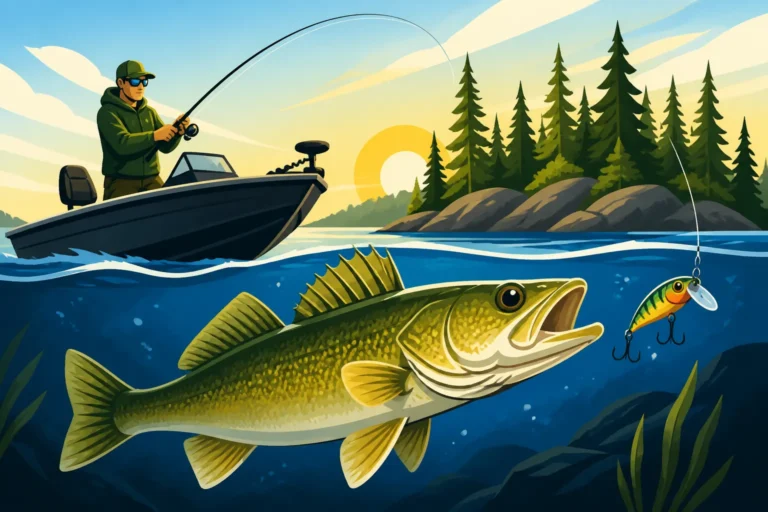
Walleye are a prized catch in Minnesota, and Bde Maka Ska holds a healthy population, offering exciting action for those who know where and when to look. While not as high-profile as some of the state's legendary walleye lakes, Bde Maka Ska consistently produces keeper-sized fish and the occasional trophy. During late spring and early summer, walleye often relate to the deeper weed lines and transitions, moving into deeper main lake structure as summer progresses. You'll find them concentrating around humps, points, and sudden depth changes.
Effective presentations often include jigging with live bait like shiners or leeches, especially during low-light conditions or after dark. Trolling with crankbaits, such as those from Rapala or Berkley, can also be productive, particularly on the deeper flats during the day. Look for active fish just off the break lines in 15-30 feet of water. As the water cools in the fall, walleye will move shallower again, gorging on baitfish before winter. Remember to check current regulations for Walleye Season & Limit in Minnesota as they can vary.
Largemouth and Smallmouth Bass: Fierce Fighters
Bde Maka Ska is a phenomenal bass fishery, boasting both largemouth and smallmouth bass. Largemouth bass thrive in the lake's abundant shallow weed beds, lily pads, and around docks and submerged timber. Topwater action can be incredible during early mornings and late evenings, especially from late spring through early fall. Frogs, poppers, and walking baits are highly effective then. During the day, flipping jigs, Texas-rigged plastic worms, or creature baits into heavy cover can coax out those stubborn bucketmouths.
Smallmouth bass, on the other hand, prefer the clearer, deeper, rockier structures. You'll often find them congregating on steep break lines, main lake points, and around hard bottom areas. Drop-shotting finesse worms or throwing small crankbaits and tubes can be very effective for these hard-fighting bronze backs. Many anglers target the submerged rock piles and transitions to sand or gravel. For specific tactics, consider checking out guides on Bass Fishing Techniques for Minnesota Lakes. The fight these fish put up is truly exhilarating!
Panfish: Crappie and Sunfish Fun
For a more relaxed day of fishing, or if you're introducing kids to the sport, Bde Maka Ska's panfish population is excellent. Black crappie and various sunfish species (bluegill, pumpkinseed, green sunfish) are abundant and relatively easy to catch. Crappie often school up along weed edges, especially in slightly deeper water, and near submerged brush piles. Small jigs tipped with a crappie minnow or a wax worm under a bobber are classic, effective presentations. During the colder months, they'll often suspend in deeper basins.
Sunfish, particularly bluegill, are prolific throughout the lake. You can find them in shallow weed beds, around docks, and in areas with submerged vegetation. A small hook with a piece of nightcrawler, a wax worm, or a tiny jig is usually all it takes. This makes Bde Maka Ska a fantastic spot for Shore & Bank Fishing in Minnesota (No Boat), as these panfish are often accessible from public piers and shorelines. They provide consistent action and are perfect for a family outing.
Northern Pike: The Toothiest Challenge
Northern pike are also a common resident in Bde Maka Ska and can offer some aggressive, hard-hitting action. They are ambush predators and will lurk in thick weed beds, along sharp drop-offs, and near baitfish schools. While Bde Maka Ska might not be known for giant pike like some northern lakes, you'll still encounter plenty of fish in the 20-30 inch range, with larger ones occasionally showing up.
Spinnerbaits, spoons (like a Daredevl or Little Cleo), and large minnows under a bobber are all excellent choices for pike. Don't forget to use a steel leader or heavy fluorocarbon leader to prevent bite-offs from their razor-sharp teeth! Targeting the edges of expansive weed flats or where weeds meet open water can be particularly productive. Pike are often active throughout the day, even in bright sunshine, making them a reliable target.
Here’s a quick overview of what to look for:
| Species | Current Best Areas | Top Baits/Lures | Notes |
|---|---|---|---|
| Walleye | Deep weed lines, main lake points, sharp breaks | Leeches, shiners, Jigging Raps, small crankbaits | Low light, evening bite often best; fish 15-30 ft. |
| Largemouth Bass | Heavy weed beds, docks, lily pads, submerged timber | Frogs, poppers, plastic worms, jigs | Topwater in morning/evening; pitch & flip during day. |
| Smallmouth Bass | Rocky points, deep structure, transition areas | Drop-shot rigs, tubes, small crankbaits | Look for hard bottom areas; fierce fighters. |
| Crappie | Deeper weed edges, submerged brush, basins | Small jigs, crappie minnows, wax worms | Schooling fish; suspend bait at depth. |
| Sunfish (Bluegill) | Shallow weed beds, docks, brush piles | Worms, wax worms, tiny jigs | Great for kids and shore anglers; very active. |
| Northern Pike | Thick weed lines, break lines, baitfish schools | Spinnerbaits, spoons, large minnows, jerkbaits | Use a steel leader; aggressive strikes. |
Seasonal Strategies for Success on Bde Maka Ska
Fishing on Bde Maka Ska, like any Minnesota lake, is heavily influenced by the changing seasons. What works in May will likely be different from what works in August or December. Adapting your approach is key to consistent success.
Spring and Early Summer: Post-Spawn Feasts
Once the ice melts and the water begins to warm in the spring, Bde Maka Ska comes alive. This is often a fantastic time for aggressive northern pike and pre-spawn bass. As water temperatures climb into the 50s and 60s, crappies move shallower, often found along the first break lines and emerging weed growth, getting ready to spawn. Bluegill will follow shortly after. This is also when the walleye opener typically happens, and these fish will often be found near their spawning grounds (often shallower, hard-bottom areas) before dispersing.
As early summer transitions, the post-spawn bite kicks in for many species. Bass become incredibly active, feeding aggressively to recover. This is when you'll find them hitting topwater lures with a vengeance in the mornings and evenings. Walleye will start to move towards deeper structure, but can still be caught on jigs and minnows on the edges of remaining shallow cover. This period offers some of the most consistent fishing before the full heat and boat traffic of mid-summer set in. Understanding Minnesota Fishing Seasons & Opener Dates (2026) is crucial for planning your trips.
Mid-Summer: Deep Water and Low-Light Tactics
Mid-summer on Bde Maka Ska means warmer water temperatures and often heavier recreational pressure during the day. This typically pushes many fish, especially walleye and smallmouth bass, into deeper, cooler water. Look for them on main lake humps, deep points, and along steep break lines where they can find sanctuary and ambush baitfish. Fishing during low-light periods – early morning, late evening, and even Night Fishing for Walleye in Minnesota – becomes particularly effective.
For largemouth bass, target dense weed mats, lily pads, and shaded areas around docks. Punching through heavy cover with a jig or a weighted plastic can be incredibly effective. Panfish might be found in slightly deeper weed edges or suspending over open water if baitfish are present. Don't be afraid to experiment with different depths and presentations. Sometimes, a subtle change in retrieve speed or bait color can make all the difference when fish are less aggressive. If you're looking for an urban fishing guide for this time of year, many can be found on FishingBooker.
Fall and Winter: Transition and Ice Fishing
As fall approaches, Bde Maka Ska's water temperatures drop, triggering a pre-winter feeding frenzy for many species. Walleye, pike, and bass will move shallower, aggressively feeding on baitfish to bulk up for the cold months. This can lead to some of the year's best fishing, with fish actively chasing crankbaits, spinnerbaits, and large minnows. Focus on areas where baitfish are congregating, often around green weed beds that haven't died off yet or main lake points.
Once the ice thickens, Bde Maka Ska transforms into a popular ice fishing destination. Anglers flock to target walleye, crappie, bluegill, and northern pike. Walleye are often caught on jigging spoons or Raps tipped with a minnow head, primarily during low-light periods or at night. Crappie and sunfish will typically suspend in deeper basins or along the edges of deep weed lines, responding well to small tungsten jigs tipped with wax worms or plastics. Northern pike are a favorite target on tip-ups with large shiners. Always check ice conditions carefully and be aware of Minnesota Ice Fishing & Shelter Rules before heading out.
Navigating Access and Regulations
Fishing on Bde Maka Ska, while convenient, still requires adherence to Minnesota's fishing regulations and an understanding of public access points. Being prepared ensures a smooth and enjoyable trip.
Public Access Points and Facilities
Bde Maka Ska offers several excellent public access points, catering to both boaters and shore anglers. There are public boat launches available, typically one on the east side and another on the west side of the lake. These launches provide access for larger boats, but be mindful of parking availability, especially on busy weekends. For smaller craft like kayaks, canoes, or paddleboards, many access points around the lake allow for easy hand launching.
For those without a boat, the shoreline of Bde Maka Ska is largely accessible to the public, offering numerous spots to cast a line. Fishing piers are located at various points, providing deeper access and often concentrating fish. The pathways circling the lake are popular, so be courteous to pedestrians and ensure your casting doesn't interfere with others enjoying the park. Remember to pack out everything you pack in, keeping this beautiful urban gem clean for everyone.
Essential Regulations for Bde Maka Ska
Like all Minnesota lakes, Bde Maka Ska is subject to statewide fishing regulations, though sometimes specific lakes have special regulations. It’s absolutely essential to consult the most current Minnesota Department of Natural Resources (DNR) Fishing Regulations handbook before you go, or visit their website. You'll need a valid Minnesota Fishing License: Cost, Types & How to Buy (2026) to fish.
Key regulations to always double-check include:
- Season Dates: When specific species are open for harvest.
- Bag Limits: The number of fish of a particular species you can keep per day.
- Possession Limits: The total number of fish of a particular species you can have in your possession at any time.
- Size Limits: Minimum or maximum lengths for keeping certain fish, or protected slot limits where fish within a certain size range must be immediately released. For example, Bde Maka Ska often has specific rules for bass that vary by year.
- Aquatic Invasive Species (AIS) Rules: Always remember to clean, drain, and dry your boat and gear to prevent the spread of invasive species. This is particularly important on highly trafficked lakes like Bde Maka Ska. Following Aquatic Invasive Species (AIS) Rules for Boaters is not just a recommendation, it's the law, and critical for protecting Minnesota's waters.
Be especially aware of any special regulations for Bde Maka Ska itself. These are typically listed in the DNR regulations book under the specific lake name or in a special regulations section. Ignoring regulations can lead to hefty fines and loss of fishing privileges, so always fish responsibly and ethically.
Disclaimer
Fishing reports are dynamic and subject to change based on weather, fish behavior, and fishing pressure. Always exercise caution and good judgment when on the water. Consult the Minnesota Department of Natural Resources (DNR) for the most current and official fishing regulations before any outing.