When Is the Minnesota Walleye Opener 2026?
The long, cold Minnesota winter can feel endless, especially for those of us counting down the days until we can finally drop a line for our beloved walleye. That anticipation, the constant checking of the calendar, and the collective buzz among anglers is a real phenomenon, creating a unique blend of excitement and a touch of impatience. This guide is here to cut through the speculation and give you all the juicy details about the Minnesota walleye opener for 2026, ensuring you're ready when that glorious day finally arrives.
When Does Walleye Season Officially Kick Off in Minnesota for 2026?
The Minnesota Department of Natural Resources (DNR) has a well-established pattern for setting fishing season dates, and the walleye opener is one of the most anticipated events on the calendar. Unlike some other species, walleye in Minnesota don't have a year-round open season; there's a specific, eagerly awaited date each spring when anglers can officially target them.
Understanding the DNR's Opener Schedule
The Minnesota DNR generally schedules the walleye (and northern pike) fishing opener for the Saturday two weeks prior to the Saturday of Memorial Day weekend. This consistent formula makes it fairly predictable, even years in advance. For 2026, Memorial Day falls on Monday, May 25th. Counting back two Saturdays from the Saturday before Memorial Day (which would be May 23rd, 2026), the official start of the 2026 Minnesota Walleye and Northern Pike season is set for Saturday, May 9, 2026. This date marks the kickoff of open water fishing for these highly sought-after species across most of the state's inland waters. It's a day etched into the minds of every Minnesota angler, signaling the true arrival of spring and the return of a cherished tradition.
The consistency of this schedule is a comfort to many, allowing for long-term planning for those who book cabins, guides, or simply coordinate trips with family and friends. While the exact regulations for specific lakes can change annually based on fish populations and management goals, the opening date itself is a reliable fixture. It helps manage fish populations by allowing walleye to complete their spring spawning rituals, ensuring the sustainability of these incredible fisheries for future generations of anglers.
Why the Specific Date Matters to Anglers
For many, the walleye opener is more than just a fishing trip; it's a deeply ingrained cultural event. It signifies the end of ice fishing season, the thawing of the lakes, and the beginning of warmer weather adventures. Anglers start planning months in advance, poring over lake maps, checking their gear, and debating the best baits and techniques. There's a palpable energy that builds as the date approaches, transforming quiet bait shops into bustling hubs of excitement. For those who own cabins or frequent resorts, knowing the date allows for bookings and preparations to be made well in advance. Resorts on popular walleye lakes like Leech Lake or Lake of the Woods often see reservations fill up quickly for that first weekend, sometimes years in advance.
The specific timing also dictates fishing strategies. Early May walleyes are typically still relatively shallow, often found near spawning areas, green weeds, or along protected shorelines where the water warms up first. This means different tactics than, say, mid-summer walleye that have moved to deeper structure. Understanding the opener date helps anglers visualize where the fish might be and what presentations will be most effective. It's about tapping into that primal instinct of the hunt, combined with the strategic planning of a seasoned outdoors person.
Walleye Opener Traditions and Excitement
There's nothing quite like the collective hum of anticipation that sweeps across Minnesota in the weeks leading up to the walleye opener. It's a shared experience, a right of passage that connects generations of anglers. From tiny towns nestled on the shores of northern lakes to the bustling Twin Cities, the excitement is palpable.
The Statewide Celebration
When the walleye opener hits, it's a statewide party. Gas stations sell more minnows than coffee, local diners are packed with anglers swapping stories and strategies, and public boat launches become a choreography of trailers, boats, and eager faces. Towns like Baudette on Lake of the Woods or Grand Rapids near Lake Winnibigoshish transform, with nearly every business displaying "Welcome Anglers!" signs. Families gather, often for multi-day trips that become annual traditions. Kids who can barely hold a rod are out on the water, bundled against the typically brisk May air, hoping to catch their first walleye. It's a testament to how deeply ingrained walleye fishing is in the Minnesota identity. The air is often filled with a mixture of boat engine hums, excited chatter, and the distinct aroma of two-stroke oil and fresh lake water. It's a symphony of the season's start.
Many local bait shops and sporting goods stores, like those from familiar brands such as Marine General or Reeds Family Outdoor Outfitters, often host special opener events, clinics, and sales, making the atmosphere even more festive. These events become community gatherings, where seasoned veterans share tips with newcomers and everyone feels part of a larger, passionate group. It’s a moment of shared purpose and collective joy that truly unifies Minnesotans.
Family and Friends: More Than Just Fishing
While the pursuit of the elusive walleye is the primary driver, the opener is fundamentally about connection. It's about the early mornings spent sipping coffee with your best fishing buddy as the mist rises off the lake, the shared laughter when someone misses a bite, and the quiet satisfaction of a perfect cast. It's about teaching your children or grandchildren how to bait a hook, how to feel for that subtle walleye bite, and the importance of conservation. These moments forge bonds that last a lifetime, far beyond the thrill of landing a trophy fish.
I remember one opener years ago on Lake Vermilion when my dad, my uncle, and I caught very few walleyes, but the memories of the crisp morning air, the eagles soaring overhead, and the campfire stories we told that night are clearer than any fish we could have landed. The walleye opener provides a perfect excuse to disconnect from the hustle and bustle of daily life and reconnect with what truly matters: nature, camaraderie, and the simple joy of being outdoors. The collective experience of the opener is what makes it so meaningful, often overshadowing the actual fishing success, though a full livewell certainly never hurts!
Navigating the Regulations for the Opener
Even with the excitement of the walleye opener, understanding and adhering to the fishing regulations is paramount. The Minnesota DNR works tirelessly to manage fish populations, and these rules are designed to ensure sustainable fishing for generations to come. Ignoring them can lead to hefty fines and impact the health of our beloved fisheries.
General Statewide Rules for Walleye
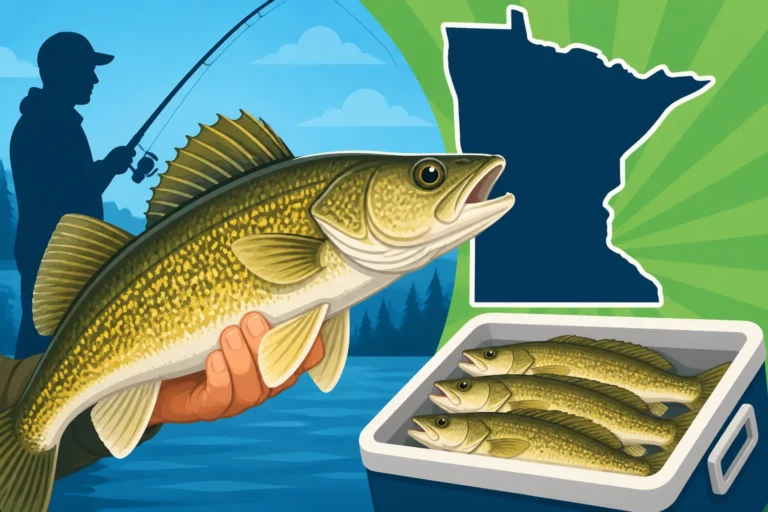
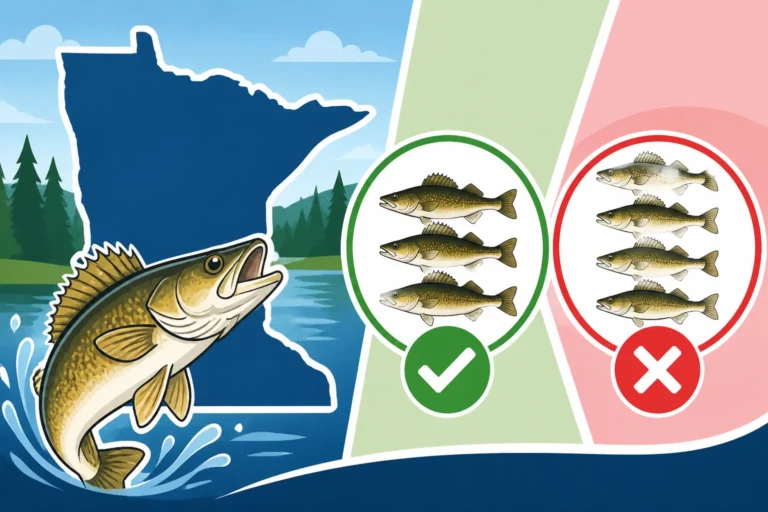
For the majority of Minnesota's inland waters, the general statewide regulations for walleye are fairly straightforward: a daily bag limit of six walleye. However, there are typically some specific nuances to be aware of. The most common statewide rule also includes a length restriction: anglers are usually allowed to keep one walleye over 20 inches as part of their six-fish limit. This "one over" rule is a conservation measure, aiming to protect the larger, more prolific spawning females. It's a way to ensure that the big breeders stay in the lake to produce more fish.
It’s crucial to remember that "daily bag limit" means the number of fish you can keep in a single day, while "possession limit" refers to the maximum number of fish you can have in your possession at any given time, regardless of how many days you've been fishing. For walleye, the possession limit is generally the same as the daily bag limit (six fish), unless otherwise specified for certain waters. Always double-check the latest Minnesota Fishing Regulations: Bag & Possession for the most accurate and up-to-date information, as rules can occasionally change. Even experienced anglers can get caught off guard if they don't review the current year's regulations.
Lake-Specific Exceptions and Slot Limits
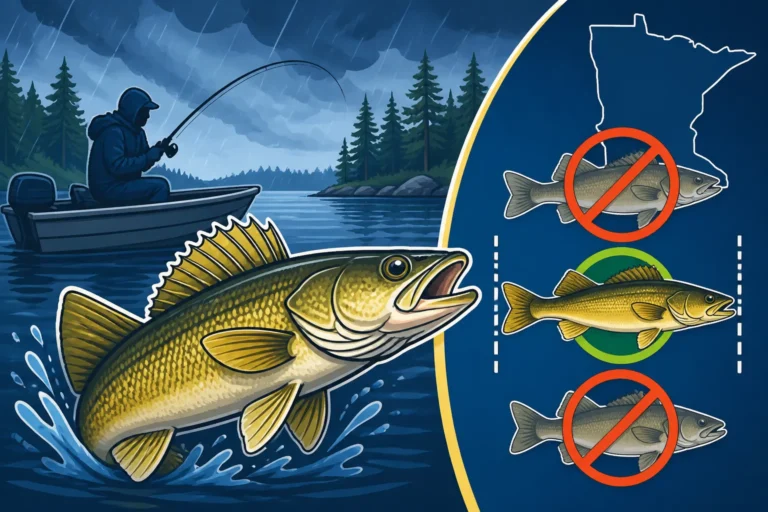
Here’s where it gets a little more complex, and where paying close attention becomes absolutely vital. Many of Minnesota's most popular walleye lakes have special regulations that supersede the general statewide rules. These special regulations, often called "slot limits," are put in place by the DNR to address specific population dynamics on individual lakes. For instance, some lakes might have a protected slot where fish within a certain size range (e.g., 17-26 inches) must be immediately released, while others might have reduced bag limits or different "one over" rules.
Consider the famous Mille Lacs Lake, which often has unique and highly publicized walleye regulations that can even change during the season. For 2026, it's essential to check the specific Mille Lacs Walleye Regulations (2026) as they are frequently adjusted to balance angler pressure with the lake's walleye population health. Similarly, Upper Red Lake and Leech Lake often have their own specific rules for walleye. These regulations are designed to either protect smaller, growing fish, allow larger fish to contribute to spawning, or control overall harvest to maintain a healthy fishery.
The table below illustrates some common examples of how walleye regulations can vary, but it's critical to consult the official 2026 Minnesota Fishing Regulations booklet or the DNR website before heading out, as these are subject to change.
| Water Body | Typical Walleye Daily Bag Limit (Subject to Change) | Typical Walleye Size Restrictions (Subject to Change) | Notes on Variation (Examples) |
|---|---|---|---|
| Most Inland Waters | 6 | One over 20 inches | Standard statewide regulations. |
| Mille Lacs Lake | Varies (often 0-3) | Highly variable slot limits (e.g., 20-23", 21-25") or complete catch-and-release. | Check Mille Lacs Walleye Regulations (2026) closely; can change seasonally. |
| Upper Red Lake | Varies (often 4) | Often a protected slot (e.g., 17-26 inches must be released) | Managed for trophy potential and population sustainability. |
| Leech Lake | Varies (often 4) | Typically a protected slot (e.g., 20-26 inches must be released) | Part of long-term rehabilitation efforts. Check Leech Lake Fishing Regulations (2026) for specifics. |
| Lake of the Woods | 6 | No more than four between 19.5-28 inches, one over 28 inches allowed. | Border water rules apply; check Lake of the Woods Fishing Regulations (2026). |
| Rainy Lake (Border Waters) | 6 | No more than four between 18-27 inches, one over 27 inches allowed. | Specific rules for Canadian border waters. |
The DNR provides a fantastic resource both online and in physical booklets at license vendors. This information is your fishing bible, containing all the rules for Minnesota Fishing Seasons & Opener Dates (2026), specific fish species, and even Minnesota Fishing Limits: Bag & Possession (2026). Make it a point to review it annually, especially for any lakes you plan to fish, to avoid any unintended violations.
Best Practices for a Successful 2026 Opener
The Minnesota walleye opener is a blend of tradition, excitement, and strategy. To truly make the most of it, a little preparation goes a long way. It's about stacking the odds in your favor, both for catching fish and for having an enjoyable, hassle-free experience.
Pre-Season Prep: What You Need to Do
Believe me, the last thing you want on opening morning is to discover your boat won't start, your fishing license is expired, or your tackle box is a chaotic mess. Proactive preparation is the key to a smooth and successful opener.
First and foremost, secure your Minnesota Fishing License: Cost, Types & How to Buy (2026). You can easily do this online, at a local bait shop, or at a county auditor's office. Don't wait until the last minute, as lines can be long. If you're wondering How to Get a Minnesota Fishing License Online, it's a very straightforward process that can save you precious fishing time. Remember, anyone 16 years of age or older needs a license, so if you're bringing older kids, ensure they're covered.
Next, get your boat ready. Check the battery, ensure your lights work, test your trolling motor, and make sure all safety equipment (life vests, throw cushion, horn, fire extinguisher) is on board and in good condition. Give your boat a good wash, especially if it was stored dirty, and check for any aquatic invasive species (AIS) remnants. Reviewing the Aquatic Invasive Species (AIS) Rules for Boaters is not just a good idea, it's the law. Remove the drain plug before transport and clean off any weeds or debris from your trailer.
Finally, organize your tackle. Sharpen hooks, spool fresh line on your reels (especially your main jigging and slip bobber setups), and make sure you have a good selection of jigs, minnows, leeches, and crankbaits. Early season walleye often respond well to live bait, so having a good minnow bucket and aerator ready is crucial.
Early Season Walleye Tactics
The walleye opener in May typically presents unique fishing conditions. Water temperatures are still quite cold, and walleyes are often lethargic after spawning. This means your tactics need to be adjusted accordingly.
Go Shallow Early: Many walleyes will be found in shallower water (5-15 feet) during the opener, especially near areas where they spawned or where new green weeds are just starting to emerge. Look for northern bays, protected coves, or dark-bottomed areas that warm up faster in the spring sun. These areas often hold baitfish, which in turn attract hungry walleye.
Slow and Steady Wins the Race: This isn't the time for fast trolling. Slower presentations are usually more effective.
- Jigging with live bait: A classic opener technique is jigging with a minnow (shiners, rainbows, or fatheads) on a ¼ to ⅜ ounce jig. Often, a simple lift-and-drop presentation near the bottom is all it takes. Check out Jigging for Walleye: Jig & Minnow Basics for more detailed tips.
- Slip Bobbers: In shallower, calm areas, a slip bobber rig with a leech or a small minnow can be deadly. It allows your bait to stay in the strike zone without constant manipulation. Learn How to Use a Slip Bobber for Walleye & Crappie to master this technique.
- Bottom Bouncers: If you're covering slightly deeper flats or breaklines, a bottom bouncer with a spinner rig or plain hook and a crawler/leech can be effective when trolled slowly. The key is to keep your bait just off the bottom.
Remember, early season walleye can be finicky. Don't be afraid to experiment with jig colors (chartreuse, orange, and white are often reliable), bait types, and retrieval speeds. Pay close attention to subtle bites, as walleye can be very light biters in cold water. And don't forget that the best fishing often happens during low-light periods – dawn, dusk, and even into the night. Many anglers find success with Night Fishing for Walleye in Minnesota, especially if fishing pressure is high during the day.
Why the Walleye Opener is So Special in Minnesota
The Minnesota walleye opener is more than just a date on the calendar; it's a profound cultural event that stitches together communities, families, and generations. It represents a collective sigh of relief after a long winter and a renewed connection to the natural world that defines the state.
Economic Impact and Community Spirit
You can't talk about the walleye opener without acknowledging its massive economic impact on Minnesota, particularly in the smaller, lakeside communities. Resorts, bait shops, gas stations, restaurants, and local businesses depend heavily on the influx of anglers that descend upon the state during this time. The opener kicks off the entire summer tourism season for many regions. Think about the bustling main streets of Walker, Nisswa, or Park Rapids on opener weekend – it's an economic engine.
Beyond the dollars, there's an undeniable spirit that emanates from these communities. Locals beam with pride, offering advice, sharing stories, and embracing the annual transformation of their towns. This isn't just about commerce; it's about a shared passion that binds residents and visitors alike. Fishing tournaments, local fish fries, and community events often coincide with the opener, creating a festive atmosphere that is truly unique to Minnesota. It’s a huge driver for the state’s outdoor recreation industry and a beloved tradition that underpins the identity of many small towns.
A Rite of Spring: The Cultural Significance
For many Minnesotans, the walleye opener is as much a harbinger of spring as the blooming of crocuses or the return of the loons. It's a natural rhythm, a deeply ingrained part of the year's cycle. After months of ice and snow, the opener symbolizes warmth, renewal, and the promise of long summer days on the lake. It's a connection to the wild, a primal urge to harvest from the bountiful waters that define the Land of 10,000 Lakes.
This cultural significance is passed down through generations. Grandparents teach their grandchildren the art of jigging, parents share their secret spots with their kids, and old friends reunite annually to relive past glories and create new memories. The shared experience builds narratives and strengthens community ties. Whether you're a seasoned veteran with decades of openers under your belt or a newcomer eager to experience the tradition, the Minnesota walleye opener offers a chance to be part of something truly special. It’s a moment where all Minnesotans, regardless of background, can share in the simple, profound joy of casting a line into the clear, cool waters and waiting for that distinctive tap of a hungry walleye.
Disclaimer
Please be aware that fishing regulations, including season dates, bag limits, and size restrictions, can change. While this guide provides information based on current patterns and expectations for 2026, it is essential to always consult the official Minnesota Department of Natural Resources (DNR) fishing regulations booklet or their website for the most accurate and up-to-date information before you head out on the water. Following official regulations is the angler's responsibility.