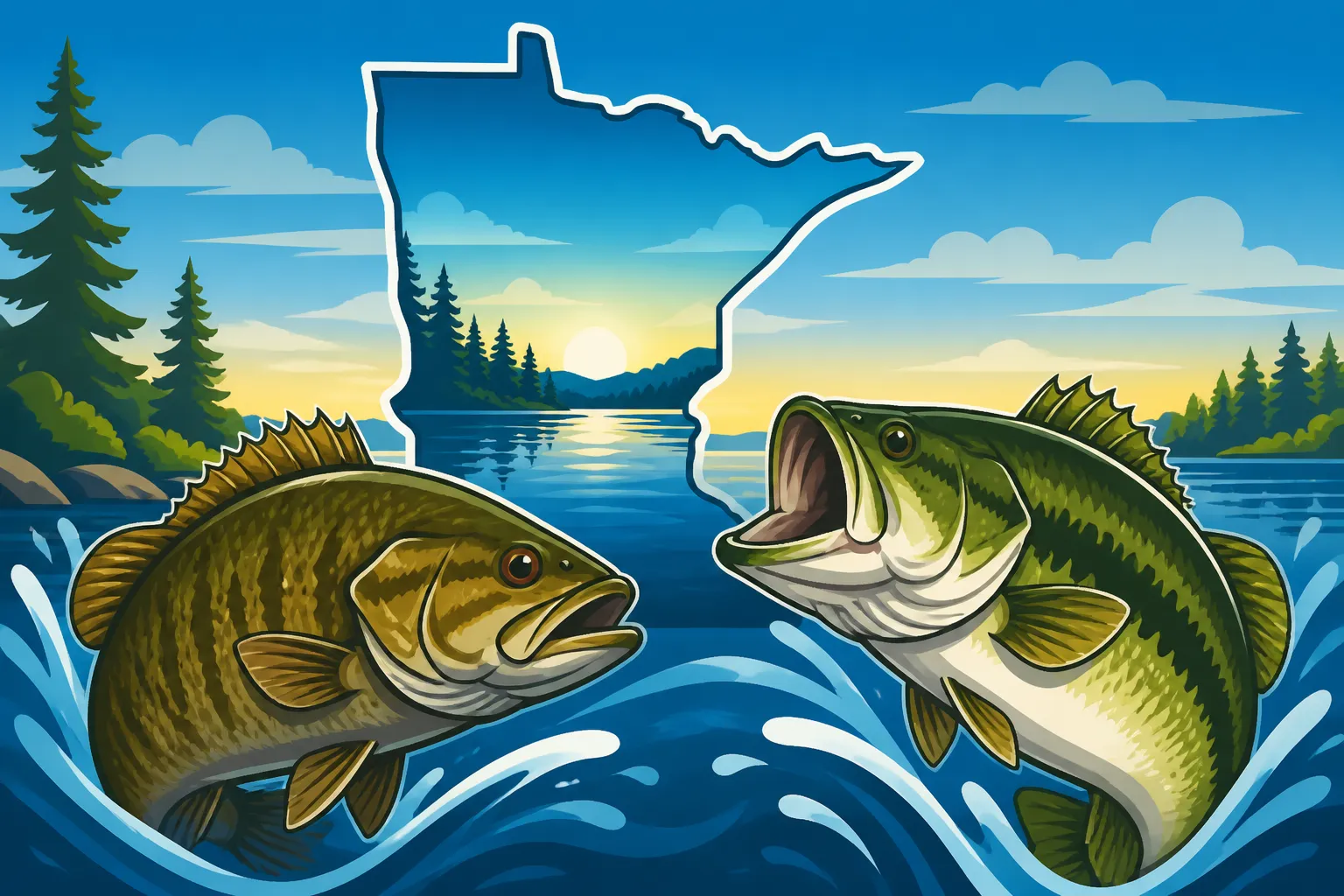
Best Bass Lakes in Minnesota (Smallmouth & Largemouth)
Finding the ultimate bass fishing experience in Minnesota can feel like a quest for the holy grail, especially with over 10,000 lakes and countless rivers vying for your attention. It's easy to get overwhelmed trying to pinpoint the spots where you’ll actually land some impressive smallmouth or largemouth. This comprehensive guide will cut through the noise, highlighting the premier bass lakes in the state and equipping you with the knowledge to make your next angling adventure a resounding success.
Understanding Minnesota Bass: Smallmouth vs. Largemouth
Before we dive into specific lakes, it's really helpful to understand the nuances between Minnesota's two most popular bass species: the largemouth and the smallmouth. While both are incredible sportfish and offer thrilling fights, they have distinct personalities and preferred hangouts. Knowing these differences will dramatically improve your chances of targeting the species you're after and, ultimately, putting more fish in the boat or on the bank.
Key Differences in Appearance and Habitat
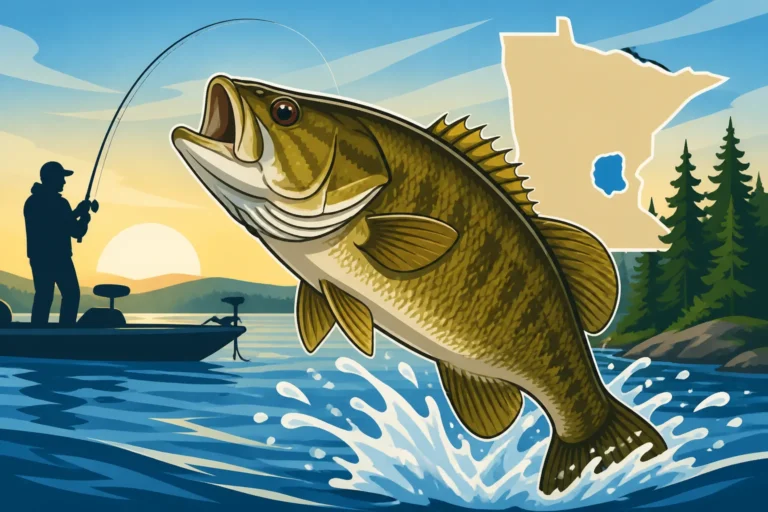
When you're out on the water, telling a largemouth from a smallmouth is usually pretty straightforward once you know what to look for. The most obvious visual cue is the mouth itself: a largemouth bass's jaw extends well beyond the back of its eye, giving it that characteristic "largemouth" appearance. Smallmouth bass, on the other hand, have a jaw that typically doesn't extend past the middle of the eye. Their coloring also differs; largemouths are usually dark green with a prominent horizontal stripe or blotches along their sides, while smallmouths tend to be bronze or brown with vertical bars, especially when they're fired up.
Beyond looks, their preferred habitats are night and day. Largemouth bass are truly creatures of cover and warmer water. You'll find them lurking in thick vegetation like lily pads, cattails, and submerged weed beds, or tucked tight against docks, fallen trees, and shallow brush piles. They love the murky, fertile waters of many of Minnesota's shallower, weedier lakes. Smallmouth bass, conversely, are typically found in cooler, clearer waters. They gravitate towards rocky structures—think rocky points, humps, ledges, boulder fields, and main lake reefs. They're often suspended over deep water near these structures or hugging rocky shorelines where crayfish, their favorite meal, often hide.
Preferred Forage and Behavior
Their dietary preferences are often dictated by their environment. Largemouth bass are opportunistic ambush predators. In their weedy domains, they feast on a wide array of prey, including baitfish like shiners and sunfish, frogs, crayfish, and even small rodents or ducklings that venture too close to the surface. Their aggressive strikes often come from hidden cover, and they're less likely to chase bait for long distances. They're all about that quick, explosive burst from their hiding spot.
Smallmouth bass, living in clearer, rockier environments, tend to be more active pursuers. While they'll certainly ambush, they're renowned for chasing down schools of baitfish like ciscoes, smelt, and especially crayfish. Their hard-hitting strikes often happen in open water or along sharp breaks. Understanding these feeding patterns and behavioral traits is crucial. For instance, if you're targeting largemouth, you'll be pitching into heavy cover; for smallmouth, you'll be casting to rocky points or deep structures. This knowledge is fundamental to unlocking the Best Bass Fishing Techniques for Minnesota Lakes.
Top Tier Largemouth Bass Lakes
When it comes to largemouth bass, Minnesota offers some truly world-class fisheries. These aren't just any lakes; they are known for consistent action and the potential for trophy-sized bucketmouths that will test your gear and your grit. You'll find these green giants tucked into prime habitat, often demanding precision casts into tight cover.
Central Minnesota's Weedy Havens
Central Minnesota is a paradise for largemouth anglers, boasting numerous lakes that combine fertile waters with abundant cover. Lake Minnetonka, right in the heart of the Twin Cities metro area, is legendary. Its sheer size and complexity—over 14,000 acres with numerous bays, islands, and channels—mean endless opportunities. You’ll find largemouth hiding in the extensive weed beds, around countless docks, and under lily pads. Early mornings and evenings often yield fantastic results, especially with topwater frogs or soft plastics pitched into thick cover. The sheer amount of accessible shoreline and boat ramps make it a fantastic, albeit sometimes busy, destination. In fact, many locals consider it one of the best for Lake Minnetonka Bass Fishing.
Just a stone's throw away, Prior Lake is another outstanding option, particularly for anglers seeking quality largemouth close to the metro. It's got fantastic structure, from shallow bays choked with reeds to deep weed lines, making it a versatile fishery. Nearby, Lake Waconia offers a similar experience, with ample submerged vegetation and docks that provide perfect ambush points for big largemouth. These lakes demand accurate casting and a willingness to work through heavy cover, but the reward of a chunky largemouth exploding on your lure is well worth the effort.
Northern Minnesota's Hidden Gems
Don't let the reputation of northern Minnesota being a smallmouth haven fool you; there are fantastic largemouth opportunities too, often in less pressured waters. Leech Lake, though famous for its walleye and muskie, also holds a healthy population of largemouth bass, particularly in its shallower, more vegetated bays like Sucker Bay, Steamboat Bay, and Portage Bay. These areas offer extensive wild rice beds and emergent vegetation that largemouth absolutely adore.
Pokegama Lake near Grand Rapids is another fantastic northern lake with a diverse fishery, including excellent largemouth. Its numerous islands, bays, and varying depths provide a variety of habitats, and the largemouth here grow to impressive sizes, often found tucked into the deeper weed lines or around shoreline structures. Similarly, Gull Lake in the Brainerd Lakes Area offers significant largemouth potential, especially in its shallower, protected bays. These northern lakes, while sometimes overlooked for largemouth, can offer incredible solitude and some truly memorable catches for those willing to explore beyond the main lake basins.
Metro Area Largemouth Opportunities
You don't always need to travel far to find excellent largemouth bass fishing in Minnesota. The lakes right within and surrounding the Twin Cities metro area provide convenient and productive angling. Bde Maka Ska (formerly Lake Calhoun) in Minneapolis is a prime example. While it’s a popular spot for many water activities, its extensive weed lines, docks, and rocky edges hold a surprising number of largemouth, including some real bruisers. Early mornings or late evenings are often best to avoid the busiest times, allowing you to peacefully target fish lurking in the shadows.
Similarly, Lake Harriet, another Minneapolis Chain of Lakes gem, offers great largemouth fishing, particularly around its shorelines and designated fishing piers. These urban lakes are fantastic proving grounds for honing your casting skills in tight quarters and learning how bass relate to man-made structures. The convenience of these lakes makes them perfect for a quick evening trip after work or a weekend morning outing without a long drive. If you're looking for shore fishing opportunities, these metropolitan lakes are hard to beat for their accessibility.
Premier Smallmouth Bass Destinations
For many anglers, the bronze bomber—the smallmouth bass—is the ultimate prize, known for its tenacious fight, acrobatic jumps, and incredible power. Minnesota boasts some of the absolute best smallmouth fisheries in the country, drawing enthusiasts from far and wide. These lakes are typically clearer, rockier, and often deeper than their largemouth counterparts.
Lake Superior and North Shore Tributaries
The largest freshwater lake in the world, Lake Superior, offers a unique and challenging smallmouth fishery along Minnesota's North Shore. While not a typical "bass lake," the protected harbors and river mouths along its coast, particularly near Duluth, provide cooler, clear water and plenty of rocky structure that smallmouth thrive in. These fish are often strong and aggressive, adapting to the cold, deep waters.
Beyond the big lake itself, several North Shore rivers and streams that feed into Lake Superior can offer exciting, albeit sometimes more technical, smallmouth opportunities, especially in their lower stretches. Anglers who brave the often cooler conditions of these areas are frequently rewarded with exceptionally hard-fighting smallmouth that are truly a testament to their rugged environment. It's a different kind of bass fishing, but one that offers incredible rewards for the adventurous angler.
Rocky Giants: Mille Lacs and Vermilion
When you talk about world-class smallmouth bass fishing in Minnesota, Mille Lacs Lake immediately springs to mind. This massive, rocky lake is not only a walleye factory but also a legitimate, internationally recognized smallmouth bass mecca. The lake's vast expanses of rock reefs, rubble, and gravel make it ideal habitat. Smallmouth here are known for their immense size, with 5-pounders being common and much larger fish always a possibility. Fishing the mud flats, rock humps, and shoreline breaks with smallmouth-specific presentations like drop shots, tubes, and crankbaits can yield incredible action. It's truly a bucket-list destination for anyone serious about smallmouth, and we have a whole guide dedicated to Mille Lacs Smallmouth Bass World-Class Fishery.
Another northern Minnesota gem that rivals Mille Lacs for smallmouth is Lake Vermilion. Nestled in the Boundary Waters Canoe Area Wilderness gateway, Vermilion offers stunning scenery and incredible fishing. Its complex geology, with countless islands, deep reefs, and rocky shorelines, creates perfect smallmouth habitat. These fish grow big and chunky, feeding on the lake's abundant forage. Anglers often find success targeting rocky points and deep submerged structure. Vermilion provides not just excellent fishing, but an unparalleled wilderness experience, making it a favorite for many.
Other Notable Smallmouth Fisheries
Beyond the titans, many other Minnesota lakes hold robust smallmouth populations. Ten Mile Lake near Hackensack is famous for its exceptional water clarity and deep, rocky structure, which are perfect for smallmouth. The fish here are often caught suspended over deeper water or tight to rock piles. Its pristine waters make for exciting sight-fishing opportunities on calm days.
Cass Lake in the Leech Lake Reservation area, while often overshadowed by its larger neighbor, also offers fantastic smallmouth potential, especially around its numerous islands and rocky shorelines. These lakes, while perhaps not as widely known for smallmouth as Mille Lacs, provide excellent fishing in a more serene setting, often with less pressure. Exploring these slightly less-trafficked waters can lead to some truly memorable smallmouth encounters, making them prime targets for serious bass anglers.
Factors for Choosing Your Next Bass Lake Adventure
Choosing the right bass lake in Minnesota isn't just about picking a name off a list. It's about understanding what makes a particular body of water tick and how it aligns with your fishing goals and style. A little research into these factors can save you a lot of time and lead to more productive days on the water.
Structure and Cover: What Bass Love
The presence and type of structure and cover are paramount when selecting a bass lake. Largemouth bass, as we discussed, are drawn to dense vegetation, fallen trees, docks, and submerged brush. When evaluating a lake for largemouth, look for areas with extensive shallow bays, abundant lily pads, cattails, and thick weed lines. Lakes with complex shorelines and plenty of man-made structures like marinas and boat lifts will often hold plenty of fish. If a lake has a reputation for being "weedy," it's likely a good largemouth spot.
Smallmouth bass, conversely, are structure fanatics. They thrive in lakes with hard bottoms, rock piles, ledges, humps, and steep breaks. Lakes formed by glacial activity, with deep, clear water and plenty of exposed rock, are typically prime smallmouth territory. Features like rocky points extending into deep water, offshore reefs, and areas with scattered boulders are magnets for these bronze beauties. A quick glance at a depth map (like those often found on a Navionics or LakeMaster chip) can tell you a lot about a lake's potential for either species.
Forage Base and Water Clarity
The food chain plays a huge role in a lake's ability to produce quality bass. A robust forage base means healthier, larger bass. For largemouth, a lake rich in panfish (bluegills, crappies), shiners, and frogs is ideal. These prey species thrive in shallower, weedier environments, which in turn supports a thriving largemouth population.
Smallmouth bass often rely on different food sources, with crayfish being a top choice in many lakes. Ciscoes (tulibees) and smelt are also critical forage, especially for growing large, deep-water smallmouth. These baitfish often prefer cooler, deeper water, which aligns perfectly with smallmouth habitat. Water clarity is another key differentiator. Largemouth can tolerate, and often prefer, murkier or stained water where their ambush tactics are more effective. Smallmouth, with their keen eyesight, typically prefer clearer water, allowing them to hunt visually and chase down prey. Understanding these relationships will help you choose wisely.
Accessibility and Fishing Pressure
It's also practical to consider accessibility and fishing pressure. Some of Minnesota's best bass lakes, like Lake Minnetonka or Mille Lacs, are incredibly popular and can see significant boat traffic, especially on weekends. If you prefer solitude, you might look for smaller, less-known lakes or those further off the beaten path. Public boat launches and access points are critical for boat anglers, so check their availability and condition beforehand. For shore anglers, lakes with designated fishing piers, parks, or accessible public shoreline are a must.
Consider the time of year and day as well. Even busy lakes can offer peaceful fishing during weekdays or very early mornings/late evenings. If you’re planning a trip from out of state or just prefer a guided experience, services like FishingBooker can help you find reputable local guides who know the specific bass patterns on many of these lakes, saving you valuable time and increasing your chances of success. They can connect you with guides specializing in both Smallmouth & Largemouth Bass in Minnesota on specific bodies of water.
Essential Bass Fishing Techniques for Minnesota Waters
Having the right gear and knowledge of specific techniques can make all the difference when you're targeting Minnesota's bass. Each species, and even different types of water bodies, calls for a slightly different approach to maximize your catch rate.
Largemouth Tactics: Weeds, Docks, and Pads
Largemouth bass are typically ambush predators, and your techniques should reflect this. When fishing around dense vegetation like lily pads or thick weed beds, weedless presentations are your best friend. Soft plastic frogs, often rigged weightless, are phenomenal for skittering across the top of pads, enticing explosive topwater strikes. Jig-and-pig combinations or Texas-rigged soft plastics (worms, creature baits) are excellent for punching through or working along the edges of heavy cover. The goal is to get your bait right into their living room.
Docks and fallen trees are also prime largemouth haunts. Skipping jigs or weightless Senkos under docks can be incredibly effective. For timber, pitching a jig or a Texas-rigged plastic worm to the darkest parts of the submerged wood can provoke aggressive bites. Remember, largemouth often hold tight to cover, so short, accurate casts are often more important than long bombs. A strong baitcasting setup with heavy line (like 15-20 lb fluorocarbon or 30-50 lb braid) is usually preferred for muscling fish out of thick cover.
Smallmouth Tactics: Rocks, Reefs, and Open Water
Smallmouth bass, in their rocky, clear water domains, require different presentations. They are often more willing to chase a bait, and their keen eyesight means your lure choice and presentation need to be a bit more refined. Tubes and Ned rigs are absolute staples for smallmouth, mimicking crayfish and small baitfish that live among the rocks. These are typically fished on lighter spinning gear with fluorocarbon line for sensitivity and stealth.
Crankbaits and jerkbaits are also incredibly effective for smallmouth, especially when they are actively feeding on baitfish schools. Targeting rocky points, humps, and current breaks with these lures can trigger aggressive strikes. Drop shots are fantastic for presenting a bait just off the bottom over deep rock piles or when fish are suspended. For a detailed dive into specific baits, check out Best Bass Lures for Minnesota Lakes. Whether you're working a tube along a gravel bar or burning a jerkbait over a deep reef, precision and understanding current and structure are key to smallmouth success.
Seasonal Considerations for Bass Angling
Bass fishing in Minnesota is a year-round pursuit, but the tactics change dramatically with the seasons. Spring, after ice-out, sees bass moving into shallower, warmer water for spawning. During this time, prespawn largemouth can be aggressive, hitting spinnerbaits and jigs. Smallmouth might be found moving onto rocky spawning beds. Summer brings them to their preferred structures – deep weed lines for largemouth and offshore reefs for smallmouth. Topwater action is fantastic in low light, and various soft plastics and crankbaits work throughout the day.
As fall approaches and water temperatures drop, both species undertake a "fall feed," gorging themselves in preparation for winter. This can be a fantastic time for big fish, often found relating to deeper main lake structure. Late fall might see bass consolidating in deep holes or transitions before ice forms. Understanding these Seasonal Fishing Patterns in Minnesota is crucial for consistently finding and catching bass throughout the year.
| Lake Name | Primary Bass Species | Key Features | Best Techniques | Location (Region) |
|---|---|---|---|---|
| Lake Minnetonka | Largemouth | Weeds, Docks, Lily Pads, Shallow Bays | Frogs, Jigs, Texas Rigs, Spinnerbaits | Central (Metro Area) |
| Mille Lacs Lake | Smallmouth | Rock Reefs, Humps, Boulder Fields, Mud Flats | Tubes, Drop Shots, Jerkbaits, Crankbaits | Central (North of Metro) |
| Lake Vermilion | Smallmouth | Islands, Deep Reefs, Rocky Shorelines, Clear W. | Tubes, Jigs, Jerkbaits, Smallmouth Crankbaits | Northern (Voyageurs Gateway) |
| Leech Lake | Largemouth | Wild Rice Beds, Extensive Weeds, Shallow Bays | Topwater, Spinnerbaits, Jigs, Weedless Plastics | Northern (Cass Lake Area) |
| Pokegama Lake | Largemouth | Islands, Bays, Deep Weed Lines | Jigs, Texas Rigs, Spinnerbaits, Crankbaits | Northern (Grand Rapids Area) |
| Ten Mile Lake | Smallmouth | Clear Water, Deep Rocky Structure | Tubes, Drop Shots, Jigging Spoons, Jerkbaits | Northern (Hackensack Area) |
| Prior Lake | Largemouth | Reeds, Weed Lines, Docks | Jigs, Frogs, Chatterbaits, Swim Jigs | Central (Metro Area South) |
| Gull Lake | Largemouth | Shallow Bays, Weed Lines, Man-Made Structure | Topwater, Jigs, Spinnerbaits | Central (Brainerd Lakes) |
| Lake Superior | Smallmouth | Harbors, River Mouths, Rocky Shorelines | Tubes, Drop Shots, Small Crankbaits, Blade Baits | North Shore (Duluth Area) |
| Cass Lake | Smallmouth | Islands, Rocky Points, Deep Breaks | Tubes, Drop Shots, Ned Rigs, Jerkbaits | Northern (Leech Lake Area) |
Planning Your Minnesota Bass Fishing Trip
A successful bass fishing trip in Minnesota, whether it's a quick evening outing or a multi-day adventure, requires a bit of planning. From ensuring you have the right gear to understanding local regulations, being prepared will significantly enhance your experience and your chances of landing some fantastic bass.
Gear Up for Success
Having the right tackle is fundamental. For largemouth, consider a stout baitcasting setup with a medium-heavy to heavy power rod (6'6" to 7'6") and a high-speed reel. This combination allows for quick hooksets and leverage to pull fish out of thick cover. Pair it with braided line (30-50 lb) for strength and sensitivity, possibly with a fluorocarbon leader. For smallmouth, a versatile spinning setup is often preferred, featuring a medium-light to medium power rod (6'6" to 7'0") and a quality spinning reel spooled with 8-12 lb fluorocarbon or a braid-to-fluorocarbon leader setup. This offers better casting for lighter baits and sensitivity for subtle bites in deeper water.
Beyond rods and reels, a well-stocked tackle box is essential. For largemouth, include a variety of soft plastic frogs, creature baits, worms, jigs (flipping jigs, swim jigs), spinnerbaits, and buzzbaits. For smallmouth, stock up on tubes, Ned rigs, drop shot weights and hooks, small crankbaits, jerkbaits, and perhaps some blade baits. Don't forget essentials like a good pair of pliers, line cutters, a measuring board, and a reliable net. A quality fish finder, like a Humminbird or Garmin unit, can be invaluable for locating structure and fish, especially on larger, deeper lakes.
Utilizing Guides and Resources
Sometimes, the best way to crack a new lake or target a specific species, like catching a monster smallmouth on Mille Lacs, is to learn from someone who lives and breathes it. Local fishing guides are an invaluable resource. They possess intimate knowledge of the lake's seasonal patterns, hot spots, and effective techniques. Many experienced anglers, even veterans, hire guides when exploring new waters or wanting to quickly improve their skills.
Platforms like FishingBooker are excellent for connecting with highly-rated local guides across Minnesota. You can browse profiles, read reviews, and find guides specializing in bass fishing on specific lakes like Mille Lacs, Lake Vermilion, or Lake Minnetonka. They'll often provide all the necessary gear, bait, and most importantly, the expertise to put you on fish. Don't forget to secure your Minnesota fishing license beforehand; knowing the regulations on Minnesota Fishing License: Cost, Types & How to Buy (2026) is a fundamental part of responsible angling.
Conservation and Regulations
As passionate anglers, we all have a role to play in preserving Minnesota's incredible bass fisheries for future generations. This means adhering strictly to all state and local fishing regulations, including bag limits, size restrictions, and season dates. Always consult the most current Minnesota fishing regulations published by the DNR, as rules can change. Many bass anglers practice catch and release, especially for larger, older fish which are vital for a healthy breeding population. If you plan to release fish, understanding Catch and Release Best Practices in Minnesota is crucial to ensure the fish's survival.
Be mindful of aquatic invasive species (AIS). Always clean, drain, and dry your boat and gear after every outing to prevent the spread of unwanted plants and animals. Respect private property, practice responsible boating, and leave no trace. By following these simple guidelines, we can ensure that Minnesota remains a premier destination for bass fishing for years to come.
Disclaimer
The information provided in this guide is for general informational purposes only and is subject to change. Always consult the most current Minnesota Department of Natural Resources (DNR) fishing regulations and advisories before heading out on the water. Fishing conditions, fish populations, and specific lake rules can vary and be updated frequently.