Where to Catch Rainbow Trout in Minnesota
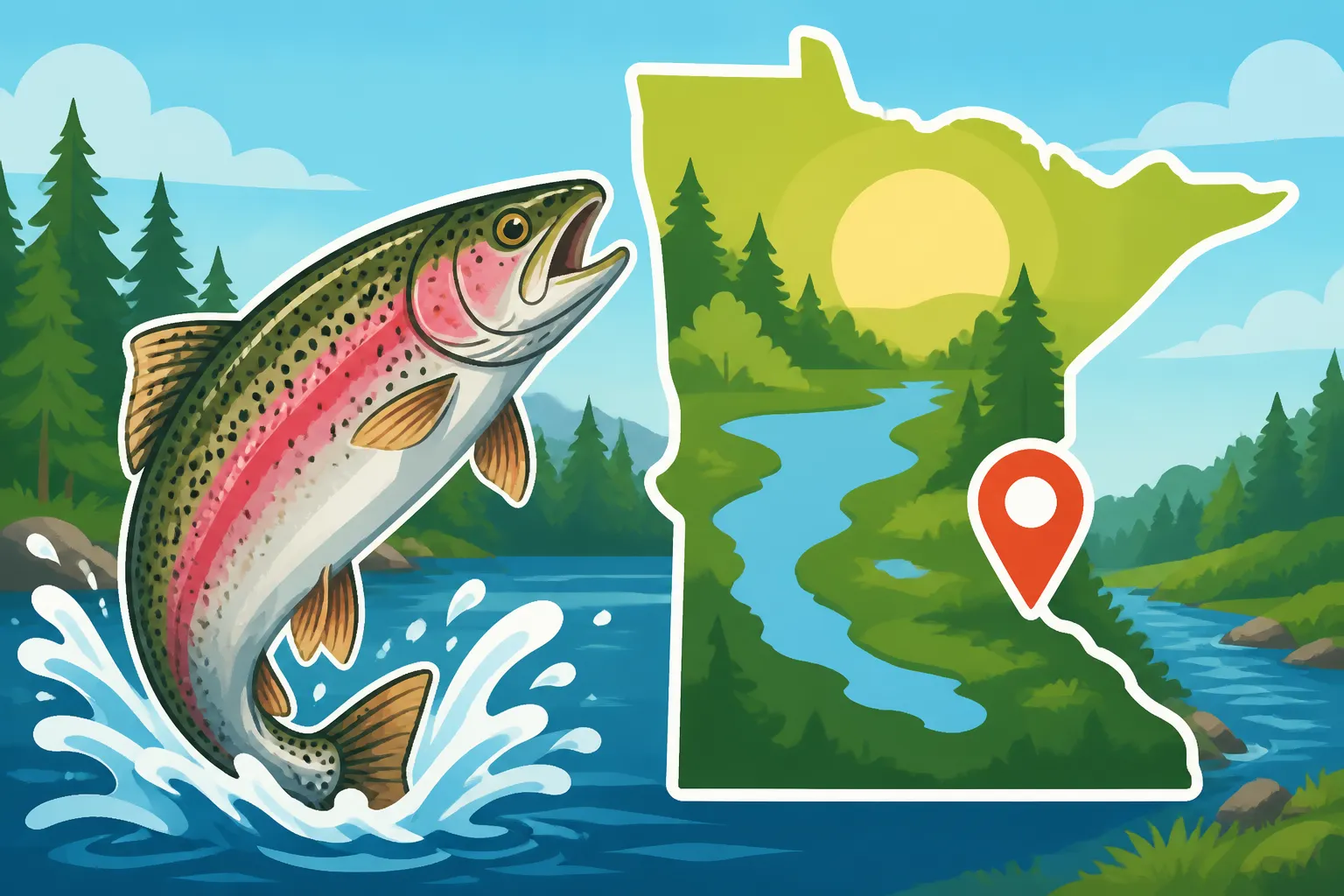
Trying to track down elusive rainbow trout in Minnesota can feel like a real challenge, especially with our state's incredible diversity of waters. You might be dreaming of that satisfying tug on your line, bringing in a vibrant, fighting rainbow from a cold, clear stream or a beautifully stocked lake, but often, the hardest part is simply figuring out where these magnificent fish reside. This guide is here to cut through the guesswork, offering clear insights and specific locations to boost your chances of finding and catching rainbow trout across the Land of 10,000 Lakes.
Understanding Where Rainbow Trout Thrive in Minnesota
Rainbow trout aren't just one-trick ponies; they adapt to various coldwater environments, making them available in several distinct types of Minnesota fisheries. Knowing the characteristics of these different habitats is the first step to successful rainbow trout angling. They need specific conditions to survive and thrive, particularly cold, oxygen-rich water. This usually means looking for spring-fed streams, deep lakes, or tributaries to larger cold-water bodies.
Coldwater Streams and Spring Creeks
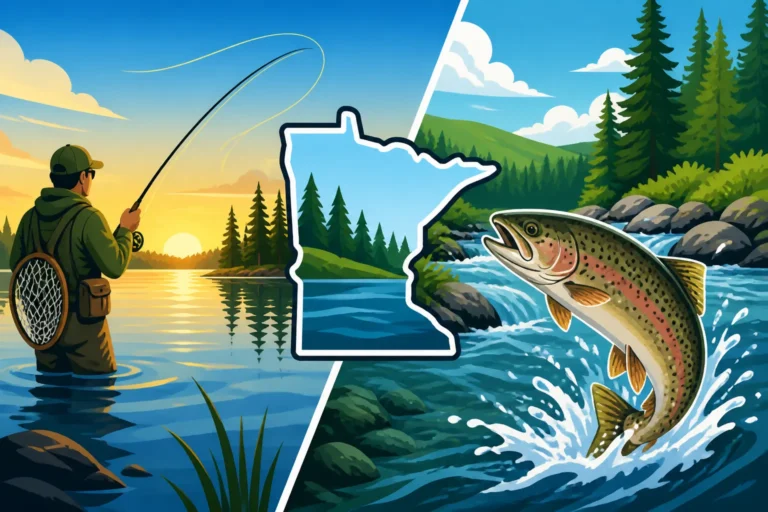
Many anglers immediately think of picturesque streams winding through forests when "trout fishing" comes to mind, and for good reason! Minnesota's southeastern region, often called the Driftless Area, is a prime example. Here, countless spring-fed creeks and rivers maintain consistently cold temperatures year-round, even through our hot summers. These streams boast excellent water quality, often filtering through limestone bedrock, which provides a rich ecosystem for aquatic insects – the primary food source for wild and naturalized rainbow trout. You'll find rainbows holding in pools, behind structure like fallen logs, under cut banks, and in riffles where oxygen is abundant and food washes by. The challenge here is often the tight casting quarters and navigating the stream itself, but the reward of a wild rainbow is unmatched.
Stocked Lakes and Ponds
For many, the easiest and most accessible way to catch rainbow trout in Minnesota is through the Department of Natural Resources (DNR)'s extensive stocking program. The DNR regularly stocks hundreds of lakes and ponds across the state with hatchery-raised rainbow trout, creating "put-and-take" fisheries. These lakes are typically deeper, infertile lakes that don't support warmwater species well but can hold trout, especially if they have cold, oxygenated water throughout the year (known as a "two-story" fishery) or at least through the cooler months. You'll find these stocked ponds in metro areas, state parks, and various public lands, making them excellent spots for families, beginners, or those looking for a quick fishing fix without a long drive. The fishing here can be quite different from stream fishing, often involving still-fishing with bait or casting small spoons and spinners.
Lake Superior and its Tributaries
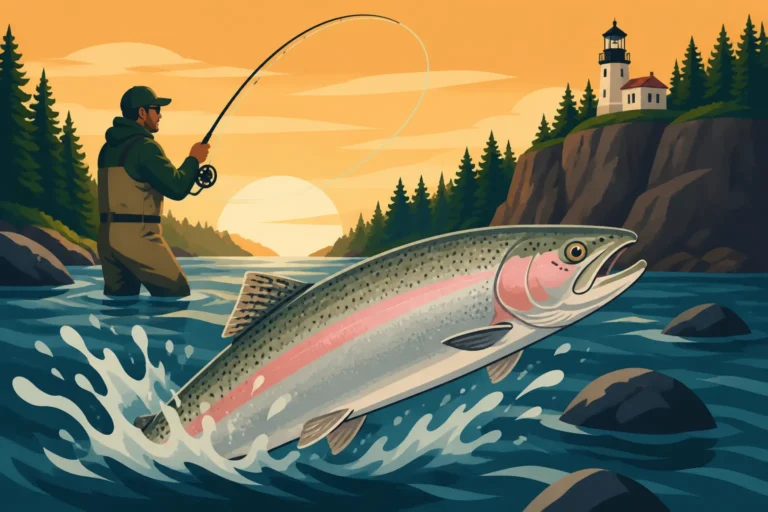
The vast, cold expanse of Lake Superior and its numerous tributary rivers along Minnesota's North Shore offer a unique and often trophy-level rainbow trout experience, particularly for steelhead. Steelhead are migratory rainbow trout that spend most of their lives in Lake Superior, growing large and powerful, then return to their natal rivers to spawn. These rivers, like the Lester, French, Sucker, Knife, and Brule, become hotspots during the spring and fall migrations. Fishing here is generally more challenging, requiring specialized gear and techniques to combat strong currents and powerful fish. Anglers often focus on runs, pools, and river mouths. Beyond the migratory runs, Lake Superior itself holds resident rainbows, often caught incidentally by anglers targeting other salmonids like lake trout or coho salmon. The sheer size and power of a North Shore rainbow make this a truly exhilarating pursuit.
Prime Locations for Rainbow Trout Fishing in Minnesota
Now that we understand where rainbows generally live, let's get down to the nitty-gritty: the specific spots in Minnesota where you can find these beautiful fish. Each region offers a distinct experience, from tranquil stream fishing to battling big lake-run fish.
The Driftless Area's Hidden Gems
Nestled in the southeastern corner of Minnesota, the Driftless Area is a truly special place for trout anglers. This region escaped glaciation, leaving behind a rugged landscape of steep bluffs, deep valleys, and an intricate network of cold, clear spring-fed streams. This unique geology provides ideal habitat for brown, brook, and rainbow trout. Many of these streams are designated as "Designated Trout Streams" by the DNR, indicating they are managed specifically for trout.
The Root River system, with its various branches and tributaries around towns like Lanesboro, Preston, and Caledonia, is perhaps the most famous. You can literally spend days exploring its different sections, each offering unique challenges and opportunities. For example, some stretches are easily accessible, running through public easements, while others require a bit more hiking to reach secluded spots. The Middle Branch of the Root River near Forestville/Mystery Cave State Park is particularly popular, offering good numbers of wild brown trout and stocked rainbows. Similarly, the Whitewater River system, especially the North and Middle Forks, near Elba and Whitewater State Park, is another fantastic option. These streams are often narrow, brushy, and require precise casting, but they are teeming with life. Fly fishing the Driftless Area: A Beginner's Guide delves into this in more detail. When pursuing these stream trout, you'll want to gear up right, and Amazon offers a great selection of lightweight fly rods and tackle specifically suited for these intimate waters.
North Shore Rivers and Lake Superior
Moving north, the dramatic North Shore of Lake Superior presents a completely different, yet equally rewarding, trout fishing scene. This area is renowned for its "steelhead" runs. As mentioned, these are rainbow trout that migrate from Lake Superior into its tributaries to spawn. The timing is critical here. The spring run typically begins as soon as the ice clears and water temperatures rise, usually from late March through May. The fall run is less consistent but can offer opportunities in October and November.
Some of the most popular rivers include the Lester River and French River near Duluth, the Knife River just north of Two Harbors, and the Brule River near Hovland. Each river has its own character; some are larger and more powerful, while others are smaller and more intimate. Anglers often use longer spinning rods or specialized spey rods for fly fishing to handle the larger fish and stronger currents. Access can sometimes be tricky, involving hiking through state parks or designated public lands. Besides the river runs, pier fishing in towns like Grand Marais or Duluth can also yield rainbows, especially during migratory periods when fish are cruising near shore. For those looking for the real challenge and potential for a trophy fish, these Lake Superior tributaries are the place to be. You can find more specific information about Steelhead on Minnesota's North Shore and Minnesota Trout Stamp & Trout Regulations to prepare.
Urban and Regional Stocked Lakes
For a more accessible and often family-friendly rainbow trout experience, Minnesota's stocked lakes are fantastic. The DNR puts a lot of effort into maintaining these fisheries, stocking thousands of rainbow trout each year. These lakes are spread across the state, from the immediate Twin Cities metro area to more rural regional parks.
In the metro area, popular stocked lakes include Centerville Lake, Lake Phalen, and Powderhorn Lake. These urban lakes provide incredible opportunities for anglers who don't have the time or means to travel far. You'll often find dedicated fishing piers and shore access, making them perfect for kids or anglers without a boat. Beyond the metro, lakes like Lake Byllesby in southern Minnesota or several small lakes in state parks like Flandrau State Park are regularly stocked. The beauty of these stocked lakes is their predictability. You know rainbows are there, and often, they're quite eager to bite. Fishing methods can range from simple bobber fishing with power bait or corn to casting small spoons and spinners. You can even enjoy ice fishing for these rainbows during the winter months. The DNR's website is the best resource for finding a current list of Best Stocked Trout Lakes in Minnesota, which are updated annually. Many of these locations are perfect for a quick trip, and you can grab last-minute bait or tackle from your local bait shop or even order convenient gear online through Amazon.
Effective Strategies for Landing Rainbow Trout
Catching rainbow trout isn't just about showing up; it's about understanding their behavior and presenting your bait or lure effectively. The techniques you use will vary significantly depending on whether you're fishing a small stream, a large lake, or a rushing river.
Gear and Bait for Stream Trout
When you're fishing the tight confines of a stream in the Driftless Area, finesse is the name of the game.
- Fly Fishing: This is arguably the most popular method for stream trout. A lightweight 7' to 8'6" fly rod, typically a 2 to 4-weight, paired with a matching reel and floating line, is ideal. You'll want to carry an assortment of flies mimicking local insects – dry flies (like Caddis, Adams, Parachute Adams) for surface feeding, nymphs (Pheasant Tail, Hare's Ear, Prince Nymph) for subsurface action, and small streamers for aggressive fish. Learning "How to Catch Stream Trout: Nymphs & Dries" can seriously up your game. Leaders and tippet in the 4x to 6x range are common to present flies naturally.
- Spin Fishing: If fly fishing isn't your style, ultralight spinning gear works wonders. A 5' to 6' ultralight rod with a small spinning reel spooled with 2-4 pound monofilament or fluorocarbon line is perfect. Small inline spinners (like Mepps Aglias or Panther Martins in sizes 0-2), tiny spoons (Kastmasters, Little Cleos), or small jigs tipped with a piece of worm or grub are highly effective. The key is to cast upstream and retrieve just fast enough to make your lure work, letting the current do some of the work. For natural bait, a small piece of nightcrawler, a wax worm, or a corn kernel on a light wire hook (#10-14) under a tiny split shot or small bobber can be deadly.
Tactics for Stillwater Trout
Fishing for rainbow trout in stocked lakes is a different ballgame. Here, you're not battling currents, but often trying to find fish that are cruising or holding at specific depths.
- Bait Fishing: This is perhaps the most common and effective method for stocked lakes. Popular baits include PowerBait (especially the floating varieties in bright colors like chartreuse or orange), corn kernels, worms, or even marshmallows. Rig these on a small hook (#8-12) with a light leader, a small split shot or two, and let it sink to the desired depth. You can use a bobber to suspend your bait, or fish it on the bottom with an egg sinker above a swivel. If you're fishing from shore, a simple slip bobber rig allows you to cast further and adjust your depth easily.
- Lure Fishing: Small spoons, spinners, and trout jigs can also be very productive. Cast them out and retrieve steadily, varying your speed until you find what the fish prefer. Trolling small crankbaits or spoons behind a boat can be effective in larger stocked lakes, especially in spring and fall when trout are more active near the surface. During winter, ice fishing for these rainbows is incredibly popular. Small jigging spoons (like Swedish Pimples or Demon Jigs) tipped with a wax worm or minnow head, or tiny tungsten jigs fished with plastics, are go-to presentations. Make sure to check the latest "Minnesota Ice Fishing & Shelter Rules" before heading out.
Seasonal Considerations for Rainbows
Rainbow trout behavior is heavily influenced by water temperature and season. Knowing when and where to focus your efforts can make a huge difference.
- Spring (Ice-Out to Early June): This is arguably the best time for many trout fisheries. Stream trout become very active after winter, feeding aggressively. Steelhead runs on the North Shore are in full swing as fish push upstream to spawn. Stocked lakes are also excellent, especially right after ice-out, as fish are often shallower and more active. As water warms, stream trout move into faster, more oxygenated water.
- Summer (June to August): Summer can be tough for stream trout as water temperatures rise. Focus on early mornings or late evenings, and seek out spring-fed sections, deep pools, or areas with dense canopy cover that keeps the water cooler. Stocked lakes might see trout go deeper, so adjusting your fishing depth is crucial. The North Shore rivers might have some resident fish, but the migratory runs are largely over.
- Fall (September to November): Fall brings a resurgence of activity. Stream trout become very aggressive, feeding heavily before winter. The North Shore sees a second, though often smaller, steelhead run. Stocked lakes cool down, and trout become more active and can be found shallower again. This is a beautiful time to be out on the water, with fewer crowds and vibrant autumn colors.
- Winter (Ice Fishing): For stocked lakes, winter is prime time for ice fishing. Rainbows are often found cruising shallow flats or suspended in the water column. Small jigs, jigging spoons, and deadsticks with live bait are effective. Many streams remain open for catch-and-release fishing, offering a unique, tranquil experience for those brave enough to face the cold.
Navigating Rainbow Trout Regulations and Conservation
Fishing for rainbow trout in Minnesota isn't just about knowing where to go and what to use; it's also about understanding and respecting the rules. The Minnesota DNR has specific regulations to manage these fisheries and ensure their sustainability.
General Trout Rules
Unlike many other fish species in Minnesota, trout often have more specific and sometimes stricter regulations. This is due to their sensitivity to environmental changes and the importance of managing both wild and stocked populations. First and foremost, anyone over the age of 16 needs a valid Minnesota fishing license. Additionally, if you plan to fish for trout, you'll need to purchase a separate trout stamp, even if you’re just doing catch-and-release. This revenue directly supports trout stream habitat improvement and stocking programs. You can find more details on whether you need a trout stamp in Minnesota. The general statewide stream trout season and limit in Minnesota typically runs from mid-April through mid-September, but there are often special extended seasons for catch-and-release fishing in certain areas. Always check the current Minnesota Fishing Regulations PDF for the most up-to-date information, as rules can change annually.
Special Regulations by Waterbody
It's crucial to realize that many individual trout streams and stocked lakes have special regulations that differ from the statewide rules. These might include:
- Catch-and-Release Only: Some stream sections are designated as catch-and-release only to protect wild populations or enhance the trophy potential.
- Reduced Bag Limits: While the statewide limit might be five trout, some waters could have a lower limit, perhaps one or two, to spread the catch among more anglers or protect larger fish.
- Size Restrictions (Slot Limits): You might encounter slot limits where fish within a certain size range must be immediately released, protecting breeding-size fish. Conversely, some regulations might require the harvest of smaller fish to manage population density.
- Artificial Lures Only: To reduce mortality from bait fishing, some areas may restrict anglers to only using artificial lures with single, barbless hooks. This is particularly common in areas managed for wild trout.
For example, a specific reach of the Whitewater River might have different rules than a stocked pond in a state park. Before heading out, use the DNR LakeFinder tool or consult the official fishing regulations booklet to pinpoint the exact rules for your chosen spot. Ignorance of the law is not an excuse, and penalties for keeping over-limit fish in Minnesota can be significant.
Conservation Practices and Ethical Angling
As responsible anglers, we all play a part in conserving Minnesota's precious trout resources.
- Handle Fish Gently: If you're practicing catch-and-release, minimize the time the fish is out of water. Use wet hands to handle fish to protect their protective slime coat. Remove hooks carefully with pliers or forceps. If a fish is deeply hooked, it's often best to cut the line as close to the hook as possible rather than tearing internal organs.
- Know When to Keep and When to Release: Respect bag and size limits. If you've met your limit, switch to catch-and-release or try for a different species. Consider releasing larger, healthier fish that are vital for spawning, even if legal to keep.
- Protect Habitats: Stay on designated trails, avoid wading unnecessarily through spawning beds, and pack out all your trash. Aquatic Invasive Species (AIS) Rules for Boaters are also critical, even for stream waders, as you can inadvertently transport invasive species on your boots or gear. Always clean, drain, and dry your equipment between fishing locations.
- Report Violations: If you witness poaching or habitat destruction, report it to the DNR. Our collective vigilance helps protect these resources for future generations.
By following these guidelines, you're not just fishing; you're contributing to the health and longevity of Minnesota's incredible rainbow trout fisheries.
| Fishery Type | Typical Location | Characteristics | Best Methods | Average Size |
|---|---|---|---|---|
| Driftless Streams | SE Minnesota | Cold, clear, spring-fed, brushy | Fly fishing (nymphs, dries), Ultralight spin (spinners, jigs, bait) | 8-14 inches |
| North Shore Rivers | Lake Superior Tributaries | Fast-flowing, rocky, cold, migratory | Fly fishing (streamers, nymphs), Longer spin (spawn, beads, spoons) | 16-28+ inches |
| Stocked Lakes | Statewide, including Metro | Deep, infertile, managed for trout | Bait (PowerBait, worms, corn), Trolling (spoons, small cranks), Ice fishing (jigs) | 10-16 inches |
Disclaimer
Fishing regulations and conditions can change rapidly. Always consult the most current Minnesota DNR fishing regulations booklet or website before heading out on the water. This guide is for informational purposes only and should not be considered a substitute for official DNR publications. Stay safe and enjoy your time on the water!