How Big Do Bluegill Get in Minnesota?
It's a question almost every angler has pondered while reeling in another feisty little sunfish: just how big do bluegill actually get here in Minnesota? We all dream of those dinner-plate-sized "slabs" that barely fit in your hand, but often, the reality is a steady stream of smaller, though still fun, fish. This guide will dive deep into the typical sizes you can expect, what influences bluegill growth, and where to increase your odds of landing a true Minnesota giant.
Understanding Bluegill Growth in Minnesota
Bluegill, often affectionately called sunnies, are one of Minnesota's most popular and widespread fish species. They're found in nearly every lake and pond, providing endless entertainment for anglers of all ages. But their widespread presence also means a wide range in their size.
Average Size Expectations
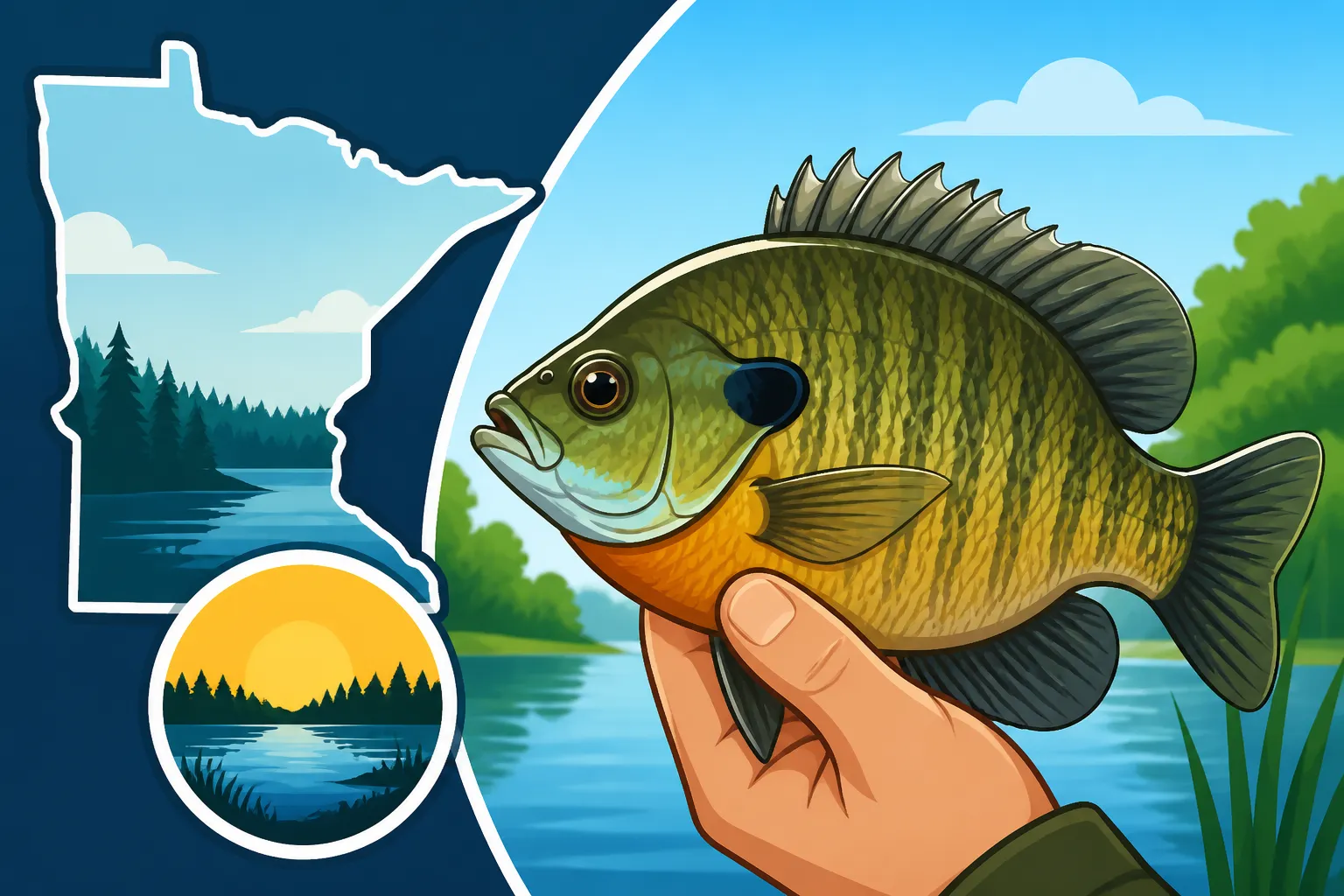
When you're out fishing in a typical Minnesota lake, you'll most commonly encounter bluegill in the 6 to 8-inch range. These are your bread-and-butter sunfish, perfect for a quick panfish fry or simply enjoying the tug on the line. They're robust, plentiful, and a fantastic target for beginners. A 6-inch bluegill might weigh around 4-6 ounces, while an 8-inch fish can push the scales past half a pound, sometimes up to ¾ of a pound if it's plump.
It's important to set realistic expectations. While stories of foot-long bluegill abound, they are truly exceptional catches. Most of the fish you'll catch and keep will fall within that 6-8 inch window. The sheer numbers of bluegill in many lakes can lead to stunted growth, where there are too many fish competing for limited food resources, resulting in a large population of smaller individuals.
However, don't let the averages discourage you! There are definitely opportunities to find larger specimens, and understanding what makes a bluegill grow big is half the battle. We'll explore some of the specific tactics and locations in later sections to help you connect with those more substantial sunnies.
Factors Influencing Bluegill Size
Several critical factors determine how large a bluegill can grow in any given Minnesota water body. It's a complex interplay of biology and environment, and savvy anglers pay close attention to these elements.
Firstly, food availability is paramount. Lakes with a rich supply of insects, small crustaceans, and even tiny baitfish or fish eggs will produce larger, healthier bluegill. If a lake has an overabundance of bluegill and not enough food, they'll simply stop growing or grow very slowly. This phenomenon is often seen in smaller, private ponds where the ecosystem can become unbalanced.
Secondly, water quality and habitat play a significant role. Clean, well-oxygenated water with diverse aquatic vegetation provides both food and shelter for bluegill. Healthy weed beds, submerged timber, and rocky structures offer protection from predators and prime foraging grounds. Lakes with poor water quality or degraded habitats tend to have less productive fisheries overall, including smaller panfish.
Finally, predator presence can ironically contribute to larger bluegill. While it might seem counterintuitive, a healthy population of predators like northern pike, walleye, and bass helps to keep the bluegill population in check. By culling the smaller, weaker bluegill, these predators reduce competition for food among the remaining sunfish, allowing them to grow faster and larger. This is a key aspect of balanced fishery management that the Minnesota Department of Natural Resources (DNR) often considers.
The Hunt for "Slab" Bluegill
The thrill of hooking into a truly massive bluegill, a "slab" as they're often called, is a feeling every panfish angler chases. It takes a bit more effort and strategy than just dropping a worm anywhere, but the reward is certainly worth it.
Identifying Trophy Bluegill
So, what exactly constitutes a "trophy" bluegill in Minnesota? While beauty is in the eye of the beholder, generally, a bluegill over 9 inches is considered an excellent catch. A bluegill pushing 10 inches or more is a truly rare and remarkable specimen that many anglers will remember for a lifetime. These fish often have a darker, more vibrant coloration, deep bodies, and feel incredibly solid in your hand due to their weight.
The weight of a bluegill is another good indicator. While a common 6-8 inch bluegill might be less than half a pound, a 9-inch fish can easily weigh ¾ of a pound to a full pound. A 10-inch bluegill could weigh 1.25 pounds or even more. The Minnesota DNR recognizes Master Angler achievements for fish that meet certain criteria, and for bluegill, this often involves impressive size and weight. To learn more about identifying different panfish species, you might find our guide on Bluegill vs Sunfish vs Crappie: Panfish ID helpful.
When you land one of these giants, take a moment to appreciate it. Snap a quick photo, perhaps get a measurement, and then consider practicing Catch and Release Best Practices in Minnesota to ensure these exceptional fish can continue to contribute to the lake's genetics and provide future thrills for other anglers.
Where to Find Bigger Bluegill
Finding those larger bluegill requires a bit of research and often involves targeting specific types of lakes and areas within them. It's not always about sheer numbers, but about quality.
Some of the best lakes for big bluegill in Minnesota are those with strong predator populations and abundant forage, but not necessarily an overpopulation of bluegill. Lakes with more complex structures, deeper water, and clear water often harbor bigger sunnies. Think about lakes known for their healthy walleye or bass populations; these often have larger panfish as a result of that balanced ecosystem. Our Best Panfish Lakes in Minnesota article might give you some specific destinations to start your search.
When targeting bigger bluegill, focus on areas with slightly deeper water, especially around structural elements like weed lines, brush piles, submerged logs, and drop-offs. While smaller bluegill might congregate in massive schools in shallow bays, the larger ones often prefer to cruise the edges of these schools or hold slightly deeper, venturing into the shallows to feed. Early mornings and late evenings can be prime times for these bigger fish to become more active.
Consider using slightly larger baits than you would for average bluegill. While a small piece of worm works wonders for numbers, a whole nightcrawler segment, a small minnow, or even tiny artificial lures like micro jigs tipped with plastics can entice those more discerning, larger fish. For more detailed strategies, check out our Best Bluegill Fishing Tactics in Minnesota guide.
Bluegill Management and Conservation
Maintaining healthy bluegill populations, especially those capable of producing "slab" sunnies, is a significant focus for fisheries managers and responsible anglers alike. Our collective actions directly impact the size and quality of bluegill fishing in Minnesota.
How Regulations Protect Larger Fish
The Minnesota DNR implements various regulations to manage bluegill populations, often with the goal of improving average fish size rather than just total numbers. One common approach is the use of reduced bag limits on certain lakes. For instance, while the statewide crappie and sunfish limit is usually generous, some specific lakes might have a reduced bag limit for sunfish (like bluegill, pumpkinseed, and green sunfish) to encourage anglers to keep fewer fish, allowing more to grow larger.
Another tool is the "quality bluegill" regulation, where a lake might have a more restrictive bag limit, often 5 or 10 sunfish, and sometimes even a protected slot limit, meaning you can only keep fish below or above a certain size. These regulations are often implemented on lakes that have the potential to produce larger bluegill but might be experiencing overharvest of the bigger fish. Always check the current Minnesota Fishing Regulations Changes for 2026 for any specific lake before you head out, as these can vary significantly from one water body to another.
These regulations aren't designed to make fishing harder; rather, they're scientifically based efforts to shift the population dynamics. By reducing the harvest of medium-sized fish, the hope is that more bluegill will survive to reach those sought-after larger sizes, leading to a better fishing experience for everyone in the long run.
Catch and Release for Future Generations
Beyond official regulations, responsible angling practices, particularly catch and release, play a crucial role in conserving trophy bluegill. While bluegill are excellent table fare, and there's nothing wrong with keeping a meal, selectively releasing the largest fish can have a profound impact.
Large bluegill are typically the most prolific spawners, contributing significantly to the next generation. They also carry the "big fish" genes. By releasing these giants, you ensure they have a chance to spawn again and pass on those desirable traits, leading to a higher potential for larger bluegill in the future. It's a simple act that can have a long-lasting positive effect on the fishery. When you catch a truly exceptional bluegill, consider taking a quick picture and then carefully releasing it.
If you are planning to keep some bluegill for dinner, consider keeping a few of the smaller to medium-sized fish (say, 6-8 inches) rather than immediately bagging the largest ones. This practice, often called "harvesting the intermediates," helps thin out the dense population of average-sized fish, reducing competition and allowing the remaining fish, including potential giants, to grow faster. For guidance on how to properly handle fish during release, refer to our article on Catch and Release Best Practices in Minnesota.
Minnesota State Records and Notable Catches
Every angler dreams of catching a state record. While bluegill might seem like a common catch, the official state record is a testament to just how big these panfish can get under ideal conditions.
The Official State Record
The current Minnesota state record bluegill is an absolute monster that would make any angler's jaw drop. Caught by Nate Blasing in a private lake in Dakota County back in 2024, this incredible fish weighed 2 pounds, 13 ounces. Just imagine a bluegill approaching three pounds! It measured an impressive 12.75 inches in length. This record stands as a beacon, reminding us that truly gigantic bluegill exist within Minnesota's waters, even if they are exceptionally rare.
This record is a testament to the potential within certain lakes and the careful management or specific environmental conditions that allowed this particular fish to reach such an astonishing size. It also highlights the fact that even small, private waters can hold big surprises, sometimes even more so than heavily fished public lakes.
Personal Best Stories
While most of us won't be breaking state records, the pursuit of a personal best is a driving force in fishing. Many seasoned Minnesota anglers can recount stories of their biggest bluegill, often caught in unexpected places or during memorable outings.
For instance, my buddy, Mark, once landed a bluegill on Lake Osakis that measured a hair over 10 inches – a true "hand-wrecker" that felt like a brick. He caught it while jigging a tiny spoon tipped with a wax worm in about 15 feet of water, near a sparse weed line during late spring. He still talks about how the fight felt like a small bass rather than a bluegill. Similarly, I remember a trip to a quiet bay on Lake Vermilion where we were targeting crappies, and I pulled out a bluegill just shy of 9 inches on a slip bobber rig with a small leech. It wasn't a record, but it was easily the biggest bluegill I'd ever seen come out of that lake, and it cooked up beautifully. These personal bests, big or small, are what keep us coming back for more.
These kinds of catches aren't just luck. They often come from persistence, trying different spots and techniques, and sometimes, a little bit of local knowledge. Knowing when and where to present your bait, whether it's the Best Live Bait for Walleye (Leeches, Minnows, Crawlers) (which also applies to bluegill) or a tiny ice fishing jig, can make all the difference.
Bluegill Fishing Techniques for Bigger Fish
Targeting bigger bluegill often means refining your approach beyond just a worm and bobber, though those classics still catch plenty of fish. To consistently connect with those larger slabs, you might need to adapt your techniques.
Advanced Rigging and Bait Selection
When chasing those trophy bluegill, your choice of bait and how you present it can be crucial. While redworms and nightcrawler pieces are always effective, consider upsizing slightly or trying different options. A full small nightcrawler or a lively leech can be irresistible to a larger bluegill that's looking for a more substantial meal. Some anglers also find success with small minnows, particularly during colder water periods.
For artificials, tiny jigs are king. Think about using tungsten jigs, which are denser and allow for smaller profiles with more weight, getting your bait down quickly. Tip these with small plastic grubs, tubes, or even just a single wax worm or a few maggots. The color can sometimes make a difference; chartreuse, white, black, and pink are often popular choices. A good article to consult for more specific lure suggestions would be Best Lures & Baits for Minnesota by Species.
For rigging, a classic slip bobber rig allows you to present your bait at a precise depth, which is often necessary when larger bluegill are holding deeper or near specific cover. You can also try vertical jigging with a small jig and live bait or plastic, particularly when you've located a school of larger fish on your fish finder.
Seasonal Strategies for Larger Bluegill
The time of year significantly impacts where you'll find bluegill and how aggressive they are, especially the bigger ones.
In spring, after ice-out, bluegill will move into shallower, sun-warmed bays and flats to spawn. This is arguably the easiest time to locate and catch large numbers of fish, including some big ones, as they become very aggressive and concentrated. Look for them around emergent weeds, docks, and lily pads.
Summer sees bluegill spreading out. While some remain in the shallows, the biggest bluegill often retreat to deeper, cooler water, congregating around main lake weed lines, brush piles, humps, and submerged structure. Fishing during early morning or late evening often yields the best results as they move into shallower feeding areas.
As fall approaches and water temperatures drop, bluegill will transition back to deeper water, often suspending over basins or holding tight to deep structure. This can be a challenging but rewarding time to target the biggest fish, as they are actively feeding to fatten up for winter.
And of course, ice fishing offers another fantastic opportunity for jumbo bluegill. They'll often school up in specific basins, around deep weed edges, or near structural elements. Small tungsten jigs, tipped with wax worms or plastics, fished through the ice can be deadly. Our Crappie & Panfish Fishing Techniques covers some excellent ice fishing strategies applicable to bluegill as well. Knowing the Bluegill Season & Limit in Minnesota is crucial before you head out, no matter the time of year.
Table of Average Bluegill Sizes and Trophy Expectations
To help you visualize what to expect and what to aspire to, here's a quick table summarizing bluegill sizes in Minnesota:
| Size Category | Length Range (Inches) | Weight Range (Ounces) | Typical Appearance | Occurrence in Minnesota |
|---|---|---|---|---|
| Small/Fingerling | < 4 | < 2 | Slender, young fish | Very Common |
| Average Keeper | 6 – 8 | 4 – 12 | Common, good panfish size, somewhat slender | Extremely Common |
| Good/Quality | 8 – 9 | 12 – 16 (1 lb) | Noticeably wider, thicker body, good fight | Fairly Common |
| Slab/Trophy | 9 – 10 | 16 – 20 (1.25 lb) | Very wide, deep-bodied, strong fighter, rare | Uncommon |
| Exceptional/Giant | 10+ | 20+ | Dinner plate size, impressive girth, very rare | Very Rare |
| State Record | 12.75 | 45 (2 lb 13 oz) | Absolutely massive, once-in-a-lifetime catch | One-of-a-kind |
Remember, these are general guidelines. A fish's weight can vary based on its health and the time of year. A bluegill might be shorter but incredibly stout, or longer and more slender depending on its environment and diet.
Disclaimer
Fishing regulations can change frequently. Always consult the most current Minnesota Department of Natural Resources (DNR) fishing regulations booklet or their official website before heading out on the water to ensure you are in compliance with all statewide and special lake-specific rules.