Are Carp Good to Eat?
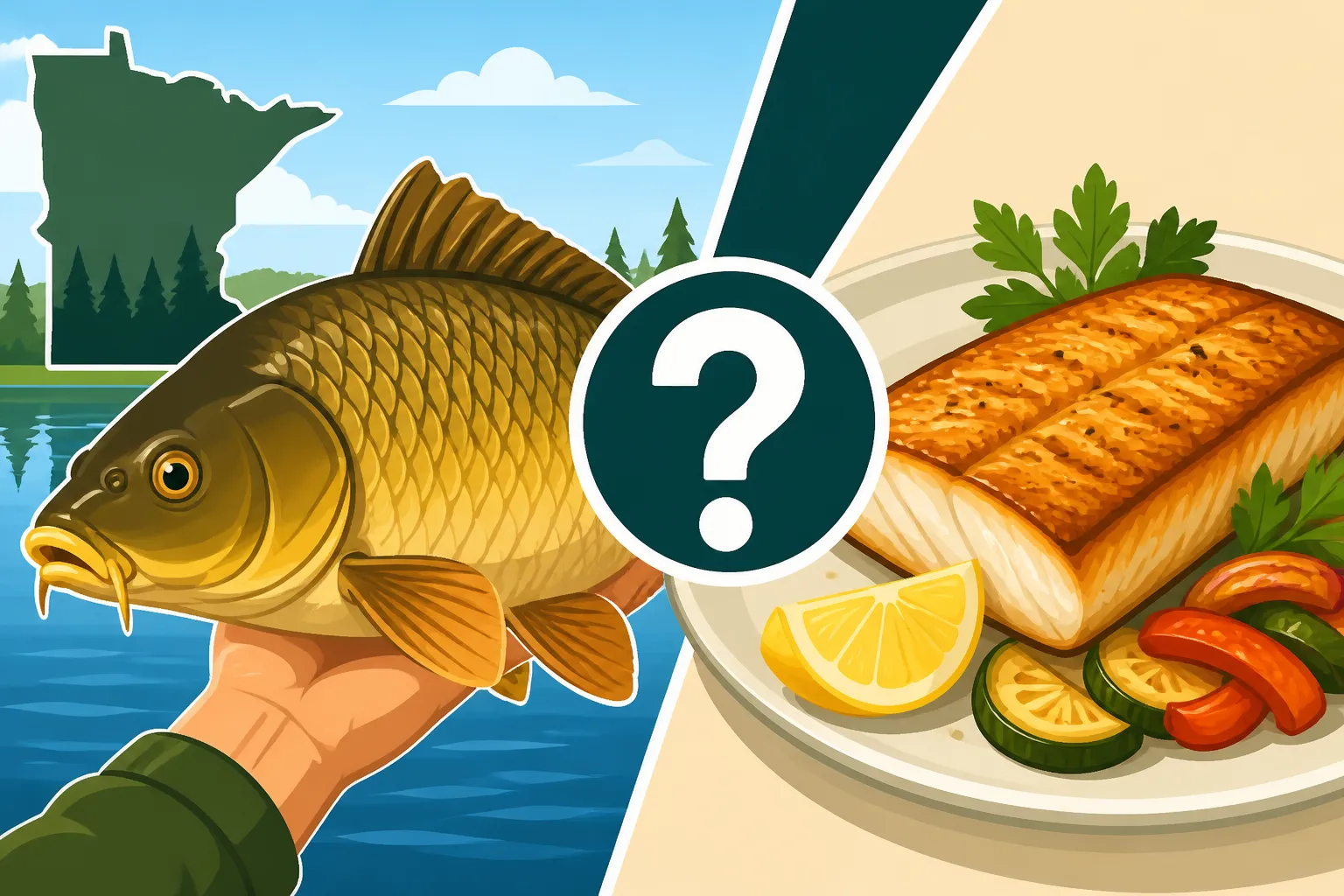
Alright, let's talk about carp. For many folks who grew up fishing the lakes and rivers of Minnesota, the common carp has always been seen as a "trash fish" or "rough fish" – something you might catch by accident and quickly toss back, or maybe even leave on the bank. There's a deeply ingrained stigma that they're muddy, bony, and just plain not good to eat. But what if I told you that this perception is often unfair, and with a little knowledge and proper preparation, carp can actually be a delicious, sustainable, and underutilized protein source right here in our own backyard? This guide is here to bust those myths and show you exactly why carp deserve a second chance on your dinner plate, especially for those of us who appreciate the bounty our waters offer.
The Unfair Reputation of Carp in Minnesota Waters
It's a story as old as time, or at least as old as the fishing stories we hear around the campfire: carp are bad. They're bottom feeders, they taste like mud, they're full of bones. This narrative has been passed down through generations, making it incredibly difficult for many anglers to even consider keeping a carp for dinner. But let's take a closer look at where this reputation comes from and why it might not be the full picture.
Dispelling the "Rough Fish" Misconception
The term "rough fish" itself carries a negative connotation, painting species like carp, suckers, and buffalo fish as undesirable compared to "game fish" like walleye, bass, and pike. This classification often leads to these fish being treated with less respect, both in terms of fishing practices and culinary consideration. However, many cultures around the world, particularly in Europe and Asia, hold carp in high regard as a food fish, even a delicacy. In Minnesota, the common carp was introduced in the late 19th century and quickly spread, leading to perceptions that they compete with native game fish. While their ecological impact is a complex topic, it doesn't automatically mean they're not fit for consumption.
Think about it: many other "game fish" will feed on the bottom, too, depending on what forage is available. Walleyes are notorious for eating leeches and crawlers from the lakebed. Does that make them taste bad? Not at all! The truth is, the "rough fish" label has more to do with perceived sport-fishing value and historical context than it does with actual edibility. The lack of traditional recipes in mainstream American cooking for carp also contributes to this cycle of avoidance. If you don't know how to prepare something, it's easy to assume it's not worth preparing. We're often quick to dismiss what we don't understand, and carp have certainly been on the receiving end of that dismissal for far too long.
How Habitat and Species Influence Flavor
Just like any other fish, the taste of carp is heavily influenced by its environment. A carp caught from a shallow, muddy slough in the heat of summer will likely have a different flavor profile than one caught from a deep, clear lake during cooler months. This is a crucial distinction that often gets overlooked. Carp are incredibly adaptable and can thrive in a variety of water conditions, but their diet and metabolism in cleaner, cooler waters will result in a firmer, milder-tasting flesh.
In Minnesota, we primarily deal with the common carp (Cyprinus carpio), but there are also silver carp and bighead carp, which are invasive species primarily found in river systems like the Mississippi and Minnesota Rivers. These filter-feeding carp, if caught, are also edible and have a different texture. For the common carp, choosing your fishing spot wisely makes a huge difference. Targeting carp in large, clear lakes or rivers with good current will generally yield much better-tasting fish than those from stagnant, silty backwaters. The water temperature also plays a role; carp caught in cooler water, such as during spring or fall, tend to have firmer flesh and a less "muddy" taste because their metabolism slows down and they're less actively foraging in the muck. This is similar to how "game fish" like crappies and walleyes are often considered to taste best when caught in cooler water.
Preparing Carp for the Table: From Catch to Culinary Delight
So, you've decided to give carp a fair shot. That's fantastic! The next hurdle is proper preparation, and this is where many people run into trouble or simply don't know where to start. Carp have a few unique characteristics that require specific handling, but once you get the hang of it, it's really not much different than processing any other fish.
Handling Your Catch for Best Flavor
The moment you catch a carp, its fate as a culinary experience begins. Improper handling can quickly lead to off-flavors, regardless of how good the fish might have tasted otherwise. The most important step is to dispatch the fish quickly and humanely immediately after landing it. This minimizes stress, which can release compounds into the flesh that cause a "gamey" or "muddy" taste. A sharp blow to the head is usually sufficient.
Next, you'll want to bleed the fish immediately. This is a critical step for almost all fish intended for consumption, and carp are no exception. Simply cut the gills or sever the artery just behind the head, and let the fish bleed out in a bucket of water or directly over the side of the boat or bank. Bleeding helps remove impurities from the blood, resulting in cleaner, whiter, and better-tasting meat. After bleeding, get the fish on ice as quickly as possible. This stops the enzymatic breakdown process and preserves the freshness of the meat. Don't just toss it in a cooler without ice; proper chilling is paramount. If you're planning a trip, be sure to check out some Best Fishing Gear for Beginners in Minnesota (By Budget) to ensure you have the right cooler for keeping your catch fresh.
Filleting and Removing the "Mud Vein"
Carp can be a bit daunting to fillet due to their shape and bone structure, but with practice, it becomes straightforward. You'll want a very sharp, flexible fillet knife. Start by cutting behind the gill plate and along the top of the backbone, just as you would with a walleye or pike. One unique step for carp is removing what's often called the "mud vein" or "red line." This dark, sometimes reddish, fatty strip runs along the lateral line of the fillet. It's often responsible for any strong, "muddy" flavors.
To remove it, simply make a shallow V-cut along both sides of this dark strip and lift it out. It's a bit like removing the dark meat from salmon or tuna if you prefer a milder flavor. Some people don't mind it, but for a first-timer or someone sensitive to stronger flavors, taking the time to remove the mud vein can significantly improve the taste. This small but important step can turn a potentially unpalatable piece of fish into something truly enjoyable. You might also find tips in guides like How to Fillet a Northern Pike (Remove Y-Bones) helpful for general filleting techniques, as the principle of working around bones is similar.
Overcoming the Y-Bone Challenge
Ah, the dreaded Y-bones! This is perhaps the biggest barrier for many people trying to eat carp. Like northern pike, carp have a series of intramuscular bones, shaped like a 'Y', that run through their fillets. These bones are notoriously difficult to remove completely with a simple fillet, leading to frustrating mouthfuls of tiny bones. But don't despair; there are several methods to deal with them:
- Scoring the Fillet: This is a popular technique. After you've filleted the fish and removed the mud vein, lay the fillet skin-side down. Using your sharp knife, make very close parallel cuts (about 1/8 to 1/4 inch apart) perpendicular to the Y-bones, cutting almost all the way through the fillet, but not through the skin. This essentially minces the bones into tiny, edible pieces that will soften and disappear when cooked, especially when deep-fried or smoked.
- Grinding: For those with a meat grinder, this is an excellent option. Fillet the fish, remove the skin and mud vein, and then run the meat through a grinder. The bones will be pulverized into oblivion. This ground carp meat can then be used for fish patties, fish balls, tacos, or even as a base for stews.
- Smoking/Canning: Slow cooking methods like smoking or pressure canning can render the Y-bones incredibly soft, to the point where they are virtually undetectable or easily crushed and eaten. This is similar to how bones in canned salmon or sardines are prepared.
No matter which method you choose, understanding and addressing the Y-bone issue is key to enjoying carp without the frustration. Don't let a few bones scare you away from a delicious meal!
Delicious Ways to Cook Carp: Beyond the Deep Fryer
Once you've got your carp fillets prepped, the culinary possibilities are surprisingly vast. Forget the idea that carp is only good for bait; it's a versatile fish that can shine in many different dishes.
Smoking and Grilling for Rich Flavor
Smoking carp is arguably one of the most popular and delicious ways to prepare it, especially if you've got a smoker at home. The long, slow smoking process tenderizes the meat, infuses it with incredible flavor, and completely softens those pesky Y-bones. A good brine beforehand, often with brown sugar, salt, and spices, will help draw out any residual "fishy" taste and add moisture.
Steps for Smoking Carp:
- Brine: Soak your scored or boneless carp fillets in a brine solution (e.g., 1 cup salt, 1 cup brown sugar, 1 gallon water, optional spices like garlic powder, onion powder, paprika) for 8-12 hours in the refrigerator.
- Rinse and Dry: Remove from brine, rinse thoroughly under cold water, and pat dry. Let the fillets air dry on a rack in the fridge for a few hours (or overnight) until a pellicle (a slightly tacky, dry surface) forms. This pellicle helps smoke adhere and creates a better texture.
- Smoke: Place fillets in your smoker at a low temperature (around 175-225°F) using wood chips like apple, cherry, or hickory. Smoke until the internal temperature reaches 160°F, which can take anywhere from 3-6 hours depending on thickness and smoker.
Grilling is another fantastic option, especially for larger, thicker fillets. Marinate the carp fillets in something acidic like lemon juice, vinegar, or even a beer-based marinade for a few hours. This helps tenderize the meat and adds flavor. Grill over medium-high heat until flaky and cooked through. The char from the grill adds a wonderful dimension to the fish. When grilling, scoring the fillets is highly recommended to ensure even cooking and to mitigate the Y-bones.
Pickling and Canning for Long-Term Enjoyment
If you're a fan of pickled herring or pickled northern pike, you're in for a treat with pickled carp. The pickling process completely dissolves the small bones and transforms the texture of the fish into tender, flavorful morsels. It's a fantastic way to preserve a bountiful catch and create a unique appetizer or snack.
Basic Pickling Process:
- Cook Fish: Cut carp fillets into bite-sized pieces, boil them in salted water or a vinegar solution until fully cooked and firm.
- Brine/Marinade: Prepare a pickling solution with vinegar (white or apple cider), water, salt, sugar, and pickling spices (mustard seed, dill, bay leaf, allspice, peppercorns, onion slices).
- Combine & Chill: Pack the cooked fish pieces and sliced onions into jars, pour the cooled pickling solution over them, ensuring the fish is fully submerged. Seal and refrigerate for at least a week before eating to allow flavors to meld.
Canning is another excellent option for long-term storage, especially for larger quantities of carp. Pressure canning will make the bones completely edible, just like canned salmon or tuna. This allows you to have ready-to-eat carp for sandwiches, salads, or even as an ingredient in soups and stews.
International Preparations and Local Favorites
While overlooked in much of mainstream American cuisine, carp is a staple in many culinary traditions worldwide. Exploring these global recipes can open up a whole new world of flavor for Minnesota anglers.
- Eastern European: In many Eastern European countries, carp is traditionally served for Christmas Eve dinner. It's often fried, baked, or stewed in rich sauces with vegetables. Think "Carp in Black Sauce" or fried carp with dill and sour cream.
- Asian Cuisine: Carp is incredibly popular in various Asian cuisines. It can be steamed with ginger and scallions, stir-fried, or used in curries. The delicate steaming process really lets the natural sweetness of cleaner-water carp shine.
- Smoked Carp Spread: A local favorite for many who do eat carp is a smoked carp spread. Simply flake your smoked carp, mix it with cream cheese, mayonnaise, chives, a squeeze of lemon juice, and a dash of hot sauce. It's fantastic on crackers or crusty bread.
- Fish Cakes/Patties: If you've gone the grinding route to deal with Y-bones, fish cakes are an obvious choice. Mix the ground carp with breadcrumbs, egg, finely diced onion and bell pepper, and seasonings. Form into patties and pan-fry or bake until golden brown.
These diverse preparations highlight the versatility of carp and provide delicious alternatives to simply discarding a fish that offers so much potential.
Here's a quick comparison of some popular carp cooking methods:
| Method | Bone Handling Strategy | Flavor Profile | Best for | Notes |
|---|---|---|---|---|
| Smoking | Softens/dissolves bones | Rich, smoky, savory | Fillets, whole smaller fish | Brining is key for flavor and moisture. |
| Deep Frying | Scoring minces bones | Crispy, often mild, can be savory | Fillets, nuggets | Scoring is essential for bone comfort; classic "fish fry" method. |
| Pickling | Completely dissolves bones | Tangy, sweet, savory | Cooked pieces | Excellent for preservation; bones disappear. |
| Grilling | Scoring helps | Charred, firm, savory | Thicker fillets | Marinating adds flavor; high heat cooks quickly. |
| Baking/Roasting | Scoring helps | Tender, moist, can absorb flavors | Fillets, whole smaller fish | Good with herbs, lemon, vegetables; slower cook than grilling. |
| Grinding | Pulverizes bones | Versatile, neutral | Boneless chunks | Ideal for patties, tacos, meatballs. |
Nutritional Value and Sustainable Harvesting
Beyond the taste, there are compelling reasons to consider carp for your table, especially concerning health and environmental impact.
A Healthy and Accessible Protein Source
Carp are a lean, protein-rich fish that are also packed with essential nutrients. They are a good source of Omega-3 fatty acids, which are crucial for heart health and brain function, similar to many other popular fish species. They also contain vitamins B12 and D, as well as minerals like phosphorus and selenium. Given their abundance in Minnesota waters, carp represent a highly accessible and often free source of healthy protein, making them an excellent choice for budget-conscious anglers or those looking to diversify their diet.
Unlike some top predator fish, carp typically have lower levels of mercury. While it's always wise to consult Minnesota Fish Consumption: Mercury & PFAS Advisories for any species from a particular body of water, carp are generally considered a safer bet for regular consumption compared to, say, very large lake trout or walleye from certain lakes. This makes them a smart choice for families who want to enjoy fresh-caught fish without worrying too much about contaminants.
Contributing to Lake Health through Harvest
In many Minnesota lakes and rivers, common carp are considered an overabundant species. They can contribute to poor water quality by rooting up lake beds while feeding, releasing phosphorus and disturbing aquatic vegetation. This can lead to increased turbidity and algal blooms, negatively impacting the habitat for native game fish and waterfowl. By actively harvesting carp for food, anglers can actually contribute to the ecological health of these water bodies.
There are generally no possession limits on common carp in Minnesota, encouraging anglers to remove as many as they responsibly can. This makes them an ideal target for those who want to "eat local" and make a positive impact on their local environment. So, when you're out fishing for something else and hook into a big common carp, don't just see it as a nuisance. See it as an opportunity to enjoy a delicious meal while also doing a small part for the health of our precious waters. Whether you're catching them on a hook-and-line or using more specialized methods, every carp removed can help improve the ecosystem. Knowing that you're enjoying a meal that is both healthy and environmentally responsible adds another layer of satisfaction to the fishing experience. You can find many carp in large river systems, so checking out Minnesota River Fishing: Mississippi, Minnesota & St. Croix could lead you to some great fishing spots.
So, are carp good to eat? Absolutely! With a little effort in selecting your fish, proper cleaning, and an open mind to different cooking methods, common carp can be transformed from a "rough fish" into a delicious and sustainable meal. It's time to challenge those old stereotypes and give this abundant Minnesota fish the culinary respect it deserves.
Disclaimer
Please remember that fishing regulations, including consumption advisories, can change. Always consult the latest Minnesota Department of Natural Resources (DNR) regulations and advisories before fishing and consuming any fish from Minnesota waters.